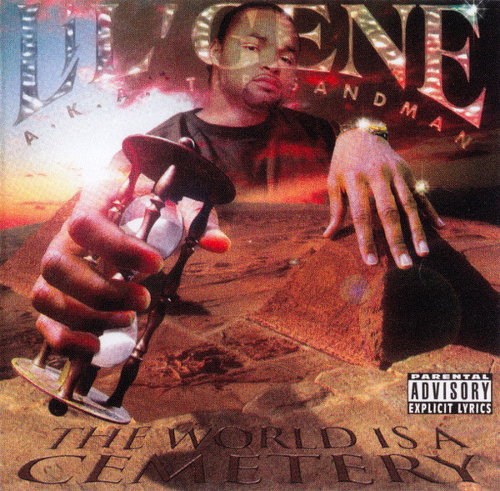
Lil’ Gene aka Mr. Sandmanの「Funny How Time Flys」は、穏やかな女性コーラスと柔らかなファンク・グルーヴの裏側に、逃げ場のない現実を閉じ込めた一曲だ。
耳に入ってくるのは、丸みのあるベース、淡い鍵盤、力を抜いたドラム、そして「Funny how time flies」と繰り返す女性ボーカル。表面だけを聴けば、夜のドライブにも合うメロウなG-Funkとして楽しめる。
しかしLil Geneが語る内容は決して軽くない。
朝、母親にキスをして家を出る場面から始まり、街角に張られた規制線、仲間の死、刑務所へ送られる友人、迫る裁判、金銭問題、酒やドラッグ、失われた恋愛、そして自分もいつか消えてしまうかもしれないという不安へと話が進んでいく。
約4分43秒の音源は、時間が静かに流れているようでいて、その一秒ごとに人生が追い詰められていく感覚を描いている。
穏やかな音と重い現実。その落差こそが、「Funny How Time Flys」を単なるメロウ・ナンバーでは終わらせない最大の魅力である。
アーティスト紹介
Lil’ Geneは、Mr. Sandman名義でも知られるシアトルのラッパーである。
本作を収録したアルバム『The World Is A Cemetery』は、シアトルのFoot In The Door Recordsから発表された作品として確認されている。資料によって1996年と1997年の表記が混在しているが、1996年盤として扱う資料が存在する。
シアトルのヒップホップといえばSir Mix-A-Lotのような存在が広く知られているが、1990年代には、より小規模なローカル・レーベルからGangsta RapやG-Funk系作品を発表するアーティストも活動していた。
Lil’ Geneの音楽は、そのPacific Northwest特有の距離感を持っている。
カリフォルニア産G-Funkに通じる滑らかなファンク感覚を取り入れながらも、陽気さや派手な成功物語より、雨、寒さ、孤独、生活の停滞といった暗い感情が前面に出る。
「Funny How Time Flys」は、そうしたLil’ Geneの個性を最も分かりやすく示す楽曲のひとつである。
作品背景
「Funny How Time Flys」は、アルバム『The World Is A Cemetery』の収録曲である。
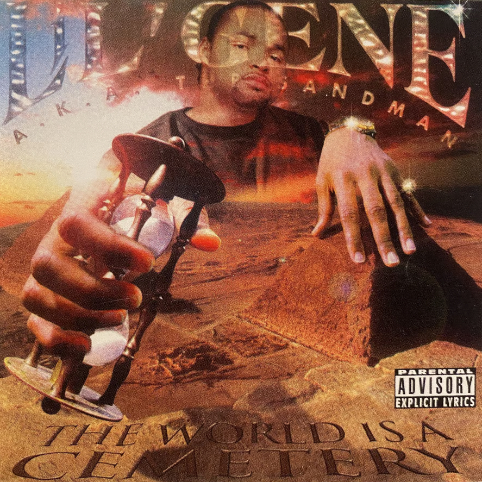
確認できるトラックリストでは、本曲のほかに「The Dungeon」「Check Fame」「Rainier Bloxx」「Deeper And Deeper」「Misunderstood」「Doors Wide Open」「The World Is A Cemetery」などが並んでいる。
「Rainier Bloxx」という曲名からも分かるように、アルバムにはシアトルのローカルな生活圏を意識した題材が含まれている。
アルバム名の『The World Is A Cemetery』も象徴的だ。
世界そのものを墓地にたとえるこのタイトルは、死が遠い出来事ではなく、日常のすぐ隣に存在するという感覚を示している。
その中で「Funny How Time Flys」は、時間の速さをテーマにしながら、人生が少しずつ失われていく過程を描く。アルバム全体の死生観と深く結びついた一曲と考えられる。
なお、Pacific Northwestの資料には、シアトルのPhamily Tribal Gangが1993年に『Time Flies』というカセット作品を発表していた記録も残されている。Lil’ Gene版との直接的な制作関係までは確認できないが、「時間が過ぎていく」というテーマが当時のローカル・シーンに存在していた点は興味深い。
第一印象
最初に耳を引くのは、楽曲全体に漂う落ち着きである。
ビートは約89BPM。速すぎず遅すぎないテンポで、Lil’ Geneの語りをじっくり聴かせる。
女性ボーカルが歌うフックは柔らかく、R&Bやスロウ・ジャムに近い温度を持っている。
一方、Lil’ Geneのラップには、その穏やかな雰囲気に安心できない緊張感がある。
声を荒らげたり、威圧的なフロウを見せたりする場面は少ない。それでも、語られる出来事には常に死、逮捕、暴力、貧困が付きまとう。
まるで本人が感情を爆発させる段階をすでに通り過ぎ、疲れ切った状態で現実を記録しているように聞こえる。
そのため、第一印象はメロウだが、聴き進めるほど息苦しさが増していく。
サウンド分析
ドラム
ドラムは、ミッドテンポの西海岸系ヒップホップを思わせるシンプルな構成である。
キックは低く丸みがあり、強烈に前へ出るタイプではない。スネアも硬く鋭い音ではなく、少し乾いた質感で一定の間隔を刻んでいる。
細かなフィルや派手なブレイクはほとんど使われず、基本パターンを維持しながらラップを支える。
この反復性が、時計の針が同じ動きを繰り返すような感覚を生み出している。
歌詞では人生が大きく揺れているにもかかわらず、ビートだけは一定の速度で進み続ける。
その構造が、「人間の事情とは関係なく時間だけが過ぎていく」という曲の主題を音で表している。
ベース
ベースは太いが、攻撃的ではない。
低音域を長く伸ばしながら、ドラムの隙間を埋めるように動いている。跳ねるようなG-Funkベースというより、楽曲全体を下から包み込むタイプのベースラインだ。
音数を抑えた設計によって、Lil’ Geneの声と女性ボーカルが前に出やすくなっている。
特にフックでは、ベースの丸さと女性コーラスの柔らかさが重なり、楽曲に一瞬の安らぎを与える。
ただし低音の響きには暗さもあり、完全に心が晴れる感覚はない。
温かさと不安が同居したベースである。
シンセ・メロディ
シンセと鍵盤は、この曲の哀愁を決定づけている。
背景では、薄く引き伸ばされたパッド系の音と、エレクトリック・ピアノに近い柔らかなコードが鳴っている。
高音域には、かすかに揺れるシンセの装飾が配置されており、G-Funkらしい浮遊感も感じられる。
しかし、明るく派手なリード・シンセが主旋律を引っ張る曲ではない。
メロディは前面に出るというより、Lil’ Geneの記憶や感情の後ろに霧のように漂っている。
終盤になると女性ボーカルの比重が増し、楽器の隙間が広がることで、孤独感がさらに強調される。
雨の音を思わせる歌詞と、このぼんやりした鍵盤の響きが重なり、シアトルの曇った空を連想させる音像になっている。
ミックス・グルーヴ
ミックスは、ボーカルを中心に置いた比較的素朴な作りである。
現代的な音源のように各パートが極端に分離しているわけではなく、ドラム、ベース、鍵盤、コーラスが少し溶け合っている。
このまとまりが、1990年代ローカル・ラップ特有の温度を生んでいる。
グルーヴは一定しているが、単調には感じにくい。
Lil’ Geneの語りの密度、女性ボーカルの入り方、途中に現れる歌唱パートによって、同じループの中に感情の変化が作られているからだ。
車内で流した際には滑らかなドライブ・ミュージックとして機能するが、歌詞に意識を向けると、街を走りながら危険な場所や過去の記憶を確認していくような感覚へ変わる。
ラップ/ボーカル分析
Lil’ Geneのラップは、低く落ち着いた声と、会話に近い自然なフロウが特徴である。
語尾を強く打ちつけるのではなく、一日の出来事を順番に報告するように言葉を置いていく。
フロウには大きな速度変化がなく、ビートの後ろ側へ少し重心を置いている。そのため、焦りを直接表現するというより、問題を抱えたまま疲れて歩いている人物の姿が浮かぶ。
最初のヴァースでは、母親にキスをして家を出るところから始まり、食べ物、服、電話、仲間、警察、死体袋、刑務所といった具体的な場面が連続する。
この生活描写の細かさが重要だ。
Lil’ Geneは抽象的に「人生はつらい」と語るのではなく、何を見て、どこへ行き、誰から連絡があり、何が起きたのかを描写している。
女性ボーカルは、Lil’ Geneのラップとは対照的である。
「Funny how time flies」というフックを滑らかに歌い、楽曲にR&B的な甘さを加える。
ただし、その歌声は単なる装飾ではない。
同じ言葉を何度も繰り返すことで、時間の経過を知らせる時計のような役割を果たしている。
後半では「I’m not a kid anymore」という内容が歌われ、曲のテーマがさらに明確になる。
子どもではなくなった。しかし、大人として安定した生活を手に入れたわけでもない。
この中途半端な地点に立たされている感覚が、Lil’ Geneのラップと女性ボーカルの両方から伝わってくる。
歌詞・テーマ
本作の中心テーマは、時間の経過と、その中で失われていく人生である。
タイトルの「Funny How Time Flys」は、一見すると「楽しい時間はあっという間に過ぎる」という一般的な表現に見える。
しかし、この曲では「楽しい時間」が中心ではない。
時間が進むたびに、仲間が死に、刑務所へ送られ、裁判の日が近づき、人間関係が壊れ、自分の将来も不透明になっていく。
母親と貧困
冒頭でLil’ Geneは、母親にキスをして愛を伝えてから家を出る。
この場面には家族への愛情がある一方、朝食すら十分に用意されていない生活状況も示される。
それでも彼は、母親を責めない。
貧困を個人の失敗として語るのではなく、その環境の中で互いに支え合っている親子の姿として描いている。
この導入があることで、後に登場するストリートでの行動も、単純な悪意や享楽だけでは説明できなくなる。
街角の死
外へ出たLil’ Geneは、警察、救急車、規制線、死体袋のある光景に遭遇する。
しかも、その被害者は自分が知っている人物かもしれない。
彼はその場に長くとどまらず、迂回して先へ進む。
この行動には冷たさも感じられるが、それ以上に、死が日常化した環境で生き残るための反応が表れている。
一つひとつの死に立ち止まっていれば、自分の生活を続けられない。
悲しむ時間すら与えられないまま、時計だけが動いていく。
刑務所と裁判
歌詞には、仲間が有刺鉄線の向こうへ送られていくことや、自身にも6年から8年ほどの刑が科される可能性があるという不安が登場する。
刑務所は、遠い未来の恐怖ではない。
すでに友人が送られ、自分の裁判の日程も決まりつつある現実的な場所として描かれている。
Lil’ Geneは、立ち直るための時間が与えられていないと感じている。
生活を正す前に次の問題が起こり、金を作るために再び危険な行動へ戻らざるを得ない。
この循環が、曲全体の閉塞感を作っている。
恋愛と失われた未来
中盤では、かつて親しかった女性との関係も語られる。
二人は子どもができる寸前まで近づいたが、その未来は実現しなかった。
Lil’ Geneは、それでよかったのかもしれないと考えながらも、自分の血を受け継ぐ子どもが残らない可能性に寂しさを感じている。
ここでは、恋愛の終わりだけでなく、自分が未来へ何を残せるのかという不安が描かれている。
金や名声を求める理由も、単なる贅沢ではない。
自分の人生が終わった後に、何かを残したいという焦りが根底にある。
子どもではなくなった現実
女性ボーカルが歌う「I’m not a kid anymore」という言葉は、本作の重要な一節である。
子どもの頃には、公園で遊び、仲間と気楽に過ごせた。
しかし現在、同じ「hang」という言葉は、武器を持ち歩くことや危険な仲間関係を意味するようになっている。
同じ街、同じ仲間、同じ言葉であっても、時間が経過したことで意味が変わってしまった。
大人になることは自由になることではなく、責任、暴力、裁判、死を引き受けることとして描かれている。
トリビア/制作メモ
- 音源の長さは約4分43秒。
- 実測テンポは約89BPM。
- 『The World Is A Cemetery』は、シアトルのFoot In The Door Recordsから発表された作品として確認できる。
- 発売年は資料によって1996年と1997年の表記があるため、断定には注意が必要である。
- アルバムには「Rainier Bloxx」など、シアトルのローカル性を感じさせるタイトルも収録されている。
- 女性ボーカルの参加者名、本曲単体のプロデューサー、演奏者クレジットは、今回確認できた資料では特定できなかった。
- サンプリング元についても、信頼できる資料では確認できなかったため断定しない。
- 曲名は「Flies」ではなく、作品上では「Flys」と表記されることがある。
総評
Lil’ Gene aka Mr. Sandmanの「Funny How Time Flys」は、メロウG-Funkの心地よさと、ストリート・ラップの厳しい現実を高い水準で結びつけた一曲である。
ドラムは穏やかで、ベースは丸く、鍵盤には淡い哀愁がある。
女性コーラスも滑らかで、何気なく流しているだけなら、落ち着いた夜向けのメロウ・ナンバーとして聞こえるだろう。
しかしLil’ Geneが描いているのは、決して穏やかな生活ではない。
食事のない朝、街角の死体、刑務所へ送られる仲間、迫る裁判、壊れた恋愛、残せないかもしれない子ども、そして止めることのできない時計。
この曲では、時間は傷を癒やしてくれる存在ではない。
何も解決しないまま、次の問題へ人間を押し流していく存在として描かれている。
それでもLil’ Geneは、完全に希望を捨てているわけではない。
母親への愛、仲間との結束、音楽で金を得ようとする意志、自分の人生を何かにつなげたいという思いが、暗い歌詞の中に残っている。
「Funny How Time Flys」は、派手なシンセや強烈なフックで押し切るG-Funkではない。
静かなグルーヴの中で、ひとりの若者が大人にならざるを得なかった過程を記録した、シアトル産ローカル・ラップの隠れた名曲である。
Lil’ Gene aka Mr. Sandman – Funny How Time Flys | Mellow Seattle G-Funk Trapped Inside a Life of Loss and Pressure
Lil’ Gene aka Mr. Sandman’s “Funny How Time Flys” is a track that hides an inescapable reality beneath a calm female chorus and a soft funk groove.
What reaches the ear first is warm, rounded bass, hazy keyboards, relaxed drums, and a female voice repeating:
“Funny how time flies.”
On the surface, it works perfectly as mellow G-Funk for a late-night drive.
But there is nothing light about what Lil’ Gene is describing.
The story begins with him kissing his mother goodbye in the morning before leaving home.
From there, it moves through police tape stretched across the street, the death of people he knows, friends being sent to prison, an approaching court case, money problems, alcohol and drugs, a relationship that has already disappeared, and the growing fear that he too may eventually vanish.
Across approximately 4 minutes and 43 seconds, time seems to move quietly.
Yet with every passing second, his life feels more trapped.
That contrast between peaceful music and heavy reality is what prevents “Funny How Time Flys” from becoming just another mellow rap song.
Artist Introduction
Lil’ Gene, also known as Mr. Sandman, is a rapper associated with Seattle, Washington.
His album The World Is A Cemetery, which includes “Funny How Time Flys,” is documented as a release from the Seattle-based Foot In The Door Records.
Sources differ on whether the album should be dated to 1996 or 1997, although documentation exists identifying it as a 1996 release.
When Seattle hip-hop is discussed nationally, artists such as Sir Mix-A-Lot tend to receive most of the attention.
But during the 1990s, the city also had a smaller underground scene producing local gangsta rap and G-Funk-oriented records through independent labels.
Lil’ Gene’s music carries a distinctly Pacific Northwest atmosphere.
There is a smooth funk influence that clearly connects to California G-Funk, but instead of sunshine or flashy success, the emotional center often feels colder and more isolated.
Rain, loneliness, frustration, stagnation, and the sense of being trapped by circumstances all sit closer to the surface.
“Funny How Time Flys” is one of the clearest examples of that identity.
Background
“Funny How Time Flys” appears on the album The World Is A Cemetery.
Available track listings also include songs such as “The Dungeon,” “Check Fame,” “Rainier Bloxx,” “Deeper And Deeper,” “Misunderstood,” “Doors Wide Open,” and the title track “The World Is A Cemetery.”
A title such as “Rainier Bloxx” already points toward the album’s local Seattle environment.
The album title itself is equally important.
By describing the world as a cemetery, The World Is A Cemetery presents death not as something distant, but as something existing immediately beside everyday life.
Within that context, “Funny How Time Flys” focuses on the speed of time while documenting the gradual disappearance of stability, relationships, freedom, and life itself.
That makes the song closely connected to the album’s broader preoccupation with mortality.
Pacific Northwest discography sources also document a 1993 cassette titled Time Flies by the Seattle group Phamily Tribal Gang.
No direct production relationship between that release and Lil’ Gene’s song has been confirmed.
Still, it is interesting that the idea of time slipping away appears elsewhere in the same regional scene during the era.
First Impression
The first thing that stands out is how calm the track feels.
The beat sits at approximately 89 BPM.
It is neither fast nor extremely slow, giving Lil’ Gene plenty of room to tell his story without rushing.
The female hook is soft and carries the warmth of R&B or a slow jam.
Lil’ Gene’s verses, however, introduce tension that prevents the listener from settling comfortably into that atmosphere.
He rarely raises his voice.
There are few moments of aggressive delivery or intimidation.
Yet death, arrest, violence, and poverty are constantly present in what he says.
It sounds almost as if he has already moved beyond the point of emotional explosion.
Instead, he records what is happening around him with the exhaustion of someone who has seen too much.
That is why the track initially sounds mellow, but becomes increasingly claustrophobic the longer it continues.
Sound Analysis
Drums
The drums are built around a simple mid-tempo pattern that recalls West Coast hip-hop of the era.
The kick is low and rounded rather than aggressively pushed to the front.
The snare also avoids a sharp, metallic attack.
Instead, it lands with a slightly dry character at steady intervals.
There are few elaborate fills or dramatic breaks.
The same basic rhythm continues underneath the verses and hooks.
That repetition creates a sensation similar to watching the hands of a clock make the same movement over and over.
The events described in the lyrics may be chaotic, but the beat keeps moving at the same speed.
That structure reinforces one of the song’s central ideas:
time continues whether or not your life is falling apart.
Bass
The bass is thick, but not aggressive.
Its notes stretch through the lower frequencies, filling the gaps between the drums.
Rather than using a highly animated bouncing G-Funk line, the bass wraps itself around the entire track from underneath.
The restrained arrangement keeps space open for both Lil’ Gene and the female vocals.
During the hook, the roundness of the bass blends especially well with the softness of the chorus, creating brief moments of comfort.
But there is still darkness inside the low end.
It never creates the feeling that everything is going to be all right.
This is bass that carries warmth and anxiety at the same time.
Synths & Melody
The synthesizers and keyboards are central to the song’s melancholy atmosphere.
Soft pads stretch across the background while electric-piano-like chords move gently underneath.
Higher in the mix, faint synth decorations drift in and out, giving the track some of the floating quality associated with G-Funk.
But this is not a track dominated by a bright, high-pitched lead synth.
The melodies do not demand attention.
They sit behind Lil’ Gene’s memories and emotions almost like fog.
Toward the end of the song, the female vocal becomes more prominent and the instrumental feels increasingly open.
That additional space intensifies the sense of isolation.
References to rain in the lyrics combine naturally with the hazy keyboard textures, creating a sound that can easily bring Seattle’s grey skies to mind.
Mix & Groove
The mix is relatively simple and centered around the vocals.
Unlike many modern productions where each instrument is sharply separated, the drums, bass, keyboards, and chorus blend together slightly.
That cohesion gives the track the warm, imperfect character associated with 1990s local rap recordings.
The groove remains consistent, but rarely feels boring.
Lil’ Gene changes the emotional density through his storytelling, while the female chorus and additional vocal moments create subtle shifts inside the same loop.
Played casually in a car, the track can function as smooth driving music.
But once the lyrics become the focus, that same drive begins to feel more like moving through a city while passing dangerous places and memories that cannot be avoided.
Rap / Vocal Analysis
Lil’ Gene’s rapping is defined by a low, controlled voice and a conversational flow.
He does not slam the ends of his lines into the beat.
Instead, he places words almost as if he is reporting the events of his day in sequence.
There are few major changes in speed.
His delivery often sits slightly behind the beat, creating the image of someone continuing to walk while carrying more problems than he can comfortably manage.
In the first verse, he begins by kissing his mother before leaving the house.
From there, the lyrics move through food, clothing, phone calls, friends, police, body bags, and prison.
The level of everyday detail is important.
Lil’ Gene does not simply say that life is difficult.
He shows what he sees, where he goes, who contacts him, and what happens around him.
That specificity gives the track much of its emotional weight.
The female vocalist provides a clear contrast.
Her repeated “Funny how time flies” adds an R&B sweetness to the song.
But the hook is more than decoration.
By repeating the same phrase again and again, the voice begins to function almost like a clock announcing that more time has passed.
Later, the line “I’m not a kid anymore” makes the theme even more explicit.
He is no longer a child.
But adulthood has not brought stability, security, or freedom.
That uncomfortable space between childhood and a fully controlled adult life is present in both Lil’ Gene’s verses and the female vocals.
Lyrics & Themes
The central theme of the song is the passing of time and the lives gradually lost inside it.
The title “Funny How Time Flys” may initially sound like the familiar idea that enjoyable moments pass quickly.
But this is not a song about good times disappearing too fast.
Here, every movement of the clock seems to bring another loss.
Friends die.
Others are sent to prison.
Court dates move closer.
Relationships fall apart.
Lil’ Gene’s own future becomes increasingly uncertain.
His Mother and Poverty
The song begins with Lil’ Gene kissing his mother and telling her that he loves her before leaving home.
There is genuine affection in the scene.
At the same time, the lyrics also suggest a household where even something as basic as breakfast may not always be available.
Lil’ Gene does not blame his mother.
Poverty is not presented as an individual moral failure.
Instead, the scene shows a parent and child supporting each other inside circumstances that neither fully controls.
That opening matters because it complicates everything that follows.
His later involvement with the streets cannot be reduced to simple greed or recklessness.
Death on the Corner
Once outside, Lil’ Gene encounters police, emergency vehicles, crime-scene tape, and a body bag.
The victim may even be someone he knows.
Yet he does not remain there for long.
He changes direction and keeps moving.
That response can sound cold.
But more importantly, it reflects a world in which death has become common enough that survival sometimes requires refusing to stop.
If every death demanded complete emotional collapse, daily life would become impossible.
There is not even enough time to fully grieve before the clock pushes him forward again.
Prison and Court
The lyrics also refer to friends being sent behind barbed wire and to Lil’ Gene himself facing the possibility of a sentence of roughly six to eight years.
Prison is not some abstract future fear.
People he knows are already there.
His own court situation is also approaching.
Lil’ Gene sounds as though he believes he has not been given enough time to straighten out his life.
Before one problem can be solved, another one arrives.
When money is needed, dangerous methods of making it become tempting again.
That cycle is what gives the song much of its feeling of entrapment.
Love and a Lost Future
In the middle of the song, Lil’ Gene reflects on a woman he was once close to.
The relationship came close to producing a child, but that future never happened.
He seems to think that perhaps it was for the best.
At the same time, there is sadness in the possibility that he may never leave behind a child carrying his bloodline.
This is about more than the end of a relationship.
It raises the question of what Lil’ Gene will leave behind after his own life ends.
His pursuit of money and recognition therefore sounds like more than a desire for luxury.
There is also a deeper anxiety about whether anything from his life will survive him.
Realizing He Is No Longer a Child
The female vocal line “I’m not a kid anymore” is one of the most important ideas in the track.
As a child, hanging out could mean playing in the park and spending carefree time with friends.
Now the same idea of “hanging” can mean carrying weapons or moving through dangerous relationships.
The streets may be the same.
Some of the people may even be the same.
But time has changed the meaning of everything.
Adulthood is not described as freedom.
It means responsibility, violence, court cases, loss, and death.
Trivia / Production Notes
- The track runs for approximately 4 minutes and 43 seconds.
- The measured tempo is approximately 89 BPM.
- The World Is A Cemetery is documented as a release from Seattle’s Foot In The Door Records.
- Sources differ between 1996 and 1997 for the album’s release year, so the date should be treated cautiously.
- The album includes titles such as “Rainier Bloxx,” reinforcing its local Seattle identity.
- The identity of the female vocalist, the specific producer of the track, and individual musician credits could not be confirmed from the available documentation.
- No reliable sampling source has been verified, so no specific sample is identified here.
- The song title appears in some release information as “Flys” rather than the standard spelling “Flies.”
Final Thoughts
Lil’ Gene aka Mr. Sandman’s “Funny How Time Flys” connects the comfort of mellow G-Funk with the harsh reality of street life at an unusually high level.
The drums are relaxed.
The bass is rounded.
The keyboards carry a soft sense of sadness.
And the female chorus is smooth enough that the track could easily pass as a late-night mellow cut if heard only in the background.
But Lil’ Gene is not describing a peaceful life.
There is no breakfast in the morning.
There are bodies on street corners.
Friends disappear into prison.
Court dates move closer.
Relationships collapse.
The possibility of having children and leaving something behind becomes uncertain.
And the clock never stops.
In this song, time is not something that heals wounds.
It is something that keeps pushing people into the next problem before the last one has been resolved.
Even so, Lil’ Gene never sounds completely without hope.
His love for his mother remains.
His connection to his friends remains.
His desire to make money through music remains.
And somewhere underneath all the darkness is the need to make his life mean something before it disappears.
“Funny How Time Flys” is not G-Funk built around a flashy synth lead or an explosive hook.
It is a quieter record.
A record about someone being forced into adulthood before he was ready.
And in that sense, it stands as a hidden piece of Seattle local rap that captures exactly how frightening it can be to realize that time is moving faster than your life can recover.
コメント