1990年代のヒューストン・ラップには、重量感のある低音や荒々しいストリート描写だけでは説明できない、独特の哀愁が存在する。
20-2-Lifeの「Feel Me feat. JAM」は、まさにその魅力が凝縮された一曲だ。
約4分24秒にわたって流れるのは、派手なシンセサイザーや攻撃的なドラムではない。淡く沈む鍵盤、ゆったりと揺れるビート、低い位置を支えるベース、そして感情を押し殺したようなラップである。
トラック自体は穏やかで、どこか美しい。
しかし、その美しさの奥には、決して明るいとは言えない現実が横たわっている。
タイトルの「Feel Me」は、単に「俺を感じろ」と訴える言葉ではない。自分たちが見てきたもの、背負っているもの、言葉の裏にある痛みまで理解できるかと、聴き手に静かに問いかけるような響きを持っている。
アーティスト紹介
20-2-Lifeは、テキサス州ヒューストンを拠点に活動したラップグループで、中心メンバーはBlackとKilla Hoeである。
彼らはK-Rinoを中心とするヒューストンのラップ集団、South Park Coalitionと関係を持ち、1990年代初頭からローカルシーンで作品を発表していた。デビュー期にはBigtyme Recordzから作品をリリースし、その後は自身のInmate Recordsを軸に活動を展開している。
20-2-Lifeの音楽は、ヒューストン・ラップ特有の重いローエンドを持ちながらも、単純な威圧感だけに頼っていない。
犯罪、貧困、仲間、裏切り、生存といったストリートの題材を扱いつつ、その内側にある疲労や孤独まで描き出す点に特徴がある。
「Feel Me」は、そうした彼らの内省的な側面が特に強く表れた楽曲と言える。
作品背景
「Feel Me」は、20-2-Lifeのアルバム『Twenty-Two-Life』に収録されている。
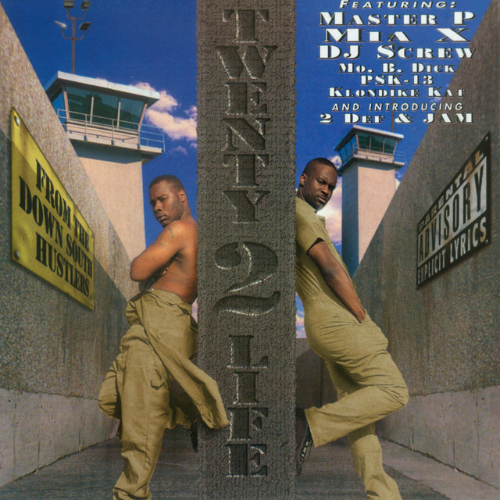
オリジナル盤は1996年にInmate Recordsから発表され、後年にはPriority Recordsやデジタル配信を通じて再流通したとされる。現在の配信サービスでは、リリース年が1998年と表示されている場合もあるため、オリジナル盤と再発・配信版の情報を区別する必要がある。
アルバムのオリジナル構成では、「Feel Me」は序盤に配置された楽曲で、JAMことJus Anotha Moveが客演している。
『Twenty-Two-Life』という作品名自体が、20-2-Lifeというグループ名と「長期刑」「閉ざされた人生」を連想させる言葉遊びになっている。
そのため、本作全体には自由と拘束、ストリートと刑務所、生存と死といった重い主題が漂う。
「Feel Me」もまた、単独で完結した楽曲でありながら、アルバムが持つ閉塞感や人生観を強く反映している。
第一印象
最初に耳を引くのは、トラックの美しさである。
イントロから流れる鍵盤は暗さを持っているが、完全に不穏なわけではない。むしろ、夜が明ける直前の薄暗い空のような、静かで淡い色合いを感じさせる。
その上に乗るドラムも強く前へ出てこない。
キックは低く、スネアは乾いているが、音量やアタックで聴き手を圧倒するタイプではない。一定の間隔で淡々と刻まれることで、ラッパーの言葉を受け止めるための空間を作っている。
しかし、ラップが始まると、曲の印象は少しずつ変化する。
トラックはメロウなままだが、声には緊張感があり、言葉の区切りには強い意志が感じられる。
美しい音楽の上で厳しい現実を語る。
この相反する二つの要素が共存していることこそ、「Feel Me」の大きな魅力である。
サウンド分析
ドラム
音源解析では、テンポは約85BPM前後と推定される。
体感的にも、速く前へ進むというより、一歩ずつ重心を移動させるようなミドルテンポだ。
キックは極端に派手ではないが、低い帯域にしっかりと重量がある。長く伸びるタイプではなく、短く沈み込むことで、ベースラインと衝突せずに曲の土台を作っている。
スネアには乾いた質感があり、ヒューストン・ラップにしばしば見られる、少し埃っぽい音像を生んでいる。
細かなハイハットの刻みや複雑なフィルインは控えめで、ビートは基本的に一定のパターンを維持する。
現代的なトラックのように、数小節ごとにドラムを変化させて注意を引くのではない。
同じリズムを粘り強く反復することで、聴き手を曲の空気の中へ沈めていく。
この反復性は、楽曲の閉塞感とも結びついている。
景色が大きく変わらないまま、同じ道を進み続けるような感覚がある。
ベース
ベースは曲全体の重心を低く保っている。
ただし、強烈なサブベースでスピーカーを揺らすタイプではない。
キックの下や隙間を埋めながら、ゆっくりとコードの根音を支える、比較的落ち着いたベースラインである。
この控えめな動きが、トラックに安定感を与えている。
ベースが派手に跳ねないため、グルーヴには楽しさよりも重さが残る。身体を大きく動かすというより、首をゆっくりと振りながら言葉を聴き込ませる設計だ。
低域が過度に膨らんでいない点も重要である。
1990年代半ばの録音らしい引き締まった質感があり、現在の重低音重視のヒップホップとは異なる、輪郭の見えるローエンドになっている。
シンセ/メロディ
楽曲の感情を決定づけているのは、背景で繰り返される鍵盤系のフレーズである。
音源解析上では、Bマイナー周辺の暗い響きが強く感じられるが、これは正式な楽譜や制作資料に基づくものではなく、あくまで音響的な推定である。
メロディは大きく展開しない。
短いフレーズが循環し、そこへ薄いパッドや高音域の装飾音が重ねられている。
この旋律には、悲しみを直接的に表現する大げさな動きはない。むしろ、感情を押し殺しながら、同じ記憶を何度も反芻しているように聞こえる。
音色も明るく磨かれたものではなく、やや曇った質感を残している。
そのため、メロウでありながら甘くなりすぎず、ストリート・ラップとしての緊張感を維持している。
ミックス/グルーヴ
ミックスは、ボーカルを中心に組み立てられている。
ラップはトラックより一段前に配置され、声の輪郭が明確に聞き取れる。一方、鍵盤やベースは背後へ下がり、空間を広く使っている。
ステレオの広がりは現在の楽曲ほど大きくないが、その狭さが逆に親密さを生んでいる。
大きな会場で鳴る音楽というより、車内や小さな部屋の中で、ラッパーの話を直接聞いているような感覚がある。
グルーヴの中心にあるのは、躍動感ではなく持続力だ。
ビート、ベース、鍵盤のいずれも大きく動かず、一定の温度を保ち続ける。
そのため、聴き手の注意は自然にラップへ向かう。
ラップ/ボーカル分析
「Feel Me」におけるラップは、感情を大きく爆発させるタイプではない。
声を張り上げる場面があっても、基本的なトーンは低く、落ち着いている。
この抑制された表現が、曲の重みを増している。
BlackとKilla Hoeは、言葉を詰め込むのではなく、ビートの後ろ側に少し重心を置きながらラップしている。
一音一音を正確に刻むというより、会話の延長のようにフレーズを流し、その最後に強い言葉を置く。
このスタイルによって、リリックが説教や演説ではなく、実体験の告白として聞こえる。
JAMの参加も、楽曲に別の声の質感を加えている。
複数のラッパーが登場しても、曲全体が賑やかになりすぎない。それぞれの声が同じ暗いトラックの中に収まり、一つの地域、一つの生活環境を共有しているように感じられる。
フック部分には、タイトルである「Feel Me」という言葉の反復が意識されている。
この言葉は、曲の中で単なるキャッチフレーズとして機能するのではない。
「自分たちの言っていることが分かるか」
「この現実を想像できるか」
「表面的な言葉だけでなく、その奥まで受け取れるか」
という問いかけに近い。
ラップの技術を誇示するより、聴き手との理解の共有を求める姿勢が強い。
歌詞・テーマ
歌詞の全文や公式な解説を確認できる信頼性の高い資料は限られているため、ここでは音源から受け取れる主題を中心に考察する。
「Feel Me」が描いているのは、単純な成功物語ではない。
そこにあるのは、自分たちが置かれた環境、ストリートにおける判断、仲間との関係、そして外部の人間には理解されにくい生活感覚である。
タイトルの「Feel Me」は、「同意してほしい」という意味だけではない。
自分たちの人生を簡単に評価する前に、その背景を感じ取ってほしいという要求にも聞こえる。
ストリート・ラップでは、強さや支配力が前面に出ることが多い。
しかし本曲では、その強さの裏側にある疲労や孤独がわずかに見える。
声は強い。
言葉にも自信がある。
それでも、トラックが持つ哀愁によって、ラップの一つ一つが単なる威嚇ではなく、生き延びるための自己確認として響く。
つまり「Feel Me」は、理解されない者たちの歌でもある。
環境を知らない人間から見れば、彼らの行動や価値観は簡単に否定できるかもしれない。
だが、この曲は、その結論へ進む前に「まず俺たちの側から世界を見てみろ」と訴えている。
その視点の反転こそ、本曲の中心にあるテーマだろう。
トリビア/制作メモ
「Feel Me」にはJAM、正式にはJus Anotha Moveがフィーチャーされている。現在の配信サービスでも「Feel Me feat. Jam」と表記されている。
アルバム『Twenty-Two-Life』のリリース年については、資料によって1996年、1997年、1998年と表記が分かれている。
Discogsやヒップホップ系資料では1996年のオリジナル盤が確認され、AllMusicでは1997年、Apple Musicなどの現行配信では1998年と表示されている。これは、オリジナル盤、Priority Records経由の再発、後年のデジタル版が混在しているためと考えられる。
なお、今回確認できた資料では、「Feel Me」単曲のプロデューサーや使用機材、明確なサンプリング元を裏づける情報は確認できなかった。
一部のデータベースにはアルバム全体や別楽曲のクレジットが掲載されているが、曲ごとの対応が曖昧な情報を「Feel Me」の制作情報として断定することは避けたい。
音源からはソウルやR&Bに由来するようなメロウな感触があるものの、具体的なサンプル曲を特定できる根拠はない。
そのため、本記事ではサンプリング&トラックメイキングの独立項目を設けていない。
総評
20-2-Lifeの「Feel Me」は、派手な変化や分かりやすいフックによって聴き手を引きつける曲ではない。
ビートは一定で、メロディも控えめだ。
ラップも感情を過剰に演出しない。
しかし、その抑制こそが、この曲を強くしている。
ゆっくりとしたドラム、低いベース、曇った鍵盤、落ち着いた声。
すべての要素が同じ方向を向き、ヒューストンのストリートに漂う閉塞感と哀愁を描き出している。
特に印象的なのは、トラックの美しさとラップの厳しさが対立せず、互いを補強している点だ。
メロウな背景があることで、言葉の硬さが際立つ。
反対に、ラップが現実感を与えることで、鍵盤の美しさが単なる甘さでは終わらない。
1990年代のサザン・ラップを語る際には、重低音、スローなテンポ、地域性といった特徴が強調されやすい。
「Feel Me」は、そのすべてを備えながら、さらに深い感情を持っている。
強さを誇示するだけではない。
理解されることを求めながらも、簡単には弱さを見せない。
その複雑な感情が、約4分24秒の中に静かに閉じ込められている。
エディターズノート
「Feel Me」を聴いていると、優れたストリート・ラップに必要なのは、必ずしも攻撃的なビートや大声ではないと気づかされる。
静かなトラックだからこそ、言葉の背景にある感情が見えてくる。
この曲の鍵盤は美しい。
だが、その美しさは明るい未来を描くためのものではない。
厳しい環境の中で、ほんの一瞬だけ立ち止まり、自分たちが歩いてきた道を振り返るための音に聞こえる。
20-2-Lifeは「自分たちを理解してほしい」と大げさに訴えない。
ただ、低い声で「Feel Me」と繰り返す。
その短い言葉の中に、誇り、怒り、孤独、諦め、そして仲間との連帯が重なっている。
一度聴いただけでは地味に感じるかもしれない。
しかし、繰り返し聴くほど、曲の中に残された余白や声の重さが見えてくる。
「Feel Me」は、夜のヒューストンをゆっくりと走るようなメロウさと、そこから逃れられない現実の重さを同時に鳴らした、静かだが忘れがたい一曲である。
今回ご紹介の楽曲の購入はこちらからどうぞ

20-2-Life – Feel Me feat. JAM | A Melancholic Portrait of Houston Street Reality
Houston rap in the 1990s was never defined solely by thunderous basslines or uncompromising street narratives. Beneath its heavy low-end and hardened exterior lay a unique sense of melancholy—one that set the city’s sound apart from every other regional hip-hop scene.
20-2-Life’s “Feel Me” featuring JAM captures that emotional depth with remarkable restraint.
Over the course of approximately four minutes and twenty-four seconds, the record unfolds without relying on flashy synthesizers or aggressive percussion. Instead, listeners are drawn into muted piano chords, gently rolling drums, understated bass, and emotionally controlled performances that speak louder through their restraint than through any dramatic outburst.
The instrumental is undeniably beautiful.
Yet beneath that beauty lies a reality far removed from optimism.
The title, “Feel Me,” is more than an invitation to listen. It quietly asks whether the listener can truly understand the experiences, burdens, and emotional weight carried behind every lyric.
Artist Overview
20-2-Life was a Houston, Texas rap group centered around Black and Killa Hoe.
Closely associated with K-Rino’s South Park Coalition, the duo became part of Houston’s thriving independent rap movement during the early 1990s. Their earliest releases appeared through Bigtyme Recordz, before they eventually established Inmate Records as their primary platform.
While their music embraced the heavy low-end synonymous with Houston rap, 20-2-Life distinguished themselves by offering more than intimidation or street bravado.
Their songs explored crime, poverty, loyalty, betrayal, and survival—but also the emotional exhaustion and isolation hidden beneath those realities.
“Feel Me” stands as one of the clearest examples of the group’s introspective side.
Background
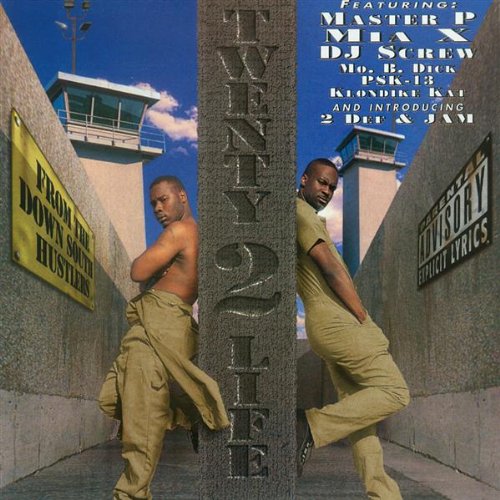
“Feel Me” appears on 20-2-Life’s album Twenty-Two-Life.
The original edition was released by Inmate Records in 1996, although later reissues through Priority Records and modern digital platforms have introduced different release dates. As a result, streaming services sometimes list the album as a 1998 release, making it important to distinguish between the original pressing and subsequent reissues.
Within the album’s original sequence, “Feel Me” appears early in the tracklist and features guest rapper JAM (Jus Anotha Move).
The album title itself is a clever play on both the group’s name and the concept of a lengthy prison sentence, reinforcing themes of incarceration, restricted freedom, survival, and mortality that permeate the entire record.
Although “Feel Me” functions effectively as a standalone track, it also reflects the larger emotional atmosphere of the album.
First Impressions
The first thing that captures attention is the beauty of the instrumental.
The opening keyboard progression carries a somber mood without feeling overtly ominous. Instead, it evokes the quiet darkness that exists just before sunrise—a subdued atmosphere filled with reflection rather than despair.
The drums remain equally restrained.
The kick drum is deep but understated, while the dry snare never overwhelms the mix. Instead of demanding attention through volume or impact, the rhythm patiently creates space for the rappers to speak.
As the verses begin, however, the emotional balance shifts.
The music remains mellow, but the voices introduce tension.
Every pause, every cadence, and every carefully delivered phrase carries a quiet determination.
That contrast—beautiful music supporting brutally honest storytelling—is ultimately what gives “Feel Me” its lasting power.
Sound Analysis
Drums
Audio analysis suggests a tempo of approximately 85 BPM, placing the song comfortably within a slow mid-tempo groove.
Rather than pushing forward with urgency, the beat moves deliberately, allowing each measure to settle before the next arrives.
The kick drum emphasizes weight without becoming excessively boomy. Its relatively short decay allows it to coexist naturally with the bassline while maintaining a solid rhythmic foundation.
The snare possesses the dry, dusty character often associated with classic Houston rap production.
Hi-hats and fills remain intentionally minimal throughout the track. Instead of introducing constant rhythmic variation—as is common in many contemporary productions—the beat relies on repetition.
That repetition becomes part of the song’s emotional language.
It creates the sensation of walking the same streets day after day, with little expectation that the scenery will ever change.
Bass
The bass anchors the entire record with remarkable stability.
Rather than shaking speakers through massive sub-bass frequencies, it quietly reinforces the harmonic foundation beneath the kick drum.
Its movement remains subtle, emphasizing root notes instead of elaborate melodic lines.
Because the bass avoids excessive motion, the groove feels heavy rather than energetic.
Listeners are encouraged to nod along thoughtfully instead of reacting physically to explosive low-end.
Its restrained low-frequency balance also reflects the recording aesthetic of mid-1990s Southern hip-hop, where clarity often took precedence over overwhelming sub-bass.
Synths & Melody
The emotional center of “Feel Me” lies in its recurring keyboard motif.
Based on careful listening, the composition appears to revolve around tonal colors resembling B minor, although this observation reflects auditory analysis rather than documented sheet music or production notes.
The melody never expands dramatically.
Short phrases repeat continuously while gentle pads and subtle high-frequency textures fill the background.
Rather than expressing sadness through theatrical gestures, the instrumental suggests quiet reflection—as though revisiting painful memories without ever fully escaping them.
The keyboard tone itself remains slightly cloudy rather than polished.
This helps preserve the street-oriented character of the song, preventing its mellow atmosphere from becoming overly sentimental.
Mix & Groove
The mix places the vocals firmly at the center.
The rappers sit noticeably ahead of the instrumental, allowing every lyric to remain intelligible, while the keyboards and bass occupy a wider, more distant space.
Compared with modern productions, the stereo image feels relatively narrow.
Ironically, that limitation enhances the sense of intimacy.
Instead of sounding like music designed for a large venue, the track feels as though someone is speaking directly from the passenger seat of a car or across a small room.
The groove emphasizes consistency over excitement.
Neither the beat, bass, nor keyboards undergo significant changes, encouraging listeners to focus naturally on the lyrical performances.
Rap & Vocal Performance
The performances throughout “Feel Me” are defined by restraint rather than aggression.
Even during moments of increased intensity, the vocal delivery remains grounded and controlled.
Black and Killa Hoe rarely crowd the beat with dense lyricism.
Instead, they allow phrases to breathe, often placing key words near the end of each line, creating a conversational flow that feels authentic rather than performative.
Their delivery transforms the lyrics into lived experiences rather than dramatic speeches.
Guest vocalist JAM adds another layer of texture without disrupting the song’s emotional unity.
Although multiple rappers appear throughout the record, every voice feels rooted within the same environment, reflecting a shared neighborhood, shared struggles, and shared perspective.
The repeated phrase “Feel Me” functions as far more than a memorable hook.
It asks:
“Do you understand what we’re saying?”
“Can you imagine this reality?”
“Can you look beyond the surface of our words?”
The emphasis lies not on technical lyrical superiority, but on mutual understanding.
Lyrics & Themes
Because reliable official lyric transcriptions and detailed commentary remain limited, the following observations are based primarily on careful listening.
“Feel Me” is not a celebration of success.
Instead, it reflects daily life shaped by difficult environments, street survival, personal choices, and relationships built through necessity.
The title itself extends beyond a request for agreement.
It becomes an appeal for empathy.
Before judging the lives portrayed in these verses, the song asks listeners to understand the circumstances that produced them.
Street rap frequently emphasizes strength, dominance, and resilience.
Here, however, subtle traces of fatigue and loneliness emerge beneath that confidence.
The voices remain strong.
The words remain assured.
Yet the melancholic instrumental transforms those declarations into acts of emotional survival rather than simple intimidation.
Ultimately, “Feel Me” becomes the voice of people who often feel misunderstood.
Instead of demanding sympathy, the song quietly invites listeners to see the world through their perspective before reaching conclusions.
That shift in viewpoint forms the emotional core of the record.
Trivia & Production Notes
“Feel Me” features JAM, credited as Jus Anotha Move, and current streaming services continue to list the track as “Feel Me feat. Jam.”
The release year of Twenty-Two-Life remains inconsistent across different sources.
Discogs and various hip-hop archives document the original 1996 Inmate Records release, while AllMusic lists 1997, and several modern streaming platforms—including Apple Music—display 1998. These discrepancies likely reflect the coexistence of the original pressing, later Priority Records reissues, and subsequent digital releases.
At the time of writing, no verified production credits, studio equipment documentation, or confirmed sampling sources specific to “Feel Me” could be substantiated through reliable references.
Although certain databases provide production information for the album as a whole or for unrelated tracks, attributing those credits specifically to “Feel Me” would be speculative.
The instrumental clearly carries soulful and R&B-inspired textures, but there is currently insufficient evidence to identify a definitive sample source.
For that reason, this review intentionally omits a dedicated Sampling & Trackmaking section.
Overall Review
20-2-Life’s “Feel Me” is not a song built around dramatic hooks or constant musical evolution.
The beat remains steady.
The melody is understated.
The performances avoid emotional excess.
Yet those very qualities make the record so compelling.
Slow-moving drums, grounded bass, muted keyboards, and restrained vocal performances all point toward the same emotional destination: the quiet melancholy embedded within Houston street life.
Perhaps the song’s greatest achievement is how beautifully its contrasting elements reinforce one another.
The gentle instrumental magnifies the emotional weight of the lyrics.
Meanwhile, the realism of the verses prevents the music’s beauty from becoming sentimental.
Many discussions of Southern rap focus primarily on slow tempos, heavy bass, or regional identity.
“Feel Me” certainly contains all of those characteristics.
But it also offers something deeper.
It is not merely about projecting strength.
It is about wanting to be understood while refusing to surrender dignity.
That emotional complexity quietly unfolds throughout its four-minute running time.
Editor’s Note
Listening to “Feel Me” serves as a reminder that powerful street rap does not require explosive beats or shouted performances.
Sometimes, the quietest records reveal the deepest emotions.
The keyboards throughout this song are undeniably beautiful.
Yet they do not paint a hopeful future.
Instead, they sound like the brief moment of reflection that comes after surviving another difficult day.
20-2-Life never begs for understanding.
They simply repeat two words:
“Feel Me.”
Within that short phrase exist pride, anger, loneliness, resignation, and an unbreakable sense of brotherhood.
At first listen, the record may appear understated.
Repeated listening, however, reveals the emotional space hidden between every verse, every pause, and every note.
“Feel Me” remains one of those quietly unforgettable records—a song that captures both the mellow atmosphere of late-night Houston and the inescapable weight of the reality that shaped it.
コメント