Roger Troutman IIの「Dance Floor」は、Zapp/Roger Troutmanが築いたエレクトロ・ファンクの遺伝子を受け継ぎながら、Big HutchことCold 187umのラップを組み込んだ一曲だ。
楽曲の中心にあるのは、クラブの熱気、踊る女性への視線、反復されるベースライン、そして電子的に加工された声。約5分19秒にわたって大きな展開を連発するのではなく、ひとつの強いグルーヴを維持し続け、聴き手の身体をじわじわとダンスフロアへ引き込んでいく。
前半から中盤まではRoger Troutman IIの歌とファンク・サウンドが主役となり、終盤になってBig Hutchが登場する。そこで曲は単なるファンク・カヴァーではなく、Zappの系譜と1990年代西海岸ヒップホップが同じ場所で交差する作品へと変化する。
華やかなパーティー・ソングでありながら、ビートには太い腰つきがあり、ボーカルには生々しい欲望が宿っている。「Dance Floor」は、懐古的なファンク再現ではなく、2000年前後の感覚で更新されたストリート・ファンクとして聴くべき楽曲だ。
アーティスト紹介
Roger Troutman IIは、Zappの中心人物として知られるRoger Troutmanの息子で、音楽的系譜を受け継ぐシンガー/ミュージシャンである。
Roger TroutmanとZappが確立したサウンドは、トークボックス、シンセサイザー、硬質なドラムマシン、弾力のあるベース、反復性の高いヴォーカルによって構成されていた。その影響は1980年代のファンクだけにとどまらず、1990年代の西海岸ヒップホップ、特にG-Funkへ深く浸透している。
本曲に参加するBig Hutchは、Cold 187umの名でも知られるAbove the Lawの中心人物。ラッパーであると同時にプロデューサーでもあり、重いベース、ファンク由来のシンセ、ゆったりと後ろへ引いたリズム感をストリート・ラップへ持ち込んだ重要人物の一人だ。
そのためRoger Troutman IIとBig Hutchの共演は、単なるR&Bシンガーとラッパーの組み合わせではない。
Zappのファンクを受けてG-Funkを作り上げた世代が、再びTroutman家の作品へ戻ってくる。そこには、ファンクからヒップホップへ流れた影響が、もう一度ファンク側へ循環していくような面白さがある。
作品背景
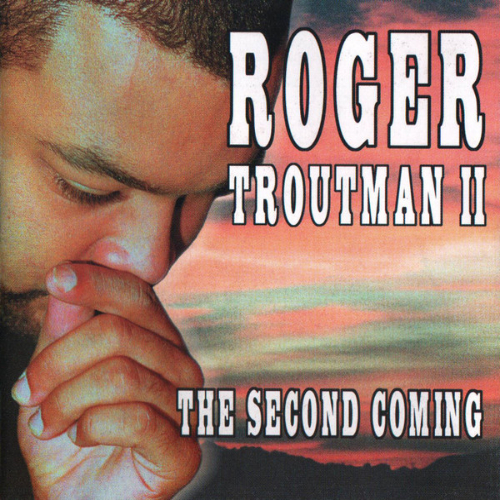
「Dance Floor」は、Roger Troutman IIのアルバム『Second Coming』に収録された楽曲で、Big Hutchが客演している。
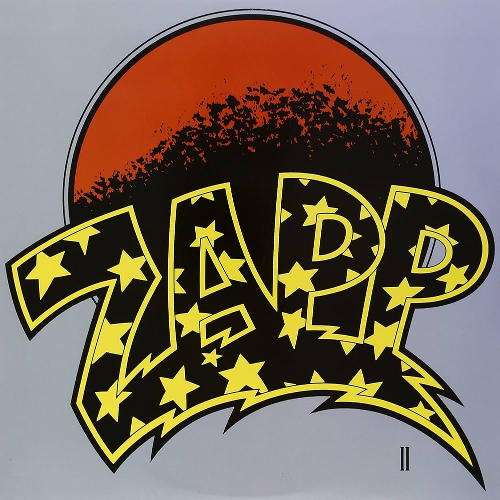
楽曲の根底には、Zappが1982年に発表した同名曲「Dance Floor」がある。今回のバージョンは、元曲の題名や中心的なフレーズ、ファンクの基本構造を受け継ぎつつ、より滑らかな歌唱と西海岸ラップを加えた再構築として位置づけられる。
ただし、この曲はオリジナルをそのまま複製したものではない。
Zappの原曲が持つ鋭い電子ファンクの感触に対し、本作は低域を厚くし、ボーカルを前面へ出し、R&B的な艶を強めている。さらに終盤のBig Hutchによって、クラブで女性を眺めるという単純な設定に、プレイヤー的な自己演出と西海岸のストリート感覚が加えられている。
過去の名曲を現代的に作り直しながら、自分たちの世代の音楽として提示する。その姿勢が本作の基本にある。
第一印象
最初に感じるのは、音の太さと構造の明快さだ。
イントロでは、低く沈み込む電子音と、跳ねるようなシンセ・ベースが先に耳へ入ってくる。そこへ乾いたスネアと硬めのキックが加わり、曲が始まって数秒の段階でダンス用のグルーヴが完成する。
音数は決して多くない。
しかし、ベース、ドラム、短いシンセ・フレーズ、ヴォーカルのそれぞれが明確な役割を持ち、同じリズムを強く共有している。そのためアレンジは簡素でも、音楽全体には大きな推進力がある。
テンポは実測で約110BPM前後。速すぎず遅すぎず、身体を左右へ揺らすにも、腰を落として踊るにも適した速度だ。
第一印象としては明るく軽快だが、単純に爽やかな曲ではない。低域は濃く、ボーカルには欲望があり、Big Hutchのラップには夜のクラブらしい現実的な視線がある。
陽気さと艶、親しみやすさと生々しさが同居している。
サウンド分析
ドラム
ドラムは、曲全体の骨格を担う非常に重要な要素だ。
キックは極端に低く沈むタイプではなく、輪郭のはっきりした中低域を持っている。ベースラインと完全に一体化するのではなく、両者が交互に身体を押すことで、一定のバウンスを生み出している。
スネアは乾いており、やや硬質。残響は短く、打点が明確で、各小節の位置をはっきり示している。1980年代のドラムマシン・ファンクを思わせる質感だが、ミックスの重量は1990年代後半から2000年代初頭のヒップホップ/R&Bに近い。
ハイハットや細かなパーカッションは、前へ出るよりも隙間を埋める役割に徹している。
細かい装飾を大量に加えず、キックとスネアを中心に反復することで、ダンサーが迷わずリズムへ入れる設計になっている。
途中で劇的なドラム・ブレイクが入るわけではないが、フィルやヴォーカルの配置によって小さな区切りが作られ、単調さを回避している。
ベース
本作の核は、間違いなくベースラインである。
ベースは丸く滑らかなだけでなく、一音ごとの立ち上がりがはっきりしている。長く伸ばす音と短く切る音を組み合わせながら、一定のパターンを繰り返し、曲全体の腰を作っている。
音域は極端なサブベース中心ではない。
中低域に存在感があり、小型スピーカーでもフレーズが認識しやすい。その一方で、十分な再生環境では下部の厚みが加わり、グルーヴが身体へ直接伝わる。
ベースの動きは派手な技巧を見せるものではないが、ドラムの隙間へ正確に入り込んでいる。キックと同時に鳴る部分、キックの直後へ滑り込む部分、短い休符を作る部分が細かく配置されており、反復の中に呼吸がある。
このベースがあるからこそ、5分を超える楽曲でもリズムの熱量が落ちない。
シンセ・メロディ
シンセサイザーは、低域を支える音と、アクセントとして飛び出す高域の音に分かれている。
イントロから聞こえる低くうねる音は、Zapp/Roger Troutman系ファンクを象徴する電子的な質感を持つ。音程だけでなく、フィルターやピッチの動きそのものがグルーヴの一部となっている。
上部では短いブラス風のシンセや、鋭く切り込む電子音が使用される。
これらは長い旋律を演奏するのではなく、ヴォーカルの合間に一言を差し込むように配置されている。歌とシンセが互いに応答し、コール・アンド・レスポンスを形成しているのが特徴だ。
背景には柔らかなコード音も存在するが、和声変化を強調するより、同じムードを保つことが優先されている。
したがって本曲のメロディ性は、複雑なコード進行から生まれるものではない。反復されるヴォーカル・フレーズと短いシンセの応答によって、耳に残る形を作っている。
ミックス・グルーヴ
ミックスは低域とヴォーカルを中心に構成されている。
ベースは太いが、キックを完全に覆い隠してはいない。ドラムの打点は常に認識でき、クラブ向けの音圧を持ちながらも、リズムの輪郭が崩れていない。
リード・ボーカルは中央に大きく配置され、その周囲へコーラス、加工声、アドリブが広がっている。特にサビでは、複数の声が重なることで横幅が増し、ダンスフロア全体へ呼びかけるような空間が作られる。
一方、Big Hutchのラップが始まると、ボーカル空間はやや中央へ収束する。
歌唱パートでは広がっていた音像が、ラップ部分では言葉へ焦点を合わせるように変化し、終盤に新しい緊張感を生んでいる。
グルーヴは全体を通してわずかに後ろへ傾いている。機械的に正確でありながら、完全に直線的ではなく、ベースとボーカルが拍の後方へもたれることで独特の粘りが生まれている。
これがZapp的ファンクとG-Funkに共通する身体感覚だ。
ラップ/ボーカル分析
Roger Troutman IIの歌唱は、技巧を強く誇示するタイプではなく、ひとつの短いフレーズを反復しながら熱を高めていくスタイルだ。
中心となるのは、
“Let me see you moving on the dance floor, baby”
というフック。
この一節が何度も繰り返され、曲名そのものがリズムとして刻み込まれていく。
歌声は滑らかで、やや鼻にかかった高音と、感情を押し出すアドリブを使い分けている。語尾を長く伸ばす場面ではソウル/R&B的な表情が強くなり、短い命令形のフレーズではファンク特有の直接性が表れる。
「shake it」「move」「dance floor」といった単語は、物語を説明するためではなく、身体を動かすための合図として機能している。
バック・ボーカルも重要だ。
主旋律を補強するだけでなく、反復される言葉を細かく分解し、リズムの隙間へ配置している。人間の声でありながら、シンセやパーカッションのような役割を果たしている。
後半のBig Hutchは、歌唱とは対照的な低く太い声で登場する。
ラップの開始前には「Now this how we do it」「Check it」といった導入が入り、それまでのファンク/R&B空間を西海岸のクラブへ切り替える。
Big Hutchのフロウは、ビートへ細かく言葉を詰め込むタイプではない。拍の頭を意識しながら、文末を引き延ばし、低い声の重さによってグルーヴを作る。
ラップ部分では、クラブで酒を飲みながら女性を観察し、ダンスフロアで目を引いた相手へ接近しようとする姿が描かれる。自身を“player”として演出する言葉も多く、Above the Law時代から続くBig Hutchの人物像がそのまま反映されている。
ラップは楽曲終盤に一度だけ配置されるため、客演としては短い。しかし登場の効果は大きい。
それまで抽象的だったパーティーの情景が、Big Hutchの言葉によって具体的なクラブの場面へ変わるからだ。
歌詞・テーマ
テーマは非常に明快で、ダンスフロアで踊る女性への欲望と称賛である。
Roger Troutman IIは、女性の身体の動きに魅了され、「踊り続けてほしい」「その動きを見せてほしい」と繰り返す。
歌詞は深い恋愛関係を描くものではない。
一人の女性を遠くから眺め、その踊りによって興奮し、もっと近くで見たいと願う。そこにあるのは恋愛というより、音楽と身体の動きが生み出す瞬間的な引力だ。
“the way you move”
“you blow my mind”
“shake it for me”
“don’t you ever stop”
といった表現からも分かるように、感情は身体的で直接的である。
Big Hutchのヴァースでは、その視線がさらに現実的になる。
彼はクラブで酒を飲み、複数の女性を眺め、誰かを家へ連れて帰ろうと考える。高級ブランド、金、プレイヤーとしての自信、女性への評価が並び、ファンクの誘惑を西海岸ラップの享楽的な世界へ接続している。
現代的な観点では、女性が主に男性の視線を受ける存在として描かれている点に、時代性を感じる部分もある。
ただし音楽的には、歌詞の単純さが弱点になっているわけではない。言葉を意味の説明ではなく、反復可能なリズム素材として使用することで、ダンス・ミュージックとしての機能を高めている。
楽曲構成
楽曲は約5分19秒と比較的長いが、構成は明快である。
イントロ
低く下降する電子音から始まり、ベースとドラムが順番に加わる。
この段階ではコードやメロディを大きく提示せず、まず低域の感触とリズムを聴き手へ覚えさせる。
フック提示
“Let me see you moving on the dance floor, baby”
という中心フレーズが登場する。
同じ言葉を複数回繰り返すことで、楽曲の目的とムードを開始早々に明確化している。
リード・ボーカル展開
Roger Troutman IIの歌唱が前へ出て、女性の動きに対する称賛や欲望を語る。
長いアドリブと短いフックを交互に置き、歌唱の自由さとダンス・ビートの規則性を両立させている。
“Shake It”セクション
中盤では「shake it」という反復が強調される。
歌詞の意味を発展させるのではなく、声を打楽器化することでグルーヴを増幅する部分だ。コール・アンド・レスポンスの性格も強く、ライブやクラブで反応を引き出しやすい。
ブレイク/ヴォーカル・アドリブ
後半へ向かう途中では、リード・ボーカルの伸びやかなアドリブと、背景のコーラスが前面に出る。
基本ビートは止まらないが、声の配置を変えることで一度空間を広げ、Big Hutch登場前の準備をしている。
Big Hutchのヴァース
曲の終盤でラップが始まる。
ここまで長く維持してきた歌中心の構造へ、低音のラップが突然入るため、楽曲の色が大きく変わる。
Big Hutchはクラブの情景を具体化し、自身のプレイヤー像を提示する。ラップを中盤ではなく終盤に置いたことで、客演そのものがクライマックスの役割を果たしている。
アウトロ
Big Hutchのヴァース後、再び中心フックへ戻り、そのままフェード気味に終わる。
物語を解決するのではなく、ダンスフロアの時間がまだ続いているような余韻を残す。
サンプリング&トラックメイキング
本曲は、Zappの「Dance Floor」を土台としたカヴァー/再構築として捉えられる。
タイトル、中心フレーズ、電子ファンクの方向性、反復型のグルーヴなど、オリジナルの音楽的思想を明確に受け継いでいる。
ただし、今回の音源から聴き取れる範囲では、単純に原曲の録音をそのままループしただけの作りではない。
ベース、ドラム、シンセ、コーラスを再演奏または再構築し、当時のR&B/ヒップホップに近い音圧と低域へ調整している可能性が高い。
特にドラムは、1980年代の原曲が持つ鋭さを残しながら、より太く均整の取れた質感になっている。ベースも低域の厚みが増し、Big Hutchのラップが自然に乗るよう設計されている。
したがって、これは過去のファンクを素材として切り刻む典型的なサンプリング・ヒップホップとは異なる。
原曲の構造と精神を残しつつ、2000年前後のスタジオ環境とボーカル表現で作り直した作品である。
トリビア
Big HutchはCold 187um、187um、187など複数の名義を使うことがあるため、本曲も掲載媒体によって客演表記が異なる場合がある。
また、「Big Hutchの“Dance Floor”」として流通・紹介されることもあるが、正式にはRoger Troutman IIを中心とした楽曲で、Big Hutchは終盤のラップで参加している。
本曲の面白さは、Zappに影響を受けたG-Funkの人物が、Zapp直系の作品へ客演している点にある。
Big Hutchの音楽はRoger Troutmanの影響を強く受けているが、この曲ではその影響関係が逆流し、ファンクの継承者とヒップホップ側の発展者が同じトラックへ並んでいる。
約5分19秒のうちBig Hutchが登場するのは終盤だが、声質とラップの存在感によって曲全体の印象を大きく変えている。
制作メモ
確定情報
- 楽曲名は「Dance Floor」。
- Roger Troutman IIの作品で、Big Hutchが客演している。
- 音源の長さは約5分19秒。
- 実測テンポは約110BPM前後。
- Zapp/Roger Troutmanの「Dance Floor」の系譜を受け継ぐ作品。
- 曲の終盤にBig Hutchのラップ・ヴァースが配置されている。
- 歌詞の中心は、ダンスフロアで踊る女性への呼びかけ。
聴感ベースの分析
- ベースやシンセは再演奏または再構築された可能性が高い。
- ドラムは1980年代エレクトロ・ファンクの感触と、1990年代後半以降のヒップホップ/R&B的な重量を併せ持つ。
- 主調感はF周辺を中心に感じられるが、反復的なファンク構造のため、一般的なポップスのような明確な調性進行は弱い。
- ボーカルの一部には、トークボックスやヴォコーダー的な電子処理を思わせる質感がある。
- 曲構成は物語的な展開よりも、同一グルーヴの持続と声のレイヤー変化を重視している。
総評
Roger Troutman II feat. Big Hutchの「Dance Floor」は、Zappの音楽を懐かしむためだけの作品ではない。
オリジナルが持っていた電子ファンクの反復性、ベースの弾力、身体へ直接働きかけるヴォーカルを残しながら、音の厚みとラップの視点を加え、2000年前後の西海岸ファンクとして再生させている。
サウンドの中心は、約110BPMで反復される太いドラムとベースだ。
その上でRoger Troutman IIが自由に声を伸ばし、短い命令形のフレーズを何度も投げかける。後半にはBig Hutchが低い声で現れ、抽象的だったダンスフロアを、酒、女性、金、プレイヤー意識が入り交じる具体的なクラブ空間へ変える。
楽曲の変化は多くない。
しかし、その変化の少なさこそがファンクとしての強さになっている。同じフレーズを繰り返すたびに、ベースの重さ、声の艶、シンセの癖が身体へ蓄積されていく。
Big Hutchの代表的なソロ・ラップ曲として聴くと、客演時間は短く感じるかもしれない。だがファンクとG-Funkの歴史的なつながりを聴く曲としては、非常に意味がある。
「Dance Floor」は、G-FunkがRoger Troutmanから何を受け取ったのか、そしてその影響が次の世代でどのように返されたのかを、約5分間のパーティー・グルーヴの中で示している。
エディターズノート
この曲で最も印象的なのは、Big Hutchが登場するまでの長さである。
一般的なフィーチャリング曲なら、ラッパーは1番の後か中盤で登場する。しかし「Dance Floor」は、Roger Troutman IIの歌と反復するファンク・グルーヴを十分に聴かせた後、終盤になってBig Hutchを投入する。
そのためBig Hutchは、曲を成立させる中心人物というより、すでに完成したダンスフロアへ遅れて現れる特別ゲストのように聞こえる。
低い声が入った瞬間、音楽の重心が下がる。
同じビートが流れているにもかかわらず、華やかなファンク・パーティーが一気に西海岸のクラブへ変わる。この変化こそ、本曲でBig Hutchを起用した最大の意味だろう。
Roger Troutman IIの歌は身体を踊らせ、Big Hutchのラップはその場所に人物像と夜の匂いを与える。
ファンクの楽しさとG-Funkの重さが、無理なくひとつのグルーヴへ収まった一曲である。
今回ご紹介の楽曲の購入はこちらからどうぞ

Zapp の名曲はこちらに収録

Roger Troutman II – Dance Floor feat. Big Hutch | Electro-Funk Heritage Meets West Coast Hip-Hop
Roger Troutman II’s “Dance Floor” is a track that carries forward the electro-funk DNA established by Zapp and Roger Troutman while incorporating a rap appearance from Big Hutch, also known as Cold 187um.
At the center of the song are the heat of the club, the gaze directed toward women dancing, a repeatedly cycling bassline, and electronically processed vocals. Rather than constantly introducing dramatic changes throughout its approximately 5:19 runtime, the track maintains one powerful groove, gradually pulling the listener physically toward the dance floor.
From the opening through the middle section, Roger Troutman II’s vocals and the funk production remain the main focus. Big Hutch does not appear until the latter part of the track. At that moment, the song becomes more than simply a funk cover or revival: it turns into a meeting point between the Zapp lineage and 1990s West Coast hip-hop.
Although it presents itself as a colorful party record, the beat carries considerable weight and the vocals are charged with raw desire. “Dance Floor” should therefore be heard not merely as a nostalgic recreation of classic funk, but as street-oriented funk updated through the musical language of the late 1990s and early 2000s.
Artist Introduction
Roger Troutman II is a singer and musician who carries the musical lineage of Roger Troutman, the central figure behind Zapp and his father.
The sound established by Roger Troutman and Zapp was built around talk box vocals, synthesizers, hard-edged drum machines, elastic basslines, and highly repetitive vocal phrases. Their influence extended far beyond 1980s funk, eventually becoming deeply embedded in 1990s West Coast hip-hop, particularly G-Funk.
Big Hutch, who appears on this track, is also known as Cold 187um and is one of the key figures behind Above the Law. In addition to being a rapper, he is a producer who played an important role in bringing heavy bass, funk-derived synthesizers, and relaxed, behind-the-beat rhythmic movement into street rap.
For that reason, the pairing of Roger Troutman II and Big Hutch is not simply a conventional R&B singer-and-rapper collaboration.
A generation that absorbed Zapp’s funk and helped transform it into G-Funk returns here to the Troutman family’s musical world. There is something especially compelling about hearing an influence that originally traveled from funk into hip-hop now circle back toward funk once again.
Background
“Dance Floor” appears on Roger Troutman II’s album Second Coming and features Big Hutch.
At the foundation of the track is Zapp’s 1982 song of the same name, “Dance Floor.” This version inherits the original title, central phrases, and basic funk structure while rebuilding them through smoother singing and the addition of West Coast rap.
However, this is not simply a direct duplication of the original recording.
Where Zapp’s original carries a sharper, more angular electronic-funk character, this version thickens the low end, pushes the vocals further forward, and introduces more of an R&B sheen. Big Hutch’s late-song appearance also adds a player-oriented persona and a distinctly West Coast street perspective to what might otherwise remain a straightforward scene of watching women dance in a club.
The basic approach is clear: take a classic piece of funk history, rebuild it in a contemporary style, and present it as music belonging to a new generation.
First Impression
The first thing that stands out is the thickness of the sound and the clarity of the arrangement.
The intro immediately introduces a low, descending electronic tone and a bouncing synth-bass figure. Dry snares and relatively hard kicks soon enter, and within only a few seconds the fundamental dance groove is already fully established.
There are not actually that many elements in the arrangement.
Yet the bass, drums, short synthesizer phrases, and vocals all have clearly defined roles and share the same rhythmic center. As a result, the arrangement remains relatively simple while still generating considerable forward momentum.
The measured tempo is around 110 BPM. It is neither especially fast nor slow, making it suitable both for swaying from side to side and for dancing with a heavier, lower center of gravity.
On first listen, the track feels upbeat and energetic, but it is not simply bright or carefree. The low end is dense, the vocals contain obvious desire, and Big Hutch’s rap introduces a more grounded late-night club perspective.
Cheerfulness and sensuality, accessibility and rawness all exist within the same groove.
Sound Analysis
Drums
The drums are one of the most important structural elements in the entire track.
The kick is not an extremely deep sub-heavy sound. Instead, it has a clearly defined low-mid presence. Rather than completely merging with the bassline, the kick and bass seem to push the listener’s body in alternating motions, creating a steady bounce.
The snare is dry and somewhat hard-edged. Its reverb is short, its attack is obvious, and it clearly marks the rhythmic position of each bar. The texture recalls 1980s drum-machine funk, although the overall weight of the mix feels closer to late-1990s and early-2000s hip-hop and R&B.
Hi-hats and smaller percussion elements remain relatively subdued, functioning mainly to fill space rather than dominate the rhythm.
Instead of adding large quantities of decorative percussion, the production relies on the repeated kick-and-snare pattern, allowing dancers to lock into the beat immediately.
There are no enormous dramatic drum breaks, but subtle fills and changes in vocal placement create small structural divisions that prevent the groove from becoming completely static.
Bass
The bassline is unquestionably the core of the track.
It is not merely round and smooth; every note also has a clearly defined attack. Longer sustained notes are combined with shorter, clipped ones to form a repeating pattern that gives the entire record its physical weight.
The bass is not centered exclusively in the extreme sub-bass range.
Its strongest presence sits in the low-mid frequencies, meaning the line remains recognizable even through smaller speakers. On a fuller system, additional depth becomes apparent underneath, allowing the groove to feel more physical.
The bass itself is not technically flashy. Its strength comes from the way it enters precisely between the drum hits. Some notes land together with the kick, others slide in immediately afterward, and short rests are inserted throughout the pattern.
Those tiny spaces give the repetitive line a sense of breathing.
That bass movement is one of the main reasons the track can remain above five minutes without losing rhythmic energy.
Synths and Melody
The synthesizers can roughly be divided into low-frequency supporting sounds and higher-frequency accents.
The low, undulating electronic tones heard from the introduction immediately evoke the classic Zapp/Roger Troutman funk vocabulary. Their importance is not limited to pitch; filter movements and pitch bends themselves become part of the groove.
Higher in the mix are short brass-like synth stabs and sharper electronic accents.
Rather than playing extended melodies, these sounds appear between vocal phrases almost like brief spoken responses. The vocals and synthesizers answer one another, creating a clear call-and-response effect.
Softer chord textures can also be heard in the background, but harmonic development is not the main priority. The arrangement focuses more on maintaining a consistent atmosphere than on creating dramatic chord changes.
For that reason, the song’s melodic identity does not emerge from sophisticated harmonic progression.
Instead, memorable repetition is created through recurring vocal hooks and short synthesizer replies.
Mix and Groove
The mix is built around the low end and the vocals.
The bass is thick, but it does not completely mask the kick. The attack of the drums remains audible throughout, allowing the record to maintain strong club-oriented pressure without losing rhythmic definition.
The lead vocal sits prominently in the center, surrounded by backing vocals, processed voices, and ad-libs. During the hook, multiple voices create additional stereo width, producing the sensation of someone addressing the entire dance floor.
When Big Hutch begins rapping, however, the vocal space becomes somewhat narrower and more focused.
The broader vocal field of the sung sections gives way to a more centralized presentation designed to emphasize the words. This creates a subtle but important change in tension near the end of the song.
The entire groove also feels slightly behind the beat. It is mechanically precise without becoming completely rigid. The bass and vocals lean subtly toward the back of the rhythm, producing a sticky, relaxed pull.
That physical feeling is one of the most important connections between Zapp-style funk and G-Funk.
Rap / Vocal Analysis
Roger Troutman II’s singing is not based on displaying extreme technical virtuosity. Instead, he builds energy by repeatedly returning to short phrases.
The central hook is:
“Let me see you moving on the dance floor, baby”
This line is repeated throughout the track until the title itself becomes a rhythmic element.
His voice is smooth, with slightly nasal higher tones balanced by more forceful ad-libs. When he stretches the ends of phrases, his delivery takes on a stronger soul and R&B quality. In the shorter command-like phrases, the directness of classic funk becomes more apparent.
Words such as “shake it,” “move,” and “dance floor” are not primarily there to advance a narrative. They function more like cues designed to make the listener move.
The backing vocals are equally important.
Rather than simply supporting the main melody, they break repeated phrases into smaller rhythmic pieces and insert them into gaps in the groove. Although they are human voices, they often function almost like synthesizers or percussion.
Big Hutch arrives later with a deep, heavy voice that contrasts strongly with the preceding vocals.
Before his verse, phrases such as “Now this how we do it” and “Check it” signal a transition, effectively transforming the funk/R&B atmosphere into something closer to a West Coast club setting.
Big Hutch does not pack the beat with dense syllables. His flow emphasizes the main pulse, stretches the endings of lines, and uses the physical weight of his voice as part of the groove.
His verse depicts drinking in the club, watching women on the dance floor, and attempting to approach someone who catches his attention. References to presenting himself as a “player” connect directly to the persona Big Hutch had developed since his Above the Law years.
Because his rap appears only once and late in the song, his actual guest time is relatively short. Nevertheless, the effect is significant.
His presence transforms the previously abstract party atmosphere into a much more concrete club scene.
Lyrics and Themes
The central theme is straightforward: desire for and admiration of women dancing on the dance floor.
Roger Troutman II repeatedly expresses fascination with a woman’s movement, asking her to continue dancing and encouraging her to show him more.
The lyrics are not describing a deep romantic relationship.
Instead, the singer observes a woman from a distance, becomes excited by the way she moves, and wants to get closer. The emotional pull comes less from romance than from the immediate attraction created by music and physical movement.
Expressions such as:
“the way you move”
“you blow my mind”
“shake it for me”
“don’t you ever stop”
make the physical and direct nature of that attraction obvious.
Big Hutch’s verse pushes the perspective further into everyday club reality.
He drinks, looks at multiple women, and considers taking someone home. References to luxury brands, money, confidence, and his player identity connect the seductive funk atmosphere with the hedonistic side of West Coast rap.
From a contemporary perspective, there are clearly elements that reflect the period in which the song was made, particularly the way women are largely positioned as objects of the male gaze.
Musically, however, the simplicity of the lyrics is not necessarily a weakness. By treating words less as vehicles for detailed meaning and more as repeatable rhythmic material, the song strengthens its function as dance music.
Song Structure
At approximately 5:19, the track is relatively long, but its structure is easy to follow.
Intro
The song opens with a low descending electronic tone, followed gradually by bass and drums.
Rather than immediately introducing a full melody or chord progression, the arrangement first teaches the listener the texture of the low end and the central rhythm.
Hook Introduction
The core phrase,
“Let me see you moving on the dance floor, baby”
appears early.
By repeating it multiple times, the song immediately establishes both its subject and its mood.
Lead Vocal Section
Roger Troutman II moves into the foreground, expressing admiration and desire toward a woman dancing.
Longer ad-libs alternate with shorter hook phrases, balancing vocal freedom against the strict repetition of the dance beat.
“Shake It” Section
In the middle portion, the repetition of “shake it” becomes more prominent.
Rather than developing the lyrical meaning, the voice becomes increasingly percussive and intensifies the groove. The section also has a strong call-and-response quality, making it especially suited to crowd participation in a live or club environment.
Break / Vocal Ad-libs
As the track moves toward its final section, longer lead-vocal ad-libs and background harmonies become more prominent.
The basic beat never stops, but the redistribution of the vocals creates a sense of expanded space and prepares the listener for Big Hutch’s entrance.
Big Hutch Verse
The rap arrives late in the song.
Because the track has spent so much time maintaining a vocal-led funk structure, the sudden introduction of Big Hutch’s deep voice noticeably changes its character.
He gives the club environment greater specificity and reinforces his player persona. By placing the guest verse near the end rather than in the middle, the collaboration itself becomes part of the climax.
Outro
After Big Hutch’s verse, the track returns to the central hook and gradually moves toward its ending.
There is no major narrative resolution. Instead, the ending creates the impression that the dance floor continues even after the recording fades away.
Sampling & Track Production
This version can best be understood as a cover or reconstruction built upon Zapp’s “Dance Floor.”
The title, central phrases, electronic-funk direction, and repetitive groove all clearly carry forward the original song’s musical philosophy.
However, based on what can be heard in this recording, the track does not sound like a simple loop of the original master.
The bass, drums, synthesizers, and backing vocals appear to have been replayed or reconstructed, then shaped toward the heavier low end and greater overall loudness associated with contemporary R&B and hip-hop production of the period.
The drums in particular preserve some of the sharpness associated with 1980s electro-funk while sounding thicker and more balanced. The bass is also given greater low-end weight, allowing Big Hutch’s rap to fit naturally into the production.
This therefore differs from a typical sample-based hip-hop track built by chopping older funk recordings into pieces.
Instead, the structure and spirit of the original remain intact while being rebuilt through the studio techniques and vocal approaches of the turn of the millennium.
Trivia
Big Hutch has performed under several names, including Cold 187um, 187um, and 187, so his guest credit may vary depending on the release or database.
The track is also sometimes circulated or discussed as Big Hutch’s “Dance Floor,” but it is more accurately a Roger Troutman II track featuring Big Hutch, whose rap appears late in the recording.
One of the most interesting aspects of the song is that an artist associated with G-Funk—a style deeply influenced by Zapp—is appearing on a recording directly connected to the Troutman musical lineage.
Big Hutch’s music was strongly shaped by Roger Troutman’s influence. On “Dance Floor,” that historical relationship almost seems to reverse direction, bringing the funk source and one of hip-hop’s inheritors together on the same track.
Although Big Hutch appears only near the end of the approximately 5:19 recording, the depth of his voice and the presence of his rap dramatically alter the overall impression of the song.
Production Notes
Confirmed Information
The track is titled “Dance Floor.”
It is a Roger Troutman II recording featuring Big Hutch.
The recording runs approximately 5 minutes and 19 seconds.
Its measured tempo is approximately 110 BPM.
The song belongs directly to the musical lineage of Zapp/Roger Troutman’s “Dance Floor.”
Big Hutch’s rap verse appears during the latter portion of the track.
The central lyrical theme is directed toward a woman dancing on the dance floor.
Listening-Based Analysis
The bass and synthesizer parts were likely replayed or reconstructed.
The drums combine the feel of 1980s electro-funk with the heavier production aesthetics of late-1990s and early-2000s hip-hop and R&B.
The tonal center appears to sit somewhere around F, although the repetitive funk structure means that conventional pop-style harmonic movement is relatively limited.
Some vocal passages have a processed quality reminiscent of talk box or vocoder techniques.
The arrangement prioritizes the sustained power of a single groove and changes in vocal layering rather than narrative or harmonic development.
Overall Assessment
Roger Troutman II feat. Big Hutch’s “Dance Floor” is not simply a record made to evoke nostalgia for Zapp.
It retains the repetitive electronic-funk structure, elastic bass movement, and physically direct vocal style of the original tradition while adding thicker production and a West Coast rap perspective, effectively rebuilding the concept as turn-of-the-millennium street funk.
At the center of the sound are thick drums and bass repeating at roughly 110 BPM.
Above them, Roger Troutman II freely stretches his voice and repeatedly throws out short command-like phrases. Later, Big Hutch enters with his deep voice, turning an otherwise abstract dance-floor atmosphere into a more tangible nightclub environment filled with alcohol, women, money, and player mentality.
There are not many major changes in the arrangement.
Yet that lack of constant variation is precisely part of its strength as funk. Each repetition allows the bass weight, vocal sensuality, and unusual synthesizer textures to accumulate physically.
Listeners approaching the track primarily as a Big Hutch rap performance may find his actual appearance relatively brief. But as a document of the historical relationship between funk and G-Funk, the collaboration carries considerable significance.
“Dance Floor” demonstrates what G-Funk inherited from Roger Troutman and how that influence could eventually travel back toward the next generation of the Troutman family—all within roughly five minutes of party-driven groove.
Editor’s Note
One of the most striking aspects of the song is how long it waits before introducing Big Hutch.
In a conventional feature-driven track, the guest rapper might appear after the first verse or somewhere around the middle. “Dance Floor,” however, spends considerable time establishing Roger Troutman II’s vocals and the repetitive funk groove before finally bringing Big Hutch in near the end.
As a result, Big Hutch sounds less like someone required to make the song work and more like a special guest arriving late to an already fully active party.
The moment his low voice enters, the center of gravity drops.
Even though the underlying beat remains essentially unchanged, the bright funk party suddenly feels more like a West Coast nightclub. That transformation may be the strongest reason for Big Hutch’s presence on the record.
Roger Troutman II’s vocals make the body dance; Big Hutch’s rap gives the environment characters, attitude, and the smell of the night.
It is a track where the pleasure of funk and the weight of G-Funk sit naturally inside the same groove.

コメント