西海岸のG-Funkといえば、ギャングスタ・ラップ、ローライダー、ストリートの風景を思い浮かべる人が多いだろう。しかし、その独特のファンク・サウンドを使いながら、まったく異なるメッセージを届けるアーティストたちも存在する。Christsydeの「The Party Ain’t Over」は、まさにそんな一曲だ。
耳に飛び込んでくるのは、太く弾むベースライン、乾いたスネア、電子的な高音のメロディ、そして何度も繰り返される印象的なボーカル・フレーズ。90年代のウェストコースト・ファンクを思わせる音作りでありながら、歌われているのは神への感謝と信仰によって得られる喜びだ。
特筆すべきは、ゴスペル・ラップという枠に収まりきらない、その純粋なファンク・ミュージックとしての気持ちよさ。 宗教的なメッセージを前面に出しながらも、音楽そのものは驚くほど陽気で、身体を自然に揺らしたくなる。
ギャングスタ・ラップとは正反対の価値観を持ちながら、G-Funkの魅力をしっかり受け継いだ、実に興味深い一曲である。
アーティスト紹介
Christsyde(クライストサイド)は、FloことRoosevelt SargentとCoo-BことMickell Tylerによるクリスチャン・ヒップホップ・デュオ。
彼らの音楽的な特徴は、西海岸のストリート・ラップで親しまれてきたサウンドを土台に、キリスト教の信仰や人生の変化、救済、希望といったテーマを表現することにある。
一般的なギャングスタ・ラップでは、ストリートでの生き方、暴力、金銭、成功などが中心的な題材になることが多い。しかしChristsydeは、そうした文化と共通する音楽的な語彙を用いながら、そこに新しい価値観を持ち込んでいる。
その意味で彼らは、単に宗教的な歌詞をラップするグループではない。西海岸ヒップホップの音楽的な魅力を別の角度から提示する存在といえるだろう。
作品背景
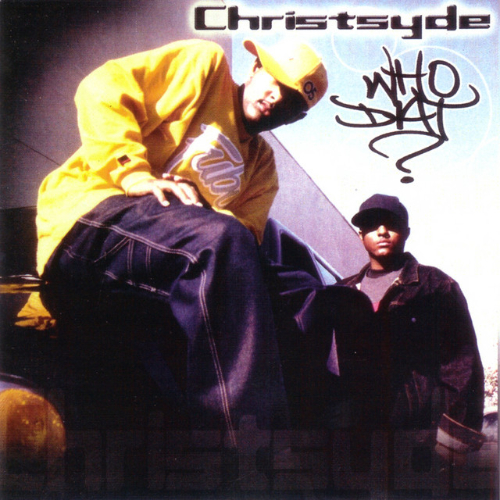
「The Party Ain’t Over」は、2002年のアルバム『Who Dat?』に収録された楽曲。
2000年代初頭といえば、90年代に確立されたG-Funkがさまざまな方向へ広がり、メインストリームだけでなく、ローカル・ラップやインディペンデント作品にもその影響が色濃く残っていた時期である。
本作にも、そんな90年代から続く西海岸ファンクの音楽的な特徴が感じられる。
一方で、タイトルの「The Party Ain’t Over」は、直訳すれば「パーティーはまだ終わらない」という意味。
ただし、この曲におけるパーティーは、単なる酒や遊びを楽しむ場ではない。歌詞の中では、神への賛美、信仰による解放、仲間と喜びを分かち合うことが繰り返し語られている。
つまり、ストリートのパーティー・アンセムを思わせる音楽に、信仰の喜びを重ね合わせた作品なのである。
この組み合わせこそが、本作の大きな個性となっている。
第一印象
再生した瞬間、まず耳を奪われるのは、非常に存在感の強い電子ベースと、軽快に跳ね回るシンセサイザーの組み合わせだ。
低音は太く、やや歪んだような質感を持ちながら、単純に重く沈み込むのではなく、リズミカルに動き続ける。その上では、甲高い電子音が短いフレーズを繰り返し、独特の浮遊感とユーモラスな表情を生み出している。
ドラムは明快なミドルテンポ。スネアの乾いたアタックが心地よく、キックとベースが一体となって、自然と首を振りたくなるグルーヴを作り出す。
そして、この曲をさらに印象深いものにしているのが、加工されたように聞こえるコーラス・フレーズだ。
電子的なメロディと声が重なり合い、ファンク特有の粘り気を持った音像を形成している。この部分には、ZappやRoger Troutmanを連想させる感触がある。
ラップが始まると、楽曲は一気に活気を増す。複数のMCが交代しながらマイクを握り、それぞれ異なる声質やフロウで楽曲に変化を与えていく。
聴き進めるほどに感じられるのは、ゴスペルの高揚感とG-Funkの身体的な気持ちよさが、実に自然に結びついているということだ。
重厚で威圧的なG-Funkではなく、明るく、軽快で、思わず笑顔になるようなファンク。
この親しみやすさこそ、本作の第一印象を決定づける最大の魅力である。
サウンド分析
ドラム
ドラムは、楽曲全体を支える非常に重要な要素だ。
基本となるのは、安定した4拍子のビート。キックが低音の土台を作り、スネアが2拍目と4拍目を中心に明快なアクセントを刻む。
特にスネアの音が印象的で、乾いた「パンッ」というアタックが楽曲の明るい雰囲気を引き立てている。
重く響くというよりも、輪郭がはっきりした抜けの良い音色だ。
キックも過剰に低域を膨らませることなく、ベースラインとのバランスを保っている。そのため、低音がしっかり鳴っているにもかかわらず、ビート全体が鈍重にならない。
細かく刻まれるハイハットやパーカッシブな音も、リズムに軽やかな動きを加えている。
ここで面白いのは、ドラム自体が必要以上に複雑ではないこと。
むしろ、一定のリズムを保ち続けることで、ベースやシンセ、ラップの動きが際立つように作られている。
このシンプルさは、90年代の西海岸ヒップホップにも通じるものがある。
派手なドラム・フィルに頼らず、安定したビートだけで最後まで身体を揺らし続ける。 そんなファンク本来の魅力が感じられる。
ベース
本作のサウンドを語るうえで、最も注目したい要素のひとつがベースラインだ。
冒頭から響く低音は、太く、弾力があり、電子的な質感を強く持っている。
単純に低い音を伸ばすだけではなく、短い音を連続させたり、音程を上下させたりすることで、楽曲に独特の躍動感を与えている。
特に印象的なのは、ベースがドラムのキックに完全に重なるだけでなく、その隙間を埋めるように動いていること。
この動きによって、リズムに自然な跳ね返りが生まれている。
音色には少し荒々しいエッジがあり、滑らかなサブベースというよりも、輪郭の強いシンセ・ベースに近い印象だ。
そのため、比較的明るいメロディが鳴っていても、楽曲全体が軽くなりすぎない。
また、ベースラインには、70年代から80年代にかけてのエレクトロ・ファンクやP-Funkを思わせる感触もある。
この曲の低音は、単なる伴奏ではない。
ベースそのものがひとつのメロディとして機能し、曲全体を踊らせている。
G-Funk好きなら、まずこのベースの動きに耳を向けてほしい。
シンセ・メロディ
シンセサイザーは、本作のキャラクターを決定づける最も印象的な要素といえる。
冒頭から登場するのは、高音域を軽快に動き回る電子的なメロディ。
丸みのある音色と、少し鋭い音色が組み合わされ、まるで電子音同士が会話しているような感覚を生み出している。
特に、音程を滑らかに移動するようなフレーズには、西海岸G-Funk特有の遊び心が感じられる。
ただし、本作のシンセは、暗く幻想的な雰囲気を演出するタイプではない。
むしろ、明るく陽気で、どこかコミカルな表情を持っている。
さらに、低い電子音と高い電子音のコントラストも興味深い。
太いベースが下から支え、その上で高音のシンセが跳ね回る。この上下の音域の使い分けによって、楽曲全体に広がりと立体感が生まれている。
そして、もうひとつ注目したいのが、コーラス部分で聞こえる声のような電子音だ。
人間の声を加工したような質感があり、シンセサイザーのフレーズと一体になっている。
この部分は、Roger Troutmanのトークボックス・ファンクを好むリスナーにとって、とりわけ魅力的に響くだろう。
電子音に人間の声のような表情を持たせるファンク的な発想が、楽曲の大きな魅力になっていることは確かだ。
ミックス・グルーヴ
ミックス全体は、低音の存在感を保ちながら、非常に明るく抜けの良い仕上がりになっている。
ベースは太いものの、必要以上に音を膨らませず、キックやスネアの輪郭をしっかり残している。
そのため、複数の音が同時に鳴っていても、リズムの中心が曖昧にならない。
シンセサイザーは比較的前面に配置され、ラップの背後でも存在感を失わない。
一方で、ボーカルは明瞭に聞こえる位置に置かれており、言葉のリズムや発音が埋もれないように感じられる。
コーラスに入ると、声と電子音が重なり、音の密度が増す。
しかし、ここでも過剰に音を詰め込んだ印象はない。
むしろ、各パートが同じリズムを共有することで、楽曲全体がひとつの大きなグルーヴとして機能している。
テンポは速すぎず、遅すぎないミドルテンポ。
この絶妙な速度感によって、ラップの言葉が聞き取りやすく、同時にダンス・ミュージックとしての気持ちよさも保たれている。
90年代のG-Funkが持っていた、ゆったりとした時間の流れとファンクの躍動感。その両方を感じさせるミックスである。
ラップ/ボーカル分析
ラップは、複数の声が交代しながら展開する構成になっている。
最初のヴァースでは、比較的滑らかなフロウで楽曲が進行する。
声には適度な力強さがありながら、威圧的な印象は薄い。リスナーに向かって語りかけるような親しみやすさが感じられる。
フロウもビートに対して非常に自然で、言葉を無理に詰め込むことなく、リズムの隙間をうまく利用している。
次のヴァースでは、声の表情が変化し、より勢いのあるラップが登場する。
細かい言葉の刻み方や、語尾にアクセントを置くタイミングによって、楽曲に新たな推進力が加わる。
特に面白いのは、ラップの内容が宗教的でありながら、表現方法そのものはストリート・ラップの感覚に近いことだ。
スラングを交えた言葉遣い、仲間に呼びかけるようなスタイル、勢いのあるライミング。
こうした要素は、西海岸のローカル・ラップに親しんだリスナーにも違和感なく受け入れられるだろう。
後半のヴァースでも、テンションは落ちない。
むしろ、曲が進むにつれて、パーティーに参加している人々が次々と声を上げるような一体感が生まれてくる。
そして、ラップの合間に繰り返されるコーラスが、その高揚感をさらに強めている。
コーラスは複雑な歌唱を聴かせるというよりも、反復によって耳に残るタイプ。
電子的に加工されたような声の響きと、ファンク調のメロディが重なり、独特の中毒性を生み出している。
ラップはストリートの熱量を持ち、コーラスはファンクの楽しさを担う。
この役割分担が非常にうまく機能している。
歌詞・テーマ
本作のテーマは、神への賛美と、信仰によって得られる喜びを仲間と分かち合うことにある。
曲の冒頭では、聴き手に手を上げるよう呼びかけ、神への感謝と賛美を促している。
この呼びかけは、一般的なヒップホップのライブやパーティーで使われる表現にも似ている。
しかし、その対象はDJやラッパーではなく、神である。
ここに、本作のユニークな世界観が表れている。
最初のヴァースでは、かつてストリートで荒れた生活を送っていたこと、そして現在は神の言葉を伝える立場になったことが語られている。
この対比は非常に重要だ。
単に「楽しいパーティーをしよう」と歌っているのではなく、過去の生き方からの変化そのものを祝福しているのである。
また、歌詞には、父なる神、子、聖霊への言及が登場する。
信仰によって罪から解放され、救われたことへの感謝が、楽曲全体を通じて繰り返される。
中盤では、クリスチャンであっても音楽を楽しみ、パーティーで盛り上がることができるという考え方が示されている。
これは本作を理解するうえで、特に興味深い部分だ。
一般的なギャングスタ・ラップで描かれる酒、ドラッグ、暴力などのイメージとは距離を置きながら、音楽を楽しむこと自体は否定していない。
むしろ、信仰によって得られる喜びこそが、パーティーを盛り上げる原動力になっている。
終盤では、酒やドラッグに頼らずとも、信仰によって十分に満たされるというメッセージが示される。
つまり、この曲における「パーティーが終わらない」という言葉には、単なる夜遊び以上の意味が込められている。
神への感謝と喜びは、一時的な娯楽ではなく、これからも続いていくもの。
そんな前向きなメッセージが、明るいファンク・サウンドとともに表現されているのである。
サンプリング&トラックメイキング
本作を聴いて強く感じられるのは、70年代から80年代にかけてのファンク、そして90年代のG-Funkから受け継がれた音楽的な要素だ。
特に、太い電子ベース、跳ねるシンセサイザー、声のような電子音の組み合わせには、ZappやRoger Troutmanを思わせる雰囲気がある。
また、一定のリズムを反復しながら、音色の変化やラップの掛け合いで楽曲を展開させていく手法も、ファンクの伝統に通じるものだ。
ただし、現時点で「The Party Ain’t Over」に使用された具体的なサンプリング元は確認できていない。
そのため、Zappの楽曲を直接サンプリングしている、あるいはRoger Troutmanの音源を引用していると断定することはできない。
音源から判断できるのは、そうしたファンクの音楽的な特徴が強く感じられるという点までである。
トラックメイキングの面では、短いフレーズを繰り返す構成が効果的だ。
ベースとドラムが基本的なグルーヴを維持し、その上でシンセやコーラスが細かな変化を加えていく。
ヴァースではラップを中心に聴かせ、コーラスでは電子的なメロディを前面に出す。
このシンプルな切り替えによって、楽曲全体に自然なメリハリが生まれている。
複雑な展開や劇的な転調に頼ることなく、ひとつのグルーヴを最後まで楽しませる。
その意味でも、本作はファンクの本質をよく理解したトラックだと感じられる。
トリビア/制作メモ
本作について、音源と作品情報から注目したいポイントを整理しておこう。
クリスチャン・ラップとG-Funkの融合
Christsydeは、宗教的なメッセージを伝えるために、西海岸ヒップホップのサウンドを積極的に取り入れている。
「The Party Ain’t Over」では、その方向性が特に分かりやすく表れている。音楽的にはファンク色の強いパーティー・チューンでありながら、歌詞は一貫して信仰と賛美を中心に展開する。
2000年代初頭の空気感
歌詞には、新しい千年紀を迎えた時代を意識した表現が登場する。
また、Y2Kという言葉も使われており、2000年前後のヒップホップ文化を感じさせる。
サウンド自体は90年代のG-Funkを思わせる一方、歌詞には新しい時代を迎えた高揚感が反映されている点が興味深い。
楽曲構成
約3分28秒の楽曲は、印象的なインストゥルメンタルの導入から始まり、複数のラップ・ヴァースと反復されるコーラスによって展開する。
大きなビートチェンジはなく、同じファンク・グルーヴを軸に最後まで進行する構成だ。
終盤ではコーラスと電子音の反復によって余韻を作り、楽曲を締めくくっている。
トークボックスについて
コーラス周辺には、トークボックスを連想させる電子的な声の響きが確認できる。
ただし、使用機材や演奏者のクレジットは確認できていないため、実際にトークボックスが使われたかどうかは不明である。
制作クレジット
プロデューサー、演奏者、具体的なサンプリング元については、現時点で確実な情報を確認できていない。
エディターズノート
Christsydeの「The Party Ain’t Over」は、G-Funkという音楽が持つ可能性を改めて感じさせてくれる一曲だ。
太く弾む電子ベース、乾いたドラム、軽快に跳ね回るシンセサイザー、そして声と電子音が溶け合うようなコーラス。
どの要素を取り上げても、西海岸ファンク好きにはたまらない魅力が詰まっている。
特に素晴らしいのは、楽曲全体を包み込む明るさだ。
G-Funkには、重厚でダークな作品も数多く存在する。しかし本作は、その対極にあるような陽気さと開放感を持っている。
ベースは太いが重苦しくない。シンセは派手だが耳障りではない。ラップには勢いがあるが、威圧感よりも親しみやすさが前面に出ている。
そして、何よりもコーラスが気持ちいい。
繰り返される電子的なフレーズは、一度聴くと頭から離れなくなるような中毒性を持ち、曲が終わっても思わず口ずさみたくなる。
宗教的なメッセージを持つ作品ではあるものの、そこに難しさや堅苦しさは感じられない。
むしろ、ファンクの持つ楽しさを通じて、信仰の喜びを自然に表現しているところに、この曲ならではの魅力がある。
ギャングスタではない。それでも、鳴っている音は紛れもなく西海岸ファンクの魅力に満ちている。
G-Funkを単なるストリート・ミュージックとしてではなく、ひとつの音楽的なスタイルとして楽しみたい人にこそ、ぜひ聴いてほしい。
そして、ZappやRoger Troutmanのような電子ファンクを好むリスナーにも、この独特のグルーヴはきっと響くはずだ。
「The Party Ain’t Over」。
そのタイトルどおり、最後までファンクの楽しさが途切れない、実に愉快な一曲である。
Christsyde – The Party Ain’t Over | Gospel Meets the Irresistible Groove of West Coast G-Funk
When people think of West Coast G-Funk, images of Gangsta Rap, lowriders, and street life often come to mind.
However, some artists use that distinctive Funk sound to deliver a completely different message.
Christsyde’s “The Party Ain’t Over” is a perfect example.
What immediately grabs the listener’s attention is a thick, bouncing bassline, dry snare drums, high-pitched electronic melodies, and an unforgettable vocal phrase that repeats throughout the track.
The production strongly recalls 1990s West Coast Funk, yet the lyrics celebrate gratitude toward God and the joy that comes through faith.
What makes this recording particularly special is how enjoyable it is as pure Funk music, beyond the boundaries of Gospel Rap.
Although its religious message is central, the music itself is remarkably cheerful and naturally makes the listener want to move.
Despite expressing values almost entirely opposite to those commonly associated with Gangsta Rap, the track fully embraces the musical appeal of G-Funk.
That contrast makes it a fascinating recording.
Artist Introduction
Christsyde is a Christian Hip-Hop duo consisting of Flo, also known as Roosevelt Sargent, and Coo-B, also known as Mickell Tyler.
Their defining musical characteristic is the way they use sounds familiar from West Coast street rap to explore Christian faith, personal transformation, salvation, and hope.
Traditional Gangsta Rap frequently focuses on street life, violence, money, and success.
Christsyde, however, uses a similar musical vocabulary while introducing a completely different set of values.
In that sense, they are more than simply a group performing religious lyrics over Hip-Hop beats.
They offer an alternative perspective on the musical possibilities of West Coast Hip-Hop.
Background
“The Party Ain’t Over” appears on Christsyde’s 2002 album Who Dat?.
The early 2000s were a period when the G-Funk sound established during the 1990s continued to evolve in various directions.
Its influence remained strong not only in mainstream Hip-Hop but also in local rap scenes and independent releases.
This track clearly reflects that continuing West Coast Funk tradition.
The title “The Party Ain’t Over” literally suggests that the celebration is still going.
However, the party described here is not simply about drinking or having fun.
Throughout the lyrics, the artists repeatedly celebrate praising God, finding freedom through faith, and sharing joy with others.
In other words, the recording combines the musical energy of a street-oriented party anthem with the happiness associated with Christian belief.
This unusual combination is central to the song’s identity.
First Impression
From the moment the track begins, the listener is greeted by a powerful electronic bassline and lively synthesizer melodies.
The bass is thick and slightly distorted in texture, but instead of simply sinking into the lower frequencies, it moves rhythmically throughout the arrangement.
Above it, high-pitched electronic sounds repeat short melodic phrases, creating a floating, slightly humorous character.
The drums establish a clear mid-tempo rhythm.
The dry attack of the snare is particularly satisfying, while the kick and bass work together to produce a groove that naturally encourages head-nodding.
Another memorable element is the chorus, which features vocal phrases that sound electronically processed.
The electronic melodies and voice-like textures blend together, creating the sticky, elastic quality associated with classic Funk.
There is something here that recalls the music of Zapp and Roger Troutman.
When the rapping begins, the recording becomes even more energetic.
Multiple MCs take turns delivering verses, introducing different vocal tones and rhythmic approaches.
As the track progresses, the listener begins to appreciate how naturally the uplifting spirit of Gospel music combines with the physical enjoyment of G-Funk.
Rather than sounding dark, heavy, or intimidating, this is bright, playful Funk that almost invites a smile.
That accessibility is the defining quality of the song’s first impression.
Sound Analysis
Drums
The drums play an essential role in supporting the entire recording.
The foundation is a steady four-beat rhythm.
The kick establishes the low-frequency pulse, while the snare provides clear accents primarily on the second and fourth beats.
The snare is especially distinctive.
Its dry, sharp attack reinforces the cheerful atmosphere of the song.
Rather than producing a heavy, lingering sound, it has a crisp tone with a clearly defined edge.
The kick also avoids excessive low-frequency emphasis, maintaining a comfortable balance with the bassline.
As a result, the beat never becomes sluggish, even though the low end remains substantial.
Finely programmed hi-hats and additional percussive sounds introduce light rhythmic movement.
What makes the drumming particularly effective is its simplicity.
Instead of relying on complicated patterns, it maintains a consistent rhythm that allows the bass, synthesizers, and rap performances to stand out.
This approach recalls the production style of 1990s West Coast Hip-Hop.
Without depending on elaborate drum fills, the track maintains a groove that keeps the listener moving from beginning to end.
It captures an essential quality of Funk.
Bass
One of the most important elements of the recording is its bassline.
From the opening moments, the low frequencies sound thick, elastic, and distinctly electronic.
Rather than simply sustaining low notes, the bass uses short repeated phrases and changes in pitch to create movement.
The result is a strong sense of rhythmic energy.
Particularly impressive is the way the bass moves around the kick drum instead of simply following it.
By filling the spaces between the kick accents, it introduces a natural bounce into the rhythm.
The tone also has a slightly rough edge.
Rather than resembling a smooth sub-bass, it sounds closer to a sharply defined synthesizer bass.
This character prevents the recording from becoming too lightweight, even when the melodies are bright and playful.
The bassline also recalls elements of 1970s and 1980s Electro-Funk and P-Funk.
Here, the bass is much more than accompaniment.
It functions as a melody in its own right, driving the entire track forward.
For G-Funk enthusiasts, this bassline deserves particular attention.
Synths & Melody
The synthesizers are arguably the most distinctive feature of the production.
From the beginning, high-pitched electronic melodies move playfully across the arrangement.
Rounded tones combine with sharper electronic sounds, creating the impression that the synthesizers are almost communicating with one another.
The smooth pitch movements are particularly characteristic of West Coast G-Funk.
However, these synthesizers are not designed to create a dark or mysterious atmosphere.
Instead, they sound bright, cheerful, and occasionally humorous.
The contrast between the low and high electronic frequencies is also interesting.
The thick bass supports the arrangement from below, while the higher synthesizer melodies bounce above it.
This separation gives the music a sense of space and depth.
Another important detail is the voice-like electronic sound heard around the chorus.
It has a processed vocal quality and blends closely with the synthesizer phrases.
Listeners who enjoy Roger Troutman’s Talk Box Funk will likely find this element especially appealing.
The Funk tradition of giving electronic sounds a human, vocal-like character is clearly reflected in the arrangement.
Mix & Groove
The overall mix is bright and clear while maintaining a strong low-frequency presence.
The bass sounds substantial without becoming excessively inflated, allowing the kick and snare to retain their definition.
Even when several elements play simultaneously, the rhythmic foundation remains easy to follow.
The synthesizers are positioned relatively prominently and remain noticeable behind the rap vocals.
Meanwhile, the vocals are sufficiently clear for their pronunciation and rhythmic delivery to come through.
During the chorus, the combination of voices and electronic sounds increases the density of the arrangement.
However, the production never feels unnecessarily crowded.
Instead, the individual elements share a common rhythmic pulse, allowing the entire recording to function as one cohesive groove.
The tempo sits comfortably in the middle range.
It is neither excessively fast nor particularly slow.
This balance allows the rap lyrics to remain understandable while preserving the physical enjoyment associated with dance music.
The result combines the relaxed pacing of classic 1990s G-Funk with the energetic movement of Funk.
Rap / Vocal Analysis
The rap performances are structured around multiple voices taking turns throughout the song.
The opening verse introduces a relatively smooth flow.
The delivery has enough strength to command attention, but it rarely feels intimidating.
Instead, there is an approachable quality, almost as though the rapper is speaking directly to the listener.
The flow fits naturally into the beat, making effective use of rhythmic space rather than forcing too many words into each measure.
In the following verse, the vocal character changes.
A more energetic delivery introduces additional momentum through tighter syllabic patterns and carefully placed accents at the ends of phrases.
One of the most interesting aspects of the performances is that, although the lyrical content is religious, the delivery itself remains closely connected to street-oriented Hip-Hop.
The use of slang, direct calls to the audience, and energetic rhyming patterns will feel familiar to listeners accustomed to West Coast underground Rap.
The energy remains strong during the later verses.
As the song progresses, the performances create the impression of more and more people joining the celebration.
The repeated chorus reinforces this communal atmosphere.
Rather than showcasing complex vocal techniques, the hook relies on repetition to become memorable.
The combination of electronically processed-sounding voices and Funk-inspired melodies gives it an addictive quality.
The rap performances provide street-oriented energy, while the chorus emphasizes the joy of Funk.
This division of musical roles works remarkably well.
Lyrics & Themes
The central theme of “The Party Ain’t Over” is praising God and sharing the joy that comes through faith.
At the beginning, the performers encourage listeners to raise their hands and express gratitude and praise toward God.
This resembles the familiar call-and-response language used at Hip-Hop concerts and parties.
However, the focus is not a DJ or rapper.
It is God.
This distinction immediately establishes the song’s unique perspective.
The opening verse describes a past life connected to difficult street experiences and contrasts it with the present commitment to spreading God’s word.
This transformation is essential to understanding the lyrics.
The song is not simply inviting people to enjoy a party.
It is celebrating a change in the performers’ way of life.
References to God the Father, the Son, and the Holy Spirit also appear throughout the lyrics.
Gratitude for salvation and freedom from sin forms a recurring message.
In the middle section, the artists express the belief that Christians can still enjoy music and celebrate together.
This is one of the most interesting aspects of the recording.
Although the song distances itself from the drinking, drugs, and violence often associated with Gangsta Rap imagery, it does not reject musical enjoyment.
Instead, the joy of faith becomes the driving force behind the celebration.
Toward the end, the lyrics suggest that spiritual fulfillment can provide happiness without relying on alcohol or drugs.
Therefore, the phrase “the party ain’t over” carries a meaning that goes beyond nightlife.
The gratitude and joy associated with faith are not temporary pleasures.
They are experiences that can continue into the future.
This positive message is delivered through an equally uplifting Funk arrangement.
Sampling & Trackmaking
The recording strongly reflects musical elements inherited from 1970s and 1980s Funk and 1990s G-Funk.
In particular, the combination of thick electronic bass, bouncing synthesizers, and voice-like electronic textures recalls the music of Zapp and Roger Troutman.
The arrangement also follows a familiar Funk tradition: maintaining a repeating rhythmic foundation while introducing variation through vocal exchanges and subtle changes in instrumental texture.
However, no specific sample sources for “The Party Ain’t Over” have been reliably identified.
It would therefore be inaccurate to claim that the track directly samples Zapp or uses an original Roger Troutman recording.
What can be said from the sound itself is that the influence of this style of Funk is clearly audible.
The trackmaking is particularly effective in its use of short, repeating phrases.
The bass and drums maintain the fundamental groove, while synthesizers and chorus elements introduce smaller variations.
During the verses, the rap takes priority.
During the chorus, the electronic melodies move into the foreground.
These simple transitions create a natural sense of contrast throughout the arrangement.
Instead of relying on dramatic key changes or complicated structural developments, the recording invites listeners to enjoy one continuous groove.
In that respect, it demonstrates a strong understanding of the essential appeal of Funk.
Trivia & Production Notes
Several details about the recording are worth highlighting.
The Combination of Christian Rap and G-Funk
Christsyde actively incorporates West Coast Hip-Hop sounds into music designed to communicate religious messages.
“The Party Ain’t Over” is a particularly clear example of this approach.
Musically, it is a Funk-heavy party track, while lyrically it remains focused on faith and praise.
The Atmosphere of the Early 2000s
The lyrics include expressions reflecting the arrival of the new millennium.
The term Y2K also appears, connecting the song to the cultural atmosphere surrounding the year 2000.
Although the production recalls 1990s G-Funk, the lyrics reflect the excitement of entering a new era.
Song Structure
Running approximately three minutes and twenty-eight seconds, the track begins with a memorable instrumental introduction before moving through multiple rap verses and repeated choruses.
There are no major beat changes.
Instead, the same Funk groove provides the foundation throughout the recording.
Toward the end, repeated chorus phrases and electronic melodies create a lingering conclusion.
The Talk Box Question
Around the chorus, certain electronic vocal textures resemble the sound of a Talk Box.
However, the equipment used and the identity of any possible performer have not been confirmed.
It therefore remains unclear whether an actual Talk Box was used.
Production Credits
Reliable information identifying the individual producer, instrumental performers, or specific sample sources has not yet been confirmed.
Editor’s Note
Christsyde’s “The Party Ain’t Over” is a track that demonstrates the broader musical possibilities of G-Funk.
Thick, bouncing electronic bass, dry drums, lively synthesizers, and a chorus where voices seem to merge with electronic sounds.
Every element offers something appealing to fans of West Coast Funk.
What makes the recording particularly impressive is its consistently cheerful atmosphere.
G-Funk includes many dark, heavy productions.
This track, however, seems to exist at the opposite end of that spectrum, emphasizing joy and openness.
The bass is thick without becoming oppressive.
The synthesizers are energetic without sounding unpleasant.
The rap performances have plenty of momentum, but their approachable character is more prominent than any sense of intimidation.
Above all, the chorus feels fantastic.
Its repeating electronic phrases have an addictive quality, lingering in the listener’s mind long after the recording has ended.
Although the song carries a religious message, the presentation never feels unnecessarily difficult or formal.
Instead, the performers use the enjoyment of Funk to express the happiness associated with their faith.
That is what gives this recording its distinctive character.
It is not Gangsta Rap.
Yet the music is unmistakably filled with the qualities that make West Coast Funk so enjoyable.
For listeners who appreciate G-Funk not simply as street music but as a musical style in its own right, this track is well worth exploring.
Fans of electronic Funk in the tradition of Zapp and Roger Troutman may also find its unusual groove particularly appealing.
“The Party Ain’t Over.”
True to its title, the song keeps the spirit of Funk alive until the very end.
A wonderfully entertaining recording.
コメント