
1990年代のアンダーグラウンドG-Funkには、甘く洗練されたサウンドの裏側に、ストリートの厳しい現実や深いメッセージを秘めた作品が数多く存在する。なかでも、コロラド州デンバーから登場したKingdomの「Black Family」は、メロウな音楽性と社会的なメッセージが見事に融合した一曲だ。
1998年に発表されたアルバム『I Reign Omnipotent』に収録された本作は、Keith SweatのR&Bクラシック「Make It Last Forever」を引用した、温かく滑らかなトラックが印象的。柔らかなシンセサイザー、弾力のあるベースライン、心地よいドラム、そして男女のシンガーによる美しい掛け合いが、極上のメロウG-Funkを作り上げている。
しかし、この曲の本当の魅力は、その甘美なサウンドだけではない。
Kingdomが語るのは、黒人社会で繰り返される暴力、失われていく命、崩れゆく家族の絆、そしてコミュニティの再生への願い。穏やかなトラックとは対照的な重いテーマが、楽曲に独特の深みを与えている。
美しいメロディに耳を奪われ、歌詞を理解することでさらに心を動かされる。そんな90年代ローカルG-Rapの奥深さを象徴する一曲である。
アーティスト紹介
Kingdomは、アメリカ・コロラド州デンバーを拠点に活動したラッパー。本名はJeffrey McWhorter。
1990年代のデンバーは、ロサンゼルスやオークランド、ヒューストンなどと比較すると、全国的な知名度が高いヒップホップ都市ではなかった。しかし、地元のアーティストたちは独自の音楽文化を形成し、ギャングスタ・ラップやG-Funkを中心とした作品を発表していた。
Kingdomも、そんなデンバーのアンダーグラウンド・シーンを支えたアーティストの一人である。
彼の特徴は、ストリートの現実を描くハードなリリックと、社会的な問題に目を向けたメッセージ性を併せ持っていること。
1998年の地元紙『Westword』のインタビューでは、コロラドのヒップホップ・シーンが発展するためには、アーティスト同士の対立ではなく団結が必要だと語っている。
こうした考え方は、今回紹介する「Black Family」にも色濃く反映されている。
また、Kingdomはラップの技術にも強いこだわりを持ち、単純なライムではなく、聴き手が考えながら理解するようなリリックを目指していた。
その姿勢は、重厚なメッセージをリズミカルなフロウに乗せる「Black Family」からも感じ取れる。
作品背景
「Black Family」は、1998年に3 Da Hardway RecordsからリリースされたKingdomのアルバム『I Reign Omnipotent』に収録された楽曲である。
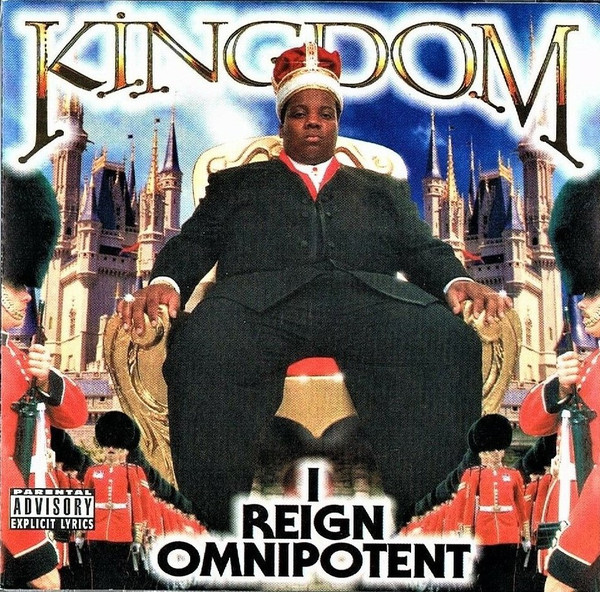
収録アルバム: I Reign Omnipotent
リリース年: 1998年
アーティスト: Kingdom
地域: アメリカ・コロラド州デンバー
レーベル: 3 Da Hardway Records
収録位置: 11曲目
ジャンル: Mellow G-Funk / Gangsta Rap / Conscious Hip-Hop / R&B Influenced Hip-Hop
『I Reign Omnipotent』は、ハードなギャングスタ・ラップから滑らかなメロウナンバーまで、多彩な音楽性を収録した作品。
アルバムには「Killing Spree」「Kingpin」「Shrimp & Lobster」「Ghetto Star」「Murderous Midnight」などが並び、Kingdomの攻撃的な一面と、メロディを重視した音楽性の両方を楽しむことができる。
なかでも「Black Family」は、アルバムのメッセージ性を象徴する重要な楽曲といえる。
興味深いのは、その収録位置だ。
本作の直前には、暴力的な題材を扱う「Murderous Midnight」が配置されている。その後に「Black Family」が登場することで、アルバムの中に強い対比が生まれている。
Kingdom自身も1998年のインタビューで、アルバムには現実とフィクションが混在し、暴力的な楽曲と前向きなメッセージを持つ楽曲の両方を収録していると説明している。
つまり、「Black Family」は単なるメロウな息抜きではなく、Kingdomが伝えたかった社会的な問題意識を表現した作品でもある。
なお、『I Reign Omnipotent』のジャケットは、No Limit Recordsなどの作品で知られるPen & Pixel Graphicsが手掛けている。
豪華な王座を連想させるビジュアルは、1990年代後半のギャングスタ・ラップ文化を象徴するデザインだ。
オリジナル盤はコレクターの間でも知られる存在となり、2022年にはMost Wanted Recordsから公式再発盤が登場している。
第一印象
曲が始まった瞬間、耳を包み込むのは柔らかく温かいメロディと、ゆったりとしたリズム。
鋭いドラムのアタックが楽曲の輪郭を作り、その奥では丸みのあるベースラインと透明感のある鍵盤系サウンドが滑らかに流れている。
全体の印象は非常にメロウで、どこか懐かしさを感じさせるR&B寄りのG-Funk。
冒頭から聴こえる男性ボーカルの優しい歌声に、女性ボーカルの伸びやかな高音が重なり、まるで90年代のスロージャムを聴いているような感覚に包まれる。
しかし、Kingdomのラップが始まると、楽曲の印象は少し変わる。
甘いトラックの上で語られるのは、暴力によって失われていく命や、悲しみに暮れる家族の姿。
この音楽的な美しさとリリックの重さの対比が、非常に印象的だ。
特に素晴らしいのは、曲全体に無理な盛り上がりがないこと。
ビートは終始落ち着いたテンポを保ち、ボーカルもラップも自然に流れていく。過剰な装飾を加えることなく、メロディとメッセージの両方を引き立てている。
一聴すると極上のメロウG-Funk。しかし、聴き込むほどに楽曲の持つ悲しみと温かさが伝わってくる。
そんな奥行きのある一曲だ。
サウンド分析
ドラム
ドラムは、90年代G-Funkらしい重みと、R&B的な柔らかさを兼ね備えたミッドテンポのビート。
キックは低域にしっかりとした重量感を持ちながらも、必要以上に前へ出ることはない。
丸みのあるアタックがベースラインと自然に重なり、楽曲全体に心地よい推進力を与えている。
スネアは比較的乾いた質感で、明確なバックビートを形成している。
特に印象的なのは、キックの柔らかさとスネアの鋭さの対比だ。
キックが楽曲を下から支え、スネアが一定の間隔でリズムを引き締めることで、ゆったりとしたテンポでありながら、ビートに十分な存在感が生まれている。
ハイハットや細かなパーカッションは控えめに配置され、必要以上にリズムを細分化しない。
そのため、ビートには余裕があり、Kingdomのラップが自然に乗るスペースが確保されている。
また、スネアの余韻にはわずかな広がりが感じられる一方、キックは比較的タイトにまとめられている。
この組み合わせが、メロウでありながら輪郭のはっきりしたグルーヴを生み出している。
全体として、派手なドラムフィルや複雑なリズム変化で聴かせるタイプではない。
一定のリズムを保ちながら、メロディとラップの魅力を最大限に引き出す、非常にバランスの良いビートである。
ベース
ベースラインは、この楽曲の心地よさを支える重要な要素。
低音は太く丸みがあり、耳に強くぶつかるというより、楽曲全体を柔らかく包み込むような質感を持っている。
単純に低音を伸ばすだけではなく、音程の動きを感じさせるフレーズが繰り返され、楽曲に自然なうねりを生み出している。
特に注目したいのは、キックとの関係性だ。
キックがリズムの重心を作り、ベースがその周囲を滑らかに動くことで、低域に立体的なグルーヴが生まれている。
また、ベースの音色には、エレクトリックベースを思わせる温かみと、シンセベースのような滑らかさが感じられる。
ただし、実際に使用された楽器や音源の種類までは確認できない。
重要なのは、その音色が楽曲の持つR&B的な雰囲気と非常によく合っていることだ。
重低音を過剰に強調することなく、メロディとの調和を優先したベースラインは、上品なメロウG-Funkならではの魅力を感じさせる。
シンセ・メロディ
この楽曲の最大の聴きどころは、Keith Sweatの「Make It Last Forever」を思わせる、甘く美しいメロディの使い方だろう。
高音域では、ベルやエレクトリックピアノを連想させる透明感のある音色が、細かなフレーズを繰り返している。
その下では、柔らかなコード系サウンドが広がり、楽曲全体に温かい空気を作り出している。
特に印象的なのは、メロディの配置に余裕があること。
高音域の装飾的なフレーズが前面に出すぎず、コードの響きやボーカルと自然に溶け合っている。
また、音の立ち上がりが柔らかく、余韻が滑らかに残ることで、楽曲に独特の浮遊感が生まれている。
シンセサイザーや鍵盤系サウンドは、単にメロディを奏でるだけではなく、曲全体の感情を形作る役割を担っている。
そして、このメロディに男女のボーカルが重なることで、R&B的な魅力がさらに強調される。
男性ボーカルの落ち着いた歌声と、女性ボーカルの伸びやかな高音が交差する瞬間は、特に美しい。
G-Funk特有のシンセサイザーによる浮遊感と、80年代後半のR&Bが持つ温かさが自然に融合したサウンドといえる。
ミックス・グルーヴ
ミックスは、各楽器の役割が明確に整理された、非常に聴きやすい仕上がり。
キックとベースが低域を支え、スネアがリズムの輪郭を作り、その上に柔らかな鍵盤系サウンドが広がっている。
Kingdomのラップは中央に明瞭に配置され、バックトラックに埋もれることなく、言葉の一つひとつが聴き取りやすい。
一方、フックでは男女のボーカルが重なり、音場に広がりが生まれる。
このラップ部分とフック部分の空間的な違いが、楽曲の展開を自然に感じさせている。
ラップ部分では声の存在感が強まり、フックではメロディとハーモニーが前面に出る。
それでも、ドラムとベースのグルーヴは大きく変わらない。
この一貫性が、楽曲全体に落ち着いた雰囲気を与えている。
さらに、終盤ではラップが終わった後もインストゥルメンタルが続き、ドラム、ベース、鍵盤系サウンドの組み合わせをじっくり楽しむことができる。
特に、細かな高音の装飾と低域のベースラインが交差する部分は、トラックそのものの完成度を感じさせる。
派手な展開ではなく、音の重なりとグルーヴの気持ちよさで聴かせる。
まさに90年代メロウG-Funkの魅力が詰まったサウンドだ。
ラップ/ボーカル分析
Kingdomのラップは、落ち着いた声質と明瞭な発音が特徴的。
低めの声を軸にしながら、言葉の強弱を巧みに使い分け、重いメッセージを自然なフロウに乗せている。
ビートに対して過剰に詰め込むことはなく、一定のリズムを保ちながら言葉を前へ運んでいくスタイルだ。
特に印象的なのは、ラップに込められた感情の表現。
暴力や死について語る場面では、声に緊張感が生まれる一方、家族やコミュニティの団結を訴える部分では、語りかけるような温かさが感じられる。
この感情の変化が、楽曲のメッセージをより強く伝えている。
また、Kingdomは語尾の響きや言葉のアクセントを細かく調整し、一定のビートの上でも単調にならないフロウを展開している。
力任せに押し切るのではなく、言葉そのものを聴かせるラップだ。
一方、フックでは男性と女性のボーカルが大きな役割を果たしている。
男性ボーカルは、柔らかく温かみのある歌声でメロディを支え、女性ボーカルは高音域を伸びやかに歌い上げる。
特に、女性ボーカルが男性のフレーズに応えるように重なる部分は、非常に印象的。
二人の歌声が重なることで、楽曲にはR&Bのスロージャムを思わせる甘い雰囲気が生まれている。
さらに、フックのメロディには、単なるロマンティックな表現とは異なる意味が込められている。
家族の絆が永遠に続くことを願う歌声は、Kingdomがラップで描く悲しい現実と対照的だ。
このラップとボーカルの関係性こそ、「Black Family」の大きな魅力といえる。
歌詞・テーマ
「Black Family」の中心にあるのは、黒人コミュニティにおける暴力の連鎖と、失われつつある家族の絆への危機感だ。
冒頭のヴァースでは、次々と命を落としていく人々や、悲しみに暮れる母親たちの姿が描かれる。
涙が流れ、友人が亡くなり、葬儀が繰り返される。
Kingdomは、そうした現実を単なるニュースとしてではなく、自分自身の身近な問題として語っている。
特に重要なのは、黒人同士の暴力について言及している部分だ。
彼は、コミュニティ内部で繰り返される争いに疑問を投げかけ、その犠牲となる人々の存在を強調している。
また、薬物の過剰摂取、銃撃事件、警察による暴力など、黒人社会が直面する複数の問題にも触れている。
さらに、メディアによる黒人の描かれ方にも批判的な視線を向けている。
黒人が暴力的な存在として扱われる一方で、社会が抱える構造的な問題は十分に理解されていない。
Kingdomは、そうした状況に対する怒りと悲しみをラップに込めている。
そして、楽曲の後半では、家庭内暴力や若者の犯罪についても言及する。
女性に対する暴力を戒め、家族が互いに支え合うことの重要性を訴える内容は、単なるストリート・ラップの枠を超えている。
特に印象的なのは、家族が共に祈り、共に生きることの大切さを語る部分だ。
暴力や対立によって分断された社会を再び結びつけるためには、まず家族という最も身近な共同体を大切にする必要がある。
そんな考え方が、楽曲全体を貫いている。
また、Kingdomは自分自身の言葉が常に正しいわけではないことも認めている。
それでも、前向きなメッセージを伝えたいという姿勢を示している点が興味深い。
これは、1998年のインタビューで彼自身が語った、暴力的な表現とポジティブなメッセージの両方を持つアーティストとしての考え方とも一致する。
そして、フックで繰り返される家族の永続性を願うメッセージが、楽曲全体を優しく包み込む。
甘いR&Bサウンドの上で、黒人社会の現実と未来を語る。
「Black Family」は、音楽的な美しさと社会的な問題意識を両立させた、非常に意味深い作品である。
サンプリング&トラックメイキング
本作のサウンドを語るうえで欠かせないのが、Keith Sweatの「Make It Last Forever」との関係だ。

1987年に発表された「Make It Last Forever」は、Keith Sweatのデビューアルバム『Make It Last Forever』に収録されたR&Bクラシック。
Teddy Rileyが制作に関わった楽曲であり、ニュージャックスウィングが確立されていく時代を象徴する作品の一つでもある。
原曲の魅力は、柔らかなリズム、温かみのある鍵盤サウンド、そして男女の歌声によるロマンティックな掛け合いにある。
Kingdomの「Black Family」は、この楽曲の持つ甘いメロディと雰囲気を巧みに取り入れている。
特に印象的なのは、原曲の恋愛をテーマとした世界観が、家族やコミュニティの絆を願うメッセージへと置き換えられていることだ。
原曲が恋人同士の愛情の永続性を歌うのに対し、「Black Family」では家族の結びつきが失われないことを願っている。
つまり、同じような温かい音楽的表現を使いながら、歌詞の意味を大きく変化させている。
また、トラックは原曲のR&B的な質感を残しつつ、ヒップホップらしいドラムの重みを加えた構成になっている。
スネアの存在感を強め、低域をしっかりと支えることで、甘いメロディの中にもギャングスタ・ラップらしい骨太さが生まれている。
さらに、鍵盤系サウンドの柔らかな響きと、ベースラインの滑らかな動きが、楽曲全体をメロウにまとめている。
ここで重要なのは、サンプリング元の魅力を壊していないこと。
原曲の持つ温かさや優しさを生かしながら、Kingdom自身のメッセージに合ったトラックへと仕上げている。
ただし、実際の制作において原曲のマスター音源を直接サンプリングしたのか、一部を弾き直したのか、また各楽器をどのように組み合わせたのかについては、詳細な制作クレジットを確認できていない。
そのため、具体的な制作手法については断定を避けたい。
それでも、Keith SweatのR&Bと90年代G-Funkの親和性を感じさせる、非常に完成度の高いトラックであることは間違いない。
トリビア/制作メモ
Kingdom本人が語った「Black Family」のテーマ
1998年2月12日に掲載された『Westword』のインタビューで、Kingdomは「Black Family」について、家族を育てること、ギャング間の暴力を止めること、そして以前のように一つの家族として結びつくことをテーマにした楽曲だと説明している。
この発言は、本作の歌詞を理解するうえで非常に重要な資料となっている。
本名はJeffrey McWhorter
Kingdomはデンバーを拠点に活動したラッパーで、1997年には地元のWestword Music Awards Showcaseでヒップホップ/ファンク部門の評価を獲得している。
アルバムには複数のプロデューサーが参加
Kingdomは当時のインタビューで、Sla-T、Travis “T.T. Finguz” Todd、Auto Vandeveer、Chris Johnson、Hakeemらの制作参加について語っている。
それぞれがハードなサウンド、メロウな音作り、ラジオ向けの音楽性など、異なる役割を担っていたという。
ただし、「Black Family」単独のプロデューサーについては、確認できた資料からは特定できない。
Pen & Pixel Graphicsによるジャケット
『I Reign Omnipotent』のジャケットは、南部ギャングスタ・ラップのアートワークで知られるPen & Pixel Graphicsが担当。
豪華な装飾と王座を連想させるビジュアルは、1990年代後半のG-Rap文化を感じさせる仕上がりとなっている。
デンバーのローカル・シーンから全国へ
1998年7月の『Westword』の記事によると、Kingdomのデビューアルバムはコロラド州内で2,500枚以上を売り上げ、ラスベガス、サンフランシスコ、サンディエゴ、マイアミ、オマハなどでもラジオ放送されたという。
地方のインディペンデント作品でありながら、地域を越えて広がりを見せていたことがわかる。
2022年に公式再発
『I Reign Omnipotent』は2022年にMost Wanted Recordsから公式再発されている。
オリジナル盤の希少性だけでなく、音楽そのものの魅力を再評価する機会となった再発といえる。
エディターズノート
Kingdomの「Black Family」は、90年代メロウG-Funkの魅力を存分に味わえる一曲である。
Keith Sweatの「Make It Last Forever」を引用した甘いメロディ、丸みのあるベースライン、心地よいドラム、そして男女のボーカルによる美しい掛け合い。
そのどれもが上品にまとまり、非常に滑らかなサウンドを作り上げている。
特に、男性ボーカルの温かい歌声に女性ボーカルの高音が重なるフックは絶品。
原曲のR&B的な魅力を受け継ぎながら、G-Funkならではの重厚なビートと融合させた仕上がりは、何度聴いても心地よい。
しかし、この曲を単なるメロウナンバーとして片付けることはできない。
Kingdomが語るのは、暴力によって失われる命、崩れていく家族の絆、そして黒人コミュニティの再生への願い。
その重いメッセージが、温かいサウンドに乗せられることで、より深く心に響いてくる。
特に印象的なのは、楽曲が最後まで希望を失っていないことだ。
厳しい現実を描きながらも、家族やコミュニティが再び結びつく未来を願っている。
そして、その願いを象徴するように、美しいフックが繰り返される。
甘さと哀愁、ストリートの現実と家族への愛情。
そのすべてが自然に溶け合った「Black Family」は、デンバーのアンダーグラウンド・シーンが生み出した極上のメロウG-Funkである。
90年代のマイナーG-Rapが持つ奥深さを、改めて感じさせてくれる一曲だ。
Teddy Rileyが手掛けた甘く滑らかなR&Bサウンドは、Kingdom「Black Family」の音楽的なルーツを知るうえでも欠かせない。原曲と聴き比べることで、メロディの美しさとG-Funkへの発展をより深く楽しめる一枚だ。
▼ Amazonで『Make It Last Forever』をチェック!

Kingdom – Black Family | A Soulful Denver G-Funk Classic with a Powerful Message of Unity
The underground G-Funk scene of the 1990s produced countless recordings that concealed harsh street realities and meaningful social messages beneath sweet, sophisticated sounds. Among them, “Black Family” by Denver, Colorado rapper Kingdom stands out as a remarkable fusion of mellow musical production and social consciousness.
Featured on his 1998 album I Reign Omnipotent, the track draws on Keith Sweat’s R&B classic “Make It Last Forever,” creating a warm, smooth musical atmosphere. Soft synthesizers, an elastic bassline, comfortable drums, and beautiful exchanges between male and female singers come together to produce an exceptional example of mellow G-Funk.
However, the song’s true appeal extends far beyond its beautiful sound.
Kingdom addresses the cycle of violence within Black communities, lives lost too soon, the breakdown of family relationships, and the hope for community renewal. These serious themes contrast sharply with the gentle instrumental, giving the recording a distinctive emotional depth.
The melody draws listeners in, but understanding the lyrics makes the experience even more moving.
“Black Family” is a track that captures the remarkable depth of 1990s underground G-Rap.
Artist Introduction
Kingdom, whose real name is Jeffrey McWhorter, is a rapper from Denver, Colorado.
During the 1990s, Denver was not as nationally recognized as Hip-Hop centers such as Los Angeles, Oakland, or Houston. Nevertheless, local artists were developing their own musical culture, releasing recordings rooted in Gangsta Rap and G-Funk.
Kingdom was one of the artists contributing to Denver’s underground scene.
His musical identity combines hard-edged lyrics depicting street realities with a willingness to address broader social issues.
In a 1998 interview with the Denver publication Westword, Kingdom argued that Colorado’s Hip-Hop scene needed unity rather than conflict between artists in order to develop.
That philosophy is strongly reflected in “Black Family.”
Kingdom also placed considerable importance on lyrical craftsmanship.
Rather than relying on simple rhymes, he wanted to create lyrics that encouraged listeners to think carefully about their meaning.
That approach can be heard in “Black Family,” where serious messages are delivered through a rhythmic, controlled flow.
Background
“Black Family” appears on Kingdom’s album I Reign Omnipotent, released in 1998 through 3 Da Hardway Records.
Album: I Reign Omnipotent
Release Year: 1998
Artist: Kingdom
Location: Denver, Colorado, USA
Label: 3 Da Hardway Records
Track Number: 11
Genre: Mellow G-Funk / Gangsta Rap / Conscious Hip-Hop / R&B-Influenced Hip-Hop
I Reign Omnipotent is a diverse recording that moves between hard Gangsta Rap and smooth, melodic tracks.
Songs such as “Killing Spree,” “Kingpin,” “Shrimp & Lobster,” “Ghetto Star,” and “Murderous Midnight” reveal both Kingdom’s aggressive side and his appreciation for melody-driven production.
Among these recordings, “Black Family” is particularly important because it represents the album’s socially conscious dimension.
Its placement in the tracklist is also interesting.
Immediately before “Black Family” comes “Murderous Midnight,” a song dealing with violent subject matter.
Following that recording with a track focused on family and community creates a striking contrast within the album.
In a 1998 interview, Kingdom explained that his album combined reality and fiction, featuring both violent material and songs carrying positive messages.
In this context, “Black Family” is much more than a mellow interlude.
It is an expression of the social concerns Kingdom wanted to communicate through his music.
Another noteworthy detail is the album artwork, created by Pen & Pixel Graphics, the design studio widely associated with releases from No Limit Records and other Southern Rap labels.
The luxurious, throne-like imagery reflects the visual culture of late-1990s Gangsta Rap.
The original release became a recognizable title among collectors, and an official reissue was released through Most Wanted Records in 2022.
First Impression
From the opening moments, the listener is surrounded by soft, warm melodies and a relaxed rhythm.
The sharp attack of the drums defines the track’s rhythmic outline, while a rounded bassline and transparent keyboard textures flow smoothly underneath.
The overall atmosphere is exceptionally mellow, recalling the nostalgic warmth of R&B-influenced G-Funk.
A gentle male vocal appears early in the recording, accompanied by the expressive high notes of a female singer.
Together, their voices create an atmosphere reminiscent of a classic 1990s slow jam.
However, the mood changes slightly when Kingdom begins rapping.
Over this sweet instrumental, he describes lives lost to violence and families struggling with grief.
The contrast between the beauty of the music and the seriousness of the lyrics is especially powerful.
One of the recording’s greatest strengths is its refusal to force dramatic musical developments.
The beat maintains a relaxed tempo throughout, while the vocals and rap flow naturally over the instrumental.
Without excessive ornamentation, the production allows both the melody and the message to remain in focus.
On the surface, “Black Family” sounds like an exceptional mellow G-Funk recording.
The more closely one listens, however, the more its underlying sadness and warmth become apparent.
That emotional complexity gives the track its lasting appeal.
Sound Analysis
Drums
The drums combine the weight associated with 1990s G-Funk and the softness of R&B production.
The mid-tempo beat provides a solid rhythmic foundation without becoming overly aggressive.
The kick carries substantial low-frequency weight but never dominates the arrangement.
Its rounded attack blends naturally with the bassline, giving the recording a comfortable sense of forward movement.
The snare has a relatively dry character and establishes a clearly defined backbeat.
The contrast between the softness of the kick and the sharper snare is particularly effective.
While the kick supports the track from below, the snare tightens the rhythm at regular intervals.
This creates a beat that feels relaxed but still maintains a strong presence.
Hi-hats and subtle percussion elements are used sparingly.
Rather than dividing the rhythm into excessively complicated patterns, they preserve the spaciousness of the groove.
That space allows Kingdom’s rap to sit comfortably within the instrumental.
The snare also carries a slight sense of resonance, while the kick remains comparatively tight.
Together, these elements produce a mellow but clearly defined rhythmic character.
Overall, the drums do not rely on elaborate fills or complicated changes.
Instead, they maintain a consistent groove that brings out the strengths of the melody and rap.
It is a carefully balanced beat that understands the importance of restraint.
Bass
The bassline is one of the essential elements behind the track’s comfortable atmosphere.
Its low frequencies are thick and rounded, creating a soft foundation rather than striking the listener with excessive force.
Instead of simply sustaining long bass notes, the arrangement repeats phrases with noticeable pitch movement, giving the recording a natural sense of motion.
The relationship between the bass and kick is particularly important.
The kick establishes the rhythmic center, while the bass moves smoothly around it.
This interaction creates a layered, three-dimensional low-end groove.
The bass tone also suggests a combination of the warmth associated with electric bass and the smoothness of synthesizer bass.
However, the exact instruments or sound sources used in the production have not been conclusively identified.
What matters most is how naturally the bass fits the track’s R&B-influenced atmosphere.
Rather than emphasizing overwhelming sub-bass, the arrangement prioritizes harmony with the melody.
This refined approach to the low end is one of the defining attractions of sophisticated mellow G-Funk.
Synths & Melody
One of the greatest attractions of “Black Family” is its use of sweet, beautiful melodies reminiscent of Keith Sweat’s “Make It Last Forever.”
In the upper frequencies, transparent tones resembling bells or electric piano repeat delicate melodic phrases.
Beneath them, soft chord-based textures spread across the instrumental, creating a warm atmosphere.
The spacious arrangement of these melodies is especially appealing.
The decorative high notes never become overly dominant, instead blending naturally with the chords and vocals.
Their soft attacks and smooth decay create a subtle floating sensation.
The synthesizers and keyboard textures do more than simply provide melody.
They help establish the emotional character of the entire recording.
When the male and female vocals enter, the R&B influence becomes even more pronounced.
The contrast between the male singer’s calm, warm delivery and the female singer’s expressive high notes is particularly beautiful.
At moments when their voices intersect, the recording takes on an almost slow-jam-like character.
The result is a natural fusion of G-Funk’s floating synthesizer textures and the warmth of late-1980s R&B.
Mix & Groove
The mix is exceptionally approachable, with each instrument occupying a clearly defined role.
The kick and bass support the lower frequencies, the snare establishes the rhythmic outline, and soft keyboard textures spread above them.
Kingdom’s rap is positioned clearly in the center, allowing individual words to remain intelligible without becoming buried in the instrumental.
During the hook, the male and female vocals overlap, creating a greater sense of width and depth.
This spatial difference between the rap verses and the sung hook helps the song develop naturally.
The rapper’s voice becomes more prominent during the verses, while melody and harmony move into focus during the chorus.
Despite these changes, the underlying drum and bass groove remains largely consistent.
That continuity gives the entire recording its calm atmosphere.
Toward the end, the instrumental continues after the rap has finished, allowing listeners to appreciate the interaction between the drums, bass, and keyboards.
The interplay between the delicate high-frequency decorations and the low bassline is particularly satisfying.
It reveals the quality of the instrumental itself.
Rather than relying on dramatic transitions, “Black Family” draws its strength from layered sounds and an exceptionally comfortable groove.
This is precisely the kind of musical sophistication that makes 1990s mellow G-Funk so appealing.
Rap / Vocal Analysis
Kingdom’s delivery is characterized by a relatively calm vocal tone and clear pronunciation.
Working primarily in a lower register, he uses subtle changes in emphasis to deliver serious messages through a natural rhythmic flow.
He does not overcrowd the beat with excessive syllables.
Instead, he maintains a steady rhythm and allows the words to move forward clearly.
One of the most impressive aspects of his performance is the emotional variation.
When addressing violence and death, his voice carries a noticeable sense of tension.
When discussing family and community unity, however, his delivery becomes warmer and more conversational.
These changes help communicate the song’s message with greater emotional force.
Kingdom also adjusts the endings of phrases and the accents placed on individual words, preventing the flow from becoming monotonous despite the consistent beat.
Rather than overpowering the instrumental, he allows the lyrics themselves to command attention.
The male and female singers play an equally important role in the hook.
The male vocalist supports the melody with a soft, warm tone, while the female singer delivers expressive notes in a higher register.
The moments when her voice responds to the male vocal phrases are especially memorable.
Their combined voices create a sweet atmosphere reminiscent of an R&B slow jam.
However, the melody of the hook carries a meaning beyond conventional romantic expression.
The singers communicate a desire for family bonds to endure, providing an emotional contrast to the painful realities described in Kingdom’s verses.
This relationship between rap and singing is one of the defining strengths of “Black Family.”
Lyrics & Themes
The central theme of “Black Family” is the cycle of violence within Black communities and the weakening of family relationships.
In the opening verse, Kingdom describes people losing their lives and mothers mourning their children.
Tears are shed, friends die, and funerals continue.
He presents these tragedies not as distant news stories but as realities affecting people close to him.
One of the most important aspects of the lyrics is his discussion of violence between members of the Black community.
Kingdom questions the repeated conflicts occurring within the community and emphasizes the human cost of these confrontations.
He also addresses several other problems, including drug overdoses, shootings, and police violence.
Another significant theme is the way Black people are represented in the media.
Kingdom expresses frustration with portrayals that emphasize violence while failing to recognize the deeper structural problems affecting communities.
His lyrics communicate both anger and sadness about these circumstances.
Later in the recording, he turns his attention to domestic violence and youth crime.
He condemns violence against women and emphasizes the importance of family members supporting one another.
These themes take the song beyond the conventions of street-oriented Gangsta Rap.
Particularly moving are the passages emphasizing the importance of families praying together and remaining united.
The underlying message suggests that rebuilding a divided community must begin with strengthening the closest relationships in people’s lives.
Family becomes the foundation for broader social renewal.
Another interesting detail is Kingdom’s acknowledgment that his own words are not necessarily always correct.
Nevertheless, he expresses a sincere desire to communicate something positive.
This attitude is consistent with his comments in a 1998 interview, in which he discussed the coexistence of violent expression and positive messages in his music.
Throughout the track, the hook repeatedly returns to the hope that family bonds will endure.
Its gentle melody surrounds the difficult subject matter with a sense of compassion.
By addressing the realities and future of Black communities through sweet R&B-influenced music, “Black Family” achieves a meaningful balance between musical beauty and social consciousness.
Sampling & Trackmaking
An essential reference point for understanding “Black Family” is Keith Sweat’s “Make It Last Forever.”
Released in 1987, “Make It Last Forever” appeared on Keith Sweat’s debut album of the same name.
The recording is an R&B classic associated with Teddy Riley, whose production work helped shape the emergence of New Jack Swing.
The original song is distinguished by its gentle rhythm, warm keyboard textures, and romantic exchanges between male and female singers.
Kingdom’s “Black Family” draws on the sweetness and atmosphere associated with that recording.
One of the most interesting aspects is how the original romantic concept is transformed into a message about family and community unity.
While Keith Sweat’s song expresses a desire for romantic love to last forever, Kingdom’s recording directs that same emotional idea toward the preservation of family relationships.
In other words, similar musical warmth is used to communicate a very different lyrical message.
The instrumental also retains an R&B-like character while introducing the heavier drums associated with Hip-Hop.
A more pronounced snare and a solid low-frequency foundation give the sweet melodies the weight expected from Gangsta Rap.
At the same time, the soft keyboard textures and smoothly moving bassline maintain the recording’s mellow atmosphere.
The key is that the musical appeal of the R&B reference is preserved rather than overwhelmed.
Its warmth and tenderness are adapted to support Kingdom’s own message.
However, the available production information does not conclusively establish whether the original master recording was directly sampled, whether certain parts were replayed, or precisely how the instrumental layers were constructed.
For that reason, it would be inappropriate to make definitive claims about the specific production techniques.
Nevertheless, “Black Family” is a remarkably effective example of the musical compatibility between Keith Sweat-style R&B and 1990s G-Funk.
Trivia & Production Notes
Kingdom’s Own Explanation of “Black Family”
In an interview published by Westword on February 12, 1998, Kingdom explained that “Black Family” addressed raising families, ending gang violence, and restoring the sense of unity that once connected people as one family.
His comments provide important context for understanding the song’s lyrics.
His Real Name Is Jeffrey McWhorter
Kingdom was active in Denver’s Hip-Hop scene and received recognition in the Hip-Hop/Funk category at the 1997 Westword Music Awards Showcase.
Multiple Producers Contributed to the Album
In an interview from the period, Kingdom discussed contributions from producers including Sla-T, Travis “T.T. Finguz” Todd, Auto Vandeveer, Chris Johnson, and Hakeem.
According to his comments, the producers brought different strengths to the project, ranging from harder sounds to mellow production and more radio-oriented material.
However, the individual producer responsible for “Black Family” has not been conclusively identified through the available sources.
Artwork by Pen & Pixel Graphics
The cover of I Reign Omnipotent was created by Pen & Pixel Graphics, the design studio widely associated with Southern Gangsta Rap artwork.
Its elaborate decorations and throne-inspired imagery capture the visual style of late-1990s G-Rap.
From Denver’s Local Scene to a Wider Audience
According to a July 1998 Westword article, Kingdom’s debut album sold more than 2,500 copies within Colorado.
The publication also reported radio airplay in cities including Las Vegas, San Francisco, San Diego, Miami, and Omaha.
These details suggest that the independent release was beginning to reach audiences beyond its home region.
Official Reissue in 2022
I Reign Omnipotent received an official reissue through Most Wanted Records in 2022.
Beyond the collectible status of the original pressing, the reissue offered another opportunity to appreciate the music itself.
Editor’s Note
Kingdom’s “Black Family” is an exceptional example of the beauty of 1990s mellow G-Funk.
The sweet melodies associated with Keith Sweat’s “Make It Last Forever,” the rounded bassline, comfortable drums, and beautiful exchanges between male and female singers all contribute to an extraordinarily smooth recording.
Every element is carefully balanced, creating a refined and inviting sound.
The hook is especially outstanding.
The warmth of the male singer’s voice blends with the female vocalist’s expressive high notes, producing a deeply satisfying R&B atmosphere.
The combination of that sweetness with the heavier rhythmic foundation of G-Funk remains enjoyable even after repeated listens.
However, “Black Family” deserves to be recognized as much more than a beautiful mellow track.
Kingdom addresses lives lost to violence, weakened family relationships, and the hope of rebuilding Black communities.
Because these serious messages are delivered over such warm music, they carry an even greater emotional impact.
What makes the song particularly memorable is that it never completely abandons hope.
Even while describing painful realities, Kingdom continues to imagine a future in which families and communities can come together again.
The beautiful, recurring hook becomes a musical expression of that hope.
Sweetness and melancholy, street realities and love for family—all coexist naturally within the recording.
“Black Family” is a remarkable piece of mellow G-Funk from Denver’s underground Hip-Hop scene.
It is a song that reminds us just how much emotional and musical depth can be found in the overlooked local G-Rap recordings of the 1990s.


コメント