人生の選択を振り返ったとき、本当に自分には別の道が残されていたのか。
Chunkの「What Waz I To Do?」は、その問いに明快な答えを出す曲ではない。むしろ、貧困、家庭環境、仲間との関係、犯罪、喪失といった出来事を積み重ねながら、ひとりの若者がストリートへ引き寄せられていく過程を静かに語っていく。
題名の「What was I to do?」は、日本語にすれば「俺にどうしろというんだ」「ほかに何ができたんだ」といった意味になる。
しかし、この言葉は単純な責任逃れとして使われているわけではない。
自分の行動を完全に正当化するのでも、過去を美化するのでもなく、限られた選択肢の中で生きてきた人間が、自分自身の人生を見つめ直すための問いとして置かれている。
穏やかで浮遊感のある音楽と、厳しいストリートの記憶。その対照こそが、この曲を単なるギャングスタラップの回想録ではなく、長く耳に残る人生の記録へと変えている。
アーティスト紹介
Chunkは、カリフォルニア州イースト・パロアルト、通称EPAのローカルシーンから登場したラッパーである。
KQEDによれば、Chunkはイースト・パロアルトのMidtown地区に属し、ソロ活動以前にはTotally InsaneのAd Kapone、Doc LouiとともにRealityというグループで活動していた。初期作品ではC-Funkのプロダクションを中心に録音し、1993年にはSean Tとも制作するようになったという。
イースト・パロアルトは、サンフランシスコやオークランドほど全国的に知られてはいないものの、1990年代初頭から独自のストリートラップ文化を形成していた地域である。
Totally Insane、S.I.C.、Sean T、C-Funkらに代表されるEPAの音楽は、同じベイエリアの中でも地域性が強い。低く沈むビート、ファンクやソウルのサンプリング、現実を物語として描くラップが結びつき、華やかな成功談よりも、生活圏内で起きる緊張や損失を濃密に映し出していた。
Chunkもまた、その流れを代表する存在のひとりである。
彼のラップには、スターとして自分を大きく見せる姿勢より、実際に経験した環境を記録しようとする意識が強く表れている。
作品背景
「What Waz I To Do?」は、Chunkが1992年に発表したアルバム『Chunk II: Still the Menace』の冒頭に収録されている。
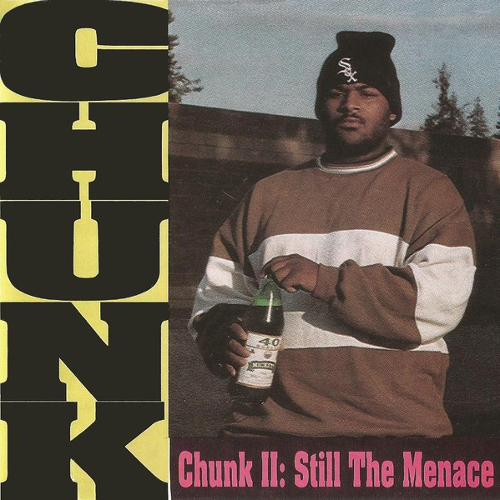
Apple Musicでは同作を1992年4月24日発売、Menace Muzikからリリースされた全15曲、約56分のアルバムとして掲載している。「What Waz I To Do?」はその1曲目で、公式表記上の長さは3分56秒である。
アルバムには通常版のほか、「What Waz I To Do」のラジオ向け編集版とインストゥルメンタル版も収録されている。楽曲単体でも「On The Way To Heaven」と組み合わせたリリースが存在し、クレジット上では歌詞をLeon Ayiers、プロデュースをMarcus “C-Funk” McKinleyが担当している。
KQEDは本曲を、Chunkにとってヒット曲と呼べるものがあるならこの曲だったと評価し、EPAの厳しい成長環境を、滑らかで希望を感じさせる音楽の上で語った作品として紹介している。
この位置づけは重要である。
本曲は単にアルバムの最初に置かれた一曲ではない。Chunkというラッパーが何を見て、どのような場所から言葉を発しているのかを提示する、事実上の自己紹介として機能している。
第一印象
最初に耳を引くのは、楽曲の題材から想像されるほどサウンドが暗くないことである。
約89BPMで進むビートには、悲壮感よりも柔らかな浮遊感がある。背後で鳴るソウル/ジャズファンク系のフレーズは、晴れ切った明るさではないものの、完全な絶望にも沈んでいない。
この「希望を残したままの哀愁」が、本曲の最大の特徴である。
Chunkが語るのは、決して幸福な少年時代ではない。ところがトラックは、恐怖や暴力を必要以上に強調しない。旋律はゆっくりと広がり、過去を包み込むように流れていく。
その結果、聴き手は出来事の激しさよりも、それを思い返している現在のChunkの感情へ意識を向けることになる。
これは事件の真っただ中を描く音楽ではない。
時間が経過したあと、ひとりで過去を振り返り、「あのとき自分には何ができただろう」と考えている音楽である。
サウンド分析
ドラム
ドラムはミッドテンポのストレートなヒップホップビートを基礎にしている。
キックは極端に深く加工されたタイプではなく、輪郭を保ったまま楽曲の下部を支えている。スネアは乾いており、強く前へ飛び出すというより、一定の距離を保ちながら物語の拍を刻む。
このドラムが優れているのは、ラップを急かさない点である。
派手なフィルや細かな展開を詰め込まず、一小節ごとの空間を広く取ることで、Chunkの言葉を聞き取る余裕を生み出している。
リズムは重いが、攻撃的ではない。
歩く速度に近い一定のグルーヴが続くため、過去の場面をひとつずつたどっていくような感覚が生まれる。ストリートラップでありながら、追跡劇や対立場面を連想させるビートではなく、回想のためのビートとして設計されている。
ベース
ベースはドラムと密接に結びつきながら、曲全体に安定感を与えている。
低音は必要以上に前へ出ず、反復されるフレーズの中でじわじわと存在感を示す。1990年代中盤以降のベイエリア・モブミュージックに見られる、巨大にうねるシンセベースとは異なり、ここではサンプリングされた音楽の質感に溶け込むような低域処理が中心となっている。
この控えめなベースが、楽曲を過度に威圧的にしない。
Chunkの語りには犯罪や喪失が含まれるが、ベースがそれを英雄的に持ち上げることはない。あくまで生活の重みとして、一定の圧力を保ち続けている。
シンセ・メロディ
楽曲の中心にあるのは、ソウル、ジャズファンク、コズミックジャズを思わせる滑らかなメロディである。
柔らかく上昇する響き、長く伸びる音、空間を漂うようなコード感が組み合わされ、現実の厳しさとは対照的な穏やかさを生み出している。
このメロディは、単に「悲しい曲」を演出するためのものではない。
悲しさの中に、まだ別の未来があり得たのではないかという感覚を残している。だからこそ、タイトルの問いがより切実になる。
完全に暗いトラックであれば、「自分には選択肢がなかった」という結論だけが強く聞こえただろう。しかし、この曲にはわずかな光がある。その光があるからこそ、「本当にほかの道はなかったのか」という疑問が消えない。
ミックス・グルーヴ
ミックスは、ボーカルを中央に置きつつ、周囲をメロディとリズムが穏やかに囲む構造になっている。
Chunkの声は過剰に大きくなく、トラックと一体になっている。現在のラップ作品のようにボーカルを極端に明瞭化する処理ではなく、声もまたレコード全体の質感の一部として配置されている。
音源には1990年代初頭らしい粗さが残る。
高域は鋭すぎず、低域も過度に膨らませていない。そのため、全体は少しくすんだ色調を持ち、古い記憶を再生しているような感触を与える。
約89BPMというテンポも絶妙である。
遅すぎて沈み込むこともなく、速すぎて言葉が流れることもない。首を自然に揺らせるヒップホップの身体性を維持しながら、物語を追える速度に収められている。
ラップ/ボーカル分析
Chunkのラップは、激情を正面から爆発させるタイプではない。
声質には若さが残っているが、デリバリーは落ち着いており、一定の低い重心を保つ。フロウは過剰に技巧を誇示せず、出来事を順番に説明することへ重点を置いている。
一行ごとに強くパンチラインを置くのではなく、複数の行を連続させながらひとつの場面を作る。これにより、ラップは独立した言葉の集合ではなく、ひと続きの記憶として聞こえる。
特に印象的なのは、Chunkが自分を英雄にも完全な被害者にも見せないことである。
彼の声には怒りがある。しかし同時に、諦め、困惑、自己反省も混ざっている。タイトルの問いを繰り返すたび、同じ言葉でありながら意味が少しずつ変わる。
最初は環境への反発として聞こえ、次第に自分自身への問いへ変わり、最後には人生全体に対する答えの出ない疑問として残る。
フックも派手な歌唱や多重コーラスで盛り上げるものではない。
同じ問いを反復することで、楽曲の感情を固定する役割を果たしている。耳に残るのはメロディの華やかさではなく、「What was I to do?」という言葉そのものだ。
歌詞・テーマ
本曲の中心テーマは、環境と個人の選択の関係である。
Chunkは、自分がどのような家庭や地域で育ち、何を見て、どのようにストリートへ接近していったのかを時系列に近い形で語っている。
歌詞には、家庭の不安定さ、貧困、周囲の犯罪、学校生活での困難、仲間からの影響、ドラッグや収監、身近な人間の死といった要素が登場する。
ただし、この曲が優れているのは、それらを単なる悲惨なエピソードの羅列にしていない点である。
それぞれの出来事は、「なぜ自分はその行動を選んだのか」という問いにつながっている。
Chunkは環境の犠牲者であると同時に、自分自身で判断し、行動した人物でもある。その二つの立場が矛盾したまま共存している。
「周囲がそうだったから仕方がなかった」と言い切ることもできる。
一方で、「自分にも別の判断ができたのではないか」という後悔も残る。
本曲は、そのどちらか一方に答えを固定しない。
タイトルの問いは、貧困や犯罪の中で育った人間に対して、社会が簡単に「正しい選択をすべきだった」と言うことへの反論でもある。同時に、自分の過去を環境だけのせいにしてよいのかという、Chunk自身への厳しい問いでもある。
だからこそ、この曲には説教臭さがない。
社会問題を説明するために作られた曲ではなく、個人の人生を正直に語った結果として、環境、格差、犯罪、責任という問題が浮かび上がっている。
サンプリング&トラックメイキング
本曲のプロデュースは、Marcus “C-Funk” McKinleyが担当している。
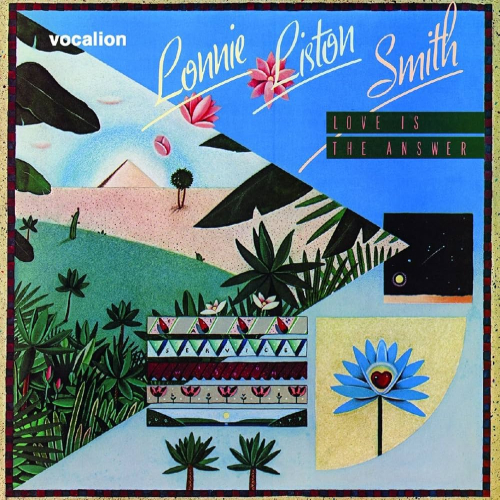
KQEDは「What Waz I To Do?」について、滑らかなLonnie Liston Smithのサンプルを使用した曲と紹介している。
一方、WhoSampledでは、Doug E. Fresh and Slick Rickの「La Di Da Di」からのサンプリングが登録されている。
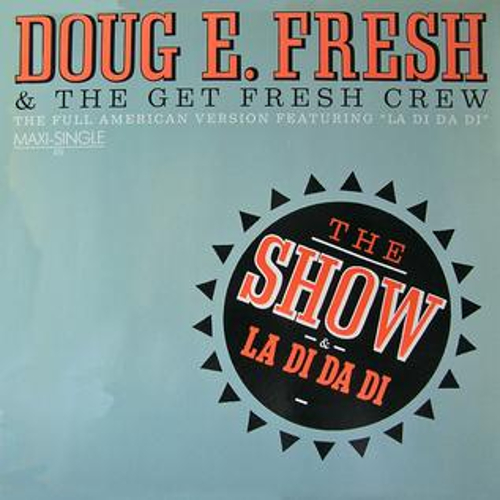
これは楽曲の主要なメロディ素材というより、声やフレーズを部分的に取り込んだ要素として考えるのが自然である。
C-Funkのトラックメイキングは、硬いドラムと滑らかなサンプルの対比を軸にしている。
サンプリング素材が持つ広がりや温度を消さず、その上に必要最低限のリズムを加えることで、ラップが入り込める余白を残している。
ここでは、サンプルを細かく切り刻んで別のリズムへ再構築するより、原音の持つ情緒を長く鳴らすことが重視されている。
そのため、曲全体にはループ音楽としての催眠性がある。
同じ景色が繰り返される中で、Chunkの物語だけが前へ進む。この構造は、抜け出しにくい生活環境を象徴しているようにも聞こえる。
トラックは同じ場所にとどまり続け、ラップだけが時間を進めていくのである。
トリビア/制作メモ
・「What Waz I To Do?」は『Chunk II: Still the Menace』の1曲目に置かれており、通常版に加えてラジオ編集版とインストゥルメンタル版も収録されている。
・アルバムは1992年にMenace Muzikからリリースされた。Apple Music掲載情報では全15曲、約56分の作品である。
・楽曲クレジットでは、Leon Ayiersが歌詞、Marcus “C-Funk” McKinleyがプロデュースを担当している。
・KQEDは2023年の特集「10 East Palo Alto Rap Tapes You’ve (Probably) Never Heard Before」で本曲を取り上げ、Chunkの代表的な一曲として紹介した。
・音源の実測時間は約3分58秒、テンポはおよそ89BPMだった。配信版の公式表記である3分56秒との差は、音源のエンコードや前後の無音部分によるものと考えられる。
総評
「What Waz I To Do?」は、1990年代初頭のベイエリア・ラップが持っていた、地域密着型のストーリーテリングを象徴する一曲である。
サウンドは滑らかで、どこか希望を感じさせる。しかし、その上で語られる人生は重い。
この明暗の対比によって、曲は単なる犯罪の告白にも、悲惨な生い立ちを売りにした作品にもならない。
Chunkが投げかけるのは、「悪いことをした人間は悪い」という単純な結論ではない。
では、その人物が育った環境には何があったのか。
その人物には、現実的にどのような選択肢が与えられていたのか。
そして、環境に原因があったとしても、個人は自分の行動にどう向き合えばよいのか。
「What Waz I To Do?」は、そのすべてを一つの短い問いに凝縮している。
約4分間の中で展開されるのは、大げさなドラマではない。ひとりの若者が、自分の過去を整理しようとする姿である。
だからこそ、この曲は時代や地域を越えて響く。
EPAという特定の街の記録でありながら、限られた環境の中で決断を迫られたすべての人間に通じる普遍性を持っている。
エディターズノート
1990年代のギャングスタラップを、暴力、ドラッグ、誇示、威圧といった表面的な要素だけで捉えると、「What Waz I To Do?」の本質は見えてこない。
この曲にあるのは、悪名を築くための演出ではなく、人生を振り返った人間の戸惑いである。
とりわけ印象的なのは、トラックが絶望一色ではないことだ。
もし音楽が完全に暗ければ、Chunkの人生は「最初から破滅する運命だった」と聞こえたかもしれない。しかし、C-Funkの作る滑らかな背景には、温かさと微かな光が残っている。
その光は救済ではない。
Chunkの過去を消すことも、失われたものを取り戻すこともない。
ただ、「別の人生もあり得たのではないか」という可能性だけを残す。
そのため、曲が終わってもタイトルの問いは解決しない。
「俺にどうしろというんだ」という言葉は、環境への抗議であり、社会への問いであり、過去の自分に向けた後悔でもある。
静かな曲だが、その問いの重さは非常に大きい。
「What Waz I To Do?」は、Chunkの代表曲というだけでなく、EPAラップの奥深さを知るための入口としても聴く価値のある作品である。
今回ご紹介の楽曲の購入はこちらからどうぞ
Chunk – Chunk II: Still The Menace
Chunk – What Waz I To Do? | A Quiet Reflection on Fate, Choice, and Life in East Palo Alto
Lead
When looking back on the choices that shaped a life, one question inevitably emerges: Was there ever another path?
Chunk’s “What Waz I To Do?” does not attempt to answer that question. Instead, it quietly traces the experiences that pull a young man toward the streets—poverty, family instability, neighborhood influence, crime, loss, and survival.
The title itself—“What Waz I To Do?”—can be understood as “What else could I have done?” or “What was I supposed to do?”
Yet the phrase is never used simply as an excuse.
Chunk neither completely justifies his past nor romanticizes it. Instead, he presents the question as an honest attempt to examine a life lived within severely limited choices.
The contrast between the song’s warm, floating musical atmosphere and its harsh autobiographical narrative transforms it into something greater than a typical gangsta rap record. It becomes a meditation on memory, circumstance, and accountability that continues to resonate long after the music fades.
Artist Introduction
Chunk emerged from the local rap scene of East Palo Alto, California, commonly known as EPA.
According to KQED, Chunk belonged to East Palo Alto’s Midtown neighborhood and, before launching his solo career, performed alongside Ad Kapone and Doc Loui of Totally Insane in a group called Reality. His earliest recordings were primarily produced by C-Funk, and by 1993 he had also begun working with Sean T.
Although East Palo Alto never achieved the same national recognition as nearby San Francisco or Oakland, it developed one of the Bay Area’s most distinctive street rap movements during the early 1990s.
Artists such as Totally Insane, S.I.C., Sean T, and C-Funk helped define a regional sound built upon heavy drums, soulful sampling, and deeply personal storytelling. Rather than celebrating luxury or commercial success, EPA rap documented the tensions, losses, and realities of everyday neighborhood life.
Chunk represents this tradition perfectly.
Rather than constructing an exaggerated gangster persona, his music consistently feels like an attempt to document the environment he actually experienced.
Background
“What Waz I To Do?” opens Chunk’s 1992 album Chunk II: Still the Menace.
Apple Music lists the album as having been released on April 24, 1992, through Menace Muzik, containing 15 tracks with a total running time of approximately 56 minutes. “What Waz I To Do?” serves as the opening track, officially listed at 3:56.
In addition to the album version, the release also included a radio edit and an instrumental version. The song was later issued alongside “On The Way To Heaven,” with songwriting credited to Leon Ayiers and production handled by Marcus “C-Funk” McKinley.
KQED later described the song as arguably Chunk’s signature recording, praising its ability to tell the story of growing up in East Palo Alto over a smooth, hopeful musical backdrop.
Its placement at the beginning of the album is significant.
Rather than functioning as just another opening track, it serves as Chunk’s introduction—explaining who he is, where he comes from, and the perspective from which the rest of the album unfolds.
First Impression
The first surprise is that the music is nowhere near as dark as its subject matter might suggest.
At roughly 89 BPM, the beat moves with calm confidence rather than despair. Behind the drums, warm soul- and jazz-inspired melodies create an atmosphere that never becomes fully optimistic, yet never sinks into complete hopelessness either.
This balance—melancholy that still leaves room for hope—defines the entire song.
Chunk recounts an upbringing filled with hardship, yet the production refuses to sensationalize violence or trauma. Instead, the melodies drift gently, wrapping painful memories in warmth rather than aggression.
As a result, listeners become less focused on the events themselves and more aware of the emotional state of the man remembering them.
This is not music about living inside chaos.
It is music made after the chaos has passed, when someone quietly asks himself:
“What else could I have done?”
Sound Analysis
Drums
The drums are built around a straightforward mid-tempo hip-hop groove.
The kick drum remains solid without excessive low-end processing, while the dry snare maintains a comfortable distance rather than aggressively cutting through the mix.
What makes the drum programming especially effective is its patience.
Instead of filling every measure with elaborate fills or rhythmic tricks, the beat leaves generous space for Chunk’s storytelling. Every bar breathes naturally, allowing the lyrics to remain the focal point.
The rhythm carries weight without becoming confrontational.
Its walking pace encourages reflection rather than excitement, making the beat feel less like the soundtrack to a chase and more like the rhythm of someone retracing memories.
Bass
The bass works closely with the drums to anchor the entire production.
Rather than dominating the mix, it quietly reinforces the groove through restrained repetition. Unlike the huge synthesizer basslines that would become common in later Bay Area mob music, the low frequencies here blend seamlessly into the sampled instrumentation.
That restraint is important.
Although Chunk discusses crime and loss, the bass never glorifies those experiences. Instead, it functions as emotional weight—a constant reminder of the burdens carried throughout the story.
Synths & Melody
The melodic foundation draws heavily from soul, jazz-funk, and cosmic jazz influences.
Soft ascending phrases, sustained chords, and spacious textures create an atmosphere that contrasts beautifully with the harsh realities described in the lyrics.
The melodies are not merely “sad.”
Instead, they suggest the possibility that life might once have unfolded differently.
Because the instrumental contains this subtle optimism, the song’s central question becomes even more heartbreaking.
Had the music been entirely bleak, the listener might simply conclude that no other choices existed.
Instead, these gentle harmonies leave open the painful possibility that another future may once have been imaginable.
Mix & Groove
The mix centers Chunk’s voice while surrounding it with smooth instrumentation.
Rather than separating the vocals dramatically from the instrumental—as is common in modern rap—the vocal performance feels integrated into the overall sonic texture.
The recording also retains the roughness characteristic of early-1990s independent hip-hop.
High frequencies remain soft, while the low end avoids excessive enhancement, giving the song a muted, nostalgic character that feels like replaying old memories through worn speakers.
The tempo, approximately 89 BPM, is particularly effective.
It is slow enough to allow every lyric to register clearly, yet fast enough to maintain hip-hop’s natural physical groove.
Rap / Vocal Analysis
Chunk’s delivery is remarkably restrained.
Although his voice still carries youthful energy, his flow remains composed and measured, avoiding unnecessary technical flourishes.
Rather than building every bar around punchlines, he develops complete scenes across multiple lines, allowing memories to unfold naturally.
Perhaps most striking is his refusal to portray himself as either a hero or a helpless victim.
His voice carries anger.
It also carries resignation.
Confusion.
Reflection.
Regret.
Each repetition of “What Waz I To Do?” gradually changes meaning.
Initially, it sounds like frustration directed at the world around him.
Later, it becomes a question aimed at himself.
By the song’s conclusion, it evolves into an unresolved question about life itself.
The hook is equally understated.
Instead of relying on layered harmonies or dramatic singing, it simply repeats the title phrase until those words become permanently embedded in the listener’s memory.
Lyrics & Themes
At its heart, the song explores the relationship between environment and personal responsibility.
Chunk recounts, almost chronologically, the circumstances that shaped his childhood and gradually drew him toward street life.
The lyrics reference unstable family conditions, poverty, neighborhood crime, struggles at school, peer influence, drugs, incarceration, and the deaths of people close to him.
Yet the song’s greatest achievement lies in what it refuses to do.
Rather than presenting these experiences as a collection of tragic anecdotes, every event becomes part of a larger question:
Why did I make the choices I made?
Chunk is simultaneously a product of his environment and an individual responsible for his own decisions.
Those two realities never comfortably reconcile.
One could argue that he had little choice.
One could also wonder whether different decisions might have been possible.
The song intentionally refuses to settle that debate.
Its title challenges simplistic judgments often directed toward people raised in poverty and violence.
At the same time, it challenges Chunk himself to confront his own past honestly.
Because of that balance, the record never becomes preachy.
It is not a song created to explain social issues.
Instead, social issues naturally emerge from one man’s truthful account of his own life.
Sampling & Trackmaking
The song was produced by Marcus “C-Funk” McKinley.
KQED identifies the instrumental as featuring a smooth sample drawn from Lonnie Liston Smith, while WhoSampled additionally credits the use of elements from Doug E. Fresh & Slick Rick’s “La Di Da Di.”
The latter appears to function more as a vocal or phrase interpolation than as the song’s primary melodic foundation.
C-Funk’s production emphasizes contrast.
Hard, understated drums support warm, expansive samples whose emotional richness remains largely intact.
Rather than heavily chopping the source material into entirely new rhythmic structures, the production allows the original musical atmosphere to breathe.
The result is hypnotic.
The instrumental remains almost stationary while Chunk’s narrative continues moving forward.
Symbolically, the track itself seems trapped in place, mirroring the feeling of growing up in circumstances that are difficult to escape.
Trivia / Production Notes
- “What Waz I To Do?” opens Chunk II: Still the Menace and was also released as both a radio edit and an instrumental version.
- The album was released by Menace Muzik in 1992 and contains 15 tracks running approximately 56 minutes.
- Songwriting is credited to Leon Ayiers, while production is handled by Marcus “C-Funk” McKinley.
- In its 2023 feature, “10 East Palo Alto Rap Tapes You’ve (Probably) Never Heard Before,” KQED highlighted the song as one of Chunk’s defining recordings.
- The analyzed recording runs approximately 3:58, while official digital releases list a running time of 3:56, a minor difference likely resulting from encoding or silence at the beginning or end of the recording.
Overall Review
“What Waz I To Do?” stands as one of the finest examples of the deeply personal storytelling that defined early Bay Area street rap.
Its production is warm and inviting.
Its story is anything but.
That contrast prevents the record from becoming either a glorification of crime or a simple tale of victimhood.
Instead, Chunk asks more difficult questions.
What kind of environment shaped a person’s decisions?
What realistic choices actually existed?
And even when circumstances are overwhelmingly difficult, how should an individual ultimately confront their own past?
The brilliance of the song lies in compressing all of those questions into a single sentence:
“What Waz I To Do?”
Across just four minutes, Chunk does not create a dramatic crime story.
He quietly attempts to make sense of his own life.
That honesty allows the record to transcend both time and geography.
Although rooted in East Palo Alto, its emotional questions remain universal for anyone who has ever wondered whether life might have unfolded differently.
Editor’s Note
Reducing 1990s gangsta rap to violence, drugs, intimidation, or criminal imagery alone completely misses the essence of “What Waz I To Do?”
What lives at the center of this record is not reputation.
It is uncertainty.
One of the song’s most remarkable qualities is that the instrumental never becomes hopeless.
Had C-Funk chosen a darker, more oppressive backdrop, listeners might conclude that Chunk’s fate was predetermined from the beginning.
Instead, the warm soul-infused production preserves a faint sense of possibility.
That possibility does not erase the past.
It offers no redemption.
It simply leaves behind the haunting idea that another life may once have existed.
Because of that, the title’s central question remains unanswered long after the music ends.
“What Waz I To Do?” is more than Chunk’s signature recording.
It is one of the strongest entry points into the overlooked richness of East Palo Alto rap and a powerful reminder that the greatest street narratives are often not about crime at all—but about memory, consequence, and the search for understanding.
コメント