これほど気持ちよく踊れるディス・トラックは、そう多くない。
DJ Quikの「Dollaz + Sense」は、弾むドラム、太く滑らかなベース、明るく反復するファンク・ループを鳴らしながら、同じコンプトン出身のMC Eihtを容赦なく追い詰めていく一曲だ。
約99BPMで進むビートには、怒りに任せて暴走するような荒々しさはない。むしろ軽快で、余裕があり、パーティーでも機能するほど聴きやすい。
しかし、その上で吐かれる言葉は鋭い。
相手の名前、所属、レコード、ストリートでの振る舞い、さらにはギャングスタとしての信用まで攻撃材料に変えてしまう。
音だけを聴けば陽気なウェストコースト・ファンク。
歌詞を追えば、逃げ道を少しずつ塞いでいく公開処刑。
「Dollaz + Sense」は、DJ Quikが優れたプロデューサーであるだけでなく、言葉の間合いとユーモアを使って相手を追い詰めるラッパーでもあることを証明した、1990年代ウェストコースト屈指のディス・トラックである。
アーティスト紹介
DJ Quikは、カリフォルニア州コンプトン出身のラッパー、プロデューサー、マルチ・インストゥルメンタリストである。
本名はDavid Marvin Blake。
1991年のデビュー・アルバム『Quik Is the Name』以降、ファンク、R&B、ソウル、P-Funk、Zapp系の電子音を取り込みながら、独自の滑らかなウェストコースト・サウンドを作り上げてきた。
DJ Quikのトラックは、単に低音が太いだけではない。
ベースの動き、スネアの位置、シンセの隙間、声の配置まで細かく組み立てられており、ラップ作品でありながら生演奏に近い立体感を持つ。
「Dollaz + Sense」でも、その制作能力は明確だ。
内容は極めて攻撃的だが、トラックは重苦しくならない。
むしろ聴き手を踊らせながら、いつの間にか相手への攻撃を最後まで聞かせてしまう。
この音楽的な余裕こそ、DJ Quikの大きな強みである。
作品背景
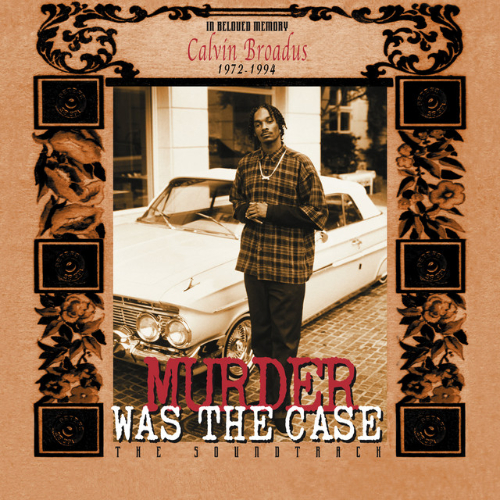
「Dollaz + Sense」は、1994年10月18日に発売されたサウンドトラック『Murder Was the Case』に収録され、
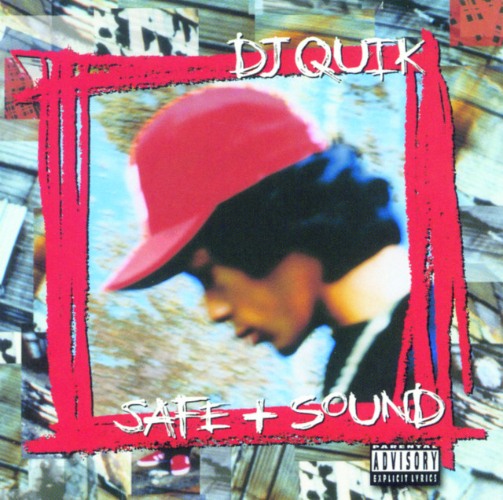
その後、1995年のDJ Quikの3rdアルバム『Safe + Sound』にも収録された。
サウンドトラック版のクレジットでは、DJ QuikとGeorge “G-One” Archieの名前が確認できる。
楽曲の中心にあるのは、DJ QuikとMC Eihtの長期的な対立である。
両者はともにコンプトンを代表する存在だったが、異なる地域的・ストリート的背景を持ち、音楽上の応酬は実生活の緊張とも切り離せないものになっていった。
MC Eiht側の「Def Wish」シリーズなどを通じて対立が続き、その流れの中でQuikが放った大規模な反撃が「Dollaz + Sense」だった。MC Eiht自身も後年、この対立が通常のラップ・ビーフとは異なり、実際の地域関係を伴うものだったと振り返っている。
ただし、この曲は単純に怒鳴り合うだけのディスではない。
QuikはMC Eihtを名指ししながら、自身の地位、仲間、音楽的成功、コンプトンでの存在感を並べる。
相手を攻撃すると同時に、自分が何者であるかを再確認する自己宣言でもある。
第一印象
イントロで最初に耳へ飛び込んでくるのは、ゴムのように曲がる高音のシンセだ。
その直後に、太いキック、乾いたスネア、細かく跳ねるパーカッション、低い位置を滑るベースが加わり、典型的なDJ Quik流のファンク・グルーヴが完成する。
第一印象は、暗さよりも軽快さ。
ディス・トラックだと知らずに聴けば、車を流しながら鳴らすウェストコースト・ファンクや、フロア向けのパーティー・トラックにも聞こえる。
しかしQuikの声が入った瞬間、空気が変わる。
フロウには怒りよりも冷静さがあり、相手に感情を乱された人物というより、すでに勝敗を確信している人物のように聞こえる。
この余裕が怖い。
感情を爆発させるのではなく、ビートの上で遊びながら、一つずつ攻撃材料を提示していく。
そのため、聴き手は攻撃的な歌詞を聞いているにもかかわらず、同時にグルーヴへ引き込まれてしまう。
サウンド分析
ドラム
音源を解析すると、テンポは約99BPM。
体感的には50BPM前後のハーフタイムとしても捉えられるが、実際のノリは約99BPMのミッドテンポ・ファンクとして機能している。
キックは大きく鳴りすぎず、低域の芯だけを短く押し出す。
現代的なヒップホップのようにサブベースと一体化して地面を揺らすタイプではなく、ベースラインへリズムの土台を渡すような音だ。
スネアは乾いていて硬い。
残響が短く、拍の中心へ明確に置かれているため、曲全体に一定の緊張感を与えている。
一方で、ハイハットやシェイカーに近い高域の打楽器は細かく揺れており、硬いスネアの間を埋めながらグルーヴを前へ進める。
ドラムだけを見れば、攻撃的なハードコア・ラップというより、ダンス可能なファンク・ビートに近い。
この軽さが、歌詞の残酷さをさらに際立たせている。
ベース
ベースは、この曲の身体的な気持ちよさを支える中心部分だ。
極端に低いサブベースを伸ばすのではなく、輪郭のあるファンク・ベースが短いフレーズを繰り返している。
音数は多くない。
しかしキックの直後や、Quikの言葉が途切れる隙間へ音を置くことで、ビートに弾力を与えている。
ベースは単にルート音を鳴らし続けるのではなく、わずかな上昇と下降を含みながらループする。
そのため、同じパターンが続いていても完全には停止して聞こえない。
Quikのラップが細かく言葉を詰める場面ではベースが土台へ回り、フックではより存在感を増す。
ボーカルを邪魔せず、曲の腰だけを動かし続ける配置である。
シンセ・メロディ
最も印象に残るのは、イントロから登場する高音のワウ系シンセだ。
音程が上下に曲がるような短いフレーズで、ZappやRoger Troutman以降のウェストコースト・ファンクを連想させる。
ただし、この音は主旋律として前面へ出続けるわけではない。
曲の節目、ラインの終わり、フック前後などに差し込まれ、Quikの言葉へ反応する合いの手のように機能している。
その下では、ベルや電子鍵盤に近い高音の反復音が鳴り続けている。
この小さな音が、曲に明るさと都会的な光沢を加える。
コード進行は大きく展開しない。
むしろ短いファンク・ループを維持し、その上で声、シンセ、効果音を出し入れする構成だ。
メロディを大きく変化させないことで、聴き手の意識をQuikのラップへ集中させている。
ミックス・グルーヴ
ミックスは、中央にキック、スネア、ラップを置き、周囲へ細かなシンセやコーラスを広げる設計になっている。
Quikの声は非常に近い。
リバーブは控えめで、言葉の子音や語尾がはっきり聞こえる。
ディス・トラックでは歌詞の聞き取りやすさが重要だが、この曲では声を大きくしすぎるのではなく、ビートの中へ自然に乗せながら明瞭さを確保している。
フックでは複数の声が重なり、中央のQuikに対して左右へ広がる。
これによって、ヴァースでは一対一の攻撃、フックでは周囲を巻き込んだ集団的な宣言という対比が生まれる。
約6分近い長さがありながら、同じループが単調に聞こえにくいのは、短いシンセ音、声の重なり、ブレイク、アドリブ、コーラスの配置が細かく変化するからだ。
ビートそのものを大きく変えるのではなく、同じ空間の中で照明だけを切り替えるようなミックスである。
ラップ/ボーカル分析
DJ Quikのラップは、怒鳴るよりも話しかける感覚に近い。
声を荒らげる場面はあるが、基本的には中低域の落ち着いた声で、ビートの後ろへ軽くもたれながら進んでいく。
冒頭では、まず対立の状況を整理し、自分が長年積み上げてきた立場を説明する。
その後、地域名や仲間の名前を並べ、MC Eiht個人への攻撃へ移る。
この構成によって、Quikは単に個人的な悪口を言っているのではなく、自分の側には背景と歴史があると示している。
フロウは一定ではない。
長い文章を滑らかに流す部分、単語を細かく刻む部分、数字や名前をリズムとして並べる部分が混在する。
特に印象的なのは、文章の最後で声を少し上げ、シンセの合いの手へ渡す場面だ。
Quikの声とトラックが会話しているように聞こえる。
また、深刻な内容の中へ冗談や誇張を入れることで、攻撃に娯楽性を持たせている。
QuikはMC Eihtを危険な敵として持ち上げるのではなく、臆病で、体重が軽く、演技をしている人物として笑いの対象へ変えていく。
この「恐れるのではなく、笑う」という態度が、楽曲全体の優位性を作っている。
フックの
「If it don’t make dollaz, it don’t make sense」
というラインは非常に単純だが、何度も反復されることで曲の価値観を決定する。
意味のない争い、利益を生まない行動、見せかけのギャングスタ性をまとめて切り捨てる標語になっている。
歌詞・テーマ
この曲の中心テーマはMC Eihtへのディスだが、内容は一方向ではない。
大きく分けると、次の三つの要素がある。
一つ目は、MC Eihtのギャングスタとしての信頼性への攻撃。
Quikは、空港で相手が怯えていたという場面や、実際に対面した際の態度を持ち出し、レコード上で演じている人物像と現実の姿が一致していないと主張する。
二つ目は、名前を使った言葉遊び。
曲中で最も知られているのが、MC Eihtの「Eiht」という綴りに本来の“G”がないことを利用した攻撃だ。
“G”はGangstaを意味するスラングとして使われるため、Quikは名前の中にGがないことを、「お前の中にギャングスタ性はない」という結論へつなげる。
単なる罵倒ではなく、相手の芸名そのものを弱点に変えてしまう点が巧妙だ。
三つ目は、Quik自身の自己証明。
Quikは自分がコンプトンで長く活動してきたこと、仲間との関係、音楽的成功、地域での存在感を繰り返し提示する。
つまりこの曲は、
「MC Eihtは偽物だ」
と主張するだけでなく、
「本物である自分はここにいる」
と宣言する作品でもある。
タイトルの「Dollaz + Sense」も重要だ。
“Dollars and cents”を崩した表記であると同時に、
「金を生まないなら、意味もない」
という“dollars”と“sense”を使った言葉遊びになっている。
表面上は金銭的な成功を重視する言葉だが、曲の中では、それ以上に「結果を生まない虚勢に価値はない」という意味を持つ。
ただし歌詞後半では、対立が現実の暴力へ発展し得ることを示す非常に具体的な脅しも現れる。
この部分ではユーモアが薄れ、ストリート上の緊張が前面へ出る。
陽気なビートの下に、本当に危険な対立が存在していたことが分かる場面である。
サンプリング&トラックメイキング
「Dollaz + Sense」では、Young & Companyの1980年曲「I Like(What You’re Doing to Me)」がサンプリングされていることが確認されている。
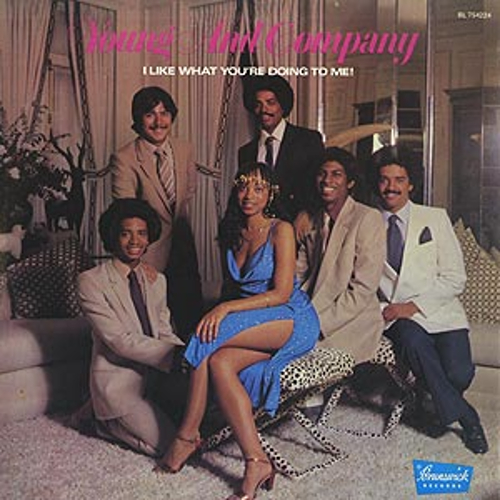
元曲は、明るいディスコ・ファンクと反復性の高いベース・グルーヴを持つ楽曲だ。
DJ Quikはその開放的なファンク感覚を残しつつ、ドラムをより硬くし、ベースの低域を強調し、ウェストコースト・ラップ向けの空間へ作り変えている。
重要なのは、元ネタの陽気さを消していない点だ。
通常、個人的なディス曲では暗いコード、重いピアノ、不穏なストリングスなどが使われやすい。
しかしQuikは逆に、明るく踊れるファンクを選んだ。
これにより、攻撃が怒りの爆発ではなく、余裕を持ったショーとして聞こえる。
また、トラックはサンプルをそのまま長く流すだけではない。
高音のシンセ、電子音、掛け声、短いブレイクを加え、Quik自身の音楽語法へ置き換えている。
声が止まった場所へ必ず何らかの音が入り、空白を作りすぎない。
その一方で、音数を増やしすぎず、ラップの明瞭さを保っている。
プロデューサーとしてのQuikのバランス感覚がよく分かるトラックである。
トリビア/制作メモ
「Dollaz + Sense」は、まず1994年の『Murder Was the Case』サウンドトラックに収録され、翌1995年の『Safe + Sound』にも収められた。サウンドトラック版は約5分53秒。
音源を解析した結果、曲尺は約5分52.9秒、テンポは約99.4BPMだった。
『Safe + Sound』では、「Dollaz + Sense」の次に、同じくMC Eihtへの攻撃を含む「Let You Havit」が配置されている。
そのためアルバム中盤は、Quikのファンクネスを楽しませながら、コンプトン内部の対立を連続して聞かせる強い流れになっている。
楽曲は後年、『Grand Theft Auto V』の拡張版Radio Los Santosにも収録され、1990年代を知らない世代にも広く聞かれるようになった。
DJ QuikとMC Eihtの関係は、その後改善している。
後年のインタビューでは、両者が若い時期の対立を振り返り、ビーフを終わらせた経緯についても語っている。
そのため現在では、この曲は未解決の対立を煽る作品というより、1990年代コンプトンの緊張感を記録した歴史的なディス・トラックとして聴くことができる。
総評
「Dollaz + Sense」の凄さは、攻撃の激しさだけではない。
ディス・トラックとして優れているのはもちろんだが、それ以上に、音楽として非常に気持ちよく作られている。
約99BPMの弾むドラム。
低い位置で柔らかく動くベース。
ゴムのように曲がる高音シンセ。
明るいファンク・ループ。
そこへDJ Quikの落ち着いた声が乗り、MC Eihtの人物像を少しずつ崩していく。
怒鳴り散らして威圧するのではない。
冗談を交え、名前を使って言葉遊びをし、周囲を笑わせながら相手の信用を奪っていく。
だからこそ、この曲は怖い。
Quikは感情的に追い詰められているようには聞こえない。
むしろ、ビートも言葉も完全に自分の支配下に置き、勝利を確信したままラップしているように聞こえる。
「Dollaz + Sense」は、ディス・トラック、ウェストコースト・ファンク、コンプトンの地域史、DJ Quikのプロデュース能力が一つになった作品だ。
最高に踊れる。
最高に口が悪い。
そして、笑っている間に相手の逃げ道をすべて消してしまう。
DJ Quikにしか作れない、陽気で冷酷なコンプトン・クラシックである。
今回ご紹介の楽曲の購入はこちらからどうぞ

サントラはこちら

元ネタはこちらに収録

DJ Quik – Dollaz + Sense | A Funky Compton Diss Track That Smiles While It Destroys
There are not many diss tracks you can genuinely dance to.
DJ Quik’s “Dollaz + Sense” attacks fellow Compton MC Eiht over bouncing drums, thick smooth bass, and a bright repeating funk loop.
At approximately 99 BPM, the beat never sounds like uncontrolled rage.
It is light on its feet.
Relaxed.
Confident.
Catchy enough to work at a party.
The lyrics are another matter.
Quik turns almost everything into ammunition:
his opponent’s name,
his affiliations,
his records,
his behavior in the streets,
and even his credibility as a gangsta.
Listen only to the production and it sounds like upbeat West Coast funk.
Follow the lyrics and it becomes a public dismantling, with Quik slowly closing every possible escape route.
“Dollaz + Sense” is one of the clearest examples of why DJ Quik should be remembered not only as an elite producer, but also as a rapper capable of using timing, humor, and ridicule to destroy an opponent.
It remains one of the defining West Coast diss records of the 1990s.
Artist Introduction
DJ Quik is a rapper, producer, and multi-instrumentalist from Compton, California.
His real name is David Marvin Blake.
Beginning with his 1991 debut album Quik Is the Name, he developed a distinct West Coast sound by blending funk, R&B, soul, P-Funk, and the electronic vocabulary associated with artists such as Zapp.
Quik’s production is not simply about heavy bass.
The movement of the bassline.
The exact placement of the snare.
The spaces left between synthesizer phrases.
The position of individual voices.
Everything is carefully arranged.
That attention to detail gives his records a dimensional quality that often feels closer to live funk performance than a flat rap loop.
“Dollaz + Sense” makes that ability especially obvious.
The lyrical content is extremely aggressive, yet the instrumental never becomes oppressive.
Instead, Quik keeps the listener moving while quietly making sure every attack lands.
That musical ease is one of his greatest strengths.
Background
“Dollaz + Sense” first appeared on the Murder Was the Case soundtrack, released on October 18, 1994.
It was later included on DJ Quik’s third studio album, Safe + Sound, in 1995.
Credits associated with the soundtrack version include DJ Quik and George “G-One” Archie.
At the center of the song is the long-running conflict between DJ Quik and MC Eiht.
Both were major Compton figures, but they came from different neighborhood and street backgrounds, and the musical rivalry was connected to tensions that extended beyond records.
MC Eiht’s side had already fired shots through the “Def Wish” series and related material.
“Dollaz + Sense” became Quik’s large-scale response.
MC Eiht later reflected on the feud as something different from a purely entertainment-based rap beef because real neighborhood relationships were involved.
Still, “Dollaz + Sense” is not simply a record built around angry shouting.
Quik attacks MC Eiht directly while also listing his own achievements, crew connections, musical success, and place within Compton.
The track therefore works in two directions at once:
it tears down an opponent while reaffirming Quik’s own identity.
First Impression
The first sound that immediately stands out is the rubbery high-pitched synth bending through the intro.
Then the rest of the groove arrives:
thick kick drums,
dry snares,
small bouncing percussion,
and bass sliding underneath everything.
Within seconds, the familiar DJ Quik funk vocabulary is fully established.
The first impression is not darkness.
It is movement.
Without knowing the lyrical context, someone could easily mistake “Dollaz + Sense” for a West Coast cruising record or a party track.
Then Quik starts rapping.
The atmosphere changes immediately.
His delivery carries less rage than control.
He does not sound like someone emotionally destabilized by his opponent.
He sounds like someone who already believes the outcome has been decided.
That calmness is what makes the record feel dangerous.
Quik does not explode.
He plays with the beat while presenting one attack after another.
The listener ends up enjoying the groove at the same time the lyrics become increasingly brutal.
Sound Analysis
Drums
Audio analysis places the tempo at approximately 99 BPM.
The track can also be felt in a slower half-time pocket around 50 BPM, but its actual movement functions more naturally as mid-tempo funk.
The kick is not oversized.
It pushes out a compact core of low-end energy rather than merging into an enormous modern sub-bass impact.
Its purpose is to support the bassline rather than dominate it.
The snare is hard and dry.
Its decay is short, and it sits clearly in the middle of the groove.
That gives the song a consistent sense of tension even when the rest of the instrumental feels playful.
Higher percussion, including hi-hat- and shaker-like textures, moves more actively.
Those sounds fill the spaces around the snare and keep the rhythm moving forward.
Taken by itself, the drum programming feels closer to danceable funk than aggressive hardcore rap.
That lightness makes the cruelty of the lyrics feel even sharper.
Bass
The bassline is the main source of the track’s physical pleasure.
Instead of relying on extremely deep sustained sub-bass, Quik uses a more defined funk bass sound built from short repeating phrases.
There are not many notes.
But their placement gives the beat elasticity.
The bass often enters just after the kick or inside the gaps between Quik’s phrases.
That creates constant movement without overcrowding the track.
It does more than repeat a single root note.
Small rises and falls within the loop keep the pattern alive.
When Quik becomes more verbally dense, the bass steps back into a supporting role.
During the hook, it becomes more noticeable again.
The arrangement never fights the vocal.
It simply keeps the lower half of the groove moving.
Synths & Melody
The most immediately recognizable melodic element is the high, wah-like synth introduced at the beginning.
Its pitch bends through short phrases, recalling the electronic funk vocabulary developed by Zapp and Roger Troutman and later absorbed deeply into West Coast rap.
The synth does not stay permanently in the foreground.
Instead, it appears at transitions, after punchlines, and around the hook.
That makes it feel almost like a second voice responding to Quik.
Underneath it, small bell-like or electronic keyboard tones repeat in the upper register.
Those details add brightness and a polished urban feel.
The harmonic structure does not change dramatically.
Quik keeps the main funk loop stable and uses short synth details, voices, effects, and breaks to create motion.
Because the melody itself does not demand constant attention, the listener stays focused on the words.
Mix & Groove
The mix places the kick, snare, and lead rap near the center.
Smaller synths, backing voices, and other details are spread around them.
Quik’s voice sounds extremely close.
Reverb is limited enough that consonants and word endings remain clear.
That matters in a diss track, where every line needs to be understood.
Rather than simply turning the vocal up above the beat, the mix allows Quik to remain integrated with the groove while preserving clarity.
During the hook, multiple voices spread outward from the center.
The verses therefore feel like a direct one-on-one attack.
The hook feels more like a group statement with people around Quik joining in.
Even at nearly six minutes, the track avoids feeling completely static.
Short synth phrases.
Ad-libs.
Breaks.
Layered voices.
Small changes in the chorus.
Quik rarely changes the core beat dramatically.
Instead, he changes the lighting inside the same room.
That subtle movement keeps the groove alive.
Rap / Vocal Analysis
DJ Quik raps more like someone talking through the beat than someone shouting over it.
His voice rises at certain moments, but the dominant tone remains calm and controlled.
He leans slightly behind the beat, giving the performance a relaxed confidence.
Early in the track, Quik establishes the history behind the conflict and reminds the listener of the position he has already built.
From there, he moves into regional references, crew names, and increasingly direct attacks on MC Eiht.
That structure matters.
Quik does not present the song as random personal abuse.
He first establishes that he has history, connections, and standing behind him.
His flow constantly changes shape.
Some lines stretch smoothly across the bar.
Others are cut into shorter pieces.
Names and numbers become rhythmic devices.
One especially effective technique is the way Quik slightly raises his voice at the end of certain phrases before a synth response enters.
The rapper and instrumental begin to sound as though they are having a conversation.
Humor is another major weapon.
Instead of treating MC Eiht as a terrifying enemy, Quik reduces him to someone to laugh at.
He mocks his size.
His behavior.
His image.
His supposed toughness.
That approach creates a powerful imbalance.
Quik does not sound afraid enough to take the opponent completely seriously.
He sounds amused.
That attitude may be even more damaging than simple aggression.
The hook:
“If it don’t make dollaz, it don’t make sense”
is extremely simple.
But repetition turns it into the central philosophy of the track.
Pointless conflict.
Actions that create no benefit.
Fake gangsta posturing.
Quik dismisses all of it with one phrase.
Lyrics & Themes
The main subject is MC Eiht, but the track operates through several different strategies.
The first is an attack on Eiht’s gangsta credibility.
Quik recalls situations in which he claims Eiht appeared afraid or behaved differently in person than he did on record.
The implication is clear:
the persona heard on music does not match the man Quik says he encountered in real life.
The second strategy is wordplay built around Eiht’s name.
One of the song’s most famous attacks uses the spelling of “Eiht” and the absence of the letter “G.”
Because “G” can mean gangsta, Quik turns the name itself into evidence for the insult.
The logic becomes:
there is no G in your name,
so there is no gangsta in you.
It is not simply a generic insult.
Quik turns the opponent’s own stage name into a permanent weakness.
The third major theme is Quik’s self-validation.
He repeatedly refers to his long-standing place in Compton, his relationships, musical success, and local presence.
The song therefore does more than say:
MC Eiht is fake.
It also says:
the real one is standing right here.
The title “Dollaz + Sense” adds another layer.
It plays on the phrase “dollars and cents,” but also creates a second meaning through the hook:
if it does not make dollars, it does not make sense.
At the surface level, that is a philosophy of financial success.
Inside the diss track, it becomes something broader.
Empty posturing has no value.
Conflict without results has no value.
A gangsta image that produces nothing real has no value.
Toward the later part of the track, however, the humor begins to disappear.
The threats become more concrete, and the possibility of actual street violence becomes harder to ignore.
That shift reveals the reality underneath the entertaining surface.
This may be a funny record.
It may be danceable.
But the conflict behind it was not entirely theatrical.
Sampling & Trackmaking
“Dollaz + Sense” is documented as sampling Young & Company’s 1980 track “I Like (What You’re Doing to Me).”
The original record is built around bright disco-funk energy and a highly repetitive bass groove.
DJ Quik preserves much of that open, enjoyable funk feeling while hardening the drums, reinforcing the low end, and rebuilding the material for West Coast rap.
The most important decision is that he does not remove the source’s happiness.
A personal diss record could easily have been built around dark piano, threatening strings, or sinister chords.
Quik does the opposite.
He chooses a groove people can dance to.
That changes the emotional character of the attack.
The diss no longer sounds like an uncontrolled burst of anger.
It sounds like a performance delivered by someone relaxed enough to enjoy himself.
The track is also more than a simple extended sample loop.
Quik adds high synths, electronic details, vocal responses, brief breaks, and other production touches associated with his own style.
Whenever the vocal leaves space, another musical detail often enters.
Yet the arrangement never becomes overcrowded.
There is always enough room for the lyrics to remain clear.
That balance is one of the best examples of Quik’s strength as a producer.
Trivia / Production Notes
“Dollaz + Sense” first appeared on the 1994 Murder Was the Case soundtrack and was later included on Safe + Sound in 1995.
The soundtrack version runs approximately 5 minutes and 53 seconds.
Audio analysis of the version examined here gives a length of roughly 5:52.9 and a tempo near 99.4 BPM.
On Safe + Sound, “Dollaz + Sense” is followed by “Let You Havit,” another track containing attacks aimed at MC Eiht.
That sequencing creates an especially aggressive stretch in the middle of the album, combining Quik’s funk production with the tension surrounding the Compton conflict.
The song later appeared in the enhanced version of Grand Theft Auto V through Radio Los Santos, introducing it to listeners who may not have known the original 1990s rivalry.
DJ Quik and MC Eiht eventually moved beyond the feud.
In later interviews, both artists discussed the conflict and the process through which relations improved.
As a result, “Dollaz + Sense” can now be heard less as an unresolved provocation and more as a historical record of a particularly tense period in 1990s Compton rap.
Final Thoughts
The greatness of “Dollaz + Sense” is not limited to the severity of its insults.
It is an outstanding diss record.
But it is also simply an outstanding piece of music.
Bouncing drums around 99 BPM.
Softly moving bass in the lower register.
Rubbery high-pitched synths.
A bright funk loop.
And over all of it, DJ Quik calmly takes MC Eiht’s public image apart.
He does not need to scream.
He jokes.
He plays with names.
He makes people laugh.
And while everyone is enjoying themselves, he gradually strips away his opponent’s credibility.
That is what makes the track feel so ruthless.
Quik never sounds emotionally cornered.
He sounds as though the beat, the room, and the outcome are already under his control.
“Dollaz + Sense” brings together the diss record, West Coast funk, Compton street history, and DJ Quik’s production brilliance in one place.
It is incredibly danceable.
Incredibly disrespectful.
And by the time the listener realizes how brutal the attack has become, Quik has already closed every exit.
A cheerful, merciless Compton classic that only DJ Quik could have made.
コメント