ウェストコースト・ヒップホップにおける「West Side」という言葉は、単なる方角を意味するものではない。
それは育った地域、仲間との結びつき、ストリートで身につけた価値観、そして自分が何者であるかを示すアイデンティティそのものだ。
Dazzie Deeの「West Side Hoodsta’s」は、そうした西側への帰属意識を、重量感のあるファンクと堂々としたラップによって表現した一曲である。
華やかなシンセサイザーを前面に押し出すタイプのG-Funkとは少し異なる。約4分20秒にわたって展開されるのは、低い位置でうねるベース、乾いたドラム、薄暗い鍵盤、反復されるフック、そしてDazzie DeeとMixmaster Spadeによる重厚なマイクリレーだ。
トラック全体には派手さよりも威厳がある。
誰かに自分たちの存在を理解してもらおうとするのではなく、最初から「ここが自分たちの場所だ」と言い切るような強さが、この曲には宿っている。
アーティスト紹介
Dazzie Deeは、ロサンゼルスを拠点に長く活動してきたラッパー兼プロデューサーである。
本名はLidell Williams。かつてBig Saccs名義でも活動し、Ice Cube周辺のLench Mobに関わった初期メンバーの一人として知られている。本人の公式サイトでも、Lench Mobのオリジナルメンバーであり、30年以上のキャリアを持つウェストコースト・アーティストとして紹介されている。
Dazzie Deeの魅力は、ウェストコーストらしいファンクネスを持ちながら、音楽を必要以上に軽く聴かせない点にある。
滑らかなベースやシンセを使っていても、その中心にあるのはストリートラップの硬さだ。低く落ち着いた声、言葉を詰め込みすぎないフロウ、ビートの後ろ側に腰を据えるタイミングによって、派手な技巧とは異なる存在感を作り出している。
「West Side Hoodsta’s」には、そうしたDazzie Deeの特徴が非常に分かりやすい形で表れている。
作品背景
「West Side Hoodsta’s」は、Dazzie Deeのアルバム『Where’s My Receipt?』に収録された楽曲である。
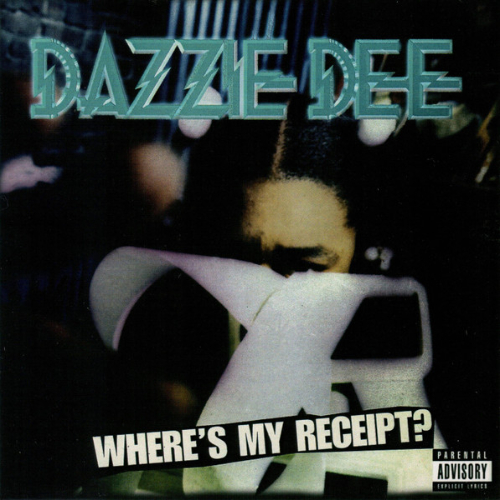
現在配信されている2022年リマスター版では、アルバムのオリジナル年は1996年、リリース日は1996年12月28日と記載されている。また、楽曲にはウェストコースト黎明期から活動してきたMixmaster Spadeが参加している。
確認できる公式クレジットでは、プロデュースおよびミックスをDJ Battlecatが担当し、Dazzie DeeことLidell Williamsが作詞・作曲者として記載されている。
この組み合わせは、楽曲の意味を考えるうえでも重要だ。
Dazzie DeeとBattlecatは1990年代ウェストコースト・サウンドの中心的な世代に属する。一方、Mixmaster Spadeはそれ以前からロサンゼルス周辺のラップ文化を支えてきた人物である。
そのため「West Side Hoodsta’s」は、単なる地域賛歌ではない。
1980年代から続くロサンゼルスのラップ文化と、1990年代に確立されたG-Funk/ギャングスタラップの感覚が、一つのトラック上で接続された楽曲として聴くことができる。
第一印象
音源を再生して最初に感じるのは、音の低さと重さである。
明るく開放的なカリフォルニアを描くというより、日が落ちた後の住宅街をゆっくり進んでいくような空気がある。
テンポは実測上、およそ96BPM前後。
速すぎず遅すぎないが、演奏やラップが拍を急がないため、実際の数値以上にゆったりと感じられる。ビートは前へ走るのではなく、低い位置で一定の圧力を保ち続ける。
冒頭からトラックの主要な要素が比較的早く提示され、その後も大きな展開を連続させることはない。
同じグルーヴを反復しながら、声の交代、フック、短い音の抜き差しによって温度を変えていく構成である。
この反復性が、曲に儀式的な強さを与えている。
「これから何が起こるのか」を期待させる音楽ではなく、同じ態度と同じ主張を繰り返すことで、West Sideという言葉の重みを徐々に増幅させていく。
サウンド分析
ドラム
ドラムは、曲全体の重量を支える最も重要な要素の一つである。
キックは低く、長く響かせるというよりも、短い打撃によってベースの輪郭を押し出している。低域を必要以上に濁らせず、一発ごとに地面を踏みつけるような感覚を作る。
スネアは乾いており、響きも比較的短い。
派手なリバーブを加えて空間を広げるのではなく、ラップの隙間に硬い線を引くように配置されている。音色そのものはシンプルだが、その無骨さが楽曲のストリート感に直結している。
ハイハットや細かなパーカッションも、現代的なトラップのように細分化されてはいない。
一定の周期を維持しながら、グルーヴの表面に軽い動きを加える役割に徹している。
この曲のドラムは、聴き手を興奮させるために複雑化されているのではない。ラッパーが落ち着いて言葉を置ける、揺るがない土台として設計されている。
ベース
ベースは「West Side Hoodsta’s」の中心である。
低域には丸みがあるが、甘さは強くない。滑らかに流れるというより、短いフレーズを繰り返しながら、曲の下部を押さえ続けている。
ベースラインは派手に動き回らない。
しかし、キックと重なる場所、少し遅れて残る場所、次の小節へ滑り込む場所が丁寧に作られており、単純な反復の中に粘りが生まれている。
この粘りこそ、Battlecatらしいファンク感の一つだろう。
音数を増やさず、低域のタイミングと音価によって身体を揺らす。ベースをメロディとして目立たせるのではなく、楽曲全体の姿勢を決める重心として機能させている。
ヘッドフォンでは沈み込むように聴こえるが、スピーカーではキックとの結びつきによって、より立体的な推進力を感じられる。
シンセ/メロディ
上物は比較的控えめである。
高音域にはウェストコーストらしい電子音の気配があるものの、細く鋭いリードシンセが主役になるタイプではない。
むしろ、暗い鍵盤や持続音、短い装飾的なフレーズが背景を埋め、声と低域のための空間を作っている。
メロディは感情を大きく動かすためのものではない。
哀愁を強調するコード進行や、耳に残る華やかな旋律を前面に出すことなく、一定の緊張感を保っている。
そのため、楽曲の印象はメロウでありながら、決して柔らかくなりすぎない。
このバランスが重要だ。
ベースだけを聴けばファンキーで心地よい。しかし、鍵盤や背景音には薄暗さがあり、ドラムには乾いた硬さがある。複数の質感が重なることで、快楽性と警戒心が同居している。
ミックス
ミックスは、ボーカルを中心に組み立てられている。
Dazzie DeeとMixmaster Spadeの声は、トラックの上に浮かせるのではなく、ドラムやベースと近い高さに置かれている。
そのため、ラップだけが突出して聞こえるのではなく、声そのものがリズム楽器の一部として感じられる。
低域は十分に太いが、キックとベースが完全に一体化して輪郭を失うことはない。それぞれのアタックと持続時間が分けられており、重さと明瞭さが両立している。
一方、高域は現代のリマスター作品ほど明るく開かれていない。
今回の音源には1990年代のヒップホップらしい中低域中心の質感が残っており、その少しくすんだ音像が曲の内容に合っている。
音の古さが欠点として働くのではなく、録音された時代と場所の空気を伝える質感になっている。
グルーヴ
この曲のグルーヴは、前へ進む力よりも「その場に居座る力」が強い。
ビートは急かさず、ラップも拍の頭へ過剰に食い込まない。多くのフレーズがドラムの後ろ側に置かれ、わずかな遅れによって余裕と威圧感を生み出している。
フックもメロディアスに大きく開くのではなく、短い言葉を反復して集団的な雰囲気を作る。
この反復によって、聴き手は楽曲を外から眺めるのではなく、徐々にその場へ取り込まれていく。
ローライダー向けの滑らかさを持ちながら、単なるクルージング・ミュージックでは終わらない。
身体は自然に揺れる。しかし、楽曲が描く空気には常に緊張感が残る。
ラップ/ボーカル分析
Dazzie Deeのラップは、低く落ち着いている。
声を荒げて威圧するのではなく、一定のトーンを保ちながら、自分の言葉に重みを持たせるタイプだ。
フロウは過度に細かくない。
一小節の中に言葉を詰め込まず、語尾と語尾の間に空間を残す。その余白にドラムとベースが入り込み、ラップとトラックが互いを押し合うような構造を作っている。
Dazzie Deeの強みは、声の大きさではなく確信にある。
何かを証明しようとして力むのではなく、すでに自分の立場を理解している人物が淡々と語っているように聞こえる。
その態度が、West Sideへの誇りという曲の主題を説得力のあるものにしている。
Mixmaster Spadeの参加は、楽曲に別の時間軸を加えている。
彼の声には、Dazzie Deeとは異なる粗さと古典的な語り口がある。リズムへの乗り方も、1990年代中盤の洗練されたG-Funkだけでは説明できない、初期ウェストコースト・ラップの直線性を感じさせる。
二人の違いは対立ではなく、世代の接続として機能している。
Dazzie Deeが1990年代のウェストコースト・サウンドを担い、Mixmaster Spadeがそれ以前のローカルな歴史を持ち込む。その組み合わせによって、曲名に含まれる「Hoodsta’s」が一人の人物ではなく、複数世代にまたがる集合体として響く。
歌詞・テーマ
楽曲の中心にあるのは、West Sideへの帰属意識である。
ここで語られるWest Sideは、単なる地名やファッションではない。
どこで育ったのか、誰と行動してきたのか、どのような文化を背負っているのかという、個人の人格そのものに近い。
歌詞は、地域への忠誠、仲間との連帯、自分たちの生き方に対する誇りを前面に押し出している。
その一方で、曲全体のトーンは祝祭的ではない。
明るく勝利を宣言するというより、自分たちが存在してきた事実を、重いビートの上に刻みつけている。
この違いは重要である。
「West Side Hoodsta’s」は、外部の人間へ向けた観光案内ではない。自分たちの側にいる人間同士が、共通の言葉と記憶を確認するための楽曲に近い。
そのため、歌詞の意味を細部まで理解しなくても、反復される言葉、低い声、集団的なフックから、所属意識の強さが伝わってくる。
また、Mixmaster Spadeを迎えていることを踏まえると、この曲にはウェストコーストの歴史を引き継ぐという側面も感じられる。
これは歌詞の明示的な一節というより、参加者とサウンドから読み取れる聴感上の解釈である。
過去の世代を切り離して新しさだけを主張するのではなく、先に道を作った人物と同じトラックに立つ。その行為自体が、West Sideという文化の連続性を示している。
トリビア/制作メモ
公式配信上の表記では、本曲の正式タイトルは「West Side Hoodsta’s」で、Mixmaster Spadeがフィーチャリング・アーティストとしてクレジットされている。
プロデューサーおよびミキサーはDJ Battlecat。作詞・作曲者はDazzie Deeの本名であるLidell Williamsと記載されている。
収録アルバム『Where’s My Receipt?』の現在のリマスター版は全17曲、約1時間15分の作品として配信されている。
音源は約4分20秒で、解析上のテンポは約96BPM前後だった。
総評
Dazzie Deeの「West Side Hoodsta’s」は、G-Funkの心地よさとストリートラップの硬さが、理想的な形で共存した一曲である。
ベースは太く、ドラムは乾いている。鍵盤やシンセには薄暗さがあり、ラップは急がず、同じグルーヴの中に腰を据える。
派手な展開やキャッチーな歌唱を用いなくても、約4分20秒を通して緊張感が途切れない。
それは、トラックの一つ一つの音が、曲の主題から外れていないからだ。
低域は土地の重さを表し、反復されるフックは集団の結束を示す。Dazzie Deeの落ち着いた声は現在の立場を語り、Mixmaster Spadeの存在はウェストコーストの過去を現在へつなぐ。
「West Side」という題材を扱った曲は数多い。
しかし、本曲が特別なのは、それを単純なスローガンとして消費していない点にある。
ここでのWest Sideは、飾りではなく生活であり、選択ではなくルーツである。
その重さを、DJ Battlecatによる無駄のないファンク・プロダクションが支えている。
ウェストコースト・ヒップホップの魅力を、派手なシンセや有名なフックだけで捉えている人にこそ聴いてほしい。
「West Side Hoodsta’s」には、地域、歴史、世代、声、リズムが一体となった、ロサンゼルス・ストリートファンクの本質が刻まれている。
エディターズノート
この曲を聴いて印象に残るのは、音数の少なさではなく、一つ一つの音が持つ確信である。
ベースは必要以上に動かず、ドラムも派手なフィルを入れない。ラッパーたちも技巧を見せつけるのではなく、言葉を一定の重さで置き続ける。
その抑制が、逆に曲の存在感を強くしている。
1990年代のウェストコースト作品には、明るいシンセと滑らかな歌声を持つ楽曲が多い。しかし「West Side Hoodsta’s」は、同じファンクの語彙を使いながら、より暗く、低く、地域に密着した感触を残している。
夜の街を流すための曲であると同時に、ウェストコースト・ラップの歴史を確認するための曲でもある。
聴きやすさの奥に、簡単には動かせない重心がある。
それこそが、この曲が時間を経ても古びない最大の理由だろう。
Dazzie Dee – West Side Hoodsta’s | A Street-Funk Anthem Rooted in Los Angeles Identity
In West Coast hip-hop, the phrase “West Side” is far more than a geographical reference.
It represents neighborhood identity, loyalty to one’s crew, the values learned on the streets, and ultimately a declaration of who you are. It’s a statement of belonging rather than simply a location on a map.
Dazzie Dee’s “West Side Hoodsta’s” embodies that identity through heavy funk grooves and commanding lyricism.
Unlike the brighter, synth-driven side of G-Funk, this record thrives on weight rather than shine. Across roughly four minutes and twenty seconds, listeners are immersed in rolling basslines, dry drum programming, shadowy keyboard textures, repetitive gang-style hooks, and an authoritative microphone exchange between Dazzie Dee and legendary West Coast pioneer Mixmaster Spade.
The production isn’t designed to impress through flashy arrangements.
Instead, it carries dignity.
Rather than asking outsiders to understand where they come from, the song confidently declares:
“This is where we belong.”
Artist Profile
Dazzie Dee is a Los Angeles rapper, producer, and longtime figure within West Coast hip-hop.
Born Lidell Williams, he previously recorded under the name Big Saccs and became known as one of the original affiliates of Ice Cube’s Lench Mob. According to his official biography, he has remained active in the West Coast scene for more than three decades.
What separates Dazzie Dee from many of his contemporaries is his ability to balance West Coast funk with uncompromising street authenticity.
Even when smooth basslines and synthesizers dominate the production, his music never feels overly polished or lightweight.
His calm, low-register delivery, spacious flow, and tendency to rap slightly behind the beat create authority through restraint rather than aggression.
“West Side Hoodsta’s” is perhaps one of the clearest examples of that artistic identity.
Background
“West Side Hoodsta’s” appears on Dazzie Dee’s album Where’s My Receipt?
The currently available 2022 remastered edition lists the album’s original release year as 1996, with an official release date of December 28, 1996.
The record also features Mixmaster Spade, one of the earliest architects of Los Angeles rap culture.
Official credits list DJ Battlecat as both producer and mixing engineer, while songwriting is credited to Lidell Williams (Dazzie Dee).
This combination is historically significant.
Dazzie Dee and Battlecat represent the generation that helped define the sound of West Coast hip-hop during the 1990s.
Mixmaster Spade, however, belongs to an even earlier era, helping shape the foundations of Los Angeles rap before G-Funk became the dominant sound.
As a result, “West Side Hoodsta’s” functions as more than a neighborhood anthem.
It serves as a bridge connecting the pioneering years of Los Angeles hip-hop with the fully developed G-Funk and gangsta rap movement of the mid-1990s.
First Impression
The first thing that stands out is the sheer weight of the record.
Rather than painting an image of sunny California boulevards, the music feels like a slow drive through South Los Angeles after dark.
The tempo sits around 96 BPM, but because neither the instrumental nor the rappers rush the beat, it feels even slower.
The groove never pushes forward aggressively.
Instead, it settles into a deep pocket that maintains steady pressure from beginning to end.
Most of the song’s core musical ideas are introduced early, with very little dramatic rearrangement afterward.
Rather than chasing constant change, the track relies on repetition, subtle vocal transitions, and restrained instrumental variation.
That repetition gives the song a ritualistic quality.
Instead of asking what comes next, it reinforces the same attitude over and over until “West Side” becomes more than a phrase—it becomes a presence.
Sound Analysis
Drums
The drums provide the foundation of the record’s enormous weight.
The kick drum is short and punchy rather than overly boomy, leaving enough room for the bassline to dominate the low end.
Every hit feels like a firm step on concrete.
The snare remains dry and compact.
Instead of relying on long reverbs or oversized ambience, it creates sharp definition between vocal phrases.
Hi-hats and percussion remain relatively simple.
Unlike modern trap production, they avoid excessive subdivision and instead provide subtle motion while preserving the song’s laid-back feel.
These drums weren’t designed to showcase programming complexity.
They exist to give the emcees an unwavering rhythmic platform.
Bass
The bassline is unquestionably the centerpiece of the production.
Warm but never soft, it repeats concise phrases that continuously anchor the record.
Rather than performing flashy melodic runs, the bass creates movement through timing.
Its relationship with the kick drum constantly shifts—sometimes locking together, sometimes slightly delayed—producing a sticky, physical groove.
This subtle rhythmic elasticity is one of Battlecat’s defining production characteristics.
Instead of treating the bass as a melodic instrument, he uses it as the song’s center of gravity.
Through headphones it feels immersive.
Through speakers, its interaction with the kick creates even greater depth and momentum.
Synths & Melody
The melodic elements remain intentionally understated.
There are unmistakable West Coast synth textures present, but bright lead synthesizers never dominate the mix.
Dark keyboard chords, sustained pads, and brief melodic accents occupy the background, leaving space for the vocals and bass to remain central.
The melodies aren’t intended to provoke emotional catharsis.
Instead, they sustain tension.
The result is a track that feels melodic without ever becoming sentimental.
This balance is crucial.
The bass supplies funk.
The keyboards provide darkness.
The drums contribute rawness.
Together they create a sonic environment where comfort and caution coexist.
Mix
The mix places the vocals directly inside the rhythm section rather than floating above it.
Dazzie Dee and Mixmaster Spade sound integrated into the groove itself, making their voices feel almost like additional percussion instruments.
The low frequencies remain powerful without becoming muddy.
Kick drum and bass occupy separate spaces, preserving both weight and clarity.
Unlike many modern remasters, the upper frequencies remain relatively restrained.
The recording retains the warm midrange character associated with mid-1990s hip-hop, and that slightly weathered texture perfectly complements the song’s atmosphere.
Its age becomes part of its authenticity.
Groove
This groove is defined less by forward momentum than by its ability to hold its ground.
Neither the beat nor the vocal performances rush toward the next measure.
Many phrases deliberately sit just behind the beat, generating confidence and controlled intensity.
The hook follows the same philosophy.
Instead of expanding into an elaborate melody, it relies on repetition to build collective energy.
Listeners aren’t simply observing the record.
They’re gradually drawn into its environment.
The track possesses enough smoothness for a classic lowrider cruise, yet its underlying tension prevents it from becoming mere cruising music.
Rap & Vocal Performance
Dazzie Dee delivers his verses with remarkable composure.
He doesn’t rely on shouting or aggressive vocal theatrics.
Instead, he maintains a consistent tone that gives every line additional authority.
His flow leaves space.
Rather than packing every measure with syllables, he allows the beat to breathe.
Those moments of silence become part of the rhythm itself.
His greatest strength isn’t vocal power.
It’s conviction.
He sounds like someone who already knows exactly where he stands.
That certainty reinforces the song’s central message of West Side pride.
Mixmaster Spade adds another historical dimension.
His voice carries a rougher texture and a delivery rooted in the earliest era of West Coast rap.
His presence recalls a time before G-Funk became the region’s signature sound.
Rather than competing with Dazzie Dee, the two artists complement one another.
One represents the mature West Coast of the 1990s.
The other embodies its origins.
Together they transform the word “Hoodsta’s” from an individual identity into a multi-generational community.
Lyrics & Themes
At its core, “West Side Hoodsta’s” is about belonging.
Here, the West Side isn’t presented as fashion, branding, or mythology.
It’s home.
It’s history.
It’s culture.
It’s identity.
The lyrics emphasize neighborhood loyalty, brotherhood, and pride in one’s way of life.
Yet despite these themes, the record never feels celebratory.
Rather than announcing victory, it documents existence.
That distinction matters.
This isn’t a song created to introduce outsiders to West Coast culture.
It’s a conversation among those who already understand it.
Even listeners who don’t catch every lyric can feel that unity through the repetitive hooks, commanding voices, and collective atmosphere.
Considering Mixmaster Spade’s participation, the song also carries a symbolic sense of historical continuity.
While this interpretation isn’t explicitly stated in the lyrics, the combination of artists and production strongly suggests an ongoing conversation between generations of Los Angeles hip-hop.
Trivia & Production Notes
According to official streaming credits, the track is titled “West Side Hoodsta’s” and features Mixmaster Spade.
Production and mixing were handled by DJ Battlecat, while songwriting is credited to Lidell Williams (Dazzie Dee).
The currently available remastered edition of Where’s My Receipt? contains 17 tracks with a total runtime of approximately 75 minutes.
The song itself runs for approximately 4 minutes and 20 seconds, with an estimated tempo of 96 BPM.
Final Thoughts
“West Side Hoodsta’s” perfectly balances the smoothness of G-Funk with the uncompromising realism of street rap.
The bass is thick.
The drums remain dry.
The keyboards carry darkness.
The rapping stays measured and deeply rooted within the groove.
Without relying on dramatic arrangement changes or radio-friendly hooks, the song sustains tension from beginning to end.
Every musical element serves its central theme.
The bass reflects the weight of place.
The repetitive hooks symbolize collective identity.
Dazzie Dee represents the present.
Mixmaster Spade embodies the past.
Together they tell the story of West Coast culture as something inherited rather than invented.
There are countless songs celebrating the “West Side.”
Few communicate its meaning with this much authenticity.
Here, the West Side isn’t decoration.
It isn’t marketing.
It isn’t nostalgia.
It’s lived experience.
Supported by DJ Battlecat’s disciplined funk production, the song captures the enduring essence of Los Angeles street music.
For listeners who associate West Coast hip-hop only with bright synthesizers and catchy choruses, “West Side Hoodsta’s” offers a deeper perspective.
It’s a record where neighborhood, history, rhythm, and identity become inseparable.
Editor’s Note
What continues to impress about this record isn’t the number of sounds, but the confidence behind each one.
The bass never overplays.
The drums avoid unnecessary fills.
The emcees never resort to technical showmanship.
Everything is deliberate.
Many West Coast classics from the 1990s are remembered for shimmering synthesizers and melodic hooks.
“West Side Hoodsta’s” shares the same funk vocabulary but channels it into something darker, heavier, and more deeply rooted in neighborhood identity.
It’s equally suited for a late-night cruise through Los Angeles and as a reminder of the culture that shaped West Coast hip-hop itself.
Beneath its accessible groove lies an unwavering center of gravity.
That quiet confidence is precisely why the record continues to resonate decades later.
コメント