1990年代のウェストコースト・ヒップホップを象徴する楽曲として、今なお絶大な人気を誇るのが、Dr. Dreによる「Nuthin’ But A “G” Thang」だ。
1992年に発表された歴史的名盤『The Chronic』に収録されたこの楽曲は、Dr. Dreの卓越したプロダクションと、当時まだ新人だったSnoop Doggy Doggの滑らかなラップが融合した、G-Funkを代表するクラシックである。
軽快に跳ねるドラム、丸みのあるベースライン、耳に残る高音域のシンセサイザー。そして、1970年代のソウルやファンクから受け継がれた温かなメロディ。
それぞれの音は決して複雑ではない。しかし、絶妙なバランスで組み合わされることで、他の楽曲では味わえない独特のグルーヴを生み出している。
特に印象的なのは、ストリート・ラップ特有の荒々しさを持ちながらも、サウンド全体には驚くほどの余裕が感じられる点だ。
力強さと心地よさ、重厚さと軽快さ。
一見すると相反する要素が自然に共存している。
G-Funkというジャンルの魅力を世界中へ知らしめた、ウェストコースト・ヒップホップ史に残る不朽の名曲である。
アーティスト紹介
Dr. Dre(本名Andre Romell Young)は、カリフォルニア州コンプトン出身のラッパー、DJ、音楽プロデューサー。
1980年代にはWorld Class Wreckin’ Cruで活動し、その後N.W.Aの中心人物としてウェストコースト・ヒップホップの発展に大きく貢献した。
N.W.A時代には、硬質なドラムと攻撃的なサンプリングを組み合わせたサウンドで注目を集めたが、グループ脱退後はファンクやソウルの要素をより大胆に取り入れた音楽性へと進化していく。
その転換点となったのが、1992年のソロ・デビュー・アルバム『The Chronic』だった。
この作品では、P-Funkをはじめとする1970年代のブラック・ミュージックの影響を、現代的なヒップホップのビートへと融合。
滑らかなシンセサイザー、重厚なベース、跳ねるドラムを組み合わせたサウンドによって、G-Funkをメインストリームへと押し上げた。
そして、この時期のDr. Dreにとって欠かせない存在が、ロングビーチ出身のSnoop Doggy Doggである。
低く鼻にかかったような独特の声質と、リズムの隙間を自在に使うフロウを持つSnoopは、Dr. Dreのビートと抜群の相性を発揮した。
「Nuthin’ But A “G” Thang」は、そんな二人の個性が最も鮮やかに結びついた楽曲のひとつである。
作品背景
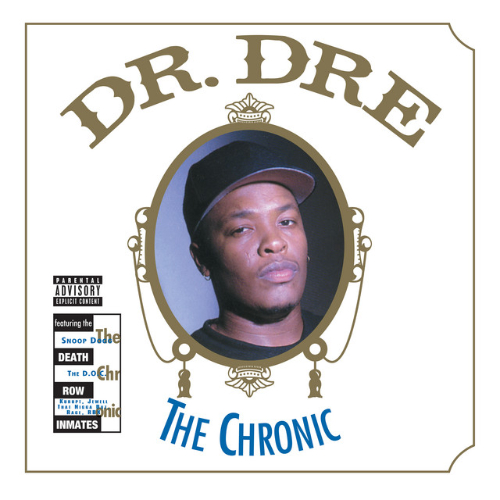
- 楽曲名: Nuthin’ But A “G” Thang
- アーティスト: Dr. Dre feat. Snoop Doggy Dogg
- 収録アルバム: 『The Chronic』
- アルバム発売年: 1992年
- シングル展開: 1992年末〜1993年
- 地域: カリフォルニア州コンプトン/ロングビーチ
- レーベル: Death Row Records / Interscope Records
- プロデュース: Dr. Dre
- ジャンル: G-Funk / West Coast Hip-Hop / Gangsta Rap
1990年代初頭、アメリカのヒップホップ・シーンでは東海岸と西海岸がそれぞれ独自の音楽性を発展させていた。
ニューヨークを中心とした東海岸では、ジャズやソウルのサンプリングを生かした硬質なビートが人気を集める一方、西海岸ではファンクを基盤とした、より重厚でメロディアスなサウンドが存在感を強めていた。
その流れを決定的なものにした作品が『The Chronic』である。
アルバムの代表曲として発表された「Nuthin’ But A “G” Thang」は、1993年にBillboard Hot 100で最高2位を記録。
G-Funkが一部のヒップホップ・ファンだけでなく、幅広いリスナーに受け入れられる大きなきっかけとなった。
また、Dr. DreとSnoop Doggy Doggのコンビを広く知らしめた重要な作品でもある。
第一印象
この曲を聴いて最初に感じるのは、ビートが持つ圧倒的な心地よさだ。
冒頭から軽快なドラムと柔らかなベースがグルーヴを形成し、その上に高音域のメロディが滑らかに重なっていく。
ドラムはしっかりとした存在感を持っているが、決して攻撃的ではない。
キックは丸みを帯び、スネアは乾いた質感でリズムを引き締める。細かなハイハットやパーカッションが、その隙間を自然に埋めている。
そして、何より印象的なのが、ファンク由来のメロディが生み出す温かな空気感である。
明るさと哀愁が絶妙に入り混じったような音色は、聴き手を自然に引き込んでいく。
そこへSnoop Doggy Doggの滑らかなラップが加わることで、楽曲の魅力はさらに際立つ。
力を抜いたような声の出し方でありながら、リズムへの乗り方は極めて正確。
ビートに合わせて言葉を詰め込むのではなく、リズムの隙間を楽しむようにラップしている。
全体を通して感じられるのは、ストリートの力強さと、ファンクの持つ優雅なグルーヴが共存した独特の世界観である。
サウンド分析
ドラム
この楽曲のドラムは、G-Funk特有の跳ねるようなリズムを作り出す重要な要素となっている。
まず印象的なのが、キックの丸みを帯びた低音だ。
強烈なアタックで押し込むタイプではなく、低域に適度な厚みを持たせながら、軽快なリズムを刻んでいる。
一方、スネアは乾いた質感で、明瞭なアタックが特徴。
キックの柔らかさに対してスネアがシャープに響くことで、ビート全体に心地よいメリハリが生まれている。
特に注目したいのが、スネアの後ろに残るわずかな響きだ。
完全に無機質なドラムではなく、適度な空気感が感じられるため、ファンク由来の温かなメロディと自然になじんでいる。
ハイハットは細かく刻まれているが、音量は控えめ。
高音域で軽やかに揺れるような質感があり、リズムに繊細な動きを加えている。
また、ドラムのパターン自体は比較的シンプルでありながら、キックとスネアの間に生まれる空間が絶妙だ。
この余白があることで、ラップの言葉が詰まって聴こえることなく、自然にビートへ溶け込んでいく。
速さや複雑さではなく、リズムの配置と音の質感によってグルーヴを生み出すドラムなのである。
ベース
ベースラインは、この楽曲のファンクらしさを支える中心的な存在だ。
低音は非常に滑らかで、太さがありながらも輪郭が明確。
単純に低音を鳴らし続けるのではなく、短いフレーズと休符を組み合わせることで、独特の弾力を生み出している。
特に印象的なのは、キックとの関係性である。
キックがリズムの土台を作り、その周囲をベースが柔らかく動いていく。
両者が完全に同じタイミングで鳴り続けるのではなく、わずかな動きの違いを持たせることで、音楽全体に自然な揺れが生まれている。
また、ベースは極端に低い帯域だけを強調しているわけではない。
中低域にも存在感があるため、メロディとしての動きを感じ取りやすい。
後年のG-Funkでは、シンセベースによる強烈な低音を前面に押し出した作品も多いが、この曲ではファンク由来のしなやかなグルーヴがより強く感じられる。
低音そのものがメロディの一部として機能している点が、この楽曲の大きな魅力である。
シンセ・メロディ
この曲のサウンドを決定づけているのが、高音域で繰り返される特徴的なメロディだ。
透明感のある明るい音色が、ゆったりとしたビートの上を滑るように動いていく。
鋭く突き刺さるようなシンセサイザーではなく、丸みと柔らかさを持った音色が中心となっている。
特に高音域のフレーズには、ファンク特有の粘りと軽快さが同居している。
短い音を連続させる部分と、音を伸ばして余韻を残す部分が組み合わされることで、シンプルなメロディでありながら非常に印象的な仕上がりとなっている。
また、背後にはエレクトリック・ピアノやギターを思わせる温かな響きも感じられる。
これらの音が重なることで、高音域だけが浮き上がることなく、全体として厚みのあるファンク・サウンドが形成されている。
重要なのは、メロディがラップを邪魔していない点だ。
特徴的なフレーズを繰り返しながらも、ボーカルが入る部分では自然に背景へ溶け込んでいく。
メロディそのものに強い個性を持たせながら、ラップの存在感を損なわない。
このバランス感覚は、Dr. Dreのプロダクションを象徴する要素といえる。
ミックス・グルーヴ
この楽曲のミックスで特に印象的なのは、各楽器の輪郭が明確に保たれている点だ。
低域にはキックとベースが配置され、中域ではラップがしっかりと前に出る。
高音域ではシンセサイザーや細かなパーカッションが軽やかに響き、サウンド全体に広がりを与えている。
それぞれの音が異なる役割を持ち、互いの存在を邪魔しない。
特にラップの配置は非常に巧みだ。
Snoop Doggy Doggの柔らかな声質も、Dr. Dreの低く力強い声も、ビートの中に埋もれることなく明瞭に聴こえる。
また、楽曲全体のグルーヴは終始安定している。
大きなビートチェンジや過剰な展開を加えず、基本となるリズムを維持しながら、ボーカルの交代や細かな音の変化によって聴き手を飽きさせない。
この反復の心地よさこそ、ファンクを基盤としたG-Funkの重要な特徴だ。
派手な音作りではなく、各パートの配置とバランスによって完成度を高めている。
音数を抑えながらも、豊かなグルーヴと奥行きを感じさせるミックスなのである。
ラップ/ボーカル分析
この楽曲の魅力を語るうえで、Snoop Doggy DoggとDr. Dreのラップの対比は欠かせない。
まず、冒頭から登場するSnoopのラップは、当時のヒップホップ・シーンにおいて非常に個性的なものだった。
低く鼻にかかったような声質を持ちながら、言葉の語尾を滑らかに伸ばし、メロディを感じさせる独特のフロウを披露している。
リズムに対して必要以上に力を入れず、自然体で言葉を乗せていくスタイルが特徴だ。
特に印象的なのは、フレーズの終わり方である。
語尾を短く切る部分と、音を伸ばして次の小節へつなげる部分を巧みに使い分けている。
そのため、ラップそのものがひとつのメロディのように聴こえる。
また、声の強弱も非常に自然だ。
強調したい言葉だけを前へ押し出し、それ以外の部分では力を抜くことで、ビートとの一体感を生み出している。
一方、Dr. DreのラップはSnoopとは対照的だ。
低く太い声質を生かし、言葉を明確に区切りながらリズムへ乗せていく。
Snoopが滑らかな曲線を描くようなフロウだとすれば、Dr. Dreは力強い直線的なフロウといえる。
この二人のスタイルが交互に登場することで、楽曲全体に自然な変化が生まれている。
さらに、曲の途中では掛け合いによる展開も用意されている。
互いの言葉に反応するような構成によって、単なるソロ・ラップの連続ではない、二人の関係性が感じられる仕上がりとなっている。
特に重要なのは、どちらのラッパーもビートを支配しようとしていない点だ。
ファンク特有のグルーヴを尊重しながら、その流れに自然に身を任せている。
この余裕のあるラップ・スタイルが、楽曲全体の心地よさをさらに高めている。
歌詞・テーマ
歌詞の中心にあるのは、ウェストコーストのストリート文化、自分たちの音楽に対する誇り、そして仲間との結びつきである。
タイトルに含まれる「G」は、Gangstaを意味する言葉として使われている。
ただし、この曲で表現されているのは単純な暴力性だけではない。
自分たちの地元、音楽、ライフスタイルを堂々と表現する姿勢が、楽曲全体を貫いている。
冒頭ではSnoop Doggy DoggとDr. Dreの名前が登場し、二人がこれから何かを始めるという高揚感を演出する。
さらに、コンプトンとロングビーチという地域名が登場することで、二人の出身地と音楽的なつながりが強調されている。
この地域性は、ウェストコースト・ヒップホップにおいて非常に重要な要素だ。
単なる地名ではなく、自分たちがどこから来たのかを示すアイデンティティとして機能している。
また、歌詞にはユーモアや挑発的な表現も多く含まれている。
ストリートの荒々しさを感じさせる内容でありながら、ラップの口調はどこか軽快で、余裕がある。
この対比が楽曲の独特な雰囲気を作り出している。
さらに、繰り返されるフックは非常にシンプルで、聴き手の記憶に残りやすい。
複雑なメッセージを押し出すのではなく、リズムと語感そのものを楽しませる構造となっている。
ストリートの誇りを、ファンクの心地よさに乗せて表現した楽曲といえるだろう。
サンプリング&トラックメイキング
この楽曲のサウンドを語るうえで欠かせないのが、1970年代のソウル/ファンクを取り入れたサンプリングである。
特に重要なのが、Leon Haywoodによる1975年の楽曲「I Want’a Do Something Freaky to You」だ。
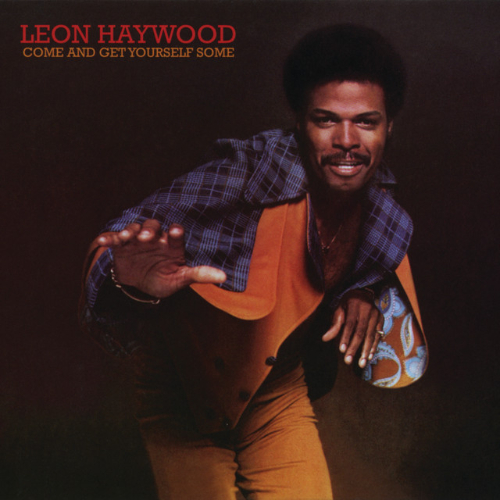
Leon Haywood – I Want’a Do Something Freaky to You
収録アルバム:『Come and Get Yourself Some』
発表年:1975年
ジャンル:Soul / Funk
原曲は、滑らかなメロディと温かなグルーヴが特徴的なソウル/ファンク作品。
Dr. Dreは、この楽曲の印象的なフレーズを取り入れ、ヒップホップ向けのドラムとベースを組み合わせることで、新たなサウンドへと生まれ変わらせた。
特に注目したいのが、原曲の持つ甘い雰囲気をそのまま残している点だ。
メロディを過剰に加工して別物にするのではなく、原曲の魅力を生かしながら、リズムの重心をヒップホップへと移している。
その結果、1970年代のソウルが持つ柔らかさと、1990年代のウェストコースト・ヒップホップ特有の重厚さが自然に融合している。
トリビア/制作メモ
「Nuthin’ But A “G” Thang」は、Dr. Dreのソロ・キャリアだけでなく、Snoop Doggy Doggの成功にとっても重要な楽曲となった。
当時のSnoopはまだ自身のソロ・アルバムを発表しておらず、『The Chronic』への参加によって一躍注目を集めることになる。
この楽曲で披露した独特のフロウと声質は、後のソロ・デビュー・アルバム『Doggystyle』(1993年)へとつながっていった。
また、制作面ではThe D.O.C.の存在も重要だ。
N.W.A周辺で活動していたThe D.O.C.は、Dr. Dreの初期ソロ作品において作詞面などで貢献した人物として知られている。
本作のソングライティング・クレジットにも名前が記載されている。
さらに、この楽曲のミュージックビデオは、1990年代のウェストコースト文化を象徴する映像作品のひとつとなった。
住宅街でのパーティー、仲間たちとの交流、カジュアルなファッションなど、当時の西海岸の雰囲気が映像全体に表現されている。
楽曲の持つリラックスしたグルーヴと映像の世界観が見事に一致しており、G-Funkが持つ音楽的な魅力だけでなく、その文化的なイメージも広く知られるきっかけとなった。
そして、この曲は1993年にBillboard Hot 100で最高2位を記録。
ヒップホップの歴史においても高く評価され、現在でもG-Funkを代表する楽曲として語り継がれている。
エディターズノート
Dr. Dreの「Nuthin’ But A “G” Thang」は、G-Funkというジャンルが持つ魅力を極めて高い完成度で表現した一曲である。
丸みのあるキック、乾いたスネア、弾力のあるベースライン、そしてファンク由来の温かなメロディ。
どのパートも必要以上に主張することなく、絶妙なバランスで組み合わされている。
特に素晴らしいのは、サウンド全体に漂う余裕だ。
激しいビートや複雑な展開に頼らず、一定のグルーヴを維持することで、聴き手を自然に引き込んでいく。
Snoop Doggy Doggの滑らかなフロウと、Dr. Dreの力強いラップも、このサウンドに欠かせない要素となっている。
二人の異なる個性がぶつかり合うのではなく、互いを引き立てながら楽曲を完成させている点が印象的だ。
また、Leon Haywoodのソウルフルなメロディを土台にした音作りは、G-Funkが単なるギャングスタ・ラップの派生ではなく、ブラック・ミュージックの豊かな歴史を受け継いだジャンルであることを改めて感じさせる。
後に登場する数多くのウェストコースト・ラップやローカルG-Rap作品にも、この曲が示した音楽的な方向性を感じ取ることができる。
メロウでありながら力強く、ストリートの空気をまといながらも洗練されている。
そして、何よりも聴いていて純粋に気持ちがいい。
G-Funkの原点であり、ひとつの完成形。
1990年代のウェストコースト・ヒップホップが生み出した、永遠に色褪せることのないクラシックである。
『The Chronic』は、G-Funkの魅力を語るうえで欠かせない一枚。「Nuthin’ But A “G” Thang」をはじめ、Dr. Dreの洗練されたプロダクションと西海岸特有のグルーヴを存分に楽しめる歴史的名盤だ。
『The Chronic』は、G-Funkの魅力を語るうえで欠かせない一枚。「Nuthin’ But A “G” Thang」をはじめ、Dr. Dreの洗練されたプロダクションと西海岸特有のグルーヴを存分に楽しめる歴史的名盤だ。
▼ Amazonで『The Chronic』をチェック!

Dr. Dre「Nuthin’ But A “G” Thang」の原点を知るなら、この一枚。Leon Haywoodの甘く艶やかなソウル・サウンドが、後のG-Funkへとつながる魅力を存分に味わえる名盤だ。
▼ Amazonで『Come and Get Yourself Some』をチェック!

Dr. Dre – Nuthin’ But A “G” Thang | The Timeless G-Funk Classic That Defined West Coast Hip-Hop
Few songs represent 1990s West Coast Hip-Hop as powerfully as Dr. Dre’s “Nuthin’ But A “G” Thang,” a track that continues to enjoy enormous popularity decades after its release.
Featured on the historic 1992 album The Chronic, the song is a defining G-Funk classic that combines Dr. Dre’s exceptional production with the smooth rap delivery of Snoop Doggy Dogg, who was still an emerging artist at the time.
Bouncing drums, a rounded bassline, memorable high-register synthesizers, and warm melodies inherited from 1970s Soul and Funk.
None of these individual elements is particularly complicated.
Yet when combined with such precise balance, they create a distinctive groove that is difficult to find anywhere else.
What makes the song especially impressive is the remarkable sense of ease within its sound, despite retaining the rough character associated with street-oriented rap.
Power and comfort. Weight and lightness.
Elements that might appear contradictory coexist naturally throughout the recording.
It remains an immortal West Coast Hip-Hop classic that introduced the appeal of G-Funk to audiences around the world.
Artist Introduction
Dr. Dre, born Andre Romell Young, is a rapper, DJ, and record producer from Compton, California.
During the 1980s, he performed with World Class Wreckin’ Cru before becoming a central figure in N.W.A, contributing significantly to the development of West Coast Hip-Hop.
During his N.W.A years, Dre attracted attention with productions combining hard-hitting drums and aggressive sampling.
After leaving the group, however, his musical approach evolved toward a more extensive incorporation of Funk and Soul.
The turning point came with his 1992 solo debut album, The Chronic.
On this project, he blended influences from 1970s Black music, particularly P-Funk, with contemporary Hip-Hop rhythms.
Through smooth synthesizers, heavy bass, and bouncing drums, he helped bring G-Funk into the mainstream.
An essential figure in this period of Dr. Dre’s career was Snoop Doggy Dogg, a rapper from Long Beach.
With his distinctive low, slightly nasal voice and a flow that moved effortlessly through the spaces between beats, Snoop proved to be a perfect match for Dre’s production.
“Nuthin’ But A “G” Thang” remains one of the clearest examples of their individual styles coming together.
Background
- Track: Nuthin’ But A “G” Thang
- Artist: Dr. Dre feat. Snoop Doggy Dogg
- Album: The Chronic
- Album Release Year: 1992
- Single Release Period: Late 1992–1993
- Location: Compton / Long Beach, California
- Label: Death Row Records / Interscope Records
- Producer: Dr. Dre
- Genre: G-Funk / West Coast Hip-Hop / Gangsta Rap
During the early 1990s, the East Coast and West Coast Hip-Hop scenes were developing their own distinctive musical identities.
On the East Coast, particularly in New York, hard-hitting beats built around Jazz and Soul samples were widely popular.
Meanwhile, the West Coast was gaining increasing recognition for heavier, more melodic production rooted in Funk.
The Chronic became one of the defining albums of this musical development.
Released as one of the album’s signature singles, “Nuthin’ But A “G” Thang” reached No. 2 on the Billboard Hot 100 in 1993.
Its success played a major role in introducing G-Funk to a much broader audience beyond dedicated Hip-Hop listeners.
It also helped establish Dr. Dre and Snoop Doggy Dogg as one of the most recognizable partnerships in West Coast Hip-Hop.
First Impression
The first thing that stands out when listening to this song is the extraordinary comfort of its groove.
From the opening moments, lively drums and soft bass establish the rhythm, while smooth high-register melodies gradually settle above them.
The drums have a strong presence without sounding aggressive.
The kick has a rounded character, while the dry snare tightens the rhythm. Subtle hi-hats and percussion naturally fill the spaces between the main hits.
Above all, the warmth created by the Funk-derived melodies is unforgettable.
The tones seem to combine brightness and melancholy in perfect balance, drawing listeners into the music almost effortlessly.
When Snoop Doggy Dogg’s smooth rap enters, the song becomes even more captivating.
His delivery sounds relaxed, yet his rhythmic precision is remarkable.
Rather than filling every available space with words, he seems to enjoy moving through the gaps in the beat.
Throughout the recording, the strength of street-oriented rap coexists with the elegant groove of Funk, creating a musical atmosphere unlike anything else.
Sound Analysis
Drums
The drums are essential to the distinctive bouncing rhythm associated with G-Funk.
One of the first things to notice is the rounded low-frequency character of the kick.
Rather than relying on an overwhelmingly aggressive attack, it maintains moderate weight while establishing a lively rhythm.
The snare, meanwhile, has a dry texture and a clearly defined attack.
Its sharpness contrasts with the softness of the kick, creating a satisfying sense of rhythmic definition.
The subtle resonance that follows the snare is particularly interesting.
Instead of sounding completely mechanical, the drums retain a slight sense of air and space, allowing them to blend naturally with the warm Funk melodies.
The hi-hats are relatively detailed but remain restrained in volume.
Their light movement in the higher frequencies introduces subtle rhythmic variation.
Although the drum pattern itself is fairly simple, the spacing between the kick and snare is exceptionally effective.
These gaps allow the rap to fit naturally into the beat without sounding overcrowded.
The groove is created not through speed or complexity, but through precise rhythmic placement and carefully chosen drum textures.
Bass
The bassline is central to the song’s unmistakable Funk character.
The low end is exceptionally smooth, combining substantial weight with clear definition.
Rather than continuously emphasizing bass frequencies, the arrangement uses short phrases and rests to create a distinctive elasticity.
Its relationship with the kick is particularly important.
While the kick establishes the rhythmic foundation, the bass moves smoothly around it.
The two elements do not strike at exactly the same moments throughout the song.
Instead, subtle differences in their movement create a natural rhythmic sway.
The bass also maintains a noticeable presence in the lower midrange rather than concentrating exclusively on the deepest frequencies.
This makes its melodic movement easier to hear.
Although many later G-Funk productions emphasized extremely powerful synthesizer bass, this recording places greater emphasis on the flexible groove inherited from classic Funk.
The fact that the bass functions as part of the melody, rather than merely supporting the rhythm, is one of the song’s greatest musical strengths.
Synths & Melody
One of the defining characteristics of the track is its memorable high-register melodic phrase.
Bright, clear tones glide smoothly above the relaxed beat.
Rather than using sharp, piercing synthesizers, the production emphasizes rounded and gentle textures.
The higher-register phrases combine the rhythmic flexibility of Funk with a light, playful character.
Short sequences of notes alternate with sustained tones, creating a simple yet remarkably memorable melody.
Warm textures reminiscent of electric piano and guitar can also be heard in the background.
These elements give the arrangement greater depth, preventing the higher-frequency melody from sounding isolated.
An especially important detail is that the melody never interferes with the rap.
Although its distinctive phrase repeats throughout the track, it naturally settles into the background whenever the vocals take center stage.
The production gives the melody a strong identity without weakening the presence of the rappers.
This careful balance is one of the defining qualities of Dr. Dre’s production style.
Mix & Groove
One of the most impressive aspects of the mix is the clarity maintained between the individual instruments.
The kick and bass occupy the lower frequencies, while the rap sits prominently in the midrange.
Higher-register synthesizers and subtle percussion add brightness and space to the overall sound.
Each element serves a distinct purpose without interfering with the others.
The vocal placement is particularly effective.
Both Snoop Doggy Dogg’s softer voice and Dr. Dre’s deeper, more forceful delivery remain clearly audible without becoming buried in the instrumental.
The groove also remains remarkably consistent throughout the recording.
Rather than relying on major beat changes or excessive musical developments, the arrangement maintains its core rhythm while introducing variation through vocal exchanges and subtle instrumental details.
This comfortable repetition is an essential characteristic of Funk-based G-Funk.
The track achieves its sophistication through placement and balance rather than overwhelming production.
Even with a relatively restrained arrangement, the mix feels rich, spacious, and full of groove.
Rap / Vocal Analysis
The contrast between Snoop Doggy Dogg and Dr. Dre is essential to the appeal of “Nuthin’ But A “G” Thang.”
Snoop’s performance, which opens the track, was remarkably distinctive within the Hip-Hop scene of the time.
His low, slightly nasal voice combines with smoothly extended syllables to create a flow that often feels almost melodic.
Rather than forcing his words into the rhythm, he delivers them with a relaxed, natural confidence.
The endings of his phrases are particularly impressive.
He alternates between sharply cutting off certain words and extending others into the following measure.
As a result, the rap itself begins to resemble a melody.
His vocal dynamics are equally natural.
He emphasizes only the words that require additional weight, relaxing his delivery elsewhere to maintain a close relationship with the beat.
Dr. Dre’s performance provides a striking contrast.
Using his deep, powerful voice, he delivers words with clearer separation and a more direct rhythmic approach.
If Snoop’s flow moves in smooth curves, Dre’s delivery follows stronger, straighter lines.
The alternation between these two styles creates natural variation throughout the track.
Their exchanges also introduce a conversational quality.
By responding to one another’s phrases, they create the impression of a genuine musical partnership rather than a simple sequence of separate verses.
Most importantly, neither rapper attempts to overpower the beat.
Both respect the Funk groove and allow their performances to move naturally within it.
This relaxed approach makes the recording even more enjoyable.
Lyrics & Themes
The lyrics primarily celebrate West Coast street culture, pride in their music, and the relationships between associates.
The letter “G” in the title refers to “Gangsta.”
However, the song expresses more than simple aggression or violence.
Its central attitude is one of confidently representing their hometowns, music, and lifestyles.
The opening introduces Snoop Doggy Dogg and Dr. Dre, establishing a sense of excitement around their partnership.
References to Compton and Long Beach emphasize their geographical roots and musical connection.
Regional identity is particularly important within West Coast Hip-Hop.
These locations are more than geographical references; they represent where the artists come from and the communities they identify with.
The lyrics also contain humor and provocative expressions.
Although the subject matter reflects the roughness of street culture, the vocal delivery remains playful and relaxed.
This contrast contributes greatly to the song’s distinctive personality.
The repeated hook is also exceptionally simple and memorable.
Rather than emphasizing a complicated message, it encourages listeners to enjoy the rhythm and sound of the words themselves.
Ultimately, the track expresses street pride through the irresistible comfort of Funk.
Sampling & Trackmaking
One of the most important elements in understanding the sound of “Nuthin’ But A “G” Thang” is its use of 1970s Soul and Funk sampling.
A particularly significant source is Leon Haywood’s 1975 recording “I Want’a Do Something Freaky to You.”
Leon Haywood – I Want’a Do Something Freaky to You
- Album: Come and Get Yourself Some
- Release Year: 1975
- Genre: Soul / Funk
The original recording is characterized by smooth melodies and a warm, soulful groove.
Dr. Dre incorporated its memorable musical phrases and combined them with Hip-Hop-oriented drums and bass to create a new sound.
What makes this approach especially impressive is the way the sweetness of the original recording remains intact.
Rather than manipulating the melody so heavily that it becomes unrecognizable, Dre preserves its appeal while shifting the rhythmic foundation toward Hip-Hop.
The result is a natural fusion of the softness of 1970s Soul and the weight associated with 1990s West Coast Hip-Hop.
Trivia & Production Notes
“Nuthin’ But A “G” Thang” played an important role not only in Dr. Dre’s solo career but also in the rise of Snoop Doggy Dogg.
At the time, Snoop had not yet released his own solo album.
His appearances on The Chronic brought him widespread attention.
The distinctive voice and flow he demonstrated on this track would become central to his 1993 solo debut, Doggystyle.
Another important figure in the song’s creation was The D.O.C.
Known for his involvement with N.W.A and its surrounding musical circle, The D.O.C. contributed to Dr. Dre’s early solo work, including songwriting.
His name also appears in the songwriting credits for this track.
The music video became another defining visual representation of 1990s West Coast culture.
Neighborhood parties, gatherings with friends, and casual fashion all contribute to its portrayal of the California lifestyle.
The relaxed atmosphere of the video matches the song’s Funk groove, helping introduce not only the musical appeal of G-Funk but also its broader cultural identity.
The single reached No. 2 on the Billboard Hot 100 in 1993.
It has remained highly regarded throughout Hip-Hop history and continues to be recognized as one of the defining recordings of G-Funk.
Editor’s Note
Dr. Dre’s “Nuthin’ But A “G” Thang” represents the musical appeal of G-Funk at an exceptionally high level.
Rounded kicks, dry snares, an elastic bassline, and warm melodies inherited from Funk.
None of these elements dominates unnecessarily.
Instead, they combine in remarkably precise balance.
What makes the song truly exceptional is the sense of ease that surrounds the entire production.
Rather than relying on aggressive beats or complicated arrangements, it draws listeners in through a consistent, irresistible groove.
Snoop Doggy Dogg’s smooth flow and Dr. Dre’s powerful delivery are equally essential to the recording.
Their different personalities complement one another rather than compete, giving the track its unmistakable identity.
The use of Leon Haywood’s soulful melody also reminds us that G-Funk is more than an extension of Gangsta Rap.
It is a genre deeply connected to the rich history of Black music.
The musical direction established by this recording can be heard in countless later West Coast Rap and underground G-Rap productions.
Mellow yet powerful, street-oriented yet sophisticated.
Above all, it simply feels incredible to listen to.
Both a foundation of G-Funk and one of its most complete expressions, “Nuthin’ But A “G” Thang” remains a timeless classic that will never lose its appeal.
The Chronic is an essential album for anyone seeking to understand the true appeal of G-Funk. Featuring “Nuthin’ But A “G” Thang” and numerous other classics, it offers an unforgettable experience of Dr. Dre’s sophisticated production and the distinctive groove of the West Coast.
コメント