ヒップホップにおけるサンプリングの魅力は、過去の音楽をそのまま再現することではない。
もともとの楽曲が持っていた感情や身体性を切り取り、別の時代、別の土地、別の語り口へと移し替える。その瞬間に、聴き慣れたフレーズは新しい意味を持ち始める。
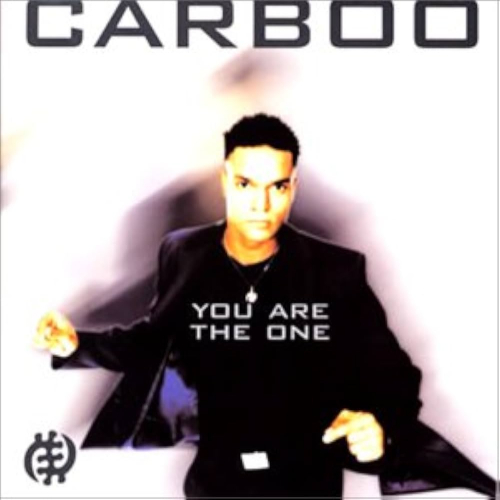
Carbooの「You Are The One」は、まさにそうしたサンプリングの面白さを分かりやすく伝えてくれる一曲だ。
音源は約3分52秒。A Taste of Honeyの「Rescue Me」を軸にした明るく開放的なループの上で、Carbooが軽快なラップを展開する。重苦しいストリート描写や威圧的な低音を前面に出すのではなく、ソウル、ディスコ、ポップラップの親しみやすさを活用しながら、楽曲全体を高揚感のあるパーティーチューンへ仕上げている。
日本の中古レコード市場では、Carbooはしばしば「ユーロG」やヨーロッパ産ヒップホップの文脈で紹介される。しかし、この曲を実際に聴くと、その魅力は単純に「ヨーロッパ版G-Funk」と呼ぶだけでは捉えきれない。
中心にあるのは、ディスコ・ソウルの多幸感、明快なフック、躍動するベース、そしてラップと歌が自然に共存する2000年代初頭らしいクロスオーバー感覚である。
アーティスト紹介
Carbooは、スウェーデンを拠点に活動したヒップホップ・アーティストとして、日本では主にユーロ・ヒップホップや「ユーロG」のリスナーに知られている。
Carboo本人に関する詳細な経歴や公式ディスコグラフィーは、現在オンライン上で確認できる資料が限られている。そのため、生年、活動開始時期、所属クルーなどについては断定できない。
一方、日本のレコード店に残された販売資料では、Carbooはスウェーデンで長い活動歴を持つアーティストと説明されており、アルバム『You Are The One』は2002年の作品として紹介されている。そこから7曲を抜粋したアナログ・サンプラーも後年流通した。
Carbooの音楽的な特徴は、アメリカのヒップホップ、とりわけ西海岸ラップの滑らかさを参照しながら、ディスコ、ソウル、R&B、ダンス・ポップの即効性を強く取り込んでいる点にある。
ただし、「You Are The One」に限っていえば、低く沈み込むG-Funkというより、1970年代末から1980年代初頭のダンス・ミュージックを、2000年代のポップラップとして再構築した作品と表現するほうが実際の音に近い。
作品背景
「You Are The One」は、2002年に発表された同名アルバムのタイトル曲として紹介されている。
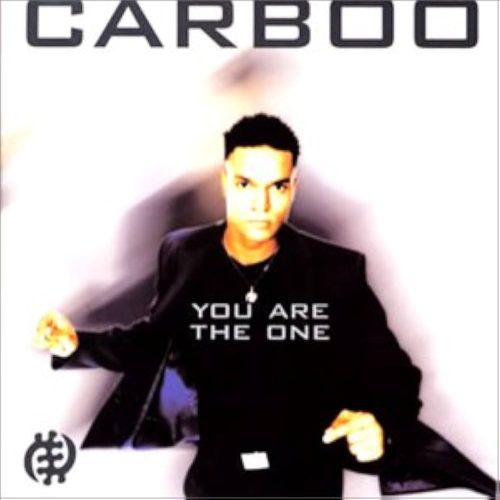
日本で流通した7曲入りのアナログ・サンプラーには、次の楽曲が収録されている。
「You Are The One」
「Boogie」
「Gotta Get Da Green」
「Dance The Night Away」
「Baby Love」
「Do You Wanna Have A Party」
「We Can Do It」
この曲順を見るだけでも、アルバム全体がダンス、恋愛、パーティー、成功といった明快な題材を軸にしていたことがうかがえる。サンプラーは日本盤として2006年に流通した記録があり、元となったアルバムは2002年作品として扱われている。
「You Are The One」は、A Taste of Honeyが1980年に発表した「Rescue Me」を使用した楽曲として紹介されている。
このサンプル選びが、楽曲の方向性をほぼ決定している。
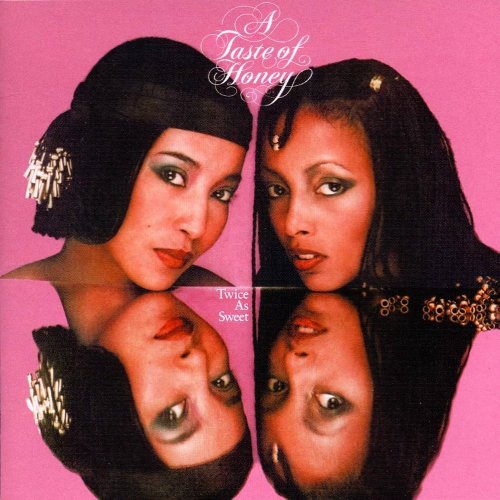
「Rescue Me」は、ソウル、ディスコ、ポスト・ディスコが交差する時期の楽曲であり、George DukeがプロデュースしたA Taste of Honeyのアルバム『Twice as Sweet』に収録された。
Carbooは、その曲が持つ明るさと恋愛的な高揚感を活用し、ストリートの緊張感よりも、親しみやすさと祝祭性を優先したヒップホップへ作り替えている。
第一印象
最初に強く感じるのは、音楽が始まった瞬間から空気が明るいことだ。
イントロで長い緊張感を作ることはなく、楽曲の核となるフレーズを早い段階で提示する。リスナーに曲調を理解させるまでの時間が短く、数秒で「明るく踊れる曲」であることが伝わる。
今回の音源を解析したところ、再生時間は約3分52秒、テンポはおよそ110 BPMだった。
この速さは、クラブミュージックとしては極端に速くなく、一般的なヒップホップとしては軽快に感じられる絶妙な位置にある。
首を縦に振るだけの重いビートではなく、身体全体を左右に動かしたくなるテンポだ。
楽曲には明確なディスコ感があるが、四つ打ちを強く押し出す本格的なハウスやディスコとは異なる。ヒップホップのドラム感覚を保ちながら、サンプルの推進力によってダンサブルに聞かせている。
また、タイトルから想像される通り、楽曲にはロマンティックで肯定的な雰囲気がある。
ただし、甘さ一辺倒ではない。Carbooのラップが入ることで、ポップソングになりすぎず、ヒップホップとしての輪郭が保たれている。
サウンド分析
ドラム
ドラムは、楽曲を強く威圧するのではなく、サンプルの動きを前へ押し出す役割に徹している。
キックは極端に深く沈み込まず、比較的輪郭がはっきりしている。サブベースと一体になって地面を揺らすタイプではなく、中低域に芯を置きながらテンポを安定させる音だ。
スネアは乾いた質感を持ち、拍の位置を明確にする。
響きが長く残るスネアではないため、ミックス全体が重くならない。サンプルやボーカルが華やかに動く一方で、ドラムは簡潔に拍を区切り、楽曲の見通しを良くしている。
ハイハットや細かなパーカッションも、過剰に複雑ではない。
高速の刻みやトラップ的な細分化ではなく、一定のリズムを保ちながら、ディスコ由来の軽やかさを損なわない配置になっている。
ここで重要なのは、ドラム単体の迫力ではなく、サンプルとドラムを組み合わせたときの弾みだ。
ビートは硬いが、曲全体は硬直していない。ドラムが前のめりになりすぎず、サンプルの滑らかな動きと共存することで、自然に踊れるグルーヴが生まれている。
ベース
ベースは、楽曲の印象を決める重要な要素である。
低音を長く引き伸ばして重圧を作るのではなく、短い動きを繰り返しながら、ドラムとサンプルの隙間を埋めていく。
このベースラインにはファンク的な身体性がある。
一音ごとの存在感を誇張するのではなく、フレーズ全体の流れで聴かせるため、楽曲は常に前へ進んでいるように感じられる。
西海岸G-Funkでよく聞かれる、深く丸いシンセベースに近い瞬間もあるが、ここでは低域の威圧感よりもダンス性が優先されている。
キックとベースが完全に一体化するのではなく、それぞれのアタックが聞こえるため、リズムが軽快に保たれている。
この処理によって、音量を上げても低音が濁りにくく、クラブだけでなく車内や家庭用スピーカーでも曲の明るさが失われにくい。
シンセ/メロディ
メロディの中心は、A Taste of Honey「Rescue Me」に由来するソウルフルなフレーズである。
原曲が持っていた華やかな歌心を活用しながら、Carbooのバージョンでは反復の強さが増している。
ヒップホップでは、短いサンプルを繰り返すことで、原曲とは異なる催眠性が生まれる。
「You Are The One」でも、同じフレーズが繰り返されることによって、単なる引用ではなく、曲全体を支えるリズム装置へと変化している。
サンプルには高域の明るさがあり、声や楽器の重なりが一種のコーラスのように作用する。
そのため、ラップが続く場面でも、背景には常に歌の感覚が残る。
これが曲の大きな特徴だ。
通常、ラップのヴァースではメロディを減らし、言葉に集中させる構成も多い。しかし本曲は、ヴァース中もサンプルの存在感を大きく後退させない。
結果として、ラップパートであっても楽曲のポップ性が途切れない。
補助的なシンセや鍵盤音については、主役になるほど前には出てこない。
あくまで主要サンプルを補強し、曲の隙間を埋める役割にとどまる。音数を増やしすぎないことで、「Rescue Me」由来のフレーズが最後まで中心に残っている。
ミックス
ミックスは、2000年代初頭のポップラップらしい明るさと密度を持っている。
現代の楽曲と比較すると、超低域を過度に強調した仕上がりではない。むしろ中域から高域に情報が集まり、サンプル、ラップ、コーラスが前方に並ぶ。
ボーカルは比較的近い位置に置かれているが、完全にトラックから独立してはいない。
ラップも楽器の一部としてビートへ溶け込み、トラック全体の流れを優先するミックスになっている。
また、楽曲の各要素は明確に分離しているというより、少し重なり合っている。
サンプルの声、Carbooのラップ、バックグラウンドのコーラスが同時に鳴る場面では、音像に厚みが生まれる。
現代的な精密さよりも、複数の音が一緒に鳴ることで得られる祝祭感を重視した音作りだ。
高域は比較的明るい。
シンバル、声、サンプルの輪郭が前に出るため、曲全体に光沢がある。一方、耳を刺すほど鋭い処理ではなく、ソウル音源由来の柔らかさも残っている。
グルーヴ
「You Are The One」の最大の魅力は、メロディでもラップでもなく、それらをひとつにまとめるグルーヴにある。
約110 BPMというテンポは、ラップを乗せる余白と、ダンスミュージックとしての推進力を両立させている。
速すぎないためCarbooの言葉を追いやすく、遅すぎないため曲が停滞しない。
ビートの重心は低い位置にあるが、サンプルが上方向へ広がる。
下ではドラムとベースが一定の動きを保ち、上ではソウルフルなフレーズが開放感を作る。この上下の対比によって、曲は安定していながら軽やかに聞こえる。
さらに、同じループを何度も反復しているにもかかわらず、単調になりにくい。
その理由は、ラップ、コーラス、短い声の応答、音の抜き差しによって、ループの聞こえ方が少しずつ変わるからだ。
トラックそのものを大幅に変化させるのではなく、声の配置によって展開を作る。これはクラシックなヒップホップの方法論であり、本曲ではポップな素材と非常に相性よく機能している。
ラップ/ボーカル分析
Carbooのラップは、低く威圧的に押し切るタイプではない。
声には適度な太さがあるが、発声は比較的明瞭で、ビートの上を軽快に進む。言葉を詰め込みすぎず、一定の間隔を保ちながらフレーズを配置するため、聴き手は曲のリズムを見失いにくい。
フロウは直線的である。
複雑な拍の裏返しや急激な速度変化より、サンプルと一緒に身体を動かせることを重視している。
一つひとつのラインが長く伸びすぎず、拍の区切りに合わせて着地するため、楽曲には分かりやすい推進力が生まれる。
また、ラップにはアメリカ南部や西海岸の影響を感じさせる発音や抑揚がある。
ただし、特定の地域のスタイルを完全に模倣するのではなく、ヨーロッパのポップ市場でも通用する聞き取りやすさが保たれている。
Carbooの声は、サンプルの華やかさに対する重しとしても機能する。
トラックだけを聴けば、かなり明るいディスコ・ポップに近づく可能性がある。しかし、ラップの低めの声が中央に入ることで、曲はヒップホップとしての芯を失わない。
フックでは、タイトルを強く印象付ける反復と、サンプル由来の歌声が組み合わされる。
ここではCarboo一人の存在感よりも、複数の声が重なることで生まれる一体感が重視されている。
ヴァースでは個人の語り、フックでは集団的な高揚感。
この対比が、楽曲を自然に盛り上げている。
歌詞・テーマ
歌詞の全文や公式リリックは確認できなかったため、聞き取れない部分を推測して内容を断定することは避けたい。
ただし、タイトル、フック、聞き取れる範囲の表現、そして楽曲全体のトーンから、中心にあるのは特定の相手への愛情や選択、魅力の肯定だと考えられる。
「You Are The One」という言葉は、「君こそが唯一の存在だ」「自分が求めているのは君だ」という直接的なメッセージを持つ。
この主題は、サンプリング元である「Rescue Me」の恋愛的な情感とも自然につながっている。
重要なのは、恋愛を内省的に語るバラードではなく、ダンスフロアで共有できる肯定的な感情として表現していることだ。
切なさや迷いより、相手を選ぶ喜び、出会いの高揚感、楽しい時間を共有する感覚が前に出る。
Carbooのラップも深刻な告白というより、余裕のある語り口で進む。
そのため、曲は個人的なラブソングであると同時に、パーティーの場で誰もが楽しめる普遍的な曲になっている。
歌詞の細部より、タイトルとフックだけでテーマが伝わる設計も、ポップラップとして非常に効果的だ。
サンプリング&トラックメイキング
「You Are The One」は、A Taste of Honeyの「Rescue Me」を使用した楽曲として複数の資料で紹介されている。
「Rescue Me」は、1980年に発表されたA Taste of Honeyのアルバム『Twice as Sweet』収録曲で、同アルバムはGeorge Dukeがプロデュースした。
Carbooのトラックでは、原曲の持つ明るくソウルフルなフレーズを、楽曲の中心となる反復ループとして使用している。
単にメロディを借りるだけでなく、原曲が持っていた「誰かを求める」感情を、タイトルやフックの意味と重ねている点が巧みだ。
サンプリングには、大きく分けて二つの使い方がある。
一つは、原曲の音色だけを利用し、まったく異なる意味へ変換する方法。
もう一つは、原曲の感情や言葉のニュアンスを新しい曲へ引き継ぐ方法だ。
「You Are The One」は後者に近い。
「Rescue Me」の恋愛的な高揚感と、Carbooのタイトルが同じ方向を向いているため、サンプルが装飾ではなく、楽曲のテーマそのものとして機能している。
トラックメイキングは、サンプルを細かく解体して原形を分からなくするタイプではない。
元の魅力が伝わる形を保ちつつ、ドラムとベースを加え、ラップが乗るための空間を作っている。
この分かりやすさが本曲の強みである。
ヒップホップに詳しくないリスナーでも、サンプルのメロディに引き込まれ、自然にラップへ入っていける。
一方、元ネタを知っているリスナーには、原曲の記憶とCarboo版の違いを楽しむ余地がある。
原曲のソウル/ディスコ的な躍動感を消さずに、ヒップホップの反復構造へ置き換えた好例といえる。
トリビア/制作メモ
Carbooのアルバム『You Are The One』は2002年作品として紹介されており、後に7曲入りのアナログ・サンプラーが流通した。日本盤サンプラーについては2006年発売、カタログ番号「MGE049R」とする販売記録が確認できる。
日本のレコード店では、本作を「ユーロG」「ヨーロッパG」などの言葉で紹介してきた。
ただし、これは厳密な音楽学的ジャンル名というより、日本の輸入盤市場で発達した分類と考えたほうがよい。
実際の「You Are The One」は、G-Funk、ポップラップ、ソウル、ディスコ、R&B、クラブミュージックの要素が混ざっている。
特に楽曲のリズムとサンプルの明るさを考えると、ギャングスタラップよりもダンス指向のヒップホップとして聴くほうが自然だ。
同じサンプラーに収録された「Gotta Get Da Green」については、A Taste of Honeyの代表曲「Boogie Oogie Oogie」を使用した曲として紹介されている。
つまり、Carbooは「You Are The One」一曲だけで偶然A Taste of Honeyを選んだのではなく、アルバム制作においてディスコ/ソウルのカタログを意識的に参照していた可能性が高い。
これは販売資料から読み取れる推論であり、Carboo本人の発言として確認された事実ではない。
また、今回の音源は約3分52秒だった。
一般的なアルバム曲として無駄のない長さであり、イントロを長く取りすぎず、主要なフックを繰り返し提示する構成になっている。
ラジオ、クラブ、ミックスCDなど、さまざまな環境で扱いやすい構成である。
総評
Carbooの「You Are The One」は、サンプリングの分かりやすい快感と、2000年代初頭のユーロ・ヒップホップが持っていた親しみやすさを凝縮した一曲だ。
A Taste of Honey「Rescue Me」のソウルフルな高揚感を中心に置き、約110 BPMの軽快なビート、弾むベース、明瞭なラップ、反復性の高いフックを組み合わせている。
曲の構造そのものは複雑ではない。
しかし、その単純さが弱点にはなっていない。
むしろ、サンプルの魅力を邪魔せず、Carbooの声を自然に乗せることで、最初から最後まで一貫した楽しさを維持している。
ストリートラップ特有の緊張感や、重低音による圧迫感を求める曲ではない。
ここにあるのは、ヒップホップとディスコ・ソウルが出会ったときに生まれる開放感である。
晴れた日のドライブ、仲間との集まり、懐かしいヒップホップを流すDJミックスなど、日常の空気を少し明るくしたい場面によく似合う。
日本では「ユーロG」の一曲として知られてきたが、実際にはその枠を越え、ソウル・サンプリングを軸にしたポップラップとして十分に魅力を持っている。
元ネタの力を借りながらも、ただのカバーや再演にはならず、Carboo自身の軽快なラップソングへ変換した点に、この曲の価値がある。
エディターズノート
「You Are The One」を聴いて印象に残るのは、音楽が持つ楽しさを隠そうとしない姿勢だ。
ヒップホップには、暗さ、重さ、危険性、現実の厳しさを描く力がある。一方で、誰かを好きになる気持ちや、踊る喜び、過去のソウルミュージックに対する愛情を、ストレートに表現する力もある。
Carbooは後者を選んでいる。
A Taste of Honeyのサンプルを大胆に前へ出し、ラップもトラックを支配しすぎない。すべての要素が「このグルーヴを楽しむ」という一点へ向かっている。
だからこそ、本曲はリリースから時間が経っても古びきらない。
音色やミックスには2000年代初頭らしさがあるが、良いメロディと良いグルーヴを反復するという発想は普遍的だ。
珍しいヨーロッパ産ヒップホップとしてだけでなく、ソウル・サンプリングの素直な成功例として聴き直したい一曲である。
Carboo – You Are The One | Soulful Sampling and the Joy of Early-2000s Euro Hip-Hop
The appeal of sampling in hip-hop does not lie in simply recreating music from the past.
It lies in taking the emotion and physical energy of an older recording and transferring them into a different era, a different place, and a different form of expression. At that moment, a familiar phrase begins to carry an entirely new meaning.
Carboo’s “You Are The One” is a clear and accessible example of what makes that process so compelling.
Running for approximately three minutes and fifty-two seconds, the track is built around a bright, open loop derived from A Taste of Honey’s “Rescue Me.” Over that foundation, Carboo delivers an energetic and easygoing rap performance. Rather than emphasizing oppressive street imagery or intimidating low-end weight, the song draws on the accessibility of soul, disco, and pop rap, shaping the entire production into an uplifting party track.
Within Japan’s used-record market, Carboo has often been presented in the context of “Euro G” or European-made hip-hop. Yet after actually listening to the song, it becomes clear that its appeal cannot be fully explained by simply calling it a European version of G-Funk.
At its core are the euphoric qualities of disco and soul, an instantly memorable hook, an active bassline, and an early-2000s crossover sensibility in which rapping and singing coexist naturally.
Artist Introduction
Carboo was a hip-hop artist based in Sweden and is known in Japan primarily among listeners of European hip-hop and the loosely defined category known as “Euro G.”
Detailed biographical information and an authoritative official discography remain difficult to confirm through currently available online sources. For that reason, details such as his year of birth, the beginning of his career, and any crew affiliations cannot be stated with certainty.
Japanese record-store listings, however, describe Carboo as an artist with a long history in the Swedish scene. His album You Are The One is generally identified as a 2002 release, and a seven-track vinyl sampler drawn from the album was later distributed.
Musically, Carboo’s work appears to reference the smoothness of American hip-hop, particularly West Coast rap, while strongly incorporating the immediate appeal of disco, soul, R&B, and dance-pop.
In the case of “You Are The One,” however, describing it as an early-2000s pop-rap reinterpretation of late-1970s and early-1980s dance music is more accurate than categorizing it as deeply submerged G-Funk.
Background
“You Are The One” has been presented as the title track from Carboo’s 2002 album of the same name.
A seven-track vinyl sampler distributed in Japan included the following songs:
“You Are The One”
“Boogie”
“Gotta Get Da Green”
“Dance The Night Away”
“Baby Love”
“Do You Wanna Have A Party”
“We Can Do It”
Even from these titles alone, it is possible to infer that the album was built around direct and accessible themes such as dancing, romance, partying, and success.
Records indicate that the Japanese sampler circulated in 2006, while the original album is consistently identified as a 2002 release.
“You Are The One” has also been documented as a track that uses A Taste of Honey’s 1980 song “Rescue Me.”
That sample choice effectively determines the direction of the entire record.
“Rescue Me” comes from a transitional period in which soul, disco, and post-disco were beginning to overlap. It appeared on A Taste of Honey’s George Duke-produced album Twice as Sweet.
Carboo takes the original recording’s brightness and romantic excitement and reshapes them into a form of hip-hop that prioritizes accessibility and celebration over street tension.
First Impression
The first thing that stands out is how bright the atmosphere feels from the moment the music begins.
The track does not spend a long time building suspense through an extended introduction. Instead, it introduces its central musical phrase almost immediately. The listener needs only a few seconds to understand that this is a bright and danceable record.
An analysis of the audio used for this article places the running time at approximately three minutes and fifty-two seconds, with a tempo of around 110 BPM.
That speed occupies an effective middle ground. It is not unusually fast by club-music standards, but it feels lively and energetic for a hip-hop track.
Rather than encouraging only a heavy head-nod, the tempo makes the listener want to move their whole body from side to side.
The song has a clear disco character, but it is not a full-scale house or disco production driven by a dominant four-on-the-floor kick pattern. It retains the rhythmic language of hip-hop while becoming danceable through the forward motion of the sample.
As the title suggests, the track also carries a romantic and affirmative mood.
Yet it is not overwhelmingly sweet. Carboo’s rap performance keeps the song from drifting too far into conventional pop and preserves its identity as hip-hop.
Sound Analysis
Drums
The drums are not designed to overpower the listener. Their main function is to push the movement of the sample forward.
The kick does not sink into an excessively deep low-frequency range. Instead, it has a relatively clear outline and places its weight in the low-mid area. It is not the kind of kick that merges with a massive sub-bass layer to shake the ground. Its role is to stabilize the tempo and give the track a consistent pulse.
The snare has a dry texture and clearly defines the position of the beat.
Because it does not leave behind a long reverberant tail, the overall mix avoids becoming heavy or congested. While the sample and vocals move colorfully across the arrangement, the drums divide the rhythm into simple, readable sections.
The hi-hats and smaller percussion elements are not overly complex.
There are no rapid trap-style subdivisions or densely programmed patterns. Instead, they maintain a steady rhythm without interfering with the lightness inherited from disco.
What matters here is not the power of the drums in isolation, but the bounce created when the drums and sample interact.
The beat itself is firm, yet the track never feels rigid. Because the drums avoid pushing too aggressively ahead of the groove, they coexist smoothly with the flowing sample and create a natural sense of movement.
Bass
The bass is one of the defining elements of the track.
Rather than sustaining long notes to create pressure, it fills the spaces between the drums and sample through repeated short movements.
The bassline has a distinctly funk-oriented physicality.
Instead of exaggerating the impact of each individual note, it communicates through the flow of the phrase as a whole. As a result, the music always feels as though it is moving forward.
There are moments when the tone resembles the deep, rounded synth bass often associated with West Coast G-Funk. Here, however, danceability is prioritized over low-frequency intimidation.
The kick and bass do not completely merge into a single mass. Their individual attacks remain audible, which helps the rhythm retain its lightness.
This treatment also prevents the low end from becoming muddy when the volume is increased. The song’s brightness remains intact not only in a club setting, but also through car speakers or a home audio system.
Synths and Melody
The melodic center of the track is the soulful phrase derived from A Taste of Honey’s “Rescue Me.”
Carboo’s version preserves the expressive and celebratory character of the original while increasing the force of repetition.
In hip-hop, repeating a short sample can create a hypnotic effect that did not exist in the original recording.
That is exactly what happens in “You Are The One.” Through repetition, the sampled phrase stops functioning merely as a quotation and becomes a rhythmic mechanism supporting the entire track.
The sample carries brightness in its upper frequencies, while the combination of voices and instruments works almost like a continuous chorus.
As a result, the sensation of singing remains in the background even during Carboo’s rap verses.
This is one of the song’s most important characteristics.
Many rap productions reduce the amount of melody during the verses in order to focus the listener’s attention on the lyrics. “You Are The One,” however, does not significantly reduce the presence of the sample during Carboo’s verses.
Consequently, the song’s pop appeal never disappears, even when the rapper is at the center of the arrangement.
Any additional synth or keyboard elements remain secondary.
They do not step forward enough to become primary melodic voices. Instead, they reinforce the main sample and fill small gaps in the production. By avoiding an excessive number of additional sounds, the track allows the phrase from “Rescue Me” to remain central from beginning to end.
Mix
The mix has the brightness and density commonly associated with early-2000s pop rap.
Compared with contemporary productions, it does not place extreme emphasis on the deepest sub-bass frequencies. Most of the audible information is concentrated in the midrange and upper frequencies, where the sample, rap, and chorus sit close to the front of the mix.
The vocals are positioned relatively near the listener, but they are not completely separated from the instrumental.
Carboo’s rap becomes part of the beat rather than floating above it, and the mix prioritizes the overall flow of the track.
The individual elements are not isolated with modern precision. Instead, they overlap slightly.
When the sampled voices, Carboo’s rap, and the background chorus sound at the same time, the sonic image becomes thicker and more communal.
The production values the celebratory feeling created by multiple sounds playing together more than clinical separation.
The upper frequencies are relatively bright.
Cymbals, voices, and the outline of the sample all move forward, giving the track a polished shine. At the same time, the sound is not processed so sharply that it becomes uncomfortable. The softness of the original soul recording remains audible beneath the brightness.
Groove
The greatest strength of “You Are The One” is neither the melody nor the rap performance in isolation, but the groove that brings them together.
The tempo of approximately 110 BPM creates enough space for Carboo to rap clearly while maintaining the forward motion of dance music.
It is not so fast that the words become difficult to follow, and not so slow that the song loses momentum.
The rhythmic center of gravity remains low, while the sample expands upward.
The drums and bass maintain a steady movement below, while the soulful phrase creates a feeling of openness above. This contrast between the lower and upper layers allows the track to sound stable and light at the same time.
Although the same loop is repeated many times, the song rarely becomes monotonous.
That is because the listener’s perception of the loop changes slightly through the arrangement of rap verses, choruses, short vocal responses, and the selective removal and reintroduction of sounds.
Rather than dramatically transforming the instrumental itself, the song creates development through the placement of voices.
This is a classic hip-hop production method, and here it works particularly well with the track’s accessible pop material.
Rap and Vocal Analysis
Carboo’s rap style is not based on overpowering the listener with a low and intimidating delivery.
His voice has a reasonable amount of weight, but his articulation is relatively clear, and he moves lightly across the beat. He does not overcrowd the instrumental with excessive syllables. Instead, he places phrases at regular intervals, making it easy for the listener to remain connected to the rhythm.
His flow is direct and linear.
Rather than relying on complicated rhythmic reversals or sudden changes in speed, the performance focuses on allowing the listener to move along with the sample.
Individual lines do not stretch too far beyond the beat. They tend to land in clear rhythmic positions, giving the track an immediate and understandable sense of forward motion.
Carboo’s pronunciation and vocal inflections also suggest the influence of Southern and West Coast American rap.
However, the performance does not completely imitate the style of one particular American region. It retains a level of clarity that would have made it accessible within the European pop market.
Carboo’s voice also functions as a stabilizing weight against the brightness of the sample.
Without the rap, the instrumental could easily move closer to cheerful disco-pop. By placing his lower voice at the center, Carboo prevents the song from losing its hip-hop foundation.
In the hook, repeated use of the title is combined with the sampled singing.
The emphasis is less on Carboo’s individual presence than on the unified feeling created by several overlapping voices.
The verses present an individual speaker, while the hook creates a collective sense of excitement.
That contrast allows the song to build naturally.
Lyrics and Themes
Because a complete set of official lyrics could not be confirmed, it would be inappropriate to guess at unclear lines or make definitive claims about every detail of the song’s narrative.
Based on the title, the hook, the phrases that can be heard clearly, and the overall tone of the music, the central theme appears to be affection for a particular person and the affirmation of that person’s unique appeal.
The phrase “You Are The One” carries a direct message: you are the only one, or you are the person I have been looking for.
That theme connects naturally with the romantic emotion of the sampled song “Rescue Me.”
What matters is that romance is not presented here as introspective balladry. Instead, it is expressed as a positive feeling that can be shared on a dance floor.
The song emphasizes the excitement of choosing someone, the thrill of attraction, and the pleasure of sharing an enjoyable moment rather than sadness, hesitation, or emotional conflict.
Carboo’s rap also unfolds with a relaxed and confident tone rather than the seriousness of a deeply personal confession.
As a result, the song works simultaneously as an individual love song and as a universal party record that almost anyone can enjoy.
Its pop-rap construction is especially effective because the central theme can be understood through the title and hook even without following every lyrical detail.
Sampling and Trackmaking
“You Are The One” has been identified in multiple sources as a track that uses A Taste of Honey’s “Rescue Me.”
“Rescue Me” appeared on A Taste of Honey’s 1980 album Twice as Sweet, which was produced by George Duke.
In Carboo’s production, the original song’s bright and soulful phrase becomes the central repeating loop.
The track does more than simply borrow a melody. It also connects the original recording’s feeling of longing for another person with the meaning of Carboo’s title and hook.
Broadly speaking, sampling can work in two different ways.
One approach uses only the sound or texture of the original recording while transforming it into an entirely different emotional context.
The other allows the emotional meaning or lyrical implications of the original to carry over into the new composition.
“You Are The One” belongs closer to the second category.
The romantic excitement of “Rescue Me” and the message contained in Carboo’s title move in the same direction. As a result, the sample does not function merely as decoration. It becomes part of the song’s central theme.
The trackmaking does not radically disassemble the source material until it becomes unrecognizable.
Instead, it preserves the appeal of the original phrase, adds drums and bass, and creates enough space for a rapper to perform over it.
That directness is one of the song’s greatest strengths.
Even listeners who are not deeply familiar with hip-hop can be drawn in by the melody of the sample and then transition naturally into Carboo’s rap performance.
Listeners who recognize the source material, meanwhile, can enjoy the relationship between their memory of the original song and the way Carboo transforms it.
It is an effective example of translating the movement of soul and disco into the repetitive structure of hip-hop without removing the qualities that made the original recording appealing.
Trivia and Production Notes
Carboo’s album You Are The One has generally been identified as a 2002 release. A seven-track vinyl sampler was later distributed, and Japanese sales records list the sampler as a 2006 release with the catalog number MGE049R.
Japanese record stores have often described the project using labels such as “Euro G” or “European G.”
These terms are better understood as categories that developed within Japan’s import-record market than as strict musicological genre definitions.
In practice, “You Are The One” combines elements of G-Funk, pop rap, soul, disco, R&B, and club music.
Considering the rhythm and the brightness of the sample, it is more natural to hear the track as dance-oriented hip-hop than as gangsta rap.
Another track from the same sampler, “Gotta Get Da Green,” has been described as using A Taste of Honey’s signature song “Boogie Oogie Oogie.”
This suggests that Carboo’s use of A Taste of Honey on “You Are The One” was probably not an isolated coincidence. It is possible that the album consciously referenced the group’s disco and soul catalog as part of its broader production approach.
This remains an inference based on sales information and track descriptions, not a confirmed statement from Carboo himself.
The audio examined for this article runs for approximately three minutes and fifty-two seconds.
It is an economical length for an album track, avoiding an overly extended introduction and returning frequently to the main hook.
The arrangement would have made it easy to use in a variety of contexts, including radio programming, clubs, DJ mixes, and compilation CDs.
Overall Review
Carboo’s “You Are The One” condenses the immediate pleasure of sampling and the accessibility of early-2000s European hip-hop into a single track.
It places the soulful excitement of A Taste of Honey’s “Rescue Me” at the center, combining it with an energetic beat of approximately 110 BPM, a bouncing bassline, clear rap vocals, and a highly repetitive hook.
The structure itself is not especially complex.
That simplicity, however, is not a weakness.
By refusing to interfere with the strength of the sample and allowing Carboo’s voice to sit naturally over the loop, the track maintains a consistent feeling of enjoyment from beginning to end.
This is not a song built around the tension of street rap or the oppressive force of extreme low-end frequencies.
What it offers instead is the sense of freedom that can emerge when hip-hop meets disco and soul.
It suits a drive on a clear day, a gathering with friends, or a DJ mix filled with nostalgic hip-hop—any situation in which the music is meant to make the surrounding atmosphere feel slightly brighter.
In Japan, the song has often been known as an example of “Euro G,” but its appeal extends beyond that category. It stands on its own as a strong piece of soul-sampling pop rap.
Its value lies in the way it borrows the power of an older recording without becoming a cover or a straightforward recreation, transforming the source material into Carboo’s own lively rap song.
Editor’s Note
What remains most memorable about “You Are The One” is its refusal to hide the simple pleasure of music.
Hip-hop has the power to depict darkness, weight, danger, and the harshness of reality. At the same time, it also has the power to express attraction, the joy of dancing, and a direct love for the soul music of the past.
Carboo chooses the second path.
He places the A Taste of Honey sample boldly at the front of the production, while his rap never attempts to overpower the track. Every element moves toward the same purpose: enjoying the groove.
That is why the song has not completely lost its appeal with the passage of time.
Its tones and mix clearly reflect the early 2000s, but the basic idea of repeating a strong melody over a strong groove is timeless.
“You Are The One” deserves to be heard not only as an obscure piece of European hip-hop, but also as a straightforward and successful example of soul sampling.
コメント