恋が終わったあと、残された記憶を振り返りながら、「あれは本当に愛だったのだろうか」と考える瞬間がある。
Paul Hardcastleの「Was It Love」は、そんな答えの出ない問いを、激しい悲しみや劇的な展開ではなく、夜の静けさに溶け込むようなサウンドで描いた一曲だ。
約3分53秒にわたって流れるのは、丸みのある電子ドラム、滑らかに動くシンセベース、淡く広がるキーボード、控えめなギター、そして感情を抑えた男性ボーカルである。
テンポは音源解析上、およそ89〜91BPM。
ゆっくりとしたミッドテンポだが、完全なバラードではない。リズムは一定の推進力を保ち、静かに揺れ続ける。そこにあるのは、失恋の痛みを大声で訴える音楽ではなく、時間が経ったあとに残る疑問や未練を、落ち着いた距離から見つめる大人のラブソングである。
アーティスト紹介
Paul Hardcastleは、イギリス出身のプロデューサー、作曲家、キーボーディストである。
一般的には、1985年に発表された反戦的なエレクトロ作品「19」で広く知られている。ニュース音声やサンプリング、電子的なビートを組み合わせた同曲は、彼の名前を世界的に知らしめた。
しかし、Paul Hardcastleのキャリアは「19」だけでは語れない。
その後は自身の名義やThe Jazzmasters名義を通じて、スムースジャズ、チルアウト、エレクトロニック・ソウル、アダルト・コンテンポラリーを融合した作品を数多く制作してきた。
「Was It Love」で聴かれるのも、80年代的な鋭いエレクトロ・サウンドではなく、彼が長いキャリアの中で磨き上げてきた、滑らかで空間的なサウンドデザインである。
作品背景
「Was It Love」は、Paul Hardcastleが2005年に発表したアルバム『Hardcastle 4』の6曲目に収録されている。
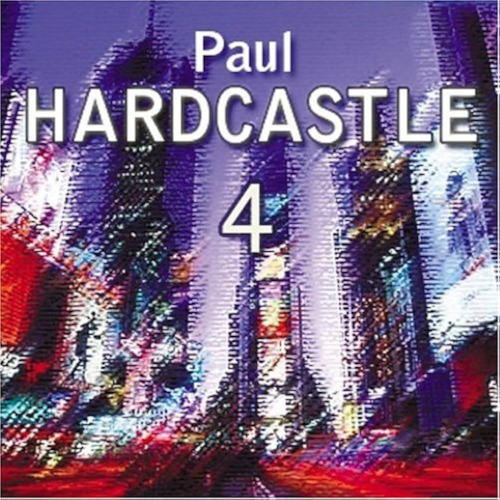
主要配信サービスでは、同アルバムは全12曲、約48分の作品として掲載されており、「Was It Love」の再生時間は約3分53秒と記録されている。
アルバム内では、インストゥルメンタル中心のスムースジャズ作品が並ぶなか、「Was It Love」はボーカルを前面に出した楽曲として機能している。
ただし、一般的なポップ・バラードのように歌を大きく盛り上げるのではなく、ボーカルもサウンドの一部として穏やかに配置されている点が特徴である。
第一印象
最初に感じるのは、暗さよりも温度の低さである。
失恋を題材にした曲ではあるものの、音楽全体が極端に沈み込んでいるわけではない。ドラムには適度な弾力があり、ベースも滑らかに動き続ける。
しかし、コードやボーカルには明確な哀愁が漂う。
この明るすぎず、暗すぎない中間的な感情が、「Was It Love」の大きな魅力になっている。
別れた直後の混乱を描いているというより、ある程度の時間が経ったあとに、過去の関係を静かに思い返しているような音楽である。
タイトルの問いかけにも、怒りや非難は感じられない。
むしろ、自分自身に向かって「本当にあれは愛だったのか」と尋ねているように聴こえる。
そのため、この曲が描く切なさは非常に内向的だ。
誰かに理解してもらうための悲しみではなく、自分の中で整理しきれない感情が、夜の静寂の中にゆっくりと浮かび上がってくる。
サウンド分析
ドラム
ドラムは、電子的でありながら硬すぎない。
キックは低域を過度に膨らませず、丸く短い音で拍の中心を支えている。スネアも強く叩きつけるタイプではなく、わずかに空間を含んだ軽い質感だ。
ハイハットや細かなパーカッションは、表立って主張するのではなく、一定の速度で曲を前へ運ぶ。
実測テンポはおよそ89〜91BPM。
数字だけを見ればスロー寄りだが、リズムが停滞している印象はない。キックとスネアの配置が安定しているため、ゆったりしながらも身体を小さく揺らせるグルーヴが生まれている。
特に印象的なのは、ドラムが感情を強調しすぎないことだ。
曲のテーマに合わせて悲劇的に重くなるのではなく、一定のリズムを保ち続ける。その無機質に近い落ち着きが、逆にボーカルの寂しさを引き立てている。
ベース
ベースは、シンセベースを中心とした丸みのある音色で構成されているように聴こえる。
低音域に深さはあるが、ヒップホップやクラブミュージックのように床を揺らすことを目的としたものではない。
役割としては、コード進行とドラムの間をつなぐことに重点が置かれている。
音の伸びは比較的滑らかで、フレーズの終わりを強く切らない。そのため、各小節が分断されず、音楽全体がひと続きの流れとして感じられる。
ところどころでベースラインが小さく動くことで、単純なルート音の反復だけにはならない。
ただし、技巧を目立たせるようなフレーズではなく、あくまでボーカルとコードの陰影を支えるための動きである。
この控えめなベースこそ、Paul Hardcastleらしい洗練の一つだ。
低域は存在感を持ちながらも、歌やキーボードの空間を奪わない。イヤホンで聴くと、その量感よりも滑らかな輪郭が印象に残る。
シンセ/メロディ
楽曲の感情的な中心を作っているのは、複数のキーボードとシンセサイザーである。
背景には、柔らかいパッド系の音が薄く広がっている。輪郭のはっきりしたメロディを演奏するというより、コードの余韻を長く残し、曲の周囲に霧のような空間を作る役割を担っている。
その上には、エレクトリックピアノに近い丸い鍵盤音が重なる。
音数は多くない。
コードを連打するのではなく、必要な位置にだけ和音を置き、ボーカルが入るための余白を残している。
短いシンセフレーズや装飾音も聴こえるが、前へ飛び出すことはない。すべてがボーカルの周囲を漂うように配置されている。
曲全体には短調的な感触が強く、音源解析でもGマイナー周辺の響きが比較的強く検出された。ただし、実際のコード構成を譜面上で確認したものではないため、ここでは聴感および音響解析上の傾向として捉えたい。
この曲のメロディは、一度で強烈に記憶させるタイプではない。
繰り返し聴くうちに、ボーカルラインとコードの間にある微妙な切なさが残っていく。派手なフックよりも、感情の余韻を重視したメロディ設計である。
ミックス
ミックスは非常に整理されている。
ボーカルは中央に配置されているが、音圧で前へ押し出されているわけではない。キーボードやパッドと自然に溶け合い、少し奥まった位置から聴こえる。
その距離感が、歌詞の回想的な性格とよく合っている。
左右にはシンセ、キーボード、細かな装飾音が広げられ、中央のボーカルとベースを包み込む。
リバーブは明確に使われているものの、巨大なホールのような響きではない。夜の部屋やラウンジを連想させる、比較的密度のある空間だ。
高域は滑らかで、ハイハットやシンセが耳に刺さらないよう抑えられている。
低域も過度に強調されていないため、全体として長時間聴いても疲れにくい。
音源解析上の平均音量にも大きな乱高下はなく、曲の大部分がほぼ一定のダイナミクスで進行する。
これは盛り上がりがないということではない。
音量の大きな変化ではなく、楽器の追加、ボーカルの重なり、メロディの反復によって、徐々に感情を深めていく構成になっている。
グルーヴ
「Was It Love」のグルーヴは、強く踊らせるものではない。
しかし、完全に静止したバラードでもない。
ドラムとベースが一定のテンポを刻み、キーボードがその上を滑ることで、音楽は静かに前進し続ける。
このグルーヴには、夜のドライブを思わせる感覚がある。
速度は速くないが、景色が一定のペースで後ろへ流れていく。感情に立ち止まりながらも、時間そのものは進んでいくような感触だ。
リズムの規則性と、ボーカルの曖昧な感情が対照を作っている。
心の中では答えが出ていないのに、ビートだけは変わらず続いていく。その構造が、過去の恋を振り返る曲のテーマとよく一致している。
ラップ/ボーカル分析
この曲ではラップは使われておらず、男性ボーカルを中心に構成されている。
歌唱は力強く声を張るタイプではない。
声量を抑え、息の成分を残しながら、旋律をなぞるように歌っている。音程を大きく跳躍する場面も少なく、狭い範囲のメロディを繰り返すことで、内省的な空気を作っている。
感情表現も非常に節度がある。
失恋の痛みを直接的に爆発させるのではなく、すでに起きた出来事を静かに思い出している。そのため、歌声には生々しい絶望よりも、疲労、未練、戸惑いが混ざっている。
ボーカルにはエフェクト処理も感じられる。
リバーブやディレイによって輪郭がわずかにぼかされ、現実の会話というより、記憶の中から聴こえてくる声のように響く。
また、フックでは声の重なりが加わり、一人の独白から、頭の中で何度も反復される疑問へと変化していく。
このボーカルの控えめさは、曲の魅力である一方、派手な歌唱や明確なクライマックスを求める聴き手には地味に感じられるかもしれない。
しかし、「Was It Love」は歌唱力を誇示するための曲ではない。
声を楽器の一つとして扱い、全体のムードを壊さずに感情を伝えることが重視されている。
歌詞・テーマ
タイトルの「Was It Love」は、日本語にすれば「それは愛だったのか」「あれは本当に愛だったのだろうか」という問いになる。
歌詞は、過去の関係を振り返りながら、その感情が本物だったのかを確かめようとする内容として聴き取れる。
重要なのは、相手を一方的に責める歌ではないということだ。
裏切りや別れを直接的に糾弾するのではなく、自分の記憶や感情そのものに疑問を投げかけている。
恋愛が終わったあと、人は過去を美化することもあれば、逆にすべてを否定したくなることもある。
「あの時間は本物だったのか」
「相手も同じように感じていたのか」
「自分が愛だと思っていたものは、単なる孤独や依存ではなかったのか」
この曲は、そうした答えのない問いを扱っているように感じられる。
歌詞が描くのは、別れの瞬間そのものではなく、その後に残った空白だ。
そのため、音楽にも明確な結論は用意されていない。
サビでタイトルの問いが繰り返されても、答えは示されない。問いは問いのまま、楽曲の中を漂い続ける。
この曖昧さが「Was It Love」の本質である。
愛を美しい思い出として断定することも、間違いだったと切り捨てることもせず、確信を持てない状態そのものを音楽にしている。
トリビア/制作メモ
「Was It Love」は、『Hardcastle 4』の中盤に配置されている。
アルバムでは「Serene」「Freefall」「Smooth Jazz Is Bumpin’」「Keeping It Real」「Moments In Time」といった楽曲に続く6曲目であり、その後に「Midnight Moon」などが続く。
この配置からも、アルバム前半のインストゥルメンタル中心の流れに、ボーカルによる感情的な変化を加える役割を担っていると考えられる。
配信上ではジャンルが「ジャズ」と分類されているが、実際の音楽性は純粋なジャズというより、スムースジャズ、エレクトロニック・ソウル、Quiet Storm、アダルト・コンテンポラリーの中間にある。
楽器編成については、公式の詳細な演奏クレジットを確認できなかった。
総評
「Was It Love」は、Paul Hardcastleのサウンドデザイン能力が、非常に控えめな形で発揮された一曲である。
強烈なビートも、派手なシンセソロも、大きな転調もない。
それでも曲が単調に感じられないのは、ドラム、ベース、キーボード、ボーカルの距離感が丁寧に設計されているからだ。
およそ90BPMの一定したリズムは、感情を煽るのではなく、静かに運び続ける。
その上で、柔らかなシンセと内省的な男性ボーカルが、「本当に愛だったのか」という疑問を繰り返す。
この曲が描くのは、若い恋愛の衝動ではない。
関係が終わったあと、記憶を整理しようとしても、完全な答えにたどり着けない大人の感情である。
切ないが、泣き崩れるほど重くはない。
美しいが、過去を単純に肯定しているわけでもない。
その曖昧な感情を曖昧なまま残していることが、「Was It Love」の最も優れた部分だ。
スムースジャズとして心地よく聴くこともできるが、より深く耳を傾ければ、音の余白、ボーカルの距離、反復される問いの中に、静かな孤独が見えてくる。
エディターズノート
Paul Hardcastleという名前から「19」の鋭い電子音を想像すると、「Was It Love」の柔らかな音像には驚かされるかもしれない。
しかし、両者には共通点もある。
それは、音楽によって特定の情景や心理状態を作り出す力だ。
「19」では切り刻まれた音声とビートによって緊張感を生み出した。一方、「Was It Love」では、余白の多いシンセと抑制されたボーカルによって、過去の恋を思い返す静かな夜を作り出している。
この曲は、聴いた瞬間にすべてを理解させる作品ではない。
何度か繰り返しているうちに、ベースの小さな動き、奥で揺れるパッド、ボーカルの言葉の置き方が少しずつ耳に残っていく。
夜、一人で静かに音楽を聴きたいときにこそ、その魅力が最も自然に立ち上がる一曲である。
Paul Hardcastle – Was It Love | A Quiet Reflection on Love Wrapped in Smooth Jazz
Rather than dramatizing heartbreak, “Was It Love” paints its emotional landscape through a sound that gently dissolves into the stillness of the night.
Across its approximately 3 minutes and 53 seconds, the track unfolds with rounded electronic drums, a fluid synth bass, softly layered keyboards, understated guitar textures, and a restrained male vocal performance.
Audio analysis places the tempo at approximately 89–91 BPM.
Although it moves at a relaxed mid-tempo pace, it is far from a traditional ballad. The rhythm maintains a steady sense of forward motion, gently swaying without ever becoming stagnant. Instead of loudly expressing the pain of heartbreak, the song quietly reflects on the lingering questions and unresolved emotions that remain after time has passed. It is, in every sense, a mature love song.
Artist Overview
Paul Hardcastle is a British producer, composer, and keyboardist.
He is best known worldwide for his groundbreaking 1985 anti-war electronic hit “19.” Combining sampled news broadcasts, spoken-word fragments, and electronic beats, the track became an international success and established Hardcastle as one of the defining electronic producers of the decade.
Yet his career extends far beyond that single classic.
Through both his own releases and his long-running The Jazzmasters project, Hardcastle has built an extensive catalog blending smooth jazz, chillout, electronic soul, and adult contemporary music.
The sound heard on “Was It Love” represents this later stage of his artistic evolution. Rather than the sharp-edged electronics of the 1980s, the track showcases the refined, spacious production style he developed over decades of composing sophisticated instrumental and vocal works.
Background
“Was It Love” appears as Track 6 on Paul Hardcastle’s 2005 album Hardcastle 4.
The album is listed on major streaming platforms as a 12-track, 48-minute release, with “Was It Love” running approximately 3:53.
While much of the album focuses on instrumental smooth jazz compositions, “Was It Love” stands out as one of its vocal-centered pieces.
Even so, the vocal is never treated as the dominant feature. Instead of pushing the singer into the spotlight like a conventional pop ballad, Hardcastle integrates the voice into the overall soundscape, allowing it to function as another carefully balanced instrument within the mix.
First Impression
The first sensation is not darkness—but emotional coolness.
Although the song deals with lost love, it never sinks into overwhelming sadness. The drums retain a comfortable elasticity, while the bass continues flowing smoothly underneath.
At the same time, both the chord progression and vocal delivery carry a distinct melancholy.
This emotional balance—neither overly bright nor deeply tragic—is one of the song’s greatest strengths.
Rather than depicting the immediate chaos following a breakup, the music feels like someone quietly reflecting on a past relationship after enough time has passed for emotions to settle.
Even the title, “Was It Love,” carries no sense of accusation or bitterness.
Instead, it sounds like a question directed inward:
“Was what I felt really love?”
Because of this, the sadness throughout the song remains deeply internal.
It is not grief seeking sympathy from others, but emotion that has yet to be fully understood—slowly surfacing in the silence of the night.
Sound Analysis
Drums
The drums are electronic without sounding mechanical.
The kick drum remains rounded and controlled, supporting the groove without overwhelming the low end. The snare is soft rather than aggressive, carrying a subtle sense of space instead of sharp impact.
Hi-hats and light percussion quietly maintain momentum rather than demanding attention.
Measured tempo analysis places the track around 89–91 BPM.
Although relatively slow, the rhythm never feels static. The stable relationship between kick and snare creates a groove that gently encourages movement without becoming dance-oriented.
Perhaps most importantly, the drums avoid exaggerating the song’s emotional weight.
Instead of becoming heavier to emphasize heartbreak, they remain calm and consistent throughout. Ironically, this restrained rhythmic foundation allows the loneliness within the vocal performance to become even more expressive.
Bass
The bass appears to be built primarily around a warm synth bass tone.
Its low frequencies possess depth, but unlike hip-hop or club-oriented productions, they are not designed to shake the room.
Instead, the bass functions as a bridge between the harmonic progression and the drum groove.
Its sustained notes flow smoothly from phrase to phrase without abrupt endings, allowing the music to feel continuous rather than segmented.
Occasional melodic movement keeps the bassline from simply repeating root notes, yet these moments never become technically flashy.
Everything serves the harmony and vocal rather than drawing attention to itself.
This understated elegance is one of Paul Hardcastle’s signature production traits.
The bass remains present without stealing space from the keyboards or vocals. Through headphones especially, its smooth contour becomes more noticeable than its sheer weight.
Synths & Melody
The emotional core of the song is created through multiple layers of keyboards and synthesizers.
Soft pad sounds spread gently across the background, less concerned with carrying melodies than with extending the harmonic atmosphere like a delicate mist surrounding the performance.
Above them sits a rounded electric piano-style keyboard tone.
The arrangement remains intentionally sparse.
Rather than filling every measure with chords, the keyboards leave generous space for the vocal performance to breathe.
Short synthesizer phrases and subtle decorative notes appear throughout the arrangement, but none attempt to dominate the mix.
Everything seems to float around the singer.
The harmonic atmosphere strongly suggests a minor tonality, with audio analysis indicating characteristics centered around G minor. However, as this observation is based on listening and spectral analysis rather than verified score analysis, it should be understood as an informed listening impression rather than confirmed harmonic fact.
The melody itself is not immediately unforgettable.
Instead, its emotional impact grows through repeated listening, gradually revealing the subtle melancholy hidden between the vocal line and harmonic movement.
Rather than relying on memorable hooks, the song prioritizes emotional resonance.
Mix
The mix is remarkably well balanced.
Although the vocal occupies the center, it is never pushed aggressively forward. Instead, it blends naturally into the surrounding keyboards and pads, sitting slightly behind the listener’s immediate attention.
This spatial positioning perfectly complements the reflective nature of the lyrics.
Synth textures, keyboards, and ambient elements expand across the stereo field while gently surrounding the centered vocal and bass.
Reverb is clearly present, though never exaggerated.
Rather than creating the impression of a massive concert hall, it evokes a more intimate environment—something closer to a quiet lounge or softly lit room at night.
High frequencies remain smooth throughout.
Neither the hi-hats nor synthesizers become fatiguing, while the restrained low-end balance allows extended listening without sonic exhaustion.
Average loudness analysis also suggests relatively stable dynamics across most of the track.
This should not be mistaken for a lack of development.
Instead of relying on dramatic volume changes, emotional progression is achieved through subtle additions of instruments, layered vocals, and recurring melodic ideas.
Groove
The groove of “Was It Love” is not designed for dancing.
Yet neither is it a completely static ballad.
The drums and bass maintain a steady pulse while the keyboards glide effortlessly above them, allowing the music to move forward with quiet persistence.
There is something distinctly reminiscent of a late-night drive.
The speed never feels hurried, yet the scenery continues drifting past the window.
Emotion remains suspended, while time itself continues moving forward.
This contrast between the rhythm’s stability and the vocal’s emotional uncertainty becomes one of the song’s defining qualities.
Even when the heart cannot find an answer, the beat continues without interruption.
That musical structure perfectly mirrors the song’s central theme of reflecting on a love that can no longer be fully understood.
Vocal Analysis
There is no rap performance in this piece.
Instead, the song centers on a restrained male vocal.
The singer avoids dramatic projection.
His voice remains controlled and breathy, tracing the melody with understated emotion. Large melodic leaps are rare, and the vocal line stays within a relatively narrow range, reinforcing the song’s introspective atmosphere.
The emotional delivery is equally restrained.
Rather than expressing heartbreak through explosive anguish, the performance feels like someone quietly remembering events that have already passed.
Consequently, the voice conveys fatigue, lingering attachment, and uncertainty more than outright despair.
The vocal also appears to be treated with tasteful reverb and delay.
These effects gently soften its edges, making it sound less like present-day conversation and more like a voice emerging from memory.
Layered vocals during the chorus gradually transform the song from a solitary confession into a question echoing repeatedly within one’s own thoughts.
Some listeners may find this subtle vocal style understated, especially compared to songs built around dramatic climaxes.
However, “Was It Love” was never intended as a showcase of vocal power.
Instead, the voice functions as another instrument—serving the atmosphere before serving itself.
Lyrics & Theme
The title “Was It Love” immediately poses a deeply personal question.
The lyrics appear to reflect upon a past relationship while searching for confirmation that those feelings were genuine.
Importantly, the song never becomes an exercise in blaming the other person.
Rather than condemning betrayal or separation, it questions memory itself.
After a relationship ends, people often either romanticize the past or reject it entirely.
The song seems to wrestle with questions such as:
- Was that time together real?
- Did the other person feel the same way?
- Was what I believed to be love actually loneliness or emotional dependence?
These are questions with no simple answers.
The song is less interested in the moment of separation than in the emotional emptiness left behind afterward.
Accordingly, it offers no definitive conclusion.
Even as the chorus repeats the title, the question remains unanswered.
That ambiguity lies at the heart of “Was It Love.”
Rather than declaring love beautiful or dismissing it as a mistake, the song finds beauty in uncertainty itself.
Trivia / Production Notes
“Was It Love” occupies the middle section of Hardcastle 4.
It follows tracks such as “Serene,” “Freefall,” “Smooth Jazz Is Bumpin’,” “Keeping It Real,” and “Moments In Time,” before leading into later pieces including “Midnight Moon.”
Its placement suggests that it serves as an emotional turning point within an album otherwise dominated by instrumental smooth jazz compositions.
Although streaming platforms categorize the album under Jazz, its musical identity extends beyond traditional jazz, blending elements of smooth jazz, electronic soul, Quiet Storm, and adult contemporary music.
Detailed official musician credits for the individual instrumentation could not be confirmed through available sources.
Final Thoughts
“Was It Love” is a subtle demonstration of Paul Hardcastle’s mastery of atmosphere and sonic design.
There are no explosive drum breaks, dazzling synthesizer solos, or dramatic key changes.
Yet the song never feels monotonous.
Its strength lies in the carefully measured relationship between drums, bass, keyboards, and vocals.
The steady rhythm of approximately 90 BPM quietly carries the listener forward without forcing emotional reactions.
Above it, warm synthesizers and an introspective vocal continue asking one simple question:
“Was it really love?”
The song is not about youthful passion.
It is about adulthood—the difficult process of looking back on a relationship and realizing that some questions may never receive complete answers.
It is melancholic without becoming overwhelming.
Beautiful without becoming nostalgic.
Its greatest achievement is allowing uncertainty to remain unresolved.
On the surface, it functions as an elegant piece of smooth jazz.
Listen more carefully, however, and the spaces between the notes, the restrained vocal distance, and the endlessly repeated question gradually reveal a profound sense of quiet solitude.
Editor’s Note
Listeners who associate Paul Hardcastle solely with the sharp electronic energy of “19” may be surprised by the softness of “Was It Love.”
Yet the two works share an important artistic trait.
Both create vivid psychological landscapes through sound.
Where “19” built tension through fragmented speech samples and electronic rhythm, “Was It Love” constructs an entirely different emotional world through spacious synthesizers and restrained vocal expression.
This is not a song that reveals all of its beauty on first listen.
Repeated listening gradually uncovers the subtle movement of the bass, the shimmering background pads, and the careful placement of each vocal phrase.
It is a song best experienced alone, late at night, when silence becomes part of the music itself.

コメント