ファンクミュージックの魅力は、単に心地よいリズムを楽しむことだけではない。身体を自然に動かしたくなるグルーヴ、電子音が生み出す独特の質感、そして演奏とダンスが一体となる瞬間にこそ、その醍醐味がある。
ドイツを拠点に活動するトークボックス奏者、Sin2による「Pop Or Die」は、そんなファンクの魅力を鮮やかに体現した一曲だ。
弾むように動くシンセベース、硬質なドラム、軽やかな電子音、そして柔らかな歌声。どの音も主張しすぎることなく組み合わされ、身体の動きを引き出す絶妙なグルーヴを形成している。
特に印象的なのは、ZappやRoger Troutmanに通じる電子ファンクの質感を持ちながら、ポッピングというダンスカルチャーに強く結びついたサウンドを展開している点だ。
華やかなメロディを前面に押し出すのではなく、ベースとドラムの細かな掛け合い、音の隙間、反復するフレーズによって聴き手を引き込んでいく。
今回は、この「Pop Or Die」の魅力を、作品背景からサウンドの構造、ボーカル表現、ダンスカルチャーとの関係まで詳しく掘り下げていきたい。
アーティスト紹介
Sin2は、ドイツを拠点に活動するトークボックス奏者、ファンク系アーティストだ。
日本のトークボックス専門店Bounce Cityでも、ドイツで活動するトークボクサーとして紹介されており、特にポッピング・ダンサーを意識した音楽性が特徴とされている。
彼のサウンドを理解するうえで重要なのが、1980年代のエレクトロ・ファンクや、Zapp、Roger Troutmanに代表されるトークボックス・ファンクの系譜である。
トークボックスは、楽器から発した音を口腔内で変化させ、人間の声のような独特の響きを生み出す表現手法だ。
Roger Troutmanは、この技術をファンクやR&Bの世界で広く知らしめた代表的な存在であり、後のG-Funkにも大きな影響を与えた。
Sin2の音楽にも、こうした電子的な声の表現と、身体を揺らすファンクのリズムを結びつける美学が感じられる。
ただし、Sin2の魅力は過去のファンクを再現することだけではない。
シンセサイザーを中心とした現代的な音作りと、ダンスに適した明確なリズム構造を組み合わせることで、クラシックなファンクを新しい感覚で楽しませてくれる。
「Pop Or Die」は、そんな彼の音楽性を理解するうえで非常に興味深い作品だ。
作品背景
「Pop Or Die」は、Sin2の作品『The Gypsy and His Talkbox』に収録された楽曲である。
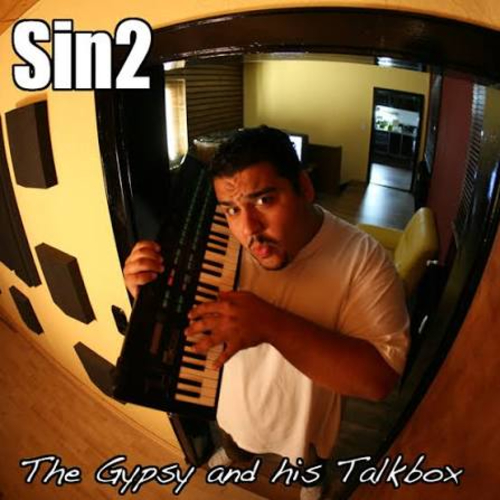
確認できる配信情報では、同作は2011年9月5日にリリースされた全6曲の作品で、「Pop Or Die」は4曲目に収録されている。
基本情報
- アーティスト:Sin2
- 曲名:Pop Or Die
- 収録作品:The Gypsy and His Talkbox
- 配信リリース日:2011年9月5日
- 収録位置:4曲目
- 演奏時間:約3分45秒
- 活動地域:ドイツ
- 音楽性:Electro Funk / Popping Funk / Talkbox Funk
- 配信クレジット:Sena Music Group / Sin2
- プロデューサー:個別の制作クレジットは未確認
同作には「I Wanna Boogaloo」「Battlefunk」「I Play the Talkbox」「Mystic Nights」といった楽曲も収録されている。
これらのタイトルからも、トークボックスとダンスカルチャーを重要なテーマとしていることがうかがえる。
特に「Pop Or Die」というタイトルは、ストリートダンスの一種であるポッピングを強く連想させる。
ポッピングは、筋肉を瞬間的に収縮・弛緩させることで、身体が弾けるような動きを表現するダンススタイルだ。
そのため、ポッピング向けの音楽では、ビートの輪郭、ベースのアクセント、電子音の変化が重要な役割を果たす。
本作も、こうしたダンスの特徴と非常に相性のよい構造を持っている。
第一印象
イントロから漂うのは、どこか未来的でありながら、昔ながらのファンクの温かさも感じさせる独特の空気だ。
低く加工された男性の声が登場し、電子的な演出とともに楽曲が始まる。
その直後、太く丸みのあるベースと、輪郭のはっきりしたドラムがグルーヴを形成していく。
最初に耳を奪われるのは、何といってもベースの存在感だ。
低音域を支えるだけではなく、細かく音程を変えながら跳ねるように動き、曲全体に独特の弾力を与えている。
その上を滑るように流れる柔らかなボーカルも印象的だ。
力強く歌い上げるのではなく、少し浮遊感を持たせた歌声が、無機質になりがちな電子ファンクに人間的な温かさを加えている。
そして、楽曲が進むにつれて存在感を増すのが、細かく変化する電子音と声の掛け合いだ。
ロボットのような声、短い掛け声、リズミカルに反復するフレーズが、まるでダンサーの動きに合わせて反応しているように聴こえる。
一見するとシンプルな構成だが、音の配置と反復の巧みさによって、最後まで飽きさせない。
派手な展開よりも、グルーヴそのものを楽しませることに重点を置いた、非常にファンキーな一曲である。
サウンド分析
ドラム
本作のリズムを支えているのは、輪郭の明確な電子ドラムだ。
キックは低音に厚みを持たせながらも、余韻を必要以上に引き延ばさず、タイトな響きに仕上げられている。
一方、スネアやクラップは乾いた質感が強く、ビートの中心をはっきりと示している。
このキックとクラップの組み合わせが、曲全体に力強いバックビートを生み出している。
特に興味深いのは、単純なリズムパターンを繰り返しているように聴こえながら、細かなパーカッションやアクセントによって微妙な変化を加えている点だ。
短い電子的な打撃音がリズムの隙間に入り込み、ベースと呼応することで独特の跳ね方を生み出している。
こうした音の配置は、ポッピングのヒットやストップといった動きを際立たせるのに適している。
また、ドラムの音色には1980年代のエレクトロ・ファンクを思わせる硬質さがある。
生ドラムの自然な揺れよりも、機械的な正確さと明確なアタックを優先したサウンドだ。
しかし、決して冷たい印象にはならない。
ベースの柔らかな動きと組み合わさることで、電子的でありながら人間味のあるグルーヴを生み出している。
ベース
「Pop Or Die」の最大の聴きどころのひとつが、このベースラインだ。
低く太いシンセベースが曲の土台を支えながら、細かく音程を変化させ、弾むような動きを繰り返している。
特徴的なのは、単に低音を伸ばすのではなく、短い音と滑らかな音程変化を組み合わせていることだ。
音の立ち上がりには丸みがありながら、輪郭は明確で、キックと重なった瞬間に強い推進力を生み出す。
ところどころで聴こえる、音程が滑るように変化するフレーズも非常に魅力的だ。
こうした動きは、ZappやRoger Troutmanに代表されるシンセ・ファンクのベース表現を思わせる。
ただし、本作のベースは、G-Funkに多いゆったりとした低音のうねりとは少し異なる。
より細かく跳ね、ダンスの動作に直接結びつくようなリズミカルな構造を持っている。
ベースが前に出る部分と、あえて音数を減らす部分の対比も巧みだ。
音が途切れる瞬間に生まれる空間が、次のキックやベースの一音をより印象的に聴かせている。
この「音を鳴らさない時間」の使い方こそ、本作のファンクらしさを支える重要な要素だろう。
シンセ・メロディ
シンセサイザーの使い方も、本作の大きな魅力となっている。
高音域には、細く明るい電子音が配置され、低音域の太いベースと鮮やかなコントラストを形成している。
メロディは必要以上に複雑ではなく、短いフレーズを繰り返すことで、楽曲のリズム感を強調している。
また、背景には柔らかなコード感を持つ音が薄く広がり、無機質なビートに温かさを加えている。
この高音域と低音域の組み合わせが、曲全体に独特の立体感を与えている。
特に印象的なのは、電子音が単なる伴奏ではなく、リズムの一部として機能していることだ。
短く切られたシンセの音が、クラップやベースの隙間に入り込むことで、細かなアクセントを生み出している。
さらに、声のように揺れる電子的なフレーズが加わることで、楽曲には独特の遊び心が生まれる。
このあたりの音作りには、クラシックなエレクトロ・ファンクと、トークボックス文化の美学が色濃く感じられる。
ミックス・グルーヴ
ミックス面で特に印象的なのは、低音と高音の役割が明確に分かれていることだ。
キックとベースは中央付近で力強くまとまり、グルーヴの中心を形成している。
一方、シンセの装飾音やボーカルの残響は、その周囲に広がるように配置されている。
そのため、低音にはしっかりとした重量感がありながら、楽曲全体が重くなりすぎない。
クラップのアタックも明瞭で、ベースの動きに埋もれることなく聴こえてくる。
また、ボーカルには空間的な広がりが感じられ、ドラムの乾いた響きとの対比が生まれている。
この組み合わせによって、リズムは前に出ながらも、メロディには柔らかな浮遊感が残る。
グルーヴそのものは、G-Funkのゆったりした横揺れというよりも、身体を細かく弾ませるような感覚に近い。
一定のテンポを保ちながら、ベースや電子音の細かなアクセントによって、リズムが生き物のように動いていく。
音数を増やしすぎず、それぞれの音が明確な役割を持っている点も見逃せない。
派手な音圧で押し切るのではなく、リズムの隙間と音色の変化によって身体を動かしたくさせる。
まさにファンクの基本的な魅力を大切にしたミックスといえる。
ラップ/ボーカル分析
本作は、一般的なヒップホップのようにラップを中心として展開する楽曲ではない。
むしろ、歌声、加工された声、短い掛け声を組み合わせることで、ファンク特有のリズミカルなボーカル表現を作り上げている。
イントロでは、低く加工された男性の声が登場する。
その響きにはロボット的な質感があり、これから始まる電子ファンクの世界観を印象づけている。
一方、メインとなる歌声は非常に柔らかい。
高音域を滑らかに移動しながら、力を抜いた歌唱でメロディを運んでいく。
この歌声が、太いベースと硬質なドラムの間に絶妙な温かさを加えている。
特に印象的なのは、言葉を明確に歌う部分と、意味を持たない音節をリズミカルに発する部分の使い分けだ。
後者はスキャットに近い表現であり、声そのものを楽器として扱っているように感じられる。
さらに、ロボット的な声や加工されたフレーズが挿入されることで、ボーカルの表情は一段と豊かになる。
Sin2がトークボックス奏者として知られていることを踏まえると、こうした電子的な声の表現は彼の音楽性を理解する重要なポイントだ。
歌詞・テーマ
「Pop Or Die」というタイトルは、直訳すると「ポップするか、死ぬか」という強烈な表現になる。
しかし、楽曲の内容から考えると、ここでの「Pop」はポップミュージックではなく、ストリートダンスのポッピングを指していると解釈するのが自然だ。
つまり、タイトルはダンスに対する強い情熱や、踊ることへの徹底した姿勢を表したものと考えられる。
歌詞には、ダンスフロアで身体を動かすことや、周囲の人々を巻き込むような表現が登場する。
さらに後半では、ロボット、コブラ、ブーガルーなど、ダンスの動きやスタイルを連想させる言葉が次々と現れる。
特に「ロボット」の動きを示すフレーズは、楽曲の電子的なサウンドと非常によく結びついている。
機械的な声とリズムに合わせて身体を動かすという構図そのものが、ポッピングの世界観を音楽として表現しているように感じられる。
また、コブラやブーガルーといった言葉も、ストリートダンス文化との関係を強く印象づける。
ここで重要なのは、本作が単にダンスを題材にした曲ではないという点だ。
歌詞の内容、ボーカルの加工、ベースのアクセント、ドラムのリズムが、すべてダンスという共通のテーマに向かって組み立てられている。
音楽を聴くことと身体を動かすことが、自然に結びつく構成になっているのである。
サンプリング&トラックメイキング
現時点で、「Pop Or Die」に使用された具体的なサンプリング元について、確定できる情報は確認できていない。
そのため、特定の楽曲を引用していると断定することは避けたい。
ただし、音楽的な影響という観点では、ZappやRoger Troutmanに代表されるエレクトロ・ファンクとの共通点が感じられる。
特に、弾力のあるシンセベース、ロボット的なボーカル表現、短い電子音を組み合わせたグルーヴには、クラシックなファンクの美学が息づいている。
トラックメイキングで注目したいのは、リズムを中心に据えた構成だ。
ドラムとベースが基本的なパターンを維持しながら、ボーカルや電子音が入れ替わることで、楽曲に変化を与えている。
一般的なポップスのように大きなコード展開や劇的なサビを用意するのではなく、同じグルーヴを繰り返すこと自体を魅力に変えている。
特に、ベースを一瞬止めたり、声だけを残したりする部分が効果的だ。
こうした細かな抜き差しによって、リズムのアクセントが強調され、ダンサーが動きを合わせやすい空間が生まれる。
また、メロディの装飾を必要最小限に抑えることで、ベースの細かな動きがより鮮明に聴こえる。
単純なループを繰り返しているようで、実際には音の密度や組み合わせを変えながら、グルーヴを維持している。
この反復と変化のバランスこそ、本作のトラックメイキングにおける大きな魅力だ。
トリビア/制作メモ
「Pop Or Die」を理解するうえで興味深いのが、Sin2の作品とポッピング・カルチャーとの結びつきだ。
日本のトークボックス専門店Bounce Cityでは、『The Gypsy and His Talkbox』について、ポッピング・ダンサーを意識した音作りであることが紹介されている。
これは、実際に楽曲を聴いた印象ともよく一致する。
また、「Pop Or Die」は2010年に公開されたポッピング向け音楽のアーカイブにも掲載されている。
このことから、少なくとも2010年頃にはダンス向けの音源として紹介されていたことがわかる。
一方、現在確認できる『The Gypsy and His Talkbox』の配信日付は2011年9月5日である。
そのため、2011年を楽曲の初制作年や初公開年と断定することはできない。
もうひとつ注目したいのが、作品タイトルに含まれる「Talkbox」という言葉である。
『The Gypsy and His Talkbox』というタイトルからも、Sin2にとってトークボックスが重要な音楽的アイデンティティであることが伝わってくる。
その一方で、本作はトークボックスの演奏技術だけを聴かせる作品ではない。
ファンクのリズム、シンセベースの音作り、ダンスに適した構成など、トラック全体の完成度にも重点が置かれている。
トークボックス文化とストリートダンス文化が交差する作品として、非常に興味深い一曲だ。
エディターズノート
Sin2の「Pop Or Die」は、ファンクという音楽が持つ身体的な魅力を、改めて感じさせてくれる一曲だ。
太く弾むシンセベース、乾いたクラップ、軽快な電子音、そして柔らかな歌声。
それぞれの要素は決して複雑ではないが、絶妙なバランスで組み合わされることで、独特のグルーヴを生み出している。
特に魅力的なのは、電子的なサウンドでありながら、どこか温かく親しみやすい空気を持っていることだ。
機械的な正確さを持つビートと、人間的な柔らかさを感じさせるボーカル。
その対比が、本作を単なるダンス用トラック以上の存在にしている。
ZappやRoger Troutmanのファンクを好むリスナーであれば、シンセベースや電子的な声の響きに親しみを感じるだろう。
また、G-Funkを普段から聴いている人にとっても、そのルーツにあるエレクトロ・ファンクの魅力を再発見できる作品だと思う。
ただし、本作の中心にあるのは、ウェストコースト・ラップ特有の重厚な空気ではない。
もっと直接的に身体を動かすことを意識した、ポッピング・ファンクならではの軽快さと弾力である。
ベースが跳ね、クラップが鳴り、電子音が細かく動く。
その繰り返しが、いつの間にか聴き手の身体を揺らしている。
「Pop Or Die」は、そんなファンクの原始的な楽しさと、電子音楽ならではの遊び心が共存した作品だ。
トークボックス・ファンクが好きな人はもちろん、Zapp系のサウンドや洗練されたエレクトロ・ファンクを探している人にも、ぜひ聴いてほしい一曲である。
Sin2 – Pop Or Die | A Bouncy Electro-Funk Groove Built for Popping
The appeal of Funk music goes far beyond simply enjoying a good rhythm. Its true essence lies in grooves that naturally make the body move, the distinctive textures created by electronic sounds, and those moments when music and dance become one.
“Pop Or Die,” by Germany-based talkbox artist Sin2, vividly captures these qualities.
A bouncing synth bassline, hard-hitting drums, playful electronic sounds, and smooth vocals come together without any single element becoming overpowering, creating an irresistible groove designed to inspire movement.
What makes the track particularly interesting is the way it draws on the electronic Funk textures associated with Zapp and Roger Troutman while maintaining a strong connection to the dance culture of popping.
Rather than placing elaborate melodies at the forefront, the track draws listeners in through the subtle interaction between bass and drums, carefully placed rhythmic spaces, and repeating musical phrases.
In this review, we’ll explore the appeal of “Pop Or Die” in detail, from its background and sound construction to its vocal expressions and relationship with street dance culture.
Artist Introduction
Sin2 is a Germany-based talkbox player and Funk artist.
The Japanese talkbox specialty store Bounce City has also introduced him as a talkbox artist active in Germany, highlighting his musical approach aimed particularly at popping dancers.
To understand his sound, it is important to consider the legacy of 1980s Electro-Funk and the Talkbox Funk pioneered by artists such as Zapp and Roger Troutman.
A talkbox is a device that allows musicians to shape an instrument’s sound through movements of the mouth, producing distinctive, voice-like tones.
Roger Troutman was one of the most influential figures in popularizing this technique within Funk and R&B, and his work would later have a major influence on G-Funk.
Sin2’s music reflects a similar approach, combining electronically shaped vocal expressions with rhythms designed to move the body.
However, his appeal goes beyond simply recreating classic Funk.
By combining modern synthesizer-based production with clearly defined rhythmic structures suited to dancing, he presents traditional Funk influences through a contemporary perspective.
“Pop Or Die” is a particularly interesting example of this musical identity.
Background
“Pop Or Die” appears on Sin2’s release The Gypsy and His Talkbox.
According to available digital release information, the project was released on September 5, 2011, contains six tracks, and features “Pop Or Die” as its fourth track.
Basic Information
- Artist: Sin2
- Track: Pop Or Die
- Release: The Gypsy and His Talkbox
- Digital release date: September 5, 2011
- Track position: 4
- Duration: Approximately 3 minutes and 45 seconds
- Region: Germany
- Musical styles: Electro-Funk / Popping Funk / Talkbox Funk
- Digital release credits: Sena Music Group / Sin2
- Producer: Individual production credits remain unconfirmed
The release also includes tracks such as “I Wanna Boogaloo,” “Battlefunk,” “I Play the Talkbox,” and “Mystic Nights.”
Even these titles suggest that talkbox music and dance culture are central themes throughout the project.
The title “Pop Or Die,” in particular, strongly evokes popping, a form of street dance.
Popping involves rapidly contracting and relaxing muscles to create sharp, popping movements throughout the body.
For this reason, music intended for popping places particular importance on clearly defined beats, bass accents, and variations in electronic sounds.
“Pop Or Die” has a musical structure that complements these movements exceptionally well.
First Impression
From the introduction, the track establishes a distinctive atmosphere that feels futuristic while retaining the warmth of classic Funk.
A deep, electronically processed male voice appears first, introducing the song with a robotic character.
Shortly afterward, a thick, rounded bassline and clearly defined drums begin establishing the groove.
The bass immediately becomes the main attraction.
Rather than simply supporting the low frequencies, it moves through small pitch changes and bouncing phrases, giving the entire track a distinctive elasticity.
The smooth vocals floating above the rhythm are equally memorable.
Instead of relying on powerful, dramatic singing, the relaxed vocal delivery adds a human warmth to what might otherwise feel like a mechanical Electro-Funk production.
As the song progresses, the interplay between electronic sounds and vocal phrases becomes increasingly prominent.
Robotic voices, short shouts, and repeated rhythmic expressions seem almost to respond directly to the movements of a dancer.
Although the arrangement initially appears simple, the careful placement and repetition of its elements keep the listener engaged throughout.
This is a deeply funky recording that prioritizes the groove itself over dramatic musical developments.
Sound Analysis
Drums
The rhythmic foundation of “Pop Or Die” is built around sharply defined electronic drums.
The kick carries substantial low-frequency weight without excessive sustain, giving it a tight, controlled character.
Meanwhile, the snare and clap sounds have a distinctly dry texture, clearly establishing the center of the beat.
Together, the kick and clap create a strong backbeat that drives the entire track.
One particularly interesting detail is how the rhythm seems simple and repetitive at first, yet subtle percussion accents introduce small variations.
Short electronic hits fill the spaces between the main drum sounds, interacting with the bass to produce a distinctive bouncing groove.
This arrangement is especially effective for emphasizing popping movements such as hits and stops.
The drum tones also have a hardness reminiscent of 1980s Electro-Funk.
Rather than emphasizing the natural looseness of live drumming, the production favors mechanical precision and clearly defined attacks.
However, the result never feels excessively cold.
When combined with the softer movement of the bassline, these electronic drums create a groove that feels both mechanical and human.
Bass
One of the greatest attractions of “Pop Or Die” is its bassline.
A thick, low synth bass anchors the track while repeatedly changing pitch through short, bouncing phrases.
Rather than simply sustaining low notes, the bass combines short attacks with smooth pitch movements.
Its attack has a rounded quality, yet each note remains clearly defined, generating strong rhythmic momentum whenever it connects with the kick.
The occasional sliding pitch movements are particularly appealing.
These phrases recall the synthesizer-based Funk bass expressions associated with Zapp and Roger Troutman.
However, the bass in this recording differs somewhat from the slower, rolling low-end grooves commonly found in G-Funk.
It moves more rapidly and has a rhythmic structure that seems directly connected to the physical movements of dancing.
The contrast between sections where the bass becomes more prominent and moments where fewer notes are played is also highly effective.
The brief spaces created when the bass stops make the next kick or bass note feel even more powerful.
This use of silence is one of the essential elements supporting the track’s Funk character.
Synths & Melody
The synthesizer arrangements are another major attraction.
Thin, bright electronic tones occupy the higher frequencies, creating a vivid contrast with the thick bass below.
The melodies are deliberately uncomplicated, using short repeated phrases to reinforce the rhythmic character of the track.
Soft harmonic textures also spread subtly through the background, adding warmth to the otherwise mechanical beat.
This combination of high and low frequencies gives the recording a distinctive sense of depth.
What stands out most is how the electronic sounds function not merely as accompaniment but as part of the rhythm itself.
Short synthesizer notes appear between the claps and bass accents, creating additional rhythmic details.
Voice-like electronic phrases introduce another layer of playful expression.
These production choices strongly reflect the aesthetics of classic Electro-Funk and talkbox culture.
Mix & Groove
One of the most noticeable characteristics of the mix is the clear separation between the roles of the low and high frequencies.
The kick and bass form a powerful foundation near the center of the soundstage.
Meanwhile, decorative synthesizer sounds and vocal reverberation spread around them.
As a result, the low end maintains substantial weight without making the overall recording feel excessively heavy.
The clap attacks remain clear and distinct, never disappearing beneath the movement of the bass.
The vocals also have a sense of spatial width, creating an interesting contrast with the dry drum sounds.
This combination allows the rhythm to remain prominent while the melodic elements retain a soft, floating quality.
The groove feels less like the relaxed sideways sway of traditional G-Funk and more like a rhythm that encourages sharp, repeated body movements.
While maintaining a steady tempo, the bass and electronic accents continually introduce subtle variations, making the rhythm feel almost alive.
Another important detail is that the arrangement never becomes unnecessarily crowded.
Each sound has a clearly defined role.
Rather than relying on overwhelming volume or density, the track encourages movement through rhythmic space and changes in texture.
It is a mix that respects the fundamental pleasures of Funk music.
Rap / Vocal Analysis
Unlike conventional Hip-Hop, “Pop Or Die” is not structured around extended rap verses.
Instead, it combines singing, electronically processed voices, and short vocal shouts to create a rhythmic vocal approach closely associated with Funk.
The introduction features a deep, processed male voice.
Its robotic character immediately establishes the electronic atmosphere of the recording.
In contrast, the main singing is remarkably smooth.
The voice moves gently through the higher register, carrying the melody with a relaxed delivery.
This vocal warmth creates an effective balance against the heavy bass and hard-edged drums.
One particularly interesting aspect is the contrast between clearly sung words and rhythmic passages built around non-lexical syllables.
The latter resemble scat singing, treating the human voice almost like another musical instrument.
The addition of robotic voices and processed vocal phrases makes the arrangement even more expressive.
Considering Sin2’s background as a talkbox performer, these electronic vocal textures are an important part of understanding his musical identity.
Lyrics & Themes
The title “Pop Or Die” translates into an intentionally extreme expression.
However, within the context of the song, “Pop” is most naturally understood as a reference to the street dance style of popping rather than Pop music.
The title can therefore be interpreted as an expression of intense dedication to dancing.
The lyrics include references to moving on the dance floor and encouraging others to participate.
Later in the track, words associated with dance movements and styles appear, including robot, cobra, and boogaloo.
The references to robotic movements are especially effective because they connect directly with the electronic character of the instrumental.
The combination of mechanical voices and precisely articulated rhythms evokes the visual world of popping.
References to cobra and boogaloo further emphasize the song’s connection to street dance culture.
Importantly, this is not simply a recording that happens to mention dancing.
The lyrics, processed vocals, bass accents, and drum patterns all work toward the same central theme.
Listening to the music and physically moving to it become naturally connected experiences.
Sampling & Trackmaking
At present, no specific sampling source used in “Pop Or Die” has been conclusively identified.
For that reason, it would be inappropriate to claim that the track directly samples a particular recording.
However, its musical influences clearly suggest connections to the Electro-Funk traditions associated with Zapp and Roger Troutman.
The elastic synth bass, robotic vocal textures, and rhythmic combinations of short electronic sounds all reflect the aesthetics of classic Funk.
One of the most important aspects of the trackmaking is its rhythm-centered construction.
The drums and bass maintain the fundamental groove while vocal phrases and electronic details enter and disappear, creating subtle variation.
Rather than using dramatic chord changes or a conventional Pop chorus, the production turns the repetition of a consistent groove into its primary attraction.
Brief moments where the bass drops out or only the vocals remain are particularly effective.
These small changes emphasize rhythmic accents and create spaces where dancers can synchronize their movements.
The restrained use of melodic decoration also allows the bassline’s detailed movement to stand out more clearly.
Although the track may initially sound like a straightforward repeating loop, its arrangement continually changes the density and combinations of sounds while preserving the groove.
This balance between repetition and variation is one of its strongest production qualities.
Trivia & Production Notes
One particularly interesting aspect of “Pop Or Die” is its connection to popping culture.
The Japanese talkbox specialty store Bounce City has described The Gypsy and His Talkbox as a release with production aimed at popping dancers.
This description closely matches the musical characteristics heard throughout the track.
“Pop Or Die” also appeared in a popping-oriented music archive published in 2010.
This suggests that the recording was already being introduced to dancers by around that time.
However, the currently available digital release date for The Gypsy and His Talkbox is September 5, 2011.
Therefore, it would be inaccurate to assume that 2011 was necessarily the year when the song was first recorded or publicly released.
Another interesting detail is the use of the word “Talkbox” in the project title.
The Gypsy and His Talkbox clearly emphasizes the instrument as an important part of Sin2’s musical identity.
At the same time, “Pop Or Die” is not simply a showcase for talkbox technique.
Its appeal also comes from the quality of its Funk rhythms, synth bass production, and dance-oriented arrangement.
As a recording situated at the intersection of talkbox music and street dance culture, it is a particularly fascinating piece of Electro-Funk.
Editor’s Note
Sin2’s “Pop Or Die” is a track that reminds listeners of the physical pleasure at the heart of Funk music.
A thick, bouncing synth bassline, dry claps, playful electronic sounds, and smooth vocals.
None of these elements is particularly complicated on its own, yet their carefully balanced combination creates a distinctive and irresistible groove.
What makes the recording especially appealing is the warmth and accessibility it maintains despite its heavily electronic sound.
The mechanically precise beat contrasts beautifully with the human softness of the vocals.
This combination gives the track an identity beyond that of a simple dance instrumental.
Listeners who enjoy Zapp and Roger Troutman will likely find the synth bass and electronically shaped vocal textures immediately familiar.
Those who regularly listen to G-Funk may also discover a renewed appreciation for the Electro-Funk traditions that helped shape the genre.
However, the central focus of this recording is not the heavy, laid-back atmosphere commonly associated with West Coast Rap.
Instead, it emphasizes the lightness, elasticity, and sharply articulated rhythms of Popping Funk, designed to inspire immediate physical movement.
The bass bounces, the claps hit, and the electronic sounds dance around the beat.
Through repetition, the groove gradually takes control of the listener’s body.
“Pop Or Die” captures both the fundamental joy of Funk and the playful possibilities of electronic music.
For fans of Talkbox Funk, Zapp-inspired sounds, and sophisticated Electro-Funk, this is a track well worth hearing.
コメント