「One, Two, Three, Four――Get With The Wicked!」
このカウントが飛び出した瞬間、曲の目的はほとんど決まっている。
Richard Blackwood「1,2,3,4 – Get With The Wicked」は、約108 BPMの跳ねたヒップホップ・ビート、太く弾むベース、ファンキーなギター/鍵盤系のアクセント、そして観客を巻き込むコール&レスポンスを組み合わせた2000年のUKパーティー・ラップ。
Richard Blackwoodだけで押し切るのではなく、Deetahの鋭い女性ラップを途中から投入し、さらに複数の声を重ねることで、まるでクラブのステージ上で次々とマイクが渡されていくような賑やかさを作っている。
派手なのに重くない。
ポップなのに、ビートにはしっかりファンクが残る。
2000年前後のUKアーバン・サウンド特有の開放感を凝縮した一曲だ。
アーティスト紹介
Richard Blackwoodは、ロンドン出身の俳優、コメディアン、テレビ・パーソナリティ、そしてラッパー/シンガー。
音楽だけを活動の中心にしてきたラッパーとは異なり、テレビやコメディの世界で培ったショーマンとしてのキャラクターを、そのままヒップホップへ持ち込んだタイプのアーティストだ。
そのためラップにも、内省的な雰囲気やストリートの緊張感より、
「観客を盛り上げる」
「自分の存在感を見せる」
「場を仕切る」
というMC的な性格が強い。
「1,2,3,4 – Get With The Wicked」は、そんなRichard Blackwoodの特徴が非常に分かりやすく表れた曲と言える。
作品背景
「1,2,3,4 – Get With The Wicked」は2000年にリリースされたシングルで、
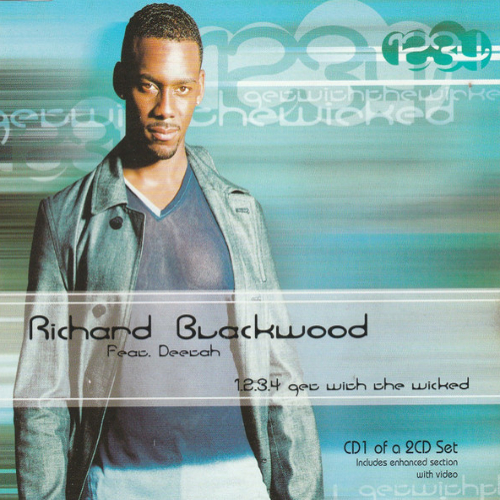
Richard Blackwoodのデビュー・アルバム『You’ll Love to Hate This』にも収録。
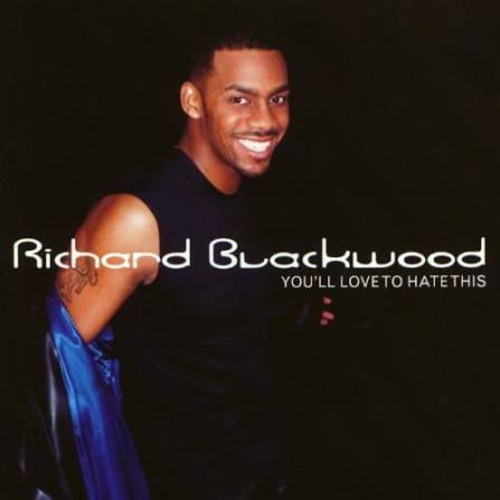
UK Singles Chartでは最高10位を記録しており、Richard Blackwoodの音楽キャリアを代表するヒット曲のひとつとなった。
日本ではアルバムが**『ラヴ・トゥ・ヘイト』の邦題で国内盤CD化され、2000年12月13日に発売。品番はAMCE-7218で、本曲は2曲目に「1234ゲット・ウィズ・ザ・ウィキッド」**の日本語表記で収録されている。UKでのヒットを受け、日本でもRichard Blackwoodのデビュー作として正式に紹介された作品だった。
そして音源を聴くうえで重要なのが、Deetahの存在。
中盤から登場する彼女のラップは単なる短いゲスト参加ではなく、曲のキャラクターを大きく変えるほど存在感が強い。
Richard Blackwoodの陽気でショーマン的なラップに対して、Deetahはよりタイトで攻撃的。
この男女MCのコントラストが、単調になりやすいパーティー・ラップへ変化を与えている。
第一印象
まず耳に残るのは、当然ながら
「One, Two, Three, Four」
というカウント。
しかし実際に音源を通して聴くと、本当に面白いのはその後だ。
「Get With The Wicked」に続いて「Can I get a…」と問いかけ、別の声が反応する。
つまりフックそのものが、最初からコール&レスポンスとして作られている。
リスナーは曲を外側から眺めるのではなく、いつの間にか掛け声へ参加する側へ引き込まれる。
そして、その下ではファンキーなベースとビートが絶えず跳ね続ける。
印象としては「激しい」というより、
陽気、ファンキー、騒がしい、そして身体が自然に動く。
これがこの曲の本質だろう。
サウンド分析
ドラム
テンポは音源解析で約108 BPM。
ヒップホップとしてはミドルテンポだが、実際には数字以上に軽快に感じる。
理由は、ドラムが重たいキックを引きずるタイプではなく、スネアを明確に立てながら細かなリズムを前へ押し出しているからだ。
キックは低域を占領するほど巨大ではない。
むしろベースと役割を分担し、リズムの輪郭を作る。
その上でスネアがパシッと抜けるため、全体に乾いた跳ねが生まれている。
ブーンバップ的な「首を縦に振らせる重さ」というより、
腰と肩を左右に動かしたくなるクラブ寄りのグルーヴ。
フックに入ると掛け声そのものもリズム楽器のように機能するため、ビート単体以上に躍動感が増していく。
ベース
この曲で意外に重要なのがベース。
低域に沈み込むサブベースではなく、輪郭のあるファンキーなベースラインが曲を引っ張っている。
フレーズ自体を極端に複雑にはせず、ドラムの隙間を埋めるように動くことで、独特の弾力を作っている。
特にフックでは、
カウント → 掛け声 → ベース → ドラム
が一体になり、ひとつの巨大なリズム・パターンのように聞こえる。
このベースがあるからこそ、ポップなフックを何度繰り返しても曲が軽薄になりすぎない。
底にはしっかりとファンクがある。
シンセ・メロディ
この曲はシンセのメロディを前面へ押し出すタイプではない。
むしろ特徴的なのは、短いギター/鍵盤系のファンキーなフレーズや電子音を隙間へ差し込むアレンジ。
長い旋律を聴かせるのではなく、
声が止まる
↓
楽器が返す
↓
ラップが入る
↓
別の声が割り込む
という会話のような構造になっている。
そのため楽器だけを追うより、ボーカルを含めた全体がひとつのファンク・アンサンブルになっていると考えた方が分かりやすい。
「One, Two, Three, Four」という声すら、この曲ではメロディとリズムの一部なのだ。
ミックス・グルーヴ
ミックスはかなりボーカル中心。
Richard Blackwood、Deetah、フックの掛け声、バック・ボーカルが次々と前へ出てくる。
しかし低域を必要以上に膨らませていないため、声が増えても濁りにくい。
そして面白いのが左右・奥行きを使った声の配置。
メイン・ラップの後ろから別の声が飛び込み、アドリブが重なり、フックでは複数の声が一気に広がる。
結果として、
「スタジオ録音を聴いている」というより「ステージの前にいる」
ような感覚が生まれている。
このライブ感こそ、この曲のミックスにおける最大の特徴だ。
ラップ/ボーカル分析
Richard Blackwoodのラップは、技巧を過剰に誇示するスタイルではない。
声を強く前へ出し、言葉を明確に区切りながら、ビートの上を余裕を持って進むタイプ。
本人も「still laid back」とラップしているが、その言葉通り、ビートに対して少し後ろへ体重を乗せるような感覚がある。
一方、Deetahが入ると空気が変わる。
彼女はRichard Blackwoodよりも音節を細かく詰め込み、タイトで鋭いフロウを見せる。
さらに英語だけでなくスペイン語的な言葉遣いも混ぜながら、リズムを細かく切っていく。
この対比が面白い。
Richard Blackwood=大きな身振りで場を仕切るMC
Deetah=細かいフロウでビートを切り刻むラッパー
という関係になっている。
後半では二人の声が短い単位で交差し、単純な「1ヴァースずつ担当するゲスト曲」から、より掛け合いの強い構成へ変化する。
そしてフックでは、歌唱力を見せるというより、
「Can I get a…?」
という問いかけに声を返すこと自体が重要。
ここではボーカルがメロディではなく、完全に観客を煽る装置として機能している。
歌詞・テーマ
テーマは非常にシンプル。
Richard Blackwood自身のMCとしての自信、パーティー、男女への呼びかけ、そしてその場を楽しむこと。
深いストーリーを語る曲ではない。
むしろ歌詞の目的は、
「こちらへ来い」
「声を出せ」
「身体を動かせ」
という空間作りにある。
象徴的なのが、
「One, Two, Three, Four / Get With The Wicked」
というフック。
普通なら曲へ入る前のカウントとして使われる「1、2、3、4」を、そのまま曲最大のキャッチコピーへ変えている。
さらに「Chicks」「Fellas」と男女それぞれへ呼びかけることで、クラブ全体を巻き込んでいく。
Deetahのヴァースでも、自信に満ちた自己表現やフロアを支配する姿勢が中心。
Richard BlackwoodとDeetahの両者が、別々の角度から
「自分がこの場を動かしている」
と宣言する構造になっている。
トリビア
「1,2,3,4 – Get With The Wicked」は2000年にシングルとしてリリースされ、UK Singles Chartで最高10位を記録。
Richard Blackwoodはその直前の「Mama – Who Da Man?」でもUKチャート最高3位を記録しており、当時はテレビ・パーソナリティという枠を越えて、音楽チャートでも大きな存在感を示していた。
また本曲が収録されたアルバム『You’ll Love to Hate This』は、Richard Blackwoodのキャラクターを軸に、ヒップホップ、R&B、ポップを横断した作品。
その中でも本曲は、特にクラブ/パーティー方向へ振り切ったナンバーとして位置づけられる。
制作メモ
実際の音源から感じるジャンル感は、
UK Hip Hop / Pop Rap / Funk / Dancehall / Urban Pop
あたり。
ただし、単純に「2000年代初頭のポップ・ラップ」と片付けると、この曲の面白さをかなり取りこぼす。
ポイントは、ファンク由来のベースとリズム感、ダンスホール的な煽り、ヒップホップのラップ、ポップなフックを全部コール&レスポンスで結び付けていること。
構成も巧い。
冒頭からいきなり代表的なフックを提示し、
フック → Richard Blackwood → フック → Deetah → フック → 掛け合い → フック
と進む。
後半になるほどヴァースそのものより「声の掛け合い」の比率が高まり、最後は再び「1,2,3,4」と「RB runs the show」を何度も反復。
新しいメロディを追加してクライマックスを作るのではなく、最初から覚えさせた言葉を何度も返すことで熱量を上げていく。
非常にパーティー・レコードらしい構成だ。
総評
Richard Blackwood「1,2,3,4 – Get With The Wicked」は、2000年前後のUKアーバン・ミュージックが持っていた明るさ、ファンク、ヒップホップ、クラブ感覚を約3分36秒へ凝縮した一曲。
約108 BPMの跳ねたビート。
弾力のあるベース。
短く差し込まれるファンキーな楽器。
Richard Blackwoodの余裕あるラップ。
Deetahの鋭いフロウ。
そして何度も繰り返される、
「One, Two, Three, Four――Get With The Wicked」
という強烈なフック。
最大の魅力は、どれかひとつの要素が突出していることではない。
ラップ、ベース、ドラム、掛け声、アドリブまで、すべてを「人を動かす」というひとつの目的へ向けていること。
Richard Blackwoodはこの曲で、ただラップしているのではない。
曲そのものをステージに変え、Deetahや周囲の声、そして最終的には聴き手まで巻き込みながらショーを進めていく。
だからこそ繰り返される「RB runs the show」という言葉が、この曲の本質を最も簡潔に表している。
ファンキーなビートに乗せて、最初の「1,2,3,4」から最後までフロアを離さない――UKパーティー・ラップの陽気な一撃だ。
今回ご紹介の楽曲の購入はこちらからどうぞ
Richard Blackwood – 1,2,3,4 – Get With The Wicked | Funky UK Party Rap That Runs the Show
“One, Two, Three, Four — Get With The Wicked!”
The moment that count bursts through the speakers, the purpose of the track becomes immediately clear.
Richard Blackwood’s “1,2,3,4 – Get With The Wicked” is a 2000 UK party-rap track built around a bouncing Hip-Hop beat at approximately 108 BPM, thick funky bass, sharp guitar and keyboard accents, and crowd-energizing call-and-response vocals.
Rather than carrying the entire track alone, Blackwood brings in Deetah’s sharp female rap delivery, while multiple voices overlap throughout the arrangement.
The result feels like a live club performance where the microphone keeps passing from one performer to another.
Loud, but never excessively heavy.
Pop-friendly, yet firmly rooted in Funk.
It captures the open, energetic atmosphere of UK urban music around the turn of the millennium.
Artist Introduction
Richard Blackwood is a London-born actor, comedian, television personality, rapper, and singer.
Unlike artists who built their careers exclusively around music, Blackwood brought the personality of a natural showman from television and comedy directly into Hip-Hop.
As a result, his rap style is less concerned with introspection or street tension and more focused on three things:
Getting the crowd excited.
Making his presence felt.
Taking control of the room.
“1,2,3,4 – Get With The Wicked” is one of the clearest examples of that approach.
Blackwood is not simply performing over a beat.
He is hosting the entire experience.
Background
“1,2,3,4 – Get With The Wicked” was released as a single in 2000.
The song also appeared on Richard Blackwood’s debut album, You’ll Love to Hate This.
The single reached No. 10 on the UK Singles Chart, becoming one of the defining hits of Blackwood’s recording career.
Another essential part of the song is Deetah.
Her appearance midway through the track is much more than a brief guest contribution.
Her delivery changes the character of the record.
Where Blackwood sounds playful, confident, and theatrical, Deetah is tighter and more aggressive.
That contrast between the two MCs prevents the party-rap formula from becoming repetitive.
It gives the track a genuine sense of movement.
First Impression
Naturally, the first thing that stays in your head is:
“One, Two, Three, Four.”
But listening to the full recording reveals that the most interesting part comes immediately afterward.
Following “Get With The Wicked,” Blackwood calls out:
“Can I get a…?”
Another voice responds.
The hook is therefore constructed as call and response from the very beginning.
The listener is not simply watching the performance from the outside.
Before long, the music almost forces you to become part of the crowd.
Underneath those voices, the bass and drums continue bouncing.
The overall feeling is not particularly aggressive.
It is:
bright, funky, noisy, and impossible to sit completely still to.
That is the essence of the track.
Sound Analysis
Drums
Analysis of the recording places the tempo at approximately 108 BPM.
That is a mid-tempo pace for Hip-Hop, but the song feels considerably more energetic than the number suggests.
The reason lies in the drum arrangement.
Rather than dragging a massive kick through the low end, the production emphasizes a clearly defined snare while keeping the smaller rhythmic movements pushing forward.
The kick does not dominate the entire bass range.
Instead, it works alongside the bassline to establish the rhythmic foundation.
The snare cuts through with a sharp, dry attack, giving the groove a springy quality.
This is less about the heavy head-nodding character of Boom Bap.
It is closer to a club-oriented rhythm that makes you move your hips and shoulders from side to side.
When the hook arrives, the shouted vocals become additional rhythmic instruments.
That makes the groove feel even more animated than the drums alone.
Bass
The bass is one of the track’s most important elements.
Rather than relying on a deep, sustained sub-bass tone, “1,2,3,4 – Get With The Wicked” uses a clearly defined, funky bassline to drive the music.
The phrase itself is not excessively complicated.
Instead, it moves through the spaces between the drums, creating an elastic groove.
During the hook, several elements begin functioning almost as one enormous rhythmic pattern:
Count → crowd response → bass → drums.
Everything locks together.
That bassline is also what prevents the repeated Pop-friendly hook from becoming too lightweight.
Underneath the catchy vocals, there is still a strong Funk foundation.
Synths & Melody
This is not a track built around a dominant synthesizer melody.
Its character comes instead from short, funky guitar and keyboard accents, alongside small electronic details placed between vocal phrases.
Rather than developing a long melodic line, the arrangement behaves almost like a conversation:
A voice stops.
An instrument answers.
The rap returns.
Another voice interrupts.
That structure makes the entire recording feel like a Funk ensemble.
The instruments and vocals are not separate layers competing for attention.
They are constantly responding to one another.
Even the famous:
“One, Two, Three, Four”
becomes part of the rhythm and melody.
Mix & Groove
The mix is strongly vocal-centered.
Richard Blackwood, Deetah, the shouted hook, and background voices constantly move toward the foreground.
However, because the low end is not excessively inflated, the arrangement remains clear even when more voices are added.
The positioning of those voices is particularly effective.
Additional shouts appear behind the lead rap.
Ad-libs overlap.
The hook expands into a larger group performance.
The result feels less like listening to a conventional studio recording and more like standing directly in front of a stage.
That live-performance sensation is one of the production’s defining qualities.
Rap / Vocal Analysis
Richard Blackwood does not approach the track as an MC trying to demonstrate maximum technical complexity.
His delivery is direct, clearly articulated, and confident.
He moves across the beat with the relaxed control of someone who already knows the crowd is listening.
He even describes himself as:
“still laid back.”
And that phrase accurately reflects his delivery.
There is a slightly behind-the-beat feeling to the way he carries himself.
Then Deetah arrives.
Her performance is noticeably different.
She packs more syllables into the rhythm, delivering a tighter, sharper flow than Blackwood.
Her phrasing also incorporates Spanish-influenced expressions, adding another rhythmic texture to the performance.
The contrast is especially effective:
Richard Blackwood = the larger-than-life MC controlling the room.
Deetah = the sharper rapper cutting through the beat with precise rhythmic delivery.
Later, their voices begin crossing in shorter exchanges.
The arrangement moves beyond a simple guest-verse structure and becomes a more interactive performance.
The hook reinforces that approach.
When Blackwood calls:
“Can I get a…?”
the purpose is not to showcase vocal technique.
It is to provoke a response.
At that moment, the voice becomes a tool for controlling the crowd.
Lyrics & Themes
The lyrical concept is extremely straightforward.
Richard Blackwood’s confidence as an MC.
The party.
Calls to men and women in the crowd.
And the simple pleasure of enjoying the moment.
This is not a track built around a complicated story.
The lyrics are designed to create an atmosphere:
Come over here.
Make some noise.
Move your body.
The central hook captures that purpose perfectly:
“One, Two, Three, Four / Get With The Wicked.”
Normally, counting from one to four is something that happens before the music begins.
Here, that count becomes the song’s biggest catchphrase.
Blackwood also calls out to the “Chicks” and “Fellas,” drawing different parts of the crowd into the performance.
Deetah’s verse follows a similar spirit of self-confidence and command.
Both performers approach the same idea from different angles:
“I’m the one making this party move.”
That shared attitude holds the song together.
Trivia
“1,2,3,4 – Get With The Wicked” was released as a single in 2000 and reached No. 10 on the UK Singles Chart.
Blackwood had already achieved an even higher chart position with his earlier single “Mama – Who Da Man?,” which reached No. 3.
At the time, he was demonstrating that his popularity extended well beyond television and comedy.
His album You’ll Love to Hate This combined Hip-Hop, R&B, and Pop around his distinctive entertainment personality.
Within that project, “1,2,3,4 – Get With The Wicked” stands out as one of the clearest examples of his club and party-oriented approach.
Production Notes
Stylistically, the recording sits somewhere between:
UK Hip-Hop / Pop Rap / Funk / Dancehall / Urban Pop.
But describing it simply as early-2000s Pop Rap misses much of what makes it interesting.
The real strength is the way it combines Funk-derived bass and rhythm, Dancehall-style crowd interaction, Hip-Hop delivery, and a catchy Pop hook.
Call and response connects everything.
The arrangement is also carefully structured.
The signature hook appears almost immediately.
From there, the track follows a progression similar to:
Hook → Richard Blackwood → Hook → Deetah → Hook → vocal exchanges → Hook.
As the song develops, the balance gradually shifts away from extended verses and toward shorter vocal interactions.
By the ending, the familiar count and the phrase:
“RB runs the show”
are repeated again and again.
Rather than introducing a completely new melody to create a climax, the production builds energy by returning to phrases the listener already knows.
That is a classic party-record technique.
The audience learns the words early.
By the end, everyone can join in.
Final Thoughts
Richard Blackwood’s “1,2,3,4 – Get With The Wicked” compresses the brightness, Funk, Hip-Hop attitude, and club energy of turn-of-the-millennium UK urban music into approximately three minutes and thirty-six seconds.
A bouncing beat at around 108 BPM.
Elastic Funk bass.
Short instrumental accents.
Blackwood’s relaxed, confident delivery.
Deetah’s sharp flow.
And the instantly memorable hook:
“One, Two, Three, Four — Get With The Wicked!”
The greatest strength of the track is not any single element.
It is the way every element—rap, bass, drums, shouted responses, and ad-libs—works toward the same goal: making people move.
Richard Blackwood is not merely rapping here.
He turns the entire song into a stage.
Deetah joins the performance.
The background voices become part of the crowd.
And eventually, the listener is pulled into the show as well.
That is why the repeated declaration:
“RB runs the show”
captures the spirit of the record so perfectly.
From the first count to the final hook, Blackwood never allows the energy to disappear.
A funky, crowd-moving blast of UK party rap that keeps the floor alive from the very first “1,2,3,4.”
コメント