Ghostt「The Players Anthem」は、West Coast Rapらしいファンク感とクラブの高揚感を一体化した、1998年前後の空気を濃厚にまとったG-Funk/Party Rap。
実際の音源を聴いてまず耳を奪われるのは、低い位置で「ビヨン、ビヨン」と弾むワウ/フィルター系のシンセ・ベースだ。
その上を乾いたドラムが約103 BPMのミッドテンポで押し進み、複数MCのラップ、女性を含むコーラス、掛け声が次々と交差する。
殺伐としたGangsta Rapではない。
夜のクラブに車を停め、仲間と合流し、そのままフロアへ入っていく——そんな“West Coastの遊び慣れた夜”がそのまま音になったような一曲だ。
アーティスト紹介
Ghosttは90年代後半に活動したWest Coast系ラッパー。
「The Players Anthem」はThump Street Recordsから展開された作品で、この曲ではGhosttだけで完結せず、複数の声を配置することで“Playerたちの集まり”そのものを演出している。
特に音源を聴くと、メインMCだけでなく、声質やフロウの異なるラッパー、コーラス、バックの掛け声が頻繁に出入りする。
そのためタイトルの「Players Anthem」は単なる曲名ではなく、複数のPlayerが集まるパーティー・アンセムという曲の構造そのものを表しているように聞こえる。
作品背景
「The Players Anthem」は、Ghosttが1998年にThump Street Recordsから発表したセルフタイトル・アルバム『Ghostt』の1曲目に収録されている。
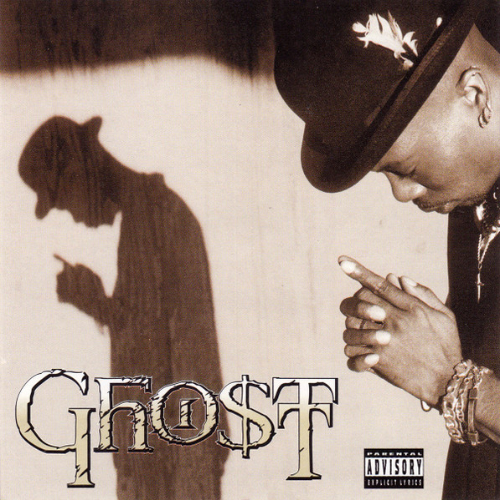
この曲が面白いのは、G-Funk最盛期から少し後の時代に作られていること。
1998年前後になるとWest Coast Rapのサウンドも変化し始めていたが、「The Players Anthem」はファンクを薄めるどころか、むしろZapp/Roger Troutmanにつながる電子ファンクの感触を前面に押し出している。
そしてRoger Troutmanが実際に関わっていることも、この曲を聴くうえで重要なポイントだ。
音源には、
“Got the party jumpin’, bass is bumpin’, dancin’ to the groove”
というフックが登場する。
ここに曲の方向性がほぼ集約されている。
つまりこれは抗争やストリートの緊張を描く曲ではなく、ベースを鳴らし、仲間が集まり、女性たちが踊るWest Coastの夜を祝う曲なのである。
第一印象
第一印象は、とにかく跳ねる。
重低音を沈ませて威圧するタイプのG-Funkではなく、ベースとシンセが上下に動き続け、身体を自然に揺らしてくる。
特にイントロから鳴っている電子的な「ボヨン」という音が強烈。
これが曲全体を通して反復されるため、一度聴いただけでも「The Players Anthem」の音として記憶に残る。
そこへフックの明るいコーラスが入ることで、
ファンク → ラップ → パーティー → ファンク
という循環が約4分間続いていく。
夜向きではあるが暗くない。
むしろネオン、クラブ、ローライダー、人混み、酒、女性といった光景が浮かぶ陽性のWest Coast Funkだ。
サウンド分析
ドラム
実音源からテンポを解析すると、およそ103 BPM前後。
G-Funkとしては少し軽快に感じられる速度で、このテンポ設定が曲の“踊れる”性格を決定している。
キックは必要以上に低域を膨らませず、短くタイト。
対してスネア/クラップは輪郭がかなりはっきりしていて、一定間隔で「パンッ」と乾いたアクセントを入れる。
重要なのは、ドラムだけで押していないこと。
キックとベースの間に空間があり、その隙間へラップやシンセが入り込めるようになっている。
そのため音数は多いのに窮屈ではない。
クラブで身体を揺らすための“間”を残したビートになっている。
ベース
この曲の核。
一般的なG-Funkの丸いサブベースだけではなく、シンセ・ベースとワウ的なフィルター音が一体になったような弾力がある。
「ブーン」と長く伸ばすのではなく、
ボヨン → 間 → ボヨン
という短い動きを反復する。
この跳ね返るような低音がドラムと噛み合うことで、103 BPM以上にグルーヴが強く感じられる。
低音を“重さ”として使うのではなく、身体を動かすファンクの装置として使っているのが特徴だ。
シンセ・メロディ
「The Players Anthem」を普通のParty RapからG-Funkへ決定的に変えている部分。
高域には細い電子音、中央にはコーラスやラップ、低域には太いベースを置き、その隙間をワウのかかったゴムのようなシンセが動き回る。
派手なメロディを演奏するというより、短いフレーズを反復してグルーヴを形成するタイプ。
そのため「メロディを聴く」というより、
音色そのものを楽しむファンク
に近い。
さらにRoger Troutman周辺を思わせる電子処理された声が加わることで、Zapp由来のエレクトロ・ファンク感が一気に濃くなる。
ミックス・グルーヴ
ミックスも非常にWest Coast的。
中央にラップを置きながら、左右や後方からコーラス、掛け声、電子音が現れる。
特にフックへ入った瞬間、ボーカルの層が一気に厚くなり、狭い車内から突然クラブのフロアへ出たような開放感が生まれる。
ヴァースではMCを前に出し、フックでは空間全体を広げる。
このコントラストがかなりうまい。
そして曲中には「West Coast」という言葉も登場するため、サウンドだけでなく言葉の面でも地域性を明確に打ち出している。
ラップ/ボーカル分析
この曲は声の切り替わりが面白い。
序盤のラップは細かく言葉を詰め込みながら走るタイプで、ビートの跳ねに対してかなり忙しく動く。
一方、その後に登場する低めの声のMCは、もっと余裕を持ってビートへ乗る。
特に、
“Walked in the club…”
から始まる場面では、クラブへ入って仲間や女性たちを眺める情景がそのまま語られていく。
ここではラップの技巧を見せつけるというより、Playerとしての余裕を声で演じている。
さらに後半では再びフロウの密度が上がる。
つまり一曲の中で、
高速寄りのラップ → 大きなフック → 落ち着いたPlayer Rap → フック → 再び細かいラップ
と温度差を作っている。
これが4分近い曲を単調にさせない。
そしてラッパーの後ろから「Yeah」「Come on」「Westside」などの声が絶えず飛び込む。
このバックボーカルも重要で、スタジオで一人ずつ録音した作品というより、仲間全員が同じ場所にいるような錯覚を作っている。
歌詞・テーマ
中心テーマは明快。
Playerとして楽しむWest Coastの夜だ。
クラブ、女性、仲間、酒、金、車、Westsideといった90年代West Coast Rapでおなじみの要素が次々に現れる。
しかし、それらを威圧的に描いていないところがポイント。
フックでは、
“party jumpin’”
“bass is bumpin’”
“dancin’ to the groove”
と、ひたすらパーティーの高揚感が強調される。
さらに「homies flossin’」「ladies tossin’」と続き、仲間が着飾り、女性たちが踊り、ベースが鳴っている空間が描かれる。
つまりタイトルの「Anthem」は、何かを主張する政治的・ストリート的アンセムではない。
West CoastのPlayerたちが集まった夜を祝うアンセムなのである。
サンプリング&トラックメイキング
Roger Troutman本人の関与は確認できるものの、この音源だけから特定のZapp楽曲をサンプリングしていると断定することはできない。
したがって、具体的なサンプリング元については不明としておくのが安全だ。
ただし音響的には、Zapp/Roger Troutmanが確立した、
電子ファンク+加工ボーカル+太いシンセ・ベース
という語彙を強く受け継いでいる。
しかも単なるオマージュではなくRoger本人が関わっているため、90年代G-Funkと70〜80年代P-Funk/Electro Funkを直接つなぐような感触がある。
トリビア
「The Players Anthem」は1998年のThump Street Records作品として確認できる。
また、Roger TroutmanとAllfrumtha I周辺の参加が確認されていることから、単なるローカルG-Funkとして片付けるには惜しい一曲。
音源を実際に聴くと特に面白いのが、1999年を意識したようなフレーズが登場すること。
90年代末という時代の境目にありながら、未来的な電子ファンクと従来のWest Coast G-Funkを同時に鳴らしている。
この“90年代の終わり”の感覚も、本曲独特の魅力になっている。
制作メモ
音源は約4分01秒。
テンポは解析上、約103 BPM。
ジャンルとしては、
West Coast Rap / G-Funk / Funk Rap / Party Rap
あたりが最も近い。
特に典型的な低速G-Funkより少しテンポが速く、ドラムとベースの跳ねを強調しているため、Lowrider FunkとClub Rapの中間のような感触がある。
また、曲の印象を決めているのは豪華なコード進行ではない。
ワウ系シンセ・ベース、乾いたドラム、電子ボーカル、複数MC、厚いフック。
この少数の要素を何度も組み替えることで最後までグルーヴを維持している。
総評
Ghostt「The Players Anthem」は、West Coastの“Player”文化をクラブ仕様のG-Funkへ変換した一曲だ。
約103 BPMの跳ねるビート。
ゴムのように弾むワウ系シンセ・ベース。
Roger Troutmanにつながる電子ファンクの質感。
そこへ声質の違う複数MCが次々と入り、フックになるとコーラスと掛け声が一気に空間を埋め尽くす。
この曲で描かれているWest Coastは、銃声が響く危険なストリートではない。
ベースが鳴り、仲間が着飾り、女性が踊り、Playerたちが夜を楽しんでいるWest Coast。
イントロの「ボヨン」と跳ねる音を聴いた瞬間から、その世界へ連れていかれる。
90年代G-Funkのファンクネスを残しながら、よりクラブ/パーティー方向へ振ったサウンドは非常にキャッチー。
そして何より、
“Got the party jumpin’, bass is bumpin’”
というフック通り、本当にベースが跳ね、パーティーが動き出す。
タイトルに偽りなし。
「The Players Anthem」は、夜のWest Coastをそのまま揺らすような、陽気で艶のあるプレイヤーズ・G-Funkだ。
今回ご紹介の楽曲の購入はこちらからどうぞ
Ghostt – The Players Anthem | Bouncing West Coast G-Funk Built for the Club
Ghostt’s “The Players Anthem” is G-Funk / Party Rap soaked in the atmosphere of the late 1990s, combining classic West Coast Funk with the energy of a crowded club.
The first thing that grabs your attention is the low, rubbery wah / filtered synth-bass sound bouncing underneath the track.
Above it, dry drums push forward at approximately 103 BPM, while multiple MCs, layered vocals, female voices, and constant background shouts move in and out of the groove.
This is not grim, confrontational Gangsta Rap.
It sounds like pulling up outside a club, meeting the homies, and walking straight onto the dance floor—a night out on the West Coast turned into music.
Artist Introduction
Ghostt is a West Coast rapper associated with the late 1990s.
“The Players Anthem” appeared through Thump Street Records, and one of the track’s most important characteristics is that it never feels like a record built around Ghostt alone.
Different rappers, vocal textures, choruses, and background shouts constantly enter and leave the arrangement.
Because of that, the title “The Players Anthem” feels like more than just a name.
The structure itself sounds like a gathering of Players coming together for one large party anthem.
The individual MC matters.
But the collective atmosphere matters even more.
Background
“The Players Anthem” appears as the opening track on Ghostt’s self-titled album Ghostt, released through Thump Street Records in 1998.
What makes the track especially interesting is its position in time.
By around 1998, the sound of West Coast Rap was already beginning to change from the G-Funk peak of the earlier 1990s.
But “The Players Anthem” does not move away from Funk.
Instead, it pushes even further into the kind of electronic Funk associated with Zapp and Roger Troutman.
Roger Troutman’s involvement is therefore an important part of understanding the record.
The hook includes the line:
“Got the party jumpin’, bass is bumpin’, dancin’ to the groove.”
That almost summarizes the entire song.
This is not a record centered on gang conflict or street tension.
It is about bass hitting hard, friends coming together, women dancing, and Players celebrating a West Coast night.
First Impression
The first impression is simple:
this track bounces.
It does not use low frequencies primarily to create intimidation.
Instead, the bass and synth textures keep moving up and down, naturally pulling the body into the rhythm.
The electronic “boing” sound heard from the introduction is particularly distinctive.
It keeps returning throughout the track, becoming one of those sounds that immediately identifies “The Players Anthem” after only one listen.
Then the bright chorus arrives.
From there, the song moves through a continuous cycle:
Funk → rap → party → Funk.
The record is clearly made for nighttime, but it never feels dark.
Instead, it brings to mind:
neon lights,
clubs,
lowriders,
crowds,
drinks,
women.
This is the brighter side of West Coast Funk.
Sound Analysis
Drums
Analysis of the recording places the tempo at approximately 103 BPM.
That gives the track a slightly faster and more energetic feel than slower G-Funk.
The tempo is a major reason why “The Players Anthem” feels so danceable.
The kick is short and tight rather than excessively inflated in the low end.
The snare / clap, meanwhile, has a clearly defined attack, delivering a dry crack at regular intervals.
But the drums do not attempt to dominate the entire production.
There is space between the kick and bass.
That space allows the rappers and synth textures to move freely inside the groove.
As a result, the arrangement contains plenty of sound without becoming claustrophobic.
It is a beat that deliberately leaves room for bodies to move.
Bass
This is the core of the track.
Instead of relying only on the rounded sub-bass associated with some G-Funk production, “The Players Anthem” uses a springy combination of synth bass and wah-like filtered texture.
Rather than:
boooooom…
the movement feels more like:
boing → space → boing.
That short, elastic low-end motion locks into the drums and makes the groove feel even stronger than the 103 BPM tempo might suggest.
The bass is not being used simply to create weight.
It is being used as a Funk device designed to move the body.
That distinction is crucial to the track’s character.
Synths & Melody
This is the element that decisively pushes “The Players Anthem” beyond ordinary Party Rap and into G-Funk territory.
Thin electronic textures occupy the upper frequencies.
Rap and chorus vocals sit through the center.
The thick bass holds down the bottom.
Then, between those layers, rubbery wah-filtered synth sounds constantly move around the groove.
They do not perform an elaborate melody.
Instead, short phrases repeat and become part of the rhythm.
The result feels less like listening to a conventional melody and more like:
enjoying the physical texture of Funk itself.
Processed vocal textures associated with the Roger Troutman / Zapp tradition further strengthen the Electro-Funk character.
The connection between classic Funk and late-1990s West Coast Rap is immediately audible.
Mix & Groove
The mix also carries a distinctly West Coast feel.
The main rap sits in the center while choruses, background shouts, and electronic textures appear around it.
The biggest spatial change occurs when the hook arrives.
Suddenly, the vocal layers become much thicker.
It feels almost like:
stepping out of a cramped car and directly onto a crowded club floor.
During the verses, the MC remains in focus.
During the hook, the entire room opens up.
That contrast is extremely effective.
The lyrics also explicitly reference the West Coast, making the regional identity clear not only through the production but through the words themselves.
Rap / Vocal Analysis
One of the most enjoyable aspects of “The Players Anthem” is the constant change in voices.
The earlier rap passages use a relatively dense delivery, packing words tightly into the bouncing rhythm.
Then a lower voice enters with a much more relaxed approach.
A section beginning with:
“Walked in the club…”
places the listener directly inside the nightlife scene.
Friends.
Women.
The room.
The atmosphere.
Here, the goal is not to overwhelm the listener with technical rapping.
The rapper communicates Player confidence through the relaxed tone of his voice.
Later, the lyrical density increases again.
Across the track, the temperature therefore keeps shifting:
faster rap → large hook → relaxed Player Rap → hook → denser rap again.
That movement prevents the approximately four-minute track from becoming repetitive.
Background voices are equally important.
Shouts such as:
“Yeah”
“Come on”
“Westside”
keep appearing behind the lead performances.
They create the illusion that everyone is in the same room together.
Instead of sounding like isolated studio performances assembled afterward, the record feels like an entire crew sharing the same party.
Lyrics & Themes
The central theme is straightforward:
enjoying a West Coast night as a Player.
Clubs.
Women.
Friends.
Drinks.
Money.
Cars.
Westside.
The lyrics move through many of the familiar images of 1990s West Coast Rap.
But they are not presented in a threatening way.
The hook emphasizes:
“party jumpin’”
“bass is bumpin’”
“dancin’ to the groove.”
Then come images of the homies flossing and women dancing.
The whole environment is built around celebration.
That is what the word “Anthem” means in this context.
This is not a political anthem.
Nor is it a street anthem built around conflict.
It is an anthem for West Coast Players enjoying the night together.
Sampling & Trackmaking
Roger Troutman’s involvement can be confirmed, but the recording alone does not provide enough evidence to identify a specific Zapp track as a direct sample.
For that reason, the exact sampling source is best treated as unknown rather than guessed.
Sonically, however, the connection to the musical vocabulary established by Zapp and Roger Troutman is unmistakable:
**Electronic Funk
- processed vocals
- thick synth bass.**
Those elements are deeply embedded in the track’s identity.
And because Roger himself was involved, the connection feels stronger than a simple stylistic tribute.
“The Players Anthem” almost becomes a bridge between the P-Funk / Electro-Funk tradition of the 1970s and 1980s and the G-Funk language of 1990s West Coast Hip-Hop.
Trivia
“The Players Anthem” can be traced to Ghostt’s 1998 Thump Street Records release.
The involvement of Roger Troutman and figures connected with Allfrumtha I also makes the track more interesting than its status as an obscure local G-Funk cut might initially suggest.
Another detail that stands out when listening closely is the appearance of language seemingly looking ahead toward 1999.
That gives the record an interesting sense of timing.
It exists right at the edge of the decade.
The classic G-Funk era is nearing its end.
A new millennium is approaching.
Yet the production still embraces electronic Funk rather than abandoning it.
That late-1990s transitional feeling gives “The Players Anthem” another layer of character.
Production Notes
The recording runs for approximately 4:01.
Analysis places the tempo at approximately 103 BPM.
The closest stylistic descriptions are:
West Coast Rap / G-Funk / Funk Rap / Party Rap.
Compared with slower G-Funk, the slightly higher tempo and emphasis on bouncing drums and bass give the record something of a middle ground between:
Lowrider Funk
and:
Club Rap.
The track’s identity does not depend on elaborate chord changes.
Instead, it comes from a relatively small collection of strong elements:
wah-style synth bass,
dry drums,
processed vocals,
multiple MCs,
a thick party hook.
Those elements are continually rearranged rather than constantly replaced.
That is how the groove remains alive from beginning to end.
Final Thoughts
Ghostt’s “The Players Anthem” takes West Coast Player culture and transforms it into club-ready G-Funk.
A bouncing beat at approximately 103 BPM.
Rubbery wah-filtered synth bass.
Electronic Funk textures connected to Roger Troutman.
Multiple MCs with contrasting voices.
Then the hook arrives and the chorus and background shouts suddenly fill the room.
The West Coast presented here is not one defined by gunshots or dangerous street corners.
It is a West Coast where:
the bass is hitting,
the homies are dressed to impress,
the women are dancing,
and the Players are enjoying the night.
From the moment that strange rubbery sound begins bouncing through the introduction, the track pulls you into that world.
It preserves the Funk of classic 1990s G-Funk while pushing it further toward the club and party floor.
And most importantly, the hook tells you exactly what the record is designed to do:
“Got the party jumpin’, bass is bumpin’.”
That is exactly what happens.
The bass bounces.
The party starts moving.
And the title delivers on its promise.
“The Players Anthem” is bright, glossy Player G-Funk made to shake the West Coast after dark.
コメント