ウェストコースト・ヒップホップの魅力は、明るいシンセサイザーやローライダー向けの滑らかなグルーヴだけにあるわけではない。
街の空気が張り詰めていくような不穏な音色、装飾を抑えた硬質なビート、そして危険な環境を日常として語るラップ。そうしたダークサイドもまた、西海岸のストリートラップを形作ってきた重要な要素である。
BossoloがKokaneを迎えた「Poppin Bullets」は、その暗く緊迫した側面を前面に押し出した一曲だ。
約3分51秒の楽曲は、派手なビートチェンジやドラマチックな転調に頼らない。重く反復されるリズムと不穏な上音を軸に、Bossoloの低く落ち着いたラップと、Kokaneのクセの強い歌声を交差させながら、最後まで張り詰めた空気を維持していく。
タイトルから連想される暴力性を、単純な大音量や攻撃的な速度で表現するのではなく、むしろ「いつ何が起きてもおかしくない静けさ」として音に落とし込んでいる点が、この曲の大きな魅力である。
アーティスト紹介
Bossoloは、ウェストコーストのストリートラップを基盤に活動してきたラッパーである。
派手な商業路線というよりも、地域性の強いギャングスタラップや、現実の緊張感を重視した作品を中心に発表している。低く構えた声と、感情を過剰に動かさない落ち着いたフロウが特徴で、言葉を強く叫ぶのではなく、淡々と置いていくことで重さを生み出すタイプのMCだ。
本曲に参加するKokaneは、Above the Law、Eazy-E、Snoop Dogg、Dr. Dre、Spice 1、E-40など、多数の西海岸アーティストの作品に関わってきたシンガー兼ラッパーである。
一般的なR&Bシンガーとは異なる、鼻にかかった高音、泣き声にも笑い声にも聞こえる独特の節回し、ファンクと演劇性が混ざり合った歌唱が大きな特徴だ。
Kokaneは単にメロディーを加える客演ではない。声そのものによって楽曲の景色を変え、不気味さ、ユーモア、哀愁、ストリート感を同時に持ち込む特殊な存在である。
「Poppin Bullets」でも、Bossoloの硬質なラップに対する強烈なコントラストとして機能している。
作品背景
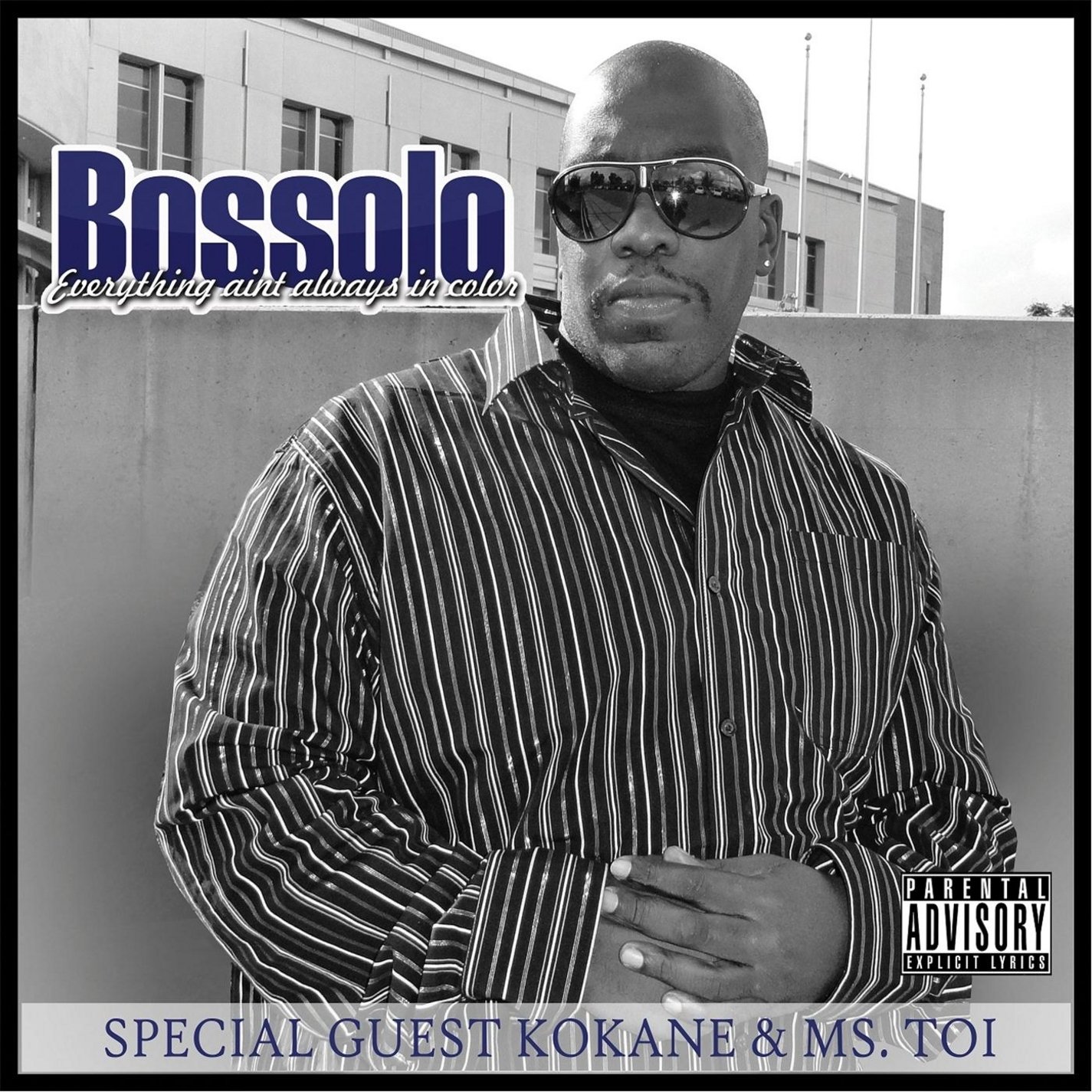
音源ファイルのメタデータでは、「Poppin Bullets」はBossoloのアルバム『Everything Ain’t Always in Color』に収録された3曲目とされ、2013年の作品として登録されている。
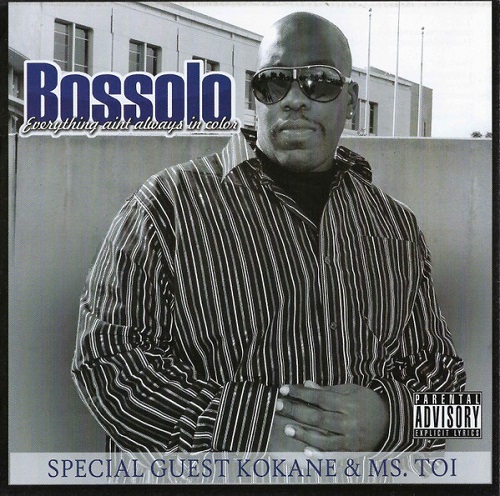
タイトルの「Everything Ain’t Always in Color」は、直訳すれば「すべてがいつも色鮮やかなわけではない」といった意味になる。
人生やストリートの現実には、成功や華やかさだけでは説明できない暗い部分がある。そのアルバムタイトルを踏まえると、「Poppin Bullets」は作品全体の中でも、危険、緊張、対立といった陰の側面を担う楽曲として位置づけられる。
第一印象
最初に感じるのは、音数以上に空間が重いということだ。
トラックそのものは、極端に複雑ではない。多数の楽器を重ねて迫力を作るのではなく、太いリズム、暗い低音、短く反復する上音を組み合わせ、必要以上に隙間を埋めない構成になっている。
その余白が、楽曲に独特の緊張感を生んでいる。
明るいG-Funkのような開放感は薄く、夜の街をゆっくり移動しているような閉塞感がある。窓の外を眺めながらリラックスして聴くというよりも、周囲を警戒しながら進んでいく感覚に近い。
ただし、ビート自体が過度に荒れているわけではない。
テンポ感は比較的落ち着いており、ラッパーが言葉をはっきり置ける余裕が残されている。そのため、楽曲はパニック状態ではなく、危険に慣れた人間の冷静さを感じさせる。
この「激しく騒がないのに危険」という感覚が、「Poppin Bullets」の第一印象を決定づけている。
サウンド分析
イントロ
楽曲は約13秒の導入部から始まる。
イントロでは、いきなり全要素を強く鳴らすのではなく、メインとなる暗い音像を提示しながら、徐々にリズムの輪郭を見せていく。
この導入は、楽曲の物語を説明するというよりも、聴き手を特定の場所へ連れていくための時間として機能している。
華やかなスタートではない。
むしろ、暗い路地や人気の少ない道路へ入っていくような、警戒心を高める導入である。
イントロが長すぎない点も重要だ。雰囲気を十分に作りながら、無駄に引き延ばすことなく本編へ移行している。
ドラム
ドラムは楽曲全体の圧力を支える中心的な要素である。
キックは低く、重量感がある。ただし、近年のトラップに見られるような、サブベースと一体化して空間全体を揺らすタイプではない。
一発ごとの位置が比較的明確で、ビートの骨格を太く見せる役割を担っている。
スネアまたはクラップ系の音は、派手な残響を持たず、乾いた質感で配置されている。この短く切れる打音が、楽曲に冷たさを与えている。
音が長く伸びないため、叩かれた直後に空白が生まれる。その隙間にラップが入り込み、言葉の存在感が強くなる。
ハイハットも過剰には動かない。
細かな連打や派手なロールでスピード感を作るのではなく、一定の歩幅を保つようにリズムを刻んでいる。
この安定した反復によって、楽曲は焦燥感よりも執拗さを獲得している。
一度始まった危険な状況が、簡単には終わらない。その感覚をドラムの反復が支えている。
ベース
低音は太いが、メロディーを大きく動かすタイプではない。
ベースラインは楽曲の土台として低い位置にとどまり、反復するビートに重量を加えている。
重要なのは、ベースが音楽的な華やかさよりも、圧迫感を優先している点だ。
ファンク色の強いベースラインのように跳ね回るのではなく、地面に張りつくように進む。そのため、曲全体に浮遊感は少なく、常に足元へ重力がかかっているように感じられる。
この重さが、Bossoloの声質ともよく合っている。
Bossoloの低く抑えたラップがベースの上に乗ることで、ボーカルと低音が同じ方向へ圧力をかける構造になっている。
シンセサイザーとメロディー
上音には、ウェストコーストらしいシンセサイザーの感触がある。
ただし、典型的なG-Funkのような明るく伸びるリードシンセが主役になるわけではない。
ここで使われている音色は、より暗く、短く、反復的である。
メロディーは聴き手を解放するためではなく、不安を継続させるために置かれている。音程の動きも大きくなく、同じ場所を回り続けるような印象を与える。
この反復性が、楽曲の閉塞感につながっている。
どこかへ進んでいるようで、実際には同じ危険な場所から抜け出せない。そのような感覚が、旋律のループによって作られている。
時折聞こえる高域の音も、曲を明るくする装飾ではない。
暗い空間の奥で何かが光るような、警告音に近い役割を果たしている。
ミックス
ミックスは、ボーカルとリズムを前面に置いたストリートラップらしい設計である。
楽器同士を広く展開し、立体的な音響美を見せるというよりも、声、キック、スネア、低音を中心に、楽曲の核を太く聞かせている。
Bossoloの声は比較的近い位置にある。
距離感を感じさせる大きなリバーブは控えめで、ラップが聴き手の正面から直接届く。そのため、歌詞の内容を完全に聞き取れなくても、語りかけられている圧力を感じやすい。
一方で、Kokaneの声はBossoloよりも異質な空間を持っている。
声質そのものが特殊であることに加え、メロディーと節回しによって、トラックの奥行きを一時的に広げている。
同じビートの上でも、Bossoloの場面では地面に近く、Kokaneの場面では上方へ空間が開く。この縦方向のコントラストが、ミニマルなトラックを単調にさせない要因となっている。
グルーヴ
「Poppin Bullets」のグルーヴは、踊らせるためのものというよりも、身体をゆっくり揺らしながら緊張感へ引き込むタイプである。
テンポは速すぎず、重心も低い。
そのため、前のめりに突進する感覚ではなく、周囲を確認しながら一定の速度で進む感覚がある。
この落ち着きは、楽曲のテーマとよく合っている。
危険を初めて経験する人物の慌ただしさではなく、危険な状況を日常として知っている人物の歩き方である。
ビートが必要以上に加速しないからこそ、一つひとつの言葉や声の表情が際立つ。
楽曲構成
全体は約3分51秒で、冒頭約13秒のイントロと、終盤約14秒のアウトロが比較的はっきりしている。
本編では、ビートそのものを大幅に変化させるのではなく、ラップとフックの交代によって構成を作っている。
これはミニマルなギャングスタラップでよく使われる方法だが、本曲ではKokaneの声が強いため、パートが切り替わるたびに印象が大きく変わる。
Bossoloのヴァースでは、音楽が低く沈み、現実的な重さが前に出る。
Kokaneのパートでは、同じ暗さの中に奇妙な旋律性が加わる。
大きなビートチェンジを使わなくても、声のキャラクターだけで十分な展開が生まれている。
終盤は、劇的な結末へ向かうというよりも、楽曲がまとっていた緊張感を残したまま徐々に閉じていく。
問題が解決されたという感覚は薄く、危険な日常が曲の外でも続いているような終わり方である。
ラップ/ボーカル分析
Bossoloのラップ
Bossoloのラップは、力を誇示するために声を張り上げるタイプではない。
低めの声を保ちながら、言葉を一定の間隔で置いていく。フロウには大きな上下動が少なく、感情を抑制したまま進行する。
この抑制が、かえって威圧感を生んでいる。
本当に危険な人物は、常に怒鳴っている必要がない。状況を理解し、自分が何をすべきか分かっている人物ほど冷静である。
Bossoloのフロウからは、そのような落ち着いた危険性が感じられる。
語尾を過度に伸ばさず、ビートの区切りに合わせて短く言葉を収めるため、ドラムとの一体感も強い。
ラップがトラックの上に浮くのではなく、キックやスネアと同じリズム楽器の一部として機能している。
また、BossoloはKokaneほど声色を大きく変えない。
その一定したトーンが、楽曲の現実的な部分を担当している。
Kokaneが異世界的な雰囲気を持ち込むのに対し、Bossoloはあくまで路上の視点にとどまり、楽曲を地面へ引き戻している。
Kokaneのボーカル
Kokaneの存在は、この曲の個性を決定づけている。
彼の歌声は、滑らかで美しいという一般的な意味でのメロディアスさとは異なる。
高く鼻にかかった声、わずかに歪んだ発音、泣き声のような抑揚、突然跳ね上がる音程。それらが組み合わさり、一度聴けば忘れにくいフックを作っている。
「Poppin Bullets」の暗いビートに対して、Kokaneは明るさを加えるのではない。
むしろ、トラックの不気味さを増幅している。
Bossoloのラップだけであれば、曲はより直線的なストリートラップとして成立しただろう。しかしKokaneが入ることで、楽曲に狂気や演劇性が加わり、単なる銃撃や対立の描写を越えた独特の心理的空間が生まれている。
Kokaneのフックは、歌いやすいポップなサビではない。
それでも反復される言葉と声の癖が耳に残り、曲の象徴として機能する。
この「美しくないのに忘れられない」という性質こそ、Kokaneの最大の強みである。
二人の対比
BossoloとKokaneの組み合わせは、低さと高さ、現実と異形、冷静さと狂気という対比によって成立している。
Bossoloは状況を説明する。
Kokaneは、その状況が生む感情や空気を声に変える。
Bossoloのラップからは、危険な世界を生きる人物の落ち着きが感じられる。一方、Kokaneの歌唱からは、その世界に染みついた不安、警告、興奮が聞こえてくる。
両者は似たスタイルではない。
むしろ、まったく異なる声だからこそ、楽曲の奥行きが生まれている。
歌詞・テーマ
タイトルの「Poppin Bullets」は、文字どおりには銃弾を撃つこと、銃撃が起きることを意味するストリート表現である。
楽曲全体から受ける印象も、対立、警戒、報復、サバイバルといったテーマに結びついている。
ただし、この曲の重要な点は、暴力を派手なアクション映画のように描いていないことだ。
ビートは速くなく、ラップも常に絶叫しているわけではない。
それによって、銃や暴力が特別な事件ではなく、生活圏のすぐ近くに存在する日常として表現されている。
ここでの暴力は、単純な娯楽ではない。
誰が味方で、誰が敵なのか。どこまで相手を信用できるのか。危険を回避するために、どのような態度を取るべきなのか。
そうしたストリートにおける判断や緊張が、楽曲の背景に流れている。
タイトルだけを見れば、攻撃性や武勇伝を前面に出した曲に思える。
しかし実際のサウンドは、暴力の瞬間そのものよりも、その前後に存在する重苦しい空気を描いている。
何かが起こりそうな予感。
すでに何かが起きた後の沈黙。
そして、同じことが再び起きるかもしれないという警戒。
「Poppin Bullets」は、その連続する緊張を音楽にした作品として聴くことができる。
この曲の聴きどころ
第一の聴きどころは、ミニマルなビートが作る圧迫感である。
音数は多くないが、キック、低音、暗いシンセが同じ方向へ重さを加え、楽曲全体を閉鎖的な空間にしている。
第二の聴きどころは、Bossoloの抑制されたラップだ。
大声で攻撃性を演出するのではなく、低い声と一定したフロウによって、危険に慣れた人物の冷静さを表現している。
第三の聴きどころは、Kokaneのフックである。
彼の声が入った瞬間、楽曲は単なるハードなストリートラップから、不気味で演劇的なウェストコースト・ファンクへと変化する。
そして最後に注目したいのが、派手な展開を使わずに最後まで緊張感を保っている点だ。
ビートが大きく変わらなくても、声の交代、音の抜き差し、フックの反復によって、曲は十分に展開していく。
トリビア/制作メモ
この曲のメタデータには、以下の情報が登録されている。
- アーティスト:Bossolo
- 曲名:Poppin Bullets
- 客演:Kokane
- アルバム:Everything Ain’t Always in Color
- トラック番号:3
- 年:2013
- 再生時間:約3分51秒
Kokaneは長いキャリアを通じ、Above the Law、Eazy-E、Snoop Dogg、Dr. Dre、Spice 1、E-40など、多数の西海岸作品へ客演してきたことで知られる。2013年の客演記録としてもBossolo関連作品への参加が確認されており、本曲はそうした膨大なゲストワークの流れに位置づけられる。
今回ご紹介の楽曲の購入はこちらからどうぞ
Bossolo – “Poppin Bullets” feat. Kokane | A Dark West Coast Street-Rap Cut Filled with Quiet Tension
The appeal of West Coast hip-hop is not limited to bright synthesizers and smooth, lowrider-ready grooves.
Ominous tones that make the atmosphere feel increasingly tense, hard-edged beats stripped of unnecessary decoration, and rappers describing dangerous surroundings as part of everyday life—this darker side has also played an essential role in shaping West Coast street rap.
Bossolo’s “Poppin Bullets,” featuring Kokane, brings that dark and suspenseful dimension directly to the foreground.
Running for approximately three minutes and fifty-one seconds, the track does not rely on dramatic beat switches or theatrical key changes. Instead, it maintains a tightly wound atmosphere from beginning to end through a heavily repeated rhythm, unsettling high-frequency sounds, Bossolo’s low and controlled delivery, and Kokane’s unmistakably eccentric singing voice.
Rather than expressing the violence suggested by the title through overwhelming volume or aggressive speed, the track translates it into the sound of a silence in which anything could happen at any moment.
That sense of restrained danger is one of the song’s greatest strengths.
Artist Introduction
Bossolo is a rapper whose work is rooted in West Coast street rap.
Rather than pursuing a flashy commercial direction, he has focused primarily on regionally grounded gangsta rap and music that emphasizes the tension of real-life environments. His style is defined by a low-set voice and a calm flow that avoids excessive emotional movement.
He is not the type of MC who creates weight by shouting every line. Instead, he places his words down with composure, allowing their meaning and tone to generate pressure.
Kokane, who appears on “Poppin Bullets,” is a singer and rapper who has contributed to recordings by numerous West Coast artists, including Above the Law, Eazy-E, Snoop Dogg, Dr. Dre, Spice 1, and E-40.
Unlike a conventional R&B singer, Kokane is known for his nasal upper register, distinctive phrasing that can sound like crying and laughing at the same time, and a vocal approach that blends funk with theatrical performance.
Kokane is not simply a guest brought in to add melody.
His voice can transform the entire landscape of a track, introducing eeriness, humor, melancholy, and street character all at once.
On “Poppin Bullets,” he functions as a striking contrast to Bossolo’s hard and grounded rapping.
Background
According to the metadata embedded in the audio file, “Poppin Bullets” appears as the third track on Bossolo’s album Everything Ain’t Always in Color and is registered as a 2013 release.
The title Everything Ain’t Always in Color can be interpreted as meaning that life is not always vivid, bright, or beautiful.
There are darker parts of life and the streets that cannot be explained solely through success, celebration, or glamour. Viewed in relation to the album title, “Poppin Bullets” can be positioned as one of the tracks that represents the project’s shadowed side—danger, tension, confrontation, and survival.
First Impression
The first thing that stands out is how heavy the space feels despite the relatively limited number of sounds.
The instrumental itself is not especially complicated. Rather than building impact through layers of numerous instruments, it combines a thick rhythmic foundation, dark low frequencies, and short repeating upper-register sounds while deliberately leaving parts of the arrangement unfilled.
Those open spaces create the track’s distinctive tension.
There is little of the expansive feeling associated with brighter G-Funk. Instead, the music creates a sense of confinement, like slowly moving through the city at night.
This is not the kind of track that suggests relaxing while looking out of the car window. It feels closer to moving forward while constantly checking one’s surroundings.
At the same time, the beat is not excessively chaotic.
The tempo feels relatively composed, leaving enough room for the rapper to place each word clearly. As a result, the song does not sound like panic. It suggests the calmness of someone who has become accustomed to danger.
That feeling of being threatening without becoming loud or frantic defines the initial impression of “Poppin Bullets.”
Sound Analysis
Intro
The song begins with an introductory section lasting approximately thirteen seconds.
Rather than presenting every musical element at full force immediately, the intro first establishes the track’s dark central atmosphere and then gradually reveals the shape of the rhythm.
This opening does not function as an explanation of the song’s narrative. Instead, it acts as a transitional space that transports the listener into a particular environment.
It is not a glamorous beginning.
The effect is more like entering a dark alley or turning onto a nearly deserted road—a movement that naturally heightens the listener’s sense of caution.
The intro’s concise length is also important. It establishes enough atmosphere to prepare the listener without stretching the opening unnecessarily before the main body begins.
Drums
The drums are the central element supporting the pressure of the entire song.
The kick is low and weighty. However, it is not the kind of kick commonly heard in contemporary trap, where the drum merges with a sub-bass tone and shakes the entire sound field.
Each kick is positioned relatively clearly, giving the beat a thick and solid frame.
The snare or clap-like sound has a dry texture without a large amount of decorative reverb. Its short, clipped impact adds coldness to the production.
Because the sound does not linger for long, empty space immediately follows each hit. Bossolo’s rapping enters those gaps, giving his words a stronger presence.
The hi-hats are also restrained.
Instead of creating speed through rapid subdivisions or flashy rolls, they maintain a steady pace, almost like consistent footsteps.
Through this stable repetition, the song develops persistence rather than frantic urgency.
The dangerous situation, once initiated, does not appear likely to end quickly. The repetition of the drums reinforces that feeling.
Bass
The low end is thick, but the bass is not designed around a highly mobile melodic line.
The bass remains near the bottom of the mix, functioning as the foundation and adding weight to the repeating beat.
What matters most is that the bass prioritizes pressure over musical brightness.
Rather than bouncing around like a strongly funk-driven bass line, it moves as though attached to the ground. Consequently, the track contains little sense of floating or weightlessness. It feels as though gravity is constantly pulling everything downward.
This heaviness works particularly well with Bossolo’s vocal tone.
As his restrained, low-pitched delivery sits above the bass, the voice and the low frequencies apply pressure in the same direction.
Synthesizers and Melody
The upper register contains a synthesizer texture associated with West Coast production.
However, a bright and extended lead synthesizer of the kind commonly associated with classic G-Funk does not dominate the track.
The sounds used here are darker, shorter, and more repetitive.
The melody is not placed there to offer emotional release. Its purpose is to maintain anxiety. The pitch movement remains narrow, giving the impression of circling around the same location.
That repetition contributes directly to the track’s sense of confinement.
The music appears to be moving forward, yet it never seems able to escape the same dangerous environment. The melodic loop creates that sensation.
The occasional higher-frequency sounds do not brighten the song either.
They function more like warning signals—brief flashes of light appearing in the distance within a dark space.
Mix
The mix follows a street-rap-oriented design that places the vocals and rhythm at the front.
Rather than spreading the instruments widely to create an elaborate three-dimensional soundscape, the production emphasizes the central components: voice, kick, snare, and low end.
Bossolo’s vocal is positioned relatively close to the listener.
Large amounts of reverb that might create a stronger sense of distance are kept under control, allowing the rap to arrive directly from the front of the mix. Even when every lyric cannot be understood, the pressure of being addressed remains clear.
Kokane’s voice, by contrast, occupies a more unusual space than Bossolo’s.
In addition to his naturally distinctive tone, his melodic phrasing temporarily expands the depth of the instrumental.
Even over the same beat, Bossolo’s passages feel close to the ground, while Kokane’s sections seem to open upward. This vertical contrast prevents the minimalist production from becoming monotonous.
Groove
The groove of “Poppin Bullets” is not primarily designed to make the listener dance. It draws the body into the tension through a slow and controlled movement.
The tempo is not overly fast, and the track maintains a low center of gravity.
Rather than creating the feeling of rushing forward, it suggests moving at a steady speed while continuously observing the surrounding environment.
That composure fits the subject matter.
This is not the nervous movement of someone encountering danger for the first time. It is the walk of someone who recognizes dangerous circumstances as part of everyday life.
Because the beat does not accelerate unnecessarily, each word and vocal expression is given more room to stand out.
Song Structure
The track runs for approximately three minutes and fifty-one seconds, with a clearly recognizable thirteen-second intro and an outro lasting roughly fourteen seconds.
During the main body, the arrangement develops primarily through the alternation of rap verses and hook sections rather than through major transformations of the beat itself.
This is a familiar method in minimalist gangsta rap, but Kokane’s vocal character is so strong that the atmosphere changes significantly whenever the sections shift.
During Bossolo’s verses, the music sinks lower and its realistic street weight moves to the foreground.
When Kokane enters, an unusual melodic quality appears within the same darkness.
The song therefore generates sufficient movement through vocal character alone, without requiring a dramatic beat switch.
Toward the end, the track does not move toward a theatrical conclusion. Instead, it gradually closes while preserving the tension it has carried throughout.
There is little sense that the underlying problem has been resolved. The ending suggests that the dangerous everyday reality continues beyond the boundaries of the song.
Rap and Vocal Analysis
Bossolo’s Rap
Bossolo does not raise his voice simply to project strength.
He maintains a lower register and places his words at consistent intervals. His flow contains relatively little dramatic rise and fall, advancing while keeping his emotions under control.
That restraint creates an even stronger sense of intimidation.
A genuinely dangerous person does not always need to shout. Someone who understands the situation and knows what needs to be done may remain calm.
Bossolo’s flow carries that kind of controlled danger.
He avoids stretching his line endings excessively and fits his words tightly into the divisions of the beat, producing a strong sense of unity with the drums.
The rap does not float above the instrumental. It functions as another rhythmic instrument alongside the kick and snare.
Bossolo also changes his vocal color far less dramatically than Kokane.
That consistent tone represents the realistic side of the record.
While Kokane introduces an almost otherworldly atmosphere, Bossolo remains firmly attached to the street-level viewpoint, repeatedly pulling the track back toward the ground.
Kokane’s Vocals
Kokane’s presence defines the song’s individuality.
His voice is not melodic in the conventional sense of being smooth or traditionally beautiful.
His high nasal tone, slightly distorted pronunciation, crying-like inflections, and sudden upward pitch movements combine to create a hook that is difficult to forget after a single listen.
Against the dark beat of “Poppin Bullets,” Kokane does not introduce brightness.
Instead, he intensifies the instrumental’s eeriness.
Without Kokane, the song could still have worked as a more straightforward piece of hard street rap. His appearance, however, introduces madness and theatricality, creating a distinctive psychological space that extends beyond a simple description of gunfire or confrontation.
Kokane’s hook is not a conventional pop chorus designed for effortless sing-along appeal.
Nevertheless, the repeated words and the peculiarities of his voice remain in the listener’s memory and become the song’s defining symbol.
This quality—being unforgettable without relying on conventional beauty—is one of Kokane’s greatest strengths.
The Contrast Between Bossolo and Kokane
The combination of Bossolo and Kokane is built on contrasts: low and high, reality and distortion, composure and madness.
Bossolo explains the situation.
Kokane transforms the emotions and atmosphere created by that situation into sound.
Bossolo’s rapping conveys the calmness of a person living within a dangerous world. Kokane’s singing expresses the anxiety, warning, and excitement that have become embedded in that environment.
The two performers do not have similar styles.
It is precisely because their voices are so different that the song develops depth.
Lyrics and Themes
The title “Poppin Bullets” is a street expression that literally refers to firing bullets or to gunfire taking place.
The overall impression of the song connects naturally with themes of confrontation, vigilance, retaliation, and survival.
What is important, however, is that the track does not portray violence like a flashy action film.
The beat is not fast, and the rapping does not rely on constant shouting.
As a result, guns and violence are presented not as extraordinary events but as realities existing close to the characters’ everyday surroundings.
Violence here is not simply entertainment.
Who is an ally, and who is an enemy? How far can another person be trusted? What attitude must be adopted in order to avoid danger?
Questions of judgment and tension within a street environment run beneath the surface of the song.
Judging by the title alone, the track might appear to be centered entirely on aggression or stories of violent bravado.
The actual sound, however, depicts not only the violent moment itself but also the oppressive atmosphere existing before and after it.
The feeling that something is about to happen.
The silence after something has already occurred.
The awareness that the same event could happen again.
“Poppin Bullets” can therefore be heard as a musical representation of continuous tension.
Key Listening Points
The first major point of interest is the pressure created by the minimalist beat.
There are not many separate musical elements, yet the kick, low end, and dark synthesizers all add weight in the same direction, transforming the entire song into a closed and claustrophobic space.
The second point is Bossolo’s restrained rapping.
Rather than communicating aggression by shouting, he uses a low voice and steady flow to portray the composure of someone accustomed to danger.
The third point is Kokane’s hook.
The moment his voice enters, the song shifts from straightforward hard street rap into something closer to eerie, theatrical West Coast funk.
Finally, the track deserves attention for maintaining tension from beginning to end without relying on dramatic structural changes.
Even though the beat remains largely consistent, the alternation of voices, the selective removal and reintroduction of sounds, and the repetition of the hook provide enough development to sustain the song.
Trivia and Production Notes
The following information is registered in the audio file’s metadata:
Artist: Bossolo
Title: “Poppin Bullets”
Featured Artist: Kokane
Album: Everything Ain’t Always in Color
Track Number: 3
Year: 2013
Running Time: Approximately 3 minutes and 51 seconds
Throughout his long career, Kokane has become known for guest appearances on recordings by numerous West Coast artists, including Above the Law, Eazy-E, Snoop Dogg, Dr. Dre, Spice 1, and E-40.
His participation in Bossolo-related material has also been documented among his 2013 guest appearances. “Poppin Bullets” can therefore be placed within the broader history of Kokane’s extensive and wide-ranging collaborative work.

コメント