Sly Boogyの「Keep On」は、柔らかなコーラス、乾いたドラム、重心の低いベース、そして複数のMCによる力強いラップを組み合わせたWest Coast Hip-Hopである。
曲の中心にあるのは、単純な成功賛歌ではない。西海岸の文化を誇示し、仲間との結束を確かめ、外部から向けられる偏見に反発しながら、それでも自分たちのやり方を続けていくという継続の意志だ。
歌われる“Keep On”には、前進し続けるという意味だけでなく、音楽、ストリート、車、服装、仲間、煙、クラブといった西海岸の日常を守り続けるというニュアンスも含まれている。
滑らかで親しみやすいフックの裏側には、地域への誇り、警戒心、威嚇、サバイバル感覚が潜んでいる。その明暗の重なりこそが、この曲を単なるメロウなWest Coastナンバーでは終わらせていない。
アーティスト紹介
Sly Boogyは、カリフォルニア州サンバーナーディーノを含むInland Empire周辺を拠点に活動してきたラッパーである。
2000年代前半には「That’z My Name」「California Remix」「It’s Nuthin’」などで注目を集め、Inland Empireの地域性を前面に出しながら、メジャー志向の力強いラップと西海岸らしいストリート感覚を両立させた。公開プロフィールでは、サンバーナーディーノで育ち、10代前半からラップを始めた人物として紹介されている。
Sly Boogyのラップは、一般的なG-Funkのイメージにある、ゆったりと後方へもたれるスタイルだけではない。低く太い声を使いながらも、子音を強く打ち出し、短い言葉をリズミカルに連射する。曲によってはEast Coast的な硬さやバトルラップ的な圧力も感じさせる。
「Keep On」では、その鋭いラップが、滑らかな歌唱と穏やかなコード進行の中へ配置されている。Sly Boogyの荒々しさを柔らかなトラックで包み込み、強さと親しみやすさを同時に成立させた楽曲だ。
作品背景
「Keep On」は、Sly Boogyの2008年作品『Beauty of Death』に収録された楽曲で、Crooked I、Kam、Miss King、APが参加している。『Beauty of Death』は2008年発表のHip-Hop作品として登録され、「Keep On」はその収録曲のひとつとして確認できる。

クレジット上の客演表記は、
Sly Boogy feat. Crooked I, Kam, Miss King & AP
となっている。
この参加者の組み合わせは、この曲の性格を理解するうえで重要だ。
Sly BoogyがInland Empireの存在感を背負い、Crooked Iがロングビーチ周辺の高度なラップ技術を持ち込み、Kamがロサンゼルの伝統的なWest Coast Gangsta Rapの重みを加える。
そこへMiss KingとAPによる歌のレイヤーが加わることで、曲は単なるマイクリレーではなく、地域全体を包み込むようなWest Coastアンセムへと変化している。
また、この曲は2023年にYacht RescueによるWest Coast House Remixとして再構築されているが、今回分析するのは2008年作品に収録されたオリジナルのHip-Hopバージョンである。
第一印象
最初に耳へ入ってくるのは、暗さを含んだ滑らかなコードと、体を左右に揺らしやすいミドルテンポのグルーヴである。
音源の長さは約4分08秒。テンポは解析上、約103BPM前後で、クラブ向けの速さではないものの、典型的なスロー・ジャムよりは明確に前へ進む。
イントロでは、
“Just ice skate to this”
“Cha-cha, two-step to this”
“Roller skate to this”
といった言葉が置かれ、聴き手へ踊り方を提示する。
ここで描かれているのは激しく跳ねるダンスではない。氷上やローラースケートのように、滑りながら一定の速度を保つ動きだ。
この指示は、曲のビートそのものを的確に表している。
ドラムは強く踏みつけるのではなく、一定の重さを維持しながら前方へ滑っていく。ベースも大きく跳躍せず、コードの下をなぞり続ける。その上でコーラスが広がり、複数のMCが交代しながら言葉を乗せていく。
第一印象は心地よく、開放的である。
しかし、歌詞を追うと、その開放感の中には常に地域意識、敵への警戒、ストリートの緊張が残されていることが分かる。
サウンド分析
ドラム
ドラムは、約103BPMの中速グルーヴを形成している。
キックは非常に巨大というより、輪郭のある中低域を一定間隔で打ち込むタイプだ。低音を過剰に膨らませず、ベースと共存できる程度の硬さに抑えられている。
スネアは乾いており、楽曲の柔らかなコード感に対して明確な芯を与える。残響は短く、音像の中央で鋭く鳴るため、コーラスが厚く重なってもリズムの軸がぼやけない。
ハイハットは前面へ出すぎず、一定の細かさでグルーヴをつなぐ。細かな打ち込みで緊張感を作るTrap以降のリズムではなく、キックとスネアの間を整える補助的な役割が強い。
さらに、セクションの境目ではホーン風の短いスタブや効果音が配置される。
これらの音は長いメロディーを演奏するのではなく、フックの終点や次のヴァースへの入口を示す句読点として機能している。
全体的にドラムは派手ではない。
しかし、この抑制があるからこそ、複数のラッパーによる言葉の密度と、厚いコーラスの両方を支えられている。
ベース
ベースは曲の底部を滑らかに埋める。
G-Funkでよく聴かれる、音程を大きく上下させる派手なシンセベースではない。基本的にはコードのルートを意識しながら、短く区切られた低音でグルーヴを安定させている。
キックと完全に重なるのではなく、キックの後ろへわずかに尾を引くように感じられる箇所が多い。そのため、リズムは角張らず、車で流しながら聴くのに適した丸みを持つ。
低域は深いが、現代的なサブベースほど極端ではない。
むしろ中低域に厚みを置き、車載スピーカーでも家庭用スピーカーでもベースラインを認識しやすい設計になっている。
このベースの安定感が、「Keep On=続ける」というタイトルの感覚にもつながっている。
一瞬だけ強く盛り上がるのではなく、曲の最初から最後まで同じ姿勢で走り続ける低音だ。
シンセ・メロディ
上物の中心にあるのは、短いコードを反復する鍵盤系の音色である。
響きは暗めだが、完全に陰鬱ではない。マイナー系の色合いを持ちながら、コーラスの歌声によって温かさを与えられている。
解析上はAマイナー周辺の響きが強く感じられるが、装飾音や声の重なりもあるため、ここでは確定的なキー表記ではなく聴感上の目安として扱いたい。
背景には薄いパッドや伸びるシンセが敷かれ、コード同士の隙間を埋めている。
その一方で、90年代G-Funkを象徴する高音の口笛型リードは前面に出てこない。西海岸らしさを特定の音色だけで示すのではなく、コード、ベース、声、リズムの総合的な質感で表現している。
セクションの境目に現れるホーン系のスタブは、楽曲にわずかな祝祭感を加える。
ただし、明るいファンク・ホーンではない。短く鋭く切られ、ストリートの警告音やクルーの掛け声に近い役割を担っている。
ミックス・グルーヴ
ミックスは、ボーカルを中心に組み立てられている。
ラップは中央へ明確に配置され、子音や語尾が聞き取りやすい。Sly BoogyやCrooked Iの言葉数が増えても、ドラムや鍵盤に埋もれない。
一方、コーラスでは複数の歌声が左右へ広げられ、中央のリードを周囲から包み込む。
この配置によって、ヴァースでは個人の声が前へ出て、フックでは集団の声へ拡張される。
つまりミックスそのものが、
個人の証言から、地域全体のアンセムへ
という曲の構造を表現している。
音圧は高めだが、低域だけを過剰に押し出したミックスではない。中域の密度が高く、声、コード、スネアが一体となって前へ出る。
滑らかな上物に対してドラムが直線的なため、全体のグルーヴには「揺れ」と「前進」が同居する。
イントロで示される“ice skate”“two-step”“roller skate”という動きが、そのままミックスの感触になっている。
ラップ
この曲は複数のMCが参加するマイクリレー形式だが、単純に似たタイプのラッパーを並べた楽曲ではない。
それぞれの声質、リズム感、地域性が異なるため、同じビートの上でもセクションごとの表情が変化する。
Sly Boogy
Sly Boogyのラップは、曲の冒頭から西海岸全体を代表するような視点で始まる。
“West Coast, y’all, who gon’ save us?”
“We came in the game bringing major flavors”
という導入は、自分個人の成功を語るものではない。
西海岸のHip-Hopがどのように見られ、誰がその存在感を守るのかという、大きな問いから始まっている。
フロウは声を低く保ちながら、各行の終わりに強い韻を置く。
“save us / flavors / contagious / Davis / portrays us / outrageous”
と、近い母音を持つ言葉を連続させ、ビートの上をまっすぐ進んでいく。
極端に細かなラップではないが、一行ごとの着地点がはっきりしているため、フックへ向かう推進力が強い。
“White tees, low-lows and Ben Davis”
というラインでは、白いTシャツ、ローライダー、Ben Davisといった西海岸の服装・車文化を短い言葉で提示している。
ここで地域性は抽象的な主張ではなく、目に見える生活様式として描かれる。
さらに、
“But look at how the media portrays us
Uncivilized and so outrageous”
と続き、外部メディアが西海岸のストリート文化を乱暴で未開なものとして描くことへの反発を示す。
つまりSly Boogyのヴァースは、自慢と批評が一体化している。
自分たちの文化を誇るだけでなく、それがどのように歪められているかまで言及することで、曲に社会的な奥行きを加えている。
Crooked I
Crooked Iのパートは、ほかのMCよりも音節の配置が細かく、言葉遊びの密度が高い。
“coupe’s avocado”
“mulatto model”
“hot potatoes”
“bottle’s hollow”
“Colorado”
といった類似音を連鎖させ、短い区間に多くのイメージを詰め込んでいく。
フロウはビートの表面を滑るというより、スネアの前後へ細かく入り込みながら加速する。
それでもトラックのテンポを壊すことはなく、明確な終韻によって一行ごとの形を保っている。
Crooked Iらしいのは、車、酒、女性、服装、地名といったGangsta Rapの典型的な素材を使いながら、語彙の選択と韻の多さによって技巧的なラップへ変えている点だ。
“I-Roc engine in the blue El Camino”
というラインでは、車種やエンジンへの具体的な言及が、単なる富の自慢ではなく、西海岸のカーカルチャーを細部から描く装置となっている。
Sly Boogyが地域全体の視点を提示するのに対し、Crooked Iはその地域を走る車、人物、服装、夜の空気を細かいカットで映し出す。
Kam
Kamのパートは、Crooked Iの技巧的な密度とは対照的に、声の重さと存在感を中心に組み立てられている。
語尾を大きく伸ばさず、低い声で断定的に言葉を置く。
“I’m an Eastside G”
“still mingle with my niggas up in Inglewood”
と、自身の立ち位置を示しながら、地域間のつながりを語る。
ここでの重要な点は、自分の所属だけを排他的に強調していないことである。
EastsideのGであることを明言しながら、Inglewoodの仲間ともつながる。曲全体が西海岸の異なる地域を横断する構造になっていることを、Kamのラインが補強している。
一方で、
“put your iron up”
“all we firing up”
という表現では、銃を連想させる言葉と、煙を焚く行為を重ねた二重の意味が使われる。
緊張を高めた直後に、フックのスモーキング・テーマへ戻るため、暴力とリラクゼーションの境界が曖昧になる。
これはWest Coast Gangsta Rapにしばしば見られる感覚でもある。
穏やかな日常のすぐ隣に危険があり、危険を語る言葉のすぐ後ろに音楽や仲間との時間がある。
終盤のヴァース
終盤では、ラップゲームで支払ってきた代償や、自身の役割を次世代へ伝える意識が語られる。
“I came in the game paying major dues”
という一節は、成功が突然与えられたものではなく、長い経験と犠牲の上に成り立っていることを示す。
さらに、
“I’ma show you young killers new ways to move
Show you how to play and get the paper too”
と、若い世代へ生き方や稼ぎ方を教える立場を強調する。
ここでは単なるギャングスタ的な威圧だけでなく、年長者としての指導意識が現れている。
ただし、最後には仲間を守るための暴力的な覚悟も提示される。
祈ることと撃つことを近い響きで結ぶ言葉遊びによって、保護、忠誠、報復が同時に語られる。
曲が表現する「継続」とは、音楽活動を続けることだけではない。
仲間との関係、地域のルール、自分たちの文化、防衛の姿勢を次世代へ受け渡していくことでもある。
ボーカル分析
「Keep On」を特徴づける最大の要素のひとつが、滑らかな歌唱によるフックである。
フックは大きく三つの内容へ展開する。
ひとつ目は、
“We just gon’ keep on rockin’”
という音楽とパーティーの継続。
ふたつ目は、
“We just gon’ keep on smokin’, chokin’”
という煙、車、仲間とのリラクゼーション。
三つ目は、
“We just gon’ keep it gangsta”
というストリートの姿勢と地域アイデンティティの維持である。
歌い方はソウルフルだが、感情を激しく爆発させるものではない。
長く伸ばされる“Ooh”と、複数の声を重ねたハーモニーによって、柔らかな広がりを作る。
主旋律の背後では、別の声が同じ言葉をなぞったり、低い音程で支えたりしている。これにより、一人のシンガーによるフックというより、クルー全体が声を合わせているように聞こえる。
ラップ部分が個々の実力や地域を示す場であるのに対し、コーラスは全員が同じ価値観へ戻る場所だ。
声質もラップとは明確に分離されている。
ラッパーたちは乾いた声で言葉を前へ押し出すが、歌声にはリバーブがかかり、楽器の中へ溶け込む。
この対比によって、ヴァースは現実のストリート、フックは理想化された共同体のように聞こえる。
歌詞・テーマ
西海岸文化の自己定義
この曲の中心には、西海岸文化を自分たちの言葉で定義し直すという意識がある。
白いTシャツ、ローライダー、Ben Davis、クラブ、酒、煙、車、ロングビーチ、Inglewood、Inland Empire。
これらは単なる装飾ではない。
地域の生活、服装、移動手段、人間関係を構成する具体的な記号として使われている。
メディアによって“uncivilized”や“outrageous”と描かれる一方で、当事者たちはそれを文化、スタイル、誇りとして語る。
外部から与えられた否定的なイメージを、そのまま受け入れない。
曲の中で西海岸は、危険な場所であると同時に、音楽、ファッション、言語、車文化を生み出す創造的な場所として描かれる。
“Keep On”という継続の精神
タイトルの“Keep On”は、曲中でさまざまな動詞へ接続される。
Keep on rockin’
Keep on smokin’
Keep it gangsta
そのため、“Keep On”は一つの行為だけを指す言葉ではない。
音楽を続ける。仲間と走り続ける。自分たちのスタイルを変えない。地域を代表し続ける。困難があってもゲームから降りない。
それらすべてを包括する合言葉になっている。
興味深いのは、この継続が必ずしも前向きな自己啓発として描かれていないことだ。
曲中には酒、煙、暴力、ギャング・カラー、銃への言及も存在する。
したがって“Keep On”は、健全な成功物語というより、矛盾を抱えた生活を丸ごと続けていく覚悟を意味している。
仲間と地域の結束
歌詞では、個人の富や性的な成功も描かれる。
しかし、曲全体を支配しているのは個人主義だけではない。
“West Coast”
“the Dub”
“Long Beach”
“Inglewood”
“Eastside”
と、さまざまな地域名や共同体が繰り返し現れる。
各MCは自分の立ち位置を語りながら、最終的には一つのフックへ合流する。
この構造自体が、西海岸の複数の街を一本の曲で結ぶ役割を果たしている。
快楽と危険の共存
トラックは滑らかで、踊りやすく、車で流すのにも向いている。
しかし歌詞には、敵対者、銃、ギャング、試練、報復が登場する。
この落差が重要だ。
「Keep On」は、危険を乗り越えた先にある平穏を歌う曲ではない。
危険を抱えたまま踊り、煙を上げ、音楽を鳴らし続ける曲である。
そのため、コーラスの心地よさにも完全な安心感はない。
滑らかなハーモニーの背後に、いつでも緊張へ戻れるストリートの感覚が残っている。
サンプリング&トラックメイキング
「Keep On」は、Leon Wareが1982年に発表した「Why I Came to California」をサンプリングしている。
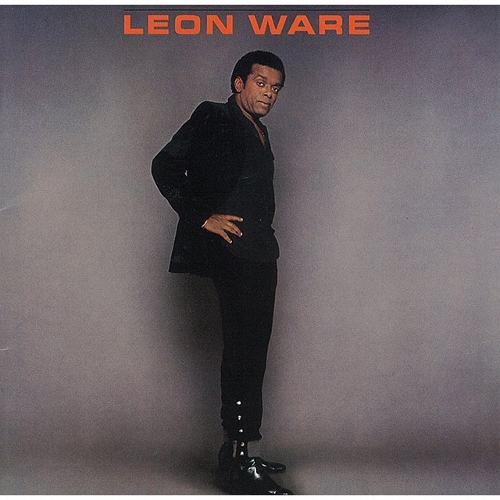
Leon Ware「Why I Came to California」は、しなやかなリズム、柔らかなコード、都会的なコーラスを備えたメロウ・ソウル/ブギー作品である。「Keep On」は、その滑らかに前進する感覚をトラックの土台として利用している。
原曲から受け継がれている最大の要素は、特定のメロディーだけではない。西海岸の陽光、海岸線、車で移動する感覚を連想させる、流動的なグルーヴそのものが重要である。
「Keep On」のイントロで、
“Just ice skate to this”
“Cha-cha, two-step to this”
“Roller skate to this”
と呼びかけるのも、この滑るようなリズムを意識したものと考えられる。
トラックはLeon Wareの原曲が持つ洗練されたソウル感を残しながら、ドラムをより硬くし、低域を強化することでWest Coast Hip-Hopへ作り替えている。
原曲の持つ開放的で都会的な空気は、「Keep On」ではローライダー、白いTシャツ、Ben Davis、クラブ、煙、仲間との移動といった西海岸のストリート風景へ置き換えられる。
つまりこのサンプリングは、単に古いソウル曲のフレーズを借りたものではない。
Leon Wareが描いた「カリフォルニアへ向かうこと」の高揚感を、Sly Boogyたちが「カリフォルニアで生き続けること」のアンセムへと更新している。
原曲のタイトルが「Why I Came to California」である点も、この曲にとって象徴的だ。
Leon Wareが外部から見たカリフォルニアへの憧れを歌ったとすれば、Sly Boogyたちは、その土地の内側から西海岸の文化、生活、偏見、誇りを語る。
サンプル元とラップの内容が、単なる音楽的引用を超えて、カリフォルニアという場所を通じて結びついている。
サンプル元
- Leon Ware「Why I Came to California」
- 発表年:1982年
- サンプリング曲:Sly Boogy「Keep On」
- 使用の特徴:滑らかなコード感、ソウルフルなコーラス、流動的なグルーヴ
トリビア
「Keep On」は『Beauty of Death』の収録曲として知られ、同作は2008年の作品として登録されている。
参加者のうちCrooked Iは、後にKXNG Crooked名義でも活動するロングビーチ周辺のラッパーであり、Sly Boogyとは「California Remix」でも共演歴がある。Sly Boogyの同曲にはCrooked Iを含む複数の西海岸MCが参加していたことが記録されている。
また、2023年にはBernard Jonesを加えたYacht Rescue名義のHouse Remixが配信されている。オリジナルの滑らかなWest Coast Hip-Hopを、より速いダンス・ミュージックへ置き換えた再解釈である。
イントロの“ice skate”“roller skate”という呼びかけは、後年のダンス・リミックスとも不思議な相性を見せる。原曲の時点ですでに、滑るような身体運動を意識したグルーヴが組み込まれていたと考えられる。
制作メモ
確定情報
- アーティスト:Sly Boogy
- 曲名:「Keep On」
- 客演:Crooked I、Kam、Miss King、AP
- 収録作品:『Beauty of Death』
- 作品年:2008年
- ジャンル:West Coast Hip-Hop/Gangsta Rap/G-Funk周辺
- 音源の長さ:約4分08秒
作品名、年、客演者については公開データベースの記載と一致する。
聴感ベース
- テンポ:約103BPM前後
- Aマイナー周辺を思わせる暗めのコード感
- 乾いたスネアと丸いキック
- 中低域を支える安定したベース
- 鍵盤系コードと薄いパッド
- セクションを区切る短いホーン・スタブ
- 多重録音されたソウルフルなコーラス
- ラップと歌のコントラストを生かしたミックス
- 明るさと緊張感を共存させるWest Coastグルーヴ
総評
Sly Boogyの「Keep On」は、西海岸のラッパーを集めた豪華な客演曲というだけではない。
Sly Boogyの地域を背負う力強さ、Crooked Iの技巧的な言葉遊び、Kamの重厚な存在感、Miss KingとAPによる滑らかな歌唱が、それぞれ異なる役割を担っている。
トラックは派手に展開しない。
暗めのコード、安定したベース、乾いたドラム、短いホーン、厚いコーラスを繰り返しながら、声の変化によって約4分間を進んでいく。
その反復は単調さではなく、タイトルの“Keep On”を音で表したものだ。
何が起きてもビートは止まらない。
ラッパーが交代しても、街が変わっても、語られる経験が異なっても、フックへ戻れば全員が同じ言葉を歌う。
“Keep on rockin’”
“Keep on smokin’”
“Keep it gangsta”
そこにあるのは、成功だけを目指す上昇志向ではない。
偏見を受けても、危険があっても、自分たちの文化、仲間、音楽、スタイルを守り続けるという意志である。
滑らかなコーラスに包まれているが、芯にはストリートの硬さがある。
メロウでありながら甘すぎず、ギャングスタでありながら殺伐としすぎない。「Keep On」は、2000年代後半のWest Coast Hip-Hopが持っていた柔らかさと緊張感を、絶妙なバランスで封じ込めた一曲だ。
エディターズノート
この曲の魅力は、フックだけを聴けば非常に親しみやすいのに、ヴァースへ入ると急に地域意識とストリートの緊張が立ち上がるところにある。
特に印象的なのは、イントロで「スケートするように踊れ」と誘導しておきながら、最初のヴァースではメディアによる西海岸文化の歪曲を批判する構成だ。
踊れる曲でありながら、自分たちがどう見られているかを冷静に理解している。
Crooked Iの技巧、Kamの重み、Sly Boogyの推進力は、それぞれ異なる方向を向いているようでいて、フックへ戻るたびに一つのWest Coastサウンドへ統合される。
派手なG-Funkリードや極端な低音に頼らず、声、コード、ドラムの配置で西海岸らしさを成立させた点も見逃せない。
「Keep On」は、過去のG-Funkをそのまま再現した曲ではない。
その精神、地域性、車で流したくなる滑らかさを2000年代後半の音像へ置き換えた作品である。
元ネタはこちらに収録
元ネタ
Sly Boogy – Keep On | A West Coast Anthem Built on Soulful Hooks, Street Pride, and the Will to Keep Moving
Sly Boogy’s “Keep On” is a West Coast Hip-Hop track built around smooth vocal harmonies, dry drums, a low-centered bassline, and forceful verses from multiple MCs.
At its core, however, the song is not simply a celebration of success.
It is about representing West Coast culture, reaffirming solidarity with one’s people, resisting the stereotypes imposed from outside, and continuing to live according to one’s own code regardless of pressure.
The phrase “Keep On” does not merely suggest moving forward. It also carries the sense of preserving a way of life: the music, the streets, the cars, the clothes, the crew, the smoke, the clubs, and the everyday culture of the West Coast.
Behind the smooth and accessible hook lies a mixture of regional pride, caution, intimidation, and survival instinct.
That contrast between warmth and tension is exactly what prevents “Keep On” from becoming just another mellow West Coast track.
Artist Introduction
Sly Boogy is a rapper associated with California’s Inland Empire, particularly the area around San Bernardino.
During the early 2000s, he attracted attention with tracks such as “That’z My Name,” “California Remix,” and “It’s Nuthin’,” combining a strong major-label-ready delivery with a distinctly West Coast street perspective while proudly representing the Inland Empire.
Public biographies describe him as having grown up in San Bernardino and beginning to rap in his early teens.
Sly Boogy’s style is not limited to the laid-back, behind-the-beat approach often associated with traditional G-Funk.
Although his voice is deep and heavy, his delivery frequently emphasizes sharp consonants and bursts of short phrases. On certain tracks, he can even display an East Coast-like hardness or the pressure of a battle rapper.
On “Keep On,” that aggressive edge is placed inside a smoother musical setting filled with relaxed vocals and gentle chord movement.
The result is a track that softens Sly Boogy’s rawness without weakening it, allowing toughness and accessibility to coexist.
Background
“Keep On” appears on Sly Boogy’s 2008 project Beauty of Death and features Crooked I, Kam, Miss King, and AP.
Beauty of Death is listed as a 2008 Hip-Hop release, with “Keep On” included among its tracks.
The guest credit is given as:
Sly Boogy feat. Crooked I, Kam, Miss King & AP
The combination of these artists is important when understanding the character of the song.
Sly Boogy brings the identity and presence of the Inland Empire.
Crooked I contributes the technical precision and lyrical skill associated with the Long Beach area.
Kam adds the weight and history of traditional Los Angeles West Coast Gangsta Rap.
Miss King and AP provide melodic vocal layers that transform the song from a simple posse cut into something closer to a wider West Coast anthem.
The track was also reworked in 2023 as a West Coast House Remix by Yacht Rescue, but the version discussed here is the original Hip-Hop recording released on the 2008 project.
First Impression
The first thing that stands out is the combination of slightly dark, smooth chords and a mid-tempo groove that naturally encourages the body to sway from side to side.
The recording runs for approximately 4 minutes and 8 seconds.
Audio analysis places the tempo at around 103 BPM. It is not particularly fast by club standards, yet it clearly moves forward with more momentum than a conventional slow jam.
The introduction includes phrases such as:
“Just ice skate to this”
“Cha-cha, two-step to this”
“Roller skate to this”
These lines essentially instruct the listener how to move to the song.
The imagined movement is not aggressive jumping or frantic dancing.
Instead, it suggests maintaining momentum while gliding, almost like skating across ice or rolling smoothly on skates.
That description also captures the rhythm of the production.
The drums do not stomp heavily into the ground. They maintain a consistent weight while sliding forward.
The bass avoids dramatic leaps and instead follows the harmony beneath the track.
Above that foundation, the chorus expands outward while the different MCs take turns delivering their verses.
The immediate impression is comfortable and open.
Yet once the lyrics are examined more closely, it becomes clear that regional identity, awareness of enemies, and street tension remain present underneath that openness.
Sound Analysis
Drums
The drums create a mid-tempo groove at approximately 103 BPM.
The kick is not designed to sound overwhelmingly huge. Instead, it has a defined low-midrange impact that appears at steady intervals.
The low end is controlled rather than exaggerated, allowing the kick to coexist naturally with the bassline.
The snare is dry and gives the smooth chord progression a firm rhythmic backbone.
Its reverb is short, and it hits sharply near the center of the stereo image, ensuring that the rhythmic structure remains clear even when the chorus becomes thick with layered vocals.
The hi-hats stay relatively restrained.
They connect the groove with a consistent level of detail rather than becoming the dominant source of rhythmic tension.
This is far removed from the rapid hi-hat programming associated with later Trap production.
Here, the hats primarily serve to organize the space between the kick and snare.
Short horn-like stabs and effects also appear around transitions between sections.
Rather than playing extended melodic phrases, these sounds act almost like punctuation marks, signaling the end of a hook or the entrance of another verse.
Overall, the drums are not flashy.
That restraint is precisely what allows them to support both the lyrical density of multiple rappers and the layered chorus.
Bass
The bass smoothly fills the lower portion of the track.
This is not the kind of dramatic synthesizer bassline frequently heard in classic G-Funk, where the notes may move across a wide melodic range.
Instead, it generally supports the roots of the chords through short, controlled low-frequency notes.
The bass often seems to trail slightly behind the kick rather than striking at exactly the same moment.
As a result, the rhythm feels rounded rather than rigid, making the track especially suited to being played while cruising in a car.
The low end is deep, but not extreme by modern sub-bass standards.
Its emphasis is more strongly placed in the low-midrange, allowing the bassline to remain audible across both car systems and ordinary home speakers.
That sense of stability also connects naturally with the title “Keep On.”
The bass does not exist to create one dramatic peak.
It simply continues from the beginning of the song to the end with the same steady posture.
Synths and Melody
The main melodic element is a keyboard-based sound repeating short chord patterns.
The harmony has a darker tone without becoming completely gloomy.
There is a minor-key character to it, but the warmth of the chorus keeps the atmosphere from feeling cold.
By ear, the track strongly suggests a tonal center around A minor, although the vocal harmonies and decorative notes make it difficult to state the key with absolute certainty.
For that reason, this should be treated as an approximate listening-based observation rather than a definitive technical identification.
Thin pads and sustained synthesizer layers sit in the background, filling the spaces between the chords.
At the same time, the high-pitched whistle-style lead commonly associated with 1990s G-Funk is not pushed to the foreground.
Instead of relying on one stereotypically West Coast sound, the track creates its regional identity through the combined character of the chords, bass, vocals, and rhythm.
Short horn stabs appear between sections and add a slight celebratory quality.
However, they are not bright funk horns.
They are clipped, sharp, and function more like street warning signals or crew chants.
Mix and Groove
The mix is built primarily around the vocals.
The rap performances remain clearly centered, with consonants and line endings easy to hear.
Even when Sly Boogy or Crooked I increase the density of their delivery, their voices are not swallowed by the drums or keyboard layers.
During the chorus, however, multiple sung voices are spread wider across the stereo field, surrounding the central lead.
This creates an important contrast.
The verses emphasize the individual.
The hook expands that individual voice into something collective.
In other words, the mix itself reflects the structural movement of the song:
from personal testimony to a wider regional anthem.
The overall loudness is fairly high, but the production does not simply overwhelm the listener with low frequencies.
The midrange is dense, allowing the voices, chords, and snare to move forward together.
Because the melodic layers are smooth while the drums remain relatively direct, the groove contains both swaying motion and forward momentum.
The “ice skate,” “two-step,” and “roller skate” imagery introduced at the beginning is therefore reflected in the physical sensation of the mix itself.
Rap
“Keep On” follows a multi-MC relay format, but the artists are not simply variations of the same type of rapper.
Each performer brings a different voice, rhythmic approach, and regional identity, which means the character of the track changes from section to section even though the beat remains consistent.
Sly Boogy
Sly Boogy opens from a perspective that seems to speak for the West Coast as a whole.
“West Coast, y’all, who gon’ save us?”
“We came in the game bringing major flavors”
These lines are not focused solely on his own success.
Instead, he begins with a broader question about how West Coast Hip-Hop is perceived and who is willing to defend its relevance and identity.
His delivery remains low in tone while emphasizing strong rhyme placement at the end of each line.
Words such as:
“save us / flavors / contagious / Davis / portrays us / outrageous”
form a chain of similar vowel sounds that allows the verse to move steadily across the beat.
The flow is not excessively intricate, but the landing point of each bar is extremely clear, giving the verse strong momentum toward the hook.
The line:
“White tees, low-lows and Ben Davis”
uses white T-shirts, lowriders, and Ben Davis clothing as instantly recognizable visual symbols of West Coast culture.
Regional identity is therefore not presented only through abstract declarations.
It appears through concrete details of everyday life.
Sly Boogy then turns toward media representation:
“But look at how the media portrays us
Uncivilized and so outrageous”
The verse pushes back against portrayals of West Coast street culture as primitive, chaotic, or inherently threatening.
This gives the verse more depth than simple boasting.
Sly Boogy celebrates his culture while simultaneously criticizing the way it is interpreted from the outside.
Crooked I
Crooked I’s section features more intricate syllable placement and denser wordplay than the other verses.
Phrases such as:
“coupe’s avocado”
“mulatto model”
“hot potatoes”
“bottle’s hollow”
“Colorado”
are chained together through similar sounds, packing numerous images into a relatively short span.
His flow does not merely glide across the surface of the beat.
It works tightly around the snare, accelerating and shifting between rhythmic spaces while still keeping each line clearly shaped through strong rhyme endings.
What makes the verse distinctly Crooked I is the way familiar Gangsta Rap subjects—cars, alcohol, women, clothing, and geography—are transformed into technical rap through vocabulary and rhyme density.
The line:
“I-Roc engine in the blue El Camino”
uses specific automotive imagery not simply as a display of wealth, but as a detailed representation of West Coast car culture.
Where Sly Boogy provides the broader regional viewpoint, Crooked I fills that landscape with close-up images of vehicles, people, clothing, and nighttime movement.
Kam
Kam’s verse contrasts strongly with Crooked I’s technical density.
His performance relies more heavily on vocal weight and authority.
He does not stretch his line endings dramatically.
Instead, he places his words firmly and decisively in a low register.
“I’m an Eastside G”
“still mingle with my niggas up in Inglewood”
These lines establish his own position while also emphasizing relationships across different areas.
The important point is that he does not represent his affiliation in a purely exclusionary way.
He identifies himself as an Eastside figure while maintaining connections with people in Inglewood.
That reinforces the larger structure of the song, which links multiple West Coast areas through a single track.
Expressions such as:
“put your iron up”
“all we firing up”
also create double meanings between imagery of firearms and the act of lighting up smoke.
The verse raises the level of tension before returning naturally to the smoking theme of the hook.
Violence and relaxation therefore begin to overlap.
This tension is a recurring characteristic of West Coast Gangsta Rap.
A peaceful everyday moment can exist directly beside danger, while a threatening line may be immediately followed by references to music, smoking, or time spent with friends.
The Final Verse
The later verse turns toward the sacrifices made in the rap game and a growing sense of responsibility toward younger generations.
“I came in the game paying major dues”
suggests that success was not simply handed over, but built through years of work, experience, and sacrifice.
The verse then states:
“I’ma show you young killers new ways to move
Show you how to play and get the paper too”
Here, the rapper presents himself not only as an intimidating Gangsta Rap figure, but as someone capable of teaching younger people how to navigate the environment and make money.
This introduces an element of mentorship.
However, the verse ultimately returns to the willingness to use violence in defense of one’s people.
Through wordplay connecting prayer and shooting, protection, loyalty, and retaliation become intertwined.
The idea of “continuing” therefore extends far beyond simply continuing a musical career.
It means passing down relationships, neighborhood codes, cultural identity, and methods of protection from one generation to the next.
Vocal Analysis
One of the defining features of “Keep On” is its smooth sung hook.
The chorus develops around three main ideas.
The first is:
“We just gon’ keep on rockin’”
This represents the continuation of music and celebration.
The second is:
“We just gon’ keep on smokin’, chokin’”
This evokes smoking, cruising, relaxation, and time spent with friends.
The third is:
“We just gon’ keep it gangsta”
This expresses the preservation of street identity and regional values.
The vocal style is soulful without becoming emotionally explosive.
Long “Ooh” notes and layered harmonies create a soft, expansive atmosphere.
Behind the main melody, additional voices double certain phrases or support the lead at lower pitches.
This makes the hook sound less like a single singer performing alone and more like an entire crew joining together.
The rap verses are spaces where the individual performers demonstrate their skill, experience, and regional identity.
The chorus is where everyone returns to the same shared set of values.
The vocal tone is also clearly separated from the rap performances.
The rappers use relatively dry voices and push their words directly forward.
The sung vocals carry more reverb and blend into the instrumental.
This contrast makes the verses feel like the physical reality of the street, while the chorus feels almost like an idealized image of community.
Lyrics and Themes
Defining West Coast Culture on Its Own Terms
At the center of the song is a desire to define West Coast culture from within.
White T-shirts, lowriders, Ben Davis clothing, clubs, alcohol, smoking, cars, Long Beach, Inglewood, and the Inland Empire all appear throughout the lyrics.
These details are not merely decorative.
They function as concrete symbols of local lifestyle, clothing, transportation, relationships, and identity.
While outside media may portray that culture as “uncivilized” or “outrageous,” the people living inside it describe the same world in terms of style, culture, pride, and belonging.
The song refuses to accept a negative identity imposed from outside.
The West Coast is depicted as a dangerous place, but also as a creative environment capable of generating music, fashion, language, and car culture.
The Meaning of “Keep On”
The title phrase is repeatedly connected with different actions:
Keep on rockin’
Keep on smokin’
Keep it gangsta
Because of this, “Keep On” does not refer to a single behavior.
Keep making music.
Keep riding with your people.
Do not abandon your style.
Continue representing your region.
Do not leave the game simply because conditions become difficult.
All of these ideas are contained inside the phrase.
What makes the message more complicated is that this continuation is not presented as clean motivational self-improvement.
The lyrics also contain references to alcohol, smoking, violence, gang identity, and firearms.
“Keep On” therefore represents a willingness to continue living within a contradictory environment rather than a simple story of personal growth or achievement.
Loyalty to Crew and Region
Individual wealth and sexual success are present in the lyrics.
However, individualism is not the dominant idea of the song.
Terms and place names such as:
“West Coast”
“the Dub”
“Long Beach”
“Inglewood”
“Eastside”
appear repeatedly.
Each MC establishes his own position, yet every verse eventually returns to the same shared hook.
The structure itself therefore functions as a way of connecting different West Coast cities and communities through one song.
Pleasure and Danger Existing Together
The production is smooth, danceable, and well suited to cruising.
Yet the lyrics refer to enemies, guns, gang affiliation, hardship, and retaliation.
That contrast is essential.
“Keep On” is not a song about reaching peace after overcoming danger.
It is about continuing to dance, smoke, ride, and play music while danger remains present.
For that reason, even the comfort of the chorus never becomes completely safe.
Behind the smooth harmonies is a street awareness capable of returning to tension at any moment.
Sampling and Track Production
“Keep On” samples Leon Ware’s 1982 song “Why I Came to California.”
Leon Ware’s “Why I Came to California” is a mellow soul and boogie recording characterized by supple rhythms, soft chords, sophisticated vocal arrangements, and a fluid sense of movement.
“Keep On” uses that smooth forward motion as an important foundation for its own production.
The most significant element inherited from the original is not simply one isolated melody.
It is the overall flow of the groove itself—music that evokes California sunlight, coastlines, and movement by car.
The introductory lines:
“Just ice skate to this”
“Cha-cha, two-step to this”
“Roller skate to this”
can also be understood as responding directly to this gliding rhythmic quality.
The production preserves part of the refined soul character of Leon Ware’s original while hardening the drums and strengthening the low end to reshape it into West Coast Hip-Hop.
The open, urban atmosphere of the original song is transformed into a different California landscape filled with lowriders, white T-shirts, Ben Davis clothing, clubs, smoke, and movement with one’s crew.
In that sense, the sample is more than a borrowed phrase from an older soul record.
Leon Ware’s song captures the excitement of coming to California.
Sly Boogy and his collaborators reinterpret that feeling as an anthem about continuing to live within California.
The title “Why I Came to California” becomes especially symbolic in this context.
If Leon Ware’s song can be heard as expressing an outsider’s fascination with California, Sly Boogy and the other artists speak from inside that environment about its culture, daily life, stereotypes, and pride.
The relationship between the sample and the lyrics therefore moves beyond musical quotation.
Both songs are connected through California itself.
Sample Source
Leon Ware – “Why I Came to California”
Release year: 1982
Sampled by: Sly Boogy – “Keep On”
Key characteristics used: smooth chord movement, soulful vocals, and a fluid, forward-moving groove
Trivia
“Keep On” is known as a track from Beauty of Death, which is listed as a 2008 release.
Crooked I, one of the featured artists, later became widely known under the name KXNG Crooked.
A rapper associated with the Long Beach area, he had also previously worked with Sly Boogy on “California Remix,” a track featuring several West Coast MCs.
In 2023, a House remix was released under the Yacht Rescue name with Bernard Jones added to the credits.
That reinterpretation transforms the smooth West Coast Hip-Hop original into a faster dance-oriented recording.
The introductory references to “ice skate” and “roller skate” also happen to work remarkably well with the later dance remix.
The original version already contained a groove built around the idea of smooth, gliding physical movement.
Production Notes
Confirmed Information
Artist: Sly Boogy
Track: “Keep On”
Featuring: Crooked I, Kam, Miss King, AP
Release: Beauty of Death
Year: 2008
Genre: West Coast Hip-Hop / Gangsta Rap / G-Funk-adjacent
Track length: approximately 4:08
The title, release year, and featured artists are consistent with publicly available database listings.
Listening-Based Observations
Tempo: approximately 103 BPM
Dark chord movement suggesting a tonal center around A minor
Dry snare and rounded kick
Stable low-midrange bassline
Keyboard-based chords with thin background pads
Short horn stabs used to mark section changes
Layered soulful chorus vocals
A mix built around the contrast between rap and singing
A West Coast groove combining warmth with underlying tension
Overall Assessment
Sly Boogy’s “Keep On” is more than a high-profile collaboration between several West Coast rappers.
Sly Boogy brings regional authority and forward momentum.
Crooked I contributes technical wordplay.
Kam adds a heavy, commanding presence.
Miss King and AP provide the smooth vocal layers that give the track its melodic identity.
The instrumental does not rely on dramatic changes.
Dark chords, steady bass, dry drums, short horn accents, and thick chorus vocals repeat throughout the approximately four-minute arrangement.
That repetition is not simply a lack of variation.
It functions as a musical representation of the title itself.
The beat keeps going regardless of what happens.
The rappers change.
The cities being referenced change.
Their personal experiences differ.
Yet every time the hook returns, they arrive back at the same shared message:
“Keep on rockin’”
“Keep on smokin’”
“Keep it gangsta”
This is not simply an upward-looking narrative about achieving success.
It is about maintaining one’s music, culture, people, and style even while facing stereotypes, danger, and outside pressure.
The song is wrapped in a smooth chorus, yet its core remains hard.
It is mellow without becoming overly sweet.
It is gangsta without becoming relentlessly hostile.
“Keep On” captures the balance between warmth and tension that characterized a certain side of late-2000s West Coast Hip-Hop with remarkable precision.
Editor’s Note
One of the most interesting things about “Keep On” is how approachable the song sounds if you focus only on the hook.
The moment the verses begin, however, regional consciousness and street tension immediately rise to the surface.
The structure is particularly striking.
The introduction invites the listener to move as though skating, yet the opening verse quickly shifts toward criticism of the way West Coast culture is portrayed by the media.
It is a danceable song that remains fully aware of the way its culture is viewed from outside.
Crooked I’s technical precision, Kam’s weight, and Sly Boogy’s driving presence may initially seem to pull in different directions.
Every time the hook returns, however, those contrasting voices are absorbed into one unified West Coast sound.
It is also worth noting that the track does not depend on an exaggerated G-Funk whistle lead or extremely dominant bass frequencies to establish its regional character.
Instead, its West Coast identity emerges through the arrangement of voices, chords, drums, groove, and cultural references.
“Keep On” is not simply an attempt to recreate the G-Funk sound of the past.
It translates the spirit of that tradition—its regional pride, cruising smoothness, and street awareness—into the sonic language of the late 2000s.
コメント