2 One One「Salt Shaka」は、約99 BPMの腰を落としたビート、丸くうねる低音、鋭く差し込むシンセ、そして歌うようなトークボックス/ファンク・ボーカルが絡み合う、濃厚なWest Coast G-Funk。
実際の音源を聴くと、単純に「Roger Troutman参加」という話だけでは終わらない。
序盤は複数MCによるストリート色の強いラップを中心に進みながら、フックへ入るたびに「Salt Shaker」という言葉を反復するメロディアスなボーカルが空気を変える。そして後半になるほど歌、掛け声、トークボックス的な加工声が前へ出て、最後にはラップ曲というよりファンク・セッションのような高揚感へ到達する。
約5分間、同じグルーヴを保ちながら少しずつ熱を上げていく一曲だ。
アーティスト紹介
2 One Oneはカリフォルニア州Pomonaを拠点としたラップ・デュオで、FellaとBoleggによるグループとして知られている。
「Salt Shaka」は1998年のアルバム『In Progress』に収録された楽曲で、Spice 1、Roger Troutmanが関わることで、アルバムの中でも特にWest Coast/G-Funk色の濃い仕上がりとなっている。
2 One Oneそのものは決して知名度の高いグループではないが、この曲を聴けば、90年代後半にもローカル作品の中で王道G-Funkのファンクネスがしっかり生き続けていたことが分かる。
作品背景
「Salt Shaka」は1998年作『In Progress』収録。
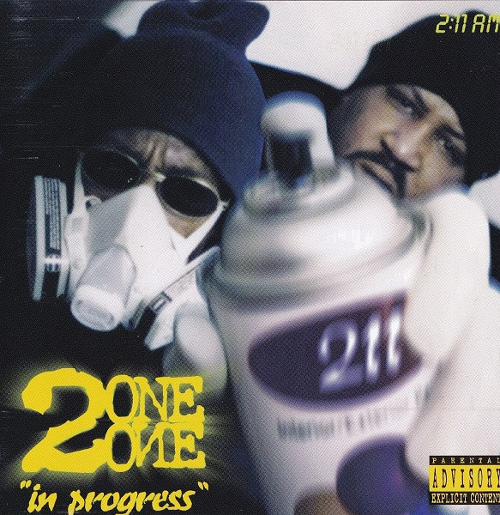
この曲で特徴的なのは、タイトルの「Salt Shaka(Salt Shaker)」という言葉。
歌詞では単純な「塩入れ」ではなく、噂を広げる者、話をかき回す者、裏切り者、嫉妬する者、いわゆる**“hater”を皮肉る言葉**として使われている。
冒頭からすでに「salt shaker」という言葉を提示し、その後のヴァースでは具体的な人間関係のトラブルを次々と描写する。
そのため、陽気なファンク・サウンドとは裏腹に、テーマそのものはかなりストリート寄りだ。
第一印象
まず耳を奪われるのは、ビートの太さよりも“揺れ方”。
テンポは実測で約99 BPM。
決して速くないが、スネアが強く拍を区切り、その隙間をベースとシンセが埋めることで、ゆったりしているのに前へ進む。
そして最大のポイントがフック。
ラップ部分では比較的硬いGangsta Rapの表情を見せるのに、
「Somebody somewhere…」「Salt Shaker」
と歌われる瞬間、突然ファンク/ソウル的な色気が広がる。
このストリートの硬さとファンクの艶っぽさの落差が「Salt Shaka」の魅力だ。
サウンド分析
ドラム
ドラムは約99 BPMのミッドテンポ。
キックは必要以上に連打せず、低い位置から短く押し出すタイプ。一方のスネア/クラップはかなり輪郭が明確で、
「ドン——パッ、ドン——パッ」
というWest Coastらしい大きなポケットを作っている。
細かなドラム・プログラミングで聴かせる曲ではない。
むしろ音数を抑えることで、ラップ、ベース、シンセ、ボーカルが動けるスペースを残している。
特にフックでは、このシンプルなドラムが効いている。
ボーカルが重なってもリズムの芯が崩れず、最後まで身体を左右へ揺らす感覚が維持される。
ベース
低域はこの曲の重要な土台。
極端に攻撃的なサブベースではなく、丸みを持ったファンク系の低音がキックの隙間を縫う。
一直線に音を伸ばすのではなく、フレーズの終わりで少し動くことでグルーヴを作っている。
そのためヘッドフォンで聴くと、
キック=縦方向の重量
ベース=横方向の揺れ
という役割分担がかなり分かりやすい。
この低域が「Salt Shaka」を単なる90年代Hip-Hopではなく、G-Funkとして感じさせる大きな要素になっている。
シンセ・メロディ
上物はかなりファンキー。
高域には細く鋭いシンセが入り、その下にはコード感を補う柔らかな鍵盤/シンセが配置されている。
面白いのは、メロディを複雑に展開させないこと。
短いフレーズを反復しながら、
ラップ → フック → ラップ
の切り替えによって同じ音の印象を変えている。
さらにトークボックス的な加工声が入ることで、人間の声とシンセの境界が曖昧になる。
ここにはRoger Troutman/Zapp周辺のファンク美学を強く感じる。
ミックス・グルーヴ
音源全体を見ると、イントロ後に一気に音圧が上がり、その後は大きく崩さず一定のエネルギーを保っている。
つまりこの曲は、大きなブレイクや劇的な展開で引っ張る作品ではない。
約5分間、ひとつのファンク・グルーヴを維持する設計だ。
ただし後半になるにつれて、声のレイヤーが増える。
メイン・ラップ、バックの掛け声、歌、加工されたボーカルが重なり、序盤よりも明らかに賑やかになる。
この変化が5分という長さを単調に感じさせない。
ラップ/ボーカル分析
この曲では複数の声が次々と登場するため、声質そのものがアレンジの一部になっている。
序盤のラップは比較的滑らか。
ビートへ言葉を詰め込みすぎず、99 BPMのポケットを利用して淡々と進む。
そこから声の低いMC、荒さのあるMCへ交代することで、同じビートでも印象が変わっていく。
Spice 1の参加も重要で、独特の硬質な声が入ることで、ファンキーなトラックへGangsta Rapらしい緊張感を加えている。
そして対極にあるのがフック。
ここではラップの攻撃性をいったん引き、ソウルフルな歌声と「Salt Shaker」の反復を前面に出す。
さらに終盤ではRoger Troutmanを思わせる加工ボーカル/トークボックス感が強まり、声を楽器として遊ぶような展開へ移行。
特にラスト1分前後は重要。
「Salt Shaker」「Hater」といった言葉が何度も繰り返され、メイン・ボーカル、バック・ボーカル、掛け声が交錯する。
ここではもうヴァースの物語より、
“声そのもののファンク”
を楽しませる構成になっている。
歌詞・テーマ
タイトルの「Salt Shaka」が曲全体のキーワード。
歌詞を追うと、意味はかなり明確だ。
噂を広げる人間、他人の恋愛へ口を挟む人間、話を誇張する人間、仲間を裏切る人間、嫉妬から揉め事を起こす人間——。
そうした人物を「Salt Shaker」と呼んでいる。
特に、
“he said / she said”
という構図が象徴的。
誰かから聞いた話を別の人間へ伝え、それがさらに別の人物へ伝わり、最終的にはまったく違う話になってしまう。
つまり「Salt Shaka」とは、周囲へ余計な“塩”を振りかけ、問題を大きくする存在。
後半ではそれがストリートの“beef”へ発展する危険性まで描かれている。
その一方でサウンドは徹底してファンキー。
内容は警告、音はパーティー。
このギャップが非常に面白い。
サンプリング&トラックメイキング
「Salt Shaka」では、Zapp「Heartbreaker (Part I, Part II)」がサンプリングされている。
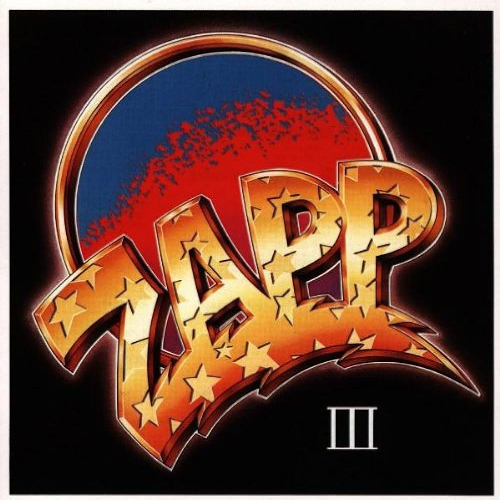
実際に音源を聴くと、このネタ使いが曲全体のファンク感を決定づけていることがよく分かる。
丸く動く低音、ゆったりとした約99 BPMのビート、その上を漂うシンセとボーカル。それらが組み合わさることで、Zapp特有の粘りのあるファンク・グルーヴが90年代後半のWest Coast Hip-Hopへと作り替えられている。
そして何より面白いのが、Zappの中心人物であるRoger Troutman自身が「Salt Shaka」に参加していること。
つまりこの曲は、単にZappの楽曲をサンプリングしてG-Funkへ仕立てた作品ではない。
Zapp「Heartbreaker」をサンプリング
→ そのファンクをHip-Hopビートへ再構築
→ Roger Troutman本人が参加
という構図になっている。
そのため、トークボックス/加工ボーカルが入った瞬間にも単なる「Zapp風」の模倣ではない説得力が生まれる。
特に後半、ラップ中心だった構成から「Salt Shaker」の反復、コーラス、加工された声が重なっていく部分では、Hip-Hopという枠を越えてZappのファンク・セッションへ接近していくような感覚が強くなる。
「Salt Shaka」の濃厚なG-Funkサウンドを支えているのは、まさにこの「Heartbreaker」のサンプリングとRoger Troutman本人の存在。
元ネタと、その元ネタを生み出した人物が同じHip-Hopトラック上で再び交差する。
ここは「Salt Shaka」を語るうえで外せないポイントだ。
トリビア
「Salt Shaka」をさらに興味深いものにしているのが、Zapp「Heartbreaker (Part I, Part II)」のサンプリングとRoger Troutman本人の参加が同じ曲の中で交差していること。
「Heartbreaker」はZappのファンク・サウンドを象徴する楽曲のひとつで、「Salt Shaka」ではそのグルーヴをHip-Hopのビートへ取り込み、約99 BPMのゆったりとしたG-Funkへと再構築している。
そして、そのZappを率いたRoger Troutman自身が「Salt Shaka」に参加。
つまり、
Zapp「Heartbreaker」をサンプリング
→ 2 One One流のG-Funkへ再構築
→ Roger Troutman本人が加わる
という、元ネタとそのサウンドを生み出した人物が再び同じトラック上でつながる構図になっている。
実際に音源を聴くと、その意味は特に後半で大きくなる。
序盤は複数MCによるWest Coast Rapとして進むが、終盤になるほど「Salt Shaker」の反復、ソウルフルなコーラス、掛け声、加工されたボーカルが重なり、次第にラップ曲からファンク・セッションのような空気へ変化していく。
「Heartbreaker」をただ元ネタとして借りるだけではなく、Roger Troutman本人の存在によってZappのファンクをもう一度Hip-Hopの中で鳴らしている。
ここは「Salt Shaka」を語るうえで外せないポイントだ。
総評
2 One One「Salt Shaka」は、Zapp直系のファンクと90年代後半West Coast Rapが濃密に交差したG-Funk。
約99 BPMのゆったりしたビートに、丸く動くベース、乾いたスネア、鋭いシンセ、複数MCによるマイクリレーが乗り、「Salt Shaker」という印象的なフックが曲全体をつないでいく。
歌詞で描かれるのは、噂を広げ、人間関係をかき回し、余計なトラブルを生み出す“Salt Shaker”たち。
テーマにはストリートの緊張感がある一方、サウンドは驚くほど陽気でファンキーだ。
そして、この曲を決定的に特別なものにしているのが、Zapp「Heartbreaker (Part I, Part II)」のサンプリングとRoger Troutman本人の参加。
ZappのファンクをサンプリングしたHip-Hopトラックに、そのサウンドを作り上げたRoger本人が加わることで、「ZappっぽいG-Funk」では終わらない説得力が生まれている。
特に後半が素晴らしい。
ラップ中心だった曲が、次第に「Salt Shaker」の反復、コーラス、掛け声、加工ボーカルの重なりへと変化し、最後にはZappのスタジオ・セッションへ迷い込んだような濃厚なファンク空間へ到達する。
「Heartbreaker」のDNAを受け継ぎながら、それを1998年のWest Coast Hip-Hopとして鳴らし直す。
元ネタがZapp、そしてRoger Troutman本人までいる。
この組み合わせこそ「Salt Shaka」最大の魅力であり、埋もれたG-Funkを掘る面白さを存分に感じさせてくれる一曲だ。
今回ご紹介の楽曲の購入はこちらから

元ネタはこちらに収録

2 One One – Salt Shaka | Zapp Funk Reborn as Late-’90s West Coast G-Funk
2 One One’s “Salt Shaka” is thick West Coast G-Funk built around a laid-back beat at approximately 99 BPM, rounded rolling bass, sharp synth accents, and melodic talkbox / Funk vocals.
But listening to the actual recording reveals that the track is about much more than simply saying:
“Roger Troutman is on it.”
The first half is driven primarily by multiple MCs delivering street-oriented verses.
Every time the hook arrives, however, the atmosphere changes as melodic vocals repeat the phrase:
“Salt Shaker.”
As the track progresses, singing, background shouts, and processed talkbox-style vocals gradually move further into the foreground.
By the ending, the record almost stops feeling like a conventional rap track.
It begins to feel like a Funk session.
For nearly five minutes, “Salt Shaka” holds onto the same fundamental groove while slowly increasing the temperature.
Artist Introduction
2 One One was a rap duo based in Pomona, California, known as the group of Fella and Bolegg.
“Salt Shaka” appears on their 1998 album In Progress.
With Spice 1 and Roger Troutman involved, it stands as one of the album’s strongest connections to West Coast Rap and G-Funk.
2 One One may not be among the most widely recognized groups from the era.
But “Salt Shaka” demonstrates something important:
even in the late 1990s, classic G-Funk’s deep connection to Funk remained alive in local West Coast releases.
And on this track, that connection runs directly through Zapp.
Background
“Salt Shaka” appears on 2 One One’s 1998 album In Progress.
One of the most interesting elements is the title itself:
“Salt Shaka” / “Salt Shaker.”
Within the song, the phrase is not simply referring to the object sitting on a dinner table.
It is used sarcastically for the kind of person who spreads rumors, interferes in other people’s business, betrays friends, creates jealousy, or generally acts like a hater.
The phrase “salt shaker” appears almost immediately.
From there, the verses move through different examples of damaged relationships and unnecessary conflict.
That creates an interesting contradiction.
The music is loose and funky.
The subject underneath it is considerably more street-oriented.
First Impression
The first thing that stands out is not simply the weight of the beat.
It is the way the entire track moves.
The measured tempo is approximately 99 BPM.
It is not fast, but the snare sharply divides the rhythm while bass and synth textures move through the spaces between the drums.
The result feels relaxed while still moving forward.
Then comes the hook.
During the verses, “Salt Shaka” carries a relatively hard Gangsta Rap character.
But when:
“Somebody somewhere…”
and:
“Salt Shaker”
enter the track, the atmosphere suddenly opens into something much more melodic and soulful.
That contrast is one of the record’s greatest strengths:
street hardness against the sensuality of Funk.
Sound Analysis
Drums
The drums sit in a mid-tempo pocket at approximately 99 BPM.
The kick is not constantly firing.
Instead, it delivers short pushes from the bottom of the mix.
The snare / clap is much more clearly defined, creating a large West Coast pocket:
boom — crack, boom — crack.
This is not a track designed around complicated drum programming.
The restraint is intentional.
Leaving space between the drums gives the rap, bass, synths, and vocals room to move.
That becomes particularly important during the hook.
Even when several vocal layers begin stacking on top of one another, the rhythmic foundation remains clear.
The result is a groove that keeps the body moving from side to side all the way through.
Bass
The low end is one of the track’s most important foundations.
Rather than an aggressively oversized sub-bass tone, “Salt Shaka” uses rounded, Funk-oriented low frequencies that move through the spaces around the kick.
The notes do not simply stretch in a straight line.
Small movements at the ends of phrases create additional groove.
Through headphones, the relationship becomes especially clear:
kick = vertical weight
bass = horizontal movement
That interaction is a major reason why “Salt Shaka” feels like G-Funk rather than simply another late-1990s Hip-Hop record.
The low end does not just hit.
It rolls.
Synths & Melody
The upper instrumental layers are deeply funky.
Thin, sharp synth accents occupy the higher frequencies, while softer keyboard / synth textures underneath provide harmonic support.
What is interesting is how little the melodic material needs to change.
Short phrases repeat throughout the track.
Instead, their meaning changes depending on whether they appear beneath:
rap → hook → rap.
Then the processed talkbox-style vocals enter.
At that point, the line between human voice and synthesizer becomes increasingly difficult to separate.
This is where the Funk vocabulary associated with Roger Troutman and Zapp becomes especially powerful.
The voice is no longer simply delivering lyrics.
The voice becomes another instrument.
Mix & Groove
After the introduction, the recording quickly reaches its full weight and then maintains a relatively consistent level of energy.
There are no enormous breakdowns.
No dramatic beat switches.
Instead, the track is designed to hold one Funk groove for nearly five minutes.
But it does not remain completely static.
As the song progresses, more voices begin entering the mix.
Lead rap.
Background shouts.
Singing.
Processed vocals.
By the later sections, the arrangement feels noticeably busier than it did at the beginning.
That gradual increase in vocal density is what keeps the long runtime from becoming repetitive.
The groove stays the same.
The people inside the groove keep multiplying.
Rap / Vocal Analysis
Because so many voices move through “Salt Shaka,” vocal texture becomes part of the arrangement itself.
The earlier rapping is relatively smooth.
Instead of packing every available space with words, the MCs use the large 99 BPM pocket and allow the beat to breathe.
Then lower and rougher voices appear.
Even though the instrumental remains essentially the same, every change of rapper slightly alters the mood.
Spice 1’s presence is particularly important.
His harder vocal character adds a Gangsta Rap edge to an otherwise deeply funky production.
Then comes the opposite side of the record:
the hook.
Here, much of the aggression disappears.
Soulful singing and the repeated “Salt Shaker” phrase take control.
As the ending approaches, the Roger Troutman-style processed vocal / talkbox character becomes increasingly prominent.
The voices begin to function less like conventional rap performances and more like instruments playing with the groove.
The final minute is especially important.
“Salt Shaker.”
“Hater.”
The phrases keep returning.
Lead vocals, background vocals, and shouted responses begin overlapping.
By this point, the narrative of the verses becomes less important.
The listener is being invited to enjoy something else:
the Funk of the human voice itself.
Lyrics & Themes
The title phrase “Salt Shaka” is the key to the entire song.
Following the lyrics makes its meaning increasingly clear.
It refers to people who spread rumors.
People who interfere with someone else’s relationship.
People who exaggerate stories.
People who betray friends.
People who create conflict because of jealousy.
In other words:
haters.
The recurring idea of:
“he said / she said”
captures the problem perfectly.
One person hears something.
They tell somebody else.
That person repeats it again.
Eventually, the original story has become something completely different.
A “Salt Shaker,” then, is somebody who keeps sprinkling more salt onto a situation until the problem becomes much larger than it originally was.
Later verses suggest how easily that behavior can develop into real street beef.
Yet the production remains relentlessly funky.
That contradiction is central to the song:
the message is a warning.
The music is a party.
Sampling & Trackmaking
“Salt Shaka” samples Zapp’s “Heartbreaker (Part I, Part II).”
Listening to the recording makes it clear how important that source is to the track’s overall Funk character.
Rounded moving bass.
The relaxed approximately 99 BPM rhythm.
Synth textures floating around the beat.
Melodic and processed vocals.
Together, those elements transform the sticky Funk groove associated with Zapp into late-1990s West Coast Hip-Hop.
But there is another detail that makes the connection especially interesting:
Roger Troutman himself is involved with “Salt Shaka.”
That creates a remarkable chain:
Zapp’s “Heartbreaker” is sampled
→ its Funk is reconstructed inside a Hip-Hop beat
→ Roger Troutman himself joins the track.
So “Salt Shaka” is not simply a G-Funk record attempting to sound like Zapp.
The connection runs directly back to one of the people responsible for creating that sound.
That becomes especially powerful when the talkbox / processed vocals appear.
The later sections gradually move away from verse-driven Hip-Hop.
“Salt Shaker” repeats.
The chorus expands.
Background shouts accumulate.
Processed voices move through the groove.
And the record begins to approach the feeling of a Zapp Funk session.
The sample and Roger Troutman’s presence are therefore not minor trivia.
They sit at the heart of the track’s musical identity.
The source material and the man behind that Funk tradition meet again inside the same Hip-Hop record.
That is one of the defining qualities of “Salt Shaka.”
Trivia
One of the most fascinating things about “Salt Shaka” is the way the Zapp “Heartbreaker (Part I, Part II)” sample and Roger Troutman’s involvement intersect within the same track.
“Heartbreaker” represents the kind of elastic electronic Funk closely associated with Zapp.
“Salt Shaka” takes that Funk language and reconstructs it inside a laid-back G-Funk groove moving at approximately 99 BPM.
Then Roger Troutman himself enters the picture.
The relationship can almost be traced as a circle:
Zapp’s “Heartbreaker”
→ reconstructed as 2 One One G-Funk
→ Roger Troutman returns to the sound.
The significance becomes increasingly obvious toward the ending.
The first half works primarily as West Coast Rap with multiple MCs.
But later, the repeated “Salt Shaker” phrase, soulful chorus, background shouts, and processed vocals begin taking over.
Slowly, the track stops feeling like a sequence of rap verses.
It starts feeling more like a Funk jam.
Rather than simply borrowing Zapp as source material, “Salt Shaka” brings the Zapp Funk language back into Hip-Hop with Roger Troutman himself connected to the record.
That is an essential part of what makes the track special.
Production Notes
The recording runs for approximately five minutes and moves at around 99 BPM.
Its construction is relatively simple.
There is no need for constant dramatic changes.
Instead, the production depends on a few strong elements:
heavy pocket drums,
rounded bass,
sharp synth accents,
multiple MCs,
soulful vocals,
processed Funk voices.
The arrangement keeps returning to the same fundamental groove.
What changes is the density.
The beginning feels more like a rap record.
The middle balances rap and hook.
The ending increasingly belongs to the vocals and Funk textures.
That gradual transformation is the key.
The instrumental does not need to change completely because the function of the voices changes around it.
By the final section, the voice is no longer only delivering lyrics.
It has become part of the groove itself.
Final Thoughts
2 One One’s “Salt Shaka” is late-1990s West Coast G-Funk where Zapp’s Funk DNA and street rap collide at full strength.
A relaxed beat at approximately 99 BPM.
Rounded, moving bass.
Dry snares.
Sharp synth accents.
Multiple MCs passing the microphone.
And the unforgettable repetition of:
“Salt Shaker.”
Lyrically, the song targets the people who spread rumors, interfere in relationships, betray friends, and turn small problems into larger conflicts.
There is real street tension underneath the concept.
Yet the music remains almost ridiculously funky.
The subject is conflict.
The sound is celebration.
And what ultimately makes the record exceptional is the combination of Zapp’s “Heartbreaker (Part I, Part II)” sample and Roger Troutman’s own involvement.
A Hip-Hop track samples the Funk of Zapp.
That Funk is rebuilt for 1998 West Coast Rap.
Then Roger Troutman himself becomes part of the equation.
That gives “Salt Shaka” a level of authenticity that goes far beyond simply sounding “Zapp-inspired.”
The final section is where everything comes together.
The rap begins to give way.
“Salt Shaker” keeps repeating.
The chorus grows thicker.
Shouts appear everywhere.
Processed vocals start playing with the groove.
And eventually, it feels less like listening to a rap song and more like accidentally walking into a Zapp studio session.
“Salt Shaka” takes the DNA of “Heartbreaker” and makes it live again inside late-1990s West Coast Hip-Hop.
The source is Zapp.
Roger Troutman himself is there.
And the Funk never lets go.
That combination is exactly what makes “Salt Shaka” such a rewarding hidden G-Funk cut to discover.
コメント