「P.I.M.P.」――タイトルだけを見れば、女を従える“Pimp”を描いた典型的な90年代ギャングスタ・ラップを想像する。
しかし、Tru II Floがここで掲げる意味は少し違う。
“Focused Into Making Paper”――金を稼ぐことに集中する。
約96BPMのゆったりしたビート、丸く沈むベース、薄く漂うメロディ、そして何度も繰り返される「Focused into making paper」。
派手に威圧するのではなく、余裕を崩さず金を追う。
「P.I.M.P.」は、そんな90年代ベイエリアのプレイヤー感覚を、メロウなG-Rapへ落とし込んだ一曲だ。
アーティスト紹介
Tru II Flo(Tru 2 Flo)は、カリフォルニア州ヴァレーホ周辺から登場したラップ・プロジェクト。
1996年にTri-Town Recordsから「P.I.M.P.」を発表しており、プロデュースにはJames “JAE-E” Earleyが関わっている。
大規模な商業展開をしたグループではなく、現在確認できる情報も非常に限られている。
だからこそ「P.I.M.P.」には、メジャー作品とは違う90年代ベイエリア・インディーG-Rap特有のローカル感が濃く残っている。
作品背景
「P.I.M.P.」は1996年発表。
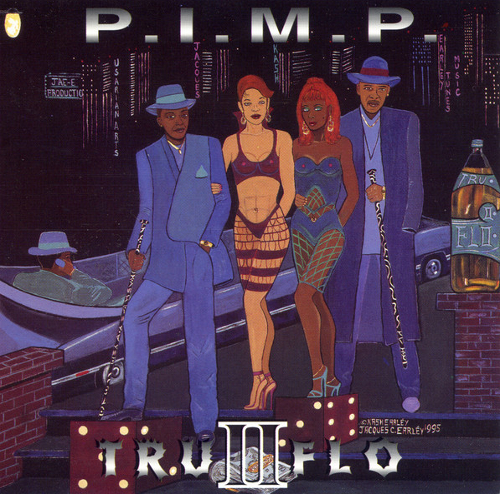
この曲で重要なのは、タイトルの意味だ。
一般的な“Pimp”という言葉を使いながら、曲中では繰り返し、
“Focused into making paper”
というフレーズが登場する。
つまりTru II FloにとってのP.I.M.P.は、単純な女性関係の誇示だけではない。
金を稼ぐことに意識を集中させた“Player”としての生き方が曲の中心に置かれている。
歌詞にはヒップホップで稼ぐこと、ストリートで生きること、自分の才能を金へ変えることなどが描かれ、タイトルそのものが曲全体の思想になっている。
第一印象
最初に感じるのは、驚くほど力の抜けた心地よさ。
イントロから、
“Pimp, player, yeah, you know…”
という声が入り、その後ろで「Focused into making paper」が繰り返される。
ビートは攻撃的ではない。
むしろ夜の街を車でゆっくり流しているような、滑らかな感触が強い。
それでいて完全なスロウジャムではなく、ドラムにはしっかりヒップホップの芯がある。
メロウ、ファンキー、ストリート。
この3つが無理なく同居している。
サウンド分析
ドラム
テンポは音源解析で約96BPM。
90年代西海岸G-Rapとしては非常に乗りやすいミドルテンポだ。
キックは必要以上に前へ出ず、スネアも硬く叩きつけるというより、一定の位置からグルーヴを支えている。
重要なのは音数ではなく間。
ラップが入るスペースを十分に残しており、MCの言葉がビートに押しつぶされない。
そのため首を激しく振らせるというより、
身体を左右に揺らしながら聴かせるタイプのグルーヴ
になっている。
ベース
低域はこの曲の空気を決定づける要素のひとつ。
ベースは極端に暴れず、丸みのある低音がトラックの下側をゆったり支える。
キックと一緒に前へ突進するのではなく、少し後ろへ重心を置いた感覚があり、これが“Player”らしい余裕につながっている。
車内で鳴らしたときに低域がじわっと広がるような作りで、ヴァレーホ/ベイエリア系G-Rapとの相性もいい。
シンセ・メロディ
メロディはかなり控えめ。
派手なリードシンセを全面に押し出すタイプのG-Funkではなく、柔らかなコード感と背景の音色によってムードを作っている。
その上にフックの声が乗ることで、トラックそのものが巨大なメロディを演奏しなくても、十分にキャッチーに聞こえる。
特に女性ボーカルが加わる部分ではR&B的な艶が強まり、ストリート・ラップ一辺倒ではない滑らかさが生まれる。
ミックス・グルーヴ
この曲の最大の魅力は、個々の音よりも全体の配置にある。
ドラム、ベース、メロディ、ラップ、女性ボーカルのどれか一つだけを極端に前へ出さない。
そのため約4分47秒という尺でも圧迫感が少ない。
特にフックでは、
男性の低い声 → “Focused into making paper” → 女性ボーカル
という層が重なり、曲が進むほどヴォーカルそのものがアレンジの一部になっていく。
終盤になると女性ボーカルの存在感がさらに増し、ラップ曲からメロウなストリートR&Bへ近づいていくような感触さえある。
ラップ/ボーカル分析
ラップは全体的に低重心。
怒鳴ったり高速で畳み掛けたりするのではなく、自分の言葉を確実にビートへ置いていくスタイルだ。
1ヴァース目では、
「金を稼ぐことに集中する」
という曲の基本思想が提示される。
特に興味深いのが、
“Instead of pimpin’ dirt, I’m just pimpin’ the wax”
というライン。
ここでは“pimp”という言葉を、音楽活動そのものへ置き換えている。
つまり自分が操っているのは女性ではなくレコード=音楽。
「P.I.M.P.」というタイトルの意味を理解するうえで重要な一節だ。
続くヴァースでは、よりストリート寄りのプレイヤー像が強くなる。
ハスリング、金、仲間、Bayへの言及などを交えながら、自分の生活と成功への欲望を語っていく。
さらに後半ではJAE-Eを名乗るラップが登場。
ここでは、
“JAE-E, producer into making paper”
と、自分をプロデューサーとして提示しながら、スタジオでビートを作り、それを金へ変えていく姿が描かれる。
そして女性ボーカル。
この声が非常に重要だ。
単なるバックコーラスではなく、後半では「money」「make your money」といった言葉を自由に重ね、曲のテーマそのものを歌声で増幅している。
ラップの硬さと女性ボーカルの艶。
この対比によって「P.I.M.P.」は単純なローカル・ギャングスタ・ラップ以上の色気を獲得している。
歌詞・テーマ
中心テーマは明確。
金を稼ぐこと。
ただし単純な札束自慢だけではない。
1ヴァース目では、
“Trying to get paid is a day to day struggle”
と語られる。
金を得ることは毎日の闘いであり、その中で自分が持っている“声”や“音楽”という才能を武器にする。
さらに、
“The gift God blessed upon to me”
と、自分の才能を神から与えられたものとして語っているのも興味深い。
ここから見えてくるのは、
才能 → 音楽 → 金
という構図。
だからこの曲における“Pimp”は、単純なポン引きの意味では終わらない。
自分の才能、自分の音楽、自分の環境を利用しながら生き残り、金を作る人物。
それがTru II Floの描くP.I.M.P.だ。
さらに、
“From the Bay so I’ll never be broke”
というラインからは、ベイエリアへの強い帰属意識も読み取れる。
金、音楽、ストリート、地元。
それらすべてが一本につながっている。
トリビア
「P.I.M.P.」にはRadio Mix、Album Version、Instrumental、Ghetto Mix、Beat-Apella、Club Extended Mixなど、複数のバージョンが存在する。
また、当時の資料ではTru II Floのアルバム**『Ghetto Flight 224』**も予告されていた。
ただし、そのアルバムが当初の予定通り正式流通したかについては、現時点で確実な情報を確認できない。
そのため「P.I.M.P.」は、Tru II Floという存在を現在へ伝える貴重な音源のひとつになっている。
制作メモ
プロデュースはJames “JAE-E” Earley。
今回の音源を聴くと、JAE-Eの仕事で特に印象的なのは、派手な音を詰め込まないこと。
約96BPMのビートを土台に、ベース、控えめなメロディ、反復するフック、女性ボーカルを配置。
そこへ複数のラップを入れている。
しかも後半になるほど女性ボーカルのアドリブが増え、
“Gotta get your money on”
“Make your money”
といったフレーズが重なっていく。
そして最後は「Focused into making paper」という言葉を何度も残しながらフェードしていく。
曲の最初から最後まで、
P.I.M.P.=金を作ることに集中する
というコンセプトを崩さない構成になっている。
なお、今回確認した範囲では、元ネタを断定できるサンプリング情報は確認できないため、サンプリングについては記載しない。
総評
Tru II Flo「P.I.M.P.」は、派手なG-Funkではない。
強烈なシンセで押すわけでもなければ、凶悪なギャングスタ・サウンドで威圧するわけでもない。
その代わりにあるのが、
約96BPMのゆるいビート、丸い低音、メロウな空気、女性ボーカル、そして金を追い続けるプレイヤーの姿。
特に面白いのは、“Pimp”という90年代ラップではありふれた言葉を、
“Focused Into Making Paper”
という自分たちなりの哲学へ変えていることだ。
女性を支配するPimpではなく、自分の才能と音楽を使って金を生み出すPimp。
“Instead of pimpin’ dirt, I’m just pimpin’ the wax.”
この一節に、この曲の本質が凝縮されている。
ベイエリアの華やかな成功者たちの陰で、Tri-Town Recordsのような小さなレーベルから生まれていたローカルG-Rap。
その地下に漂っていた**「いつか音楽で稼ぐ」という生々しい野心**まで閉じ込めたような一曲だ。
Tru II Flo – P.I.M.P. | Bay Area G-Rap Focused Into Making Paper
“P.I.M.P.”
Judging by the title alone, you might expect a typical piece of 1990s gangsta rap built around the familiar image of a pimp controlling women.
But Tru II Flo gives those letters a different meaning:
“Focused Into Making Paper.”
Focused on making money.
An approximately 96 BPM beat, rounded low-end, hazy melodic textures, and the phrase “Focused into making paper” repeating throughout the track.
Nothing sounds desperate.
Nothing needs to intimidate the listener.
The entire record carries the relaxed confidence of someone who intends to make money without ever losing his cool.
“P.I.M.P.” takes that distinctly 1990s Bay Area player mentality and turns it into a mellow piece of underground G-Rap.
Artist Introduction
Tru II Flo—also written as Tru 2 Flo—was a rap project associated with the Vallejo area of California.
In 1996, the group released “P.I.M.P.” through Tri-Town Records, with James “JAE-E” Earley involved in the production.
Tru II Flo was not a group backed by a major commercial campaign, and detailed information about the act remains extremely limited today.
That obscurity is part of what makes “P.I.M.P.” so interesting.
The record preserves the atmosphere of independent 1990s Bay Area G-Rap—the kind of local music that existed outside the region’s better-known labels and artists.
It sounds less like a carefully constructed attempt at national crossover and more like a snapshot of the underground Bay Area scene itself.
Background
“P.I.M.P.” was released in 1996.
The most important detail is the meaning given to the title.
Throughout the track, the phrase:
“Focused into making paper”
returns again and again.
For Tru II Flo, then, P.I.M.P. is not simply about the conventional image of a pimp or the domination of women.
The central idea is a different kind of player mentality:
staying focused on making money.
The lyrics discuss earning through hip-hop, surviving in the streets, and converting personal talent into income.
As a result, the title is not merely a provocative acronym.
It becomes the philosophy of the entire song.
First Impression
The first thing that stands out is just how effortlessly relaxed the track feels.
The intro brings in:
“Pimp, player, yeah, you know…”
while “Focused into making paper” begins repeating underneath.
The beat is not aggressive.
It feels more like slowly cruising through the city at night.
Yet this is not completely an R&B slow jam either.
The drums still carry a clear hip-hop backbone.
Mellow.
Funky.
Street.
Those three qualities coexist without fighting one another.
That balance gives “P.I.M.P.” its character.
Sound Analysis
Drums
The recording sits at approximately 96 BPM.
That is an ideal midtempo range for this style of 1990s West Coast G-Rap.
The kick does not push unnecessarily far forward.
The snare does not hit with an exaggerated hardness either.
Instead, both remain in controlled positions and support the groove.
The most important element is not the number of drum hits.
It is the space between them.
There is enough room for the rappers to place their words without competing against the beat.
As a result, the rhythm does not demand aggressive head-nodding.
It creates something more relaxed:
a groove designed to make the body sway from side to side.
Bass
The low end is one of the elements that defines the atmosphere of the record.
The bass never becomes excessively busy.
Instead, rounded low frequencies sit underneath the track and support it at an easy pace.
Rather than charging forward with the kick, the bass seems to place its weight slightly behind the beat.
That subtle laid-back quality contributes heavily to the player atmosphere.
It is easy to imagine the low frequencies gradually filling the interior of a car.
That kind of bass sits naturally within the sound world of Vallejo and Bay Area G-Rap.
Synths & Melody
The melodic side of the production is relatively restrained.
This is not G-Funk built around a huge, screaming lead synth.
Instead, soft chord textures and background tones establish the mood.
Once the repeated hook is placed over them, the instrumental does not need an enormous melody to remain memorable.
The female vocal adds another important dimension.
Whenever it becomes more prominent, the track moves closer toward the smoothness of R&B.
That prevents “P.I.M.P.” from becoming a purely hard-edged street record.
The melody is understated.
But the atmosphere is rich.
Mix & Groove
The greatest strength of the production comes from how everything is positioned together.
Drums.
Bass.
Melody.
Rap.
Female vocals.
No single element is pushed so far forward that it overwhelms the others.
That balance keeps the approximately 4:47 running time from feeling claustrophobic.
The hook is particularly effective because several vocal layers begin interacting:
a low male voice
→ “Focused into making paper”
→ female vocals.
As the track progresses, those voices increasingly become part of the arrangement itself.
By the later sections, the female singer becomes even more prominent.
For moments, the song almost begins shifting from underground rap toward mellow street R&B.
That gradual transition gives the second half of “P.I.M.P.” much of its appeal.
Rap / Vocal Analysis
The rapping generally stays low and grounded.
Nobody needs to shout.
Nobody needs to attack the beat at extreme speed.
Instead, the MCs place their words deliberately into the groove.
The first verse establishes the central philosophy:
stay focused on making money.
One of the most revealing lines is:
“Instead of pimpin’ dirt, I’m just pimpin’ the wax.”
Here, the conventional meaning of “pimp” is redirected toward music itself.
He is not talking about exploiting women.
What he is “pimping” is the wax—the record, the music.
That line is crucial to understanding the concept behind the title.
Later verses move further into the street-player perspective, touching on hustling, money, the crew, the Bay, and the desire for success.
Then a verse identifying JAE-E enters the track.
The line:
“JAE-E, producer into making paper”
presents him through his role as a producer.
He makes beats in the studio.
Those beats become records.
And those records are supposed to become money.
Then there is the female vocalist.
Her contribution is essential.
She does much more than provide background harmonies.
As the track progresses, phrases surrounding “money” and “make your money” begin appearing more freely.
Her vocals amplify the theme of the record itself.
The rappers provide the street-level weight.
The woman’s voice provides the smoothness and sensuality.
That contrast gives “P.I.M.P.” more color than a straightforward local gangsta-rap track.
Lyrics & Themes
The central theme is obvious:
making money.
But this is not simply a celebration of stacks of cash.
The first verse includes the line:
“Trying to get paid is a day to day struggle.”
Making money is presented as an everyday struggle.
Within that struggle, the rapper has one particular weapon:
his voice.
His music.
His talent.
The line:
“The gift God blessed upon to me”
adds another interesting dimension.
His ability is presented as something he has been given.
From there, the logic of the song becomes clear:
talent → music → money.
That is why the idea of the P.I.M.P. extends beyond the conventional meaning of the word.
In Tru II Flo’s version, the figure is someone who uses his talent, music, and environment to survive and generate income.
The line:
“From the Bay so I’ll never be broke”
also connects that ambition directly to regional identity.
Money.
Music.
The streets.
The Bay.
All of them become parts of the same worldview.
Trivia
“P.I.M.P.” exists in several different versions, including a Radio Mix, Album Version, Instrumental, Ghetto Mix, Beat-Apella, and Club Extended Mix.
Period material also advertised a Tru II Flo album titled Ghetto Flight 224.
However, reliable information confirming whether that album received its originally intended formal distribution remains limited.
That uncertainty makes “P.I.M.P.” particularly valuable today.
It is one of the surviving records through which Tru II Flo’s sound and identity can still be heard.
For collectors and listeners interested in obscure Bay Area rap, that gives the track significance beyond the song itself.
Production Notes
Production is credited to James “JAE-E” Earley.
Listening to the recording, one of the strongest qualities of JAE-E’s approach is his restraint.
He does not overcrowd the beat.
The foundation is simple:
an approximately 96 BPM rhythm,
rounded bass,
subtle melodic textures,
a repeating hook,
and female vocals.
Multiple rap performances are then placed over that foundation.
As the song moves toward its ending, the female ad-libs become increasingly prominent.
Phrases such as:
“Gotta get your money on”
and:
“Make your money”
begin layering into the groove.
Eventually, the record fades while continuing to reinforce:
“Focused into making paper.”
From beginning to end, the concept never changes.
P.I.M.P. means staying focused on making money.
No sufficiently reliable sample source has been confirmed, so no specific sampling claim is made here.
Final Thoughts
Tru II Flo’s “P.I.M.P.” is not flashy G-Funk.
It does not rely on an enormous synth lead.
It does not attempt to intimidate the listener with brutally dark gangsta production.
Instead, it offers:
an easy 96 BPM beat,
rounded low end,
a mellow atmosphere,
female vocals,
and players permanently focused on getting paid.
What makes the record particularly memorable is the way it takes one of the most familiar words in 1990s rap—
“Pimp”
—and rewrites it as its own philosophy:
“Focused Into Making Paper.”
Not a pimp defined by controlling women.
A P.I.M.P. defined by turning talent and music into money.
And one line captures that idea better than anything else:
“Instead of pimpin’ dirt, I’m just pimpin’ the wax.”
That is the heart of the record.
Behind the Bay Area artists who reached larger audiences, countless smaller independent labels were releasing music driven by the same dream of turning local talent into something bigger.
Tru II Flo and Tri-Town Records belonged to that underground world.
And “P.I.M.P.” captures something deeper than the usual money talk:
the raw ambition of a local Bay Area artist trying to make a living through music.
コメント