Papa Jayの「Jay’s Back」は、単なる自己紹介曲ではない。
しばらく表舞台から離れていた男が、周囲から向けられる疑いの視線を振り払い、自分の居場所へ戻ってきたことを知らせる復帰宣言だ。
冒頭を包むのは、女性の柔らかな声と、淡く揺れ続けるシンセ。そこへ約91BPMの重すぎないドラムが加わり、Papa Jayは「最後に俺の声を聞いてから何年経った?」と問いかけるようにラップを始める。
しかし、本作の背景は華やかなカムバックだけでは終わらない。
歌詞では、自身が刑務所に入っていたこと、出所後の変化を確かめようと周囲が見ていること、ギャングスタとしての姿勢を失ったのではないかと疑われていることまで語られる。
それでもPapa Jayは、銃声や過剰な威嚇によって復帰を証明しようとはしない。
彼が前面に出すのは、ナッシュビルのEast Sideから持ち帰ったファンク、衰えていないラップ、そして再び音楽で地元へ還元するという意志だ。
「Jay’s Back」とは、男が戻ってきたという報告ではない。
刑務所を経ても、自分の声と地元への誇りは奪われなかったという宣言なのである。
アーティスト紹介
Papa Jayは、テネシー州ナッシュビルを拠点とするラッパー。
「Jay’s Back」の歌詞では、自らをナッシュビルで育った人物として語り、さらに「East Side」から新しいファンクを持ってきたと繰り返している。
ここで示されるEast Sideは、単なる方角ではない。
Papa Jayにとって、それは自身の出自、仲間、評判、音楽的な立場をまとめて示す言葉として機能している。
ラップのスタイルは、感情を激しく爆発させるタイプではない。低く落ち着いた声でビートの中央を進み、長いヴァースでも大きく呼吸を乱さず、一定の圧力を保つ。
その堂々とした話し方が、声高に叫ばなくても「自分が主役である」と感じさせる。
「Jay’s Back」では、ギャングスタとしての危険性だけでなく、刑務所を経験した人物、再びステージへ立とうとする表現者、地元への還元を考える男という複数の顔が描かれている。
作品背景
「Jay’s Back」は、アルバム「Manhunt」に収録されている
約5分26秒にわたって展開される復帰曲である。
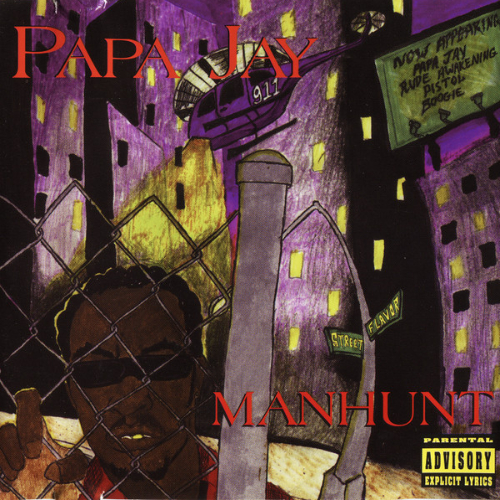
タイトルは直訳すれば「Jayが戻ってきた」。実際に歌詞でも、Papa Jayは長い不在期間を示し、自分の復帰を待っていたリスナーへ語りかけている。
特に重要なのが、次の内容だ。
“to see what prison life has done to me”
周囲の人々が、自分を見ながら「刑務所生活によって、こいつはどう変わったのか」を確認しようとしていると語っている。
つまり、本作における“Back”は、単なる新曲の発表やアルバム活動の再開を指すだけではない。Papa Jayが実際に自由を取り戻し、社会と音楽の現場へ戻ってきたことを意味している。
同時に彼は、以前より弱くなったのではないか、ギャングスタとしての鋭さを失ったのではないかという疑いにも答えている。
ただし、その答え方は暴力一辺倒ではない。
「この曲では銃を家に置いてきた」と語りながら、それを弱さと勘違いするなと警告する。武器を見せなくても、ラップだけで自分の力を証明できるという自信があるからだ。
第一印象
最初に耳を奪われるのは、攻撃的な音ではなく、柔らかな女性ボーカルである。
言葉としてはっきり意味を伝えるというより、「oh」「yeah」といった声を伸ばしながら、曲全体へ艶と浮遊感を与えている。
その後ろでは、高音域のシンセがゆっくり揺れ、低いコードが長く残る。華やかなG-Funkのようにシンセが派手に跳ね回るのではなく、同じ空間を漂い続けるタイプのアレンジだ。
そこへ硬めのスネアと太いキックが入ると、甘いだけだったイントロが一気にストリート・ラップの景色へ変わる。
サウンドは滑らかだが、Papa Jayの声には緊張感がある。
この柔らかなトラックと、服役後の復帰を語る硬いラップの対比が、「Jay’s Back」の第一印象を決定している。
サウンド分析
ドラム
テンポは体感で約91BPM。
ドラムはミドルテンポの直線的な組み方で、キックが低い位置から曲を支え、スネアが太く乾いた音で拍を固定する。
現代的な低音の圧力や細かいハイハットの連打ではなく、ラッパーの言葉を前へ出すためのシンプルなビートだ。
キックは必要以上に連打されず、ラップの語尾や区切りに合わせて配置されている。そのため5分を超える曲でも、ビートが慌ただしく感じられない。
スネアには、鋭く突き刺すというより、少し奥行きを伴って広がる質感がある。
この余白の大きいドラムによって、Papa Jayの長いヴァースが窮屈にならず、一語ずつはっきり聞こえる。
ベース
ベースは、派手なフレーズを主張するのではなく、低音域で一定の重心を保ち続ける。
輪郭を強く歪ませたベースではなく、丸く太い音でキックの下を補強するタイプだ。
曲調は滑らかだが、この低音があることで軽いR&Bには寄りすぎない。女性ボーカルやシンセの甘さを、ストリート・ラップの重量へ引き戻している。
ベースラインの動きは比較的抑えられており、コード進行の変化よりもグルーヴの持続を重視している。
この安定した低音が、Papa Jayの「俺は戻ってきた」という揺るがない態度とも重なる。
シンセ・メロディ
本作で最も印象的なのが、イントロから流れる高音のシンセと女性ボーカルである。
シンセは鋭く大きな旋律を弾くのではなく、長く伸びるコードと短い装飾音によって空間を作る。
その音色にはP-FunkやG-Funkへつながる感覚があるものの、西海岸作品に多い派手なリード・シンセとは少し異なる。
「Jay’s Back」のシンセは、前へ飛び出すというより、曲の背景を薄い霧のように覆っている。
フックでは女性ボーカルが、
“Jay’s back, coming straight from the East Side”
と歌い、Papa Jayが、
“This brand-new funk that I bring from the East Side”
と応答する。
歌声とラップが交互に入る構成によって、East Sideという言葉が単なる地名ではなく、曲全体の旗印として定着していく。
ミックス・グルーヴ
ミックスは、Papa Jayの声を中央へ置きながら、女性ボーカルとシンセを左右と後方へ広げる構成になっている。
ラップは比較的乾いた質感で、歌声にはより広い残響が与えられている。そのため、ヴァースでは現実的で硬い景色が現れ、フックへ入ると一気に空間が開く。
グルーヴは終始安定しており、大きなビートチェンジや劇的な展開はない。
しかし、長いヴァース、女性コーラス、短い会話、再びヴァースという流れにより、単調さを避けている。
クラブで激しく跳ねるための曲というより、車内で低音を鳴らしながら、Papa Jayの言葉とゆっくり向き合うタイプのファンクだ。
ラップ/ボーカル分析
Papa Jayのラップは、低い声と安定したリズムが中心となっている。
極端に速いフロウや複雑な音節の連続を見せるのではなく、1小節の中へ言葉を整然と置いていく。
冒頭では、
“Just when you thought you heard the last of the great one”
と、自分がもう終わったと思っていた者たちへ語りかける。
この一行によって、曲の立場が即座に明確になる。
Papa Jayは新人として登場しているのではない。すでに名前を知る者、復帰を待つ者、自分の失敗を期待していた者が存在する状態で戻ってきている。
フロウは全体的に直線的だが、語尾の強調や短い間によって変化をつける。特に“back”“attack”“track”“stacking”など、硬い子音を持つ言葉を連続させることで、ビートに打撃感を加えている。
フックの女性ボーカルは、Papa Jayの硬い声とは対照的に、柔らかく伸びやかだ。
この声があることで、曲が威圧的になりすぎない。復帰の緊張感を残しながらも、再出発を祝うような高揚感が生まれている。
途中には女性との短いやり取りも入る。
“You like that?”
“Yeah.”
この会話は物語上の大きな意味を持つわけではないが、Papa Jayが自信を取り戻し、以前と変わらない魅力を見せていることを軽く演出している。
歌詞・テーマ
刑務所からの帰還
本作の中心にあるのは、服役を経たPapa Jayの帰還である。
彼は、周囲が自分を観察し、「刑務所生活でどのように変わったのか」を確かめようとしていると語る。
これは、出所した人物に向けられる期待と警戒の両方を表している。
以前のようにラップできるのか。
以前のようにストリートで恐れられる存在なのか。
刑務所で精神を壊されたのか。
それとも、さらに強くなって戻ってきたのか。
「Jay’s Back」は、こうした無言の質問へ一つずつ答える曲である。
暴力ではなく音楽による証明
Papa Jayは、自分に暴力的な行動を期待する者がいることを理解している。
しかし、この曲では銃を家に置いてきたと明言する。
それはギャングスタ性を捨てたという意味ではない。
武器を抜かなくても、自分の声、フロウ、ファンクだけで存在感を示せるという宣言だ。
曲中では、ピストルを構える姿よりも、ステージに戻り、会場を埋め、自分の声をスピーカーから響かせる未来が描かれている。
つまり彼が望む復帰の舞台は、再び犯罪へ向かう路上ではなく、観客の待つ音楽会場なのである。
East Sideとナッシュビルへの誇り
Papa Jayは、自分がナッシュビルで育ったことを明言する。
さらにフックでは、East Sideから持ってきた新しいファンクを繰り返し強調する。
この“East Side”は、東海岸ヒップホップを意味しているのではない。Papa Jay自身が属するナッシュビルの地域を示す表現として使われている。
90年代のギャングスタ・ラップでは、都市名だけでなく、その中の地区や通りまで細かく名乗ることが重要だった。
Papa Jayも、自分の復帰を個人だけの出来事にはしていない。
East Sideの名前、新しい仲間たち、地元へ金を還元する意思を示し、自分がコミュニティの代表として戻ってきたことを伝えている。
評判を取り戻す戦い
歌詞の中では、彼が落ち目になった、以前より弱くなったと噂する者たちも登場する。
しかし曲が進むにつれ、その評価は反転する。
最初は「Papa Jayは衰えた」と言っていた者たちが、やがて「Jayは当たっている」と叫び、流行へ便乗しようとする。
これは復帰曲によくある自慢だけではない。
一度社会から切り離された人物が、他人の評価に左右されず、再び自分の価値を証明し直していく過程でもある。
地元への還元
後半では、音楽によって稼ぎ、その一部を地元へ返すことが語られる。
ここには、単に高級車や金を見せつけるだけではない視点がある。
服役を経験し、地位を失いかけたPapa Jayにとって、成功は個人的な贅沢だけを意味しない。
自分を育てた地域へ何かを返すことまで含めて、完全な復帰と考えている。
そのため「Jay’s Back」は、自己顕示の曲でありながら、再出発と地域への責任を語る曲にもなっている。
トリビア/制作メモ
実測テンポと曲尺
音源の長さは約5分26秒。
テンポ解析では倍取りで約181BPM前後が検出されるが、実際の聴感とドラムの取り方では、ハーフタイムとなる約91BPMで捉えるのが自然である。
長尺ながら構成はシンプル
曲は大きく、
女性ボーカルによるイントロ
→ 第1ヴァース
→ フック
→ 第2ヴァース
→ フック
→ 最終ヴァース
→ フックの反復
→ アウトロ
という構成で進む。
大きな展開を加えず、同じトラックを長く維持することで、Papa Jayの復帰宣言そのものへ集中させている。
歌詞の中で刑務所生活を明言
“Jay’s Back”というタイトルだけでは、どこから戻ったのかは分からない。
しかし第2ヴァースで、周囲が「刑務所生活によって自分がどう変わったのか」を見ようとしていると語っている。
そのため本作は、比喩的なカムバックではなく、服役後の帰還を背景にした楽曲として解釈できる。
サンプリングについて
女性ボーカル、コード、シンセには既存ファンク/ソウル作品を思わせる質感がある。
ただし、今回確認できた音源と情報だけでは、具体的なサンプリング元を確定できない。
そのため、特定の楽曲名を推測で記載することは避ける。
総評
Papa Jayの「Jay’s Back」は、派手な銃声や極端に暗い物語で迫るギャングスタ・ラップではない。
約91BPMの安定したドラム、丸いベース、淡く揺れるシンセ、柔らかな女性コーラス。その滑らかなサウンドの上で、Papa Jayは自分の不在、服役、周囲の疑い、音楽活動への復帰を落ち着いて語っている。
最大の魅力は、楽曲の温かさと歌詞の重さが同時に存在していることだ。
表面だけを聴けば、車内で気持ちよく流せるメロウなファンク。しかし言葉へ耳を傾けると、社会から切り離された男が、自分の評判と人生を取り戻そうとする切実な物語が見えてくる。
Papa Jayは、過去の危険性だけを再演するのではない。
銃を持たずにマイクを握り、ステージへ戻り、音楽で稼ぎ、地元へ還元する未来を選ぼうとしている。
「Jay’s Back」という短い言葉には、出所、復帰、再評価、地域への帰還という複数の意味が重ねられている。
そして曲が終わる頃には、その言葉は単なる自己宣言ではなくなる。
疑っていた者まで巻き込み、ナッシュビルのEast Side全体へ響く帰還の合図へ変わっている。
今回ご紹介の楽曲の購入はこちらからどうぞ

Papa Jay – Jay’s Back | Smooth P-Funk Comeback from Nashville’s East Side After Prison
Papa Jay’s “Jay’s Back” is more than a simple reintroduction.
It is a comeback statement from a man who had been away from the spotlight for years—a declaration that he has returned to reclaim his place while brushing aside the doubts and suspicious eyes watching him.
The track opens with a soft female voice floating over gently wavering synths. Then a steady drum groove at roughly 91 BPM enters, and Papa Jay begins rapping almost as if he is asking the listener:
How many years has it been since you last heard my voice?
But the story behind “Jay’s Back” goes far beyond the excitement of a triumphant comeback.
In the lyrics, Papa Jay refers to having been in prison. He describes people watching him after his release, trying to figure out how incarceration has changed him and wondering whether he has lost the edge he once possessed as a gangsta.
Yet Papa Jay does not attempt to prove his return through gunshots or exaggerated threats.
Instead, he puts the focus on the funk he has brought back from Nashville’s East Side, his still-sharp ability on the microphone, and his determination to use music to give something back to his community.
“Jay’s Back” is not simply an announcement that a man has returned.
It is a declaration that even prison could not take away his voice—or his pride in where he came from.
Artist Introduction
Papa Jay is a rapper associated with Nashville, Tennessee.
In the lyrics of “Jay’s Back,” he identifies himself as someone raised in Nashville and repeatedly emphasizes that he is bringing a new kind of funk from the “East Side.”
Here, the East Side is more than a geographical direction.
For Papa Jay, it represents his roots, his people, his reputation, and his musical identity all at once.
His rapping style is not built around explosive displays of emotion. Instead, he moves through the center of the beat with a low, controlled voice, maintaining steady pressure even across long verses without sounding rushed or breathless.
That commanding delivery makes him sound like the central figure of the record without ever needing to shout for attention.
On “Jay’s Back,” Papa Jay reveals several sides of himself: a gangsta whose reputation still carries weight, a man who has experienced prison, an artist attempting to return to the stage, and someone thinking about how he can give back to the place that raised him.
Background
“Jay’s Back” appears on the album Manhunt.
Running approximately 5 minutes and 26 seconds, the song functions as an extended comeback statement.
The title literally means exactly what it says: Jay is back. Throughout the lyrics, Papa Jay acknowledges his long absence and addresses listeners who had been waiting—or watching—to see what would happen when he returned.
One particularly important line is:
“to see what prison life has done to me”
Papa Jay describes people looking at him and wondering how prison life may have changed him.
That gives the word “Back” a deeper meaning.
This is not merely about releasing another song or restarting an album campaign. It represents Papa Jay regaining his freedom and returning to both society and the music scene.
At the same time, he confronts the suspicion that he may have become weaker or lost the sharpness associated with his former gangsta identity.
But his response is not based entirely on violence.
He explains that he left his gun at home for this track while warning listeners not to mistake that decision for weakness.
The implication is clear: he does not need to display a weapon to prove himself.
His voice, his flow, and his music are enough.
First Impression
The first thing that grabs the ear is not an aggressive sound but a smooth female vocal.
Rather than communicating a detailed message through lyrics, the voice stretches out phrases such as “oh” and “yeah,” adding warmth and a floating quality to the track.
Behind it, a high-register synth gently drifts while lower chords linger underneath.
Unlike the bright, highly animated synthesizers often associated with classic G-Funk, these sounds do not constantly jump to the front of the mix. Instead, they remain suspended in the background, creating atmosphere.
Once the thick kick and firm snare enter, however, the sweet introduction immediately takes on the character of street rap.
The production is smooth, but Papa Jay’s voice carries tension.
That contrast between the mellow instrumental and the hard reality of a post-prison comeback defines the first impression of “Jay’s Back.”
Sound Analysis
Drums
The track feels like it sits at approximately 91 BPM.
The drums follow a straightforward mid-tempo pattern, with the kick supporting the groove from the low end while a thick, relatively dry snare anchors the beat.
There is none of the overwhelming sub-bass pressure or rapid hi-hat programming associated with much more modern rap production.
Instead, the beat remains simple enough to keep Papa Jay’s words in the foreground.
The kick is not excessively busy. Its placement leaves room around the ends of lines and rhythmic pauses, which helps prevent a track lasting more than five minutes from feeling rushed.
The snare has less of a piercing attack and more of a broad, slightly spacious character.
Because the drums leave so much open space, Papa Jay’s extended verses never feel cramped. Each phrase has room to land clearly.
Bass
The bass does not attempt to dominate the record through flashy movement.
Instead, it maintains a stable center of gravity in the low frequencies.
Rather than using a heavily distorted or aggressively defined bass tone, the production relies on something rounder and thicker, reinforcing the kick from underneath.
Although the overall track is smooth, this low end prevents it from drifting too far into lightweight R&B territory.
It pulls the sweetness of the female vocals and synthesizers back toward the weight of street rap.
The bassline itself is relatively restrained, prioritizing the continuation of the groove rather than dramatic changes alongside the chords.
That steady low end also mirrors Papa Jay’s attitude throughout the song:
He is back, and he is not moving.
Synths & Melody
One of the most memorable elements of the production is the combination of the high-register synth and female vocal heard from the introduction onward.
The synthesizer does not deliver a sharp, dominant lead melody. Instead, sustained chords and smaller decorative phrases create the surrounding atmosphere.
There is a funk character that can evoke the broader lineage of P-Funk and G-Funk, but the sound differs from the flamboyant lead synths commonly heard in West Coast productions.
On “Jay’s Back,” the synthesizer does not leap out of the speakers.
It hangs over the track like a thin layer of fog.
During the hook, the female vocalist sings:
“Jay’s back, coming straight from the East Side”
Papa Jay responds:
“This brand-new funk that I bring from the East Side”
By alternating between the sung vocal and Papa Jay’s rap, the phrase “East Side” gradually becomes more than a location.
It becomes the flag under which the entire track operates.
Mix & Groove
The mix keeps Papa Jay’s voice firmly in the center while allowing the female vocals and synthesizers to spread around and behind him.
His rap vocal has a relatively dry character, while the sung parts are given more space and ambience.
As a result, the verses feel immediate and grounded, while the hooks seem to open the track into a wider space.
The groove remains stable throughout.
There are no dramatic beat switches or major structural transformations.
Instead, variation comes through the movement between long verses, female choruses, brief spoken exchanges, and the return to Papa Jay’s rapping.
This is not primarily a track designed for explosive club energy.
It is the kind of funk that works especially well coming through car speakers, with the low end rolling underneath while the listener slowly absorbs Papa Jay’s words.
Rap / Vocal Analysis
Papa Jay’s performance is built around a low voice and consistent rhythmic control.
He does not rely on extremely fast flows or dense sequences of complicated syllables. Instead, he places his words carefully within each bar.
Near the beginning, he declares:
“Just when you thought you heard the last of the great one”
That single line immediately establishes his position.
Papa Jay is not introducing himself as a newcomer.
He is returning to a world where people already know his name—where some have been waiting for him to return and others may have expected him to fail.
His flow remains relatively direct throughout the track, but he creates variation through emphasized endings and short pauses.
Words with harder consonants such as “back,” “attack,” “track,” and “stacking” give his delivery an additional percussive quality.
The female vocalist on the hook provides a strong contrast to Papa Jay’s harder, lower voice.
Her smoother delivery keeps the record from becoming overly intimidating.
The tension of Papa Jay’s return remains intact, but the chorus also introduces something closer to celebration—the feeling that someone has finally made it back.
At one point, there is also a brief exchange with a woman:
“You like that?”
“Yeah.”
The conversation does not radically change the story, but it adds a small moment of personality and reinforces the image of Papa Jay returning with his confidence intact.
Lyrics & Themes
Returning From Prison
At the center of “Jay’s Back” is Papa Jay’s return after incarceration.
He describes people watching him, attempting to determine exactly how prison life has changed him.
That reflects both expectation and suspicion toward someone returning from prison.
Can he still rap like he used to?
Does he still command the same respect in the streets?
Did prison break him mentally?
Or did he return even stronger?
“Jay’s Back” functions as Papa Jay’s answer to those unspoken questions.
Proving Himself Through Music Rather Than Violence
Papa Jay understands that some people may expect violent behavior from him.
Yet he explicitly says that he left his gun at home for this song.
That does not mean he is rejecting his gangsta identity.
Instead, it suggests that he does not need to pull a weapon to establish his presence.
His voice, his flow, and his funk can do that for him.
Rather than focusing only on the image of someone pointing a pistol, the song increasingly looks toward another future: Papa Jay returning to the stage, filling venues, and hearing his voice coming through the speakers again.
The real arena for his comeback is not simply the street.
It is the stage.
Pride in Nashville and the East Side
Papa Jay makes his Nashville roots clear.
The hook repeatedly emphasizes the new funk he has brought from the East Side.
In this context, “East Side” should not be confused with East Coast hip-hop.
It refers to the Nashville environment Papa Jay identifies with.
In 1990s gangsta rap, representing not only a city but a particular neighborhood, district, or street could be a crucial part of an artist’s identity.
Papa Jay follows that tradition.
He does not frame his comeback as an entirely individual achievement.
By invoking the East Side, mentioning the people around him, and expressing a desire to put money back into his community, he presents his return as something connected to the place he represents.
Reclaiming His Reputation
The lyrics also address people who believe Papa Jay has fallen off or become weaker than he once was.
As the song progresses, however, that perception begins to reverse.
Those who initially dismissed him eventually start recognizing that Jay is hitting again, with some appearing ready to jump onto the trend once his comeback gains momentum.
This goes beyond the standard boasting found in comeback records.
It also captures the process of someone who has been removed from society refusing to let other people determine his value and instead rebuilding his reputation on his own terms.
Giving Back to the Community
Later in the track, Papa Jay talks about making money through music and putting some of it back into his community.
That introduces a perspective beyond simply displaying cars, money, or personal luxury.
For someone who has experienced incarceration and nearly lost his position, success does not appear to mean personal wealth alone.
A complete comeback also means being able to give something back to the place that raised him.
As a result, “Jay’s Back” operates both as a self-affirming statement and as a song about rebuilding, responsibility, and community.
Trivia / Production Notes
Tempo and Running Time
The recording runs for approximately 5 minutes and 26 seconds.
Tempo analysis may detect a double-time reading of roughly 181 BPM, but based on the actual drum pattern and overall feel of the track, it is more natural to interpret the groove in half-time at approximately 91 BPM.
A Long Track With a Simple Structure
The song broadly follows this structure:
Female vocal intro
→ Verse 1
→ Hook
→ Verse 2
→ Hook
→ Final verse
→ Repeated hook
→ Outro
Rather than introducing dramatic musical changes, the production maintains essentially the same foundation for most of the track.
That allows Papa Jay’s comeback statement itself to remain the main focus.
Prison Life Is Explicitly Referenced in the Lyrics
The title “Jay’s Back” alone does not explain exactly where Papa Jay has returned from.
However, during the song he refers to people watching him “to see what prison life has done to me.”
This makes it possible to understand the track not merely as a metaphorical musical comeback, but as a record shaped by the experience of returning after incarceration.
Sampling
The female vocals, chords, and synthesizer textures carry qualities reminiscent of earlier funk and soul recordings.
However, based on the audio and information currently available, a specific sample source cannot be reliably confirmed.
For that reason, it would be misleading to speculate about a particular sampled song without stronger evidence.
Final Thoughts
Papa Jay’s “Jay’s Back” is not a gangsta-rap track that depends on loud gunshots or an overwhelmingly dark narrative to establish its presence.
Instead, steady drums at roughly 91 BPM, rounded bass, gently drifting synths, and soft female backing vocals create a smooth musical foundation while Papa Jay calmly reflects on his absence, incarceration, the doubts surrounding him, and his return to music.
The track’s greatest strength is the coexistence of warmth in the production and weight in the lyrics.
On the surface, it is mellow funk that can easily ride through the speakers of a car.
Listen more closely to the words, however, and another story emerges: a man who had been removed from society attempting to reclaim both his reputation and his life.
Papa Jay is not simply trying to recreate the danger of his past.
He leaves the gun behind, takes the microphone instead, returns to the stage, looks toward making money through music, and talks about giving something back to his community.
The short phrase “Jay’s Back” therefore carries several meanings at once.
Release.
Comeback.
Reevaluation.
And a return home.
By the time the song reaches its conclusion, those words no longer sound like a simple act of self-promotion.
They have become a signal of return—one powerful enough to reach even the people who doubted him and echo across Nashville’s East Side.
コメント