Young Murder Squad – Gettin’ Paid|金への執念を不穏な反復へ変えた、重低音ウェストコースト・ファンク

G-Rap

金を稼ぐことをテーマにしたヒップホップは数多く存在します。

しかし、その金がどのような感情と結び付いているかによって、楽曲の印象は大きく変わります。

成功を祝う華やかな曲もあれば、貧困から抜け出す決意を歌う曲もある。さらに、金を得る行為そのものが日常となり、善悪や喜怒哀楽を超えて、冷静な生存手段として描かれる作品もあります。

Young Murder Squadの「Gettin’ Paid」は、その最後のタイプに近い一曲です。

タイトルだけを見れば、明るい成功譚や豪快なハッスル・アンセムを想像するかもしれません。しかし実際の音源から聞こえてくるのは、祝福よりも緊張感です。

低く沈むベース、乾いたドラム、短い音型を執拗に繰り返す鍵盤。そして、感情を過剰に表へ出さず、冷静にビートへ言葉を置いていくラップ。

派手に儲けを誇示するというよりも、金を稼ぎ続けなければならない生活の現実を、硬質なグルーヴへ落とし込んでいます。

音数は決して多くありません。

それでも、同じフレーズを何度も反復することで、逃げ場のない独特の空気を作り出しています。聴き手を一気に高揚させる曲ではなく、ゆっくりと低音の中へ引き込んでいくタイプのウェストコースト・ラップです。


  1. Young Murder Squadについて
  2. アルバム『How We Livin’』における「Gettin’ Paid」
  3. 第一印象――明るい成功譚ではなく、冷たい現実
  4. サウンド分析
    1. ドラム――乾いた音で歩幅を固定する
    2. ベース――曲の空気を決める低い重心
    3. 鍵盤とシンセ――短い音型が作る不穏さ
    4. ボーカル・サンプル――金という言葉を音へ変える
    5. ミックス――狭く、重く、中央へ集めた音像
  5. ラップ分析
    1. 感情を爆発させない冷静なフロウ
    2. 複数MCによる声質の変化
    3. 言葉数を詰め込まない余白
  6. フック――歌わせるのではなく、刷り込む
  7. 楽曲構成
    1. イントロ――テーマを最初に提示する
    2. 第1ヴァース――低いテンションで世界観を作る
    3. フック――金という目的を再確認する
    4. 中盤――MCの交代で変化を作る
    5. 終盤――緊張感を崩さずアウトロへ向かう
  8. 歌詞とテーマ
    1. 「Gettin’ Paid」が示すもの
    2. 欲望と生存の境界
    3. 仲間と共有される目的
  9. ジャンル分析
    1. ウェストコースト・ギャングスタ・ラップ
    2. G-Funkとの関係
    3. ミニマルなストリート・ファンク
  10. この曲の魅力
    1. 暗さとノリのバランス
    2. 音数の少なさを弱点にしない
    3. 複数MCが同じ世界を共有する説得力
    4. 90年代らしい粗さ
  11. 総評
  12. About Young Murder Squad
  13. “Gettin’ Paid” Within How We Livin’
  14. First Impression: Not a Bright Success Story, but a Cold Reality
  15. Sound Analysis
    1. Drums: Fixing the Track to a Steady Pace
    2. Bass: The Low Center of Gravity That Defines the Atmosphere
    3. Keyboards and Synthesizers: Short Figures That Create Unease
    4. Vocal Sample: Turning the Idea of Money into Sound
    5. The Mix: Narrow, Heavy, and Concentrated Toward the Center
  16. Rap Analysis
    1. A Calm Flow That Never Explodes Emotionally
    2. Contrasting Voices from Multiple MCs
    3. Space Between the Words
  17. The Hook: Not Designed to Be Sung, but to Be Imprinted
  18. Song Structure
    1. Introduction: Presenting the Theme Immediately
    2. First Verse: Establishing the World with Restrained Energy
    3. Hook: Reaffirming the Objective
    4. Middle Section: Creating Change Through Rotating MCs
    5. Final Section: Moving Toward the Outro Without Releasing the Tension
  19. Lyrics and Themes
    1. What “Gettin’ Paid” Represents
    2. The Boundary Between Desire and Survival
    3. A Shared Objective Among the Group
  20. Genre Analysis
    1. West Coast Gangsta Rap
    2. Its Relationship to G-Funk
    3. Minimal Street Funk
  21. What Makes the Song Effective
    1. The Balance Between Darkness and Groove
    2. Turning a Limited Number of Sounds into an Advantage
    3. The Conviction of Multiple MCs Sharing One World
    4. The Roughness of the 1990s Production
  22. Final Thoughts
    1. 関連

Young Murder Squadについて

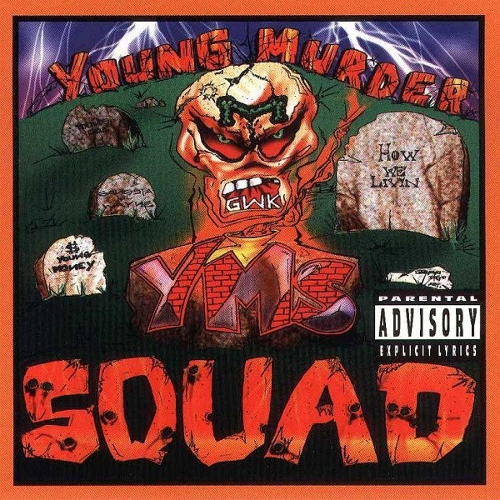
Young Murder Squadは、1990年代に活動したロサンゼルスのヒップホップ・グループとして紹介されています。

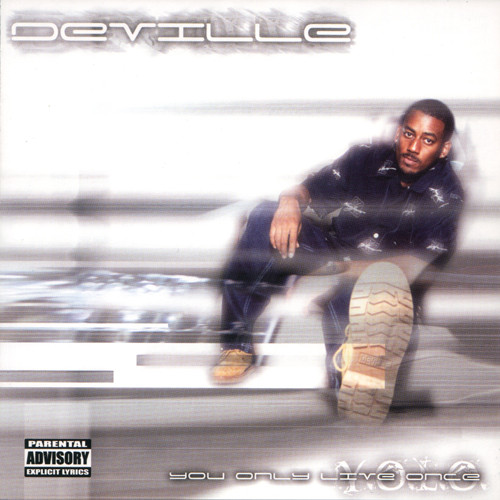
資料によって細かな表記には差がありますが、Young Dee、Gangsta Wayne、Young Moneyの3人組として知られています。1996年にアルバム『How We Livin’』を発表し、その後はYoung M. Squad名義でも作品を残しました。

『How We Livin’』は、G.W.K. RecordsとPriority Recordsから発表された作品です。オリジナルのCD、レコード、カセットなど複数の形態が確認されており、Discogsの記録では1996年のリリースとして掲載されています。

アップロードされた音源のファイル情報にも、楽曲名「Gettin’ Paid」、アルバム名『How We Livin’』、アーティスト名Young Murder Squad、年「1996」、レーベル名Priorityが記録されています。

後年には『How We Livin’(20 Year Anniversary Release)』も配信され、2019年版は全13曲の作品として公開されています。


アルバム『How We Livin’』における「Gettin’ Paid」

「Gettin’ Paid」は、『How We Livin’』の11曲目に収録されています。

音源の長さは約3分29秒。

約4分前後の曲が並ぶアルバムの中では比較的コンパクトで、長いイントロや大きな展開を使わず、最初から最後まで一つのムードを維持する構成です。

この曲は、アルバムの中でも特に低域と反復を重視した楽曲として聴こえます。

シンセサイザーを派手に動かしたり、歌唱力のあるシンガーを使って華やかなフックを作ったりするのではありません。

むしろ、必要最低限のビートとフレーズを何度も回し、その上で複数のラッパーが順番に言葉を乗せています。

「曲を展開させる」というよりも、「同じ状況から逃げられない感覚を持続させる」ことに重点を置いた作りです。


第一印象――明るい成功譚ではなく、冷たい現実

イントロでは、金を連想させる短いボーカル・フレーズが反復されます。

この声は、楽曲の説明役というより、一種の音響的な記号として使われています。

同じ言葉が何度も繰り返されることで、金という存在が頭から離れないような感覚が生まれます。

その背後から、低く太いベースと乾いたドラムが入ってきます。

テンポは実測で約89 BPM前後。

ゆっくりしているものの、完全にリラックスしたビートではありません。低音の重さと、短く切られるスネアによって、じわじわとした緊張感があります。

明るいコードや爽快なシンセが広がるタイプのウェストコースト・サウンドではなく、狭い空間で同じ思考が繰り返されているような閉塞感が印象的です。

それでも重苦しすぎないのは、ベースラインにファンク由来の弾力があるからです。

暗い。しかし身体は自然に揺れる。

このダークさとファンキーさの共存が、「Gettin’ Paid」の第一印象を決定付けています。


サウンド分析

ドラム――乾いた音で歩幅を固定する

ドラムは、楽曲全体の歩幅を一定に保っています。

キックは深く響きますが、連打されるわけではありません。必要な位置へ置かれ、ベースラインの太さを補強しています。

スネアは比較的乾いており、派手な残響がありません。

一発ごとに短く切れるため、曲全体が引き締まって聴こえます。柔らかいソウル系のスネアではなく、やや硬く無機質な感触です。

ハイハットも細かな技巧を見せるタイプではありません。

一定の刻みを維持し、ラッパーが自由に言葉を置けるスペースを残しています。

現代のトラップのように、ハイハットの細かなロールや複雑なキックで変化を作るのではなく、単純なパターンを崩さないことで圧力を生み出しています。

同じドラムが続くことによって、金を稼ぐ日常が終わることなく繰り返されているようにも感じられます。


ベース――曲の空気を決める低い重心

「Gettin’ Paid」の中心にあるのはベースです。

音域は低く、丸みよりも密度を感じさせる音色です。

派手なスラップ・ベースや複雑なランニング・ベースではありません。短いパターンを何度も繰り返しながら、ビートの重心を低い位置へ固定しています。

重要なのは、ベースがメロディーを歌いすぎないことです。

コード感を豊かにするよりも、楽曲の中に一本の太い線を引くことを優先しています。

このベースがあることで、軽く聴こえる鍵盤や高音の効果音も、地面から浮き上がりません。

低音が常に下から引っ張っているため、曲全体に重さが残ります。

また、キックと完全に同じ動きをせず、少しずれた位置へ入る場面もあります。

このわずかなずれが、単純なビートにファンク的な揺れを加えています。

低く、暗く、反復的でありながら、身体を動かしたくなる。

ベースは「Gettin’ Paid」のダークなグルーヴを成立させる最重要パートです。


鍵盤とシンセ――短い音型が作る不穏さ

楽曲を特徴付けているのが、短い鍵盤またはシンセのフレーズです。

長く伸びる美しいコードではなく、数音の短い音型が繰り返されます。

このフレーズは、一見すると単純です。

しかし同じ位置で何度も鳴るため、徐々に耳へ残り始めます。メロディーというより、警告音や合図に近い使われ方です。

音色には硬さがあり、柔らかいエレクトリックピアノのような温度はあまりありません。

ベースとドラムが作る暗い土台の上で、冷たい光を点滅させるように響いています。

一般的なG-Funkでよく聞かれる、空高く伸びるホイッスル・シンセとは役割が異なります。

この曲のシンセは、爽快感や浮遊感を作るためではありません。

閉じた空間に緊張感を加え、ラップの言葉をより危険に聞かせるために使われています。


ボーカル・サンプル――金という言葉を音へ変える

イントロやフック周辺では、金に関する短い声が反復されます。

この声は、一般的なR&Bシンガーによる歌唱フックのように、豊かな旋律を持っているわけではありません。

短い言葉を繰り返し、曲のテーマを直接耳へ刻み込む役割を担っています。

重要なのは、意味以上に反復の効果です。

同じ言葉が何度も聞こえることで、金が欲望の対象というより、頭の中で止まらない強迫観念のように感じられます。

ラップの間へ繰り返し入るため、各ヴァースが別々の話ではなく、一つの目的によってつながっていることも伝わります。

複雑なフックを作らず、最小限の言葉だけで楽曲の主題を固定する。

非常にシンプルですが、曲の冷たい雰囲気にはよく合っています。


ミックス――狭く、重く、中央へ集めた音像

「Gettin’ Paid」のミックスには、横へ大きく広がる開放感がありません。

ベース、キック、スネア、ラップが中央付近へ集まり、密度のある音像を作っています。

左右に配置される音もありますが、広大な景色を描くというより、中央の重いグルーヴを囲むような使われ方です。

低域はしっかりと強調されています。

一方で、現代的なサブベースのように極端に深く沈み込むのではなく、90年代らしい中低域の厚さがあります。

ラップは比較的前に配置されていますが、ビートから完全に切り離されてはいません。

声と伴奏が同じ空間に収まり、ラッパー自身もトラックの一部として機能しています。

全体には少し粗さがあります。

しかし、その粗さがストリート感や緊張感につながっており、過度に磨き上げられた音よりも曲の内容に合っています。


ラップ分析

感情を爆発させない冷静なフロウ

この曲のラップで印象的なのは、感情を大きく爆発させないことです。

声を張り上げたり、極端に速く言葉を詰め込んだりせず、低いテンションを保ちながらビートへ乗っています。

これは、内容が軽いという意味ではありません。

むしろ、危険な環境やハッスルが日常化しているため、いちいち感情を乱さないような冷静さがあります。

拍の頭へ強く言葉を置く部分と、少し後ろへ遅らせる部分があり、単調なビートの中に小さな揺れを作っています。

ラップがトラックを追い越すことはありません。

常にベースとドラムの速度を意識し、重いビートの上を歩くように進みます。


複数MCによる声質の変化

曲中では複数のラッパーがヴァースを受け持っています。

それぞれの声質や言葉の置き方が異なるため、トラック自体が大きく変化しなくても、聴感上の変化が生まれています。

低く太い声はベースと一体化し、曲の重さを強めます。

一方、やや高めで輪郭のある声は、硬いスネアやシンセと結び付き、言葉を前へ押し出します。

ヴァースが交代しても、曲のテンションは大きく変わりません。

全員が同じ世界観を共有し、それぞれの立場から金、生活、ストリートについて語っているように聞こえます。

ソロ・ラッパーの曲とは異なり、複数の声が一つの価値観を補強していく点が、グループ作品らしい魅力です。


言葉数を詰め込まない余白

フロウには比較的余白があります。

現代的なラップのように、一小節へ大量の言葉を詰め込むのではありません。

一つのフレーズを言い切った後に短い間を作り、ビートそのものを聞かせています。

この間があることで、短い鍵盤フレーズやベースラインが耳へ残ります。

ラップとトラックが競争するのではなく、交互に前へ出ているような感覚です。

また、言葉数を抑えることで、一つ一つのフレーズが重く聞こえます。

強調したい言葉を拍の上へ置き、その後に空白を残す。

この設計が、曲の冷静さと威圧感を支えています。


フック――歌わせるのではなく、刷り込む

「Gettin’ Paid」のフックは、大きなメロディーで聴き手を引き付けるタイプではありません。

金を示す短い言葉と、タイトルに結び付くフレーズを反復することで、曲の主題を直接刷り込んでいます。

音楽的には非常にミニマルです。

しかし、ヴァースの間に何度も戻ってくることで、金という目的から誰も逃れられないような感覚を生み出しています。

通常のポップ・ソングでは、ヴァースとフックの間に明確な明暗差が作られます。

この曲では、その差が小さい。

フックへ入っても急に明るくなったり、壮大になったりしません。

同じ暗い世界の中で、テーマだけがさらに強く提示されます。

そのため、曲全体に一貫性があります。

派手なフックではありませんが、聴き終わった後には言葉とリズムが頭へ残ります。


楽曲構成

イントロ――テーマを最初に提示する

冒頭では、金を象徴する声と短い鍵盤フレーズが先に提示されます。

数秒のうちに曲の主題と雰囲気が明らかになり、すぐにリズム隊が加わります。

長い演出はありません。

リスナーを少しずつ導くというより、最初から曲の世界へ放り込むようなイントロです。


第1ヴァース――低いテンションで世界観を作る

最初のヴァースでは、ラッパーがビートの重さに合わせ、抑制されたフロウを展開します。

ここでは曲の状況説明と、金を得ることへの姿勢が示されているように聞こえます。

トラックは大きく動かず、声の存在感を中心に進みます。


フック――金という目的を再確認する

ヴァースが終わると、短いボーカル・フレーズを中心としたフックへ戻ります。

新しい要素を大量に加えるのではなく、イントロで提示したテーマをもう一度確認します。

この反復が、曲全体の軸になっています。


中盤――MCの交代で変化を作る

中盤では別の声が登場し、フロウや声質が変化します。

伴奏の基本形は同じですが、ラッパーが交代することで、曲の景色が少し変わります。

それぞれのMCがビートに対して異なる角度から乗るため、単純なループでも退屈しません。


終盤――緊張感を崩さずアウトロへ向かう

終盤でも大きな転調やビートチェンジはありません。

フックとラップを繰り返しながら、曲のムードを保ったまま終わりへ向かいます。

最後に爽快な解放感を与えるのではなく、金を求める日常が今後も続いていくような感触を残します。

物語が完全に解決したというより、一日の一部分を切り取って終わるようなアウトロです。


歌詞とテーマ

「Gettin’ Paid」が示すもの

題名の「Gettin’ Paid」は、直訳すれば「金を稼ぐ」「報酬を得る」という意味です。

ただし、この曲における金は、単なる贅沢や成功の象徴だけではないように聞こえます。

金を得ることは、生活を維持し、自分の立場を守り、厳しい環境の中で生き残ることと結び付いています。

そのため、曲全体には祝福よりも切迫感があります。

金を稼げたことを派手に喜ぶというより、稼ぎ続けることが当然であり、止まれば状況が悪化する。

そんな緊張感が、反復するビートやラップの冷静さから伝わります。


欲望と生存の境界

ヒップホップでは、金はしばしば成功の証として描かれます。

しかし「Gettin’ Paid」では、成功と生存の境界が曖昧です。

より良い暮らしを求める欲望と、今の環境から抜け出す必要性が重なっています。

金を欲しがることが単なる強欲なのか、それとも生きるための合理的な判断なのか。

曲は明確な道徳的結論を示しません。

ただ、その世界に生きる人物たちの価値観を、冷静に提示しています。


仲間と共有される目的

複数のラッパーが同じトラック上でヴァースをつなぐことで、金を稼ぐという目的が個人だけのものではなく、集団の価値観として表現されています。

一人だけが成功したいのではありません。

仲間と同じ環境を生き、同じ危険を経験しながら、それぞれが報酬を求めています。

グループによるラップだからこそ、題名が個人的な欲望ではなく、コミュニティ全体の行動原理のように響きます。

なお、公式歌詞を確認できていないため、この記事では細かな固有名詞やストーリーを断定せず、実際の音源から確認できるテーマと表現を中心に分析しています。


ジャンル分析

ウェストコースト・ギャングスタ・ラップ

最も基本的な分類は、90年代ウェストコーストのギャングスタ・ラップです。

低いテンポ、重いベース、乾いたドラム、複数MCによるストリート視点のラップ。

こうした要素が曲の中心にあります。

派手なサンプリングやジャズ的な展開よりも、低域と反復によって威圧感を作るタイプです。


G-Funkとの関係

「Gettin’ Paid」には、G-Funkと共通する要素があります。

ミドルからスロー寄りのテンポ、ファンク的なベースライン、シンセを使った音作り、余裕のあるラップなどです。

ただし、明るいホイッスル・シンセやTalkbox、滑らかなR&Bフックを前面に出した王道G-Funkとは異なります。

この曲はより暗く、音域も低い。

G-Funkの開放的なドライブ感より、サウスセントラル周辺の硬く不穏なストリート・ファンクに近い質感があります。

したがって、ジャンルとしてはダークなウェストコースト・ラップを基盤に、G-Funkとファンクの要素を取り入れた楽曲と表現するのが自然です。


ミニマルなストリート・ファンク

ファンク的な魅力は、派手な演奏ではなく、ベースとドラムの噛み合いにあります。

同じリズムを繰り返しながら、少しずつ身体を揺らす。

この反復の快感は、ファンクの基本的な考え方と共通しています。

しかし、生バンドの演奏感を強調するのではなく、打ち込みやループを使って冷たく整理している点がヒップホップ的です。


この曲の魅力

暗さとノリのバランス

「Gettin’ Paid」は暗い楽曲です。

しかし、ただ重苦しいだけではありません。

ベースラインには弾力があり、ドラムにも適度な跳ねがあります。緊張感を保ちながらも、身体は自然に動きます。

この「不穏なのに気持ちいい」というバランスが最大の魅力です。


音数の少なさを弱点にしない

使用されている音は比較的少なく、コード進行や構成も複雑ではありません。

それでも物足りなく感じないのは、各音の役割が明確だからです。

ベースは重心、ドラムは歩幅、鍵盤は緊張感、ボーカル・サンプルはテーマ、ラップは物語を担当しています。

無駄な音が少ないため、一つ一つの要素が強く印象に残ります。


複数MCが同じ世界を共有する説得力

複数の声が登場することで、曲に厚みが生まれています。

声質やフロウは異なりますが、全員が同じ暗いビートの上で、同じ目的を共有しています。

そのため、「金を稼ぐ」という主題が一人の誇張ではなく、集団の現実として聞こえます。


90年代らしい粗さ

現代の作品と比べれば、ミックスや音色には粗さがあります。

しかし、その粗さは欠点ではありません。

少し曇った音像、硬いスネア、中央へ集まったラップ、単純なループ。

それらが、1990年代のアンダーグラウンドなウェストコースト・ラップらしい生々しさを作っています。

過度に整えられていないからこそ、曲の危険な空気が失われていません。


総評

Young Murder Squadの「Gettin’ Paid」は、金を稼ぐという題材を、華やかな成功物語ではなく、冷静で反復的なストリートの日常として表現した楽曲です。

約89 BPMの重いビート、低く沈むベース、乾いたスネア、短い鍵盤フレーズ。

その上で、複数のラッパーが感情を過剰に表へ出さず、落ち着いたフロウをつないでいきます。

この曲には、派手なサビも、大きな展開もありません。

しかし、同じ音を何度も繰り返すことで、金を求め続ける生活の終わりのなさを表現しています。

イントロで提示された金のイメージは、ヴァースが変わっても消えません。

フックへ戻るたびに、すべての言葉や行動が「Gettin’ Paid」という一つの目的へ集約されます。

典型的なG-Funkのような明るさや滑らかさを期待すると、かなり暗く感じるかもしれません。

それでも、ベースとドラムには確かなファンクネスがあり、重い雰囲気の中にも身体を揺らす快感があります。

派手さよりも空気。

複雑さよりも反復。

成功の祝福よりも、生き抜くための執念。

「Gettin’ Paid」は、90年代ウェストコースト・ラップが持っていた冷たさとファンクネスを、約3分半の中へ凝縮した一曲です。


今回ご紹介の楽曲の購入はこちらから

Amazon.co.jp: How We Livin [12 inch Analog]: ミュージック
Amazon.co.jp: How We Livin : ミュージック


Young Murder Squad – Gettin’ Paid | Heavy West Coast Funk That Turns the Pursuit of Money into an Ominous Loop

Hip-hop has produced countless songs about making money.

Yet the emotional meaning attached to that money can completely change the character of a track.

Some songs celebrate success with luxury and spectacle. Others express a determination to escape poverty. Then there are songs in which making money has become so deeply embedded in everyday life that it is portrayed not as a source of joy, pride, or moral conflict, but as a calculated means of survival.

Young Murder Squad’s “Gettin’ Paid” belongs closest to that final category.

Judging from the title alone, listeners might expect an upbeat success story or a triumphant hustler’s anthem. What actually comes through in the recording, however, is tension rather than celebration.

A low, sinking bassline. Dry drums. A short keyboard figure repeated with almost obsessive persistence. Over that foundation, the rappers place their words calmly onto the beat without displaying excessive emotion.

Rather than loudly flaunting the rewards of hustling, the track translates the reality of having to keep earning money into a hard, tightly controlled groove.

There are not many individual sounds in the arrangement.

Even so, the repeated use of the same phrases creates a distinctive atmosphere with no obvious escape route. This is not the kind of West Coast rap track designed to produce an immediate rush of excitement. Instead, it gradually pulls the listener deeper into its low-end pressure.


About Young Murder Squad

Young Murder Squad is generally described as a Los Angeles hip-hop group active during the 1990s.

Although specific details and name spellings vary between sources, the group is commonly identified as a trio consisting of Young Dee, Gangsta Wayne, and Young Money. They released the album How We Livin’ in 1996 and later continued releasing music under the name Young M. Squad.

How We Livin’ was issued through G.W.K. Records and Priority Records. Original copies have been documented in several formats, including CD, vinyl, and cassette, with Discogs listing the album as a 1996 release.

The metadata attached to the uploaded audio file also identifies the track as “Gettin’ Paid,” the album as How We Livin’, the artist as Young Murder Squad, the year as 1996, and the label as Priority.

A later digital edition titled How We Livin’ (20 Year Anniversary Release) was also made available, with the 2019 version presented as a 13-track album.


“Gettin’ Paid” Within How We Livin’

“Gettin’ Paid” appears as the eleventh track on How We Livin’.

The recording runs for approximately three minutes and 29 seconds.

Compared with the roughly four-minute tracks found throughout much of the album, it is relatively compact. It avoids an extended introduction or dramatic structural shifts and instead maintains a single mood from beginning to end.

Within the album, “Gettin’ Paid” sounds especially focused on low frequencies and repetition.

It does not rely on animated synthesizer movement or a polished R&B singer to create a bright, melodic hook.

Instead, a minimal beat and a handful of short phrases are cycled repeatedly while several rappers take turns delivering their verses.

Rather than attempting to develop the song through constant musical change, the production seems more interested in sustaining the feeling of being trapped inside the same situation.


First Impression: Not a Bright Success Story, but a Cold Reality

The introduction features a short vocal phrase associated with money, repeated several times.

The voice functions less as a narrator explaining the song and more as a sonic symbol.

As the same words continue to return, they create the impression that money has become an idea that cannot be removed from the mind.

Behind the vocal, a thick low-end bassline and dry drums begin to emerge.

The measured tempo is approximately 89 BPM.

Although the pace is slow, the beat never feels completely relaxed. The weight of the bass and the sharply cut snare create a gradual, persistent tension.

This is not the type of West Coast production built around bright chords or uplifting synthesizers spreading across a wide soundscape. Instead, it evokes the claustrophobic feeling of the same thought repeating inside a confined space.

What prevents the track from becoming oppressively heavy is the funk-derived elasticity of the bassline.

The mood is dark, yet the body naturally wants to move.

That coexistence of darkness and funk defines the initial impact of “Gettin’ Paid.”


Sound Analysis

Drums: Fixing the Track to a Steady Pace

The drums maintain a consistent walking pace throughout the song.

The kick drum has considerable depth, but it is not used in rapid succession. Each hit is placed where it is needed, reinforcing the weight of the bassline.

The snare is relatively dry, with very little dramatic reverb.

Because each strike ends quickly, the entire track sounds tight and controlled. Rather than the softness of a soul-influenced snare, it has a slightly hard and mechanical texture.

The hi-hats are not designed to showcase technical complexity either.

They maintain a steady pulse while leaving enough space for the rappers to place their words freely.

Unlike modern trap production, where rapid hi-hat rolls and intricate kick patterns often generate movement, “Gettin’ Paid” creates pressure by refusing to disturb its basic rhythmic pattern.

As the same drum sequence continues, it begins to resemble the endless repetition of an everyday routine built around earning money.


Bass: The Low Center of Gravity That Defines the Atmosphere

The bass is the central element of “Gettin’ Paid.”

It occupies a low register and has a dense tone rather than a soft or rounded one.

This is not a flashy slap-bass performance or a complicated running bassline. Instead, it repeats a short pattern while keeping the song’s center of gravity firmly anchored near the floor.

One of its most important qualities is that it does not attempt to become overly melodic.

Rather than enriching the harmony with elaborate movement, the bass prioritizes drawing one thick, continuous line through the track.

Because of this foundation, the lighter keyboard sounds and higher-frequency effects never seem to float away from the ground.

The low end constantly pulls everything downward, preserving the song’s weight.

There are also moments when the bass does not move in perfect unison with the kick drum, entering at slightly displaced points.

These small rhythmic offsets add a subtle funk swing to an otherwise straightforward beat.

Low, dark, and repetitive, yet still capable of making the body move, the bass is the single most important component in establishing the track’s shadowy groove.


Keyboards and Synthesizers: Short Figures That Create Unease

One of the song’s defining features is its short keyboard or synthesizer phrase.

Rather than presenting long, beautiful chords, the production repeatedly returns to a compact figure consisting of only a few notes.

At first, the phrase may appear extremely simple.

Because it continues to sound at the same points in the loop, however, it gradually becomes embedded in the listener’s mind. It functions less like a conventional melody and more like a warning signal or coded cue.

The tone has a certain hardness to it, with little of the warmth associated with a soft electric piano.

Above the dark foundation created by the bass and drums, it flashes like a cold light inside a closed room.

Its purpose differs from the high, soaring whistle synthesizers commonly associated with mainstream G-Funk.

The synthesizer in “Gettin’ Paid” is not there to create openness, uplift, or a floating sensation.

Instead, it adds tension to the enclosed atmosphere and makes the rappers’ words feel more dangerous.


Vocal Sample: Turning the Idea of Money into Sound

Around the introduction and hook, a brief voice associated with money is repeated.

Unlike a conventional R&B hook, the vocal does not contain a rich melody or a technically expressive performance.

Its purpose is to repeat a short word or phrase until the track’s theme is directly imprinted on the listener.

The effect of repetition is more important than the literal meaning alone.

As the same words return, money begins to feel less like an object of desire and more like a compulsive thought that cannot be switched off.

Because the vocal continues to appear between the verses, it also connects the individual performances. Each rapper may present a different perspective, but all of them remain tied to the same objective.

Rather than constructing an elaborate chorus, the song fixes its subject in place with the smallest possible amount of language.

It is an extremely simple method, but one that perfectly matches the track’s cold atmosphere.


The Mix: Narrow, Heavy, and Concentrated Toward the Center

The mix of “Gettin’ Paid” does not offer a broad sense of openness across the stereo field.

The bass, kick, snare, and vocals are gathered close to the center, creating a dense and concentrated sound.

Some elements are positioned to the left or right, but they function more as a frame around the central groove than as tools for creating a vast landscape.

The low end is strongly emphasized.

At the same time, it does not descend into the extreme sub-bass range associated with many modern productions. Instead, the track carries the thick lower-midrange weight characteristic of 1990s rap records.

The vocals are placed relatively far forward, but they are not completely separated from the beat.

The voices and instrumentation occupy the same environment, allowing the rappers themselves to function as part of the track’s rhythmic machinery.

There is a degree of roughness throughout the mix.

Yet that roughness contributes to the street-level tension of the song. A more polished production might have weakened the atmosphere rather than improved it.


Rap Analysis

A Calm Flow That Never Explodes Emotionally

One of the most striking aspects of the rapping is its refusal to erupt into exaggerated emotion.

The performers do not constantly raise their voices or force a large number of syllables into each measure. Instead, they maintain a restrained energy while moving steadily across the beat.

That does not mean the subject matter is lightweight.

On the contrary, the calmness suggests a world in which danger and hustling have become so routine that there is no reason to react emotionally to every situation.

Some words land firmly on the downbeat, while others are placed slightly behind it, creating small pockets of movement within the otherwise repetitive rhythm.

The rappers never attempt to outrun the production.

They remain aware of the pace established by the bass and drums, moving across the beat as though walking over heavy ground.


Contrasting Voices from Multiple MCs

Several rappers take responsibility for different verses throughout the track.

Their contrasting vocal tones and approaches to rhythm create changes in texture even though the instrumental itself remains largely consistent.

A deep, heavy voice blends with the bass and increases the song’s sense of weight.

A slightly higher or more sharply defined voice connects more naturally with the hard snare and keyboard figure, pushing the words toward the front of the mix.

Even when the performer changes, the emotional temperature of the track remains stable.

Each member seems to share the same worldview, speaking about money, survival, and street life from a different position within the same environment.

Unlike a solo rap performance, the presence of several voices reinforces the idea that these values are not limited to one individual.

That collective perspective is one of the strongest qualities of the song as a group recording.


Space Between the Words

The flows contain a noticeable amount of open space.

Rather than packing every bar with a dense concentration of words, the rappers often finish a phrase and leave a brief pause behind it.

Those pauses allow the beat itself to become audible.

The short keyboard figure and bassline remain present in the listener’s mind because the vocals do not constantly compete with them.

The result is a sense that the rapping and instrumental are taking turns moving into the foreground.

By limiting the number of words, individual phrases also sound heavier.

A key word is placed firmly on the beat, followed by empty space.

That design supports both the calmness and intimidation at the heart of the track.


The Hook: Not Designed to Be Sung, but to Be Imprinted

The hook of “Gettin’ Paid” is not built around a large melody intended to immediately seduce the listener.

Instead, it repeats a short word associated with money and a phrase connected to the title, directly imprinting the song’s subject.

Musically, it is extremely minimal.

Yet because it returns repeatedly between the verses, it creates the feeling that no one within the song can escape the central purpose of getting paid.

In a typical pop structure, the verse and chorus often contrast through major differences in brightness, energy, or scale.

That contrast is much smaller here.

The hook does not suddenly become brighter or more dramatic.

It remains inside the same dark environment, with only the central theme presented more forcefully.

This gives the song a strong sense of consistency.

The hook may not be flashy, but its words and rhythm remain in the mind after the track has ended.


Song Structure

Introduction: Presenting the Theme Immediately

The track begins by presenting the voice associated with money alongside the short keyboard phrase.

Within a matter of seconds, both the subject and atmosphere become clear before the rhythm section enters.

There is no extended setup.

Rather than gradually guiding the listener toward its world, the track drops them directly into it.


First Verse: Establishing the World with Restrained Energy

In the first verse, the rapper matches the weight of the instrumental with a controlled, low-key flow.

The verse appears to establish the song’s circumstances and the attitude toward earning money.

The instrumental remains largely unchanged, allowing the presence of the voice to become the main point of focus.


Hook: Reaffirming the Objective

After the verse, the track returns to the short vocal phrase at the center of the hook.

Rather than introducing a large number of new sounds, it restates the theme presented in the introduction.

This repetition becomes the structural axis of the song.


Middle Section: Creating Change Through Rotating MCs

A different voice enters during the middle of the track, changing the tone and rhythmic approach.

The instrumental foundation remains the same, but the arrival of another rapper slightly alters the musical scenery.

Because each MC approaches the beat from a different angle, the simple loop does not become dull.


Final Section: Moving Toward the Outro Without Releasing the Tension

There is no major key change or beat switch in the closing section.

The track continues alternating between the hook and the rappers while maintaining its established atmosphere.

Instead of providing a satisfying sense of release, it leaves the impression that the daily pursuit of money will continue beyond the ending.

The story does not feel completely resolved.

It is closer to a brief section of a much longer day that simply ends while the routine continues.


Lyrics and Themes

What “Gettin’ Paid” Represents

The title “Gettin’ Paid” literally refers to earning money or receiving compensation.

Within this track, however, money does not sound like a symbol of luxury or success alone.

Earning money is connected to maintaining daily life, protecting one’s position, and surviving within an unforgiving environment.

That is why the overall mood contains more urgency than celebration.

The performers do not appear to be loudly celebrating the fact that they have earned money. Instead, the song suggests that earning must continue because stopping would allow the situation to become worse.

That pressure is communicated through the repeating beat and the emotional control of the rapping.


The Boundary Between Desire and Survival

Within hip-hop, money is often presented as proof of success.

In “Gettin’ Paid,” however, the boundary between success and survival is less clearly defined.

The desire for a better life overlaps with the practical need to escape existing conditions.

Is the pursuit of money simply an expression of greed, or is it a rational response to the necessity of survival?

The song does not provide a clear moral conclusion.

Instead, it calmly presents the values of the people living inside that world.


A Shared Objective Among the Group

Because several rappers connect their verses over the same instrumental, the pursuit of money is presented not merely as an individual ambition, but as a collective value.

It is not only one person who wants to succeed.

Each member is seeking compensation while living through the same environment and facing similar dangers alongside the people around him.

Because the song is performed by a group, the title begins to sound less like a statement of personal greed and more like a principle governing the entire community.

Official lyrics could not be confirmed for this article. For that reason, the analysis avoids making definitive claims about specific names or detailed storylines and instead focuses on the themes and forms of expression that can be identified directly from the recording.


Genre Analysis

West Coast Gangsta Rap

The most fundamental genre classification for “Gettin’ Paid” is 1990s West Coast gangsta rap.

Its slow tempo, heavy bass, dry drums, multiple MCs, and street-level perspective all sit at the center of the track.

Rather than using colorful samples or jazz-influenced development, the production creates intimidation through low frequencies and repetition.


Its Relationship to G-Funk

“Gettin’ Paid” shares several characteristics with G-Funk.

These include its mid-to-slow tempo, funk-derived bassline, synthesizer-based production, and spacious approach to rapping.

However, it differs from classic G-Funk built around bright whistle synthesizers, talk-box vocals, and smooth R&B hooks.

This track is darker and concentrated in a lower frequency range.

Rather than delivering the open-road sensation associated with more accessible G-Funk, it has the hard, unsettling texture of street funk connected to South Central Los Angeles and its surrounding scenes.

The most natural description would therefore be a dark West Coast rap track built on gangsta rap foundations and shaped by elements of G-Funk and funk.


Minimal Street Funk

The song’s funk appeal does not come from flashy instrumental performances.

It emerges from the way the bass and drums lock together.

The same rhythm repeats until the body begins to move almost involuntarily.

This pleasure in repetition reflects one of funk’s most fundamental principles.

At the same time, the track does not emphasize the organic feel of a live band. Its loops and programmed elements are arranged with a colder, more controlled hip-hop sensibility.


What Makes the Song Effective

The Balance Between Darkness and Groove

“Gettin’ Paid” is a dark track.

Yet it is not simply oppressive.

The bassline has elasticity, and the drums possess a moderate bounce. Even while the tension remains intact, the body naturally responds to the rhythm.

This balance—unsettling yet physically satisfying—is the song’s greatest strength.


Turning a Limited Number of Sounds into an Advantage

The track uses relatively few sounds, while its chord movement and overall structure remain uncomplicated.

Nevertheless, it never feels empty because every element has a clearly defined role.

The bass establishes the center of gravity. The drums determine the pace. The keyboard creates tension. The vocal sample fixes the theme in place. The rappers provide the narrative.

Because there are so few unnecessary sounds, each component leaves a strong impression.


The Conviction of Multiple MCs Sharing One World

The use of several voices gives the track additional depth.

The rappers may differ in tone and flow, but they all inhabit the same dark instrumental and share the same objective.

As a result, the subject of getting paid sounds less like one individual exaggerating his success and more like a collective reality.


The Roughness of the 1990s Production

Compared with modern recordings, the mix and sound design contain noticeable rough edges.

Those imperfections are not weaknesses.

The slightly clouded soundstage, hard snare, centrally placed vocals, and simple loop all contribute to the raw character associated with underground West Coast rap of the 1990s.

Because the production has not been excessively polished, the track’s atmosphere of danger remains intact.


Final Thoughts

Young Murder Squad’s “Gettin’ Paid” takes the familiar subject of making money and presents it not as a glamorous success story, but as a cold, repetitive part of everyday street life.

A heavy beat moving at approximately 89 BPM, a low-sinking bassline, a dry snare, and a short keyboard phrase form the foundation.

Over it, several rappers exchange restrained verses without allowing their emotions to rise excessively.

The song contains no spectacular chorus or dramatic structural transformation.

Yet by repeating the same sounds, it expresses the endless nature of a life built around the need to keep earning.

The image of money introduced at the beginning never disappears, even as the verses and voices change.

Each time the hook returns, every word and action is once again gathered beneath the single objective stated in the title: “Gettin’ Paid.”

Listeners expecting the brightness and smoothness of classic G-Funk may find the track surprisingly dark.

Even so, there is genuine funk in the interaction between the bass and drums, giving the listener the physical pleasure of movement beneath the heavy atmosphere.

Atmosphere over spectacle.

Repetition over complexity.

The determination to survive rather than the celebration of success.

“Gettin’ Paid” compresses the coldness and funk of 1990s West Coast rap into approximately three and a half minutes.

コメント

タイトルとURLをコピーしました