Quindonの「Can This Be Love」は、恋が始まる瞬間の高揚を歌った曲というよりも、大切な少女との別れを前にして、初めて自分の感情が恋だったと気づきかける少年のバラードだ。
彼女は遠くへ引っ越してしまう。これまで一緒に遊んできた時間は終わり、自分のそばからいなくなる。主人公は、その喪失感をまだうまく説明できないまま、「この気持ちは恋なのだろうか」と何度も問い続ける。
ゆっくりと揺れるビート、丸みのあるベース、淡く広がるキーボード、女性コーラスによる問いかけ。その中央で響くQuindonの歌声は若く、繊細でありながら、時に驚くほど力強い。
「Can This Be Love」は、完成された大人のラブソングではない。
これは、友情と恋の境界線で立ち止まった少年が、別れの痛みを通して自分の本心を知っていく歌なのである。
アーティスト紹介
Quindonは、Quindon Tarver名義でも知られるアメリカのR&Bシンガー。1982年生まれで、幼少期から歌手として活動し、10代前半でVirgin Recordsと契約した。
1996年にデビューアルバム『Quindon』を発表。同作は、当時のティーン層を意識した商業的なR&B作品として制作され、Quindonの若く透明感のある声と、90年代半ばらしい洗練されたR&Bプロダクションを組み合わせた内容となっている。Apple Musicのアーティスト紹介では、Chris Stokesのマネージメント下で活動し、Immatureともツアーを行った人物として説明されている。
また、同年公開の映画『William Shakespeare’s Romeo + Juliet』で

Princeの「When Doves Cry」やRozallaの「Everybody’s Free」を歌ったことで広く知られるようになった。
Quindonの魅力は、少年特有の無垢な声と、当時の本格的なR&B歌唱を同時に成立させていた点にある。
作品背景
「Can This Be Love」は、1996年発表のセルフタイトル・アルバム『Quindon』に収録された楽曲で、オリジナル盤では12曲目に配置されている。
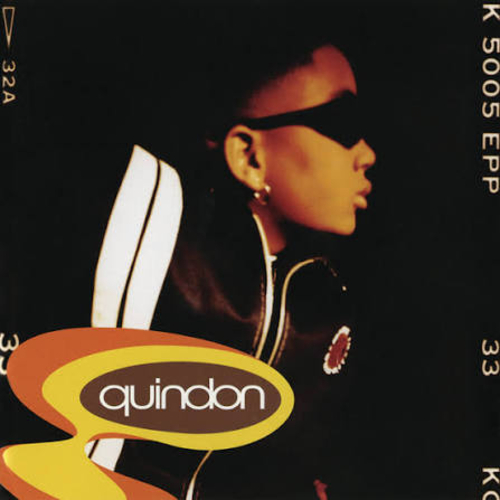
Discogsでは演奏時間4分38秒、ジャンルはContemporary R&BまたはR&B/Swingとして掲載されている。
アルバム終盤に配置されたこの曲は、単なる甘いラブソングではなく、少年期の別れ、不安、友情、恋愛感情の混在を描いた静かな感情劇となっている。
1996年のティーンR&Bには、若い歌手に大人びた恋愛曲を歌わせる作品も少なくなかった。しかし本曲では、Quindonの年齢や声質に合った題材が選ばれている。
恋愛を完全に理解している人物ではなく、自分の胸に生まれた感情が何なのかを確かめようとする人物が主人公なのである。
第一印象
最初に感じるのは、楽曲全体を包む柔らかな寂しさだ。
イントロでは女性の声による「Yeah」「Mmm」といったハミングが静かに浮かび、その直後に女性コーラスがタイトルフレーズを提示する。
ここでQuindonがすぐに主旋律を歌わない点が重要である。
女性コーラスが、
「Can this be love?」
と先に問いかけ、その問いの中へQuindonの声が入っていく。
まるで、主人公が自分自身の気持ちを直接言葉にする前に、心の奥にある疑問が外側から聞こえてくるような構成だ。
サウンドは甘く、滑らかだが、幸福一色ではない。コードの響きにはわずかな陰りがあり、ドラムも踊らせるというより、感情をゆっくり前へ運んでいく。
第一印象は、夕暮れの部屋で、もう会えなくなる相手のことを考えているようなティーンR&Bバラードである。
サウンド分析
ドラム
ドラムは、実質的には約64〜65BPM前後として感じられるスロウテンポで進む。ビート解析では倍取りで約129BPM付近も検出されるが、聴感上のグルーヴは明らかにハーフタイム寄りである。
キックは強く前に出ず、低い位置で丸く鳴る。
スネアまたはクラップは、拍の後ろへ少し引かれたような位置に置かれており、鋭く切るのではなく、曲の空気を優しく区切る役割を果たしている。
ハイハットも細かく動きすぎない。16分音符でせわしなく埋めるのではなく、必要な場所だけに置かれ、歌声を邪魔しない。
そのためビートには強い攻撃性がなく、主人公の内面を静かに支える。
サビではパーカッションの存在感が少し増し、コーラスの反復を押し出すが、最後まで派手なドラム展開には向かわない。
この控えめな設計が、曲をダンス・トラックではなく、感情を聞かせるスロウジャムとして成立させている。
ベース
ベースは丸く、柔らかく、音数も比較的少ない。
細かく動いてメロディを主導するタイプではなく、コードの根音を中心に下から支え、曲全体に温度を与えている。
キックとベースは明確に分離されているというより、同じ中低域の中でなじむように配置されている。このため、現代的なR&Bのような硬く深いサブベースではなく、90年代らしい温かな低音の塊として聞こえる。
特にサビでは、ベースがコード進行に沿ってゆっくり移動することで、「Can this be love?」という問いを感情的に受け止める土台を作っている。
派手なベースラインではないが、この安定感がなければ、Quindonの若く細い声は上方へ浮きすぎてしまう。
低音がしっかり曲を抱えることで、少年の声にもR&Bとしての重みが生まれている。
シンセ・メロディ
上物の中心は、柔らかなエレクトリックピアノ系のコードと、薄く広がるシンセパッドである。
コードは明るさと切なさを同時に含んでいる。
完全に暗いマイナー・バラードではないが、幸福感だけで終わらない。恋への期待と、別れが避けられない現実が同時に響いている。
イントロや間奏では、短いシンセフレーズや装飾音が配置され、広い空間を作る。音色は派手なG-Funkリードのように前へ出るものではなく、歌声の背後で淡く光るタイプだ。
ときおり聞こえる高音域のベルやシンセの響きは、少女との思い出を象徴するような、幼さと純粋さを感じさせる。
一方、低い音域には短く切られたシンセベース的なアクセントもあり、甘いだけではない90年代R&B特有の都会的な輪郭を作っている。
ミックス・グルーヴ
ミックスは中域を中心に構築されている。
Quindonのリードボーカル、女性コーラス、キーボードが比較的近い帯域に集まり、それぞれを完全に分離するというより、一つの柔らかな音像としてまとめている。
ボーカルは中央に置かれ、コーラスは左右へ広がる。サビでは女性コーラスが厚くなるため、Quindonの声を包み込むような立体感が生まれる。
リバーブは深すぎないが、ボーカルの語尾には適度な残響があり、切なさを伸ばしている。
グルーヴは機械的に正確でありながら、歌唱が拍の前後を自由に動くため、硬さを感じさせない。
特に後半では、Quindonのアドリブがサビの拍を越えて伸び、コーラスの反復と重なっていく。この重なりによって、曲は構成上の変化ではなく、感情の密度を増すことでクライマックスへ向かう。
ラップ/ボーカル分析
本曲にラップはなく、全編が歌唱を中心に構成されている。
Quindonの声は、少年らしい高い響きを持ちながら、歌い方には明確な90年代R&Bの技術がある。
Aメロでは、言葉をはっきり伝えることを優先し、比較的素直な旋律で歌う。
彼女が引っ越してしまうこと、一緒に遊んだ日々を恋しく思うこと、別れを受け入れられないこと。これらを過剰に劇的に歌わず、少年が自分の状況を一つずつ確認するように進めていく。
一方、サビでは語尾を伸ばし、音程を細かく揺らす。
「stay」「way」「love」といった重要な単語にはメリスマが加えられ、単純なメロディの反復に感情的な変化を与えている。
Quindonの歌唱で特に印象的なのは、完全には整いきっていない若い声の危うさである。
大人のシンガーのように滑らかにコントロールしきるのではなく、強く歌った瞬間に声が少し細くなったり、逆に突然太く響いたりする。
しかし、その不安定さは欠点ではない。
「恋かもしれない」「泣き続けそうだ」「なぜこんなに苦しいのか分からない」という歌詞に対して、声そのものが迷いを表現している。
終盤では、同じタイトルフレーズを何度も歌いながら、アドリブを増やしていく。
「I wanna know」「Is there anyone who understands why」といった感情が重なり、最初は静かな疑問だった「Can this be love?」が、最後には切実な叫びへ変わる。
女性コーラス
女性コーラスは本曲のもう一つの主役である。
サビの基本フレーズを反復し、Quindonの歌に対して問いかけと回答の両方を担う。
コーラスが同じ旋律を安定して繰り返す一方で、Quindonはその上を自由に動く。
この関係は、心の中にある固定された疑問と、その疑問に答えようとして揺れ続ける主人公の感情のように聞こえる。
また、少年の声だけで進めた場合に生じる軽さを、女性コーラスの厚みが補っている。
結果として、ティーン向けの純粋さを残しつつ、十分に豊かなR&Bバラードへ仕上がっている。
歌詞・テーマ
友情から恋へ変わる瞬間
歌詞では、少女が引っ越すことになった事実が物語の出発点となる。
主人公は、彼女と一緒に遊んだ日々を懐かしみ、
「こんなに良い友達は初めてだった」
と振り返る。
ここで、彼女は最初から恋人として描かれているわけではない。
むしろ、長く一緒に過ごしてきた「good friend」であり、その関係が失われようとした瞬間に、主人公は自分の感情の深さへ気づく。
それまで友情だと思っていたものが、別れの痛みによって恋愛感情へ姿を変える。
この感情の変化がタイトルの「Can This Be Love」に結びついている。
距離と記憶
主人公は、少女が遠くへ行ってしまっても、
「彼女は自分の心に残る」
と歌う。
物理的には離れてしまうが、共有した時間や笑顔、名前は消えない。
「A special girl / with a special name / a special smile」
という表現は非常に素朴だが、それゆえに少年らしい。
大人のラブソングに見られる官能的な描写や複雑な比喩は使われず、相手の存在を「特別」という単語で何度も確認する。
この単純さが、初恋の感情を正確に伝えている。
相手も同じ気持ちなのか
2番では、主人公の不安がさらに深くなる。
彼は一日中泣きそうなほど苦しみ、自分でも理由を説明できない。そして、
「彼女も同じ気持ちなのだろうか」
「それとも、彼女にとってはただの遊びだったのか」
と疑い始める。
ここで歌は、単なる別れの悲しみから、片思いの不安へ進む。
主人公は自分の気持ちだけでなく、相手の感情が分からないことに苦しんでいる。
彼女に直接確かめる勇気もなく、別れを言うこともできない。
だからこそ「Can this be love?」という問いを繰り返す。
この問いは、
「自分は彼女を愛しているのか」
だけでなく、
「彼女との間に本当の愛があったのか」
という二重の意味を持っている。
恋愛を断定しない歌
本曲の最大の特徴は、最後まで答えを出さないことだ。
主人公は恋だと断言しない。
少女が戻ってくることも、二人が結ばれることも描かれない。
彼はただ、心の中にある痛みを見つめ、
「これが愛なのか知りたい」
と歌い続ける。
その未解決感こそ、この曲の余韻である。
サンプリング&トラックメイキング
今回確認した範囲では、「Can This Be Love」に使用されたサンプリング元を裏付ける信頼性の高い公開情報は確認できなかった。
音源には、90年代R&Bやソウルの典型的なコード感、柔らかなエレクトリックピアノ、女性コーラス、丸いベースが使われているが、特定の既存曲を明確に切り出したループであるとは断定できない。
そのため、本記事ではサンプリング曲を推測で記載しない。
聴感上は、生演奏を模したキーボードと打ち込みのリズムを組み合わせた、当時のコンテンポラリーR&Bらしい制作である。
特に重要なのは、トラックがボーカルより目立とうとしない点だ。
コード進行、ドラム、ベースは長い時間ほぼ同じムードを保ち、Quindonの歌唱とコーラスの重なりを中心に曲を発展させる。
つまり本曲のトラックメイキングは、展開の多さではなく、一つの感情を約4分40秒間持続させることを目的としている。
トリビア
「Can This Be Love」は、Quindonの1996年のデビューアルバム『Quindon』に収録されたアルバム後半の楽曲である。公開されているトラックリストでは12曲目に置かれ、その後に「Girl It’s On」と、「It’s You That’s On My Mind」のリミックスが続く。
同アルバムには、「Dream About You」「Wrap Your Heart Around Mine」「I Wanna Be With You」「Symbolization of Love」など、恋愛を題材にしたタイトルが多く並ぶ。
その中でも「Can This Be Love」は、恋を積極的に楽しむ曲ではなく、恋愛感情の正体を問いかける点で異なる。
また、Quindonはアルバム発表と同じ1996年に映画『Romeo + Juliet』へ出演している。映画で披露した楽曲にはゴスペル的な力強さがあったが、本曲ではより身近で小さな感情を扱っている。
壮大な愛の物語ではなく、友達が遠くへ行ってしまうという、少年の日常に起きた出来事が中心である。
制作メモ
確定情報
- アーティスト:Quindon
- 曲名:Can This Be Love
- 収録アルバム:『Quindon』
- 発表年:1996年
- 収録順:12曲目
- 公開データ上の演奏時間:約4分38秒
- レーベル:Virgin Records
- ジャンル:Contemporary R&B/R&B・Swing
聴感ベース
- 体感テンポ:約64〜65BPM前後
- 倍取りでは約129BPM前後
- スロウ〜ミッドテンポのティーンR&B
- 丸いキックと控えめなスネア
- 柔らかなエレクトリックピアノ系コード
- シンセパッドとベル系の装飾音
- 温かく音数の少ないベース
- 女性コーラスを大きく使ったコール&レスポンス
- 終盤にQuindonのアドリブが増加
- 明確なブリッジによる転調より、反復と歌唱密度で高揚させる構成
- フェードアウトによって問いが解決されないまま終わる
総評
Quindonの「Can This Be Love」は、90年代ティーンR&Bの甘いサウンドを持ちながら、その中心にあるのは意外なほど切実な感情である。
主人公は、少女が引っ越してしまうことで初めて、彼女が自分にとってどれほど大切だったのかを知る。
しかし、その気持ちを恋と呼んでよいのか分からない。
相手も同じ気持ちだったのか分からない。
別れを受け入れることもできない。
その未熟さと純粋さを、Quindonの若い歌声がそのまま表現している。
サウンド面では、劇的な転調や派手なビートチェンジはない。ゆっくりしたドラム、丸いベース、柔らかなコード、厚い女性コーラスが一つのムードを保ち続ける。
その上でQuindonの歌だけが少しずつ熱を帯び、終盤では問いかけがほとんど叫びに近づいていく。
「Can This Be Love」は、恋が成就する物語ではない。
別れを前にした少年が、胸の痛みを通して恋の存在に触れる瞬間を描いた曲だ。
大人びたプロダクションと、まだ幼さの残る声。その組み合わせによって、本曲には他のスロウジャムにはない繊細さが生まれている。
エディターズノート
「Can This Be Love」の魅力は、Quindonが恋愛を理解しきった人物として歌っていない点にある。
彼は答えを持っていない。
ただ、少女がいなくなることが苦しく、思い出すだけで泣きそうになり、彼女も同じ気持ちだったのかと考えている。
大人になれば、それを初恋や片思いと説明できるかもしれない。
しかし曲の中の主人公には、まだその言葉がない。
だから何度も、
「Can this be love?」
と問いかける。
そして曲は、答えを示さないままフェードアウトしていく。
この終わり方によって、彼の疑問は曲の外にまで残る。
甘い90年代R&Bとして楽しめる一方で、少年期にしか持てない、名前の付いていない感情を丁寧に閉じ込めた一曲である。
Quindon – Can This Be Love | A Tender ’90s R&B Ballad About Realizing Love Through Goodbye
Quindon’s “Can This Be Love” is less a song about the excitement of falling in love than a ballad about a boy who, faced with saying goodbye to an important girl in his life, begins to realize for the first time that what he feels for her may actually be love.
She is moving far away. The time they spent playing together is coming to an end, and she will no longer be by his side. Unable to fully explain the sense of loss he feels, the narrator repeatedly asks himself one simple question:
“Can this be love?”
A slowly swaying beat, rounded bass, softly expanding keyboards, and female backing vocals frame that question throughout the song. At the center is Quindon’s voice—young and delicate, yet occasionally surprisingly powerful.
“Can This Be Love” is not a fully formed adult love song.
It is the story of a boy standing on the boundary between friendship and romance, gradually discovering his true feelings through the pain of separation.
Artist Introduction
Quindon, also known as Quindon Tarver, was an American R&B singer born in 1982. He began performing as a child and signed with Virgin Records while still in his early teens.
In 1996, he released his self-titled debut album, Quindon. The record was created as a commercially polished R&B project aimed largely at teenage listeners, combining Quindon’s youthful, clear voice with the refined production style characteristic of mid-1990s R&B. Apple Music’s artist biography notes that he worked under the management of Chris Stokes and also toured with Immature.
That same year, Quindon became more widely recognized through his appearance in the film William Shakespeare’s Romeo + Juliet, where he performed Prince’s “When Doves Cry” and Rozalla’s “Everybody’s Free.”
One of Quindon’s greatest strengths was his ability to combine the innocence of a young singer with the vocal techniques and emotional presentation of contemporary R&B.
Background
“Can This Be Love” appears on Quindon’s 1996 self-titled debut album Quindon, where it is placed as track 12 on the original release.
Discogs lists the song at approximately 4 minutes and 38 seconds and categorizes the album within Contemporary R&B and R&B/Swing.
Positioned near the end of the album, “Can This Be Love” is more than a simple sweet love song. It plays out as a quiet emotional drama involving childhood separation, uncertainty, friendship, and romantic feelings beginning to overlap.
Teen R&B of the mid-1990s often placed young singers in material written from an unusually mature romantic perspective. This song, however, feels far better matched to Quindon’s age and vocal character.
Its narrator is not someone who fully understands romance.
He is someone trying to determine what the unfamiliar emotion growing inside him actually means.
First Impression
The first thing that stands out is the gentle sadness surrounding the entire track.
The intro opens with soft female vocalizations such as “Yeah” and “Mmm,” after which the female backing vocals introduce the title phrase.
The fact that Quindon does not immediately enter with the main melody is important.
The women’s voices ask:
“Can this be love?”
before Quindon steps into the question himself.
It almost sounds as if the thought buried inside the narrator’s mind is being spoken aloud before he is capable of expressing it directly.
The production is sweet and smooth, but it is not purely happy. There is a slight shadow within the chord progression, while the drums are designed less to make the listener dance than to gently move the emotion forward.
The overall impression is that of a teenage R&B ballad taking place in a room at sunset, with someone quietly thinking about a person they may never see again.
Sound Analysis
Drums
The drums feel like they move at roughly 64–65 BPM. Beat-detection software may identify a double-time tempo around 129 BPM, but the actual groove is clearly perceived as slow and half-time.
The kick does not aggressively dominate the mix. Instead, it lands low and rounded.
The snare or clap feels slightly laid back against the beat, functioning not as a sharp rhythmic attack but as a gentle divider within the song’s atmosphere.
The hi-hats are similarly restrained. Rather than filling every space with busy sixteenth-note patterns, they appear only where necessary, leaving plenty of room for the vocals.
As a result, the beat carries almost no aggression. Its purpose is to quietly support the narrator’s inner thoughts.
The percussion becomes slightly more noticeable during the chorus, helping push the repeated refrain forward, but the track never develops into a dramatic drum-heavy arrangement.
That restraint is what allows the song to function as an emotionally focused slow jam rather than a dance-oriented R&B track.
Bass
The bass is rounded, warm, and relatively sparse.
It does not lead the arrangement with melodic movement. Instead, it mostly follows the roots of the chords, supporting the song from underneath and giving the production warmth.
The kick and bass are not separated with the extremely precise low-end definition heard in much contemporary R&B. Instead, they blend into the same low-mid area.
Because of that, the song does not rely on a hard, deep modern sub-bass. Its low end feels more like a warm, unified mass typical of 1990s R&B production.
During the chorus in particular, the bass slowly moves with the chord changes, creating an emotional foundation beneath the repeated question:
“Can this be love?”
It is not a flashy bassline, but its stability is essential. Without it, Quindon’s young, relatively light voice could easily feel as though it were floating too high above the track.
By holding the song firmly from below, the bass gives his youthful vocal tone greater R&B weight.
Synths and Melody
The upper layers are built primarily around soft electric-piano-style chords and lightly spreading synth pads.
The chords contain both warmth and sadness.
This is not a completely dark minor-key ballad, but neither does it resolve into uncomplicated happiness. The hope of romantic feeling and the unavoidable reality of separation seem to exist inside the harmony at the same time.
Short synth phrases and decorative notes appear during the intro and instrumental spaces, creating an open sense of atmosphere. These sounds do not behave like a prominent G-Funk lead. Instead, they glow faintly behind the vocals.
Occasional high-register bell or synth tones give the song a childlike purity, almost as though they represent memories of the girl.
At the same time, short lower-register synth-bass accents add a slightly urban edge, preventing the track from becoming excessively sweet and placing it firmly within the sound world of mid-’90s R&B.
Mix and Groove
The mix is largely centered around the midrange.
Quindon’s lead vocal, the female backing vocals, and the keyboards occupy relatively close frequency ranges. Rather than separating every element sharply, the production blends them into one soft sonic image.
Quindon is placed in the center, while the backing vocals spread wider across the stereo field. During the chorus, the female vocals become thicker, creating the feeling that they are wrapping around his voice.
The reverb is not excessive, but there is enough decay on the ends of the vocal lines to extend the feeling of sadness.
The groove itself is mechanically steady, yet Quindon’s phrasing moves naturally ahead of and behind the beat, preventing the track from feeling rigid.
In the later sections, his ad-libs stretch across the chorus and overlap with the repeating background vocals. Rather than reaching its climax through major structural changes, the song builds emotional intensity through increasing vocal density.
Rap / Vocal Analysis
There is no rap performance in “Can This Be Love.” The entire song is constructed around singing.
Quindon’s voice has the naturally high resonance of a young boy, but his approach already contains clear elements of 1990s R&B technique.
In the verses, he prioritizes the lyrics, using comparatively straightforward melodies.
He sings about the girl moving away, missing the days they spent together, and struggling to accept the separation. Rather than exaggerating the situation dramatically, he seems to process it one thought at a time.
The chorus is different.
Here, he stretches the ends of phrases and introduces more melodic ornamentation.
Important words such as “stay,” “way,” and “love” are given melismatic treatment, adding emotional variation to what is otherwise a relatively simple repeated melody.
One of the most compelling aspects of Quindon’s performance is the slight vulnerability in a young voice that has not yet become completely polished.
Unlike an adult R&B vocalist with total control over every phrase, Quindon can sound thinner when pushing harder, then suddenly fuller on another note.
That instability is not a weakness.
For lyrics centered on uncertainty—wondering whether this might be love, fearing that he will keep crying, and not understanding why the separation hurts so much—the voice itself seems to embody the narrator’s confusion.
Toward the end of the song, Quindon adds increasingly emotional ad-libs while repeating the title phrase.
Feelings expressed through lines such as “I wanna know” and “Is there anyone who understands why” accumulate until the quiet question introduced at the beginning—
“Can this be love?”
—begins to sound almost like a desperate plea.
Female Backing Vocals
The female backing vocals function almost like a second main character.
They repeatedly sing the central refrain, serving as both the question and a kind of response to Quindon’s lead.
While the background singers maintain the same stable melodic phrase, Quindon moves more freely around them.
The effect resembles a fixed question in the narrator’s mind, while his emotions continue to shift as he tries to answer it.
The additional vocal weight also prevents the arrangement from feeling too light or childlike with Quindon’s young voice alone.
As a result, the track preserves the innocence of teen R&B while still achieving the richness of a fully developed R&B ballad.
Lyrics and Themes
The Moment Friendship Becomes Love
The song begins with the fact that the girl is moving away.
The narrator looks back on the time they spent together and describes her as one of the best friends he has ever had.
She is not initially presented as his girlfriend.
Instead, she has been a “good friend,” someone who has been part of his everyday life. Only when that relationship is about to disappear does he recognize how deeply attached to her he has become.
Something he once understood as friendship begins to reveal itself as romantic feeling through the pain of separation.
That realization is what gives the title, “Can This Be Love,” its meaning.
Distance and Memory
Even after the girl moves far away, the narrator believes she will remain in his heart.
Physical distance cannot erase the time they shared, her smile, or even her name.
The description—
“A special girl / with a special name / a special smile”
—is extremely simple, but that simplicity makes it believable coming from a boy experiencing these feelings for the first time.
There are no sensual descriptions or complicated metaphors of the type often found in adult love songs.
Instead, he repeatedly confirms her importance through one uncomplicated word:
“special.”
That directness perfectly captures the emotional vocabulary of a first love.
Does She Feel the Same Way?
In the second verse, the narrator’s anxiety deepens.
He feels as if he could cry all day without fully understanding why. Then another fear appears.
Does she feel the same way?
Or was their relationship nothing more than play to her?
At this point, the song moves beyond the sadness of separation and into the uncertainty of unrequited love.
The narrator is suffering not only because of his own feelings, but because he has no idea what the girl feels.
He cannot bring himself to ask her directly.
He can barely even say goodbye.
That is why he keeps repeating:
“Can this be love?”
The question contains two meanings at once:
“Am I in love with her?”
and
“Was there really love between us?”
A Love Song That Never Gives an Answer
The most distinctive aspect of the song is that it never completely resolves its central question.
The narrator never declares with certainty that he is in love.
The girl does not return.
There is no reunion.
He simply looks inward at the pain he feels and continues asking what it means.
He wants to know whether this is love.
That unresolved emotional state is exactly what gives the song its lingering power.
Sampling & Track Production
Within the publicly available information examined for this song, no reliable source clearly identifies a sample used in “Can This Be Love.”
The recording contains many familiar elements of 1990s R&B and soul production—soft electric piano, female backing vocals, rounded bass, and smooth chord progressions—but there is not enough evidence to confidently identify any specific pre-existing recording as a sampled source.
For that reason, no speculative sample attribution should be included.
From a listening perspective, the track sounds like a typical contemporary R&B production of the period, combining programmed rhythm with keyboard parts designed to resemble or evoke live instrumentation.
The most important aspect of the production is that the instrumental never tries to overpower the singer.
The chord progression, drums, and bass maintain a nearly consistent mood for most of the song, allowing the arrangement to develop primarily through Quindon’s lead vocal and the layering of background harmonies.
In other words, the track is not built around constant musical changes.
Its purpose is to sustain one emotional state for roughly four and a half minutes.
Trivia
“Can This Be Love” appears near the end of Quindon’s 1996 debut album Quindon. On publicly available track listings, it is placed at number 12, followed by “Girl It’s On” and a remix of “It’s You That’s On My Mind.”
The album contains numerous songs with romantic titles, including “Dream About You,” “Wrap Your Heart Around Mine,” “I Wanna Be With You,” and “Symbolization of Love.”
Among them, however, “Can This Be Love” stands apart because it does not celebrate romance directly.
Instead, it questions what romantic emotion actually is.
Quindon also appeared in William Shakespeare’s Romeo + Juliet in the same year the album was released. His performances in the film demonstrated a more gospel-influenced vocal power, while “Can This Be Love” focuses on a much smaller and more intimate emotion.
Rather than presenting a grand story of love and fate, the song revolves around something entirely ordinary:
a boy watching one of his closest friends move away.
Production Notes
Confirmed Information
Artist: Quindon
Song: “Can This Be Love”
Album: Quindon
Release year: 1996
Track number: 12
Publicly listed running time: approximately 4:38
Label: Virgin Records
Genre: Contemporary R&B / R&B-Swing
Listening-Based Observations
Perceived tempo: approximately 64–65 BPM
Double-time interpretation: approximately 129 BPM
Slow-to-mid-tempo teen R&B
Rounded kick and restrained snare
Soft electric-piano-style chords
Synth pads and bell-like decorative tones
Warm, sparse bassline
Extensive use of female call-and-response backing vocals
Increasing Quindon ad-libs toward the end
Emotional build created through repetition and denser vocals rather than an obvious bridge or key change
Fade-out leaves the central question unresolved
Overall Review
Quindon’s “Can This Be Love” carries the sweet surface of 1990s teen R&B, yet the emotion at its center is surprisingly sincere.
The narrator only begins to understand how important the girl is to him once he learns that she is moving away.
But he does not know whether he should call what he feels love.
He does not know whether she felt the same way.
And he does not know how to accept their goodbye.
That immaturity and innocence are expressed directly through Quindon’s young voice.
Musically, there are no dramatic key changes or major beat switches. Slow drums, rounded bass, gentle chords, and thick female harmonies preserve one consistent emotional atmosphere.
Over that foundation, only Quindon’s performance gradually becomes more intense. By the final section, what began as a quiet question nearly becomes a cry.
“Can This Be Love” is not a story about love being fulfilled.
It is a song about a boy discovering the existence of love through the pain of losing someone.
The combination of mature R&B production and a voice that still carries the vulnerability of childhood gives the song a delicacy that separates it from many other slow jams of its era.
Editor’s Note
The greatest appeal of “Can This Be Love” is that Quindon never sings as though he fully understands romance.
He has no answer.
He only knows that losing this girl hurts, that thinking about her makes him want to cry, and that he cannot stop wondering whether she felt the same way.
As adults, we might describe those feelings as first love or unrequited love.
But the boy inside the song does not yet have those words.
So he keeps asking:
“Can this be love?”
And the song fades out without answering him.
Because of that ending, his question continues to linger even after the music is gone.
It can certainly be enjoyed as a sweet piece of 1990s R&B, but underneath that polished production is something more fragile: a song that carefully preserves an unnamed emotion that may only exist with this particular purity during childhood.

コメント