「Tvoj Parfém」――タイトルが意味するのは、“あなたの香水/あなたの香り”。
その言葉どおり、この曲には離れても消えない誰かの気配が漂っている。
冒頭から飛び出すのは、丸くうねるベース、乾いたドラム、軽やかなコード。そして「Čisté funky(ピュアなファンキー)」という言葉。
約108BPMのミッドテンポを軸に、Mária Bundováの柔らかな歌声と男性ラップが交錯する。
派手な音を積み上げるのではなく、ベースとリズムの隙間で身体を揺らす。
2006年のスロバキアから現れた、R&B、ファンク、ヒップホップが心地よく混ざり合う一曲だ。
アーティスト紹介
Mária Bundováはスロバキアの女性シンガー。
「Tvoj Parfém」は2006年の作品『Perfektný Svet』収録の楽曲で、Bundováの滑らかな女性ボーカルを中心に、R&B、ポップ、ファンク、ヒップホップの要素を組み合わせている。
この曲で特に印象的なのは、歌唱力を前面に押し出すのではなく、ボーカルそのものをグルーヴの一部として機能させていること。
男性ラップを大胆に挟むことで、単純な女性R&Bナンバーには収まらない作りになっている。
作品背景
「Tvoj Parfém」は、Mária Bundováが**2006年に発表したアルバム『Perfektný Svet』**に収録された楽曲。
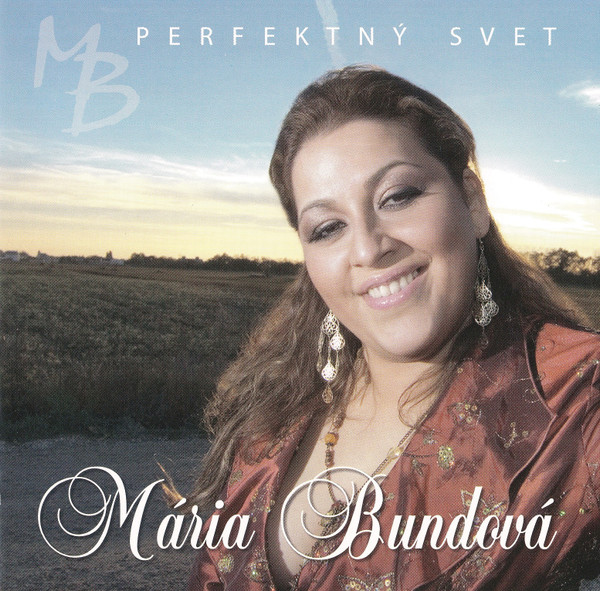
アルバムは全15曲で構成され、「Tvoj Parfém」は11曲目に収録されている。ポップを基盤としながら、R&B、ソウル、ファンク、ヒップホップなどの要素を取り込んだ作品で、その中でも「Tvoj Parfém」はベースを前面に押し出したファンキーなグルーヴが際立つ一曲だ。
音源冒頭では男性MCが、
「Rok 2006(2006年)」
「Cítiš tú emóciu?(この感情を感じるか?)」
「Čisté funky(ピュアなファンキー)」
と曲へ導いていく。
ここで自ら「funky」と宣言しているのが重要だ。
実際、曲を支配しているのは2000年代的なデジタルR&Bの硬質さではなく、ベースとドラムを中心にしたファンク由来の身体的なノリ。
そこへMária Bundováの滑らかな歌声と男性ラップを組み合わせ、R&B、ファンク、ヒップホップが自然に交差するアーバンなサウンドへ仕上げている。
第一印象
まず耳を奪われるのはベース。
イントロから低音が「ブン」と前へ飛び出し、そのまま曲全体のキャラクターを決めてしまう。
しかし重苦しくはない。
ドラムには十分な空間があり、コードも必要以上に鳴らさないため、全体には夜の街をゆっくり流しているような軽快さがある。
そこへBundováの柔らかな声が入った瞬間、ファンク中心だった景色が一気に艶のあるR&Bへ変化する。
そしてラップが始まれば再びヒップホップへ。
この切り替わりが「Tvoj Parfém」の面白さだ。
サウンド分析
ドラム
実音源からテンポを解析すると、約108BPM。
ミッドテンポながら、体感的にはかなりゆったりしている。
キックは巨大な低音で押し潰すタイプではなく、ベースラインと組み合わさることで重量を作る設計。
スネア/クラップ系の音も比較的ドライで、リズムの輪郭を明確にする役割に徹している。
重要なのは音数の少なさ。
細かなドラムフィルで刺激を作るのではなく、
キック → 空間 → スネア → ベース
という隙間そのものをグルーヴとして利用している。
そのため約108BPMでも忙しく感じない。
むしろ、肩を揺らしながら自然に身体が動くファンク寄りのノリになっている。
ベース
この曲の主役と言っていい。
丸く太い低音が一定の音を伸ばし続けるのではなく、フレーズの隙間で細かく動く。
イントロを聴いただけでも、
「この曲はベースで聴かせる」
という意図が伝わってくる。
特にキックと完全に一体化させないのがポイント。
ベースがドラムの隙間を縫うように動くことで、リズム全体に弾力が生まれている。
G-Funkで聴かれる低く沈み込むベースとは少し違い、こちらはよりファンク/アーバンR&B的な軽快さを持つ。
それでもG-Funk好きが反応するのは、この低音が単なる伴奏ではなく、楽曲の気持ち良さそのものになっているからだろう。
シンセ・メロディ
上物はかなり抑制されている。
中心になるのは柔らかなコード系サウンドで、派手なリードシンセが主旋律を奪うような場面はほとんどない。
この引き算が絶妙だ。
コードが空間を薄く埋め、その下でベースが動き、中央にBundováの声が置かれる。
つまりメロディを楽器だけで作るのではなく、
コード+ベース+ボーカル
の三者で曲の旋律感を作っている。
そのため何度繰り返しても耳疲れしにくい。
ミックス・グルーヴ
低域にはしっかり存在感がある一方、中高域にはかなり余裕が残されている。
特にボーカル周辺を楽器で埋め尽くしていないため、Bundováの声が自然に前へ出る。
男性ラップに切り替わってもトラックそのものを大幅に変えないのもポイント。
同じグルーヴを維持しながら、
女性ボーカル=滑らかさ
男性ラップ=リズム感
という役割の違いだけで景色を変えている。
曲全体が約3分56秒にわたって同じ“匂い”を保ち続けるのは、このミックス設計が大きい。
ラップ/ボーカル分析
Mária Bundováのボーカルは、このトラックに非常によく合っている。
声量で圧倒する歌唱ではなく、少し息を含ませた柔らかな声。
「Ešte stále cítim tvoj parfém(今でもあなたの香りを感じる)」という印象的なフレーズも、強く訴えるというより、記憶を静かに思い返しているように歌う。
それがタイトルの「香り」というモチーフと見事につながっている。
一方、男性ラップが入ると空気が変わる。
歌が感情を滑らかに流していくのに対し、ラップは言葉を細かくビートへ刻み込む。
さらに終盤では男性ラップの比重が大きくなり、曲が単純にサビを繰り返して終わるのではなく、ヒップホップ側へ傾きながら着地する。
この構成が面白い。
女性R&Bの中にラップを添えた曲ではなく、歌とラップが対等に同じファンク・グルーヴを共有している。
歌詞・テーマ
中心にあるのは「香り」と「記憶」。
Bundováは、
まだあなたの香水を感じる。
まだあなたの唇を覚えている。
あなたのキスが口元に残っている。
といった感覚的なイメージを重ねていく。
ここで面白いのは、相手を思い出すきっかけが「顔」や「言葉」ではなく、匂い、唇、キス、肌、触覚として描かれていること。
記憶が非常に身体的だ。
だからこそ「Tvoj Parfém」というタイトルが効いている。
香水は本人がその場所からいなくなったあとにも残る。
その「残り香」を恋愛の記憶そのものに置き換えていると考えると、曲の艶っぽいサウンドとも自然につながる。
男性ラップではより直接的で肉体的な表現が増え、女性パートのロマンティックな視点とは違った角度から男女の距離を描いている。
トリビア
冒頭で「Rok 2006」と制作年代を堂々と口にしているため、曲を聴いた瞬間から2006年という時代が刻み込まれる。
さらに興味深いのが「Čisté funky」という宣言。
これは実際のサウンドを非常に正確に表している。
分類上はR&B/ポップとして扱える作品だが、音源を聴けば、中心にあるのは明らかにファンク由来のベースとリズムだ。
また、アップロードされたファイル名には「Slovenia」とあるが、Mária Bundováはスロバキアのアーティストなので、ブログ掲載時には「スロベニア」ではなく「スロバキア」とするのが適切。
制作メモ
音源解析ではテンポは約108BPM。
約3分56秒の中で大きなテンポ変化はなく、基本的には一つのグルーヴを最後まで維持する。
構成面では、
男性MCによるイントロ → Bundováの歌唱 → フック → 男性ラップ → 歌唱/フック → 別の男性ラップ → フック反復 → 終盤の男性ラップ
という流れが特徴的。
後半になるほどラップの存在感が強くなるため、序盤と終盤では同じトラックなのに印象がかなり違う。
なお、今回の音源からはファンク/R&B的な要素を明確に確認できるが、既存曲からのサンプリングについて確定できる情報はないため、サンプリング&トラックメイキングの章は掲載しない。
総評
Mária Bundová「Tvoj Parfém」は、派手な曲ではない。
だが、そこがいい。
約108BPMのゆったりしたドラム、その隙間を泳ぐ丸いベース、薄く敷かれたコード、そしてBundováの柔らかな歌声。
そこへ男性ラップが入り込み、R&B、ファンク、ヒップホップの境界を曖昧にしていく。
特に素晴らしいのはベースだ。
低音がただ曲を支えるのではなく、動くたびに身体を揺らし、曲そのものを前へ運んでいく。
そして「あなたの香り」という官能的なテーマも、この滑らかなグルーヴとよく似合う。
G-Funkそのものと断定するより、
ファンク/R&Bを軸に、G-Funk好きにも刺さる低音と余白を持ったスロバキアン・アーバンR&B
と捉えるのが最も近い。
2006年という年代を考えても、不思議なほど90年代的なファンクネスが残っている。
香りは消えても、グルーヴは残る。
そんな言葉が似合う一曲だ。
Mária Bundová – Tvoj Parfém | Slovak Urban R&B Where the Scent Fades but the Groove Remains
“Tvoj Parfém” means “Your Perfume” or “Your Scent.”
And just as the title suggests, the entire song carries the feeling of someone whose presence remains even after they are gone.
From the opening, a rounded bassline begins moving underneath dry drums and light chord textures.
Then comes the declaration:
“Čisté funky.”
Pure funk.
Built around an approximately 108 BPM midtempo groove, Mária Bundová’s soft vocals move back and forth with male rap performances.
The production does not rely on layers of flashy sounds.
Instead, it creates movement in the spaces between the bass and rhythm.
Coming out of Slovakia in 2006, “Tvoj Parfém” is a smooth meeting point between R&B, Funk, and Hip-Hop.
Artist Introduction
Mária Bundová is a Slovak female singer.
“Tvoj Parfém” appears on her 2006 album Perfektný Svet, combining Bundová’s smooth vocal style with elements of R&B, Pop, Funk, and Hip-Hop.
What makes her performance particularly effective here is that she does not treat vocal power as the main attraction.
Instead, her voice becomes part of the groove itself.
The substantial use of male rap sections also prevents the track from becoming a conventional female-led R&B song.
Singing and rapping share the same rhythmic space.
Neither feels like an unnecessary addition to the other.
Background
“Tvoj Parfém” appears on Mária Bundová’s 2006 album Perfektný Svet.
The album contains 15 tracks, with “Tvoj Parfém” appearing as track 11.
While the album is rooted in Pop, it also incorporates R&B, Soul, Funk, and Hip-Hop influences.
Within that context, “Tvoj Parfém” stands out through its bass-driven funk groove.
At the beginning of the recording, a male MC introduces the track with phrases including:
“Rok 2006” — “The year 2006.”
“Cítiš tú emóciu?” — “Can you feel that emotion?”
and:
“Čisté funky” — “Pure funk.”
That final declaration is particularly important.
The track tells you exactly what it wants to be.
Rather than being dominated by the harder digital textures associated with some mid-2000s R&B production, the song draws much of its physical energy from bass and drums rooted in funk.
Bundová’s smooth singing and the male rap performances are then placed over that foundation, creating an urban sound where R&B, Funk, and Hip-Hop naturally intersect.
First Impression
The first thing that grabs the ear is the bass.
From the intro, the low end jumps forward with a rounded “boom” and immediately establishes the character of the track.
But it never feels heavy or oppressive.
There is plenty of space in the drums, while the chords avoid unnecessary density.
The result has the lightness of slowly cruising through the city at night.
Then Bundová enters.
The moment her soft voice appears, the funk-driven foundation suddenly takes on the sensual quality of R&B.
When the rap arrives, the balance shifts toward Hip-Hop again.
That constant movement between musical identities is one of the most interesting things about “Tvoj Parfém.”
Sound Analysis
Drums
Analysis of the recording places the tempo at approximately 108 BPM.
Although that is clearly midtempo, the track feels considerably more relaxed.
The kick does not attempt to crush the mix with enormous low frequencies.
Instead, much of its weight comes from its relationship with the bassline.
The snare and clap-like sounds are relatively dry, serving primarily to define the rhythm clearly.
What matters most is the lack of unnecessary percussion.
Rather than creating excitement through constant fills, the groove uses the spaces between the hits:
kick → space → snare → bass.
The empty areas become part of the rhythm.
That is why the song never feels busy despite the 108 BPM tempo.
Instead, it creates a funk-oriented groove that naturally makes the shoulders and body move.
Bass
The bass is arguably the real star of the record.
Rather than simply holding long low notes underneath the song, the rounded bass moves through the spaces between the other elements.
Even from the introduction, the intention is obvious:
this is a track built to be felt through the bass.
One of the most effective details is that the bass does not simply duplicate the kick drum.
It moves around the drums.
That creates elasticity in the rhythm.
Compared with the deeper, sinking low end often associated with G-Funk, this bassline feels lighter and more closely connected to Funk and urban R&B.
Still, it is easy to understand why listeners who love G-Funk might respond to it.
The bass is not merely accompaniment.
The low end is the pleasure of the song itself.
Synths & Melody
The upper instrumental layers are surprisingly restrained.
Soft chord-based textures provide the main harmonic foundation, while flashy lead synths are almost entirely absent.
That restraint is essential.
The chords lightly fill the space.
The bass moves underneath.
Bundová occupies the center.
Instead of allowing the instruments alone to define the melody, the track creates its melodic character through the combination of:
chords + bass + vocals.
That balance also makes the record easy to replay.
Nothing in the upper frequencies becomes overly aggressive or exhausting.
The track remains smooth because it knows what not to add.
Mix & Groove
The low end has considerable presence, while the middle and upper frequencies retain plenty of open space.
Most importantly, the arrangement avoids filling every area around Bundová’s voice with instruments.
That allows her vocals to move naturally toward the front of the mix.
When the male rappers enter, the instrumental does not need to change dramatically.
The same groove continues.
What changes is the function of the voice:
female vocal = smoothness
male rap = rhythm
The contrast between those two roles creates variation without disrupting the atmosphere.
That is one reason the track maintains the same sonic “scent” throughout its approximately 3:56 running time.
Rap / Vocal Analysis
Mária Bundová’s voice fits the production extremely well.
This is not a performance built around overwhelming vocal power.
Her delivery is soft and slightly breathy.
The memorable idea:
“Ešte stále cítim tvoj parfém” — “I can still smell your perfume.”
is not delivered like a dramatic declaration.
She sounds more like someone quietly returning to a memory.
That approach fits the perfume motif perfectly.
A scent is subtle.
It remains in the air.
And her voice behaves in much the same way.
The atmosphere changes when the male rappers enter.
Where Bundová allows emotion to flow smoothly across the beat, the rappers divide that same space into smaller rhythmic pieces.
The male rap sections become increasingly prominent toward the ending.
As a result, the track does not simply repeat its chorus until the fade.
It gradually leans further toward Hip-Hop.
That structure is important.
This is not simply an R&B song with a rap feature attached to it.
The singers and rappers occupy the same funk groove on almost equal terms.
Lyrics & Themes
The central ideas are scent and memory.
Bundová returns to sensory images:
I can still smell your perfume.
I still remember your lips.
Your kiss still remains on my mouth.
What makes the writing interesting is the physical nature of those memories.
She does not primarily remember the person through a face or a conversation.
Instead, memory returns through:
smell,
lips,
kisses,
skin,
and touch.
The memory is almost entirely sensory.
That makes the title “Tvoj Parfém” especially effective.
Perfume can remain in a room even after the person wearing it has left.
The song transforms that lingering scent into a metaphor for romantic memory itself.
And because the production is already smooth, warm, and physical, the lyrical theme feels completely natural within the music.
The male rap sections introduce a more direct and physical perspective on intimacy, contrasting with the more romantic and reflective perspective of the female vocal.
Together, the two sides create a broader picture of desire and memory.
Trivia
The introduction explicitly says “Rok 2006,” immediately stamping the year of the recording into the track itself.
Another particularly revealing phrase is:
“Čisté funky.”
Pure funk.
That description is remarkably accurate.
The track can easily be categorized within R&B and Pop, but listening to the recording makes it clear that funk-derived bass and rhythm sit at the center of the groove.
One other detail is worth clarifying.
The audio file may sometimes be labeled with “Slovenia,” but Mária Bundová is a Slovak artist.
The correct country reference is therefore Slovakia, not Slovenia.
Production Notes
Analysis of the recording places the tempo at approximately 108 BPM.
Across its approximately 3:56 running time, there are no major tempo changes.
Instead, the track maintains one central groove from beginning to end.
The arrangement roughly develops through:
male MC intro
→ Bundová vocal
→ hook
→ male rap
→ vocal / hook
→ another male rap
→ repeated hook
→ male rap toward the ending.
The increasing presence of rap in the second half is especially interesting.
The instrumental remains largely the same, yet the character of the song gradually changes.
The beginning feels closer to urban R&B.
The ending leans further toward Hip-Hop.
The recording clearly contains Funk and R&B characteristics, but no sufficiently reliable information confirms a specific sample source.
For that reason, no sampling claim is made here.
Final Thoughts
Mária Bundová’s “Tvoj Parfém” is not a flashy record.
That is part of its appeal.
An easy drum groove at approximately 108 BPM.
Rounded bass moving through the empty spaces.
Soft chord textures.
And Bundová’s gentle voice floating above everything.
Then the male rappers enter and gradually blur the boundaries between R&B, Funk, and Hip-Hop.
The bass is especially effective.
Rather than simply supporting the song, every movement of the low end seems to pull the body with it and push the groove forward.
And the sensual theme of “your perfume” fits naturally with that smooth rhythmic foundation.
Calling the track G-Funk would be too specific.
A more accurate description would be:
Slovak urban R&B rooted in Funk, with enough low-end movement and open space to immediately appeal to G-Funk listeners.
Even for a record released in 2006, there is something surprisingly reminiscent of 1990s funkiness in the groove.
The person disappears.
The perfume eventually fades.
But the bass keeps moving.
The scent may disappear, but the groove remains.
コメント