1990年代前半のR&Bには、力強いドラムと甘いボーカルを同時に成立させる独特の魅力があった。
G-Wizの「Teddy Bear」は、まさにその時代ならではのバランスを味わえる一曲だ。
跳ねるように組まれたビート、厚みのある男性コーラス、耳に残るシンセサイザー。そして、タイトルの“Teddy Bear”という言葉が象徴する、親密で柔らかなラブソングの世界観。
約4分20秒という十分な長さを使いながら、曲は単純に同じフレーズを繰り返すのではなく、リードボーカル、コーラス、語りかけるようなパート、細かなアドリブを重ねて徐々に熱を上げていく。
派手なヒット曲として語られる機会は多くないが、ニュー・ジャック・スウィングと90年代男性R&Bの魅力を深く味わえる、完成度の高い一曲である。
アーティスト紹介
G-Wizは、1990年代初頭に活動していた男性R&Bグループである。
同名のヒップホップ・プロデューサーGary “G-Wiz” Rinaldoとは別のアーティストであり、「Teddy Bear」を歌っているG-Wizは、男性ボーカルグループとして作品を残した存在だ。
G-Wizは1993年にScotti Bros. Recordsから作品『Naughty Bits』を発表している。Spotifyでは『Naughty Bits』はEPとして掲載され、「Teddy Bear」も1993年の楽曲として登録されている。
当時の男性R&Bシーンには、Guy、Hi-Five、Portrait、Intro、Silk、Shaiなど、ダンスビートとコーラスワークを組み合わせたグループが数多く存在していた。
G-Wizもその流れに位置するグループだが、「Teddy Bear」では強いストリート性や露骨なセクシーさよりも、親しみやすいキャラクターと柔らかなロマンティシズムを前面に押し出している。
作品背景
「Teddy Bear」は、G-Wizが1993年に発表した『Naughty Bits』に収録されている。
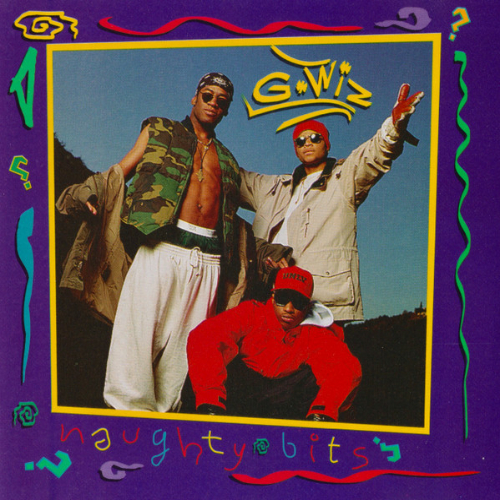
『Naughty Bits』のクレジットには、Gerald Baillergeauが共同プロデューサー、Richard Preussがエンジニアおよびミックス担当として記載されている。
また、「Teddy Bear」単曲についてはJamahl Harrisがプロデューサーとして登録されている。
1993年という時期は、ニュー・ジャック・スウィングが全盛期後半に入り、より滑らかなコンテンポラリーR&Bへと移行し始めていた頃でもある。
そのため、本作にはニュー・ジャック・スウィングらしい硬質なドラムと跳ねるリズムが残されている一方、コーラスやメロディには、後の90年代中盤R&Bへつながる落ち着いた甘さがある。
ダンス曲としての推進力と、スロー・ジャム的な親密さ。その中間地点にあることが、この曲の大きな特徴だ。
第一印象
最初に耳へ飛び込んでくるのは、乾いたスネアと細かく刻まれるリズムである。
完全なスロー・ジャムではない。
しかし、クラブ向けの攻撃的なダンスナンバーでもない。
実測上のテンポは約99 BPMで、身体を自然に揺らせるミドルテンポに設定されている。ドラムは前へ進もうとするが、メロディとボーカルはそこに急かされず、ゆったりと歌われる。
この「ビートは弾むが、歌は柔らかい」という対照が、曲全体の心地よさを作っている。
イントロの時点では、機械的なリズムとシンセサウンドが目立つ。しかし、ボーカルが入ると印象は一気に温かくなり、無機質だったトラックに人間的な感情が加わる。
タイトルどおり、硬さよりも包容力を感じさせる楽曲である。
サウンド分析
ドラム
ドラムは、この曲をニュー・ジャック・スウィングとして成立させる中心的な要素だ。
キックは必要以上に重くなく、短く引き締まった音で置かれている。一方、スネアは高めで乾いており、拍の輪郭をはっきりと示す。
特に印象的なのは、主拍だけでなく、その周囲に配置された細かなパーカッションとハイハットである。
ハイハットは一定間隔で単調に鳴るのではなく、細かな強弱や抜き差しを持ちながら、リズムに跳ねを加えている。スネア周辺にも短い打音が置かれ、単純な4拍子を細かく分割している。
その結果、テンポ自体は速くないにもかかわらず、ビートには常に前進感がある。
曲の後半では、ボーカルのアドリブが増えるのに合わせ、ドラムの存在感もより強く感じられる。実際に大幅なリズム変更をしているわけではないが、周囲の音が増えることで、同じビートが徐々に高揚して聴こえる構成になっている。
ベース
ベースは、低音を長く伸ばして曲を包み込むタイプではなく、ドラムに連動して短く動くシンセベースが中心である。
キックとほぼ一体化するように配置されており、低音だけを独立して目立たせるのではなく、グルーヴを下から支える役割を果たしている。
音色にはアナログベースの丸みよりも、デジタルシンセ特有の輪郭がある。
それでも冷たく感じないのは、ベースラインが機械的な反復だけではなく、ところどころで音程を動かし、ボーカルのメロディに寄り添っているからだ。
派手なベースソロや複雑なフレーズはない。
しかし、この控えめな設計によって、コーラスやリードボーカルが低音に埋もれず、曲の甘さが保たれている。
シンセサイザー/メロディ
メロディ楽器は、短く区切られたシンセコードと、明るい装飾音を中心に構成されている。
コードは滑らかに長く伸びるというより、リズムに合わせて断続的に鳴らされる。そのため、ハーモニー楽器もドラムの一部のように機能している。
高音域では、ベルやデジタルピアノに近い質感の音が使われ、楽曲に軽さを与えている。
この高音のきらめきがなければ、乾いたドラムとシンセベースの組み合わせは、さらに硬く無骨に聴こえていただろう。
一方で、背景には薄いパッド系の音も敷かれており、ボーカルの背後に柔らかな空間を作っている。
前景にはリズミカルなシンセ、背景には伸びるパッド。その二層構造によって、トラックは軽快でありながら薄くならない。
ギター的なアクセント
曲中には、ギターあるいはギターを模したシンセに近い短いカッティング音も感じられる。
これらは長い旋律を担当するのではなく、拍と拍の隙間を埋めるアクセントとして使われている。
ファンクの要素を強く押し出すほどではないが、この細かなカッティングがドラムとシンセの間に人間的な揺れを加えている。
すべてを打ち込みだけで均一に処理せず、わずかなファンク感を残している点が、グルーヴの豊かさにつながっている。
グルーヴ
「Teddy Bear」のグルーヴは、縦に強く踏み込むというより、前後に小さく揺れるタイプだ。
スネアは明確に拍を示しているが、ベースやシンセはわずかに異なるタイミングで入り、リズムに立体感を作る。
そのため、聴き手は強く踊らされるのではなく、自然に肩や首を動かしたくなる。
ニュー・ジャック・スウィングの中でも比較的滑らかで、R&B寄りのグルーヴといえる。
恋愛を題材にした柔らかなボーカルと、弾むビートの相性も良い。
甘い歌だからといってテンポを落としすぎず、ダンス感を残していることで、曲が感傷的になりすぎない。
アレンジと構成
楽曲は、イントロ、ヴァース、コーラス、次のヴァース、再びコーラスという分かりやすい流れを基礎としている。
ただし、後半へ進むにつれて、リードボーカルのフェイク、コーラスの反復、短い掛け声、語りかけるような声が加わっていく。
前半は楽曲のテーマとメロディを伝えることに重点が置かれ、後半はボーカルの感情を解放する時間になっている。
特に終盤では、リードとバックコーラスの境界が薄くなり、複数の声が重なりながら曲を押し上げる。
大きな転調や劇的なブレイクを使わず、声の密度によってクライマックスを作る構成である。
約4分20秒という長さも、この段階的な盛り上がりには必要だ。
現在のポップスと比べると長めだが、反復のたびにアドリブや声の重なりが変化するため、単調には感じにくい。
ミックス
ミックスは、ドラムの輪郭を前に出しながら、ボーカルを中央にしっかり固定した90年代前半らしい作りである。
リードボーカルには適度なリバーブが加えられているが、深い残響で遠くへ配置されているわけではない。歌い手との距離は近く、親密さが保たれている。
バックコーラスは左右へ広げられ、中央のリードを包み込む。
この配置によって、タイトルの“Teddy Bear”が持つ、抱きしめる、寄り添うといったイメージがサウンド面でも表現されているように感じられる。
低域は現代のR&Bほど巨大ではない。
その代わり、中域にベース、スネア、ボーカル、シンセが密集しており、ラジオや小型スピーカーでも楽曲の魅力が伝わりやすいバランスになっている。
ラップ/ボーカル分析
この曲の主役は、派手な高音や圧倒的な声量ではなく、リードボーカルとバックコーラスの関係性である。
リードは滑らかだが、完全に力を抜いた歌い方ではない。
語尾には適度な張りがあり、言葉を相手へ直接届けようとする意志が感じられる。フレーズの入りでは柔らかく歌い、終わりに向かって少し強く押し出すことで、甘さの中に男性的な存在感を残している。
また、リードボーカルはメロディを正確になぞるだけではなく、ところどころで話すようなニュアンスを加える。
この歌唱によって、曲は一方的な告白というより、目の前の相手へ語りかける会話のように聴こえる。
バックコーラスは厚く、主旋律を単純にユニゾンでなぞるのではなく、低音と高音に分かれて和音を作る。
特にタイトルフレーズ周辺では、コーラスが曲の記憶点として機能している。
一度聴いただけでも曲名とメロディが結びつきやすいのは、言葉そのものの親しみやすさに加え、このコーラス配置が明快だからだ。
終盤では、リードのアドリブとコーラスの反復が同時進行する。
リードは次第に自由度を増し、メロディの隙間に細かなフェイクを入れる。一方、コーラスは一定のフレーズを保ち、曲の土台を崩さない。
自由に動くリードと、安定したコーラス。
この対比によって、楽曲は構成を維持したまま感情的な高まりを作っている。
歌詞・テーマ
「Teddy Bear」という題名は、愛する相手に寄り添う存在、安心感を与える存在、自分だけの身近な存在といったイメージを持つ。
歌詞全体も、相手に対する親密な愛情や、近くにいたいという思いを中心に展開している。
ここで描かれている男性像は、相手を強引に支配しようとする人物ではない。
むしろ、自分が相手にとって安心できる存在になりたい、優しく包み込みたいという姿勢が強い。
その意味で“Teddy Bear”は、単なるかわいらしい呼び名ではなく、楽曲の男性像を示す比喩として機能している。
一方、トラックは完全に柔らかいわけではなく、乾いたスネアと強いリズムを持っている。
このため、歌詞が甘くなりすぎず、男性グループR&Bらしい力強さも残されている。
優しさを表現しながら、弱々しくは聴こえない。
このバランスが、本作の重要な魅力である。
歌詞の細部については、今回の音源のみではすべての語句を正確に確認できない部分もあった。そのため、本稿では聞き取れる範囲と、タイトル、歌唱表現、楽曲全体の流れから確認できるテーマに基づいて分析している。
楽曲の聴きどころ
最大の聴きどころは、硬質なビートと柔らかなコーラスの共存である。
ドラムだけに注目すると、曲はかなりリズミカルで、ニュー・ジャック・スウィングらしいエッジを持っている。
しかし、その上に乗るコーラスは滑らかで、聴き手を強く刺激するよりも包み込む方向へ働く。
二つ目の魅力は、後半のボーカル展開だ。
序盤では整然としていた歌が、終盤に向かって少しずつ自由になり、アドリブや掛け合いが増えていく。
曲の構造そのものを大きく変えず、歌唱の熱量でクライマックスを作るため、繰り返し聴くほど細かな変化に気づける。
三つ目は、時代性の濃さである。
乾いたスネア、短く動くシンセベース、デジタル感のある鍵盤、厚い男性コーラス。どの要素にも1990年代前半のR&Bらしい質感が残されている。
現代的な音像ではないが、それは欠点ではない。
むしろ、当時のプロダクションが持っていたリズムの細かさと、ボーカルグループならではの人間味を、そのまま味わえる作品である。
トリビア/制作メモ
「Teddy Bear」は1993年の作品『Naughty Bits』に収録されている。Spotify上でも同曲は1993年のリリースとして掲載されている。
単曲のプロデューサーとして確認できるのはJamahl Harrisである。
『Naughty Bits』全体のクレジットには、Gerald Baillergeauが共同プロデューサー、Richard Preussがエンジニアおよびミックス、Brian Gardnerがマスタリング担当として掲載されている。
今回確認した公開情報の範囲では、「Teddy Bear」に使用されたサンプリング音源を裏付ける明確なクレジットは確認できなかった。そのため、サンプリングについての断定は行っていない。
音源からは、打ち込みのドラム、シンセベース、デジタル鍵盤を主体としたトラックであることが確認できる。ただし、使用機材や具体的な音源モジュールについては正式な制作資料が確認できないため不明である。
総評/エディターズノート
G-Wizの「Teddy Bear」は、ニュー・ジャック・スウィングの跳ねるリズムと、男性R&Bグループの甘いコーラスを、非常に自然な形で融合させた一曲だ。
ドラムは硬く、ベースは短く動き、シンセは明確に時代を感じさせる。
しかし、曲の中心にあるのは機械的なビートではなく、人間の声である。
リードボーカルが相手へ語りかけ、バックコーラスがその言葉を包み、終盤では複数の声が重なりながら感情を押し上げていく。
この構造によって、タイトルが持つ柔らかさが、単なる言葉ではなくサウンド全体の感触として伝わってくる。
約99 BPMというテンポも絶妙だ。
速すぎず、遅すぎず、ダンスナンバーとしてもラブソングとしても成立する。聴き手はビートに身体を預けながら、同時にコーラスの甘さへ浸ることができる。
現在では、G-Wizというグループ自体が大きく語られる機会は少ない。
それでも「Teddy Bear」を聴けば、90年代前半のR&Bが、単に派手なドラムや懐かしいシンセだけで成立していたわけではないことが分かる。
緻密なリズム、歌声の配置、コーラスの厚み、終盤へ向けた感情の積み上げ。
その一つひとつが丁寧に作られている。
「Teddy Bear」は、華やかなヒット曲の陰に隠れながらも、ニュー・ジャック・スウィングと男性ボーカルR&Bの魅力を確かに伝えてくれる良曲である。
今回ご紹介の楽曲の購入はこちらからどうぞ

G-Wiz – “Teddy Bear” | A Warm Blend of New Jack Swing Energy and Classic ’90s R&B Romance
Early 1990s R&B possessed a unique ability to balance hard-hitting rhythms with smooth, heartfelt vocals.
G-Wiz’s “Teddy Bear” is a perfect example of that balance. Built on bouncing New Jack Swing-inspired drums, rich male harmonies, memorable synthesizers, and an intimate romantic atmosphere suggested by its title, the song captures everything that made the era special.
Across its approximately four-minute runtime, the arrangement gradually builds rather than simply repeating itself. Lead vocals, layered harmonies, conversational phrases, and tasteful ad-libs slowly increase the emotional intensity, creating a satisfying climax without relying on dramatic production tricks.
Although “Teddy Bear” never became one of the defining commercial hits of the decade, it remains an exceptionally well-crafted recording that showcases both the rhythmic drive of New Jack Swing and the warmth of early-’90s male-group R&B.
Artist Overview
G-Wiz was an American male R&B vocal group active during the early 1990s.
This group should not be confused with hip-hop producer Gary “G-Wiz” Rinaldo. The G-Wiz behind “Teddy Bear” was a vocal harmony group that released music during the peak years of contemporary R&B.
In 1993, the group released Naughty Bits through Scotti Bros. Records. Spotify currently lists the release as an EP and identifies “Teddy Bear” as a 1993 recording.
During this period, the male R&B landscape was filled with groups such as Guy, Hi-Five, Portrait, Intro, Silk, and Shai—artists who blended dance-oriented production with sophisticated vocal harmonies.
G-Wiz belonged to this movement, but “Teddy Bear” distinguishes itself by emphasizing approachable charm and gentle romanticism rather than overt street credibility or overt sensuality.
Background
“Teddy Bear” appears on G-Wiz’s 1993 release Naughty Bits.
The album credits list Gerald Baillergeau as co-producer and Richard Preuss as engineer and mixing engineer. For “Teddy Bear” specifically, Jamahl Harris is credited as producer.
By 1993, New Jack Swing was entering its later stage. The aggressive dance-floor sound pioneered in the late 1980s was gradually evolving into a smoother form of contemporary R&B.
“Teddy Bear” reflects that transitional period perfectly.
Its crisp drums and syncopated rhythm clearly retain New Jack Swing’s influence, while the vocal harmonies and melodic writing anticipate the sweeter, more relaxed direction that mid-’90s R&B would soon embrace.
The result is a song positioned comfortably between dance music and an intimate slow jam.
First Impression
The first thing that stands out is the dry snare drum and tightly programmed rhythmic pattern.
This is not a traditional slow jam.
Nor is it an aggressive club record.
With an estimated tempo of approximately 99 BPM, the song settles into a comfortable mid-tempo groove that naturally encourages movement without ever feeling rushed.
The drums push forward while the vocals remain relaxed and expressive.
This contrast—energetic rhythm paired with gentle singing—is one of the song’s greatest strengths.
Initially, the production feels somewhat mechanical, led by synthesizers and programmed percussion. Once the vocals enter, however, warmth immediately replaces that mechanical quality, giving the track an unmistakably human presence.
Like its title suggests, the song projects comfort more than intensity.
Sound Analysis
Drums
The drum programming forms the backbone of the New Jack Swing aesthetic.
The kick drum is short and controlled rather than overwhelmingly heavy. The snare sits high in the mix with a crisp, dry tone that clearly defines every backbeat.
One particularly notable feature is the use of intricate hi-hat programming and subtle percussion surrounding the main beat.
Instead of repeating mechanically, the hi-hats introduce slight variations in dynamics and placement, adding bounce and movement throughout the groove.
Although the tempo itself is moderate, these rhythmic details create a continuous sense of forward momentum.
During the latter half of the song, the drum track appears to gain energy—not because the rhythm changes dramatically, but because the growing density of vocal layers naturally amplifies the groove.
Bass
Rather than relying on sustained low-end notes, the bass consists primarily of short, punchy synth bass phrases synchronized closely with the kick drum.
Its role is supportive rather than attention-grabbing.
The tone carries the distinctive character of early digital synthesizers rather than the rounded warmth of an analog bass guitar.
Still, it never feels cold.
Small melodic movements within the bass line subtly interact with the vocal melody, preventing the repetition from becoming mechanical.
By avoiding flashy bass runs, the arrangement allows the lead vocal and harmonies to remain the emotional centerpiece.
Synthesizers and Melody
The melodic framework is built around short synthesizer chords and bright digital embellishments.
Rather than sustaining long chord progressions, the keyboards are rhythmically punctuated, functioning almost like additional percussion.
High-frequency sounds resembling bells or digital pianos introduce brightness and keep the production from becoming overly rigid.
Without these shimmering textures, the combination of dry drums and synthetic bass could have sounded significantly harsher.
Soft pad layers underneath the arrangement provide warmth and depth behind the vocals.
This two-layer design—rhythmic synthesizers in the foreground and sustained pads in the background—creates a production that feels both lively and full.
Guitar-Like Accents
Throughout the song, brief guitar-like stabs—or synthesizer patches designed to imitate rhythm guitar—appear as subtle accents.
These short rhythmic cuts do not carry melodies but instead fill the spaces between beats.
Although the funk influence remains understated, these accents introduce a touch of human looseness into an otherwise programmed arrangement.
That slight imperfection contributes significantly to the groove.
Groove
The groove of “Teddy Bear” does not push aggressively forward.
Instead, it gently rocks back and forth.
The snare establishes a clear pulse while the bass and synthesizers enter with slight timing differences, creating a layered rhythmic feel.
As a result, listeners naturally begin moving their shoulders and heads rather than feeling compelled to dance intensely.
Compared with more aggressive New Jack Swing productions, the groove here leans noticeably toward contemporary R&B.
The relaxed vocal delivery complements the rhythmic bounce beautifully.
Despite being a romantic song, the tempo never slows enough to become sentimental or overly dramatic.
Arrangement
Structurally, the song follows a familiar sequence:
Intro → Verse → Chorus → Verse → Chorus.
However, the arrangement evolves steadily throughout.
As the song progresses, lead vocal embellishments, repeated harmonies, conversational phrases, and increasingly expressive ad-libs gradually expand the emotional intensity.
The first half focuses on establishing melody and lyrical themes.
The second half becomes a showcase for vocal expression.
Near the ending, the distinction between lead vocals and background harmonies becomes increasingly blurred as multiple voices work together to build the climax.
Rather than relying on dramatic key changes or instrumental breakdowns, the song reaches its emotional peak through the growing density of vocal performances.
Its approximately four-minute running time allows this gradual development to unfold naturally.
Mix
The mix reflects many characteristics typical of early-’90s R&B.
The drums remain clearly defined while the lead vocal occupies a strong central position.
Moderate reverb gives the singer space without creating emotional distance.
Background harmonies are spread across the stereo field, surrounding the lead vocal and reinforcing the comforting imagery suggested by the title “Teddy Bear.”
The low end is far less exaggerated than modern R&B productions.
Instead, bass, snare, vocals, and synthesizers occupy a dense midrange balance, making the record highly effective even on smaller speakers and radio playback systems.
Vocal Analysis
The true strength of “Teddy Bear” lies not in vocal acrobatics but in the relationship between the lead singer and the supporting harmonies.
The lead vocalist sings smoothly while maintaining enough vocal weight to project confidence.
Phrase endings are delivered with controlled emphasis, giving the impression of speaking directly to a loved one rather than performing theatrically.
Subtle conversational inflections make the lyrics feel personal and intimate.
The background harmonies are particularly impressive.
Instead of simply doubling the melody, the group divides into upper and lower harmonies that create rich chordal textures.
Around the recurring “Teddy Bear” hook, these harmonies become the song’s most memorable musical signature.
By the final section, expressive lead ad-libs unfold over repeating harmony parts.
The lead voice becomes increasingly free while the chorus maintains structural stability.
This contrast between freedom and consistency creates a satisfying emotional climax without sacrificing musical coherence.
Lyrics and Theme
The title “Teddy Bear” immediately evokes comfort, affection, security, and emotional closeness.
The lyrics reinforce those ideas by expressing sincere romantic devotion and the desire to remain close to someone special.
Rather than portraying a dominant or possessive figure, the narrator presents himself as someone who wants to provide reassurance and emotional support.
In that sense, “Teddy Bear” functions as more than a cute nickname.
It becomes a metaphor for the kind of man the singer hopes to be.
Importantly, the production never becomes overly soft.
The dry snare and energetic rhythm preserve a masculine confidence that prevents the song from drifting into sentimentality.
Gentleness is communicated without weakness.
Some individual lyric lines could not be verified with complete certainty from the available audio alone.
Accordingly, this analysis is based on clearly audible portions of the performance, the song’s title, vocal delivery, and the broader thematic direction presented throughout the recording.
Highlights
The most compelling aspect of “Teddy Bear” is the coexistence of crisp rhythmic production and warm vocal harmonies.
The drums provide unmistakable New Jack Swing energy, while the layered vocals wrap the listener in a comforting atmosphere.
Another highlight is the gradual vocal development during the latter half of the song.
Rather than changing the arrangement dramatically, emotional intensity increases through richer harmonies, expressive ad-libs, and subtle vocal interactions.
Repeated listens reveal more details with each pass.
Finally, the production serves as an excellent snapshot of early-1990s R&B.
The dry snare, digital synth bass, shimmering keyboard textures, and layered male harmonies all capture the sound of the era with remarkable authenticity.
Although the production differs from modern R&B aesthetics, that authenticity is precisely what gives the recording its lasting appeal.
Trivia / Production Notes
“Teddy Bear” appears on G-Wiz’s 1993 release Naughty Bits, which is also listed on Spotify as a 1993 recording.
Jamahl Harris is credited as the producer of the song.
The overall project credits list Gerald Baillergeau as co-producer, Richard Preuss as engineer and mixing engineer, and Brian Gardner as mastering engineer.
Based on currently available public information, no verified sampling source has been confirmed for “Teddy Bear.”
Therefore, no definitive conclusions regarding sampling are presented here.
From the recording itself, the production clearly centers on programmed drums, synth bass, and digital keyboards. However, the specific hardware, synthesizers, or sound modules used during production have not been officially documented.
Final Thoughts / Editor’s Note
G-Wiz’s “Teddy Bear” is a beautifully balanced fusion of New Jack Swing’s rhythmic bounce and the smooth vocal sophistication that defined early-’90s male-group R&B.
The drums remain crisp.
The bass stays tight.
The synthesizers immediately place the listener in the early 1990s.
Yet the true heart of the record is neither the rhythm section nor the production.
It is the human voice.
The lead singer speaks directly to the listener while the surrounding harmonies create warmth, intimacy, and emotional depth. By the closing moments, those layered voices have transformed a simple love song into something quietly memorable.
The song’s approximate 99 BPM tempo is equally effective.
Fast enough to maintain dance-floor energy.
Slow enough to preserve romantic intimacy.
Even today, G-Wiz may not receive the recognition afforded to many of their contemporaries.
Nevertheless, “Teddy Bear” demonstrates that the finest early-’90s R&B was never defined solely by punchy drums or nostalgic synthesizers.
Its lasting appeal comes from careful rhythmic construction, expressive vocal arrangements, rich harmonies, and a patient emotional build.
Hidden beneath the shadow of bigger commercial hits, “Teddy Bear” remains an overlooked gem that beautifully captures the enduring appeal of New Jack Swing and classic male-group R&B.
コメント