「何かとんでもない曲が始まる。」
そう感じさせるのは、ビートより先に飛び込んでくるクリス・タッカーの声だ。
Nickulz-N-Dimez「Max Kabbage」は、映画『Rush Hour(ラッシュアワー)』の印象的なセリフをイントロに配置し、その直後からスクラッチ、太いドラム、ファンキーなベース、奇妙な声ネタが入り乱れる2001年インディアナポリス産アンダーグラウンド・ラップ。
約89BPMという腰の据わったテンポながら、曲そのものは決して重苦しくない。
むしろコミカルで、騒がしくて、どこか漫画的。
複数のMCが次々とマイクを回しながら、「Max Kabbage」という言葉を強烈なキャラクターへと変えていく。
一度聴けば、あのフックが頭から離れない。
そんな妙な中毒性を持ったローカル・ファンクだ。
アーティスト紹介
Nickulz-N-Dimezは、Indiana州Indianapolisを拠点とするアンダーグラウンド・ラップ・アクト。
「Max Kabbage」は2001年のアルバム『Chapter One』に収録され、D.J. TecとRich Wilkisonが参加している。
Indianapolisという土地は、Los AngelesやHouston、Memphisほど全国的なヒップホップ史の中で大きく語られる地域ではない。
しかし、この曲を聴けば分かるように、2000年代初頭にはメジャー作品とは異なる独自のローカル・サウンドが確実に存在していた。
「Max Kabbage」は、そんなIndianapolis Underground Rapの奇妙でファンキーな一面を感じさせる一曲だ。
作品背景
「Max Kabbage」は、2001年発表の『Chapter One』収録曲。
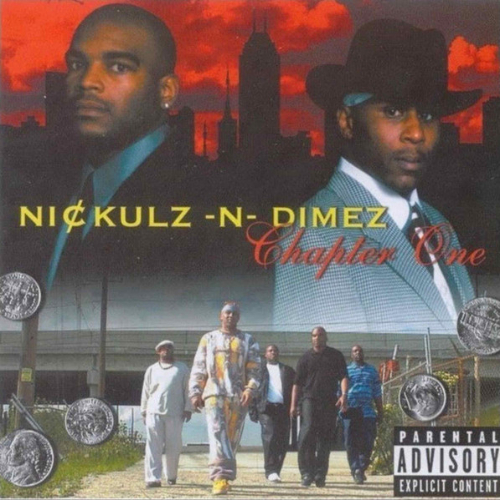
参加名義は、
Nickulz-N-Dimez feat. D.J. Tec & Rich Wilkison
となっている。
さらに『Chapter One』には「Kabbage Declaration」というタイトルも存在しており、「Kabbage」という言葉が単なるこの曲だけの名称ではなく、Nickulz-N-Dimez周辺のコンセプトやキャラクターを象徴する言葉として扱われていたことを感じさせる。
実際の「Max Kabbage」を聴いても、その名前は何度もフックで連呼される。
つまりこの曲では「Max Kabbage」という言葉自体がひとつのブランド、キャラクター、合言葉のように機能している。
第一印象
とにかく変な曲だ。
もちろん良い意味で。
冒頭から映画『Rush Hour』のクリス・タッカー。
そこからスクラッチが入り、すぐに独特なフックへ。
さらに甲高い声による「Max Kabbage」の反復が飛び込んでくる。
普通のギャングスタ・ラップのように、低音と威圧感だけで押してくる曲ではない。
ファンク、ユーモア、ストリート感、DJプレイ、声ネタ。
それらを全部ひとつの鍋に放り込んだようなサウンドだ。
それでも散漫にならないのは、約89BPMのビートが最後まで一定のグルーヴを維持しているから。
聴けば聴くほど、「Max Kabbage」という奇妙な世界に引き込まれていく。
サウンド分析
ドラム
実測ではテンポは約89BPM。
キックは極端に巨大ではないものの、低い位置からしっかり曲を押している。
スネアは乾いていて輪郭が強く、ビート全体には90年代後半〜2000年代初頭のアンダーグラウンド・ヒップホップらしい硬さがある。
重要なのは、ドラムそのものを派手に変化させないこと。
基本となるリズムを一定に保つことで、上に乗るラップ、スクラッチ、声ネタの動きを目立たせている。
テンポはミドルだが、MCの言葉数が多いため体感速度は数字以上に速い。
ゆっくり揺れるビートの上をラップだけが忙しく走っていく。
このコントラストが面白い。
ベース
ベースは曲の下側に太い土台を作っているが、G-Funkのように長く滑るシンセベースを前面へ押し出すタイプではない。
短く区切られた低音がドラムと噛み合い、ファンク特有の弾力を生み出している。
そのため低域は重いのに、曲全体は鈍重にならない。
「重さ」より「跳ね」を作るベースという印象が強い。
ヘッドフォンだけでなく、低域の出るスピーカーで聴くと、この曲のグルーヴがさらに分かりやすい。
シンセ・メロディ
メロディは非常に癖がある。
滑らかなG-Funkシンセを長く聴かせるのではなく、短いフレーズや電子音的なアクセントを繰り返し配置している。
そこへ声ネタやスクラッチが加わるため、トラックそのものがDJミックスのように絶えず動いている。
特に印象的なのが、フック周辺で聞こえる甲高い「Max Kabbage」の声。
これは単なるバックボーカルというより、メロディ楽器に近い役割を果たしている。
言葉を音として使うことで、一度聴いただけでもフックが記憶に残る。
ミックス・グルーヴ
この曲最大の魅力は、整いすぎていないことだ。
ボーカル、スクラッチ、声ネタ、ドラム、低音がかなり近い距離に配置されており、現代的なクリアさとは違う。
しかし、その少し雑然とした音像が逆にローカル盤特有の熱気を生んでいる。
特にスクラッチが重要。
ラップの隙間だけではなく、フックや曲の転換部分でも積極的に入り込み、トラックにヒップホップらしい手触りを与えている。
この曲はビートだけを聴くより、
ビート+MC+スクラッチ+声ネタ
をひとつのグルーヴとして聴いた方が面白い。
ラップ/ボーカル分析
複数MCによるマイクリレー形式が「Max Kabbage」の大きな特徴。
一人のラッパーが曲全体を支配するのではなく、声質やフロウの違うMCが次々に現れる。
序盤から「personality」という言葉を連続させるようなリズミカルな言葉遊びがあり、意味だけでなく発音そのものをパーカッションとして使う感覚が強い。
その後も韻を細かく詰め込みながら、かなり忙しく言葉を転がしていく。
別のMCへ交代すると声の太さやアクセントが変化するため、同じビートが続いていても単調にならない。
さらに、
「Max Kabbage」
というフレーズを何度も戻すことで、バラバラになりそうな複数MCのヴァースを一曲にまとめている。
ここが巧い。
フックは歌唱力で聴かせるものではなく、言葉の反復そのものを耳に焼き付けるタイプだ。
歌詞・テーマ
歌詞の中心にあるのは、金、自己主張、ラップスキル、仲間、ストリートでの存在感。
特に「money」「nickel」「dime」「cabbage」といった、金銭を連想させる言葉が何度も絡んでくる。
タイトルの「Kabbage」は“cabbage”を崩した表記と考えられ、曲中では金や稼ぎをめぐる言葉遊びと密接に結び付いている。
ただし、この曲は単純な「金持ち自慢」だけでは終わらない。
最大の特徴は言葉遊びそのものを楽しんでいること。
似た発音の単語を高速でつなぎ、韻を連続させながら、「Max Kabbage」という架空のキャラクターのような存在を膨らませていく。
シリアスなストリート・ストーリーというより、
「俺たちの言葉、金、スタイル、キャラクターを全部見せてやる」
というパーティー的な自己表現に近い。
そのためGangsta Rapの要素を持ちながら、聴後感は意外なほど陽気だ。
サンプリング&トラックメイキング
この曲で最も分かりやすいサンプリングが、イントロに登場するChris Tucker(クリス・タッカー)の声。
元ネタは1998年公開の映画**『Rush Hour(ラッシュアワー)』**。
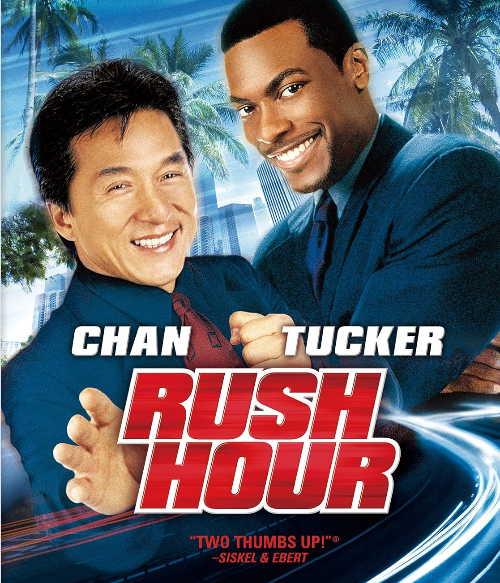
クリス・タッカー演じるJames Carterの非常に有名なセリフが、曲の冒頭にそのまま飛び込んでくる。
ここで面白いのは、単なる映画好きへのサービスとして使っているわけではないこと。
甲高く勢いのあるクリス・タッカーの声が、この曲そのもののコミカルで騒々しいキャラクターを一瞬で決定している。
映画サンプル
↓
スクラッチ
↓
ビート
↓
「Max Kabbage」の反復
↓
マイクリレー
という流れによって、イントロから短時間で曲の世界観を完成させている。
特にクリス・タッカーのテンションと、その後に登場する甲高いフックとの相性が非常に良い。
映画サンプルが曲から浮いているのではなく、声質まで含めてトラックの一部として計算されたように聞こえるのがポイントだ。
トリビア
「Max Kabbage」は、2001年のアルバム『Chapter One』に収録。
D.J. TecとRich Wilkisonが参加している。
そしてイントロに使用されている『Rush Hour』は1998年公開。
つまり映画公開から数年後、まだクリス・タッカーのあのセリフが強烈な印象を残していた時期に、このIndianapolisのローカル作品へ取り込まれたことになる。
また曲中では「Nickel」「Dime」といった金銭を示す言葉も登場する。
グループ名のNickulz-N-Dimez、曲名のMax Kabbage、そして歌詞内のmoney関連の言葉。
名前から歌詞まで、金を連想させるワードプレイが作品全体に散りばめられている点も興味深い。
制作メモ
実測テンポは約89BPM。
ジャンルとしては、
Midwest Underground Hip-Hop / Gangsta Rap / Funk Rap
あたりが近い。
ただし、典型的なMidwestの高速ラップでも、典型的なWest Coast G-Funkでもない。
ファンキーなミドルテンポのビートに、スクラッチと映画サンプル、コミカルなフック、複数MCのラップを組み合わせた独特なスタイルだ。
特にDJ的な演出がかなり強く、2001年という年代でありながら、90年代ヒップホップの**「声ネタを切る」「スクラッチを楽器として使う」感覚**を色濃く残している。
総評
「Max Kabbage」は、暗さや凶暴さだけで勝負するGangsta Rapではない。
むしろ魅力はその逆。
ファンキーで、コミカルで、騒がしく、そして妙にクセになる。
『Rush Hour』のクリス・タッカーから始まり、スクラッチが切り込み、「Max Kabbage」という奇妙なフックが何度も戻ってくる。
その間を複数のMCが細かいライムで駆け抜けていく。
約89BPMというミドルテンポなのに、情報量はかなり多い。
そして聴き終えたあと、細かいヴァース以上に残るのは、
「Max Kabbage」
というあの声。
ローカル・ラップには、メジャー作品ではなかなか出会えない「何だこれは?」という瞬間がある。
「Max Kabbage」は、まさにそのタイプ。
2001年Indianapolisの地下から飛び出した、映画ネタとスクラッチとファンクが暴れる怪曲だ。
Nickulz-N-Dimez – Max Kabbage | A Bizarre Indianapolis Funk-Rap Cut Fueled by Movie Samples and Scratches
Something crazy is about to happen.
That feeling hits before the beat even starts.
And the reason is the unmistakable voice of Chris Tucker.
Nickulz-N-Dimez’s “Max Kabbage” opens with a memorable piece of dialogue from the 1998 movie Rush Hour, then immediately throws the listener into a chaotic mixture of scratches, thick drums, funky bass, strange vocal samples, and multiple MCs.
Coming out of Indianapolis in 2001, this is underground rap with a personality entirely of its own.
The tempo sits at approximately 89 BPM, giving the track a solid midtempo foundation.
But the song never feels especially dark or oppressive.
Instead, it is:
funky, noisy, humorous, and almost cartoonish.
One MC after another takes the microphone while the repeated phrase “Max Kabbage” gradually becomes something bigger than a simple hook.
It becomes a character.
A slogan.
A strange identity at the center of the entire record.
Hear it once, and that hook is difficult to forget.
That bizarre addictiveness is exactly what makes “Max Kabbage” such an unusual piece of local funk-rap.
Artist Introduction
Nickulz-N-Dimez is an underground rap act associated with Indianapolis, Indiana.
“Max Kabbage” appears on the 2001 album Chapter One and features D.J. Tec and Rich Wilkison.
Indianapolis has never occupied the same position in mainstream hip-hop history as cities such as Los Angeles, Houston, or Memphis.
But records like this reveal something important.
By the beginning of the 2000s, regional scenes outside hip-hop’s most heavily documented cities were producing their own distinctive sounds.
“Max Kabbage” captures one particularly strange and funky corner of that world.
It is a glimpse into the personality of Indianapolis underground rap at the beginning of the new millennium.
Background
“Max Kabbage” appears on Nickulz-N-Dimez’s 2001 album Chapter One.
The track is credited as:
Nickulz-N-Dimez feat. D.J. Tec & Rich Wilkison.
Interestingly, Chapter One also contains a track titled “Kabbage Declaration.”
That suggests the word “Kabbage” may have extended beyond the title of this single song and functioned as part of a broader concept or identity surrounding Nickulz-N-Dimez.
That impression becomes even stronger when listening to “Max Kabbage” itself.
The name is repeated again and again throughout the hook.
By the end, “Max Kabbage” no longer sounds like an ordinary phrase.
It functions almost like:
a brand,
a character,
and a crew slogan.
The song builds an entire personality around those two words.
First Impression
This is simply a weird record.
And that is meant as a compliment.
The track opens with Chris Tucker from Rush Hour.
Then the scratches arrive.
Almost immediately, the listener is thrown into the unusual hook.
And then comes that high-pitched voice:
“Max Kabbage.”
Again.
And again.
This is not conventional gangsta rap built entirely around intimidating low frequencies and aggression.
Instead, the ingredients are thrown together almost recklessly:
funk,
humor,
street attitude,
DJ techniques,
and vocal samples.
It sounds like somebody dropped all of them into the same pot.
Yet the record never completely falls apart.
The reason is the approximately 89 BPM beat.
That fundamental groove remains stable while everything above it becomes increasingly chaotic.
The more you listen, the further you are pulled into the strange world of Max Kabbage.
Sound Analysis
Drums
The measured tempo sits at approximately 89 BPM.
The kick is not absurdly huge, but it has enough low-end weight to push the track firmly from underneath.
The snare is dry and sharply defined, giving the beat some of the hardness associated with late-1990s and early-2000s underground hip-hop.
The important point is that the drums do not constantly change.
The main rhythmic foundation remains relatively stable.
That allows the rappers, scratches, and vocal samples above it to become much more animated without destroying the groove.
Although the tempo itself is midtempo, the high density of the rapping often makes the track feel faster than the BPM suggests.
The beat moves slowly while the MCs race across it.
That contrast gives the track much of its energy.
Bass
The bass provides a thick foundation underneath the track, but it does not resemble the long, gliding synth-bass lines associated with classic G-Funk.
Instead, shorter low-frequency phrases lock into the drums and create a more elastic funk groove.
That distinction is important.
The low end is heavy, but the track never becomes sluggish.
The bass creates bounce rather than pure weight.
On speakers capable of reproducing the lower frequencies properly, that relationship becomes even clearer.
The drums hit.
The bass responds.
And the entire track begins moving with a strange, slightly crooked funk.
Synths & Melody
The melodic side of “Max Kabbage” is deliberately unusual.
Rather than using long, smooth G-Funk synth lines, the production relies more heavily on short phrases, electronic accents, vocal fragments, and repeated sonic gestures.
The scratches add another layer of movement.
As a result, the instrumental often feels closer to a DJ constructing a live mix than a conventional beat simply repeating underneath the rappers.
One of the most memorable sounds appears around the hook:
the high-pitched “Max Kabbage” vocal.
That voice functions as more than background singing.
It almost becomes a melodic instrument.
By treating language as sound, the production makes the hook memorable after a single listen.
You may forget individual bars.
But you will probably remember:
“Max Kabbage.”
Mix & Groove
One of the greatest strengths of the track is that it does not sound overly polished.
Vocals, scratches, samples, drums, and bass all exist relatively close together.
Compared with modern production, the mix is not especially spacious or surgically clean.
But that slight sense of disorder creates something valuable:
the heat of a local underground record.
The scratches are particularly important.
They do not appear only as decoration between verses.
They actively enter hooks and transitional moments, giving the record a tactile hip-hop quality.
“Max Kabbage” makes the most sense when its elements are not separated.
The real groove is:
beat + MCs + scratches + vocal samples.
All of them work together as one noisy rhythmic machine.
Rap / Vocal Analysis
The mic-relay structure is one of the defining characteristics of “Max Kabbage.”
No single rapper completely dominates the record.
Instead, MCs with different voices and flows continue passing the microphone.
Early in the track, rhythmic wordplay built around words such as “personality” demonstrates how strongly the rappers use pronunciation itself as percussion.
Meaning matters.
But sound matters just as much.
Rhymes are packed tightly together, with words constantly tumbling across the beat.
When another MC takes over, the vocal weight, accent, and rhythmic attack change.
That keeps the same underlying beat from becoming repetitive.
And every time the verses threaten to move too far apart, one phrase pulls everything back together:
“Max Kabbage.”
That is the clever part.
The hook does not depend on impressive singing.
Its strength comes almost entirely from repetition.
Different MCs can take the verses in different directions.
But “Max Kabbage” always brings them back into the same universe.
Lyrics & Themes
The lyrics revolve around money, self-confidence, rap ability, the crew, and street presence.
Words associated with money—including “money,” “nickel,” “dime,” and “cabbage”—repeatedly enter the wordplay.
The spelling “Kabbage” appears to play on “cabbage,” a slang term associated with money, fitting naturally into the track’s wider network of financial references.
But this is not simply a song about bragging about wealth.
Its most distinctive feature is the pleasure it takes in wordplay itself.
Similar-sounding words are connected rapidly.
Rhymes continue stacking.
And through all of that verbal movement, “Max Kabbage” begins to grow into something resembling a fictional persona.
The overall attitude feels less like a serious street narrative and more like:
Here are our words.
Here is our money talk.
Here is our style.
Here is our character.
That gives the track an almost party-like sense of self-expression.
There are gangsta-rap elements in the attitude and subject matter.
But the overall effect is surprisingly playful.
Sampling & Trackmaking
The most immediately recognizable sample in “Max Kabbage” is Chris Tucker’s voice in the intro.
The source is the 1998 movie Rush Hour.
The sampled dialogue comes from Tucker’s character, James Carter.
What makes the sample especially effective is that it does more than provide a recognizable movie reference.
Chris Tucker’s high-energy delivery instantly establishes the personality of the track.
Before the rappers have even begun properly, the listener already understands that this record is going to be:
loud, unpredictable, and funny.
The sequence is especially effective:
movie dialogue
→ scratches
→ beat
→ “Max Kabbage” hook
→ mic relay.
Within a very short period of time, the entire world of the song has been established.
There is also a strong sonic connection between Tucker’s animated voice and the high-pitched vocal used around the “Max Kabbage” hook.
The movie sample does not feel randomly attached to the beginning.
Its tone and vocal character fit the madness that follows.
That is what makes the sample work.
It becomes part of the track’s personality rather than simply a pop-culture reference.
Trivia
“Max Kabbage” appears on the 2001 album Chapter One and features D.J. Tec and Rich Wilkison.
The Rush Hour movie sampled in the intro was released in 1998.
That places “Max Kabbage” only a few years after the film, at a time when Chris Tucker’s performance and dialogue from the movie were still strongly embedded in popular culture.
There is another interesting layer of wordplay.
The track contains references to words such as “Nickel” and “Dime.”
Then there is the group name:
Nickulz-N-Dimez.
And the song title:
Max Kabbage.
Together with the money-related language in the lyrics, financial wordplay appears throughout the identity of the record itself.
The concept is not confined to a single bar.
It reaches from the group name into the song title and the lyrics.
Production Notes
The measured tempo is approximately 89 BPM.
Stylistically, the track sits somewhere around:
Midwest Underground Hip-Hop / Gangsta Rap / Funk Rap.
But it does not fit perfectly into any one category.
It is not stereotypical rapid-fire Midwest rap.
It is not classic West Coast G-Funk either.
Instead, it combines a funky midtempo beat with scratches, movie dialogue, a comic hook, vocal samples, and a rotating cast of MCs.
The DJ element is particularly strong.
Despite being released in 2001, “Max Kabbage” retains a very 1990s hip-hop approach to production:
cutting vocal samples and using scratches as an active musical element.
The scratches do not simply tell the listener, “This is hip-hop.”
They participate in the rhythm and arrangement.
That gives the track a raw physical energy that would disappear if everything were cleaned up too much.
Final Thoughts
“Max Kabbage” is not gangsta rap that depends entirely on darkness or aggression.
Its greatest strength comes from almost the opposite direction.
It is:
funky,
funny,
noisy,
and strangely addictive.
Chris Tucker from Rush Hour kicks open the door.
The scratches cut through the beat.
That bizarre “Max Kabbage” hook keeps coming back.
And between those moments, multiple MCs race through tightly packed rhymes.
The tempo may sit at approximately 89 BPM, but the amount of information flying through the track makes it feel much busier.
And when the record is over, individual bars may not be the first thing that remains in your head.
It is that voice:
“Max Kabbage.”
Local underground rap occasionally produces records that immediately make you ask:
What the hell is this?
Those moments are part of what makes digging through regional rap so rewarding.
“Max Kabbage” is exactly that kind of record.
A bizarre piece of 2001 Indianapolis underground funk-rap where movie dialogue, scratches, wordplay, and pure personality collide.
コメント