1991年、ヒップホップがストリートのリアリティを深める一方で、ファンクやダンス・ミュージックの楽しさを大胆に取り込んでいた時代。そんな空気を鮮やかに伝えてくれるのが、英国出身の女性ラッパー、Monie Love(モニー・ラヴ)の「Work It Out」だ。
冒頭から飛び込んでくるのは、細かく刻まれるファンキーなギター、弾むベースライン、力強いドラム、そしてパーティーを盛り上げる掛け声。そこへMonie Loveの歯切れのよいラップが加わると、楽曲は一気に熱を帯びていく。
特に印象的なのは、70年代ファンクを思わせる生々しいグルーヴと、90年代初頭のヒップホップ特有の硬質なビートが見事に共存していること。
西海岸G-Funkのようなゆったりとした浮遊感ではなく、身体を自然に動かしたくなる軽快さが魅力だ。
しかも、この曲は映画『Boyz n the Hood』のサウンドトラックに収録された作品。ギャングスタ・ラップのイメージが強いアルバムの中で、ひときわ明るくファンキーな個性を放っている。
今回は提供された音源をもとに、ドラム、ベース、ギター、ラップのフロウ、サンプリング、そして楽曲全体のグルーヴまで詳しく掘り下げていきたい。
アーティスト紹介
Monie Loveは、英国ロンドン出身の女性ラッパー。1980年代後半から1990年代初頭にかけて、アメリカのヒップホップ・シーンでも高い評価を獲得したアーティストだ。
彼女の最大の特徴は、英国出身ならではの発音と、細かい音節をリズミカルに組み立てる卓越したラップ・スキルにある。
1989年にはQueen Latifahの「Ladies First」に参加し、女性MCとしての存在感を強く印象づけた。翌1990年にはデビュー・アルバム『Down to Earth』を発表。「Monie in the Middle」や「It’s a Shame (My Sister)」などの楽曲で注目を集める。
Native Tongues周辺のアーティストともつながりを持ち、ポジティブなメッセージ、ユーモア、ファンキーなビートを融合させたスタイルを確立していった。
彼女のラップは、ただ速いだけではない。
言葉のアクセントを巧みに操り、ビートの隙間へ音節を滑り込ませながら、絶妙なタイミングで韻を踏んでいく。力任せに押し切るのではなく、リズムそのものを楽しむような軽快さがある。
「Work It Out」は、そんなMonie Loveの魅力が存分に発揮された一曲といえるだろう。
作品背景
「Work It Out」は、1991年7月9日に発売された映画『Boyz n the Hood』のオリジナル・サウンドトラックに収録された楽曲だ。
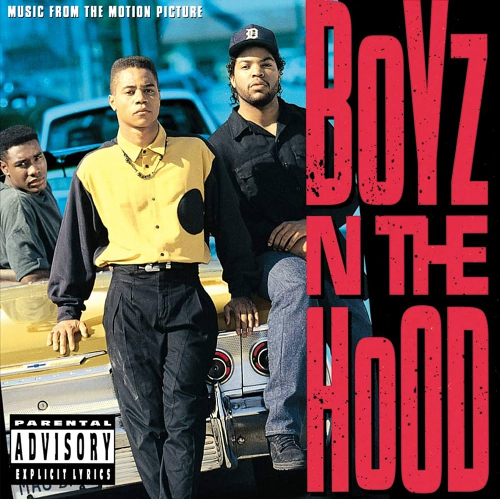
同映画はJohn Singleton監督による作品で、ロサンゼルスのサウス・セントラルを舞台に、若者たちの生活やストリートの現実を描いている。
サウンドトラックにはIce Cube、Compton’s Most Wanted、Too $hort、Yo-Yo、Main Source、Tony! Toni! Toné!など、多彩なアーティストが参加。
その中でMonie Loveの「Work It Out」は、ストリートの緊張感とは対照的な、ダンス・フロアの熱気を感じさせる楽曲として存在感を示している。
制作にはDJ Jazzy JeffことJeff Townesが関わり、12インチ盤にはCraig Kingもプロデューサーとしてクレジットされている。
DJ Jazzy Jeffといえば、スクラッチ技術に優れたDJであり、ファンクやソウルをヒップホップへ落とし込む感覚にも長けた人物。
この曲でも、オールドスクールのパーティー感覚と、1991年らしい洗練されたビート・メイキングが印象的だ。
さらに、同年10月の音楽業界誌『Cash Box』では、サウンドトラックからの当時のシングルとして「Work It Out」が紹介されている。単なるアルバム収録曲ではなく、独立したプロモーション展開も行われた作品だった。
第一印象
この曲を聴いて最初に感じるのは、とにかくファンキーで、驚くほど身体が動くということ。
イントロでは、鋭いドラムのアクセントに続いて、細かく跳ねるギターのフレーズが登場する。
このギターが実に気持ちいい。
高音域で短く切られるカッティングが、一定のリズムを刻みながら繰り返される。メロディを大きく展開させるのではなく、反復によってグルーヴを生み出すタイプだ。
そこへパーティーの掛け声が入り、手拍子を促すコールが繰り返される。
そしてMonie Loveのラップが始まると、楽曲の表情が一変する。
それまでの開放的なパーティー感覚に、細かく刻まれるラップの緊張感が加わるのだ。
特に面白いのは、ギターやベースがかなりファンキーであるにもかかわらず、ドラムにはヒップホップらしい重量感が残されている点。
明るく軽快なのに、決して薄っぺらくない。
ファンクの楽しさとヒップホップの力強さを、非常にバランスよく融合させたサウンドという印象だ。
サウンド分析
ドラム
この曲の土台を支えているのは、輪郭のはっきりしたキックと、乾いたスネアを中心とするダンス向けのビートだ。
キックは低音を強調しすぎず、短く引き締まったアタックでリズムを押し出している。
一方のスネアは、バックビートを明確に打ち出す硬質な音色。パシッと抜けるような響きがあり、ギターの細かいカッティングに埋もれることなく存在感を保っている。
さらに、ハイハットや細かなパーカッションが絶えず動き続け、楽曲に躍動感を与えている。
特に注目したいのは、ドラムが単純なループとして聞こえないことだ。
基本的なビートは反復されるものの、節目には短いフィルや強いアクセントが挿入される。これによって、長いラップ・パートでも単調にならない。
ところどころで響く鋭いクラッシュ系の音も効果的で、場面転換を強調している。
また、スネアの位置が非常に明確なため、Monie Loveが細かく言葉を刻んでも、リズムの中心がぶれない。
ファンク寄りのアレンジでありながら、しっかりとヒップホップとして成立しているのは、このドラムの存在が大きい。
ベース
ベースは、この曲のファンキーな魅力を決定づける重要な要素だ。
低音域では、丸みのある弾力的なベースラインが繰り返されている。
G-Funkでよく耳にする、長く伸びる重厚なシンセ・ベースとは異なり、こちらは音の切れ目を活かしたリズミカルな演奏が中心。
短い音符を組み合わせながら、跳ねるように上下するフレーズが印象的だ。
特にギターとの相性が素晴らしい。
高音域で細かく刻まれるギターに対して、ベースは低音域でゆったりとした動きを作る。この役割分担によって、音数が多くても窮屈に感じない。
また、キックとベースが完全に同じ動きをするのではなく、それぞれが異なるタイミングでアクセントを生み出している点も面白い。
その結果、単純な四角いビートではなく、身体が左右に揺れるような独特のグルーヴが生まれている。
低音の迫力で押すのではなく、ベースの動きそのもので聴かせるファンク。
この感覚こそ、「Work It Out」の大きな魅力だ。
シンセ・メロディ
この曲で特に耳を引くのは、シンセサイザーよりも、むしろファンキーなギターのフレーズだ。
イントロから繰り返される高音域のカッティングは、70年代ファンクを思わせる軽快な響きを持っている。
細かく刻まれるフレーズには、わずかな音程の動きがあり、単なるリズムの伴奏以上の存在感を放っている。
さらに、楽曲の背後では明るい鍵盤系の音色や、短いホーン風のアクセントも聞こえてくる。
こうした音がギターやベースの隙間に配置されることで、アレンジ全体に華やかさが加わっている。
特にラップが途切れる部分では、楽器のフレーズが前面へ出てきて、インストゥルメンタルとしての魅力が強く感じられる。
終盤の長いインスト・パートも聴きどころだ。
ラップがなくなっても、ギター、ベース、ドラムが作り出すグルーヴだけで十分に楽しめる。
この点からも、「Work It Out」が単にラップを乗せるためのトラックではなく、ファンク・ミュージックとしての完成度を重視した作品であることが伝わってくる。
ミックス・グルーヴ
ミックス面で印象的なのは、各パートの役割が明確に分けられていることだ。
ドラムは中央で力強く鳴り、ベースが低音域を支える。
一方、ギターやパーカッションは高音域に配置され、楽曲全体に明るさと広がりを与えている。
そしてMonie Loveのラップは、常にビートの前面へ出てくる。
彼女の声は比較的ドライで輪郭がはっきりしており、細かい言葉の動きまで聞き取りやすい。
また、掛け声やフックでは複数の声が重なり、パーティー会場のような賑やかさが生まれている。
この対比が実に効果的だ。
ラップ・パートではMonie Loveのスキルを聴かせ、フックでは大勢で盛り上がるような開放感を演出する。
そして終盤では、楽器のグルーヴをじっくり味わわせる。
全体として、ヒップホップのビート、ファンクの演奏感、ダンス・ミュージックの高揚感が一体となったサウンドに仕上がっている。
ラップ/ボーカル分析
Monie Loveのラップは、この楽曲のもう一つの主役だ。
まず驚かされるのが、言葉の細かさと滑舌のよさ。
彼女は比較的速いテンポ感のビートに対して、細かな音節を次々と繰り出していく。
しかし、単に早口で押し切るわけではない。
短いフレーズを連続させたり、同じ言葉を繰り返したり、語尾のアクセントを変えたりしながら、リズムに変化をつけている。
特に中盤のラップでは、言葉を畳みかけるようなフロウが印象的だ。
音節の密度が高くなる部分でも、スネアの位置を意識した区切りがあり、ビートとの一体感が失われない。
また、彼女の声には独特の明るさと張りがある。
低く威圧的な声で迫るタイプではなく、少し高めの声を使いながら、力強い発音とリズム感で存在感を示している。
英国出身の彼女ならではの発音も、アメリカの女性MCとは異なる個性として機能している。
そしてフックでは、手拍子を促す声や「Work It Out」の繰り返しが登場。
ラップの技巧を前面に出すヴァースと、誰でも参加できるシンプルなフック。
この対比によって、聴き手は難しいことを考えずに音楽へ入り込める。
高いラップ・スキルを持ちながら、それをパーティーの楽しさへ変換できる。
それこそがMonie Loveの魅力であり、この曲の完成度を高めている最大の理由だろう。
歌詞・テーマ
「Work It Out」というタイトルは、「うまくやる」「解決する」「やり遂げる」といった意味を持つ表現だ。
しかし、この曲で中心となっているのは、深刻な問題解決というよりも、音楽に身を任せ、自分自身を解放することだ。
歌詞では、リズムに合わせて手を叩くことや、身体を動かすことが繰り返し呼びかけられる。
Monie Love自身も、自分のラップ・スキルに対する自信を示しながら、聴き手をパーティーへ誘っていく。
興味深いのは、単なる自己賛美に終わっていない点だ。
彼女は音楽を楽しむこと、日常の悩みから少し離れること、そして自分らしく行動することの大切さを伝えている。
また、ラップの中には、自分自身を必要以上に縛りつけず、もっと自由に生きようというニュアンスも感じられる。
つまり「Work It Out」は、パーティー・ラップでありながら、ポジティブな自己解放のメッセージを持った作品なのだ。
重い社会問題を直接語るのではなく、音楽の力で気持ちを前向きにする。
そんな1990年代初頭のヒップホップが持っていた魅力が、この曲には詰まっている。
サンプリング&トラックメイキング
「Work It Out」のサウンドを理解するうえで欠かせないのが、70年代から80年代にかけてのファンクやダンス・ミュージックとのつながりだ。
特に注目したいのが、S.O.S. Bandの「Take Your Time (Do It Right)」との関係である。
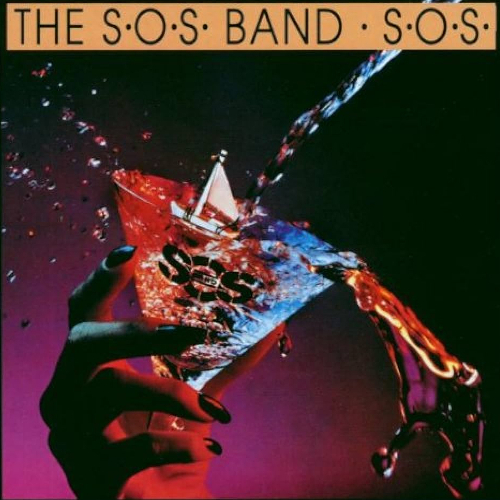
米国著作権登録をまとめた資料には、Monie Loveの「Work It Out」が「Take Your Time (Do It Right)」をサンプリングしている旨の記載がある。
S.O.S. Bandの「Take Your Time (Do It Right)」は1980年に発表されたダンス・クラシックで、滑らかなベースライン、ファンキーなリズム、洗練されたアンサンブルが特徴だ。
「Work It Out」にも、そのようなダンス・ファンクの感覚が色濃く表れている。
特に提供音源では、弾力のあるベースと細かく刻まれるギターが絡み合い、反復するフレーズによってグルーヴを作り出している。
さらに、手拍子を促す掛け声や、オールドスクール・ヒップホップを思わせる声の挿入も重要な要素となっている。
冒頭のパーティーを煽る声から、繰り返されるフック、そして終盤のインスト・パートまで、楽曲は常にダンス・フロアの熱気を意識した構成だ。
ただし、S.O.S. Bandの原曲のどの部分を具体的に引用しているかについては、著作権登録資料だけでは特定できない。
また、配信版のクレジットにはJames BrownやGrand Wizard Theodore、Kool & The Gangのメンバーに関連する名前も見られるが、これらがそれぞれどの音素材に対応するのかは、追加の確認が必要だ。
確かなのは、この曲が単一のループを繰り返すだけの単純なトラックではないということ。
ギター、ベース、ドラム、掛け声、短いアクセントを巧みに組み合わせることで、ヒップホップとファンクの両方の魅力を引き出している。
トリビア/制作メモ
「Work It Out」は、1991年のヒップホップを語るうえで興味深い背景を持つ作品だ。
まず、映画『Boyz n the Hood』のサウンドトラックに収録されている点。
同作には西海岸のアーティストが多数参加しているが、Monie Loveは英国出身。そして制作に携わったDJ Jazzy Jeffはフィラデルフィアを代表するDJだ。
つまり、この一曲には英国、東海岸、そして西海岸という異なるヒップホップ文化が交差している。
また、1991年に発売された12インチ・シングルには、複数のリミックスが収録された。
主なバージョンには「Marranelo Mix」「Platinum Vocal Extended」「’N The House Mix」「Monaco Mix」「Slight Mix」などがあり、オリジナルとは異なるアレンジでも楽曲を楽しめる。
これは当時のヒップホップが、クラブ・ミュージックとの結びつきを強めていたことを示す興味深い例でもある。
さらに、提供された音源では終盤に比較的長いインストゥルメンタル・パートが用意されている。
ラップが終わった後も、ドラムとベース、ギターのグルーヴが続き、途中でホーン系のアクセントや細かなフィルが加わる。
この構成は、DJがフロアの雰囲気を維持するうえでも効果的だ。
単にラップを聴かせるだけではなく、トラックそのものを楽しませる作りになっている。
そして何より、この曲には1991年という時代ならではの明るさがある。
G-Funkが本格的に広がる直前、ヒップホップがファンク、ソウル、ハウス、ダンス・ミュージックなどと自由に交わっていた時代。
「Work It Out」は、その多彩な音楽性を象徴する一曲といえるだろう。
エディターズノート
Monie Loveの「Work It Out」は、聴けば聴くほど、そのファンキーな完成度に引き込まれる一曲だ。
まず何より、ギターが気持ちいい。
高音域で細かく刻まれるカッティングが、弾むベースラインと絡み合い、曲全体に軽快な推進力を与えている。
そこへ硬質なドラムが加わることで、単なるダンス・ファンクではなく、しっかりとヒップホップとしての重量感も生まれている。
そしてMonie Loveのラップ。
歯切れのよい発音、細かく刻まれるフロウ、余裕を感じさせる言葉の運び。どれを取っても、彼女の実力がよく伝わってくる。
特に魅力的なのは、楽曲全体に漂う楽しさだ。
複雑なラップ・スキルを披露しながらも、決して難解にならない。むしろ聴き手を巻き込み、自然に身体を動かしたくなる雰囲気を作り出している。
西海岸G-Funkのようなメロウさや、ギャングスタ・ラップの重厚さとは異なるが、ファンクの魅力という点では決して引けを取らない。
細かく跳ねるギター、躍動するベース、力強いビート、そしてMonie Loveの高速ラップ。
この組み合わせが生み出すグルーヴは、今聴いても十分に新鮮だ。
1991年のヒップホップが持っていた自由さと、ブラック・ミュージック本来の楽しさを存分に味わえる作品。
派手なシンセや重低音に頼らず、リズムとファンクだけでここまで踊らせる。
「Work It Out」は、そんなヒップホップの底力を感じさせてくれる一曲だ。
ファンキーなギター、弾むベース、そしてMonie Loveの歯切れのよい高速ラップが炸裂する「Work It Out」。映画『Boyz n the Hood』のサウンドトラックは、西海岸の名曲だけでなく、こんな極上のダンス・ヒップホップまで楽しめる一枚。90年代初頭の多彩なヒップホップ・サウンドを味わいたいなら、ぜひ手元に置いておきたい作品だ。
▼ Amazonで『Boyz N the Hood Original Motion Picture Soundtrack』をチェック!

Monie Love – Work It Out | Funky Guitar Grooves, Explosive Rap, and the Party Spirit of 1991 Hip-Hop
In 1991, Hip-Hop was becoming increasingly grounded in street reality while boldly embracing the excitement of Funk and dance music. One track that vividly captures the atmosphere of that era is “Work It Out” by British female rapper Monie Love.
From the opening moments, the listener is greeted by tightly chopped Funk guitar, a bouncing bassline, powerful drums, and energetic party chants. When Monie Love’s crisp, rhythmic delivery enters the mix, the track immediately comes alive.
What makes the recording particularly impressive is the way it combines the raw groove of 1970s Funk with the harder, more defined beats of early 1990s Hip-Hop.
Rather than the relaxed, floating atmosphere associated with West Coast G-Funk, this track thrives on lively rhythms that naturally make the listener want to move.
Interestingly, the song also appeared on the soundtrack to the film Boyz n the Hood. On an album strongly associated with Gangsta Rap, it stands out for its bright, energetic Funk character.
In this review, we’ll explore the supplied recording in detail, examining the drums, bass, guitar, rap flow, sampling connections, and the groove that holds everything together.
Artist Introduction
Monie Love is a female rapper from London, England, who gained considerable recognition within the American Hip-Hop scene during the late 1980s and early 1990s.
Her greatest strengths are her distinctive British pronunciation and her exceptional ability to arrange rapid syllables into intricate rhythmic patterns.
In 1989, she appeared on Queen Latifah’s “Ladies First,” establishing herself as a formidable female MC.
The following year, she released her debut album, Down to Earth, attracting attention with tracks such as “Monie in the Middle” and “It’s a Shame (My Sister).”
She also maintained connections with artists associated with the Native Tongues movement, developing a style that combined positive messages, humor, and Funk-driven production.
Her rapping is about much more than speed.
She manipulates accents with remarkable precision, slipping syllables into the spaces between beats and placing rhymes at exactly the right moments.
Rather than relying on sheer force, her delivery has a light, playful quality that makes the rhythm itself enjoyable.
“Work It Out” is an excellent demonstration of those abilities.
Background
“Work It Out” appeared on the original soundtrack to Boyz n the Hood, released on July 9, 1991.
Directed by John Singleton, the film portrays the lives of young people and the realities of street life in South Central Los Angeles.
Its soundtrack features a diverse collection of artists, including Ice Cube, Compton’s Most Wanted, Too $hort, Yo-Yo, Main Source, and Tony! Toni! Toné!.
Among these contributions, Monie Love’s “Work It Out” stands apart as a track that evokes the excitement of the dance floor rather than the tension of the streets.
DJ Jazzy Jeff, also known as Jeff Townes, was involved in the production, while Craig King is also credited as a producer on the 12-inch release.
DJ Jazzy Jeff is renowned for his scratching skills and his ability to incorporate Funk and Soul into Hip-Hop.
That sensibility is evident here, where an old-school party atmosphere meets the polished beatmaking techniques of 1991.
The song was also mentioned in the October 1991 issue of the music industry publication Cash Box as a single from the soundtrack.
It was therefore more than just an album track, receiving its own promotional attention.
First Impression
The first thing that strikes the listener is just how funky and irresistibly danceable this recording is.
The introduction begins with sharp drum accents before introducing a tightly bouncing guitar phrase.
And that guitar sounds fantastic.
Short, clipped notes in the upper frequencies repeat in a steady rhythmic pattern.
Rather than developing an elaborate melody, the guitar creates its groove through repetition.
Party chants then enter, including repeated calls encouraging listeners to clap their hands.
When Monie Love begins rapping, the character of the recording changes dramatically.
The previously open, celebratory atmosphere gains a new sense of intensity through her tightly articulated flow.
What makes the arrangement particularly interesting is that, despite the extremely funky guitar and bass, the drums retain the weight and impact of Hip-Hop.
The music is bright and lively without ever sounding lightweight.
It feels like a remarkably balanced combination of Funk’s infectious enjoyment and Hip-Hop’s rhythmic power.
Sound Analysis
Drums
The foundation of the track is a dance-oriented beat built around a clearly defined kick and dry snare.
The kick avoids excessive low-frequency emphasis, instead pushing the rhythm forward with a short, controlled attack.
The snare delivers a hard, distinct backbeat.
Its sharp, cutting sound remains prominent even against the busy guitar patterns.
Meanwhile, hi-hats and subtle percussion maintain constant movement, adding energy to the arrangement.
One particularly interesting detail is that the drums never feel like a completely static loop.
Although the fundamental rhythm repeats, short fills and stronger accents appear at transitional moments.
These variations prevent the longer rap sections from becoming monotonous.
Occasional sharp, crash-like accents also help emphasize changes between sections.
The clear placement of the snare is especially important.
Even when Monie Love delivers dense, rapidly articulated phrases, the rhythmic foundation remains steady.
The drums are a major reason why the recording maintains its unmistakable Hip-Hop identity despite its Funk-heavy arrangement.
Bass
The bassline is one of the essential elements behind the track’s Funk appeal.
A rounded, elastic bass pattern repeats throughout the lower frequencies.
Unlike the long, sustained synthesizer bass tones frequently associated with G-Funk, this bassline emphasizes rhythmic movement and the spaces between notes.
Short phrases bounce between different pitches, creating an animated, playful character.
Its relationship with the guitar is particularly impressive.
While the guitar delivers rapid, clipped patterns in the upper register, the bass establishes a more relaxed movement underneath.
This division of roles prevents the arrangement from feeling crowded despite its considerable rhythmic activity.
Another interesting aspect is that the kick and bass do not simply follow identical patterns.
Instead, they introduce accents at different moments.
The result is a groove that feels fluid and physical rather than rigidly mechanical.
This is Funk that relies on the movement of the bassline itself, rather than overwhelming the listener with sheer low-frequency power.
That quality is central to the appeal of “Work It Out.”
Synths & Melody
The most attention-grabbing melodic element is not the synthesizer but the funky guitar.
The high-register guitar cutting heard from the introduction has a lively quality reminiscent of 1970s Funk.
Its tightly repeated phrases contain subtle pitch movement, giving the instrument a stronger presence than ordinary rhythmic accompaniment.
Behind the guitar, bright keyboard textures and short horn-like accents can also be heard.
These elements are positioned between the guitar and bass phrases, adding color and excitement without overwhelming the arrangement.
Whenever the rapping pauses, the instrumental parts become more prominent, revealing just how enjoyable the backing track is on its own.
The extended instrumental passage toward the end is another highlight.
Even without vocals, the combination of guitar, bass, and drums provides more than enough musical interest.
This demonstrates that “Work It Out” was designed not merely as a beat for rapping, but as a fully engaging Funk recording.
Mix & Groove
One of the most impressive aspects of the mix is the clear separation of the instrumental roles.
The drums provide a powerful central foundation, while the bass supports the lower frequencies.
The guitar and percussion occupy the upper register, adding brightness and a sense of space.
Monie Love’s vocals remain consistently prominent.
Her voice sounds relatively dry and clearly defined, allowing the listener to follow even the smallest rhythmic details of her delivery.
During the chants and hook, multiple voices overlap, creating the lively atmosphere of a crowded party.
This contrast works extremely well.
The verses showcase Monie Love’s technical ability, while the hook creates an open, communal feeling that encourages audience participation.
Toward the end, the arrangement allows the instrumental groove to take center stage.
Overall, the recording brings together Hip-Hop beats, the physical feel of Funk instrumentation, and the excitement of dance music.
Rap / Vocal Analysis
Monie Love’s rapping is the other major attraction of this track.
The first thing that stands out is her precise articulation and the sheer density of her phrasing.
Over a relatively brisk beat, she delivers tightly packed syllables in rapid succession.
However, her performance is not simply an exercise in rapping quickly.
She varies the rhythm through repeated words, short bursts of phrasing, and subtle changes in emphasis at the ends of lines.
The middle sections are particularly impressive, featuring flows that seem to tumble forward in rapid succession.
Even when the syllabic density increases, she carefully maintains the rhythmic divisions established by the snare.
As a result, her performance never loses its connection to the beat.
Her voice also has a distinctive brightness and projection.
Rather than relying on a deep, intimidating tone, she uses a slightly higher register combined with powerful articulation and impeccable timing.
Her British pronunciation provides an additional element of individuality, distinguishing her from many American female MCs of the same era.
The hook introduces calls for handclapping and repeated phrases built around “Work It Out.”
The contrast is highly effective.
The verses showcase sophisticated rap technique, while the hook offers something simple enough for everyone to join in.
Monie Love possesses exceptional technical skills, but she also knows how to transform those abilities into pure party enjoyment.
That combination is one of the biggest reasons this track works so well.
Lyrics & Themes
The expression “Work It Out” can mean solving a problem, making something succeed, or finding a way to accomplish a goal.
In this recording, however, the central idea is less about serious problem-solving and more about letting go and enjoying the music.
The lyrics repeatedly encourage listeners to clap their hands, move their bodies, and respond to the rhythm.
Monie Love confidently demonstrates her rapping ability while inviting the audience to participate in the party.
What makes the lyrics interesting is that they do not simply revolve around self-praise.
They also emphasize enjoying music, stepping away from everyday worries, and expressing oneself freely.
There is a broader suggestion that people should avoid placing unnecessary restrictions on themselves and embrace a more spontaneous attitude toward life.
In that sense, “Work It Out” is a party-rap recording with an underlying message of positive self-expression.
Rather than addressing serious social issues directly, it uses music to create an uplifting emotional experience.
That approach captures an important aspect of early 1990s Hip-Hop.
Sampling & Trackmaking
Understanding “Work It Out” requires recognizing its musical connections to Funk and dance music from the 1970s and 1980s.
One particularly important connection is S.O.S. Band’s “Take Your Time (Do It Right).”
Documentation compiling U.S. copyright registrations identifies Monie Love’s “Work It Out” as sampling “Take Your Time (Do It Right).”
Originally released in 1980, S.O.S. Band’s recording is a dance classic celebrated for its smooth bassline, funky rhythms, and polished ensemble sound.
That dance-Funk sensibility is strongly reflected in “Work It Out.”
In the supplied recording, the elastic bass and tightly chopped guitar work together to create a groove built around repeating instrumental phrases.
Party chants, calls for handclapping, and vocal inserts reminiscent of old-school Hip-Hop also play important roles.
From the opening calls to the repeated hook and extended instrumental ending, the arrangement consistently emphasizes dance-floor energy.
However, the copyright documentation alone does not establish exactly which portion of the S.O.S. Band recording was used.
Additionally, streaming credits include names associated with James Brown, Grand Wizard Theodore, and members of Kool & The Gang.
Further verification would be necessary to determine which specific musical elements correspond to those credits.
What is clear is that this production goes beyond simply repeating a single loop.
By carefully combining guitar, bass, drums, vocal chants, and short instrumental accents, it captures the appeal of both Hip-Hop and Funk.
Trivia & Production Notes
“Work It Out” has several interesting connections to the wider Hip-Hop culture of 1991.
A Meeting of Different Hip-Hop Traditions
The song appeared on the soundtrack to Boyz n the Hood, a film strongly associated with West Coast street culture.
However, Monie Love was born in Britain, while DJ Jazzy Jeff is one of Philadelphia’s most celebrated DJs.
This means that the recording brings together musical influences associated with Britain, the American East Coast, and the West Coast.
Multiple 12-Inch Versions
The 12-inch single released in 1991 featured several remixes.
Notable versions include the “Marranelo Mix,” “Platinum Vocal Extended,” “’N The House Mix,” “Monaco Mix,” and “Slight Mix.”
These alternative arrangements offered different ways to experience the song.
Their existence also illustrates the close relationship between Hip-Hop and club music during this period.
The Extended Instrumental Ending
The supplied recording includes a relatively long instrumental passage toward the end.
After the rapping stops, the drums, bass, and guitar continue to maintain the groove.
Horn-like accents and short fills introduce additional variation.
This structure would also have been useful for DJs seeking to maintain the atmosphere on the dance floor.
The recording was clearly designed to showcase the backing track as well as the vocal performance.
The Musical Freedom of 1991
Perhaps most importantly, the song reflects the distinctive musical openness of its era.
Before G-Funk became a dominant force in West Coast Hip-Hop, artists were freely combining Funk, Soul, House, and other forms of dance music with rap.
“Work It Out” is an excellent example of that diversity.
Editor’s Note
Monie Love’s “Work It Out” is a recording whose impressive Funk craftsmanship becomes increasingly apparent with repeated listening.
Above all, the guitar sounds fantastic.
Its tightly clipped, high-register phrases interact with the bouncing bassline, giving the entire track a lively sense of forward momentum.
The addition of hard-edged drums ensures that the production retains the weight and impact of Hip-Hop rather than becoming simply another dance-Funk recording.
And then there is Monie Love’s rapping.
Her crisp pronunciation, intricate rhythmic delivery, and seemingly effortless command of language demonstrate just how talented she is.
What makes the recording especially appealing, however, is the sense of enjoyment running through every section.
Even while displaying sophisticated technical ability, Monie Love never makes the music feel difficult or inaccessible.
Instead, she draws listeners into the performance and creates an atmosphere that naturally encourages movement.
The track may not have the mellow atmosphere of West Coast G-Funk or the heaviness of Gangsta Rap, but in terms of pure Funk appeal, it is every bit as satisfying.
Tightly bouncing guitar, animated bass, powerful drums, and Monie Love’s rapid-fire flow.
Together, these elements create a groove that still sounds remarkably fresh today.
This is a recording that captures both the musical freedom of Hip-Hop in 1991 and the enduring enjoyment of Black music traditions.
Without relying on elaborate synthesizers or overwhelming bass frequencies, it generates excitement through rhythm and Funk alone.
“Work It Out” is a powerful reminder of just how much musical energy Hip-Hop can deliver.
コメント