G” Len「Woop Woop」は、90年代West Coast Hip-Hopの中でも、洗練されたメロウG-Funkとは明らかに違う方向を向いた一曲だ。
実際の音源を通して聴くと中心にあるのは、約112 BPMで跳ね続けるファンク・グルーヴ、重量感のあるベース、複数MCによるマイクリレー、そして何度も飛び込んでくる「Woop Woop」の掛け声。
さらに後半ではホーン/サックス系の音色が存在感を増し、単なるGangsta Rapというより、P-Funk的な猥雑さをストリートへ持ち込んだようなサウンドへ変化していく。
陽気に跳ねている。
しかし、そこで描かれているFigueroaの景色は危険そのもの。
ファンクの楽しさとストリートの緊張感が同時に鳴っている。
そこが「Woop Woop」の最大の魅力だ。
アーティスト紹介
G” Lenは、Los Angeles/Inglewood周辺のWest Coast Hip-Hopシーンで活動してきたラッパー/プロデューサー。
「Woop Woop」は、彼の名前を冠した1995年のアルバム『Woop Woop』を代表するタイトル曲であり、90年代半ばのローカルなWest Coast Gangsta Rap/G-Funkの空気を濃く残している。
ただし、この曲はG” Len一人だけを前面に出した作品ではない。
複数のラッパーが次々とマイクを受け渡し、「Woop Woop」という言葉を共有することで、一人のラッパーではなく“クルーそのもの”を主役にしたような作りになっている。
作品背景
「Woop Woop」は、G” Lenが1995年4月25日にリリースしたアルバム**『Woop Woop』に収録されたタイトル曲。
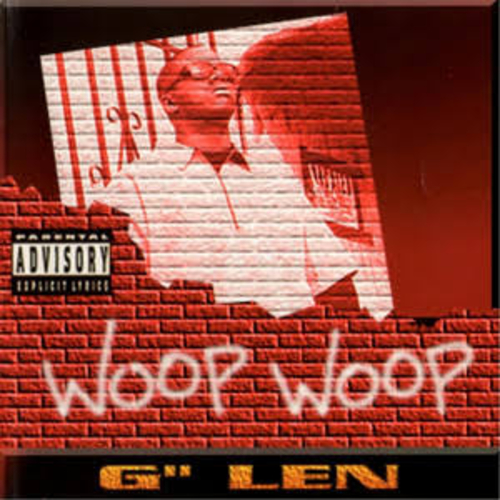
オリジナル盤はThe Family Recordsから発売され、全18曲で構成されている。タイトル曲「Woop Woop」はその10曲目**に配置されている。
アルバムの録音場所とされているのがThe Black Hole Studio。クレジットにはKenny McCloudがエンジニア、Rodney Taylorがサックス、King Babalooがバックグラウンド・ボーカル、Reelがエグゼクティブ・プロデューサーとして掲載されている。
収録曲を見ると、「G” Funk」「Pass da Blunt」「Woopin」「Neighborhood Watch」「Lock ‘N Load」「Street Life」など、アルバム全体を通してG-Funkとストリート・ライフを強く意識したタイトルが並ぶ。「Woop Woop」だけが突出した曲というより、アルバム全体に流れるLos AngelesのローカルなGangsta Funkの世界を象徴するタイトル曲として捉えると分かりやすい。
さらにG-Len本人は後年、公式YouTubeでこのアルバムについて、自分で曲を書き、プロデュースできた非常に楽しい制作だったという趣旨を振り返っている。つまり『Woop Woop』は、単にG” Lenがラップを担当した作品ではなく、本人の音楽的なカラーが制作面にも強く反映されたアルバムだったことがうかがえる。
そしてタイトル曲「Woop Woop」を理解するうえで重要なのが、歌詞に繰り返し登場するFigueroaだ。
曲中ではFigueroaへの言及とともに、仲間、車、銃、強盗などのストリート描写が次々と現れる。そのため「Woop Woop」という掛け声は単なるキャッチーなフックではなく、アルバムが持つローカルなストリート感を凝縮した言葉として機能している。
実際の音源でも、複数MCによるマイクリレー、荒々しい掛け声、跳ねるファンク・ビート、女性ボーカル、そしてサックス系の音色が一体となっており、アルバム『Woop Woop』のG-Funk/Gangsta Rap色を象徴する一曲になっている。
第一印象
イントロからかなり強烈だ。
いきなりラップを始めるのではなく、
「Let’s jack these…」
という会話形式の寸劇から始まり、路上で誰かを狙っているような場面が作られる。
複数の声が飛び交い、
「What’s up, homie?」
というやり取りから緊張感が高まったところで、
「Westside G’s…」
と本編へ突入する。
この入り方によって、リスナーは曲を外側から眺めるのではなく、最初からFigueroaの路上へ放り込まれる。
ところがビート自体は重苦しくない。
むしろかなりファンキーで、身体が自然に揺れる。
危険なストリート描写なのに、音だけ聴けば猛烈に気持ちいい。
この矛盾した感覚が「Woop Woop」らしさだ。
サウンド分析
ドラム
実際の音源から計測するとテンポは約112 BPM。
90年代のWest Coast Hip-Hopとしては比較的動きがあり、ゆったり沈み込むメロウG-Funkではなく、明確に身体を前後へ揺らすバウンスがある。
キックは極端に重低音へ振ったタイプではない。
むしろスネアとの組み合わせによって、
ドン、パン、ドン、パン
とファンクの骨格をはっきり作っている。
重要なのは音の派手さよりも反復。
同じリズムを執拗に回すことで、MCが入れ替わってもグルーヴが崩れない。
5分を超える曲なのに長さを感じにくい理由の一つが、このドラムの安定した推進力だ。
ベース
「Woop Woop」のサウンドで特に重要なのがベース。
低音は単純にルートを支えるだけではなく、短く跳ねながらドラムの隙間へ入り込むファンク寄りの動きを持っている。
低く伸び続けるG-Funkベースとは少し違い、ここでは一音一音に弾力がある。
そのため曲全体が沈み込まず、
ボン、ボン、と腰を押し返してくるような感触
になる。
このベースと約112 BPMのドラムが組み合わさることで、Gangsta Rapの攻撃性を保ちながらも、曲そのものは非常に踊れる。
シンセ・メロディ
典型的なG-Funkで想像する、細く高いシンセ・リードが主役ではない。
「Woop Woop」はむしろ、ファンク系の鍵盤/シンセ、女性ボーカル、短い音の反復、そして後半のホーン系サウンドを組み合わせて色を付けている。
特に「Damn」と聞こえる女性ボーカルの差し込みが効果的。
ラップの隙間から突然現れ、ビートに人間的な温度を加える。
さらに終盤になるとホーン/サックス系のフレーズが前へ出てくる。
ここが面白い。
曲の序盤はGangsta Rapとして始まったのに、最後にはストリートのブロック・パーティーでバンドが演奏しているようなファンク感まで出てくる。
ミックス・グルーヴ
ミックスは現代的な意味で整然としているわけではない。
ラップ、掛け声、女性ボーカル、ベース、ドラム、ホーンがかなり近い距離で鳴っている。
しかし、この少し雑然とした密度こそ魅力。
音を綺麗に分離するというより、
人、声、楽器、街の騒音まで全部まとめて一つのグルーヴにする。
そんな感触がある。
「Woop Woop」という掛け声も左右や奥行きを綺麗に整理して配置するというより、突然人混みの中から飛んでくるように感じられる。
だから曲全体に“クルー感”が生まれている。
ラップ/ボーカル分析
この曲は一人のMCをじっくり聴かせる構成ではない。
複数のラッパーが次々と登場するポッセ・カット的なマイクリレーが中心だ。
一人目が攻撃的に押し込み、次のMCがより低い声で重量感を加え、さらに別のMCがリズムを細かく刻む。
声質もフロウも違う。
それでも曲がバラバラにならないのは、
「Woop Woop」
という共通の掛け声が何度も戻ってくるからだ。
このフックは歌唱力で聴かせるタイプではない。
「Woop Woop / straight jackin’」
「Woop Woop / gettin’ rowdy」
「Woop Woop / regulatin’」
と短い言葉を反復する。
非常に単純だが、それゆえ強い。
さらに女性ボーカルが随所で差し込まれることで、男性MCだけでは単調になりそうな音像へ別の色が加わっている。
後半ではラップと会話の境界も薄くなり、仲間同士がその場で喋りながらマイクを回しているような空気になる。
録音された楽曲というより、クルーの現場をそのまま覗いているような感覚。
これが非常に面白い。
歌詞・テーマ
テーマの中心にあるのは、Figueroa周辺でのストリート・ライフ。
強盗、銃、車、ドラッグ、仲間、敵対者など、90年代Gangsta Rapではおなじみの題材が並ぶ。
ただし、この曲の場合は単なる武勇伝として語るだけではない。
「Figueroa」という地名が何度も出てくることで、
“俺たちはどこから来たのか”
というローカル意識が非常に強く出ている。
さらに「211」が曲中で象徴的に使われているのも特徴。
車を奪う、金を奪う、危険な相手へ襲いかかる。
そうした犯罪的なストリート描写を、悲惨な物語として暗く描くのではなく、ファンクのバウンスへ乗せて語ってしまう。
ここにこの曲独特の不穏さがある。
サウンドだけなら楽しい。
しかし歌詞を追うと、景色が一気に変わる。
陽気なファンクの裏側で、かなり殺伐としたストリートが動いている。
この二面性が「Woop Woop」の核心だ。
トリビア
曲の長さは約5分4秒。
一般的なラップ曲としては長めだが、単純なヴァース/フックの反復だけで5分を引っ張っているわけではない。
冒頭の寸劇から始まり、複数MCによるマイクリレー、女性コーラス、掛け声の反復、後半の会話、さらにホーン/サックス系の演奏が前面へ出るアウトロへと少しずつ表情を変えていく。
また実際の音源を解析するとテンポは約112 BPM。
この比較的速いテンポが、曲の荒々しいストリート描写を重苦しくさせず、独特のファンク・バウンスへ変えている。
そして最後まで聴くと、「Woop Woop」が単なるタイトルではなく、曲全体を結び付ける掛け声として設計されていることがよく分かる。
制作メモ
この曲をG-Funkとして紹介する場合、いわゆる「高音シンセ+メロウなベース」という典型的なイメージだけで説明すると魅力を取りこぼす。
実際の音源では、G-Funk以上にP-Funk/ストリート・ファンク的な感触が強い。
特に、
約112 BPMのバウンス
跳ねるベース
女性コーラス
複数MCの掛け声
終盤のホーン/サックス
という要素が重要。
総評
G” Len「Woop Woop」は、メロウな夜景を描くG-Funkではない。
これはもっと荒い。
Figueroaの路上を複数のMCが車で流しながら、窓を開けて「Woop Woop」と叫んでいるようなGangsta Funkだ。
約112 BPMのドラムが跳ね、ファンキーなベースが腰を押し、女性ボーカルが隙間から飛び込み、次々とMCがマイクを奪っていく。
そして終盤。
ホーン/サックス系の音色が前へ出てきた瞬間、曲は単なるGangsta Rapから、猥雑なストリート・ファンクへ完全に姿を変える。
歌詞の世界は危険なのに、音は異常なほど楽しい。
危険、ファンク、仲間、Figueroa。
それらを「Woop Woop」という二語で一つにしてしまった、90年代West CoastローカルG-Funkの強烈な一曲だ。
今回ご紹介の楽曲の購入はこちらからどうぞ
G” Len – Woop Woop | Raw Figueroa Gangsta Funk Built on Bounce, Chaos and Crew Energy
G” Len’s “Woop Woop” moves in a very different direction from the polished, mellow side of 1990s West Coast G-Funk.
Listening to the full recording, the track is built around an approximately 112 BPM funk groove, heavy bass, a relay of multiple MCs, and the constant return of the “Woop Woop” chant.
As the track develops, horn and saxophone textures become increasingly prominent, pushing the sound beyond straightforward Gangsta Rap and toward something closer to P-Funk dragged directly into the streets.
The music bounces with almost reckless energy.
But the Figueroa depicted in the lyrics is dangerous.
The pleasure of Funk and the tension of the streets are happening at the same time.
That contradiction is the greatest strength of “Woop Woop.”
Artist Introduction
G” Len is a rapper and producer associated with the Los Angeles / Inglewood area of the West Coast Hip-Hop scene.
“Woop Woop” is the title track from his 1995 album Woop Woop, preserving the raw atmosphere of local mid-1990s West Coast Gangsta Rap and G-Funk.
But the track does not simply place G” Len alone at the center.
Multiple rappers repeatedly pass the microphone while sharing the phrase:
“Woop Woop.”
As a result, the record feels less like a showcase for one rapper and more like the entire crew becoming the main character.
That collective energy is essential to the song.
Background
“Woop Woop” is the title track from G” Len’s album Woop Woop, released on April 25, 1995.
The original release appeared through The Family Records and contains 18 tracks, with “Woop Woop” positioned as track 10.
The album is associated with recording at The Black Hole Studio.
Credits list Kenny McCloud as engineer, Rodney Taylor on saxophone, King Babaloo on background vocals, and Reel as executive producer.
Even the album’s track titles help establish its world.
Songs such as:
“G” Funk”
“Pass da Blunt”
“Woopin”
“Neighborhood Watch”
“Lock ‘N Load”
“Street Life”
point toward an album deeply concerned with G-Funk and local street life.
In that sense, “Woop Woop” is not an isolated experiment.
It works as a title track that concentrates the local Los Angeles Gangsta Funk atmosphere running through the entire album.
G-Len later reflected on the album through his official YouTube presence, describing the project as an enjoyable period in which he was able to write and produce his own material.
That suggests Woop Woop was not simply an album on which G” Len supplied vocals.
His own musical identity was strongly involved in shaping the project.
Another important key to understanding the title track is the repeated reference to Figueroa.
The lyrics connect the area with friends, cars, guns, robberies, and other street imagery.
Because of that context, “Woop Woop” functions as more than a catchy phrase.
It becomes a chant that concentrates the local street identity of the album itself.
The actual recording reinforces that feeling through multiple MCs, aggressive shouts, bouncing Funk production, female vocals, and saxophone textures.
Together, those elements make “Woop Woop” one of the clearest expressions of the album’s Gangsta Rap / G-Funk identity.
First Impression
The introduction immediately demands attention.
Instead of beginning directly with a verse, the track opens with a spoken street scenario:
“Let’s jack these…”
Multiple voices begin interacting as though they are watching potential targets on the street.
Then:
“What’s up, homie?”
The tension rises.
And finally:
“Westside G’s…”
The track begins moving.
That introduction does something important.
Rather than allowing the listener to observe the story from a distance, it immediately throws you into the streets around Figueroa.
Yet the beat itself is not especially dark or oppressive.
It is almost the opposite.
It is extremely funky.
The body naturally wants to move.
The street scene is dangerous, but the music feels ridiculously good.
That contradiction defines “Woop Woop.”
Sound Analysis
Drums
Analysis of the recording places the tempo at approximately 112 BPM.
That gives the track considerably more movement than the slower, deeply relaxed side of 1990s West Coast G-Funk.
The kick is not designed purely around enormous sub-bass impact.
Instead, its relationship with the snare creates a clearly defined Funk backbone:
boom — clap — boom — clap.
The key is repetition.
Rather than constantly introducing elaborate rhythmic changes, the beat keeps cycling through the same physical pulse.
That allows different MCs to enter and leave without disrupting the groove.
It also helps explain why a track running for more than five minutes rarely feels static.
The drums simply refuse to stop pushing.
Bass
The bass is one of the most important elements in “Woop Woop.”
Rather than merely supporting the root notes, the low end uses short, bouncing movements that slip between the drums with a distinctly Funk-oriented feel.
This is somewhat different from the long, sinking bass tones associated with some G-Funk production.
Here, individual bass notes have elasticity.
The result feels almost like:
boom, boom—pushing back against your waist with every movement.
Combined with the approximately 112 BPM drums, that bassline allows the track to remain aggressive enough for Gangsta Rap while also becoming highly danceable.
The streets may be dangerous.
The rhythm still wants a party.
Synths & Melody
The thin, high-pitched lead synth commonly associated with stereotypical G-Funk is not the dominant element here.
Instead, “Woop Woop” builds its musical color through Funk-oriented keyboard and synth textures, female vocals, short repeating phrases, and the horn sounds that become increasingly noticeable toward the ending.
The female vocal interjections—some sounding like “Damn”—are particularly effective.
They suddenly appear between rap lines, adding human warmth and personality to the groove.
Then, toward the end, the horn and saxophone textures move further forward.
That development changes the character of the track.
What begins as Gangsta Rap gradually starts sounding like a Funk band playing at a chaotic street block party.
That transformation is one of the most enjoyable parts of the record.
Mix & Groove
The mix is not clean and carefully separated in a modern sense.
Rappers, shouts, female vocals, bass, drums, and horns all exist relatively close together.
But that slightly chaotic density is part of the appeal.
Instead of separating every sound into its own perfect space, the track seems to combine:
people, voices, instruments, and street noise into one large groove.
Even the “Woop Woop” chants do not feel like perfectly positioned studio elements.
They seem to jump unexpectedly from somewhere inside a crowd.
That is what gives the recording its strong sense of crew energy.
The roughness makes the track feel alive.
Rap / Vocal Analysis
“Woop Woop” is not structured around carefully spotlighting one MC for an extended period.
Its energy comes from a posse-cut-style microphone relay.
One rapper pushes aggressively.
Another voice enters with more weight.
Another begins cutting the rhythm into smaller pieces.
Their voices and flows are different.
Yet the track never completely breaks apart because one phrase keeps pulling everyone back together:
“Woop Woop.”
The hook repeatedly combines the chant with short phrases:
“Woop Woop / straight jackin’”
“Woop Woop / gettin’ rowdy”
“Woop Woop / regulatin’.”
It is extremely simple.
That is precisely why it works.
The female vocal interjections provide another layer of contrast, preventing the succession of male voices from becoming too uniform.
Later in the track, even the distinction between rapping and conversation begins to disappear.
It starts to feel as though the crew is simply talking, shouting, and passing the microphone around in real time.
Less like a carefully controlled studio performance and more like being allowed to watch the crew in its natural environment.
That feeling gives the track much of its personality.
Lyrics & Themes
The lyrical world centers heavily on street life around Figueroa.
Robbery.
Guns.
Cars.
Drugs.
Friends.
Enemies.
These are familiar subjects within 1990s Gangsta Rap.
But “Woop Woop” gains a stronger local identity through its repeated geographic references.
Figueroa keeps returning.
That creates a clear sense of:
this is where we come from.
The use of “211” is another notable element.
Car theft, robbery, taking money, confronting dangerous people—the lyrics repeatedly move through criminal street scenarios.
Yet those scenes are not presented through mournful or tragic production.
They are delivered over an energetic Funk bounce.
That is where the song becomes strangely unsettling.
If you listen only to the instrumental, the record sounds fun.
Follow the lyrics closely, and the environment suddenly becomes much more dangerous.
Behind the cheerful Funk groove, a far more violent street world is moving.
That duality is the heart of “Woop Woop.”
Trivia
The track runs for approximately 5:04.
That is relatively long for a rap song, but it does not simply stretch the same verse-and-hook structure across five minutes.
The arrangement gradually changes character:
opening skit
→ multiple-MC relay
→ female vocal interjections
→ repeated chants
→ later conversation
→ horn / saxophone-driven outro.
Analysis of the recording places the tempo at approximately 112 BPM.
That relatively active tempo prevents the violent street imagery from dragging the track into an excessively heavy atmosphere.
Instead, it transforms that material into an unusually lively Funk bounce.
By the end of the recording, it also becomes clear that “Woop Woop” is not merely a title.
It is the chant holding the entire track together.
Different rappers can come and go.
The groove can evolve.
The horns can enter.
But:
“Woop Woop”
always brings the crew back together.
Production Notes
When describing this track as G-Funk, it is important not to reduce the genre to the familiar formula of:
high-pitched synth + mellow bass.
The actual recording contains a much stronger P-Funk / street-Funk character.
The most important elements are:
approximately 112 BPM of bounce
a springy Funk bassline
female vocal interjections
multiple MCs and crew chants
horn / saxophone textures toward the ending
Those elements make “Woop Woop” feel less polished and dreamy than classic mellow G-Funk.
It is dirtier.
Busier.
More communal.
And much closer to the feeling of Funk being played directly in the middle of the street.
Final Thoughts
G” Len’s “Woop Woop” is not G-Funk designed to soundtrack a beautiful nighttime cruise.
This is rougher.
It sounds like a crew of MCs slowly moving through Figueroa with the windows down, yelling “Woop Woop” into the street.
The approximately 112 BPM drums bounce.
The Funk bass pushes against the body.
Female voices suddenly appear between the verses.
One MC after another grabs the microphone.
Then comes the ending.
As the horn and saxophone textures move forward, the track completes its transformation from Gangsta Rap into something closer to dirty, chaotic street Funk.
The lyrical world is dangerous.
The music is almost absurdly enjoyable.
Danger.
Funk.
The crew.
Figueroa.
“Woop Woop” compresses all of those things into two words.
And that is what makes it such a powerful piece of local 1990s West Coast G-Funk:
a raw Gangsta Funk record where the street tension never kills the party—and the party never hides the danger.
コメント