ブリブリと跳ね回る極太のシンセベース、乾いたスネアが刻む重量感のあるビート、鋭く響くファンキーなホーン、そして機械的に揺れる電子音。
Bloods & Crips「Crip, Crip, Crip」は、1993年のアルバム『Bangin’ on Wax』に収録された、ウェストコースト・ギャングスタ・ラップの強烈な一曲。
最大の魅力は、ストリートの荒々しい空気をまといながら、思わず身体が動いてしまうほどファンキーなグルーヴにある。
弾力のあるベースラインと反復する電子音が生み出す独特の中毒性。そこに複数のラッパーが次々と登場し、個性的なフロウをぶつけていく。
90年代初頭のロサンゼルスらしい危険な緊張感と、陽気なほどに跳ねるファンクが共存した、印象的なウェストコースト・サウンドだ。
アーティスト紹介
Bloods & Cripsは、1990年代初頭のロサンゼルスで結成されたヒップホップ・プロジェクト。
対立関係にあったストリート・ギャング、BloodsとCripsの関係者が音楽制作に参加するという、当時としては異例の企画から誕生した。
1993年にDangerous Recordsからリリースされた『Bangin’ on Wax』では、双方のメンバーがそれぞれの立場やストリートでの経験をラップで表現。
その中でも「Crip, Crip, Crip」はCrips側の楽曲として知られ、タイトルからも分かるように、彼らの帰属意識を強く打ち出している。
また、このプロジェクトには後にソロで成功を収めるDominoことGenuine Draftも関わっており、ウェストコースト・ヒップホップの歴史を振り返るうえでも興味深い作品となっている。
作品背景
「Crip, Crip, Crip」が収録された『Bangin’ on Wax』は、1993年に発表されたBloods & Cripsのデビュー・アルバム。
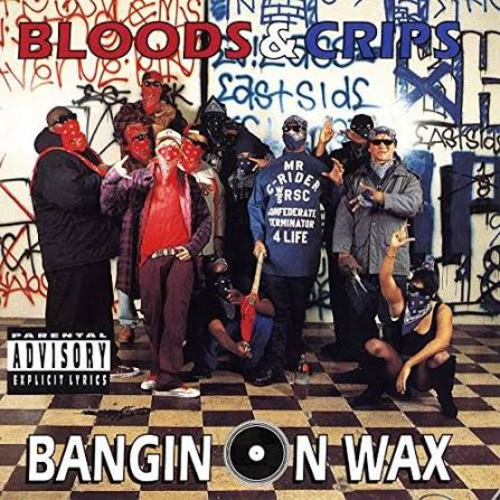
Dr. Dre『The Chronic』の登場によって、G-Funkが西海岸を代表するサウンドとして広がり始めていた時代の作品だ。
本作にも、ファンクを大胆に取り込んだトラックや、シンセサイザーを活用した楽曲が数多く収録されている。
「Crip, Crip, Crip」では、その音楽的な特徴が特に分かりやすい。
軽快に跳ねるベースライン、反復する電子音、鋭いホーンのアクセントを組み合わせたトラックは、70年代後半のディスコ・ファンクと90年代のギャングスタ・ラップを結びつけている。
しかし、サウンドの陽気さとは対照的に、歌詞にはストリートでの対立や仲間への忠誠心が描かれる。
この音楽的な明るさと内容の荒々しさの対比こそ、楽曲の個性を際立たせている。
第一印象
イントロから耳を奪われるのは、弾むように動き回る独特のベースライン。
低音が単純に鳴り続けるのではなく、細かく音程を変化させながら、曲全体をグイグイと引っ張っていく。
そこに重なるのが、歯切れの良いスネアと、金属的な響きを持つ高音の電子音。
さらに、短く鋭いホーンのフレーズがアクセントを加え、トラックにファンク特有の華やかさを与えている。
印象的なのは、これほどファンキーで踊れるサウンドでありながら、ラップが始まった瞬間に空気が一変すること。
軽快なビートの上に荒々しい言葉が乗り、独特の緊張感が生まれる。
音はファンキー、ラップはハード。
この対照的な組み合わせが「Crip, Crip, Crip」の大きな魅力となっている。
サウンド分析
ドラム
ドラムは、90年代初頭のウェストコースト・ヒップホップらしい、シンプルで力強い構成。
キックは低音をしっかり支えながら、ベースラインの動きを邪魔しない位置に配置されている。
スネアは乾いた硬質な音色で、一定の間隔を保ちながら力強く響く。
特に印象的なのは、スネアのアタックが非常にはっきりしていること。
ベースラインが細かく動き回る一方、ドラムは安定したリズムを刻み続けるため、曲全体に揺るぎないグルーヴが生まれている。
ハイハットや細かなパーカッションもリズムの隙間を埋めているが、必要以上に前面へ出てこない。
複雑なドラムパターンで聴かせるのではなく、ファンクのリズムを活かした反復によって身体を揺らすタイプのビートだ。
ベース
この曲の主役といっても過言ではないのが、強烈な存在感を放つベースライン。
低く太い音色でありながら、輪郭がはっきりしており、音程の変化が非常に分かりやすい。
「ブン、ブブン、ブン」と細かく跳ねるようなフレーズが繰り返され、曲全体に独特の躍動感を与えている。
特徴的なのは、ただ重低音を響かせるだけではなく、ベースそのものがメロディの一部として機能していること。
高低差のあるフレーズが絶えず動き回り、聴き手を飽きさせない。
音色には丸みと電子的な弾力があり、いわゆるG-Funkらしいブリブリとした質感を強く感じさせる。
このベースがなければ、楽曲の印象は大きく変わっていただろう。
シンセ・メロディ
ベースと並んで印象的なのが、随所に登場する電子音とホーン系のフレーズ。
高音域では、細く鋭いシンセサイザーの音が反復し、トラックに独特の浮遊感を加えている。
その一方で、短く刻まれるホーンのような音色がアクセントとなり、ファンクらしい華やかさを演出。
さらに、曲の合間には声を電子的に加工したような、うねる音色が繰り返し登場する。
この音はトークボックスを連想させる質感を持っているが、実際にトークボックスが使用されたかどうかは確認できない。
重要なのは、こうした電子音が単なる装飾ではなく、楽曲を象徴するフックとして機能していること。
ラップが途切れても、ベースと電子音の組み合わせだけで「Crip, Crip, Crip」の世界観が成立している。
ミックス・グルーヴ
ミックスは、ドラムとベースを中心に据えた、非常にファンク色の強いバランス。
低音には十分な厚みがあるものの、ベースラインの輪郭が失われるほど膨らんでいない。
スネアは中高音域で鋭く抜け、ホーンや電子音はその隙間を埋めるように配置されている。
また、複数のラッパーが登場する楽曲でありながら、それぞれの声が比較的明瞭に聴こえる点も特徴的だ。
ラップの背後では同じフレーズが繰り返されるが、その反復が単調さではなく、むしろ強烈な中毒性を生み出している。
全体として、重厚なギャングスタ・ラップというよりも、ファンクの跳ねる感覚を前面に押し出したG-Funk寄りのサウンドに仕上がっている。
ラップ/ボーカル分析
「Crip, Crip, Crip」では、複数のラッパーが次々とマイクを受け渡す構成が大きな特徴となっている。
冒頭のラップは、やや高めで鼻にかかったような声質が印象的。
細かな言葉をリズムの隙間へ詰め込むようなフロウで、軽快なベースラインと絶妙に絡み合っている。
続くラッパーは、より低く太い声質へと変化。
言葉を一つひとつ強く打ち出すスタイルで、前のパートとは異なる重量感を生み出している。
さらに後半では、鋭く勢いのある高音寄りのラップが登場。
細かく刻むフロウと荒々しい発声によって、楽曲の緊張感を一段と高めている。
このように、声質やフロウの異なるラッパーが交代することで、同じトラックが続いていても飽きさせない構成になっている。
また、曲の随所で繰り返される「Crip」という掛け声も重要な要素。
単なるコーラスではなく、楽曲全体のメッセージを強調する役割を担っている。
終盤では、ラップと掛け声が重なり合い、集団としての存在感を強く印象づける。
なお、各ヴァースを担当するラッパーの正確な割り振りは確認できていないため、声の特徴を中心に分析した。
歌詞・テーマ
歌詞の中心にあるのは、Cripsとしての帰属意識、仲間との結束、そして対立する勢力への敵意。
登場するラッパーたちは、それぞれの地域や所属を示しながら、自分たちの存在感を強く主張している。
特に印象的なのは、曲名にもなっている「Crip」という言葉が何度も繰り返されること。
この反復によって、楽曲全体がCripsとしてのアイデンティティを表現する内容になっている。
また、歌詞にはロサンゼルスのストリートで使われるスラングや、特定の地域を示す言葉が数多く登場する。
一方で、敵対勢力への暴力的な表現も含まれており、当時のギャング間の対立がそのまま音楽へ持ち込まれていることが分かる。
興味深いのは、こうした過激な内容が、非常にファンキーで軽快なトラックの上で展開されていること。
明るく踊れるサウンドと、緊張感のあるストリートの言葉。
この落差が「Crip, Crip, Crip」を単なるギャングスタ・ラップとは違った印象にしている。
サンプリング&トラックメイキング
「Crip, Crip, Crip」の強烈なファンク・サウンドを語るうえで欠かせないのが、Zappの「I Can Make You Dance」とVaughn Mason & Crewの「Bounce, Rock, Skate, Roll」。
Zapp – I Can Make You Dance(1983年)
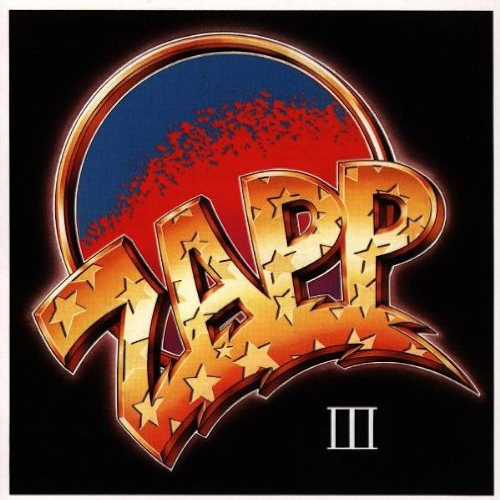
Roger Troutman率いるZappが1983年に発表した、エレクトロ・ファンクの名曲。
特徴的なのは、ブリブリと跳ね回るシンセベース、未来的な電子音、そしてトークボックスを駆使した独特のボーカル・サウンド。
「Crip, Crip, Crip」でも、こうしたZapp特有の電子ファンクを思わせる音色が強烈な存在感を放っている。
特に印象的なのが、細かく音程を変えながら動き回る弾力のあるベースライン。
単純に低音を支えるだけではなく、ベースそのものがメロディの役割を担い、楽曲全体をグイグイと引っ張っていく。
さらに、曲の合間に繰り返される、声がうねるような電子的なフレーズも大きな聴きどころ。
トークボックスを連想させる独特の質感が、ストリート色の強いラップにファンキーな華やかさを与えている。
Vaughn Mason & Crew – Bounce, Rock, Skate, Roll(1979年)
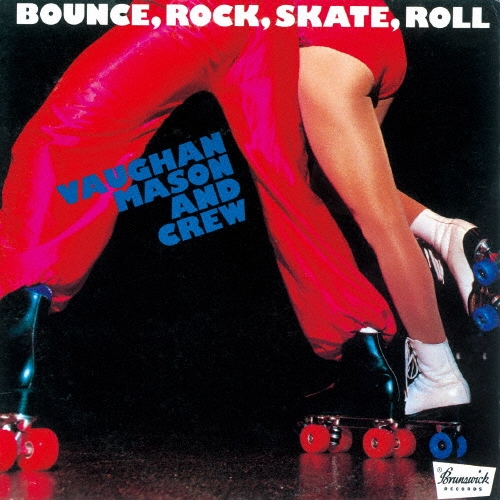
もう一つ注目したいのが、1979年に発表されたディスコ・ファンクの名曲「Bounce, Rock, Skate, Roll」。
軽快に跳ねるリズム、滑らかなベースライン、そしてダンス・フロアを意識した反復的なグルーヴが特徴の一曲だ。
「Crip, Crip, Crip」にも、こうしたディスコ・ファンク由来のダンサブルな感覚が色濃く表れている。
ドラムはシンプルながら力強く、乾いたスネアが一定のリズムを刻み続ける。
その上を弾力のあるベースラインが自由に動き回り、ホーン系のアクセントや電子音が加わることで、独特の躍動感が生まれている。
興味深いのは、こうしたファンキーで軽快なサウンドが、荒々しいギャングスタ・ラップの土台として使われていること。
複数のラッパーが次々と登場し、ストリートでの帰属意識や対立を表現する一方、トラックは終始ダンサブルなグルーヴを維持している。
70年代後半のディスコ・ファンクと80年代のエレクトロ・ファンク。その音楽的な魅力が、90年代初頭のウェストコースト・ギャングスタ・ラップと結びついている。
ブリブリと唸る極太ベース、うねる電子音、鋭いホーン、そして荒々しいラップ。
「Crip, Crip, Crip」は、クラシック・ファンクの魅力をストリート・サウンドへと昇華させた、G-Funk色の濃い一曲だ。
トリビア
「Crip, Crip, Crip」が収録された『Bangin’ on Wax』は、実際のBloodsとCripsの関係者が参加したという異色の制作背景を持つアルバム。
当時のウェストコースト・ヒップホップでは、Dr. DreやSnoop Doggy DoggらによるG-Funkが注目されていたが、本作はより直接的なストリートの視点を持ち込んだ作品として知られている。
また、このプロジェクトに関わったGenuine Draftは、後にDomino名義で活動し、「Getto Jam」などのヒット曲を発表することになる。
そのため、本作はギャングスタ・ラップの歴史だけでなく、90年代ウェストコースト・アーティストの初期活動を知るうえでも興味深い。
制作メモ
今回の音源は約4分51秒。
イントロでは、ベースラインとドラム、ホーン系のフレーズが先に提示され、楽曲の基本的なグルーヴを印象づける。
その後、複数のラッパーが交代で登場し、ヴァースの間にはインストゥルメンタルを活かしたフックが挟まれる。
大きなコード進行の変化や劇的な展開よりも、一定のファンク・グルーヴを維持することに重点を置いた構成だ。
終盤では掛け声や声の重なりが増え、最後はベースと電子音を中心としたトラックが徐々にフェードアウトしていく。
このアウトロも印象的で、ラップが終わった後もファンクの余韻が残る。
特に、うねるベースラインと電子的なボーカル・フレーズが最後まで存在感を放っている点は、この曲ならではの魅力といえる。
総評
Bloods & Crips「Crip, Crip, Crip」は、90年代初頭のウェストコースト・ギャングスタ・ラップが持つ荒々しさと、ファンクの躍動感を同時に楽しめる一曲。
最大の魅力は、何といってもブリブリと跳ね回る極太のベースライン。
そこに乾いたスネア、鋭いホーン、電子的にうねるフレーズが重なり、強烈な中毒性を持つグルーヴを生み出している。
複数のラッパーが異なる声質とフロウを披露する構成も面白く、ファンキーなトラックにストリート特有の緊張感を与えている。
特に印象的なのは、これほど荒々しい内容でありながら、サウンドそのものは非常に軽快でダンサブルなこと。
危険なストリートの空気と、思わず身体が揺れる極太ファンク。
この相反する魅力が一つになった「Crip, Crip, Crip」は、90年代ウェストコースト・サウンドの奥深さを感じさせる、ファンキーなギャングスタ・ラップだ。
ブリブリと唸る極太ベースと、90年代ウェストコーストの生々しいストリート感。『Bangin’ on Wax』は、ファンクとギャングスタ・ラップが交差する独特の魅力を味わえる一枚。
▼ Amazonで『Bangin’ on Wax』をチェック!

ネタ元はこちらに収録

Bloods & Crips – Crip, Crip, Crip | Heavy Electro-Funk Bass Meets Raw West Coast Gangsta Rap
A massive, bouncing synth bassline, heavy drums driven by a dry snare, sharp funky horn accents, and electronically processed sounds that move with a mechanical rhythm.
Bloods & Crips’ “Crip, Crip, Crip” is an intense West Coast Gangsta Rap track from the 1993 album Bangin’ on Wax.
Its greatest appeal lies in the incredibly funky groove that makes you want to move, even as the music carries the raw atmosphere of the streets.
The elastic bassline and repeating electronic sounds create an addictive rhythm, while multiple rappers take turns delivering verses with their own distinctive flows.
The result is a memorable West Coast sound that combines the dangerous tension of early-1990s Los Angeles with an almost cheerful Funk bounce.
Artist Introduction
Bloods & Crips was a Hip-Hop project formed in Los Angeles during the early 1990s.
It emerged from an unusual concept: individuals associated with the rival Bloods and Crips street gangs participating in the same musical project.
Released through Dangerous Records in 1993, Bangin’ on Wax featured performers representing both sides, expressing their affiliations and experiences through rap.
“Crip, Crip, Crip” is known as a track representing the Crips side of the project.
As its title suggests, the song strongly emphasizes group identity and allegiance.
The project also involved Genuine Draft, who later achieved solo success under the name Domino.
This connection makes Bangin’ on Wax an interesting recording when exploring the history of West Coast Hip-Hop.
Background
“Crip, Crip, Crip” appears on Bloods & Crips’ 1993 debut album, Bangin’ on Wax.
The album arrived during a period when G-Funk was becoming one of the defining sounds of West Coast Hip-Hop following the success of Dr. Dre’s The Chronic.
Many tracks on Bangin’ on Wax incorporated Funk influences and synthesizer-driven production.
“Crip, Crip, Crip” is a particularly clear example of that approach.
Its bouncing bassline, repeating electronic sounds, and sharp horn accents connect the musical energy of late-1970s Disco-Funk with the harder character of 1990s Gangsta Rap.
However, the cheerful instrumental contrasts sharply with the lyrics, which explore street rivalries and loyalty to fellow gang members.
That contrast between musical brightness and lyrical aggression is one of the track’s defining characteristics.
First Impression
The first thing that catches your attention is the distinctive bassline, which bounces energetically from the introduction.
Rather than simply sustaining low notes, the bass constantly changes pitch, driving the entire track forward.
A crisp snare and metallic high-pitched electronic sounds join the groove.
Short, sharp horn phrases add further accents, giving the instrumental the colorful character of classic Funk.
What makes the track particularly striking is how dramatically the atmosphere changes when the rap begins.
The beat remains funky and danceable, but the aggressive lyrics introduce a completely different sense of tension.
The instrumental is playful and funky. The rap is hard and confrontational.
That combination is central to the appeal of “Crip, Crip, Crip.”
Sound Analysis
Drums
The drums follow a simple but powerful arrangement typical of early-1990s West Coast Hip-Hop.
The kick provides a solid low-end foundation while leaving enough room for the bassline to move.
The snare has a dry, hard tone and delivers strong accents at regular intervals.
Its clearly defined attack is particularly effective.
While the bassline moves through rapid pitch changes, the drums maintain a steady rhythmic foundation.
This creates a groove that remains consistent despite the movement of the other instruments.
Hi-hats and smaller percussion details fill the spaces between the main hits without becoming overly prominent.
Rather than relying on complicated drum programming, the beat uses repetition and Funk-inspired rhythm to keep the listener moving.
The simplicity of the drums allows the bassline to become the real star of the instrumental.
Bass
The bassline is arguably the most important element of “Crip, Crip, Crip.”
Its tone is deep and thick, yet clearly defined enough for every pitch change to remain audible.
Short, bouncing phrases repeat throughout the track, creating a distinctive sense of movement.
The bass does more than provide low-frequency weight.
It functions as a melodic instrument in its own right.
Its constantly shifting notes create an energetic groove that remains engaging even after repeated listens.
The sound combines rounded low frequencies with an elastic electronic character.
It strongly reflects the rubbery synth-bass textures associated with G-Funk.
Without this bassline, the track would have a completely different personality.
Its massive, bouncing low end is the foundation of the song’s unmistakable Funk identity.
Synths & Melody
Alongside the bass, the repeating electronic sounds and horn-like phrases are among the track’s most recognizable elements.
Thin, sharp synthesizer tones appear in the higher frequencies, adding a slightly floating electronic texture.
Short horn accents bring a brighter Funk character to the arrangement.
Throughout the song, there are also recurring sounds that resemble electronically processed vocal phrases.
These have a texture reminiscent of a talkbox, although the use of an actual talkbox on this recording has not been independently confirmed.
What matters most is that these electronic sounds are not simply decorative.
They function as musical hooks that help define the track’s identity.
Even when the rap pauses, the combination of bass and electronic phrases is enough to make the instrumental instantly recognizable.
Mix & Groove
The mix places the drums and bass at the center, creating a strongly Funk-oriented sound.
The low frequencies have plenty of weight, but the bassline remains clearly defined rather than becoming muddy.
The snare cuts sharply through the middle and upper frequencies, while the horns and electronic sounds occupy the spaces around it.
Despite the presence of multiple rappers, their individual voices remain relatively clear.
The same instrumental phrases continue beneath the verses, but that repetition creates an addictive groove rather than a monotonous one.
Overall, the track leans toward the bouncing, danceable side of G-Funk while retaining the heaviness of Gangsta Rap.
Rap / Vocal Analysis
One of the defining characteristics of “Crip, Crip, Crip” is its rotating lineup of rappers.
Different voices take over throughout the track, giving the performance a constantly changing character.
The opening rapper has a slightly higher-pitched, nasal vocal tone.
His flow packs short phrases into the spaces between the drum hits, interacting closely with the bouncing bassline.
The following rapper brings a deeper, heavier voice.
He emphasizes individual words more forcefully, creating a different sense of weight from the opening verse.
Later in the song, another sharper, higher-pitched delivery introduces additional intensity.
Fast, tightly articulated phrases and aggressive vocal accents increase the tension.
These differences in vocal tone and flow keep the arrangement engaging even though the instrumental remains relatively consistent.
The repeated shout of “Crip” is another important element.
It functions as more than a conventional chorus, reinforcing the identity and message expressed throughout the song.
Toward the ending, overlapping voices and repeated shouts create a strong collective presence.
The exact rapper responsible for each verse has not been reliably confirmed, so this analysis focuses on the audible differences between their performances.
Lyrics & Themes
The central lyrical themes are Crips identity, loyalty to fellow members, and hostility toward rival groups.
The rappers assert their affiliations and presence while referencing their respective neighborhoods and street environments.
One of the most noticeable features is the repeated use of the word “Crip.”
This repetition reinforces the group’s identity throughout the recording.
The lyrics also contain street slang associated with Los Angeles and references to specific local areas.
At the same time, they include violent language directed toward rival groups, reflecting the gang conflicts that shaped the environment surrounding the project.
What makes the track musically unusual is that these aggressive themes unfold over such a lively Funk instrumental.
The sound is bright and danceable, while the words carry a much harder street-oriented message.
That contrast gives “Crip, Crip, Crip” a distinctive character within early-1990s Gangsta Rap.
Sampling & Trackmaking
Two classic Funk recordings are especially important when examining the musical foundation of “Crip, Crip, Crip”:
Zapp’s “I Can Make You Dance” and Vaughn Mason & Crew’s “Bounce, Rock, Skate, Roll.”
Zapp – I Can Make You Dance (1983)
Released in 1983, “I Can Make You Dance” is an Electro-Funk classic by Zapp, the group closely associated with Roger Troutman.
Its signature sound features bouncing synth bass, futuristic electronic textures, and distinctive talkbox vocals.
“Crip, Crip, Crip” draws on this recognizable electronic Funk character.
One of the most striking similarities is the elastic bassline, which moves through rapid pitch changes.
Rather than simply supporting the rhythm, the bass becomes a melodic force that drives the track forward.
The recurring electronic phrases that resemble processed vocals are another notable feature.
Their talkbox-like texture adds a colorful Funk atmosphere to the otherwise aggressive street-oriented rap.
Vaughn Mason & Crew – Bounce, Rock, Skate, Roll (1979)
Another important reference is Vaughn Mason & Crew’s 1979 Disco-Funk classic “Bounce, Rock, Skate, Roll.”
The original is known for its lively rhythm, smooth bassline, and repetitive dance-floor groove.
“Crip, Crip, Crip” also carries this distinctly danceable Funk character.
The drums are simple but powerful, with a dry snare maintaining a consistent rhythm.
Above that foundation, the elastic bassline moves freely while horn accents and electronic sounds create additional momentum.
What makes this combination particularly interesting is the way such lively Funk elements provide the foundation for aggressive Gangsta Rap.
Multiple rappers deliver verses about street identity and conflict, yet the instrumental remains consistently danceable.
Late-1970s Disco-Funk and 1980s Electro-Funk meet early-1990s West Coast Gangsta Rap.
A massive, growling bassline.
Winding electronic sounds.
Sharp horn accents.
And raw, confrontational rap.
“Crip, Crip, Crip” transforms the musical energy of classic Funk into a powerful, street-oriented West Coast sound.
Trivia
Bangin’ on Wax has an unusual production history because it involved individuals associated with the real Bloods and Crips street gangs.
At a time when G-Funk from artists such as Dr. Dre and Snoop Doggy Dogg was gaining widespread attention, the album presented a more direct perspective on Los Angeles street culture.
Another interesting connection is Genuine Draft, who participated in the project before establishing himself as Domino.
He later achieved success with tracks such as “Getto Jam.”
For that reason, Bangin’ on Wax is significant not only within the history of Gangsta Rap but also as a document of the early careers of artists connected to the 1990s West Coast scene.
Production Notes
The analyzed recording runs for approximately 4 minutes and 51 seconds.
The introduction establishes the main groove through the bassline, drums, and horn-like phrases.
Multiple rappers then take turns delivering verses, with instrumental-based hooks appearing between their sections.
Rather than relying on major chord changes or dramatic structural developments, the production focuses on maintaining a consistent Funk groove.
Toward the ending, overlapping voices and repeated shouts become more prominent.
The track eventually fades out with the bass and electronic sounds continuing underneath.
This outro is particularly effective because the Funk groove remains memorable even after the rap has finished.
The winding bassline and electronic vocal-like phrases maintain their presence until the very end.
Final Thoughts
Bloods & Crips’ “Crip, Crip, Crip” is a powerful example of early-1990s West Coast Gangsta Rap combining raw street intensity with the irresistible movement of Funk.
Its greatest attraction is the enormous, bouncing bassline.
Dry snare drums, sharp horn accents, and winding electronic phrases build around that foundation, creating an incredibly addictive groove.
The rotating lineup of rappers adds further variety, with different vocal tones and flows bringing street tension to the funky instrumental.
What makes the track especially memorable is the contrast between its aggressive lyrical content and its remarkably lively, danceable production.
The dangerous atmosphere of the streets.
The physical excitement of heavy Funk.
“Crip, Crip, Crip” brings these opposing qualities together in a distinctive Gangsta Rap recording that reveals the musical depth of early-1990s West Coast Hip-Hop.
コメント