Ron Cの「Chillin’ In D」は、ダラスの街を舞台に、ドライブ、酒、女性、仲間とのバスケットボールや食事といった日常を描いたローカル・ラップだ。
実測テンポは約95.7BPM、楽曲時間は約4分25秒。跳ねすぎないミッドテンポのビートに、温かいベース、乾いたドラム、明るい鍵盤、女性コーラスを重ね、気負わず街を流す午後の空気を作り出している。
タイトルの「D」はDallasを意味し、曲中でもRon Cは自らの生活圏や地元の人物、Dallasのストリートを具体的に描写する。単なるリラックス・ソングではなく、自分の街でどう遊び、どう振る舞い、どんな価値観で暮らしているかを示した地域表明として聴ける一曲である。
アーティスト紹介
Ron Cは、テキサス州ダラスを拠点に活動したラッパーである。
1980年代末から作品を発表しており、テキサス・ラップの歴史を語る際に見落とされがちなDallasシーンを知るうえで重要な存在だ。
1990年代のTexas Rapというと、Geto BoysやRap-A-Lot Recordsを中心としたHouston勢、あるいはDJ Screw以降のスクリュー文化が注目されることが多い。しかし、同じ州内でも都市ごとに異なる音楽的背景があり、Ron CはDallas独自のローカル意識を早い段階から楽曲へ持ち込んでいた。
彼のラップは、極端な威圧感や過度な物語性に頼るのではなく、身近な生活、街の人物、遊び、女性関係、金銭感覚などを会話に近い口調で伝えるところに特徴がある。
「Chillin’ In D」でも、街を神話化するのではなく、Dallasで過ごす一日をそのままラップへ変換する姿勢が貫かれている。
作品背景
「Chillin’ In D」は、Ron Cが1994年に発表したアルバム『The C Theory』に収録されている。
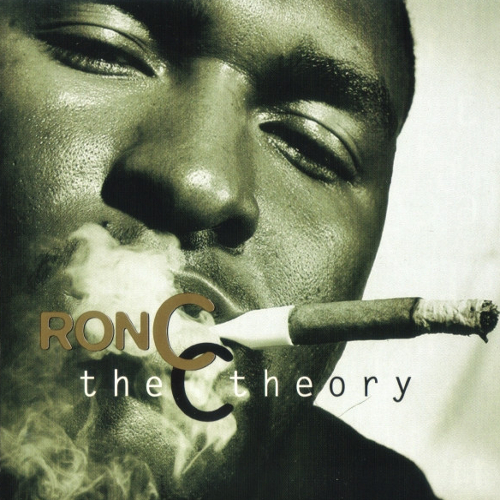
1994年は、Dr. Dreの『The Chronic』やSnoop Doggy Doggの『Doggystyle』を経て、G-Funk的なサウンドが西海岸以外の地域にも広く浸透していた時期だ。
この曲にも、ゆったりしたテンポ、ファンク色の強いベース、旋律的な鍵盤、女性ボーカルによるキャッチーなフックなど、当時のG-Funkと共通する要素が確認できる。
ただし、音楽の中心にあるのはLos Angeles的な世界観ではない。
Ron Cが描くのは、Dallasの道路、バス停、公園、友人の家、地元の人物たちである。サウンド面では西海岸ラップと接点を持ちながら、物語と地域意識は明確にテキサスへ根差している。
そのため本作は、単純なG-Funkの模倣ではなく、1990年代半ばのファンク・ラップをDallasの生活感覚へ置き換えた作品と捉える方が適切だろう。
第一印象
最初に感じるのは、タイトル通りの気楽さと明るさだ。
イントロでは、硬質なドラムの合図に続いて、柔らかい鍵盤、丸みのあるベース、軽いギター系の装飾音が加わる。音数は決して少なくないが、各パートが一定の位置に収まり、全体には開放的な余白がある。
Ron Cのラップが始まっても緊張感は過度に高まらない。
歌詞には金、女性、酒、ストリート上の警戒心といったGangsta Rap的な要素が登場するものの、曲全体を支配するのは対立や恐怖ではなく、晴れた日に街を流しながら気ままに過ごす感覚である。
女性コーラスが入ると、曲の印象はさらに軽くなる。
繰り返される「That’s how we do it when we’re chillin’」という趣旨のフックは、Ron C個人の一日を、Dallasに住む仲間たちの共通体験へ広げていく。
サウンド分析
ドラム
実測テンポは約95.7BPM。
ミッドテンポとしては比較的推進力があるが、ハイハットを細かく詰め込んだ現代的なビートではない。キックとスネアの間隔を明確に取り、一拍ごとの重みを感じさせる構造になっている。
キックは低域を過剰に膨らませず、短く締まった音でベースの動きを支える。低音を一撃ごとに強調するというより、曲全体を一定速度で前へ運ぶ役割が大きい。
スネアは乾いており、やや硬めのアタックを持つ。
残響は短く、ボーカルや鍵盤の余韻を邪魔しない。強烈に前へ飛び出す音ではないが、拍の中心をはっきり示すため、Ron Cの言葉が多少前後してもグルーヴが崩れない。
ハイハットや細かなパーカッションは控えめだ。
リズムを過剰に装飾しないことで、ベース、鍵盤、ラップの三者に十分な空間を与えている。時折挿入されるフィルやアクセントも短く、基本的なビートの反復を壊さない。
この簡潔なドラムが、車で一定速度を保ちながら街を流しているような感覚につながっている。
ベース
ベースは、この曲の温度を決める中心的なパートである。
音色は丸く、アタックよりも胴鳴りを重視している。現代的なサブベースのように床を揺らすのではなく、中低域に存在感を持たせながら、鍵盤とドラムをなめらかにつなぐ。
フレーズは短い循環を基本とし、楽曲全体で大きく変化しない。
しかし、完全な一本調子ではなく、語尾にあたる位置で音程を動かし、小さな跳ねを作っている。これにより、ビートは重く沈まず、軽快なファンク感を保っている。
ベースとキックは完全に重なるのではなく、互いの隙間を埋めるように配置される。
キックがリズムの輪郭を示し、その間をベースが滑ることで、低域に連続性が生まれている。Ron Cのレイドバックしたフロウと相性がよく、ラップがビートの後ろ側に寄っても、曲の進行は止まらない。
シンセ・メロディ
上物の中心は、明るく丸い鍵盤フレーズである。
高音域で反復される音は、ベル、エレクトリックピアノ、薄いシンセを混ぜたような質感を持ち、強い陰影を作るよりも、楽曲に日差しと開放感を加えている。
コードは複雑に展開せず、短い循環を維持する。
そのため、聴き手の注意は和声の変化よりも、Ron Cの語りと日常描写へ向けられる。音楽的には反復が多いが、この反復こそが「街を流す一日」という主題を支えている。
低い位置には、ギターまたはギターを模した短いフレーズも聞こえる。
派手なソロを取るのではなく、コードの隙間に短く入り、ファンクらしい切れ味を加える役割だ。高音の鍵盤が明るさを、低い装飾音が身体的なグルーヴを担当している。
典型的なG-Funkで聞かれる鋭く長いシンセ・リードは前面に出ない。
そのため、音像は西海岸的な要素を持ちながらも、より素朴でローカルなファンク・ラップへ着地している。
女性コーラス
フックを担当する女性ボーカルは、曲の印象を大きく変える。
Ron Cの声が低く乾いているのに対し、女性コーラスは明るく滑らかで、旋律を長く伸ばす。ラップ部分で積み上がった言葉を一度ほどき、聴き手が参加できる開放的な場を作っている。
「That’s how we do it」「when we’re chillin’ in D」といった内容が反復され、Dallasでの過ごし方そのものが合言葉になる。
さらに「Macks up, hoes down」というフレーズによって、単なる爽やかなチル曲ではなく、1990年代のプレイヤー・ラップに通じる価値観もフックへ刻み込まれる。
コーラスは後半になるほど繰り返しが増え、物語を締めくくるというより、グルーヴを持続させながらフェードアウトへ導く。
ミックス・グルーヴ
ミックスは、中域を中心とした1990年代らしい仕上がりである。
ボーカル、鍵盤、スネアが比較的近い帯域に存在するが、いずれか一つを極端に前へ出すのではなく、全体を一つの塊として聞かせる。
Ron Cの声は中央に置かれ、十分な明瞭さを持つ。
ただし、現代のラップ作品のように声だけを巨大化させてはいない。ボーカルもトラックの一部として収まり、ベースやコーラスと同じ空間を共有している。
左右の広がりは控えめで、音像は比較的コンパクトだ。
この狭さが閉塞感を生むのではなく、車内や小さなスタジオで鳴っているような親密さにつながっている。豪華な大作というより、地元の仲間と共有するローカル盤らしい距離感がある。
ダイナミクスの変化も大きくない。
ヴァースからフックに入ると女性ボーカルによって音域は広がるが、ドラムやベースの強度はほぼ一定である。結果として、曲全体が一つの長いクルージング・グルーヴとして成立している。
ラップ/ボーカル分析
Ron Cのラップは、明瞭で会話的だ。
声質は低めで乾いており、必要以上に語尾を伸ばしたり、激しく叫んだりしない。一つひとつの言葉をビートへ置きながら、友人に一日の出来事を話しているような自然さを保っている。
フロウは基本的に四拍子へ素直に沿っている。
複雑な三連符や高速ラップではなく、短いセンテンスを一定の間隔で並べるオールドスクール寄りの設計だ。ただし、すべてを拍の頭へ揃えるのではなく、部分的に入りを早めたり、語尾を後ろへ残したりして小さな揺れを生んでいる。
韻も技巧を誇示するためのものではない。
「street / need / beat / me」のように、意味の流れを壊さない分かりやすい脚韻を重ねる。高度な言葉遊びより、情景を次々と前へ進めることが優先されている。
Ron Cの魅力は、強がりと気楽さを同じ声で処理できる点にある。
「ドラマは必要ない」「平和が必要だ」と語る一方で、金、女性、プレイヤーとしての立場も誇示する。攻撃的な人格へ完全に切り替わるのではなく、あくまで「今日は自分の好きなように過ごす」という態度の延長として表現されている。
語りの途中には、フック前後で短い話し言葉も挿入される。
このスポークン・パートは、完成された物語を朗読するというより、スタジオ内や路上でそのまま話しているような即興性を加える。作品と現実の境界を曖昧にし、Dallasの仲間内へ聴き手を招き入れる効果がある。
歌詞・テーマ
Dallasで過ごす一日
歌詞の中心にあるのは、Dallasでの何気ない一日だ。
第1ヴァースでは、Ron Cが問題を抱えながらも、自分らしさを失わず街を流す様子が描かれる。
彼は「平和が必要だ」と語り、説教をするつもりはないと断ったうえで、金を得て、自分の時間を楽しむことを優先する。
車で道を流し、Hennessyを飲み、ビートに合わせて体を揺らす。バス停では女性に視線を送られるが、必要以上に関わらず、その場を離れる。
ここで描かれる「Chillin’」は、何もせず休むことではない。
街を移動し、周囲を観察し、自分にとって不要なトラブルを避けながら、楽しみや利益を探すことを意味している。
平和志向とストリート感覚
冒頭の「Peace on the streets is what we need」という言葉は、この曲の重要な一節だ。
Ron Cは暴力を完全に否定する道徳的な人物として自分を描いているわけではない。しかし、無意味な対立やドラマに巻き込まれることを明確に避けようとしている。
「暑くて気持ちのよい日に血を流したくない」という趣旨のラインも、曲の姿勢を象徴している。
彼にとっての強さとは、いつでも争いへ飛び込むことではなく、自分の目的を保ち、邪魔な問題を回避できることだ。
この現実的な平和志向が、楽曲の穏やかなサウンドと一致している。
仲間とのバスケットボール
第2ヴァースでは、前夜のHennessyによる頭痛を抱えながら、友人へ電話をかけ、バスケットボールをしに行く。
公園で出会う人物として、元NBA選手Larry Johnsonの名前が登場する。
Ron Cは彼を「Dallas O.G.」と呼び、実際に一対一で対戦する様子をユーモラスに描く。試合ではあっさり負けるが、その敗北を深刻に受け取らず、今度は友人の家へ移動してプールを楽しむ。
ここには、Gangsta Rapにありがちな無敵の主人公像とは異なる親しみやすさがある。
自分がスポーツで負けたことを笑いに変え、その後に食事を楽しむ。この人間味によって、楽曲は単なる自己賛美から、具体的な生活記録へ変わっている。
Larry JohnsonはDallas出身で、1990年代にNBAで活躍した選手として知られる。地元出身の著名人を登場させることで、Ron CはDallasの文化的な誇りを自然に織り込んでいる。
金とプレイヤー意識
後半では、Ron Cが金を稼ぐことや女性関係について、より直接的に語る。
「getting scratch」「all about my dough」といった表現からも分かるように、金は彼の生活と自己評価を支える重要な要素だ。
ただし、この曲では豪邸や高級車を並べる極端な富の誇示は中心にならない。
道端で過ごし、仲間とスポーツをし、友人宅で食事をするという庶民的な風景の中で、小さな成功や自由を確保することが重視されている。
女性に対する表現には、当時のプレイヤー・ラップらしい露骨さと男性中心的な価値観が含まれる。
結婚や一人の女性への忠誠よりも、自分の自由を維持し、多くの女性と関係を持つことが格好よさとして提示される。この部分は時代性を強く反映しており、現在の感覚では批判的に読まれ得る内容でもある。
地元への帰属意識
最終ヴァースでは、Dallasが単なる背景ではなく、Ron Cのアイデンティティそのものとして強調される。
彼は「Dallas is getting hella props」と宣言し、自分がTexasのスタイルを代表していると語る。
最後にはDallasの仲間たちへ敬意を送り、曲を地域への賛歌として締めくくる。
この地元意識は、都市の危険性を誇張する形ではなく、そこで暮らす日常の楽しさ、顔見知りの人々、独自の言葉遣いを肯定することで表現されている。
「Chillin’ In D」が魅力的なのは、Dallasを観光名所や犯罪都市として描くのではなく、本人にとって当たり前の生活圏として描いているからである。
サンプリング&トラックメイキング
現時点で確認できる範囲では、「Chillin’ In D」の具体的なサンプリング元を確定できる信頼性の高い資料は見つかっていない。
音源には、ファンク/ソウル由来と思われるコード感、丸いベース、ギター系の装飾、女性コーラスが含まれている。
しかし、それらが既存曲から直接抜き出されたサンプルなのか、スタジオで演奏・再構築されたものなのかは、聴感だけでは断定できない。
したがって、特定の楽曲を元ネタとして挙げることは避けたい。
聴感上のトラックメイキングは、短いコード・ループを軸にしながら、ベース、ドラム、装飾音、女性コーラスを順番に重ねる方式である。
大きな展開を作る代わりに、同じグルーヴの中で声の組み合わせを変化させる。
ヴァースではRon Cの声を中心に置き、フックでは女性コーラスを広げ、途中のトーク部分では楽器の反復を背景化する。この単純だが機能的な構成が、曲の気楽な雰囲気を最後まで維持している。
トリビア
曲中に登場するLarry Johnsonは、Dallas出身の元NBA選手である。
彼は1991年のNBAドラフトでCharlotte Hornetsから全体1位指名を受け、力強いプレースタイルと「Grandmama」のキャラクターで人気を集めた。
歌詞ではRon Cが彼とバスケットボールをし、簡単に負かされたと語る。
著名なスポーツ選手をただ名前だけ借りるのではなく、地元の知人のような距離感で登場させている点が面白い。
また、曲中の「D」はDetroitやDenverなどではなく、文脈上明確にDallasを指す。
Ron CはDallasやTexasを繰り返し口にし、最後にはDallasのストリートにいる仲間たちへ言葉を送っている。
フックの「Macks up, hoes down」は、1990年代のプレイヤー・ラップで頻繁に見られた男女観と序列意識を凝縮した表現である。明るい女性コーラスで歌われるため一見軽く聞こえるが、歌詞の価値観自体は当時の男性中心的なストリート文化を色濃く反映している。
制作メモ
確定情報
- 楽曲名:Ron C「Chillin’ In D」
- 収録作品:『The C Theory』
- リリース時期:1994年
- 音源の実測時間:約4分24.6秒
- 実測テンポ:約95.7BPM
- タイトルおよび歌詞中の「D」はDallasを指す
- 歌詞にはDallas出身の元NBA選手Larry Johnsonが登場する
聴感ベースの分析
- 丸いベースと乾いたドラムを中心とするミッドテンポのファンク・ラップ
- 明るい鍵盤と短いギター系フレーズが開放感を作る
- 女性ボーカルによるフックが曲の親しみやすさを強めている
- G-Funkと共通する要素を持つが、鋭いシンセ・リードよりも素朴なファンク感が強い
- ミックスは中域中心で、ボーカルと楽器が一体化した1990年代らしい質感
- 同じループを長く維持することで、街を一定速度で流すような感覚を作っている
未確認事項
- 楽曲単位の詳細なプロデューサー・クレジット
- 女性コーラスの歌唱者
- 使用楽器の演奏者
- 具体的なサンプリング元
これらは一次資料または正式なクレジットが確認できない限り、断定を避ける必要がある。
総評
「Chillin’ In D」は、1990年代半ばのDallasを、特別な事件ではなく日常の積み重ねによって描いたローカル・アンセムだ。
約95.7BPMのビートは適度な推進力を持ちながら、急かすような感覚がない。丸いベース、乾いたスネア、明るい鍵盤、女性コーラスが同じループの中で循環し、晴れた午後に車で街を流すような開放感を作る。
Ron Cのラップも、過剰に威圧的ではない。
平和を求め、余計なドラマを避けながら、金を稼ぎ、女性と遊び、仲間とバスケットボールや食事を楽しむ。そこには強がりや男性中心的な価値観も含まれるが、同時に、自分の弱さや失敗を笑いに変える人間味がある。
最大の魅力は、Dallasという土地を抽象的な「危険な街」に変えなかったことだ。
バス停、公園、友人宅、地元出身のバスケットボール選手といった具体的な描写によって、街が実際に人々の生活する場所として立ち上がる。
G-Funk的な快楽性を持ちながら、Los Angelesの風景を借りず、自分の土地の言葉と人物で成立させている。その意味で本作は、1990年代Texas Rapの多様性と、Dallasシーンの地域性を伝える貴重な一曲である。
エディターズノート
「Chillin’ In D」は、派手な展開や劇的な物語で聴き手を圧倒する曲ではない。
むしろ、同じリズムとメロディを長く保ち、Ron Cの一日をゆっくり追体験させる。その変化の少なさが、日常をテーマにした楽曲として大きな意味を持っている。
酒を飲み、車を走らせ、公園でバスケットボールをし、友人の家で食事をする。
一つひとつは小さな出来事だが、それらを地元の固有名詞や人物と結びつけることで、Dallasの生活文化が浮かび上がる。
全国的な成功や巨大な神話を語らなくても、街への愛着は表現できる。
「Chillin’ In D」は、そのことを軽快なファンク・グルーヴで証明した、素朴で味わい深いローカル・クラシックだ。
今回ご紹介の楽曲の購入はこちらからどうぞ
もちろんです。以下が英語版です。
Ron C – Chillin’ In D | A Laid-Back Dallas Local Anthem Built on Everyday Life
Ron C’s “Chillin’ In D” is a local rap track centered on everyday life in Dallas—driving through the city, drinking, meeting women, playing basketball with friends, and sharing food with people in his circle.
The measured tempo is approximately 95.7 BPM, and the track runs for around 4 minutes and 25 seconds. A steady mid-tempo beat, warm bass, dry drums, bright keyboards, and female backing vocals combine to create the feeling of cruising through the city on an easygoing afternoon.
The “D” in the title refers to Dallas, and throughout the song Ron C describes his surroundings, local personalities, and Dallas streets in concrete detail. As a result, “Chillin’ In D” is more than simply a relaxation anthem. It can also be heard as a statement of regional identity—a record about how Ron C spends his time, how he carries himself, and what everyday life means to him in his own city.
Artist Introduction
Ron C is a rapper associated with Dallas, Texas.
He began releasing music in the late 1980s and remains an important figure for listeners interested in the often-overlooked history of the Dallas rap scene.
When 1990s Texas rap is discussed, attention frequently centers on Houston through artists such as the Geto Boys, Rap-A-Lot Records, and later the chopped-and-screwed movement associated with DJ Screw. Yet Texas has always contained multiple regional identities, each shaped by its own musical environment.
Ron C was one of the artists who brought a distinctly Dallas-centered perspective into his music at an early stage.
His style does not depend entirely on intimidation or highly dramatic storytelling. Instead, he often communicates through a conversational approach, turning familiar subjects—neighborhood life, local personalities, leisure, women, money, and everyday routines—into rap.
That approach is central to “Chillin’ In D.” Rather than mythologizing Dallas, Ron C simply transforms a day in the city into music.
Background
“Chillin’ In D” appears on Ron C’s 1994 album The C Theory.
By 1994, following the enormous influence of Dr. Dre’s The Chronic and Snoop Doggy Dogg’s Doggystyle, the musical vocabulary associated with G-Funk had spread far beyond Los Angeles.
“Chillin’ In D” contains several elements that overlap with that sound: a relaxed tempo, funk-heavy bass, melodic keyboards, and a catchy hook driven by female vocals.
However, the world at the center of the song is not Los Angeles.
Ron C describes Dallas roads, bus stops, parks, friends’ houses, and local personalities. Musically, the track shares common ground with West Coast rap, but its narrative and regional identity remain firmly rooted in Texas.
For that reason, it makes more sense to hear the song not as a simple imitation of G-Funk, but as a Dallas interpretation of the funk-oriented rap sound that was spreading across American hip-hop during the mid-1990s.
First Impression
The first impression is exactly what the title suggests: relaxed, bright, and unforced.
After a firm drum entrance, soft keyboards, rounded bass, and small guitar-like accents begin filling the track. There are several layers in the arrangement, but each occupies a clear position, leaving the overall mix surprisingly open.
Even when Ron C starts rapping, the tension never rises excessively.
The lyrics include money, women, alcohol, street awareness, and other familiar elements of Gangsta Rap, yet conflict and fear never dominate the track. Instead, the prevailing mood is one of moving through the city on a warm day and enjoying whatever happens along the way.
The female chorus makes the song feel even lighter.
A recurring hook built around the idea of “that’s how we do it when we’re chillin’” expands Ron C’s personal routine into something resembling a shared Dallas experience.
Sound Analysis
Drums
The measured tempo is approximately 95.7 BPM.
For a mid-tempo track, the rhythm has a fair amount of forward motion, but it does not rely on densely programmed hi-hats or the highly subdivided percussion common in contemporary rap production.
Instead, the beat is built around clearly separated kick and snare hits, allowing each pulse to carry noticeable weight.
The kick is short and controlled rather than massively sub-heavy. Its primary role is to support the bass movement and maintain momentum rather than dominate the low end.
The snare is dry, with a relatively firm attack.
Its short decay prevents it from interfering with the vocal and keyboard ambience. It never becomes overly aggressive, but it marks the center of the beat clearly enough that Ron C can move slightly ahead of or behind the rhythm without destabilizing the groove.
Hi-hats and smaller percussion details remain restrained.
By avoiding excessive rhythmic decoration, the production leaves enough room for the bass, keyboards, and vocals to breathe. Short fills occasionally appear, but they never disrupt the fundamental repetition of the beat.
This simplicity contributes to the sensation of cruising through the city at a steady speed.
Bass
The bass is one of the most important elements in defining the song’s temperature.
Its tone is rounded and full, emphasizing body rather than attack. Instead of behaving like a modern sub-bass designed to shake the floor, it occupies the low-midrange and connects the drums smoothly with the melodic layers.
The bassline is based on a short repeating pattern that changes very little throughout the track.
However, it is not completely static. Small pitch movements appear near the ends of phrases, creating subtle bounce and preventing the groove from becoming overly heavy.
The bass and kick do not simply strike together at all times.
Instead, they often occupy complementary rhythmic spaces. The kick establishes the outline of the beat while the bass seems to glide between those points, creating continuity in the lower frequencies.
This works particularly well with Ron C’s relaxed delivery. Even when his flow sits slightly behind the beat, the track never loses momentum.
Synths and Melody
The main melodic layer consists of bright, rounded keyboard phrases.
The repeating upper-register tones have a texture somewhere between bells, electric piano, and a thin synthesizer layer. Rather than creating dramatic harmonic tension, they add sunlight and openness to the track.
The chord progression remains simple and cyclical.
Because the harmony does not develop aggressively, the listener’s attention remains focused on Ron C’s storytelling and everyday observations.
Musically, the repetition may seem minimal, but that repetition directly supports the song’s central concept: spending a day continuously moving through familiar surroundings.
Shorter guitar-like figures can also be heard lower in the mix.
They do not function as solos. Instead, they appear briefly between the chords, adding a sharper funk accent.
The upper keyboard parts provide brightness, while these lower decorative figures contribute a more physical sense of groove.
Unlike stereotypical G-Funk production, the track does not foreground a long, piercing synthesizer lead.
As a result, the sound has West Coast-related characteristics while ultimately feeling more modest, regional, and rooted in local funk-rap aesthetics.
Female Chorus
The female vocals significantly change the emotional texture of the track.
Ron C’s voice is low and dry, while the female chorus is smoother, brighter, and more melodic. Her sustained notes loosen the verbal density created by the verses and open the song into something more communal.
Phrases expressing ideas such as “that’s how we do it” and “when we’re chillin’ in D” are repeated until the act of relaxing in Dallas becomes almost a slogan.
The hook also includes the phrase “Macks up, hoes down,” connecting the easygoing atmosphere to the player-oriented values common in certain strands of 1990s rap.
This prevents the song from becoming simply a cheerful summer-style record. Beneath the smooth chorus remains a distinctly period-specific street and gender ideology.
As the track progresses, the chorus becomes increasingly repetitive, functioning less as a conventional narrative conclusion and more as a way of preserving the groove until the fade-out.
Mix and Groove
The mix has the midrange-centered character associated with many 1990s rap recordings.
Vocals, keyboards, and snare occupy relatively close frequency ranges, yet no single component is pushed dramatically in front of the others.
Ron C’s voice sits clearly in the center.
It remains intelligible, but it is not enlarged to the degree often heard in modern rap production. His vocal is treated as part of the instrumental environment, sharing space with the bass, keyboards, and backing vocals.
Stereo width is relatively restrained.
Rather than creating a huge cinematic soundstage, the track feels compact and intimate, almost as though it is playing inside a car or a small studio.
That compactness does not create claustrophobia. Instead, it reinforces the feeling of a local record made to be shared among people from the same environment.
Dynamic changes are also limited.
The entrance of the female chorus broadens the frequency range, but the basic intensity of the drums and bass remains consistent.
The result is a single extended cruising groove rather than a composition built around dramatic peaks and drops.
Rap / Vocal Analysis
Ron C’s delivery is clear and conversational.
His voice is relatively low and dry, and he rarely stretches his endings unnecessarily or raises his volume aggressively. He places each phrase onto the beat with the natural quality of someone casually recounting his day to a friend.
The flow generally follows a straightforward four-beat structure.
There are no complex triplet patterns or rapid technical passages. Instead, short sentences are arranged at regular intervals in a style closer to older-school rap construction.
That does not mean the delivery is completely rigid.
At certain moments, Ron C begins a phrase slightly early or allows the final word to trail behind the beat, creating small rhythmic fluctuations.
His rhyming also serves communication rather than technical exhibition.
Simple end rhymes such as “street / need / beat / me” allow the narrative to continue without interrupting its conversational momentum.
One of Ron C’s strengths is his ability to express toughness and relaxation with the same vocal personality.
He may say that he does not need drama and that the streets need peace, while also emphasizing money, women, and his position as a player.
These ideas do not feel like separate personas. They all emerge from the same basic attitude: he intends to spend the day according to his own priorities.
Short spoken passages also appear around the hooks.
These moments add spontaneity, making the song feel less like a carefully scripted story and more like a conversation happening inside the studio or on the street.
That informality blurs the boundary between the record and everyday life, inviting the listener into Ron C’s Dallas social world.
Lyrics and Themes
A Day in Dallas
At the center of the lyrics is an ordinary day in Dallas.
In the first verse, Ron C describes moving through the city despite having problems in the background.
He emphasizes the need for peace, says he is not interested in preaching, and prioritizes making money and enjoying his own time.
He cruises through the streets, drinks Hennessy, and moves to the beat. At a bus stop, women notice him, but rather than becoming overly involved, he simply continues on his way.
The idea of “chillin’” therefore does not mean doing absolutely nothing.
For Ron C, it means moving through the city, observing what is happening, avoiding unnecessary trouble, and remaining open to pleasure and opportunity.
Peace and Street Awareness
The opening idea that “peace on the streets is what we need” is important to the song.
Ron C does not present himself as a moral reformer who completely rejects violence. Instead, he clearly expresses a desire to avoid meaningless confrontation and unnecessary drama.
A line expressing that he does not want bloodshed on a hot, pleasant day summarizes the attitude well.
Strength, in this context, does not mean jumping into every conflict. It means maintaining control over your priorities and knowing when a situation is not worth the trouble.
This practical preference for peace matches the calm character of the production.
Basketball with Friends
In the second verse, Ron C wakes up with a headache after drinking Hennessy the previous night, calls a friend, and goes out to play basketball.
One of the people mentioned at the park is former NBA player Larry Johnson.
Ron C refers to him as a “Dallas O.G.” and humorously describes playing him one-on-one.
He loses easily, but instead of presenting the defeat as embarrassing, he turns it into part of the day’s comedy before moving on to a friend’s house to enjoy the pool and food.
This gives the song an unusually human quality compared with the invincible protagonist often found in Gangsta Rap.
Ron C is willing to admit that he lost a basketball game, laugh about it, and move on.
That small detail transforms the song from pure self-promotion into something closer to an everyday diary.
Larry Johnson was born in Dallas and became one of the most recognizable NBA players of the 1990s. His presence therefore also functions as a natural expression of local pride.
Money and Player Mentality
Later in the song, Ron C speaks more directly about making money and dealing with women.
Expressions such as “getting scratch” and “all about my dough” reveal how strongly financial independence is connected to his self-image.
However, the song does not center on exaggerated fantasies of mansions, exotic cars, or extreme wealth.
Ron C’s environment remains relatively ordinary: streets, parks, friends’ houses, sports, drinks, and food.
What matters is not limitless luxury, but achieving enough success and freedom to live according to his own terms.
The song’s portrayal of women includes the explicit player mentality typical of its era.
Personal freedom and relationships with multiple women are presented as preferable to marriage or loyalty to one partner.
These ideas strongly reflect a male-centered strand of 1990s street culture and can understandably be read more critically from a contemporary perspective.
Local Identity
By the final verse, Dallas becomes more than a setting. It becomes part of Ron C’s identity.
He declares that “Dallas is getting hella props” and positions himself as someone representing a Texas style.
Toward the end, he sends respect to people in the Dallas streets, turning the track into something close to a regional anthem.
Importantly, this hometown pride is not expressed by exaggerating the city’s danger.
Instead, Ron C celebrates the ordinary pleasures of living there: familiar streets, recognizable personalities, local language, and everyday routines.
That is one of the reasons “Chillin’ In D” remains appealing.
Dallas is not portrayed as a tourist destination or a mythical crime zone. It is simply home.
Sampling & Track Production
Based on currently verifiable information, no reliable source has been found that conclusively identifies a specific sample used in “Chillin’ In D.”
The recording contains chord textures, rounded bass, guitar-like accents, and female vocals that draw from funk and soul traditions.
However, listening alone cannot determine whether these elements were directly sampled from existing recordings or recreated in the studio.
For that reason, it would be inappropriate to identify a specific source without supporting documentation.
From a listening perspective, the track appears to be constructed around a short repeating chord loop, gradually layered with bass, drums, decorative melodic elements, and female vocals.
Rather than relying on major arrangement changes, the production creates variation by changing which voices occupy the foreground.
The verses focus on Ron C, the hooks expand through the female chorus, and spoken moments allow the instrumental repetition to become more prominent.
It is a simple but effective structure that preserves the relaxed atmosphere from beginning to end.
Trivia
Larry Johnson, who is mentioned in the lyrics, is a former NBA player from Dallas.
He was selected first overall by the Charlotte Hornets in the 1991 NBA Draft and became widely known for both his powerful playing style and his popular “Grandmama” advertising character.
In the song, Ron C describes playing basketball against Johnson and being beaten easily.
What makes the reference memorable is that Johnson is not treated simply as a celebrity name-drop. He appears almost like a familiar local figure within Ron C’s everyday social environment.
The “D” in the song title clearly refers to Dallas rather than Detroit, Denver, or another city.
Ron C repeatedly references Dallas and Texas throughout the lyrics, ending with recognition of people in the Dallas streets.
The phrase “Macks up, hoes down” in the hook condenses the gender hierarchy and player ideology commonly heard in certain forms of 1990s rap.
Because it is sung through a bright female chorus, it may sound playful on the surface, but the underlying perspective strongly reflects the male-dominated street culture of the period.
Production Notes
Confirmed Information
Song: Ron C – “Chillin’ In D”
Album: The C Theory
Release year: 1994
Measured track length: approximately 4:24.6
Measured tempo: approximately 95.7 BPM
The “D” in the title and lyrics refers to Dallas
Former NBA player Larry Johnson, who was born in Dallas, is mentioned in the lyrics
Listening-Based Analysis
Mid-tempo funk rap centered on rounded bass and dry drums
Bright keyboards and short guitar-like phrases create an open, sunny atmosphere
The female vocal hook strengthens the song’s accessible and communal quality
The track shares certain characteristics with G-Funk, but places greater emphasis on simple funk textures than on piercing synthesizer leads
The mix is strongly centered in the midrange, with vocals and instrumentation blended in a way typical of many 1990s recordings
Maintaining essentially the same loop for long stretches reinforces the sensation of continuously cruising through the city
Unconfirmed Information
Detailed song-specific producer credits
Identity of the female backing vocalist
Instrumental performance credits
Specific sample sources
These details should not be stated as fact unless primary documentation or official credits can be confirmed.
Overall Review
“Chillin’ In D” is a local anthem that captures mid-1990s Dallas not through extraordinary events, but through the accumulation of ordinary experiences.
Its approximately 95.7 BPM rhythm provides enough forward motion to keep the track active without ever becoming urgent. Rounded bass, dry snares, bright keyboards, and female backing vocals circulate within the same repeating groove, creating the sensation of driving through the city on a clear afternoon.
Ron C’s delivery is equally unforced.
He wants peace, avoids unnecessary drama, makes money, spends time with women, plays basketball, and eats with friends.
The lyrics contain bravado and distinctly male-centered attitudes, but they also show humor and humanity, particularly when Ron C is willing to laugh at his own failures.
The track’s greatest strength is that it never transforms Dallas into an abstract symbol of urban danger.
Bus stops, parks, friends’ homes, and a locally connected basketball star give the city a tangible sense of everyday life.
Although the production shares the pleasure-centered funk vocabulary associated with G-Funk, Ron C does not borrow the imagery of Los Angeles.
Instead, he builds the song through his own city, his own people, and his own vocabulary.
In that sense, “Chillin’ In D” is a valuable reminder of the diversity within 1990s Texas rap and a strong example of the regional identity that developed within the Dallas scene.
Editor’s Note
“Chillin’ In D” is not designed to overwhelm the listener with dramatic storytelling or spectacular musical changes.
Instead, it allows the same rhythm and melody to continue for an extended period while the listener gradually follows Ron C through his day.
That lack of dramatic change is precisely what makes the track effective as a song about everyday life.
He drinks, drives through the city, plays basketball in the park, and eats at a friend’s house.
Each event is small on its own, but when connected to local names, people, and locations, they begin to reveal the social culture of Dallas.
A rapper does not need national success or a larger-than-life mythology to express love for his city.
With “Chillin’ In D,” Ron C demonstrates that point through an easygoing funk groove, creating a modest but deeply flavorful local classic.
コメント