1990年代のサマーラップには、強い日差し、オープンカー、プールサイド、華やかなパーティーを描いた楽曲が数多く存在する。
しかし、Qの「Summer Time」が描く夏は、それほど豪華でも、映画的でもない。
退屈になった男が女性に電話をかけ、仲間を迎えに行き、車で街を流し、ダウンタウンへ向かう。テレビではシカゴ・ブルズの試合が流れ、家に戻れば母親がバーベキューを作っている。車のエアコンが壊れているため自転車に乗り換え、バーで酒を飲み、出会った女性についていく。
そこにあるのは、成功者が見せつける理想化された夏ではなく、フリントの若者が過ごす、だらだらとして、少し危険で、それでも楽しい夏の一日である。
約4分14秒にわたって流れるトラックも、その生活感に合わせるように穏やかだ。約92BPMのミドルテンポ、丸みを帯びたベース、乾いたドラム、柔らかい鍵盤、そして「It’s summertime」と繰り返す女性ボーカル。
Qは力んで夏を盛り上げようとはしない。
むしろ、暑さに身を任せながら、酒、煙、車、仲間、女性との時間を淡々と記録していく。その肩の力が抜けた語り口こそが、「Summer Time」を単なる季節ソングではなく、1995年のフリントにおける日常の記録として成立させている。
アーティスト紹介
Qは、Quamon Kingという名で記録されている、アメリカ・ミシガン州フリント出身のラッパーである。
確認できる主要作品は、1995年にFunkStreet Recordsから発表されたアルバム『The Man With The Plan』。資料上では活動時期も1995年とされており、広範なディスコグラフィーを持つ著名アーティストというより、90年代半ばのフリント地下シーンに作品を残したローカルラッパーと位置づけられる。
フリントは、MC Breedをはじめとするミッドウェスト・ラップの重要都市のひとつだ。
同地のヒップホップには、西海岸のファンク感覚と接続しながらも、より粗く、閉塞感があり、生活に密着した独特の質感がある。Qの音楽にもその特徴が表れており、「Summer Time」では西海岸的なレイドバック感を取り入れながら、描かれる風景はあくまでフリントの日常にとどまっている。
派手なスター性よりも、近所の若者がそのままマイクを握ったような親しみやすさ。
それがQというラッパーの大きな魅力である。
作品背景
「Summer Time」は、Qが1995年に発表したアルバム『The Man With The Plan』の8曲目に収録されている。
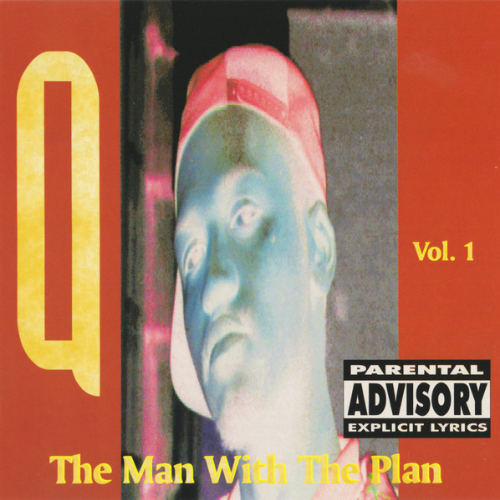
同作は1995年9月15日にFunkStreet Records/Marquis Entertainmentからリリースされた全10曲、約42分のアルバム。Apple Music上でも1995年作品として掲載されている。
アルバムには「Murder In The 1st Degree」「Das How It Is In The Ghetto」「Who Said A Nigga Can’t Flow」といった、ハードなストリート性を感じさせる曲名が並ぶ。
その中で「Summer Time」は、緊張感の強いアルバム後半に置かれた、比較的開放的な一曲である。
アルバム全体のプロデューサーはX-Factor。エンジニアにはDave KellyとX-Factor、マスタリングにはDave Kellyがクレジットされている。また、「Summer Time」にはBuckWheatが共同プロデューサーおよび共同作曲者として記載されている。
このBuckWheatの参加がどの部分に反映されているかは資料だけでは特定できない。
ただし、「Summer Time」がアルバム内でも特にメロウで、コーラスを前面に出した構成になっていることを考えると、楽曲の柔らかな方向性を作るうえで一定の役割を担った可能性はある。
これはクレジットと音源の特徴を踏まえた解釈であり、具体的な制作分担が確認されているわけではない。
第一印象
最初に耳へ入ってくるのは、女性ボーカルによる柔らかなフックだ。
“It’s summertime and we’re just smokin’
Gettin’ blown away”
夏、煙、酩酊感を短い言葉で結びつけたこのコーラスが、曲全体の温度を決定している。
明るく弾けるような夏ではない。
日差しで空気が白く霞み、時間の流れが遅くなった午後。目的もなく車を走らせ、仲間と煙を回しながら、何となく次の場所へ移動していく。
そんな気だるい夏の浮遊感が支配している。
トラックはファンクを基盤としているが、派手な高音シンセや激しいベースラインで押し切らない。音数を抑え、一定のコード感とビートを繰り返すことで、リスナーを同じ空気の中に長く留める。
Qのラップも、トラックを支配しようとするのではなく、その中に自然に溶け込んでいる。
結果として本曲は、サマーアンセムというより、ある夏の日の音声日記に近い印象を残す。
サウンド分析
ドラム
ドラムは約92BPMのミドルテンポで進行する。
キックは硬く尖ったタイプではなく、中低域に丸みを持たせた音色だ。深く沈み込むほど重くはないが、一定の間隔で身体を前へ押し出し、車を低速で流しているような安定感を生み出している。
スネアは乾いており、輪郭がはっきりしている。
大きな残響や派手なクラップを重ねるのではなく、短く切れる音でバックビートを刻む。そのため、トラック全体が過度に華やかにならず、ローカル作品らしい素朴さが保たれている。
ハイハットも細かな技巧を見せるものではない。
一定の刻みを中心に、ラップの流れを邪魔しない程度の変化が入る。ドラムプログラミングの目的は展開を劇的に変えることではなく、Qの長い語りを最後まで安定して運ぶことにある。
特に印象的なのは、ビートが急かさないことだ。
夏の曲でありながらテンションを無理に上げず、暑さの中で身体が自然に遅くなる感覚を、そのままリズムへ置き換えている。
ベース
ベースは「Summer Time」の心地よさを支える中心的な要素である。
音色は太く丸いが、サブベースのように極端な低域まで沈むタイプではない。中低域を中心に存在し、キックの隙間を埋めながら、曲に温かい厚みを加えている。
ベースライン自体は複雑ではなく、コード進行に沿った反復を重視している。
細かな動きで耳を引くのではなく、同じ場所を緩やかに循環することで、車が街区を何度も回っているような感覚を生み出す。
この反復性は、歌詞の内容とも合っている。
Qは何か大きな目的を達成するために動いているのではない。ただ退屈を紛らわせるために電話をかけ、仲間を拾い、飲み、煙を吸い、街を流している。
ベースもまた、目的地へ向かうのではなく、同じ夏の空気の中を回り続ける。
シンセ・メロディ
上物の中心には、柔らかなエレクトリックピアノ系のコードと、薄く配置されたシンセサイザーがある。
コードは明るさだけを強調するものではなく、少し陰りを含んでいる。そのため、曲には夏の解放感と同時に、夕方へ近づく寂しさのようなものが漂う。
高音域には、G-Funkを連想させる滑らかなシンセのニュアンスも感じられる。
ただし、鋭く長く伸びるリードシンセを主役にするのではなく、背景の色彩として控えめに使用されている。音色は西海岸的でも、配置は落ち着いており、Qの語りと女性コーラスを邪魔しない。
曲中には、ギターまたはギター風の短いフレーズにも聞こえる装飾音が入る。
これらの音は前面に出ず、メインループの隙間で一瞬だけ現れる。そのため、トラックは単調になりすぎず、それでいてムードの統一感を失わない。
メロディ・ミックス・グルーヴ
メロディ面で最も強い印象を残すのは、女性ボーカルのコーラスである。
「It’s summertime」という分かりやすい言葉を伸びやかに歌い、「getting blown away」と続ける。歌唱は強く張り上げるものではなく、煙のようにトラックの上へ漂う。
ボーカルには薄い残響が加えられ、Qの乾いたラップよりも奥に配置されている。
この前後関係によって、Qが現実の街角で出来事を語り、女性ボーカルがその背後から夏の気分を包み込む構図が生まれている。
ミックスは現代的な意味で低域と高域を大きく広げたものではない。
中域に音が集まっており、ラップ、スネア、鍵盤、女性ボーカルが比較的近い帯域で重なっている。この密度は、洗練不足というより、90年代半ばのインディペンデント作品らしい一体感につながっている。
グルーヴは完全にレイドバックしている。
Qの声がわずかにビートの後ろへ乗るため、ドラムが一定でも、全体は前のめりにならない。スネアが鳴るたびに身体を強く跳ねさせるというより、座席へ深く沈みながら首を揺らすタイプのビートである。
ラップ/ボーカル分析
Qのラップは、低めでややざらついた声質を持つ。
発声に過度な威圧感はなく、声を張り上げる場面も少ない。まるで隣の座席にいる友人へ、その日に起きたことを順番に話しているような自然さがある。
フロウは基本的に四拍子へ忠実だ。
細かな三連符や急激なスピードアップを多用せず、文章を一定の長さに区切りながら運んでいく。韻そのものを派手に誇示するというより、出来事の連続性を重視したストーリーテリング型のラップである。
第1ヴァースでは、自宅で退屈している状態から物語が始まる。
女性へ電話をかけ、迎えに来てもらい、仲間を集め、Kenwoodのカーオーディオで音楽を鳴らしながらダウンタウンへ向かう。
ここでQは、ひとつひとつの行動を細かく描写する。
「電話を取る」「女性が来る」「仲間を拾う」「5人ほどで車に乗る」「ダウンタウンへ行く」という小さな動作の積み重ねによって、リスナーはQの一日に同行することになる。
第2ヴァースでは、暑さ、テレビ、バスケットボール、煙、仲間との移動が描かれる。
第3ヴァースでは、母親のバーベキュー、壊れたエアコン、自転車、バー、酒、女性との出会いへと場面が移る。
各ヴァースは独立した話ではなく、朝から夜へ向かって進む一日のようにつながっている。
Qの語りにはユーモアもある。
車を所有していてもエアコンが動かないため、暑さを避けるどころか自転車へ乗り換える。金を使い切っていても仲間が煙やガソリンを用意してくれる。派手な成功者ではないが、その不足を仲間や身近な楽しみで補っている。
こうした描写によって、Qは自分を大物として演出するのではなく、少し金がなく、少し酔っていて、それでも夏を楽しんでいる等身大の人物として現れる。
女性ボーカルはQとは対照的だ。
Qが具体的な場所や行動を語るのに対し、コーラスは「夏」「煙」「酩酊」という抽象的な感覚だけを繰り返す。
この役割分担により、ヴァースが現実、フックが気分を担当している。
終盤ではコーラスが何度も反復されるが、その長さは冗長というより、物語が終わったあとも夏の夜だけが続いているような余韻を作っている。
歌詞・テーマ
「Summer Time」の中心テーマは、夏の解放感である。
ただし、その解放は社会的成功や豪華な休暇によって得られるものではない。
Qが求めているのは、銃を持たず、争いを起こさず、仲間と落ち着いて過ごせる一日だ。
第1ヴァース冒頭で、Qは次のような内容を語る。
夏だから、ただ落ち着いていたい。銃も必要ないし、乱暴に振る舞う必要もない。
この導入は重要である。
Qの生活圏には、銃や対立が常に存在している。それでも夏の間だけは、その緊張から距離を置き、女性、酒、煙、音楽、仲間との時間へ意識を向けようとする。
しかし、完全に危険が消えるわけではない。
第2ヴァースでは、Qは争いを探してはいないと語る一方、トラブルが自分を見つけた場合には武器で応じるという姿勢も示す。
つまり本曲に描かれる平穏は、絶対的に安全な郊外の休日ではない。
暴力の可能性を背後に残したまま、その日だけは穏やかに過ごそうとする、条件付きの平和である。
この点が、華やかな西海岸型サマーソングとは異なる。
Qにとって夏は現実から完全に逃れる季節ではない。暑さの中で警戒心を少し緩め、普段より笑うことのできる時間なのである。
退屈から始まる物語
曲の出発点は退屈だ。
Qは一人で家に座り、することがないため女性へ電話をかける。
これは非常に生活感のある設定である。
最初からパーティーが準備されているわけでも、大勢の人間が集まっているわけでもない。何も起きていない状態から、Q自身が電話をかけ、仲間を集め、街へ出ることで一日が動き始める。
夏の楽しさは与えられるものではなく、身近な人間関係を通じて作られる。
仲間との相互扶助
本曲には、金銭的な余裕のなさが何度か登場する。
Qは最後の金を使ってしまい、煙を買う金がない。しかし仲間が“chronic”とガソリンを用意してくれる。
ここには単なるドラッグ描写以上に、仲間内で不足を補い合う関係が描かれている。
Qは高価な車や大量の現金を誇示しない。
彼にあるのはKenwoodのオーディオ、仲間を乗せた車、多少の酒、煙、そして困ったときに支えてくれる友人たちだ。
豪華ではないが、それで十分に夏は成立する。
フリントの日常風景
歌詞には、特定の生活空間を感じさせる描写が多い。
ダウンタウン、テレビで流れるシカゴ・ブルズの試合、母親が作るバーベキュー、エアコンの壊れた車、自転車、近所のバー。
特にシカゴ・ブルズへの言及は、楽曲が作られた1995年前後の空気を強く伝える。
ただし、歌詞中の試合内容や具体的な時期を資料から特定できるわけではないため、実際の特定試合を描いたものとは断定できない。
重要なのは、テレビでバスケットボールを眺める行為が、当時のアメリカ中西部における日常的な夏の光景として組み込まれている点だ。
車と自転車
ヒップホップにおいて車は、しばしば富、自由、男性性の象徴となる。
本曲にもKenwoodのオーディオを鳴らし、仲間と車で街を流す場面が登場する。
しかし第3ヴァースでは、車のエアコンが壊れているため、Qは自転車へ乗り換える。
この瞬間が「Summer Time」の人物像を端的に表している。
車を誇ることはできても、完璧な高級車ではない。実用上の問題が起きれば自転車を使う。その現実的な判断が、曲を親しみやすくしている。
自転車で通りを流し、バーへ向かう場面には、車中心のギャングスタラップとは異なる、小さな町の距離感も感じられる。
酒、煙、女性
酒とマリファナは全編を通じて、夏の時間を緩める装置として描かれる。
コーラスの“getting blown away”も、風に吹かれる感覚と、煙によって酩酊する感覚を重ねた表現として聴くことができる。
女性との関係も、深い恋愛というより、その日の気分と流れの中で生まれる。
最初の女性には車で迎えに来てもらい、最後にはバーで出会った別の女性についていく。
女性はQの物語における目的そのものではなく、夏の一日を構成する要素のひとつとして描かれている。
サンプリング&トラックメイキング
現時点で確認できる公開資料では、「Summer Time」の具体的なサンプリング元は特定できない。
そのため、特定楽曲を元ネタとして断定することは避けたい。
音源からは、ソウル/ファンク系のコード感、柔らかな女性ボーカル、丸いベース、G-Funk的な高音域の装飾が確認できる。
ただし、それらが既存曲から直接サンプリングされたものなのか、演奏または打ち込みによって制作されたものなのかは、音源だけでは確定できない。
確認済みの制作情報としては、アルバム全体のプロデューサーがX-Factorであり、「Summer Time」にはBuckWheatが共同プロデューサー/共同作曲者として記載されている。
トラックメイキングの特徴は、楽曲を大きく展開させないことにある。
ヴァースとコーラスの交替は明確だが、コード、ベース、ドラムの基本的な雰囲気は最後まで維持される。
プロダクションは、聴き手を驚かせるためではなく、Qの一日を途切れずに流すために設計されている。
女性コーラスが戻ってくるたびに、個別の出来事が「夏」という大きな感覚へ回収される。
この単純だが効果的な構成が、本曲の記憶性を高めている。
トリビア
「Summer Time」は『The Man With The Plan』の8曲目で、資料上の収録時間は約4分14秒である。
アルバムは全10曲で、「Summer Time」の後には「That Is Real (Dope-Mix)」「My Conscience (The Funk Anthem)」が続く。ハードな曲名が並ぶ前半に対し、終盤ではファンクやムードを強めていく曲順になっている。
Qの本名はQuamon Kingと記録され、フリント出身のギャングスタラッパーとして紹介されている。
歌詞に登場するKenwoodは、カーオーディオを含む音響機器ブランドとして知られている。ここでは単なるブランド自慢というより、車内で大きな音を鳴らして街を流す場面を具体化する小道具となっている。
曲中の“Chronic”は、90年代ヒップホップで頻繁に用いられた高品質なマリファナを指す俗語として使われている。
制作メモ
確認できる情報
- アーティスト:Q
- 本名表記:Quamon King
- 出身地:Flint, Michigan
- 収録作品:『The Man With The Plan』
- リリース年:1995年
- レーベル:FunkStreet Records/Marquis Entertainment
- アルバム内曲順:8曲目
- 収録時間:約4分14秒
- アルバム・プロデューサー:X-Factor
- 「Summer Time」共同プロデューサー/共同作曲者:BuckWheat
- エンジニア:Dave Kelly、X-Factor
- マスタリング:Dave Kelly
音源から確認できる特徴
- 実測上のテンポは約92BPM
- 女性ボーカルによる反復型コーラス
- 丸みのあるベース
- 乾いたキックとスネア
- エレクトリックピアノ系の柔らかなコード
- 控えめな高音シンセ
- 3ヴァースを軸にしたストーリーテリング構成
- 終盤はコーラスを複数回反復し、長めの余韻を作る
- Qのフロウは低く、平坦で、ややビートの後ろへ乗る
- ミックスは中域中心で、ボーカルと楽器の距離が近い
未確認事項
- 具体的なサンプリング元
- 女性コーラスの歌唱者
- 楽器演奏者
- QとBuckWheatの詳細な制作分担
- レコーディングスタジオ
- 歌詞に登場する具体的な場所の正式名称
以上については信頼できる資料が確認できないため、推測で補わない。
総評
Qの「Summer Time」は、90年代の華やかなサマーアンセムとは異なる。
そこには海岸も、高級ホテルも、豪華なオープンカーも登場しない。
描かれるのは、退屈な自宅、迎えに来る女性、仲間を詰め込んだ車、街のダウンタウン、テレビのバスケットボール、母親のバーベキュー、壊れたエアコン、自転車、近所のバーである。
しかし、その地味さこそが本曲の魅力だ。
Qは夏を理想化しない。
暑さに困り、金を使い切り、仲間に助けられ、車を置いて自転車に乗る。それでも音楽があり、酒があり、煙があり、一緒に過ごす人間がいる。
その小さな充足感を、Qは大げさに語らず、淡々としたフロウで記録していく。
トラックも同様に控えめだ。
約92BPMのビート、丸いベース、柔らかなコード、煙のような女性コーラスが、物語の周囲に暑く重い空気を作る。
音楽的な展開は少ないが、それは欠点ではない。
一日中変わらない夏の暑さのように、同じグルーヴが続くことで、リスナーはQの生活圏へゆっくりと引き込まれる。
「Summer Time」は、季節の喜びを高らかに宣言する曲ではない。
緊張や暴力が消えない街で、それでも今日は銃を置き、仲間と笑い、煙を吸い、ラジオから流れる曲に身体を任せようとする。
そのささやかな平穏を描いた、フリント産ローカル・サマーラップの隠れた良曲である。
エディターズノート
「Summer Time」を聴いて最も印象に残るのは、Qが自分の生活を必要以上に大きく見せないことだ。
車はあるがエアコンは壊れている。遊びたいが金は使い切っている。危険と無縁ではないが、その日はできるだけ争いたくない。
この中途半端さ、不完全さがリアルである。
多くのギャングスタラップでは、ラッパーは貧困から抜け出した勝者、あるいは街を支配する強者として描かれる。しかし本曲のQは、夏の一日を何とか楽しく過ごそうとしている普通の若者に近い。
だからこそ、母親のバーベキューや、自転車で通りを走る場面が強く残る。
1995年という時代、ミシガン州フリントという場所、若者の金銭感覚、仲間同士の距離、街の暑さ。それらが、派手な説明を伴わずに曲の中へ保存されている。
「Summer Time」は、完成度だけで評価する曲ではない。
当時のローカルな生活感を、そのまま封じ込めた音楽として味わうべき作品だ。
Q – Summer Time | A Laid-Back Snapshot of Everyday Summer Life in 1995 Flint
1990s summer rap is filled with songs about blazing sunshine, convertibles, poolside scenes, and glamorous parties.
But the summer portrayed in Q’s “Summer Time” is neither especially luxurious nor cinematic.
A bored young man calls a woman, picks up his friends, cruises through town, and heads downtown. A Chicago Bulls game plays on television. Back home, his mother is making barbecue. Because the air conditioning in his car is broken, he switches to a bicycle, grabs drinks at a bar, and eventually follows a woman he meets there.
What unfolds is not an idealized summer presented by someone flaunting success.
Instead, it is a loose, slightly dangerous, but ultimately enjoyable summer day experienced by a young man in Flint, Michigan.
The track itself, running approximately 4 minutes and 14 seconds, matches that everyday atmosphere with an equally relaxed sound. It moves at around 92 BPM, built around rounded bass, dry drums, soft keyboard textures, and a female vocal repeatedly singing “It’s summertime.”
Q never tries too hard to turn summer into a celebration.
Instead, he simply lets himself drift through the heat, documenting alcohol, smoke, cars, friends, and women with remarkable casualness. That unforced storytelling is exactly what makes “Summer Time” feel like more than just another seasonal rap song.
It becomes a small document of everyday life in Flint in 1995.
Artist Introduction
Q is a rapper from Flint, Michigan, whose real name is documented as Quamon King.
The main release that can be confirmed under his name is the 1995 album The Man With The Plan, issued through FunkStreet Records. Available sources generally place his activity around 1995 as well, suggesting that Q was not an artist with a large, widely distributed discography, but rather a local rapper who left behind a record of Flint’s underground scene during the mid-1990s.
Flint is one of the important cities in the history of Midwestern rap, most famously associated with MC Breed.
Hip-hop from the city frequently connected with West Coast funk aesthetics while retaining a rougher, more confined, street-level atmosphere rooted in everyday local experience. Q’s music reflects that character. On “Summer Time,” he incorporates the laid-back feel associated with West Coast rap, but the scenery remains unmistakably grounded in ordinary Flint life.
Rather than presenting larger-than-life star power, Q sounds approachable—as though someone from the neighborhood simply stepped up to the microphone and began telling his story.
That sense of familiarity is one of his greatest strengths as a rapper.
Background
“Summer Time” appears as track eight on Q’s 1995 album The Man With The Plan.
The album was released on September 15, 1995 through FunkStreet Records / Marquis Entertainment. It contains ten tracks and runs for approximately 42 minutes. Apple Music also lists it as a 1995 release.
The album includes titles such as “Murder In The 1st Degree,” “Das How It Is In The Ghetto,” and “Who Said A Nigga Can’t Flow,” all of which suggest a considerably harder street-oriented tone.
Placed among these songs, “Summer Time” functions as one of the more open and relaxed moments in the latter half of the album.
The album is credited as being produced by X-Factor, with Dave Kelly and X-Factor listed as engineers and Dave Kelly handling mastering. BuckWheat is additionally credited on “Summer Time” as co-producer and co-writer.
The available credits do not specify exactly which elements BuckWheat contributed.
However, considering that “Summer Time” is noticeably more melodic than much of the album and places greater emphasis on its sung hook, it is possible that his involvement helped shape the track’s softer direction.
That remains an interpretation based on the credits and the sound of the recording rather than a confirmed description of the production process.
First Impression
The first element that immediately stands out is the soft female vocal hook.
“It’s summertime and we’re just smokin’
Gettin’ blown away”
With only a few words, the chorus connects summer, smoke, and intoxication, establishing the emotional temperature of the entire track.
This is not a bright, explosive celebration of summer.
Instead, it feels like an afternoon when sunlight turns the air hazy and time begins to move more slowly. You cruise without a particular destination, pass smoke around with friends, and gradually drift from one location to another.
That lazy sense of summer suspension dominates the song.
The production is rooted in funk, but it never relies on flashy high-register synthesizers or an aggressively moving bassline. The arrangement remains relatively sparse, repeating the same harmonic atmosphere and rhythmic foundation in order to keep the listener inside one continuous mood.
Q’s rapping works the same way.
Rather than trying to dominate the beat, he naturally settles into it.
As a result, “Summer Time” feels less like a summer anthem than an audio diary documenting one ordinary day.
Sound Analysis
Drums
The drums move at approximately 92 BPM.
The kick is not particularly sharp or aggressive. Instead, it has a rounded low-mid character. It does not sink into extremely deep sub-bass territory, but its steady repetition gently pushes the track forward, creating the feeling of cruising slowly through the streets.
The snare is dry and clearly defined.
Rather than using large reverbs or heavily layered claps, it strikes with a short, compact sound. This prevents the track from becoming overly polished or glamorous and helps preserve the straightforward character associated with many regional independent rap releases of the period.
The hi-hats are similarly restrained.
There is little emphasis on intricate programming. They mostly maintain a steady pulse with minor variations that never interfere with Q’s storytelling.
The goal of the drum programming is not to generate dramatic changes.
Its purpose is to carry Q’s extended narration steadily from beginning to end.
What is particularly effective is the way the beat never rushes the listener.
Even though this is a summer song, the rhythm does not artificially increase the energy. Instead, it translates the natural sluggishness of moving through oppressive summer heat directly into the groove.
Bass
The bass is one of the central elements responsible for the comfort of “Summer Time.”
Its tone is thick and rounded without reaching the exaggerated depth of modern sub-bass. It lives mainly in the low-midrange, filling the spaces around the kick and giving the track a warm sense of weight.
The bassline itself is relatively simple.
Rather than attracting attention through constant movement, it emphasizes repetition and follows the harmonic cycle.
That repetition creates a sensation similar to driving around the same neighborhood blocks again and again.
This also matches the lyrical content.
Q is not moving toward some major objective. He calls someone because he is bored, picks up friends, drinks, smokes, and cruises through town.
The bass behaves in much the same way.
It does not seem to be heading toward a destination. It simply circles within the same summer atmosphere.
Synths and Melody
The instrumental layers are centered around soft electric-piano-style chords and lightly placed synthesizer textures.
The harmony is not purely cheerful.
There is a slight shadow beneath the chords, allowing a faint sense of melancholy to coexist with the freedom associated with summer. It carries something of the emotional color of late afternoon approaching evening.
Higher in the mix are smooth synthesizer textures that can evoke G-Funk.
However, there is no piercing, sustained lead synth dominating the track. Instead, those sounds function as background color and remain deliberately understated so that they do not interfere with Q’s storytelling or the female chorus.
There are also short decorative sounds that resemble guitar or guitar-like phrases.
These elements never move into the foreground. They briefly appear between spaces in the main loop, preventing the production from becoming completely static while maintaining its overall consistency.
Melody, Mix, and Groove
The strongest melodic element is the female chorus.
She stretches the immediately understandable phrase “It’s summertime” before moving into “getting blown away.” The delivery is not forceful or belted. Instead, it seems to float over the instrumental like smoke.
A light sense of ambience surrounds the vocal, positioning it slightly behind Q’s relatively dry rap voice.
This creates an effective spatial relationship.
Q seems to be standing in the physical reality of the street, describing events as they happen, while the female vocal floats behind him as a representation of summer itself.
The mix is not wide or exaggerated in either the low or high frequencies by contemporary standards.
Much of the music is concentrated in the midrange, where the rap vocal, snare, keyboards, and female chorus occupy relatively close spaces.
Rather than simply sounding underdeveloped, this density contributes to the unified character typical of many mid-1990s independent recordings.
The groove is completely laid-back.
Q’s voice often sits slightly behind the beat, preventing the song from ever feeling rushed even though the drums remain consistent.
This is not a beat designed to make the listener violently bounce with every snare hit.
It is the kind of groove that makes you sink deeper into the seat and slowly nod your head.
Rap / Vocal Analysis
Q has a low, slightly rough vocal tone.
There is little exaggerated aggression in his delivery, and he rarely raises his voice dramatically. Instead, he sounds almost as though he is sitting beside the listener, casually explaining everything that happened during the day.
His flow generally stays close to the four-beat structure.
He does not rely heavily on triplets, rapid switches in speed, or obvious technical displays. Rather than showcasing rhyme schemes for their own sake, he prioritizes continuity and narrative progression.
This makes his performance fundamentally story-driven.
The first verse begins with Q sitting alone at home and feeling bored.
He calls a woman, has her pick him up, gathers his friends, turns up the Kenwood stereo in the car, and heads downtown.
Q describes each action in sequence.
He picks up the phone. She arrives. He gathers his friends. Around five people pile into the car. They head downtown.
Through these small actions, the listener gradually becomes part of Q’s day.
The second verse moves into descriptions of heat, television, basketball, smoke, and traveling around with friends.
The third verse shifts again toward his mother’s barbecue, the broken car air conditioner, a bicycle ride, alcohol, a neighborhood bar, and meeting a woman.
Rather than functioning as three unrelated stories, the verses feel connected, almost like a single day gradually moving from afternoon toward night.
There is also humor in Q’s narration.
He owns a car, but the air conditioning does not work, so rather than cruising comfortably through the summer heat, he eventually switches to a bicycle. He spends his last money but still has friends willing to supply smoke and gasoline.
He is not portraying himself as a wealthy superstar.
Instead, he comes across as an ordinary young man with limited money, a mild buzz, and enough friends around him to keep the day enjoyable.
That everyday quality makes the character especially believable.
The female vocalist provides an effective contrast.
While Q describes specific actions, locations, and events, the chorus reduces everything to broader sensations: summer, smoke, and intoxication.
The verses represent reality.
The hook represents mood.
Toward the end, the chorus repeats several times. Rather than feeling unnecessarily extended, those repetitions create the sensation that even after the story is over, the summer night continues.
Lyrics and Themes
The central theme of “Summer Time” is freedom during the summer months.
However, that freedom does not come from financial success or an expensive vacation.
Q simply wants to put the gun away, avoid conflict, and spend a peaceful day with women, alcohol, smoke, music, and friends.
At the beginning of the first verse, he essentially explains that it is time for him to relax.
He does not need his gun.
He does not need to behave violently.
That opening idea is important.
Weapons and confrontation appear to be familiar parts of Q’s environment. Yet for this particular summer day, he wants to create distance from that tension and focus instead on companionship and pleasure.
The danger never completely disappears.
In the second verse, Q indicates that although he is not actively looking for conflict, he is still prepared to respond with a weapon if trouble finds him.
The peace described in “Summer Time,” therefore, is not the absolute safety of an idyllic suburban vacation.
It is conditional peace.
Violence remains somewhere in the background, but for one day Q is attempting to live calmly despite it.
This distinction separates the track from more glamorous West Coast-style summer songs.
For Q, summer does not completely erase reality.
It simply allows him to lower his guard slightly and smile more often.
A Story That Begins With Boredom
The entire narrative begins with boredom.
Q is sitting alone at home with nothing to do, so he calls a woman.
It is an extremely ordinary starting point.
There is no party waiting for him and no crowd already gathered.
Nothing is happening until Q decides to make something happen himself.
By calling people, gathering friends, and leaving the house, he gradually creates his own summer experience.
The enjoyment of summer is therefore not presented as something automatically available.
It is something built through nearby relationships.
Mutual Support Among Friends
The song repeatedly hints at limited finances.
Q spends his last money and no longer has enough to buy smoke. His friends, however, can provide the “chronic” and gasoline.
This reveals something beyond simple drug references.
There is an informal system of support within the group, where one person’s shortage can be covered by someone else.
Q does not boast about luxury cars or piles of money.
What he has is a Kenwood stereo, a car packed with friends, some alcohol, some smoke, and people willing to help when necessary.
It is not luxurious.
But it is enough to create a summer.
Everyday Flint Scenery
The lyrics contain many small details that establish a specific social environment.
Downtown streets. A Chicago Bulls game on television. His mother making barbecue. A car with broken air conditioning. A bicycle. A neighborhood bar.
The Chicago Bulls reference in particular strongly evokes the atmosphere of the mid-1990s.
However, there is not enough available information to identify a particular game or establish exactly when the lyrical event supposedly occurred.
The more important point is that watching basketball on television functions as an ordinary part of Midwestern life within the song.
Cars and Bicycles
Cars frequently symbolize wealth, freedom, and masculinity in hip-hop.
“Summer Time” certainly contains familiar cruising imagery, including Q playing music through his Kenwood system while traveling through town with friends.
But during the third verse, the car’s air conditioner is broken, so Q switches to a bicycle.
That moment perfectly summarizes the character at the center of the song.
He can enjoy having a car, but it is not some flawless luxury vehicle.
When practical problems arise, he simply uses a bicycle instead.
That straightforward decision makes the song far more relatable.
The image of Q riding through the streets on a bicycle and heading toward a bar also creates a smaller, more neighborhood-oriented sense of distance than the automobile-centered imagery typically associated with gangsta rap.
Alcohol, Smoke, and Women
Alcohol and marijuana function throughout the song as devices that slow time down.
The phrase “getting blown away” in the chorus can be heard as playing with both the sensation of being carried by the summer breeze and the intoxication caused by smoking.
The women in the narrative are similarly part of the day’s flow rather than the subjects of a serious romantic relationship.
The first woman picks Q up from home.
Later, he follows another woman he meets at a bar.
Women are not necessarily the ultimate purpose of the story. They are among the many elements—alongside music, friends, alcohol, smoke, cars, and heat—that construct Q’s summer experience.
Sampling & Track Production
At present, no reliable public source clearly identifies a specific sample used in “Summer Time.”
For that reason, it would be inappropriate to claim a particular song as its source material.
The recording clearly contains soul- and funk-oriented harmony, soft female vocals, rounded bass, and high-register textures that recall elements of G-Funk.
However, the recording alone cannot determine whether these elements were directly sampled from an existing record or created through live playing and programmed instrumentation.
The confirmed production information is that X-Factor is credited as producer on the album, while BuckWheat is listed specifically on “Summer Time” as co-producer and co-writer.
One defining feature of the production is its refusal to dramatically develop.
The transitions between verses and hooks are clear, but the fundamental atmosphere created by the chords, bass, and drums remains consistent from beginning to end.
The track is not designed to surprise the listener.
It is designed to allow Q’s day to unfold without interruption.
Each return of the female chorus pulls the individual events of the verses back into the broader emotional category of “summer.”
That simple but effective structure gives the song much of its memorability.
Trivia
“Summer Time” is the eighth track on The Man With The Plan and has a listed running time of approximately 4 minutes and 14 seconds.
The album contains ten songs in total. “Summer Time” is followed by “That Is Real (Dope-Mix)” and “My Conscience (The Funk Anthem).” While the earlier portion of the album includes several titles suggesting harder street material, the closing stretch increasingly emphasizes funk and atmosphere.
Q’s real name is documented as Quamon King, and he has been described as a gangsta rapper from Flint, Michigan.
Kenwood, referenced in the lyrics, is well known as a manufacturer of audio equipment, including car audio systems. In the song, the brand functions less as an extravagant status symbol than as a specific detail that helps visualize Q cruising through town with music playing loudly inside the car.
“Chronic” is used as slang for high-quality marijuana, a term that became especially common throughout 1990s hip-hop culture.
Production Notes
Confirmed Information
Artist: Q
Documented real name: Quamon King
Hometown: Flint, Michigan
Album: The Man With The Plan
Release year: 1995
Label: FunkStreet Records / Marquis Entertainment
Album track number: 8
Running time: approximately 4:14
Album producer: X-Factor
“Summer Time” co-producer / co-writer: BuckWheat
Engineers: Dave Kelly, X-Factor
Mastering: Dave Kelly
Characteristics Audible in the Recording
Measured tempo: approximately 92 BPM
Repetitive female-sung chorus
Rounded bass tone
Dry kick and snare
Soft electric-piano-style chords
Understated high-register synthesizer textures
Storytelling structure centered on three verses
Repeated chorus section toward the end, creating an extended outro
Q uses a low, relatively flat delivery that often sits slightly behind the beat
The mix is midrange-focused, with relatively little distance between the vocals and instrumentation
Unconfirmed Information
Specific sample sources
Identity of the female vocalist
Instrumental performers
Exact division of production work between Q and BuckWheat
Recording studio
Official names of the specific locations referenced in the lyrics
No reliable documentation has been confirmed for the points above, so they should not be filled in through speculation.
Overall Review
Q’s “Summer Time” is very different from the more glamorous summer anthems of the 1990s.
There are no beaches.
No luxury hotels.
No expensive convertibles.
Instead, the song gives us a boring afternoon at home, a woman arriving to pick him up, a car packed with friends, downtown streets, basketball on television, his mother’s barbecue, broken air conditioning, a bicycle, and a neighborhood bar.
That ordinariness is exactly what makes the song special.
Q never idealizes summer.
He struggles with the heat. He runs out of money. He relies on friends. He leaves the car behind and rides a bicycle.
And yet he still has music.
He still has alcohol, smoke, and people to spend time with.
Q records that modest sense of satisfaction without exaggeration, using a calm flow that allows the details to speak for themselves.
The production follows the same philosophy.
A beat around 92 BPM, rounded bass, soft chords, and a female chorus that drifts like smoke create a heavy summer atmosphere around the narrative.
There is relatively little musical development, but that is not necessarily a weakness.
Like summer heat that remains unchanged throughout the day, the groove continues almost endlessly, gradually pulling the listener deeper into Q’s environment.
“Summer Time” is not a song that loudly announces the joy of the season.
Instead, it portrays a city where tension and violence never completely disappear, yet where someone can still choose, for one day, to put the gun aside, laugh with friends, smoke, drink, and let the music carry him.
It is an overlooked piece of local summer rap from Flint, built around the simple value of temporary peace.
Editor’s Note
What stands out most about “Summer Time” is Q’s refusal to exaggerate his own life.
He has a car, but the air conditioning is broken.
He wants to enjoy himself, but he has already spent his money.
He is not disconnected from danger, but for this particular day, he would rather avoid conflict.
That sense of imperfection feels real.
In many gangsta rap narratives, the rapper is presented either as someone who has escaped poverty and become successful or as a dominant figure controlling the streets.
The Q heard on “Summer Time” feels much closer to an ordinary young man simply trying to make a summer day enjoyable.
That is why details such as his mother’s barbecue and riding a bicycle through the neighborhood remain so memorable.
The year 1995.
Flint, Michigan.
The financial limitations of a young man.
The closeness of his friendships.
The oppressive summer heat.
All of these details are preserved inside the song without requiring elaborate explanation.
“Summer Time” is not a record that should be judged only by conventional ideas of technical perfection.
It is better understood as music that preserves the texture of a specific local life at a specific moment in time.

コメント