NML Hustlazの「So Hard in My City」は、貧困、暴力、金銭欲、家族の不在、服役経験といったインナーシティの現実を、温かくメロウなソウル・トラックの上で語る一曲だ。
約89BPMのゆったりしたビート、丸みのあるベース、淡く広がる鍵盤、そして複数の歌声を重ねた印象的なフック。耳当たりだけを取れば穏やかだが、そこで歌われるのは「この街で生き残ること」の難しさである。
華やかな成功を誇示するWest Coast Rapとは異なり、本作が描くのは成功へ到達する前の段階だ。
金を稼がなければならない。周囲の暴力から身を守らなければならない。家族を養い、自分の評判を守り、もう一度刑務所へ戻らないようにしなければならない。
「So Hard in My City」は、それらすべてを同時に背負う若者たちの疲労と執念を、ソウルフルなコーラスによって街全体の歌へと変えている。
アーティスト紹介
NML Hustlazについて確認できる公開情報は非常に少なく、メンバー構成、結成年、個々の経歴などは明らかになっていない。
確認できる範囲では、「So Hard in My City」は1997年のコンピレーション『Homegrown: First Inner City Harvest』に収録された楽曲で、同作の6曲目に配置されている。
同コンピレーションは、World Class Wreckin’ Cruの創設者としても知られるLonzo Williamsに関連する作品として流通している。現存する販売資料では、1997年発売、All Access Records名義、プロデューサーはLonzo Williamsと記載されている。
映像投稿の説明では、本作はカリフォルニア州Inglewoodの作品として紹介されている。ただし、これは公式ブックレットの記載を直接確認したものではないため、NML Hustlazの正確な活動地域については断定を避けたい。
少なくとも音楽的には、NML Hustlazは1990年代後半のLos Angeles周辺で発展していた、ローカルなWest Coast Hip-Hopの文脈に置くことができる。
作品背景
『Homegrown: First Inner City Harvest』は、一組の有名アーティストを中心にしたアルバムではなく、複数のローカル・ラッパーやグループを紹介するコンピレーションである。
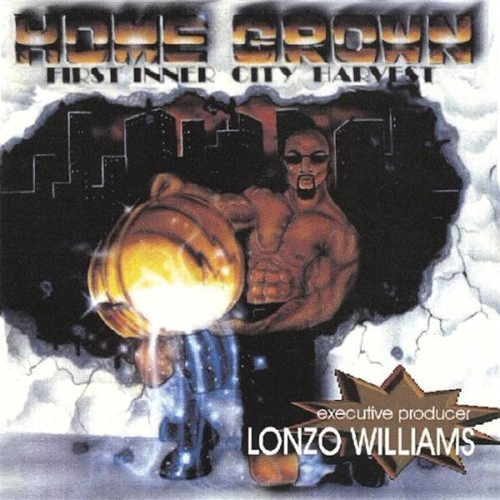
NML Hustlazのほか、Ya Highness、Dynastee、Focus、1 Can、Kimmie G、2 Phouls、Phaat Ratなどが参加しており、「So Hard in My City」はその中盤に収録されている。
1997年という時期は、Dr. DreやSnoop Doggy Doggに代表される初期G-Funkの商業的ピークが一段落した後にあたる。
しかし、G-Funk的な低音、ソウル・サンプリング、歌われるフック、レイドバックしたラップは、メジャー市場から消えたわけではなかった。むしろLos Angeles、Inglewood、Compton、Long Beachなどのローカルシーンへ深く定着し、より小規模で、より生活に密着した作品へと姿を変えていった。
「So Hard in My City」も、その流れに位置する。
この曲には、大規模なスタジオ作品のような派手な展開や磨き込まれた音圧はない。その代わりに、街角で聞いた証言をそのまま曲へ封じ込めたような生々しさがある。
第一印象
最初に耳へ入ってくるのは、緊張感ではなく温かさだ。
柔らかいコード、丸いベース、一定のテンポを保つドラム、そして次のように歌われるフック。
“It’s so hard in my city
To make it, baby
I’m going crazy”
「この街では成功することが本当に難しい。気が狂いそうだ」
歌詞だけを見れば重い。しかし、メロディは滑らかで親しみやすく、男性コーラスと高めの声が重なることで、ゴスペルや70年代ソウルに近い共同体的な響きが生まれている。
このコントラストが曲の中心だ。
サウンドは聴き手を優しく迎え入れるが、ラップが始まると、貧困、銃撃、ドラッグ、家庭内の問題、刑務所、警察といった言葉が次々に現れる。
そのため本作は、単なるメロウ曲ではない。
聴きやすいソウルの形を借りて、過酷な都市生活を語るストリート・ブルースである。
サウンド分析
ドラム
音源を解析したところ、テンポは約89BPM前後。
90年代West Coast Rapとしては標準的なミッドテンポであり、首を自然に振れる程度の落ち着いた速度で進んでいく。
キックは極端に重くなく、低域を短く押し出すタイプだ。現代的なサブベース主体のビートと比べると、アタックは控えめで、ベースや鍵盤の温度を損なわないように配置されている。
スネアは乾いた質感を持ち、2拍目と4拍目を明確に打つ。派手なリバーブはほとんどなく、少し奥まった位置から曲の骨格を支えている。
ハイハットも細かな刻みで緊張感を作るのではなく、一定の間隔でグルーヴを維持することに徹している。
ドラム全体の役割は、攻撃性を高めることではない。
複数のMCが長いヴァースを乗せても曲が重くなりすぎないように、一定の歩幅を保つことである。
ベース
ベースはこの曲の温かさを決定づける重要な要素だ。
低域は深いが、輪郭を強く立てる音ではない。少し膨らんだ中低域がキックの後ろを支え、ゆっくりと曲全体を前へ運んでいる。
音程の動きは比較的シンプルで、派手なベースラインによって自己主張する場面は少ない。
その代わり、コード進行の陰影を補強し、ラップと歌の間を滑らかにつないでいる。
低音が過剰に硬くないため、銃撃や刑務所について語るヴァースであっても、曲全体が威圧的にならない。
この抑えられたベースの質感が、「So Hard in My City」をギャングスタ・ラップであると同時に、ソウル・ラップとして成立させている。
シンセ・メロディ
上物の中心は、淡いエレクトリックピアノ、オルガン、あるいはソウル系の鍵盤を思わせる和音である。
音の立ち上がりは柔らかく、コードが鳴ったあとに余韻が長く残る。高域には細かな装飾音があるが、典型的なG-Funkの鋭いホイッスル・シンセが前面に出ることはない。
むしろ本作は、1970年代ソウルのコード感を90年代のドラムへ移植したタイプに近い。
メロディそのものが悲しいというより、明るさの中に諦めや疲労が混ざっている。
希望を完全に失ってはいないが、簡単に救われるとも信じていない。
この曖昧な感情が、歌詞の内容とよく合っている。
ミックス・グルーヴ
ミックスは現代の楽曲ほど各音を明確に分離していない。
ラップ、コーラス、鍵盤、ベースが中域で少し重なり、全体が一つの塊として鳴っている。
特にフックでは、主旋律、低い男性声、応答する高い声が重なり、声の境界が曖昧になる。この密度が、個人の悩みを集団の嘆きへと変えている。
一方、ヴァースではコーラスが引き、ラップが中央へ出てくる。声には極端なコンプレッションがなく、語尾の強弱や呼吸が比較的そのまま残されている。
グルーヴは終始一定だ。
ビートの大きな切り替え、ブレイク、転調などはほぼなく、フックとヴァースの反復で構成されている。
この変化の少なさは弱点ではない。
同じ街、同じ問題、同じ一日が繰り返される生活を、音楽構造そのものが再現している。
ラップ/ボーカル分析
曲には少なくとも3人の異なるラップ・ヴォイスが確認できる。
第1ヴァース
最初のMCは、中低音の声で、比較的ゆったりとビートへ乗る。
フロウは小節の頭に言葉を置き、語尾を少し後ろへ流すWest Coastらしいスタイル。過度に技巧的ではなく、言葉の内容を明確に伝えることを優先している。
彼が語るのは、ブロックで金を作る難しさだ。
ドラッグの売買、金銭への誘惑、夢を実現するための計画、ベイビーママとの対立、仲間との飲酒、そして銃撃による犠牲者が描かれる。
特に重要なのは、彼が単に違法なハスリングを肯定しているわけではない点だ。
金を稼ぐことは必要だが、その生活によって精神的な自由を失っている。だからこそ、最後には神へ向かって祈る。
“Lord, please / I’m on my knees”
自信に満ちたラッパー像から一転し、神へ救いを求めるこの着地によって、ヴァースに人間的な弱さが生まれている。
第2ヴァース
2人目は、より低く太い声を持ち、言葉を前へ押し出す。
最初のMCよりも硬質で、各ラインの終わりを強く切るため、曲に緊張感が加わる。
内容は「現実」と「学習されたハスリング」に集中している。
彼は金を稼ぐ方法を、叔父や母親の生活を見ながら身につけたと語る。週末の酒、家庭内の混乱、銃撃、金銭目的の人間関係、望まない妊娠、街の裏切りが、一続きの環境として提示される。
ここでのハスリングは、生まれつきの悪意ではない。
周囲の大人たちを観察し、街のルールへ適応した結果として身についた生存技術である。
また、彼はラップが自分を解放する可能性についても触れている。
ただし成功への道には数字、金、契約がつきまとい、悪魔が自分の破滅を待っていると語る。
音楽が救いであると同時に、新たな誘惑にもなり得るという複雑な視点だ。
第3ヴァース
3人目のMCは、前の2人よりも声が高く、リズムの区切りが明確だ。
フロウはやや直線的で、言葉を一拍ずつ打ち込むように進む。そのため、個人的な経歴が非常に聞き取りやすい。
彼は、自分の街では誰もがギャングに関わるか、ドラッグを売るか、薬物へ溺れていると語る。
その中で自分はギャングに所属していないが、周囲から向けられるサインや挑発を無視することが難しい。評判を守るためには、時に武器を抜かなければならないとも語る。
さらに、父親不在の家庭で母親に育てられたこと、犯罪に手を染めたこと、刑務所で服役したこと、社会への借りを返して再び街へ戻ったことが明かされる。
このヴァースで特に重要なのは、過去の犯罪を英雄化するのではなく、「今度はラップで正しい方法を選ぶ」と方向転換している点だ。
CadillacからBenzへ乗り換えたいという物質的な夢は残っている。しかし、そのための手段は犯罪ではなく、音楽へ変化している。
フックのボーカル
フックは本作最大の魅力である。
中心となる男性ボーカルは、声を張り上げるのではなく、疲れを含んだ柔らかいトーンで歌う。
その後ろから別の声が、
“In my city”
“To make it, baby”
“I’m going crazy”
と応答する。
このコール&レスポンスは、ゴスペルや教会音楽の形式を思わせる。
一人が苦しみを告白し、周囲が同じ言葉を繰り返すことで、「個人だけの問題ではない」と示している。
冒頭でも、
“This goes out to my people in the ghetto
’Cause we all going through the same struggle”
と語られる。
つまり、この曲は最初から個人の自伝ではなく、ゲットーに暮らす人々へ向けた共有の歌として設計されている。
フックが繰り返されるたびに、それぞれ異なるMCの物語が同じ結論へ戻ってくる。
生い立ちも犯罪歴も家庭環境も違うが、この街で成功するのは全員にとって難しい。
その事実を最も端的に表しているのがフックである。
歌詞・テーマ
街で「成功する」ことの難しさ
タイトルの“So Hard in My City”は、単に治安が悪いという意味ではない。
この曲における“make it”は、生き残ること、金を稼ぐこと、家族を養うこと、刑務所へ戻らないこと、音楽で成功することのすべてを含んでいる。
登場人物たちは、ただ明日まで生き延びたいだけではない。
CadillacやBenzに乗り、十分な金を稼ぎ、より良い生活を手に入れたいと願っている。
だが、そこへ到達するための合法的な経路が見えにくい。
だからドラッグ、強盗、ギャング、ラップといった複数の選択肢が同じ地平で語られる。
金銭への執着
曲中では、dollar、green、G’s、cash、digits、richesといった金銭に関する言葉が繰り返される。
しかし、その金は贅沢のためだけに必要なのではない。
貧困から抜け出し、自分の人生を支配し、周囲から軽視されないために必要とされている。
問題は、金を求める行為そのものが、新たな暴力や犯罪を生み出す点だ。
金が自由を与えるはずなのに、金を得るための行動が彼らを街のルールへ縛りつけている。
暴力と評判
ギャングに所属していなくても、敵意やギャングサインを向けられる。
無視すれば弱いと思われ、反応すれば暴力に巻き込まれる。
この逃げ場のない構造が、第3ヴァースで具体的に描かれている。
ここで守ろうとしているのは命だけではない。
“rep”、つまり街における評判である。
評判を失えば、さらなる攻撃を受ける可能性が高まる。したがって暴力は、単なる怒りではなく、防衛行動として正当化されてしまう。
曲はその論理を美化せず、「だが、それでも難しい」と繰り返す。
家族と父親不在
ベイビーママとの対立、母親から学んだハスリング、父親不在の家庭など、家族は曲の重要なテーマになっている。
街の問題は路上だけに存在するわけではない。
家庭内の不安定さ、経済的な困窮、世代間で受け継がれる生活習慣が、若者の選択肢を狭めている。
特に「父親はいなかったが、母親に育てられた」という告白は、誇りと欠落感の両方を含んでいる。
彼は父親不在を言い訳にはしない。
しかし、それが人生へ影響を与えなかったとも語らない。
宗教と罪悪感
曲中では神、悪魔、祈りが繰り返し登場する。
犯罪やドラッグに関与しながらも、彼らは善悪の感覚を失っていない。
むしろ、自分たちが罪を犯していることを自覚しているからこそ、神へ救いを求める。
この宗教的な感覚が、曲を単純なギャングスタ・ラップから引き離している。
彼らは自分を完全な被害者とも、完全な悪人とも描かない。
環境に追い込まれ、間違った選択をし、それでも何とか正しい方向へ戻ろうとする不完全な人間として描いている。
サンプリング&トラックメイキング
本作については、Marvin Gayeの「Mercy Mercy Me(The Ecology)」との関連を指摘する楽曲データベースが存在する。
実際に音源を聴くと、柔らかなコード感、ソウルフルな余韻、社会的な苦悩を包み込むような音像には、Marvin Gaye作品と共通する感触がある。
ただし、今回確認できた公開資料だけでは、原盤クレジット、正式なサンプル表記、使用箇所、補間なのか直接サンプリングなのかまでは確定できない。
したがって、記事上では次のように整理するのが適切だ。
確認できる情報
- 「So Hard in My City」は1997年の『Homegrown: First Inner City Harvest』収録曲。
- 公開データベース上ではMarvin Gaye「Mercy Mercy Me」との関連が記載されている。
- コンピレーションの販売資料では、Lonzo Williamsがプロデューサーとして記載されている。
聴感上の分析
- トラックは70年代ソウル的な鍵盤とコーラスを中心にしている。
- 硬質なG-Funkシンセよりも、温かいコードと歌の反復を重視している。
- サウンドの穏やかさと、歌詞の社会的な重さを意図的に対比させている。
- 同じループを長く維持することで、日常から抜け出せない感覚を生んでいる。
仮に「Mercy Mercy Me」が意識的に選ばれているのであれば、その意味は大きい。
Marvin Gayeの原曲は、環境汚染や社会の異常を嘆く作品である。
NML Hustlazはその憂いを、1990年代のインナーシティへ置き換えたと解釈できる。
自然環境の崩壊から、都市コミュニティの崩壊へ。
主題は異なっても、「自分たちを取り巻く世界が壊れている」という感覚は共通している。
トリビア
「So Hard in My City」は、NML Hustlaz名義で現在もストリーミング上に残されている一方、アーティスト情報はほとんど掲載されていない。
曲は約4分21秒で、フックを長く反復しながら終了する。
このアウトロでは新しい言葉が追加されず、“It’s so hard in my city”という結論だけが繰り返される。
物語が解決して終わるのではなく、問題が残ったままフェードしていく構成である。
また、3つのヴァースでは視点が少しずつ変化している。
1人目は金銭と日々のハスリング、2人目は家庭環境と街から学んだ行動、3人目は父親不在、服役、社会復帰について語る。
そのため本作は、単なるマイクリレーではない。
複数の人生を並べることで、街の問題を立体的に描いた構成になっている。
制作メモ
確定情報
- アーティスト表記:NML Hustlaz
- 曲名:「So Hard in My City」
- 収録作品:『Homegrown: First Inner City Harvest』
- リリース年:1997年
- 収録順:6曲目
- レーベル表記:All Access Records
- コンピレーションのプロデューサー表記:Lonzo Williams
音源から確認できる情報
- 曲尺:約4分21秒
- テンポ:約89BPM前後
- 3人以上のラップ・ヴォイス
- 男性ボーカルを中心とした多重コーラス
- フックとヴァースを交互に配置する構成
- ソウル系の鍵盤、丸いベース、乾いたスネアが中心
- 大幅なビートチェンジや転調はない
- 最後はフックを繰り返しながら終わる
未確認情報
- NML Hustlazの正式なメンバー名
- 各ヴァースを担当するMCの個人名
- フックを歌うボーカリスト
- 楽曲単体のプロデューサーおよび演奏者
- Marvin Gaye音源の正式なサンプル・クレジット
- 録音スタジオ、エンジニア、制作日
総評
NML Hustlazの「So Hard in My City」は、派手なシンセや攻撃的なドラムで聴かせるG-Funkではない。
この曲の中心にあるのは、ソウルフルなコード、疲れを含んだ歌声、そして街から抜け出そうとする3人の証言である。
ラッパーたちは、金を求め、危険を避け、評判を守り、家族の問題に耐え、神へ祈りながら生きている。
彼らは街の犠牲者であると同時に、街のルールへ加担する当事者でもある。
その矛盾を隠さず、成功への欲望と罪悪感を同じ曲の中へ置いている点が、本作の最大の強さだ。
フックは非常にシンプルである。
「この街で成功することは難しい」
しかし3つのヴァースを聴いた後では、その一文の意味が変わる。
それは漠然とした愚痴ではない。
貧困、犯罪、父親不在、服役、ドラッグ、銃、家庭内の混乱、音楽への希望をすべて背負った言葉である。
温かい音なのに、聴き終えた後には重さが残る。
「So Hard in My City」は、90年代後半のローカルWest Coast Rapが持っていた、メロウさと現実感の両方を凝縮した一曲だ。
エディターズノート
「So Hard in My City」の魅力は、過酷な現実を必要以上にドラマチックに演出していないところにある。
銃声の効果音や激しいビートで恐怖を煽るのではなく、穏やかなソウルのループを鳴らし続ける。
だからこそ、歌詞が一時的な事件ではなく、日常として聞こえる。
街では誰かが金を追い、誰かが刑務所から戻り、誰かが家族を養おうとし、誰かが神へ祈っている。
それでも翌日になれば、同じフックが再び始まる。
この反復にあるのは絶望だけではない。
「make it」と歌い続ける以上、彼らは成功の可能性を完全には捨てていない。
苦しさを認めながら、それでも生き残ろうとする。
その小さな希望こそが、この曲をただ暗いだけのストリート・ソングではなく、静かなサバイバル・アンセムにしている。
NML Hustlaz – “So Hard in My City” | A Soulful Street Survival Anthem About Poverty, Violence, and the Struggle to Make It
NML Hustlaz’s “So Hard in My City” is a song about the realities of inner-city life—poverty, violence, the pursuit of money, absent fathers, family problems, and time spent in prison—delivered over a warm, mellow soul-based track.
Built around a relaxed beat of roughly 89 BPM, rounded bass, softly spreading keyboards, and a memorable hook layered with multiple voices, the record sounds gentle on the surface. Yet what it describes is the difficulty of simply surviving—and eventually succeeding—in the city.
Unlike the side of West Coast Rap that celebrates wealth after success has already been achieved, this song focuses on what happens before anyone reaches that point.
You have to make money.
You have to protect yourself from the violence around you.
You have to provide for your family, defend your reputation, and avoid going back to prison.
“So Hard in My City” carries all of those pressures at once, turning the exhaustion and determination of young people living under them into something larger through its soulful chorus—a song that feels as though it belongs to the entire neighborhood.
Artist Introduction
Very little publicly verifiable information is available about NML Hustlaz. The group’s official lineup, formation date, and the individual backgrounds of its members remain unclear.
What can be confirmed is that “So Hard in My City” appeared on the 1997 compilation Homegrown: First Inner City Harvest, where it is listed as the sixth track.
The compilation has circulated in connection with Lonzo Williams, best known as the founder of World Class Wreckin’ Cru. Surviving sales listings identify the release as a 1997 All Access Records project and credit Lonzo Williams as producer.
Descriptions attached to video uploads have also associated the track with Inglewood, California. However, because this has not been directly verified against an original booklet or official artist biography, it is safer not to state NML Hustlaz’s exact hometown as definitive fact.
Musically, at least, NML Hustlaz can be placed within the local West Coast Hip-Hop culture developing around the greater Los Angeles area during the late 1990s.
Background
Homegrown: First Inner City Harvest was not an album built around one nationally established artist. Instead, it functioned as a compilation introducing a range of local rappers and groups.
Alongside NML Hustlaz, the project included names such as Ya Highness, Dynastee, Focus, 1 Can, Kimmie G, 2 Phouls, and Phaat Rat, with “So Hard in My City” appearing around the middle of the tracklist.
The year 1997 came after the first commercial peak of G-Funk associated with artists such as Dr. Dre and Snoop Doggy Dogg.
That did not mean that G-Funk basslines, soul-derived production, sung hooks, and laid-back rap performances had disappeared from the West Coast. Instead, those sounds had become deeply embedded within smaller local scenes in places such as Los Angeles, Inglewood, Compton, and Long Beach.
On a local level, the style often became less glossy and more closely connected to everyday life.
“So Hard in My City” belongs to that environment.
It lacks the dramatic arrangements and highly polished loudness of a major-label studio production. In their place is something rawer: a feeling that neighborhood testimony has been captured directly and placed onto tape.
First Impression
The first thing the listener encounters is not tension, but warmth.
Soft chords, rounded bass, steady drums, and a hook built around the words:
“It’s so hard in my city
To make it, baby
I’m going crazy”
The message is heavy: making it in this city is so difficult that it feels mentally overwhelming.
Yet the melody itself is smooth and inviting. Male harmonies are layered with a higher responding voice, creating a communal quality reminiscent of gospel and 1970s soul.
That contrast is the heart of the record.
The production welcomes the listener gently, but once the verses begin, the lyrics introduce poverty, shootings, drugs, family instability, prison, and police pressure.
Because of that, “So Hard in My City” is not simply a mellow rap song.
It is closer to street blues delivered through the language of soul music.
Sound Analysis
Drums
Analysis of the recording places the tempo at roughly 89 BPM.
That is a comfortable mid-tempo pace for 1990s West Coast Rap: slow enough to feel relaxed, but still strong enough to create a natural head-nodding groove.
The kick is not excessively heavy. Rather than dominating the sub-bass range like a modern beat, it provides a short low-end push without disturbing the warmth of the bass and keyboards.
The snare has a relatively dry texture, clearly marking the second and fourth beats. There is little obvious large-room reverb, and it sits slightly behind the vocal rather than aggressively cutting through the mix.
The hi-hats also avoid busy rhythmic programming. Instead of creating tension with rapid subdivisions, they mainly preserve the track’s steady pulse.
The drums are not designed to increase aggression.
Their purpose is to maintain a consistent walking pace beneath several long rap verses without allowing the song to become overly heavy.
Bass
The bass is one of the most important elements in creating the track’s warmth.
The low end is deep, but not sharply defined. A slightly swollen lower-midrange tone sits behind the kick and slowly pushes the entire track forward.
Its melodic movement is relatively simple, with few moments where the bassline attempts to become the center of attention.
Instead, it reinforces the emotional shading of the chord progression and provides a smooth bridge between the rapped verses and the sung chorus.
Because the bass is not excessively hard or mechanical, even verses discussing shootings and prison never become completely intimidating.
That restrained low-end character is one of the reasons “So Hard in My City” works both as gangsta rap and as a form of soul rap.
Synths and Melody
The musical layer above the rhythm section is built around chords resembling soft electric piano, organ, or other soul-oriented keyboard sounds.
The attacks are gentle, and the notes continue to breathe after each chord is played. Small decorative elements can be heard in the upper register, but the track never relies heavily on the piercing whistle-style lead synth commonly associated with stereotypical G-Funk.
Instead, the production feels closer to 1970s soul harmony transplanted onto a 1990s hip-hop rhythm section.
The melody is not simply sad.
There is brightness in it, but that brightness is mixed with resignation and exhaustion.
The musicians do not sound completely hopeless, yet neither does the track suggest that salvation will come easily.
That emotional ambiguity fits the lyrics extremely well.
Mix and Groove
The mix is less separated than a modern production.
Rap vocals, backing vocals, keyboards, and bass overlap slightly in the midrange, causing the record to function more like a single body of sound than a collection of individually isolated elements.
This becomes especially noticeable during the hook.
The lead melody, lower male harmonies, and higher response vocals overlap until the boundaries between individual singers become less distinct.
That density helps transform an individual complaint into a collective lament.
During the verses, the backing vocals recede and the rappers move to the center. The vocals do not sound excessively compressed, allowing some of the natural changes in volume, breath, and sentence endings to remain audible.
The groove stays remarkably consistent throughout the entire track.
There are no major beat switches, dramatic breaks, or obvious key changes. The arrangement largely depends on repeated alternation between verses and hook.
That limited variation is not necessarily a weakness.
In fact, the musical structure mirrors the subject matter: the same neighborhood, the same problems, and the same daily pressures repeating themselves again and again.
Rap / Vocal Analysis
At least three distinct rap voices can be heard on the track.
First Verse
The first MC has a medium-to-low voice and approaches the beat at a relatively relaxed pace.
His flow often places phrases near the beginning of the bar before allowing the ends of lines to fall slightly behind the beat, creating a distinctly West Coast sense of looseness.
Rather than prioritizing technical complexity, he focuses on making the content understandable.
His verse centers on the difficulty of making money on the block.
Drug dealing, temptation, plans for achieving personal goals, conflict with a baby mother, drinking with friends, and victims of gun violence all appear within the same environment.
One of the most important aspects of the verse is that hustling is not presented as an uncomplicated source of pride.
Money is necessary, but the lifestyle required to obtain it has also taken away a sense of mental freedom.
That is why the verse eventually turns toward prayer:
“Lord, please / I’m on my knees”
The image of a self-assured street rapper suddenly asking God for help introduces vulnerability.
He may be involved in the street economy, but he does not pretend to be emotionally untouched by it.
Second Verse
The second rapper has a deeper, heavier voice and pushes his words forward with more force.
Compared with the first MC, he cuts the endings of his lines more sharply, increasing the tension without changing the beat itself.
His verse concentrates on reality and learned hustling.
He explains that he learned how to make money by observing the lives of family members, including his uncle and mother.
Weekend drinking, instability within the household, shootings, financially motivated relationships, unwanted pregnancy, and betrayal in the streets are presented as parts of the same larger environment.
Hustling, in this context, is not described as something produced by innate evil.
It is a survival skill learned by watching adults and adapting to the rules already operating around him.
The rapper also touches on the possibility that music could become a path toward freedom.
But even the music business is surrounded by numbers, money, contracts, and temptation. He imagines the devil waiting for his downfall.
Rap therefore becomes both a possible escape and another place where corruption might appear.
That contradiction gives the verse considerable depth.
Third Verse
The third MC has a somewhat higher voice than the previous two, with clearer rhythmic separation between phrases.
His flow is more direct, almost placing each statement firmly into the beat.
That makes the autobiographical details especially easy to follow.
He describes his city as a place where seemingly everyone is either connected to gangs, selling drugs, or becoming consumed by drugs themselves.
He says he is not personally affiliated with a gang, yet gang signs, challenges, and confrontations remain difficult to ignore.
If he refuses to respond, he risks appearing weak. If he responds, the situation may become violent.
At times, he suggests, preserving his reputation may require drawing a weapon.
The verse then becomes more personal.
He explains that he grew up without a father, was raised by his mother, became involved in crime, served time in prison, paid his debt to society, and eventually returned home.
The most important part of this verse is that the rapper does not turn his criminal history into a heroic story.
Instead, he talks about choosing rap as the correct path this time.
The material dream remains: he wants to move from a Cadillac to a Benz.
But the method for reaching that dream has changed.
Instead of crime, the new route is music.
Hook Vocals
The hook is arguably the song’s greatest strength.
The main male vocalist does not belt the words dramatically. Instead, he sings in a soft tone carrying a noticeable sense of weariness.
Other voices answer him with phrases such as:
“In my city”
“To make it, baby”
“I’m going crazy”
The call-and-response arrangement recalls gospel and church music.
One voice confesses the struggle, and the surrounding voices repeat or answer it.
The effect communicates that the problem does not belong to one individual alone.
The spoken introduction makes this intention especially clear:
“This goes out to my people in the ghetto
’Cause we all going through the same struggle”
From the beginning, then, the song is designed less as a single autobiography than as a shared statement directed toward people living through similar conditions.
Every time the hook returns, the separate stories of the individual MCs arrive at the same conclusion.
Their families, criminal histories, and personal circumstances may differ.
But making it out of the city is difficult for all of them.
The hook expresses that reality in its simplest possible form.
Lyrics and Themes
The Difficulty of “Making It”
The title “So Hard in My City” means more than simply living in a dangerous neighborhood.
The phrase “make it” encompasses several different goals at once:
surviving, making money, providing for family, staying out of prison, and eventually succeeding through music.
The characters in the song do not merely want to survive until tomorrow.
They dream of Cadillacs, Benzes, financial security, and a better life.
The problem is that legitimate pathways toward those goals appear limited.
As a result, drug dealing, robbery, gang culture, and rap music can all appear on the same horizon as possible ways forward.
Obsession With Money
The lyrics repeatedly return to financial vocabulary: dollars, green, G’s, cash, digits, riches.
Yet the money is not presented purely as a means of buying luxury goods.
It represents escape from poverty, control over one’s own life, and protection from being dismissed or disrespected by others.
The contradiction is that pursuing money creates new forms of violence and criminality.
Money is supposed to provide freedom, but the actions taken to obtain it often bind the characters even more tightly to the rules of the streets.
Violence and Reputation
The third verse demonstrates that gang affiliation is not always necessary for someone to become trapped in gang-related confrontation.
Even someone who does not belong to a gang may be challenged with signs, insults, or hostility.
Ignoring those provocations can make a person appear weak.
Responding can lead directly to violence.
The trap is nearly impossible to escape.
What must be protected is not only physical safety, but also one’s “rep”—street reputation.
Losing that reputation may invite further aggression.
Violence therefore becomes rationalized not simply as anger, but as a form of defense.
The song does not celebrate that logic.
Instead, it continually returns to the recognition that living under these rules is itself part of what makes the city so difficult.
Family and Fatherlessness
Conflict with a baby mother, lessons learned from a hustling parent, and growing up without a father all make family a central part of the song.
The problems of the neighborhood do not exist only outside the home.
Economic pressure, unstable households, and behaviors passed between generations all influence the choices available to young people.
The statement about being raised by a mother in the absence of a father carries both pride and a sense of loss.
The rapper does not use his father’s absence as an excuse for every mistake he later makes.
But neither does he pretend that it had no effect on his life.
Religion and Guilt
God, the devil, and prayer appear repeatedly throughout the track.
Even while participating in crime or drug activity, the rappers have not abandoned their sense of right and wrong.
In fact, their awareness that they may be doing wrong is precisely why they turn toward God.
This spiritual awareness separates “So Hard in My City” from a simplistic interpretation of gangsta rap.
The MCs do not portray themselves entirely as victims.
Nor do they present themselves as purely evil.
They are shown as imperfect people shaped by their environment, making bad decisions, and still trying to move back toward something better.
Sampling & Track Making
Some music databases have connected “So Hard in My City” to Marvin Gaye’s “Mercy Mercy Me (The Ecology).”
Listening to the track, there are certainly qualities that make the comparison understandable: soft chords, lingering soul textures, and a musical atmosphere that seems to wrap itself around social suffering rather than confront it with aggression.
However, based on the publicly available material currently confirmed, it is not possible to definitively establish the original recording credit, exact sampled passage, or whether the relationship involves direct sampling, interpolation, or simply musical similarity.
For that reason, the information is best divided as follows.
Confirmed Information
“So Hard in My City” appears on the 1997 compilation Homegrown: First Inner City Harvest.
Public music databases have listed a connection with Marvin Gaye’s “Mercy Mercy Me.”
Sales listings for the compilation credit Lonzo Williams as producer.
Listening-Based Analysis
The instrumental is centered on keyboard textures and vocal harmonies with a strong 1970s soul character.
It prioritizes warm chords and repeated singing rather than hard, high-pitched G-Funk synthesizers.
The peacefulness of the production is deliberately contrasted with the social weight of the lyrics.
Maintaining essentially the same loop for long stretches creates the feeling that the characters are trapped inside a repeating daily cycle.
If “Mercy Mercy Me” was consciously selected as a source or reference point, the thematic implications would be significant.
Marvin Gaye’s original song mourns environmental destruction and a society moving in an unhealthy direction.
NML Hustlaz can be interpreted as relocating that same sense of social distress into the inner city of the 1990s.
The subject has shifted from the destruction of the natural environment to the deterioration of an urban community.
Yet both works share the feeling that something in the surrounding world has gone deeply wrong.
Trivia
“So Hard in My City” remains available under the NML Hustlaz name on streaming platforms, even though almost no substantial artist biography accompanies it.
The song runs for approximately 4 minutes and 21 seconds and concludes by extending the chorus.
No major new lyrical message is introduced during the outro. Instead, the central statement—“It’s so hard in my city”—continues to repeat.
The story does not end with a solution.
The problems remain unresolved as the song fades.
The three verses also gradually shift perspective.
The first focuses on money and day-to-day hustling.
The second emphasizes family circumstances and behaviors learned from the surrounding environment.
The third deals more directly with fatherlessness, incarceration, and returning to society.
For that reason, the song is more than a simple sequence of rappers passing the microphone.
By placing several different lives beside one another, NML Hustlaz creates a more three-dimensional portrait of the city itself.
Production Notes
Confirmed Information
Artist: NML Hustlaz
Song: “So Hard in My City”
Release: Homegrown: First Inner City Harvest
Year: 1997
Track Number: 6
Label: All Access Records
Compilation Producer Credit: Lonzo Williams
Information Audible in the Recording
Running Time: Approximately 4:21
Tempo: Approximately 89 BPM
At least three distinct rap voices
Layered male-led chorus vocals
Alternating verse-and-hook arrangement
Soul-oriented keyboards, rounded bass, and dry snare
No major beat switch or key change
Ends by repeatedly returning to the chorus
Unconfirmed Information
Official NML Hustlaz member names
The identity of the MC performing each verse
The vocalist or vocalists performing the hook
The individual producer and session musicians for the track
Official Marvin Gaye sample clearance or credit
Recording studio, engineer, and recording date
Overall Assessment
NML Hustlaz’s “So Hard in My City” is not the kind of G-Funk record built around flamboyant synthesizers or aggressive drums.
Its foundation is soulful harmony, tired but expressive singing, and the testimonies of three rappers attempting to find a way out of their environment.
They chase money, avoid danger, protect their reputations, endure family problems, and pray to God while trying to survive.
They are victims of the streets, but they are also participants in the same rules that make those streets dangerous.
The song’s greatest strength is its refusal to hide that contradiction.
The desire for success and the guilt produced by the methods used to pursue it exist side by side.
The hook is extremely simple:
Making it in this city is hard.
But after listening to all three verses, that sentence carries much more weight.
It is no longer a vague complaint.
It contains poverty, crime, fatherlessness, incarceration, drugs, guns, family instability, and the hope that music might provide another way forward.
The production sounds warm.
Yet the emotional weight remains after the record ends.
“So Hard in My City” captures one of the defining qualities of late-1990s local West Coast Rap: the ability to combine mellowness with uncompromising realism.
Editor’s Note
What makes “So Hard in My City” especially compelling is that it does not exaggerate its difficult subject matter for dramatic effect.
There are no gunshot sound effects or violently aggressive beats used to manufacture fear.
Instead, a calm soul loop continues almost unchanged beneath everything.
That decision makes the lyrics feel less like isolated incidents and more like everyday life.
Someone is chasing money.
Someone has just returned from prison.
Someone is trying to support a family.
Someone is praying to God.
And when another day arrives, the same hook begins again.
Yet the repetition does not contain only despair.
As long as the rappers continue to sing about “making it,” they have not completely abandoned the possibility of success.
They acknowledge how difficult life is while continuing to struggle forward.
That small trace of hope is what prevents “So Hard in My City” from becoming merely a dark street song.
Instead, it becomes a quiet survival anthem.
コメント