人生は、自分の意思だけで思いどおりに進むものではない。
育った環境、出会った人間、失ったもの、迫られた選択。そうした無数の要素が絡み合いながら、人はいつの間にか自分の「運命」と向き合うことになる。
Doobie Smoovの「Destiny」は、そんな逃れがたい人生の流れを、メロウでありながら重苦しいサウンドの中に閉じ込めた一曲だ。
華やかな成功を誇示するタイプのサザンラップではない。約4分39秒にわたって展開されるのは、薄暗い鍵盤、沈み込むベース、乾いたドラム、そしてDoobie Smoov、Big Mal、Sergeによる複数の声である。
タイトルが示す「運命」は、未来への希望だけを意味しているのではない。
むしろ本曲では、これまで歩いてきた道、ストリートで背負った現実、簡単には断ち切れない因果関係を見つめ直すための言葉として響いている。
アーティスト紹介
Doobie Smoovは、アメリカ南部ルイジアナ州アレクサンドリアを拠点とするラッパーである。
公開されているアーティスト紹介によれば、13歳頃からラップを始め、1990年代初頭にはTotal Kaosというグループでも活動。その後、1995年の『Secret Indictment』、1996年の『Dream Of Death』、1998年の『Destiny』、2001年の『Get Blowed』といったソロ作品を発表したとされている。
アレクサンドリアは、ニューオーリンズやバトンルージュ、シュリーブポートほど全国的に知られたラップ都市ではない。
そのためDoobie Smoovの音楽には、大都市の流行をそのまま追うのではなく、地域の限られた環境から自分たちの生活を記録するローカルラップ特有の切実さがある。
南部らしい低重心のビートを基盤としながら、ヒューストン系の重さ、ルイジアナ・ラップの荒さ、1990年代後半のG-Funk的な旋律感覚が混在している点も、彼の作品を特徴づけている。
作品背景
「Destiny」は、Doobie Smoovが1998年に発表した同名アルバム『Destiny』に収録された楽曲である。
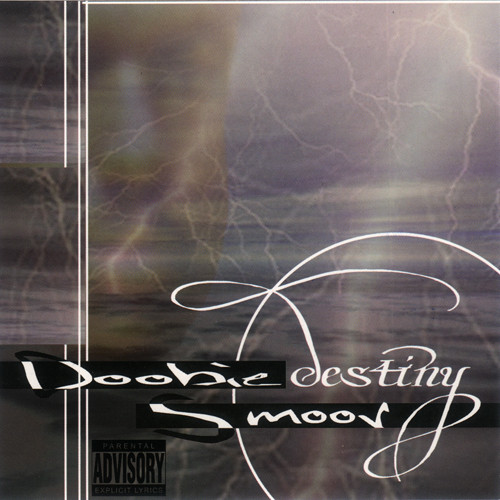
アルバムはアメリカでCDおよびカセットとして発売され、レーベルはSuicide Records。資料上ではジャンルがHip Hop、スタイルがG-FunkおよびGangstaと分類されている。
本曲はアルバムの6曲目に配置され、Big MalとSergeがフィーチャーされている。
アルバムの前半には「Pimps And Players」「Crunk Radio」「Whoa Nah!!」など、より直接的なストリート感や南部らしい勢いを想起させるタイトルが並ぶ。その中で「Destiny」という内省的な題名を持つ本曲が中盤に置かれていることは重要だ。
アルバム全体の流れを考えると、本曲は単なるタイトル曲ではなく、作品のテーマを一度内側へと引き戻す役割を担っているように聴こえる。
なお、公開資料ではChris Jacobs、Donald Washington、Julian Carterがアルバムのエグゼクティブ・プロデューサーとして記載されている。
第一印象
最初に強く残るのは、派手さよりも陰影の深さである。
トラックにはG-Funkと結びつけられる滑らかなシンセサイザーの感触がある。しかし、カリフォルニアの開放的なクルージングサウンドとは雰囲気が異なる。
ここに広がっているのは、夕暮れの大通りというより、夜が深まった後の住宅街や、車内で一人考え込んでいる時間に近い。
メロディは柔らかいが、安心感を与えるほど明るくない。低音も温かいというより、地面へと沈み込むように鳴る。
そのため楽曲全体には、「まだ結論が出ていない人生」を眺めているような感覚がある。
成功を祝う曲でも、悲劇を大げさに演出する曲でもない。
過去を引きずりながら先へ進もうとする人間の、整理しきれない気持ちが音になったような作品である。
サウンド分析
ドラム
ドラムはミドルテンポの重いハーフタイム感を軸としている。
解析上は倍テンポとして約172BPM付近を検出するが、実際の体感速度はその半分となる約86BPM前後。ゆっくりと身体を揺らせる速度でありながら、停滞しすぎない絶妙なテンポである。
キックは必要以上に連打されず、要所で低音の重さを補強する。
一方、スネアは乾いており、各小節の骨格をはっきりと示している。残響が長くないため、メロウな上物の中でも輪郭が埋もれない。
ハイハットや細かなパーカッションも前へ出すぎず、ラップが入り込むための空間を残している。
現代の南部ラップのように細かいロールや極端な低音変化で押すのではなく、一定の反復を守りながら、MCの言葉を支える1990年代型の組み立てだ。
ドラム単体では荒々しさを誇張していない。しかし、同じパターンが長く繰り返されることで、徐々に逃げ場のない重さが生まれている。
ベース
ベースは本曲の感情的な土台を担っている。
音色は丸みを持ちながらも、軽快に跳ねるファンクベースではない。低い位置を横へ這うように進み、トラック全体を暗い方向へ引っ張っている。
キックと完全に一体化するのではなく、わずかに後ろへ残るような感覚があり、それが楽曲の粘りにつながっている。
このベースラインによって、本曲は単なるメロウラップではなくなる。
上物だけを聴けば穏やかな曲にもなり得るが、低音が常に現実の重さを思い出させるため、聴き手は完全にはリラックスできない。
その微妙な緊張感が「Destiny」という題名によく合っている。
運命は遠い未来にある抽象的なものではなく、足元から離れずについてくるものだという感覚が、ベースの動きから伝わってくる。
シンセ/メロディ
メロディ面では、柔らかな鍵盤系の音と、薄く伸びるシンセサイザーが中心となっている。
ただし、典型的なG-Funkの高音シンセリードが主役になるわけではない。
本曲で重要なのは、目立つフレーズよりも、背景に持続する和音と反復である。
コードは大きく展開せず、限られた進行を繰り返す。その単調さが欠点になるのではなく、抜け出せない状況や何度も思い返してしまう記憶を表現する装置として機能している。
旋律にはソウルやR&B的な哀愁がある一方、甘さは抑えられている。
明るい音色が一瞬現れても、その下には常に暗いコード感が残る。この明暗の同居こそ、本曲の魅力だ。
希望が完全に失われたわけではない。
しかし、その希望が簡単に手へ入るとも感じさせない。
ミックス
ミックスは、現代作品のように各音を極端に鮮明に分離したものではない。
ドラム、ベース、鍵盤、声がある程度まとまって鳴り、全体に少し曇った質感がある。
この曇りは1990年代のローカル盤らしい録音環境にも由来すると考えられるが、結果として本曲の内容には非常によく合っている。
ボーカルは比較的前に置かれているものの、ビートから完全に浮き上がるほど大きくはない。
ラッパーたちの声も楽器の一部として混ざり、楽曲全体が一枚の暗い風景としてまとまっている。
高域が過度に鋭くないため、長時間聴いても耳に刺さりにくい。一方で低域には厚みがあり、車内や大きめのスピーカーではベースの存在感がより強く感じられるだろう。
グルーヴ
グルーヴは前へ突進するというより、ゆっくりと引きずるタイプである。
拍そのものは安定しているが、ベースとラップの入り方によって少し後ろへ重心が置かれる。そのため、同じテンポの曲と比べても体感はさらにゆっくりしている。
この「遅れてくる重さ」が本曲の重要な特徴だ。
ラッパーたちはビートを細かく切り刻むのではなく、余白を使いながら言葉を落としていく。
結果として、聴き手はリズムの勢いより、一つひとつの声の質感や語り口へ意識を向けることになる。
ラップ/ボーカル分析
本曲にはDoobie Smoov、Big Mal、Sergeが参加しており、それぞれ異なる声質が楽曲に立体感を与えている。
中心となるDoobie Smoovのラップは、必要以上に感情を爆発させない。
低く落ち着いた声で、ビートの上に言葉を置いていく。その抑制された表現によって、内容が単なる演技ではなく、自分の経験を振り返る語りのように聞こえる。
フロウは技術を見せつけるための複雑なものではない。
一節ごとの意味を残しながら、一定の間隔で前へ進んでいく。語尾を強く打ちつける箇所と、音を引き伸ばす箇所の対比によって、単調なビートの中にも変化を作っている。
Big MalとSergeの参加も重要だ。
複数のラッパーが同じテーマを異なる角度から語ることで、「運命」が一人だけの個人的な問題ではなく、同じ土地や環境に生きる人間たちに共有された問題として浮かび上がる。
声質の違いによって場面が切り替わるため、約4分39秒という長さも冗長には感じにくい。
むしろ、複数の証言を順番に聞いているような構成になっている。
本曲のラップで印象的なのは、威圧感よりも説得力を重視している点である。
声を荒らげなくても、低い声と間の取り方によって、生活の厳しさは十分に伝わる。
歌詞・テーマ
歌詞の全文や公式解説は公開資料から確認できないため、ここでは音源から受け取れる範囲を中心に考察する。
本曲の中心にあるのは、「人は自分の運命を選べるのか」という問いだ。
タイトルの“Destiny”には、未来へ進む希望と、すでに決められている道という二つの意味が重なっている。
楽曲の暗いトーンを踏まえると、ここで語られる運命は、単純な成功物語ではない。
育った環境やストリートでの経験、周囲の人間関係、自分が下してきた判断。それらが現在の自分を作り、未来にも影響を残していく。
ただし、本曲は完全な諦めにも聞こえない。
重い現実を語りながらも、ラップを続け、自分の言葉で人生を記録している。その行為自体が、決められた道に対する抵抗になっている。
つまり「Destiny」は、運命を受け入れる歌であると同時に、運命の意味を書き換えようとする歌でもある。
Doobie Smoovたちは、自分たちの人生を美化していない。
苦しさや危険をドラマチックな装飾に変えるのではなく、その中で生き続ける人間の姿として描いている。
この距離感が、本曲を単なるギャングスタラップの一曲以上のものにしている。
トリビア/制作メモ
「Destiny」は、1998年発売の同名アルバムにおけるタイトル曲であり、アルバムの6曲目に収録されている。ゲストとしてBig MalとSergeがクレジットされている。
アルバム『Destiny』はSuicide Recordsから発売され、CD版とカセット版の存在が確認できる。
作品にはBig MalとSergeのほか、Desperado、DJ Incredible、Erb Luva、Erkie、J Cav、Klash、Noc、Rated Rらが参加している。
Doobie Smoovはルイジアナ州アレクサンドリア出身とされ、1990年代半ばから2000年代初頭にかけて複数のソロアルバムを発表した。
Discogs上では本作のスタイルがG-FunkおよびGangstaに分類されている。ただし、実際の音像は西海岸型G-Funkの模倣というより、ルイジアナのローカルラップにG-Funk的なメロディ感覚を取り込んだものとして捉える方が自然である。前半は資料上の分類、後半は音源を聴いた上での解釈である。
本曲について、信頼できるサンプリング元や個別の楽曲プロデューサーを示す公開情報は確認できなかった。そのため、サンプリングに関する断定は避ける。
総評
Doobie Smoovの「Destiny」は、派手なフックや劇的な展開で聴き手を引き込む曲ではない。
限られたコード、重いベース、乾いたドラム、複数の低い声。それらを繰り返し重ねることで、人生から簡単には逃れられない感覚を作り出している。
楽曲の魅力は、明るさと暗さのどちらか一方に決めきれない点にある。
メロディにはわずかな温かさがある。しかし低音とラップは常に現実へ引き戻してくる。
そのため聴き手は、希望を感じながらも安心できない。
この感情の揺れこそ、「運命」という言葉が持つ複雑さなのだろう。
Doobie Smoov、Big Mal、Sergeのラップも、技術的な派手さより経験の重さを優先している。
一人の主人公がすべてを語るのではなく、複数の声が同じ暗い風景の中から響くことで、楽曲は地域の記録のような厚みを得ている。
全国的な知名度や大規模な制作環境とは別の場所で、地元の現実を音楽として残す。
「Destiny」は、1990年代後半のルイジアナ・アンダーグラウンドラップが持っていた、そうした記録性を強く感じさせる一曲である。
エディターズノート
「Destiny」を聴いていると、良質なローカルラップに必ずしも複雑なアレンジは必要ないことが分かる。
この曲で使われている音の種類は多くない。
ドラム、ベース、鍵盤、控えめなシンセ、そして複数の声。基本的にはそれだけである。
しかし、その少なさが楽曲の世界を狭めるのではなく、むしろ密度を高めている。
余計な装飾がないからこそ、低音の一打、声のかすれ、ラップの間に残る沈黙が意味を持つ。
特に印象的なのは、楽曲が聴き手へ明確な答えを与えない点だ。
運命を受け入れるべきなのか、自分で変えるべきなのか。最後まで聴いても、その問いに単純な結論は出ない。
だからこそ、聴き終えた後にも曲の空気が残る。
「Destiny」は、瞬間的な派手さではなく、聴き手の中に長く沈殿するタイプのサザンラップである。
Doobie Smoov – Destiny | A Melancholic Southern Rap Reflection on Fate, Reality, and Survival
Life rarely unfolds according to our own plans.
The environment we grow up in, the people we meet, the things we lose, and the choices we’re forced to make all shape a path that eventually becomes our destiny.
Doobie Smoov’s “Destiny” captures that unavoidable journey through a slow, heavy, and emotionally restrained Southern rap soundscape.
Rather than celebrating wealth or street success, the song spends nearly four and a half minutes exploring darker emotions through subdued keyboards, deep bass, dry drum programming, and the contrasting voices of Doobie Smoov, Big Mal, and Serge.
The title Destiny is not presented as a promise of hope.
Instead, it represents the weight of the past, the realities of street life, and the consequences that continue following a person long after decisions have been made.
Artist Overview
Doobie Smoov is a rapper from Alexandria, Louisiana, a city that has rarely received the same national recognition as New Orleans, Baton Rouge, or Shreveport within Southern hip-hop.
According to publicly available artist biographies, he began rapping around the age of thirteen and was active with the group Total Kaos during the early 1990s. His solo catalog reportedly includes Secret Indictment (1995), Dream Of Death (1996), Destiny (1998), and Get Blowed (2001).
Because Alexandria remained outside the mainstream rap spotlight, Doobie Smoov’s music reflects a distinctly local perspective. Rather than chasing commercial trends, his records document everyday life within his own community.
His production blends low-end Southern grooves with elements associated with Houston rap, the raw edge of Louisiana hip-hop, and melodic influences commonly linked to late-’90s G-Funk.
Background
“Destiny” appears on Doobie Smoov’s 1998 album of the same name, released through Suicide Records on both CD and cassette.
Discographies generally classify the album as Hip-Hop, with stylistic tags including Gangsta Rap and G-Funk.
The song is the sixth track on the album and features guest appearances from Big Mal and Serge.
Earlier songs such as Pimps And Players, Crunk Radio, and Whoa Nah!! project a more aggressive street-oriented energy. Placing “Destiny” in the middle of the album creates a noticeable shift toward introspection, suggesting that it serves as one of the record’s emotional centerpieces rather than simply functioning as the title track.
Publicly available credits list Chris Jacobs, Donald Washington, and Julian Carter as executive producers.
First Impression
The first thing that stands out is not aggression, but atmosphere.
The production certainly contains melodic textures associated with G-Funk, yet it never evokes the bright, sunlit cruising aesthetic commonly associated with California.
Instead, the music feels like driving alone through quiet neighborhoods long after midnight, with only streetlights and personal thoughts for company.
The keyboards are warm without becoming comforting.
The bass is deep without sounding playful.
Everything seems suspended between reflection and uncertainty.
Rather than celebrating success or dramatizing tragedy, the song sounds like someone trying to move forward while still carrying the emotional weight of the past.
Sound Analysis
Drums
The drums revolve around a slow, heavy half-time groove.
Audio analysis detects roughly 172 BPM, although the practical listening feel sits around 86 BPM, producing an unhurried pace that never becomes stagnant.
The kick drum emphasizes weight over complexity.
The snare remains dry and clearly defined, providing structure without excessive reverb, while restrained hi-hats and subtle percussion leave generous space for the vocals.
Unlike modern Southern productions built around rapid hi-hat rolls and aggressive bass movement, the beat follows the classic late-’90s philosophy of supporting the MC rather than competing for attention.
Its repetitive structure gradually builds emotional pressure throughout the song.
Bass
The bass provides the emotional foundation of “Destiny.”
Instead of bouncing like traditional funk basslines, it crawls beneath the mix with a slow horizontal movement that continuously reinforces the song’s darker mood.
It doesn’t lock perfectly with every kick drum hit, creating a slight sense of drag that contributes to the record’s heavy atmosphere.
Without this bassline, the production might simply sound mellow.
With it, the listener is constantly reminded that beneath the melodic surface lies a much harsher reality.
That subtle tension perfectly reflects the song’s title.
Destiny isn’t portrayed as a distant concept waiting in the future—it feels like something walking beside you every step of the way.
Synths & Melody
Melodically, the song centers around soft electric keyboard textures and sustained synthesizer pads.
Unlike many classic G-Funk records, bright lead synthesizers never dominate the arrangement.
Instead, repeated chord progressions become the emotional core of the production.
The limited harmonic movement doesn’t feel repetitive in a negative sense.
Rather, it mirrors recurring memories and situations that refuse to disappear.
Hints of soul and R&B melancholy remain throughout the arrangement, but sweetness is intentionally restrained.
Moments of brightness appear briefly before darker harmonies quietly reclaim the atmosphere.
Hope exists—but it never feels guaranteed.
Mixing
The mix reflects the characteristics of many independent Southern rap releases from the late 1990s.
Individual instruments are not separated with modern precision.
Instead, drums, bass, keyboards, and vocals blend together into a cohesive, slightly hazy soundscape.
Whether this stems from production limitations or artistic choice, it ultimately complements the emotional content remarkably well.
The vocals remain forward enough to carry the narrative without overwhelming the instrumental.
The restrained high frequencies prevent listening fatigue, while the low-end reveals its full impact through larger speakers or a car audio system.
Groove
Rather than pushing forward aggressively, the groove deliberately leans backward.
Although the tempo remains steady, both the bass and vocal phrasing sit slightly behind the beat, making the performance feel even slower than its measured BPM.
This relaxed rhythmic placement shifts the listener’s focus away from technical complexity and toward vocal delivery, lyrical pacing, and emotional texture.
Rap & Vocal Performance
The combination of Doobie Smoov, Big Mal, and Serge gives the record its sense of depth.
Doobie Smoov delivers his verses with remarkable restraint.
His low, calm vocal tone avoids theatrical aggression, making his performance sound more like personal reflection than dramatic storytelling.
His flow is intentionally uncomplicated.
Instead of showcasing technical acrobatics, he emphasizes clarity, allowing individual lines to breathe before moving forward.
Big Mal and Serge provide valuable contrast.
Their different vocal textures prevent the nearly five-minute runtime from becoming monotonous while reinforcing the idea that destiny is not merely an individual struggle but a shared experience among people growing up under similar circumstances.
One of the song’s greatest strengths is its reliance on quiet conviction rather than intimidation.
The performers never need to shout.
Their voices alone communicate the weight of lived experience.
Lyrics & Themes
Since no officially published lyrics or detailed commentary could be verified, the following observations are based primarily on careful listening.
At its core, “Destiny” asks a timeless question:
Can people truly choose their own fate?
The title carries a dual meaning.
It suggests both hope for the future and the possibility that certain paths may already be determined by one’s environment, upbringing, and previous decisions.
Judging from the song’s overall tone, destiny is not portrayed as a straightforward success story.
Street experiences, relationships, difficult choices, and personal history continue shaping both the present and the future.
Yet the record never sounds completely hopeless.
By continuing to rap—to document their lives through music—the artists transform storytelling itself into an act of resistance against predetermined outcomes.
In that sense, “Destiny” becomes both an acceptance of reality and an attempt to redefine what destiny actually means.
Rather than romanticizing hardship, Doobie Smoov and his collaborators present survival as an ongoing process, making the song resonate far beyond conventional gangsta rap themes.
Trivia & Production Notes
“Destiny” serves as both the title track and the sixth song on Doobie Smoov’s 1998 album Destiny, featuring Big Mal and Serge.
The album was released through Suicide Records and is known to exist in both CD and cassette formats.
Additional contributors across the album include Desperado, DJ Incredible, Erb Luva, Erkie, J Cav, Klash, Noc, and Rated R.
Public discographies describe the album as G-Funk and Gangsta Rap. From a listening perspective, however, the music feels less like a direct imitation of West Coast G-Funk and more like a Louisiana regional interpretation that incorporates melodic G-Funk influences into a distinctly Southern local rap aesthetic.
No reliable public information could be confirmed regarding the song’s producer or any specific sample sources. Therefore, no sampling claims are made here.
Final Thoughts
“Destiny” doesn’t rely on catchy hooks or dramatic musical twists.
Instead, it builds emotional depth through repetition—limited chord changes, heavy bass, dry drums, and understated vocal performances gradually create a powerful sense of emotional weight.
Its greatest strength lies in refusing to choose between hope and despair.
The melodies offer warmth.
The bass continually reminds us of reality.
The result is music that feels simultaneously comforting and unsettling.
Doobie Smoov, Big Mal, and Serge prioritize authenticity over technical showmanship.
Rather than presenting a single heroic narrative, they create a collective portrait of people confronting similar circumstances.
In doing so, “Destiny” becomes more than simply another Southern rap record.
It stands as a compelling document of late-1990s Louisiana underground hip-hop, preserving the voices of a regional scene that existed largely outside mainstream recognition.
Editor’s Note
Listening to “Destiny” reinforces an important lesson often found in outstanding local rap records:
Complex arrangements are not required to create lasting emotional impact.
The song relies on only a handful of core elements—drums, bass, keyboards, restrained synthesizers, and several voices.
Yet those few ingredients generate remarkable emotional density.
Every bass note, every pause between verses, and every subtle crack in a rapper’s voice carries significance because nothing unnecessary distracts from them.
Perhaps the song’s most enduring quality is that it never provides a definitive answer.
Should we accept our destiny?
Or should we fight to change it?
Even after the music fades, that question remains unresolved.
And perhaps that lingering uncertainty is precisely what makes “Destiny” such a memorable piece of Southern rap.

コメント