ベイエリアを題材にしたラップには、単なる地元紹介では終わらない独特の重みがある。
そこでは街の名前が、自分の出身地を示す記号であると同時に、生活の速度、仲間との関係、危険と隣り合わせの日常、そしてその土地で生き続けることへの誇りを意味する。
D-Lewの「Live’in In The Bay」は、まさにそうした地域意識を、滑らかなファンクとR&Bの感触を帯びたサウンドに乗せて描く一曲だ。
約4分18秒にわたる楽曲は、強烈なドラムや威圧的な低音で押し切るのではなく、丸みのあるベース、穏やかに揺れるコード、歌心を備えたコーラスによって、ベイエリアで暮らすことの現実と愛着を同時に浮かび上がらせていく。
明るい地域賛歌というだけでも、緊張感に満ちたギャングスタラップというだけでもない。
夕暮れ時の湾岸道路を流すような開放感の奥に、ストリートで生活する者にしか分からない警戒心と現実感が残されている。
アーティスト紹介
D-Lewは、1990年代半ばのサンフランシスコ周辺で活動したベイエリア系ラッパーである。
広く商業的な成功を収めたメジャーアーティストというより、地域に根差した作品によって、当時のローカルシーンの空気を伝えたアーティストとして捉えるべき存在だ。
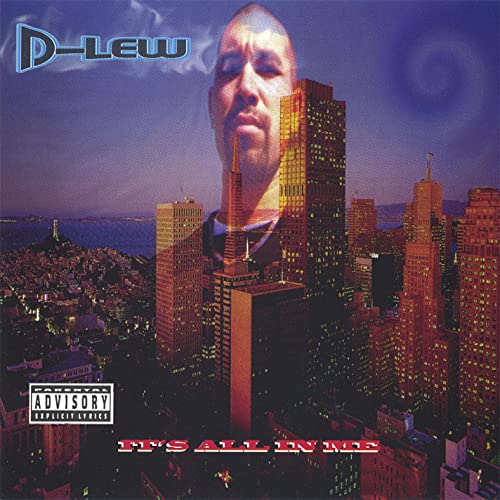
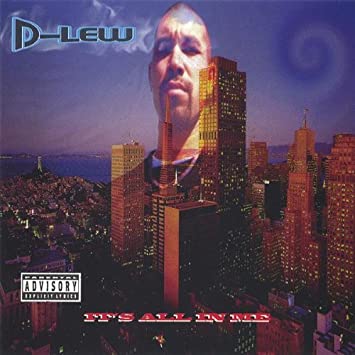
確認できる代表作は、1996年に発表されたアルバム『It’s All In Me』。ジャンルはヒップホップ、スタイルはギャングスタラップとして登録されており、「Live’in In The Bay」は同作の収録曲である。
D-Lewのラップは、言葉を過剰に詰め込むタイプではない。
低く落ち着いた声と、ビートの後ろ側へ体重を預けるようなフロウを用い、自身の生活圏や価値観を淡々と提示する。その落ち着きが、かえって言葉に実感を与えている。
作品背景
「Live’in In The Bay」は、1996年発表の『It’s All In Me』に収録された楽曲である。
確認できるクレジットでは、CleとKontacがフィーチャリング参加し、Adam Caineがボーカルを担当している。音源ファイルにも「D-Lew feat. Adam Kaine, Cle, Kontact」と記録されており、複数の声によって構成された楽曲であることが分かる。
また、同曲は2024年9月13日に「Living in the Bay」としてデジタル配信されている。配信版ではDave “D Lew” Lewis名義となり、Cleotheus “Cleo” Fluker、Adam Kane、Steve “Kontact” Ashfordの名前が明記されている。
したがって、2024年に新たに制作された完全な新曲というより、1990年代の作品が正式なクレジットとともに再流通したものと見るのが自然だ。
1990年代半ばのベイエリアでは、Too $hort、E-40、Spice 1、RBL Posse、JT the Bigga Figgaをはじめ、都市や地区ごとに異なるスタイルを持ったラッパーが活動していた。
しかし「Live’in In The Bay」は、強い攻撃性や奇抜なフロウを前面に出すのではなく、R&Bボーカルを大きく取り入れたメロウな構成を採用している。
そのため本曲は、ベイエリア・ギャングスタラップの中でも、地域愛と日常の感触に重心を置いた作品として聴くことができる。
第一印象
最初に耳へ入ってくるのは、硬さよりも温かさである。
テンポは約90 BPM。速すぎず遅すぎないミドルテンポで、身体を強く揺さぶるというより、一定の速度でゆっくりと前へ運ぶようなグルーヴを持っている。
楽曲全体を覆うのは、丸みのある低音、柔らかな鍵盤系のコード、そしてソウルフルな男性ボーカルだ。
タイトルにはベイエリアという具体的な土地が掲げられているが、サウンドは観光的な華やかさを演出しない。むしろ、そこで毎日を暮らす人間の目線から街を描いている。
湾岸の景色、夜の道路、仲間と過ごす時間、そして何気ない日常。
そうした情景が、明確な効果音や描写ではなく、楽曲全体の湿度とテンポによって浮かび上がってくる。
一方で、サウンドがメロウだからといって完全に穏やかなわけではない。
ドラムは一定の緊張感を保ち、ラップにはストリートで生きる者の警戒心が残っている。この明るさと暗さの同居こそ、本曲の最も魅力的な部分だ。
サウンド分析
ドラム
ドラムは約90 BPMの安定したミドルテンポを形成している。
キックは極端に重く加工されておらず、低域の中心をベースへ譲りながら、曲の歩幅を支える役割に徹している。強く打ち下ろすというより、一定の間隔で道路の継ぎ目を越えていくような感覚だ。
スネアは比較的乾いており、響きを長く引き延ばさない。
そのため、ボーカルやコードが滑らかに広がっていても、リズムの輪郭がぼやけない。メロウなトラックに必要な柔らかさを保ちつつ、ギャングスタラップとしての芯も残している。
ハイハットや細かなパーカッションは過剰に前へ出ない。
現代のトラップのように高速で刻むのではなく、キックとスネアの隙間を静かに埋めることで、ゆったりとした横揺れを作っている。
ドラム単体では派手ではないが、その控えめな設計が、歌とラップの両方を自然に成立させている。
ベース
本曲の中心にあるのは、太く丸いベースラインである。
低音は一音ごとに輪郭を強調するタイプではなく、コード進行の下を滑るように動く。ドラムと一体になって前進しながらも、時折メロディのような抑揚を見せる。
このベースが作るのは、攻撃的な圧力ではなく、包み込むような重量感だ。
低域には十分な存在感があるものの、音の角が丸められているため、長時間聴いても疲れにくい。車内で音量を上げた際には、キックよりもベースの持続音が身体へ伝わるようなバランスになっている。
ベイエリア産ラップにしばしば見られるファンク志向を持ちながら、派手なスラップベースや露骨なシンセベースへ向かわず、R&B寄りの滑らかさを優先している点が特徴的だ。
シンセ・メロディ
上物は、柔らかなキーボードまたはエレクトリックピアノ系のコードを中心に構成されている。
コードは短く切られるのではなく、一定の余韻を残しながら空間へ広がる。その余韻が、ベイエリア特有の霧や夜気を思わせる薄い膜を楽曲全体に作っている。
高音域には控えめなシンセや装飾音が置かれているが、典型的なG-Funkの鋭い高音リードを前面に出す構成ではない。
むしろ、ソウルやアーバンR&Bに近いコード感が中心であり、歌唱パートの情感を支えることが優先されている。
メロディは強い起伏を作らず、反復によって感情を深めていく。
そのため、曲を一度聴いただけで鮮烈なフレーズを刻み込むというより、何度も繰り返し聴くうちに、コードの温度や余白が身体へ馴染んでいくタイプのトラックである。
ミックス・グルーヴ
ミックスは、現代作品のように各音を極端に分離させるのではなく、複数の要素がやや重なり合うことで一体感を作っている。
ボーカルは比較的前に配置されているが、バックコーラスや上物と完全に切り離されてはいない。ラップ、歌、コードが同じ空気の中に存在することで、楽曲全体にローカル録音らしい密度が生まれている。
低域は太いが、サブベースだけを極端に強調していない。
中低域にも十分な厚みがあるため、スマートフォンの小さなスピーカーより、車内や大型スピーカーで鳴らしたときに魅力が増す音作りだ。
グルーヴは縦方向の衝撃より、横方向の揺れを重視している。
ビートに合わせて激しく跳ねるというより、シートへ深く腰を沈め、首と肩をゆっくり動かしたくなる感覚である。
ラップ/ボーカル分析
D-Lewのラップは、楽曲のメロウな雰囲気に合わせて抑制されている。
声を荒らして威圧するのではなく、低く落ち着いたトーンで、自身の言葉を確実にビートへ置いていく。フロウには大きな速度変化が少なく、一行ごとに十分な間を取るため、街で暮らす日々を語るドキュメンタリーのような印象が生まれている。
ラップのタイミングは、ビートの頭へ強く突っ込むというより、わずかに後ろへ体重を残している。
この後ろ寄りの配置が、ベースの滑らかな動きと結び付き、曲全体に余裕を与えている。技術を誇示するラップではなく、存在感と声の説得力で聴かせるタイプだ。
フィーチャリング陣の声が入ることで、楽曲は一人称の物語から、複数人が共有する地域の物語へと広がっていく。
特に歌唱パートは重要である。
Adam Caineのボーカルは、ラップの硬質な部分を和らげるだけでなく、ベイエリアへの愛着を感情的に伝える役割を担っている。滑らかな男性ボーカルと厚みのあるコーラスによって、フックは単なる反復句ではなく、地元への賛歌として機能する。
また、歌とラップの境界が明確に分断されていないことも特徴だ。
ラップからフックへ移る際に急激な空気の変化がなく、両者が同じグルーヴの中で自然に受け渡される。これにより、楽曲全体が一つの長いクルージング・ミュージックとして成立している。
歌詞・テーマ
歌詞の中心にあるのは、ベイエリアで暮らすことへの誇りと実感である。
ただし、その地域愛は、街を理想化するだけの単純なものではない。
タイトルの「Live’in In The Bay」という表現は、ベイエリアを外側から眺めるのではなく、内部で生活している者の立場を示している。
そこには、地元の風景や文化への愛着だけでなく、仲間との結び付き、日々の緊張、経済的な現実、ストリートで自分の立場を守る意識などが含まれている。
本曲が興味深いのは、そうした現実を必要以上に悲劇化しない点だ。
生活が容易ではないことを理解しながらも、その土地を離れた視点から批判するのではなく、自分たちの街として受け入れている。
そのため、曲から伝わってくるのは絶望よりも帰属意識である。
「ここには問題がある。それでもここが自分たちの場所だ」
そうした複雑な感情が、メロウなフックと落ち着いたラップの組み合わせによって表現されている。
また、複数のラッパーとボーカリストが参加していることで、テーマはD-Lew個人の自伝に限定されない。
それぞれの声が加わるたびに、ベイエリアで暮らす人々の集合的な感覚へと広がっていく。街への忠誠心を一人で叫ぶのではなく、仲間同士で確認し合うような作りである。
トリビア/制作メモ
「Live’in In The Bay」は、1996年発表のD-Lewのアルバム『It’s All In Me』に収録されている。確認できる当時のクレジットではCle、Kontacがフィーチャリング参加し、Adam Caineがボーカルを担当している。
同曲には12インチ・シングルとしてのリリース情報も残されており、1996年のギャングスタラップ作品として登録されている。
2024年9月13日には「Living in the Bay」と表記を変更したデジタル版が配信された。アーティスト名もDave “D Lew” Lewisとされ、参加者はCleotheus “Cleo” Fluker、Adam Kane、Steve “Kontact” Ashfordとフルネームに近い形で記載されている。
音源は約4分18秒で、ファイル内のBPM情報は約90。実際のビート解析でも約90〜91 BPMの範囲となり、ミドルテンポの安定したグルーヴを持つことが確認できる。
本曲について、信頼できるサンプリング元の情報は今回確認できなかった。そのため、特定の楽曲をサンプリングしているとは断定しない。
総評
D-Lewの「Live’in In The Bay」は、ベイエリアへの愛を、大声で宣言するのではなく、生活の温度として伝える楽曲である。
ドラムは控えめに歩幅を作り、ベースは丸い低音で曲を支え、鍵盤系のコードと男性ボーカルが穏やかな空間を広げていく。その上で、D-Lewと参加ラッパーたちが、自分たちの街とそこで生きる現実を落ち着いた声で語る。
サウンドの表面はメロウだ。
しかし、その奥には常にストリートの緊張感が残されている。
この二重性があるからこそ、「Live’in In The Bay」は単なるドライブ向けの心地よい曲では終わらない。ベイエリアで暮らすことの喜びと厳しさ、仲間への信頼、街から受け取った価値観が、ゆっくりとしたグルーヴの中に封じ込められている。
派手な展開や強烈なフックだけで勝負する作品ではない。
むしろ、曲が進むほどに低音、声、コードの重なりが身体へ馴染み、その土地の空気へ少しずつ近づいていく。
1990年代のベイエリア・ラップが持っていた魅力は、著名なアーティストの作品だけでは捉えきれない。
ローカルな場所で制作され、限られた範囲で流通した作品の中にこそ、その地域の日常的な感覚が残されている。「Live’in In The Bay」は、そのことを静かに証明する一曲である。
エディターズノート
「Live’in In The Bay」を聴いて印象に残るのは、ベイエリアという場所を誇張して見せようとしない姿勢だ。
街を華やかに飾るのでも、危険な場所として過度に演出するのでもない。D-Lewたちは、そこで暮らすことを特別な事件ではなく、日々続いていく現実として描いている。
だからこそ、この曲には時間が経過しても失われにくい魅力がある。
1996年のローカルな作品でありながら、2024年にデジタル配信されたことで、かつて限られた地域やフィジカル盤でしか触れられなかった音楽が、再び聴かれる機会を得た。
ベイエリア・ラップを、有名曲や定番アルバムだけでなく、地域の生活記録として掘り下げたい人にとって、「Live’in In The Bay」は見逃せない一曲だ。
今回ご紹介の楽曲の購入はこちらから
D-Lew – Live’in In The Bay | A Mellow Portrait of Bay Area Pride and Everyday Reality
Rap songs centered on the Bay Area often carry a weight that extends far beyond simple hometown representation.
Here, the name of a city is more than a geographical reference—it reflects the pace of everyday life, the bonds between friends, the constant proximity to danger, and the pride that comes from continuing to live and survive in that environment.
D-Lew’s “Live’in In The Bay” embodies this regional identity through a smooth blend of funk-inspired grooves and soulful R&B textures.
Across approximately four minutes and eighteen seconds, the song never relies on overpowering drums or intimidating bass to make its point. Instead, rounded low-end frequencies, gently swaying keyboard chords, and expressive vocal harmonies paint a vivid picture of both the realities and the affection that define life in the Bay Area.
It is neither a straightforward celebration of hometown pride nor a purely hard-edged gangsta rap anthem.
Beneath the relaxed atmosphere of a sunset cruise along the Bay lies the quiet vigilance and realism that only those who truly live the street life can understand.
Artist Introduction
D-Lew is a Bay Area rapper who was active around the San Francisco region during the mid-1990s.
Rather than achieving widespread commercial success as a major-label artist, he is better understood as one of the local voices who documented the atmosphere and character of the Bay Area underground scene through independently rooted releases.
His best-known release is the 1996 album It’s All In Me, classified as Hip-Hop/Gangsta Rap, with “Live’in In The Bay” appearing as one of its standout tracks.
D-Lew’s approach to rapping is remarkably restrained.
Instead of packing every bar with dense lyrical complexity, he delivers his verses in a calm, low-register voice while allowing his flow to sit comfortably behind the beat. His lyrics quietly present his surroundings and personal values without exaggeration, making them feel all the more authentic.
Background
“Live’in In The Bay” originally appeared on D-Lew’s 1996 album It’s All In Me.
Available credits list Cle and Kontac as featured performers, while Adam Caine provides the sung vocals. The audio file itself is also labeled “D-Lew feat. Adam Kaine, Cle, Kontact,” confirming that the song is built around multiple voices rather than a solo performance.
On September 13, 2024, the track was digitally reissued under the title “Living in the Bay.” This release credits the artist as Dave “D Lew” Lewis, while listing Cleotheus “Cleo” Fluker, Adam Kane, and Steve “Kontact” Ashford by more complete names.
Because of these details, the 2024 version appears to be an official digital re-release of the original 1990s recording rather than an entirely new production.
During the mid-1990s, the Bay Area scene featured influential artists such as Too $hort, E-40, Spice 1, RBL Posse, and JT the Bigga Figga, each representing distinct neighborhoods and stylistic identities.
Unlike many of those artists, however, “Live’in In The Bay” places less emphasis on aggression or unconventional flows and instead embraces a melodic structure heavily supported by R&B vocals.
The result is a Bay Area gangsta rap record that prioritizes local pride and everyday experience over confrontation and bravado.
First Impression
The first quality that stands out is warmth rather than hardness.
Running at approximately 90 BPM, the song settles into an easy mid-tempo groove that moves steadily forward without ever feeling rushed.
Rounded bass lines, soft keyboard chords, and soulful male vocals dominate the soundscape.
Although the title explicitly references the Bay Area, the production avoids creating a glamorous postcard image of the region. Instead, it presents the city from the perspective of someone who actually lives there.
The waterfront at dusk.
Late-night drives.
Time spent with close friends.
The ordinary rhythm of everyday life.
These scenes emerge not through obvious sound effects or cinematic storytelling, but through the song’s pacing, atmosphere, and understated musical language.
Yet despite its mellow character, the track never feels entirely carefree.
The drums maintain a quiet sense of tension, while D-Lew’s delivery carries the cautious awareness of someone shaped by street life.
That coexistence of comfort and vigilance becomes one of the song’s defining strengths.
Sound Analysis
Drums
The drums establish a stable groove around 90 BPM.
The kick drum is not excessively processed or oversized. Instead, it supports the rhythm while leaving much of the low-frequency presence to the bass line, creating the sensation of steadily rolling over long stretches of pavement rather than forcefully striking the listener.
The snare remains relatively dry, avoiding long reverberation tails.
This allows the vocals and keyboard chords to spread smoothly across the mix without sacrificing rhythmic clarity. The drums retain enough firmness to preserve the song’s gangsta rap identity while complementing its mellow mood.
Hi-hats and auxiliary percussion stay comfortably in the background.
Rather than employing rapid-fire trap-style subdivisions, they quietly fill the spaces between the kick and snare, contributing to the song’s relaxed side-to-side groove.
Individually, none of the drum elements seek attention, but together they create the ideal foundation for both the rap verses and the sung hooks.
Bass
The bass line forms the emotional center of the record.
Instead of emphasizing sharply defined individual notes, it glides beneath the chord progression, moving in close partnership with the drums while occasionally displaying melodic movement of its own.
Its purpose is not aggression but weight.
Although the low frequencies possess substantial presence, the rounded tone prevents listener fatigue, making the song particularly satisfying through a car stereo where the sustained bass notes resonate throughout the cabin.
While clearly rooted in the funk traditions often associated with Bay Area rap, the production avoids flashy slap bass techniques or exaggerated synth bass leads.
Instead, it favors the smoother sensibility commonly found in contemporary R&B.
Synths & Melody
The harmonic foundation is built primarily around warm keyboard or electric piano chords.
Rather than being sharply cut off, the chords linger naturally, creating an airy ambience reminiscent of the Bay Area’s cool evening atmosphere and coastal fog.
Subtle synth embellishments appear in the upper frequencies, but the production deliberately avoids the piercing lead synths commonly associated with classic G-Funk.
Instead, soulful chord progressions take precedence, supporting the emotional qualities of the vocal performances.
Melodically, the song favors repetition over dramatic shifts.
Rather than delivering instantly unforgettable hooks, it gradually reveals its emotional depth through repeated listening, allowing the warmth of its harmonic textures to settle comfortably into memory.
Mix & Groove
The mix embraces cohesion instead of extreme separation.
Unlike many contemporary productions where every instrument occupies an isolated space, multiple musical elements gently overlap, creating a unified sonic environment.
The vocals sit prominently within the mix but remain naturally integrated with the harmonies and instrumental layers.
Rap, singing, and keyboards all appear to occupy the same physical space, lending the recording an organic, local-studio character.
The low end is rich without relying exclusively on deep sub-bass.
Because the lower midrange retains considerable fullness, the production comes alive through quality speakers or car systems far more effectively than through small mobile devices.
Rhythmically, the groove emphasizes horizontal movement rather than explosive impact.
Instead of inspiring energetic jumping, it encourages listeners to settle into their seat, slowly nodding along with relaxed confidence.
Rap & Vocal Performance
D-Lew carefully matches his vocal delivery to the song’s mellow atmosphere.
Rather than projecting intimidation through aggression, he speaks with measured confidence, placing each line deliberately within the groove.
His flow rarely accelerates dramatically, allowing generous space between phrases that gives the verses the feeling of a documentary about everyday neighborhood life.
His rhythmic placement also deserves attention.
Instead of attacking the front edge of the beat, he often leans slightly behind it, reinforcing the bass line’s smooth momentum and adding an effortless sense of composure.
This is not a performance built around technical showmanship.
Its strength lies in conviction, presence, and authenticity.
The featured performers expand the song beyond D-Lew’s individual perspective, transforming it into a shared portrait of Bay Area life.
Adam Caine’s vocals play a particularly important role.
His soulful singing softens the harder edges of the rap verses while expressing emotional attachment to the Bay Area with warmth and sincerity.
Supported by layered harmonies, the chorus functions not simply as a catchy refrain but as a heartfelt anthem dedicated to home.
Equally notable is the seamless transition between rapping and singing.
Rather than feeling like two separate musical worlds, the verses and hooks flow naturally into one another, allowing the entire composition to unfold like a continuous cruising soundtrack.
Lyrics & Themes
At its heart, the song is about pride in living within the Bay Area.
However, that pride is far from simplistic.
The title “Live’in In The Bay” speaks from the perspective of someone living inside the community rather than observing it from a distance.
It reflects not only affection for local neighborhoods and culture but also friendship, daily tension, economic reality, and the constant awareness required to survive street life.
One of the song’s most compelling qualities is its refusal to romanticize or dramatize those realities.
The lyrics acknowledge hardship without turning it into tragedy.
Rather than criticizing the city from afar, the artists embrace it as their own.
As a result, the prevailing emotional tone is not despair but belonging.
“There are problems here.
But this is still our home.”
That layered emotional perspective is beautifully reinforced through the combination of mellow hooks and restrained rap performances.
Because several rappers and vocalists contribute throughout the record, the song ultimately evolves beyond a personal autobiography.
Each additional voice broadens the narrative into a collective expression of Bay Area identity, replacing individual pride with shared community affirmation.
Trivia & Production Notes
“Live’in In The Bay” originally appeared on D-Lew’s 1996 album It’s All In Me. Contemporary credits identify Cle and Kontac as featured artists, while Adam Caine performs the vocal sections.
The song also received a 12-inch single release, further establishing its place within the 1996 gangsta rap landscape.
On September 13, 2024, it was digitally reissued under the revised title “Living in the Bay.” The artist is credited as Dave “D Lew” Lewis, while contributors are identified with more complete names: Cleotheus “Cleo” Fluker, Adam Kane, and Steve “Kontact” Ashford.
The recording runs approximately 4 minutes and 18 seconds, with both embedded file metadata and beat analysis placing its tempo around 90–91 BPM, confirming its steady mid-tempo groove.
No reliable evidence could be verified regarding the song’s sampling source.
Accordingly, it would be inappropriate to identify any specific sampled recording without further confirmation.
Overall Review
D-Lew’s “Live’in In The Bay” communicates love for the Bay Area not through loud declarations but through the quiet emotional texture of everyday life.
Restrained drums establish the pace.
Rounded bass provides warmth and stability.
Keyboard chords and soulful male vocals create an inviting atmosphere.
Within that musical landscape, D-Lew and his collaborators calmly describe both their neighborhood and the realities of surviving within it.
On the surface, the production is undeniably mellow.
Yet beneath that smooth exterior remains the subtle tension of street life.
That duality elevates the song beyond a pleasant cruising record.
It becomes an intimate reflection on belonging, hardship, friendship, and the values shaped by one’s hometown.
Rather than relying on dramatic arrangements or instantly memorable hooks, the song gradually reveals itself.
With each listen, the bass, harmonies, and understated performances become increasingly immersive, drawing the listener deeper into the atmosphere of the Bay Area.
The appeal of 1990s Bay Area rap cannot be understood solely through its most famous artists.
Many of its most authentic stories survive within locally produced records that circulated only in limited numbers.
“Live’in In The Bay” quietly stands as one of those enduring documents.
Editor’s Note
Perhaps the most striking aspect of “Live’in In The Bay” is its refusal to exaggerate the Bay Area itself.
The city is neither glorified nor sensationalized.
Instead, D-Lew and his collaborators present it simply as the place where everyday life unfolds.
That honesty gives the song a timeless quality.
Originally released in 1996 and made available again through digital distribution in 2024, it offers modern listeners a chance to rediscover music that was once confined largely to local communities and physical media.
For anyone interested in exploring Bay Area rap beyond its universally recognized classics, “Live’in In The Bay” deserves attention—not merely as another gangsta rap track, but as a genuine snapshot of regional life and identity.
コメント