Aobieの「Oakland City」は、華やかな車、夜のクルージング、街に集まるプレイヤーたちを描きながら、その裏側にある暴力、警察への警戒、ドラッグ、死の気配まで映し出したオークランド賛歌だ。
曲の入口を飾るのは、
“Won’t you come with me to Oakland City”
と優しく誘いかける女性コーラス。
しかし、その甘い歌声に導かれて街へ入ると、目の前に現れるのは観光案内のような美しい風景だけではない。
キャンディ・ペイントの車、金色のホイール、深夜のストリップ、湖の周辺を流すプレイヤーたち。その一方で、銃、殺人、ドラッグ、警察の監視といった現実も同じ景色の中に置かれている。
「Oakland City」は、故郷を無条件に美化した曲ではない。
危険を知りながら、それでも自分の街を誇る。甘いファンクと荒々しいラップの対比によって、オークランドの魅力と緊張感を同時に伝える一曲である。
アーティスト紹介
Aobieは、カリフォルニア州オークランドを拠点に活動したラッパーとして紹介されている。
詳しい経歴について確認できる資料は限られているが、2002年にSlap Entertainmentからアルバム『A Damn Fool』を発表。「Oakland City」は同作の2曲目に収録されている。資料上ではアルバムのスタイルとしてG-Funk、Gangsta Rapが挙げられている。
派手な技術を誇示するというより、低く荒れた声と地域特有の言葉を使い、街の空気をそのままビートへ持ち込むタイプのラッパーだ。
「Oakland City」でも、滑らかなトラックへ優雅に乗るのではなく、声をビートへ強く押しつけるようなラップを聴かせている。
作品背景
「Oakland City」は、2002年発表のアルバム『A Damn Fool』に収録された楽曲である。
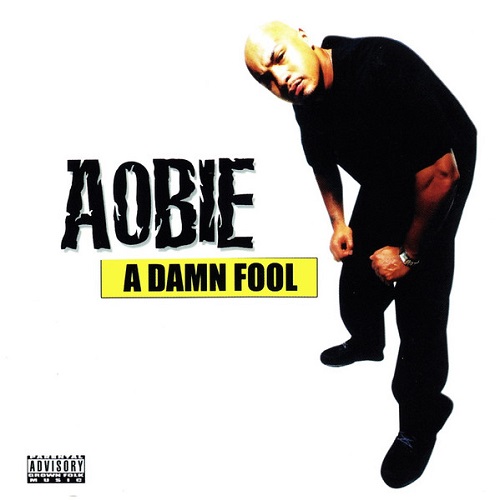
アルバムでは短いイントロに続く2曲目に配置されており、作品の序盤でAobieの出身地と音楽的な立ち位置を示す役割を担っている。
音源の長さは約4分。テンポは実測で約99 BPMとなっており、速すぎず遅すぎないミッドテンポで進行する。
2002年という時期は、1990年代前半から半ばにかけて商業的な全盛期を迎えたG-Funkが、メインストリームでは以前ほど前面に出なくなっていた頃でもある。
しかし「Oakland City」は、丸く太いベース、粘るシンセ、女性コーラス、低く構えたラップによって、90年代型G-Funkの快楽を色濃く残している。
同時に、ロサンゼルス周辺のG-Funkをそのまま模倣するのではなく、オークランドの車文化、Mob Music的な重量感、街の固有名詞を組み込むことで、ベイエリア独自の音へ作り替えている。
第一印象
最初に耳を引くのは、女性シンガーによる開放的なコーラスだ。
“Won’t you come with me to Oakland City”
というフレーズが何度も繰り返され、聴き手を街へ招き入れる。
声は明るく、柔らかく、伸びやかだ。バックには男性の低い加工声も重なり、Roger Troutman周辺のファンクを思わせる立体的なヴォーカル空間が作られている。
ところがAobieのラップが始まると、曲の印象は一気に変わる。
低くざらついた声、硬い語尾、切迫感のある言葉。それまでの甘い空気へ、路上の緊張感が入り込んでくる。
この落差こそが「Oakland City」の最大の魅力だ。
コーラスだけを聴けば、夜の街を気持ちよく流すクルージング・ナンバーに聞こえる。しかしヴァースへ入ると、華やかな車のすぐ隣に銃や殺人が存在する街の現実が見えてくる。
サウンド分析
ドラム
ドラムは約99 BPMの安定したミッドテンポを保ち、重いラップと滑らかなコーラスの両方を支えている。
キックは極端に硬く尖らせるのではなく、低域へ丸く沈み込む質感だ。ベースと重なったときに一つの大きな塊となり、車体をゆっくり揺らすような感覚を生み出している。
スネアは乾いた音で、一定の位置に強く置かれる。派手なフィルや細かな変化は少なく、基本的なパターンを反復することで、ラップの言葉を前へ押し出している。
ハイハットも細かく走りすぎない。
ドラム全体に余白があるため、Aobieの荒い声、女性コーラス、シンセの揺れが混雑せず、それぞれの役割を保っている。
ベース
ベースはこの曲の中心にある。
低い位置を滑るだけではなく、一音ごとに丸く膨らみ、次の音へ弾むような動きを見せる。硬いサブベースというより、ゴムのような弾力を持つファンク・ベースだ。
低域は長く伸びすぎず、ドラムの隙間に合わせてうねる。そのため、重量感がありながら曲の足取りは重くなりすぎない。
特にコーラスでは、女性ヴォーカルの伸びやかな旋律に対して、ベースが下から太く支えることで、甘さと迫力を同時に生み出している。
イヤホンでも存在感は分かるが、車内や低域の出るスピーカーで鳴らすと、より曲の狙いが伝わるタイプのミックスである。
シンセ・メロディ
メロディの核となっているのは、女性コーラスと、そこへ重なる加工された男性ヴォーカルだ。
高音域には細く伸びる電子音が配置され、低音域では唸るようなシンセが反復される。複雑なコード進行で聴かせるというより、短いフレーズを何度も循環させて中毒性を生み出す作りだ。
女性コーラスの明るい旋律に対し、低い加工声はやや不気味で、街へ誘う言葉に別の意味を持たせている。
「一緒にオークランドへ来ないか」という誘いは、楽しい街への招待であると同時に、危険を含む世界への入口にも聞こえる。
終盤ではラップが消え、コーラスとシンセが残される。
ここでは加工声がより前に出て、曲全体が街の夜景の中へ溶けていくように終わる。明確に着地するというより、車がそのまま遠くへ走り去っていくような余韻だ。
ミックス・グルーヴ
ミックスは低域が太く、ヴォーカルが近い。
Aobieのラップは中央に強く置かれ、声のざらつきや息の圧力が直接伝わってくる。一方、女性コーラスは左右へ広げられ、ラップよりも大きな空間を作っている。
この配置によって、ヴァースでは一人の男が目の前で街について語り、コーラスでは街全体が背後から歌いかけてくるような構造が生まれている。
音数は決して多くない。
しかし、ベース、ドラム、女性コーラス、加工声という特徴的な要素を明確に分けることで、単調にならない循環的なグルーヴを作っている。
1990年代G-Funkの滑らかさを持ちながら、ベイエリアらしい粗さと重さを残したサウンドである。
ラップ/ボーカル分析
Aobieのラップは、低く太い声と荒れた発音が特徴だ。
フロウは大きく跳ねるというより、ビートの上へ言葉を詰め込みながら前進する。長めのラインを一息で運び、語尾を強く打ちつけることで勢いを作っている。
滑らかなコーラスに対して、ラップにはほとんど甘さがない。
そのため、トラックが持つメロウな雰囲気へ流されず、常にストリート・ラップとしての緊張感が保たれている。
韻の技術だけを前面に出すタイプではなく、車種、地区、道路、店、ドラッグ、銃といった固有のイメージを次々に並べることで、街の景色を具体化していく。
女性コーラスは、楽曲の案内役を担っている。
明るく親しみやすい声で聴き手を誘い、Aobieのヴァースが描く荒々しい世界との間に強いコントラストを作る。
後半ではメインの歌声にアドリブが重なり、同じフレーズを繰り返しながら少しずつ熱量を高めていく。
歌詞・テーマ
歌詞の中心にあるのは、オークランドという街への愛着と誇りだ。
Aobieは、キャンディ・ペイントの車、ゴールドのホイール、Cadillac、Mustang、深夜のクルージングなど、ベイエリアのストリートと車文化を象徴する風景を描いている。
車は単なる移動手段ではない。
自分の成功、スタイル、所属する地域を街へ見せつけるための重要な存在として登場する。
一方で、この曲は車とパーティーだけを扱った軽快なアンセムではない。
冒頭のヴァースから、コカイン、銃、殺人率、危険な地区といった言葉が現れる。Aobieはオークランドを魅力的な場所として紹介しながら、同時に「油断して歩ける街ではない」と警告している。
繰り返される、
“My city is a sight to see”
という趣旨のラインにも二重性がある。
それは「自分の街は見る価値がある」という誇りの表明である。しかし、その直後には自分の身を守る必要性や、プレイヤーとギャングが存在する地域であることが語られる。
つまり、ここでの“sight to see”は美しい観光名所という意味だけではない。
華やかさ、危険、欲望、暴力が混在する街そのものが、目を離せない光景として描かれている。
歌詞にはEast SideからWestboundまで、街を横断する感覚も盛り込まれている。
特定の一点だけではなく、オークランド全体を車で巡りながら、それぞれの地区に存在する生活を映していく。
また、Too Shortへの言及も聞き取れる。
Too Shortをオークランドを代表する存在として置くことで、自身の曲をベイエリア・ラップの系譜へ接続している。
終盤では、深夜の街、警察への警戒、女性との遊び、仲間との時間が一日の出来事のようにまとめられる。
「Oakland City」は抽象的な都市賛歌ではなく、ひとりのプレイヤーが街を走りながら見る“ある一日”の記録としても聴くことができる。
サンプリング&トラックメイキング
「Oakland City」は、Roger Troutman feat. Shirley Murdockの「Chocolate City」のヴォーカル/歌詞を使用した楽曲として記録されている。中古盤を扱う資料でも、「Chocolate City」ネタのG-Funk曲として紹介されている。
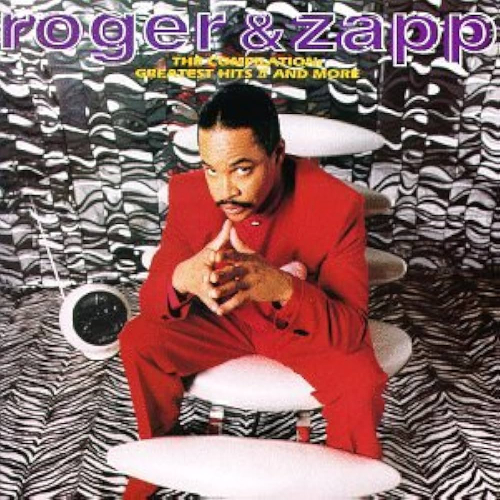
音源を聴いても、
“Won’t you come with me to…”
という女性ヴォーカルを核にして、行き先を“Oakland City”へ置き換える発想が曲全体を支えている。
ここで重要なのは、元ネタの甘いファンク感を借りるだけで終わっていない点だ。
「Chocolate City」が持つ都市への招待という構造を利用しながら、舞台をオークランドへ移し、Aobie自身の街の物語へ作り替えている。
柔らかなコーラスは、聴き手を歓迎する入口として機能する。
しかし、その後に続くヴァースでは、車、ドラッグ、銃、警察、殺人といった現実が提示される。元ネタの心地よさとAobieのハードな描写がぶつかることで、この曲独自の緊張感が生まれている。
トラックメイキングの面でも、サンプルを全面に押し出しながら、太いベースと硬いドラムを加え、オークランド産のG-Funkとして成立させている。
単なる引用ではなく、既存の“Chocolate City”を自分たちの“Oakland City”へ塗り替える地域的な再解釈である。
トリビア/制作メモ
- 「Oakland City」は、2002年発表のAobieのアルバム『A Damn Fool』に収録。
- アルバムではイントロに続く2曲目に配置されている。
- アルバムのレーベル表記はSlap Entertainment。
- 音源の曲尺は約4分。
- 実測テンポは約99 BPM。
- Roger Troutman feat. Shirley Murdock「Chocolate City」のヴォーカル/歌詞を使用した曲として記録されている。
- 歌詞ではオークランドの車文化、ストリート、夜遊び、暴力、警察への警戒が描かれる。
- Too Shortへの言及があり、オークランド・ラップの系譜を意識した内容になっている。
- 詳細なプロデューサーおよび女性ヴォーカリストのクレジットは、今回確認できた資料だけでは特定できなかった。
総評
Aobieの「Oakland City」は、G-Funkの気持ちよさと、オークランドの厳しい現実を一つのトラックへ収めた地域賛歌である。
女性コーラスは明るく、ベースは丸く弾み、ドラムは車をゆっくり走らせるような速度を保つ。
その一方で、Aobieの声は荒く、歌詞には銃、ドラッグ、殺人、警察への警戒が現れる。
この曲の魅力は、どちらか一方を選ばないことにある。
オークランドは華やかな車が走り、プレイヤーたちが夜を楽しむ街である。同時に、自分の身を守らなければならない危険な街でもある。
“Won’t you come with me to Oakland City”
という甘い誘いは、曲を聴き終える頃には単純な歓迎の言葉ではなくなっている。
そこには、自分たちの街を見てほしいという誇りと、ここへ来るなら現実まで受け止めろという警告が含まれている。
Roger Troutman周辺のファンクを思わせる甘美なコーラス、低くうねるベース、Aobieの無骨なラップ。
その三つが重なった「Oakland City」は、2000年代初頭にも地下で受け継がれていたベイエリアG-Funkの魅力を伝える一曲だ。
元ネタはこちら

Aobie – Oakland City | Sweet G-Funk, Street Danger and Oakland Pride After Dark
Aobie’s “Oakland City” is an Oakland anthem built around flashy cars, late-night cruising, and players gathering across the city—while also showing the violence, police pressure, drugs, and constant possibility of death existing beneath that surface.
The track opens with a soft female chorus:
“Won’t you come with me to Oakland City”
It sounds inviting.
But once that voice leads the listener into the city, the scenery is far more complicated than a beautiful tourist postcard.
Candy-painted cars.
Gold wheels.
Late-night strips.
Players cruising near the lake.
And in the same environment:
guns,
murder,
drugs,
and police watching from nearby.
“Oakland City” does not romanticize Aobie’s hometown without limits.
He understands the danger.
He simply refuses to let that danger erase his pride.
Through the contrast between sweet funk and rough street rap, the track presents Oakland as both seductive and threatening at the same time.
Artist Introduction
Aobie is documented as a rapper associated with Oakland, California.
Detailed biographical information is limited, but in 2002 he released the album A Damn Fool through Slap Entertainment.
“Oakland City” appears as the second track on that project.
Available release information identifies the album with G-Funk and Gangsta Rap styling.
Aobie is not the kind of rapper who seems primarily interested in displaying technical complexity.
His identity comes more from a low, rough voice, regional language, and the ability to bring the atmosphere of the street directly into the track.
On “Oakland City,” he does not glide elegantly over the smooth production.
He pushes his voice firmly into the beat.
That friction between the mellow instrumental and his harsh delivery becomes one of the song’s defining features.
Background
“Oakland City” appears on Aobie’s 2002 album A Damn Fool.
It is placed immediately after a short intro, making it one of the first full songs listeners hear on the album.
That positioning gives the track an important function.
Before the project moves deeper into Aobie’s world, “Oakland City” establishes where he comes from and what kind of rap identity he represents.
The analyzed version runs for approximately 4 minutes.
Its measured tempo is around 99 BPM, placing it in a comfortable mid-tempo range.
By 2002, the commercial peak of G-Funk had already passed.
The style that had dominated parts of West Coast rap during the early and mid-1990s was no longer at the center of mainstream hip-hop in the same way.
Yet “Oakland City” still carries much of that earlier pleasure.
Rounded bass.
Sticky synthesizer textures.
A female chorus.
A low, grounded rap delivery.
At the same time, the song does not simply reproduce Los Angeles G-Funk.
By incorporating Oakland car culture, the heavier feel associated with Bay Area Mob Music, and specific local references, Aobie reshapes the sound around his own city.
First Impression
The first element that immediately stands out is the open, melodic female chorus.
The phrase:
“Won’t you come with me to Oakland City”
is repeated several times, inviting the listener into the city.
The voice is bright, soft, and extended.
Underneath it, a lower processed male voice also appears, creating a layered vocal space that recalls the kind of funk associated with Roger Troutman.
Then Aobie begins rapping.
The atmosphere changes immediately.
His voice is low and rough.
His line endings are harder.
The language carries pressure.
The sweetness of the hook suddenly has street tension underneath it.
That contrast is the core appeal of “Oakland City.”
If the listener heard only the chorus, the song could easily sound like a smooth nighttime cruising record.
Once the verses begin, however, the listener realizes that guns and murder exist directly beside those polished cars.
Sound Analysis
Drums
The drums maintain a stable mid-tempo groove at approximately 99 BPM, supporting both the heavy rap verses and the smoother chorus.
The kick is not extremely sharp.
Instead, it sinks into the low end with a rounded quality.
When it overlaps with the bass, the two elements form a larger block of low-frequency weight, creating the feeling of a car body moving slowly from side to side.
The snare is relatively dry and lands firmly in a consistent position.
There are few dramatic fills or detailed rhythmic changes.
By repeating the core pattern, the drums keep Aobie’s words moving forward without competing for attention.
The hi-hats are similarly restrained.
They do not race across the track.
Because there is open space inside the drum programming, Aobie’s rough voice, the female chorus, and the synthesizer textures are able to remain distinct.
Bass
The bass sits at the center of the track.
It does more than simply slide along the bottom.
Each note has a rounded expansion before bouncing into the next one.
Rather than a rigid modern sub-bass tone, it has a rubbery funk quality.
The notes do not sustain excessively.
They move through the gaps in the drums, creating weight without slowing the entire track down.
During the chorus, the effect becomes especially clear.
The female vocal stretches upward while the bass supports it from below, allowing sweetness and physical force to exist at the same time.
The low end is audible on headphones.
But this is clearly the kind of mix designed to make even more sense inside a car or through speakers capable of producing real bass.
Synths & Melody
The melodic center is built around the female chorus and the processed male voice layered around it.
Thin electronic tones stretch across the higher register, while lower synthesizer sounds repeat underneath with a slightly growling quality.
The track does not depend on complex chord changes.
Instead, it creates its hypnotic effect by cycling a small number of short phrases repeatedly.
The bright female chorus and the darker low processed voice also create an important emotional contrast.
The invitation to “come with me to Oakland City” can sound welcoming.
But with the lower voice underneath, the same invitation can also sound like an entry point into something dangerous.
Toward the end of the track, the rapping disappears while the chorus and synthesizers remain.
The processed voice becomes more noticeable, and the song seems to dissolve back into the city at night.
Rather than ending with a dramatic final statement, it feels like the car simply continues driving farther away.
Mix & Groove
The mix is heavy in the low end and places the vocals close to the listener.
Aobie’s rap sits firmly in the center, allowing the rough texture of his voice and the pressure of his breath to come through clearly.
The female chorus, by contrast, is spread wider across the stereo field.
That creates an interesting shift in perspective.
During the verses, it feels like one man is standing directly in front of the listener describing his city.
During the chorus, the entire city seems to open behind him and sing.
There are not many individual musical elements.
But the track avoids monotony by clearly separating the functions of the bass, drums, female chorus, and processed vocal.
The result carries the smoothness of 1990s G-Funk while preserving the rougher, heavier atmosphere associated with Bay Area street rap.
Rap / Vocal Analysis
Aobie’s delivery is defined by a low, thick voice and rough pronunciation.
His flow does not bounce dramatically.
Instead, he packs words into the beat and keeps pushing forward.
Longer lines are often delivered in a single breath before the final word lands with additional force.
There is very little sweetness in his rapping.
That is important because it prevents the mellow instrumental from turning the song into something overly comfortable.
Even when the production becomes smooth, Aobie keeps reminding the listener that this is street rap.
His technique is not based primarily on displaying rhyme complexity.
Instead, he builds the city through specific images:
cars,
neighborhoods,
roads,
stores,
drugs,
guns.
Those details make Oakland feel physical.
The female chorus serves as the guide into that environment.
Her voice is warm and accessible.
She invites the listener in.
Then Aobie’s verses reveal what that invitation actually includes.
Later in the track, additional ad-libs build around the main chorus, increasing the energy while the same central phrase continues repeating.
Lyrics & Themes
The central theme is Aobie’s attachment to and pride in Oakland.
He describes candy-painted cars, gold wheels, Cadillacs, Mustangs, nighttime cruising, and the player culture associated with the Bay Area streets.
The car is not simply transportation.
It becomes a way to display success, identity, and neighborhood affiliation directly in public.
But “Oakland City” is not a lightweight anthem about cars and partying.
From the opening verse onward, the lyrics include references to cocaine, guns, murder rates, and dangerous areas.
Aobie presents Oakland as a place worth seeing while simultaneously warning the listener that it is not a city where someone can move carelessly.
The recurring idea that his city is “a sight to see” therefore carries two meanings.
On one level, it expresses pride.
Oakland is visually impressive and culturally alive.
On another level, the phrase describes a place where beauty, danger, desire, and violence exist in the same frame.
The city itself becomes impossible to look away from.
The lyrics also create a sense of traveling across Oakland, from the East Side toward the westbound parts of the city.
Rather than focusing on a single block, the song moves through the wider urban landscape.
Too Short is also referenced.
By mentioning one of Oakland’s most important rap figures, Aobie places his own record inside a larger Bay Area lineage.
Toward the end, the imagery of late-night streets, police pressure, women, and time spent with friends is gathered together almost like a single day or night in the city.
That makes “Oakland City” more than an abstract hometown anthem.
It can also be heard as a player’s moving snapshot of Oakland from behind the wheel.
Sampling & Trackmaking
“Oakland City” has been documented as using vocals and lyrics associated with Roger Troutman featuring Shirley Murdock’s “Chocolate City.”
Sources dealing with physical copies of the record have also described it as a G-Funk track built around the “Chocolate City” idea.
The connection is audible in the repeated female invitation built around:
“Won’t you come with me to…”
The concept is then redirected toward Oakland.
That transformation is important.
Aobie does not simply borrow the sweetness of the original funk material.
He takes the structure of a song inviting listeners into a city and rewrites the destination around his own hometown.
The chorus becomes the welcoming entrance.
The verses then reveal what the city actually contains:
cars,
drugs,
guns,
police,
violence.
That collision between the comfortable source material and Aobie’s harder street imagery creates much of the track’s tension.
From a production perspective, the vocal idea remains highly prominent while thick bass and harder drums are added underneath.
The result turns the inherited “Chocolate City” concept into something recognizably Oakland.
It is not simply quotation.
It is a regional reinterpretation—taking an existing city-funk idea and repainting it as “Oakland City.”
Trivia / Production Notes
- “Oakland City” appears on Aobie’s 2002 album A Damn Fool.
- It is placed as the second track, immediately after the album intro.
- The album is credited to Slap Entertainment.
- The analyzed version runs for approximately 4 minutes.
- The measured tempo is approximately 99 BPM.
- The track has been documented as using vocal and lyrical elements associated with Roger Troutman featuring Shirley Murdock’s “Chocolate City.”
- The lyrics focus on Oakland car culture, street life, nightlife, violence, drugs, and police pressure.
- Too Short is referenced, connecting the song to the broader lineage of Oakland rap.
- The specific producer and identity of the female vocalist could not be confirmed from the available documentation.
Final Thoughts
Aobie’s “Oakland City” is a hometown anthem that brings the pleasure of G-Funk and the harder realities of Oakland into the same track.
The female chorus is bright.
The bass is round and elastic.
The drums move at the perfect speed for cruising.
At the same time, Aobie’s voice is rough, and the lyrics contain guns, drugs, murder, and constant awareness of police.
The strength of the song comes from refusing to choose only one version of Oakland.
It is a city of polished cars and players enjoying the night.
It is also a city where someone may need to protect himself simply to move through the same streets.
By the end of the song, the repeated invitation:
“Won’t you come with me to Oakland City”
no longer sounds like a simple welcome.
It carries pride:
come see where we come from.
But it also carries a warning:
if you come here, understand the reality too.
With its sweet funk-derived chorus, low rolling bass, and Aobie’s rugged delivery, “Oakland City” captures the appeal of Bay Area G-Funk still surviving in the underground during the early 2000s.
It invites you into Oakland with a smile, then makes sure you see everything waiting behind it.


コメント