Young Layの「Playah’s Mode」は、女性との駆け引きや金を稼ぐ姿勢を語る、典型的なプレイヤー・ラップに見える。
しかし、音源を最後まで聴くと、この曲が描いているのは単純な女遊びや成功自慢だけではない。
デモテープを配っても相手にされなかった時代、徐々に名前が知られていった過程、仲間とのつながり、そして成功をつかんだことで変化した周囲の反応。Young Layは自分の過去を振り返りながら、現在の立場を「Playah’s Mode」という言葉で表現している。
約94 BPMで進む重いドラム、低く粘るベース、細かく刻まれるファンクギター、奥行きを生むシンセ。そしてEboni Fosterによる、滑らかでありながら力強いコーラス。
そのすべてが重なり、1990年代半ばのヴァレーホを思わせる、土臭くも洗練されたプレイヤー・ファンクを作り上げている。
アーティスト紹介
Young Layは、カリフォルニア州ヴァレーホを拠点に活動したラッパーである。
高めで鼻にかかった独特の声、細かく言葉を刻むフロー、ストリートの現実と自身の成長を結びつける語り口を特徴としている。
ヴァレーホは、Mac Dre、Mac Mall、Ray Luvなど、ロサンゼルスとは異なる独自のMob Musicを発展させた地域だ。
Young Layもその流れに位置しており、低く沈むベース、乾いたドラム、ファンクの要素を残した演奏、地域の仲間に向けた言及など、ベイエリア・ラップ特有の感覚を持っている。
Young Layの音楽を支えた重要人物が、Young Black Brotha Recordsを率いたプロデューサーのKhayreeである。
「Playah’s Mode」でもKhayreeが楽器演奏と制作に関わり、Fergが共同制作とギターを担当している。
作品背景
「Playah’s Mode」は、Young Layが1996年に発表したアルバム『Black ’N Dangerous』に収録されている。
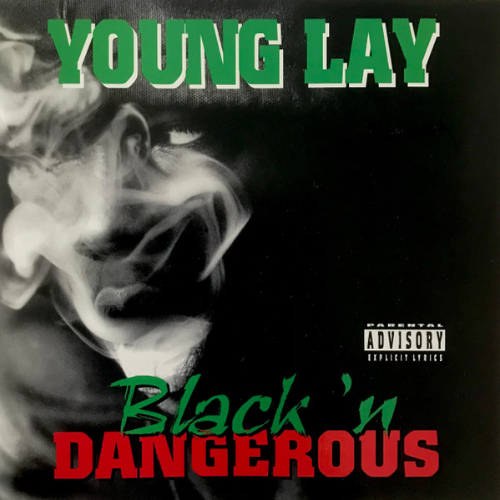
アルバム資料では約4分24秒と表記されており、同作の終盤には約5分24秒の「Playah’s Mode(Remix)」も収録されている。
楽曲のクレジットでは、Young Layの本名であるLathan Williams、Khayree、Fergがソングライターとして記載されている。
演奏面では、Khayreeが各種楽器、Fergがギターを担当。女性リードヴォーカルとしてEboni Fosterもクレジットされている。
アルバムには通常版とリミックスの両方が収録され、12インチ盤にもRadio、Street、Acappella、Remix、Instrumental Remixなど複数のバージョンが用意された。
この展開からも、「Playah’s Mode」が単なるアルバム中盤の一曲ではなく、作品を代表する重要曲として扱われていたことが分かる。
第一印象
最初に耳へ入ってくるのは、女性の短い語りと、硬く乾いたスネアだ。
Eboni FosterがYoung Layの名前と「Playah’s Mode」という言葉を紹介し、その背後で男性の声による短いサンプル音声が挿入される。
このイントロは、これから始まる曲を単なるラップではなく、ひとつの“モード”へ切り替える演出として機能している。
ビートが本格的に始まっても、トラックは急激に盛り上がらない。
低く沈んだベース、一定の間隔で鳴るスネア、奥で刻まれるギターが、じわじわと空間を支配していく。
第一印象は華やかさよりも、落ち着いた自信である。
大声で強さを証明するのではなく、Young Layはすでに自分が有利な場所に立っているかのように、余裕を保ちながら言葉を運んでいく。
サウンド分析
ドラム
音源解析では、テンポは約94 BPM。
ミッドテンポのヒップホップとしては標準的な速さだが、キックとスネアの間に十分な空間が取られているため、実際の数字よりもゆったりと感じられる。
キックは極端に大きく加工されておらず、ベースと一体化して下から曲を支える。
対してスネアは乾いており、短い残響と鋭いアタックで拍の位置を明確にする。
特に印象的なのは、スネアの直後に残される空白だ。
音を詰め込みすぎないため、Young Layの細かなフローが入ってもトラックが窮屈にならない。言葉数の多いラップと、余白を生かしたドラムが互いを補っている。
ハイハットも派手には動かず、一定の速度でビートの輪郭を保つ。
現在のトラップのような高速ロールではなく、キック、スネア、ハイハットという基本的な要素だけで、ゆったりとしたバウンスを作っている。
ベース
ベースは、この曲の重心を決めている最重要要素である。
音色は丸く、太い。輪郭を強く押し出すのではなく、キックの下側に入り込みながら、長く伸びて空間を埋める。
派手なベースラインではないが、音程が微妙に上下することで、同じループが続いても単調には聞こえない。
このベースには、南カリフォルニアのG-Funkに見られる明るく弾む感覚よりも、ベイエリアのMob Musicに近い重さがある。
車内で鳴らすことを想定したような低域だが、ただ低音を強調しているわけではない。
ベースが長く残る一方、ドラムは短く乾いている。この長さの違いによって、地面を這うような低音と、前へ進むリズムが同時に生まれている。
シンセ・メロディ
メロディ面で前に出ているのは、派手なリードシンセではなく、ギター、短い鍵盤音、背景の持続音である。
Fergが担当したギターは、長いソロを弾くのではなく、短いフレーズを細かく配置する。
高音域で刻まれるギターは、ベースの重さを軽くし、曲にファンク特有の跳ねを加えている。鳴らし続けるのではなく、ラップの隙間へ差し込まれるため、音数以上に存在感がある。
背景では、薄いシンセやパッド系の音が長く伸びている。
それらは明確な旋律を演奏するというより、夜の街を思わせる薄暗い空気を作る役割を担う。
G-Funkに分類できる要素はあるものの、鋭く高いシンセ・リードを主役にしたタイプではない。
ファンクギターと低音を軸にした、Mob Music寄りのG-Funkと捉えるのが適切だろう。
ミックス・グルーヴ
ミックスは低域と中域を中心に構成されている。
ベースは太いが、Young Layの声が埋もれるほど前には出ていない。ラップは中央に置かれ、ギターやコーラスが左右と奥へ広がることで、ヴォーカルのための空間が確保されている。
ヴァースではYoung Layのラップが中心となり、周囲の楽器は比較的抑えられる。
一方、フックに入るとEboni Fosterの声が複数重なり、左右への広がりが一気に増す。
この変化によって、大きなドラムフィルや転調を使わなくても、ヴァースとフックの違いが明確になる。
楽曲は基本的に同じビートを維持しているが、声の人数、重なり、定位を変えることで展開を作っている。
グルーヴは前へ突進するものではない。
重い低音に身体を預け、ゆっくりと首を振らせるタイプだ。派手な展開を避けながら、同じモードを最後まで維持すること自体が、この曲の美学になっている。
ラップ/ボーカル分析
Young Layのラップは、トラックのゆったりしたテンポとは対照的に、細かく動く。
一つの小節へ多くの単語を詰め込み、文末だけでなく途中にも韻を置きながら、流れを途切れさせずに進んでいく。
声は高めで鼻にかかっており、太い低音系ラッパーとは異なる鋭さを持つ。
ベースとドラムが低い位置を占める一方、Young Layの声は中高域へ抜ける。そのため、音域の面でもトラックとの役割分担が明確だ。
フローには、完全に拍へ合わせる部分と、言葉をわずかに前へ押し出す部分がある。
特に長い文章を一息で運ぶ場面では、拍に乗るというより、ビートの上を滑り続けるように聞こえる。
このせわしないラップが、落ち着いたトラックに緊張感を加えている。
Eboni Fosterのコーラスは、Young Layとは対照的だ。
Young Layが細かく言葉を刻むのに対し、Eboni Fosterは音を長く伸ばし、反復されるフレーズを滑らかに歌う。
フックでは「金を稼ぐ」「自分たちのやり方で生きる」というメッセージが繰り返され、曲のテーマを直接的に示す。
コーラスの声は一人分だけではなく、多重録音によって厚く重ねられている。
主旋律の背後に別の声部が入り、さらにYoung Layの短い合いの手が重なる。その結果、ヴァースの孤独な語りから、仲間や周囲を巻き込んだ集団的な空気へ切り替わる。
歌詞・テーマ
「Playah’s Mode」の中心にあるのは、金、女性、成功、地元、そしてラッパーとしての成長である。
第1ヴァースでは、Young Layが自分をプレイヤーとして提示し、女性との関係や危険な生活について語る。
女性に深入りしすぎず、自分のルールを崩さない。相手を追いかけるのではなく、自分が主導権を握るという態度が一貫している。
ただし、その言葉には単なる余裕だけでなく、女性や周囲の人間を信用しすぎない警戒心も含まれている。
第2ヴァースでは、金銭と女性の関係がさらに強く描かれる。
Young Layは自分と関係を持つためには、相手も自立し、金を得る必要があるという姿勢を示す。
恋愛感情よりも利益と立場を優先する内容であり、ここでいう“プレイヤー”は、単に女性に人気のある男ではない。
感情へ飲み込まれず、金と自分の目的を優先できる人間として描かれている。
そして第3ヴァースでは、曲の視点が大きく変化する。
Young Layは過去を振り返り、以前はデモテープを作っても十分に注目されなかったこと、そこから名前が知られるようになったことを語る。
ここには、それまでの女性関係を中心とした話とは異なる、ラッパーとしての実感がある。
周囲から無視されていた若者が、作品を発表し、契約と注目を得るまでに成長した。
つまり「Playah’s Mode」とは、女性との駆け引きだけを意味する言葉ではない。
失敗や無視を経験しても動きを止めず、自分のゲームを続け、最終的に有利な立場を作り上げる。
それが、この曲におけるYoung Layの“モード”である。
楽曲構成
音源は、以下のような構成になっている。
0:00〜0:15 イントロ
女性の語りによってYoung Layと曲名が紹介される。短い男性音声と楽器が重なり、曲の世界へ入るための導入を作る。
0:15〜1:15 第1ヴァース
Young Layがプレイヤーとしての姿勢、女性との駆け引き、危険な生活を語る。ラップが長く続き、曲の人物像を一気に提示する。
1:15〜1:42 第1フック
Eboni Fosterの多重コーラスが入り、音場が広がる。「Playah’s Mode」という中心フレーズと、金を稼ぐというテーマが反復される。
1:42〜2:30 第2ヴァース
女性と金銭の関係をより直接的に描く。感情よりも利益、自立、主導権を優先するプレイヤーとしてのルールが示される。
2:30〜2:57 第2フック
第1フックと同じ基本構成。反復によって曲のモードを再び固定する。
2:57〜3:48 第3ヴァース
Young Layが過去の生活、デモテープ時代、名前が知られるまでの過程を振り返る。曲の中で最も自伝的な部分である。
3:48〜4:24 アウトロ
フックが繰り返され、Young Layや周囲の声が重なる。仲間の名前や地元に関係する呼びかけが次々と入り、個人の物語からヴァレーホ周辺のコミュニティへ視野が広がった状態で終わる。
トリビア/制作メモ
「Playah’s Mode」の通常版では、Khayreeが各種楽器を担当し、Fergがギターを演奏している。
そのため、曲のファンク感は単純なサンプル・ループだけではなく、ギターや鍵盤を含む演奏によって組み立てられた可能性が高い。
通常版のプロデュースはKhayreeとFerg。12インチに収録されたリミックスでは、Khayreeがリミックスを担当している。
Eboni Fosterは通常版でリードヴォーカルとしてクレジットされている。
彼女のコーラスは飾りではなく、Young Layのラップと対になるもう一つの主役だ。ラップだけでは強すぎる内容を滑らかに包み込み、曲をストリート・ラップとR&Bの中間へ導いている。
アウトロでは複数の人物名が呼ばれ、Young Lay個人の成功だけでなく、周囲の仲間やYoung Black Brotha周辺のつながりが示される。
その中にはMac DreやKhayreeと思われる名前も聞き取れるが、すべての呼びかけを音源だけで正確に特定することは難しいため、断定は避けたい。
総評
Young Layの「Playah’s Mode」は、プレイヤー・ラップの表面的な派手さよりも、その背後にある生存戦略を描いた曲である。
女性に深入りしないこと。
金を優先すること。
周囲に無視されても動きを止めないこと。
地元の仲間とのつながりを忘れないこと。
Young Layにとって“プレイヤー”とは、単に女性を魅了する男ではない。厳しい環境の中で自分の立場を作り、感情に流されず、ゲームを最後まで続ける人間なのだ。
サウンドもその姿勢を反映している。
約94 BPMの重いドラム、地面を這うようなベース、短く刻まれるファンクギター、薄暗いシンセ、そしてEboni Fosterの厚いコーラス。
派手な変化は少ないが、同じグルーヴを繰り返すほど、聴き手は曲の中へ深く引き込まれていく。
ロサンゼルス型G-Funkの華やかさとは異なる。
ヴァレーホのMob Musicが持つ土臭さ、低音の圧力、地域への意識を残しながら、R&Bコーラスによって滑らかに仕上げられている。
それこそが「Playah’s Mode」の魅力だ。
夜の街をゆっくり流すような余裕を持ちながら、歌詞の奥では、無名だった若者が成功をつかむまでの執念が静かに燃えている。
今回ご紹介の楽曲の購入はこちらからどうぞ

リミックスはこちら
Young Lay – Playah’s Mode | Vallejo Player Funk Built on Hustle, Growth and Bay Area Survival
What “Playah’s Mode” describes is not simply womanizing or bragging about success.
Young Lay looks back on the period when he handed out demo tapes and received little attention, the gradual process of becoming known, the importance of the people around him, and the way others began reacting differently once success finally arrived.
Looking back at that past, he describes his current position with one phrase:
“Playah’s Mode.”
Heavy drums moving at approximately 94 BPM.
Low, sticky bass.
Short funk-guitar figures.
Synth textures creating additional depth.
And a smooth but powerful chorus from Eboni Foster.
Together, those elements create a dusty yet polished form of player funk strongly connected to the atmosphere of mid-1990s Vallejo.
Artist Introduction
Young Lay is a rapper associated with Vallejo, California.
His style is defined by a relatively high, nasal voice, tightly packed flows, and a way of connecting street reality with his own personal development.
Vallejo produced a distinct Bay Area rap identity that developed separately from the dominant Los Angeles sound.
Artists such as Mac Dre, Mac Mall, and Ray Luv helped shape a regional style rooted in Mob Music, heavy low end, funk, and local street culture.
Young Lay belongs within that tradition.
His music often combines low-slung bass, dry drums, live or funk-influenced instrumentation, and references to people and places connected to his own community.
One of the most important figures behind Young Lay’s music was producer Khayree, who ran Young Black Brotha Records.
On “Playah’s Mode,” Khayree contributed instrumentation and production, while Ferg was involved in co-production and guitar.
Background
“Playah’s Mode” appears on Young Lay’s 1996 album Black ’N Dangerous.
Album documentation lists the track at approximately 4 minutes and 24 seconds.
A longer “Playah’s Mode (Remix),” running approximately 5 minutes and 24 seconds, also appears later on the album.
Songwriting credits list Young Lay under his real name, Lathan Williams, alongside Khayree and Ferg.
Khayree is credited with instrumentation, while Ferg is credited with guitar.
Eboni Foster is also credited as the female lead vocalist.
Both the original and remix versions received substantial attention in the release configuration.
A 12-inch release included multiple versions such as Radio, Street, Acappella, Remix, and Instrumental Remix.
That treatment suggests “Playah’s Mode” was not simply another album track.
It was positioned as one of the important records connected to the project.
First Impression
The first thing the listener hears is a short female introduction followed by a hard, dry snare.
Eboni Foster introduces Young Lay and the phrase “Playah’s Mode,” while a brief male vocal sample appears behind her.
The intro works almost like switching into a different state of mind.
This is not simply the beginning of a rap song.
It is an entrance into a specific “mode.”
Even when the beat fully arrives, the production does not suddenly explode.
Low bass.
Steady snares.
Guitar fragments sitting deeper in the mix.
The track gradually takes control of the space rather than demanding attention immediately.
The first impression is not flamboyance.
It is controlled confidence.
Young Lay does not sound as though he needs to prove that he is powerful.
He delivers his words with the calmness of someone who believes he has already reached a stronger position.
Sound Analysis
Drums
Audio analysis places the tempo at approximately 94 BPM.
That is a fairly standard mid-tempo hip-hop pace, but the amount of space between the kick and snare makes the track feel slower and heavier than the number suggests.
The kick is not excessively processed.
Instead, it works closely with the bass, supporting the track from underneath.
The snare is dry, with a short decay and sharp attack that clearly marks the beat.
One of the most effective details is the space left immediately after each snare.
The production avoids overcrowding the rhythm.
That means Young Lay can deliver dense lines without making the track feel compressed or chaotic.
His word-heavy flow and the spacious drum pattern balance one another.
The hi-hats are similarly restrained.
There are no modern trap-style rolls or rapid bursts.
Kick, snare, and hi-hat are enough to create a relaxed bounce.
Bass
The bass is arguably the most important element in establishing the track’s center of gravity.
Its tone is rounded and thick.
Rather than sharply defining each note, it sits underneath the kick and stretches through the space between drum hits.
The bassline is not especially flashy.
But small movements in pitch prevent the loop from feeling completely static.
Its character is heavier than the bright, bouncing low end often associated with Southern California G-Funk.
There is more weight here.
More drag.
More of the grounded feel associated with Bay Area Mob Music.
The low end sounds well suited to a car system, but it is not simply exaggerated bass for its own sake.
The bass sustains while the drums remain short and dry.
That difference in note length creates both low-frequency weight and forward motion.
Synths & Melody
The melodic foreground is not dominated by a dramatic lead synthesizer.
Instead, the arrangement uses guitar, short keyboard figures, and sustained background textures.
Ferg’s guitar does not perform long solos.
It appears in short phrases, placed carefully throughout the track.
The higher guitar notes lighten the weight of the bass and introduce the bounce associated with funk.
Because the guitar enters in the spaces around the rap instead of playing constantly, it has more impact than the number of notes might suggest.
Behind it, thin synth and pad textures stretch across the background.
They do not function as a clearly defined melody.
Their role is more atmospheric, adding the dim nighttime feeling surrounding the groove.
There are clear G-Funk-related elements, but this is not the kind of production built around a piercing high-pitched synth lead.
It is better understood as Mob Music-leaning G-Funk built around funk guitar and low-end weight.
Mix & Groove
The mix is centered around the low and mid frequencies.
The bass is thick, but it never overwhelms Young Lay’s voice.
His rap sits clearly in the center, while guitar and chorus vocals expand outward and backward in the stereo field.
During the verses, Young Lay remains the main focus and the surrounding instruments are relatively restrained.
When the hook arrives, Eboni Foster’s layered vocals widen the track dramatically.
That change creates a clear distinction between verse and chorus without requiring major drum fills or harmonic shifts.
The beat itself remains largely consistent.
Development comes through changes in the number of voices, layering, and stereo placement.
The groove is not designed to rush forward.
It invites the listener to settle into the heavy low end and nod slowly.
Avoiding dramatic changes and maintaining the same “mode” all the way through is part of the track’s aesthetic.
Rap / Vocal Analysis
Young Lay’s rapping moves much more actively than the instrumental.
He fits a large number of words into each bar and places rhymes not only at the ends of lines but inside them as well.
His voice is relatively high and nasal.
That gives him a sharper tonal presence than rappers with deeper voices.
The bass and drums occupy the lower range.
Young Lay cuts through them from the upper-mid frequencies.
That separation makes the mix especially effective.
His flow alternates between sitting directly on the beat and pushing slightly ahead of it.
During longer phrases, he can sound less like someone landing on individual beats and more like someone continuously sliding across the instrumental.
That restless vocal movement gives tension to an otherwise relaxed track.
Eboni Foster’s chorus works in the opposite way.
Where Young Lay cuts words into smaller pieces, Foster stretches her notes.
Her smooth repetition gives the hook a wider, more relaxed shape.
The chorus reinforces themes of making money and living according to their own rules.
Her vocals are also layered rather than presented as a single isolated lead.
Additional harmonies sit behind the main melody, while Young Lay adds shorter vocal responses.
As a result, the track shifts from the more solitary feel of the verses into something communal.
Lyrics & Themes
The core themes of “Playah’s Mode” are money, women, success, hometown identity, and Young Lay’s development as a rapper.
In the first verse, Young Lay presents himself as a player.
He talks about relationships with women and the dangers surrounding his lifestyle.
His attitude remains consistent:
do not become too emotionally involved,
do not chase,
do not surrender control.
But underneath that apparent confidence is also distrust.
He does not want to rely too heavily on women or on the people around him.
The second verse places even more emphasis on the relationship between money and women.
Young Lay suggests that anyone involved with him should also be capable of supporting herself and making money.
Profit and position take priority over romance.
In this context, being a “player” does not simply mean being successful with women.
It means being someone who refuses to lose focus on money, independence, and personal goals.
Then the third verse changes the perspective significantly.
Young Lay begins looking backward.
He remembers making demo tapes without receiving much attention.
He reflects on the process through which his name gradually became known.
That introduces a more personal and autobiographical dimension.
The earlier verses focus heavily on women and player rules.
The third verse explains how that player mentality also applies to his career.
A young rapper was ignored.
He continued working.
Records were released.
Attention arrived.
His position changed.
That means “Playah’s Mode” is not limited to romantic strategy.
It also describes persistence.
Keep moving after rejection.
Keep playing your own game.
Continue until the situation changes in your favor.
That is Young Lay’s version of the “mode.”
Song Structure
The recording follows approximately this structure:
0:00–0:15 — Intro
A female voice introduces Young Lay and the song title. Short male vocal fragments and instrumentation establish the entrance into the track’s world.
0:15–1:15 — Verse 1
Young Lay establishes his player mentality, relationships with women, and the dangerous lifestyle surrounding him.
1:15–1:42 — Hook 1
Eboni Foster’s layered chorus widens the sound. The central “Playah’s Mode” phrase and the emphasis on making money are repeated.
1:42–2:30 — Verse 2
The relationship between women and money becomes more direct. Independence, profit, and control are emphasized over emotional attachment.
2:30–2:57 — Hook 2
The basic hook returns, reinforcing the song’s central mindset.
2:57–3:48 — Verse 3
Young Lay looks back on his earlier life, the demo-tape period, and the process of becoming recognized. This is the track’s most autobiographical section.
3:48–4:24 — Outro
The hook repeats while Young Lay and additional voices overlap. Names connected to friends and the local scene are called out, widening the track from one man’s story toward the larger Vallejo community.
Trivia / Production Notes
On the original version of “Playah’s Mode,” Khayree is credited with instrumentation, while Ferg plays guitar.
That means the track’s funk character was likely built not only through sample-based looping but also through performed instrumental elements such as guitar and keyboards.
The original version was produced by Khayree and Ferg.
On the 12-inch remix, Khayree handled the remix production.
Eboni Foster is credited as the lead vocalist on the original version.
Her chorus is not merely decorative.
It functions as a second major voice in the track.
The smooth singing softens material that could otherwise become overly hard, helping position “Playah’s Mode” somewhere between street rap, funk, and R&B.
Several names are called out during the outro.
These references appear to connect Young Lay’s personal success to friends and the wider Young Black Brotha circle.
Names that sound like Mac Dre and Khayree may be audible, but not every shout-out can be identified with certainty from the recording alone.
For that reason, individual names should not be treated as confirmed unless supported by clearer documentation.
Final Thoughts
Young Lay’s “Playah’s Mode” is less about the surface glamour of player rap than the survival strategy underneath it.
Do not become too emotionally attached.
Prioritize money.
Keep moving even when nobody cares.
Do not forget the people from home.
For Young Lay, a “player” is not simply a man who attracts women.
It is someone who creates his own position inside a difficult environment, stays focused, controls his emotions, and continues playing the game until circumstances finally begin to change.
The sound reflects that attitude.
Heavy drums at approximately 94 BPM.
Bass crawling close to the ground.
Short funk-guitar figures.
Dim synth textures.
And Eboni Foster’s thick, layered chorus.
There are few dramatic changes.
But the longer the same groove repeats, the deeper the listener falls into it.
This is not the glossy side of Los Angeles G-Funk.
It retains the dust, low-end pressure, and neighborhood consciousness associated with Vallejo Mob Music, while the R&B chorus gives the record a smoother finish.
That combination is what makes “Playah’s Mode” stand out.
It carries the relaxed confidence of slowly cruising through the city at night, while underneath that calm surface burns the determination of a young rapper who once handed out demos, got ignored, and kept moving until people finally had to notice.
コメント