今回のご紹介は
ルイジアナ州ニューオーリンズ出身の
ラッパー、実業家、プロデューサーであり
90年代のサザン・ヒップホップを全国区へ押し上げた最重要人物の一人で
ラッパーとしてだけでなく
レーベル経営者としても歴史に残る成功を収め
「音楽ビジネスをアーティスト自身が支配する」というモデルを確立した人物
Master P による一曲
【Anything Goes】
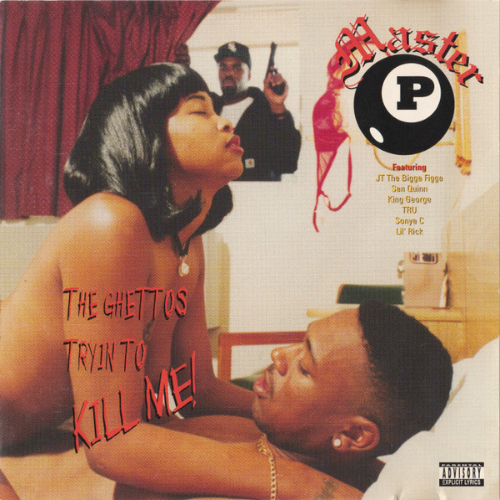
1994年に No Limit Records からリリースされた
彼の3枚目のスタジオ・アルバム
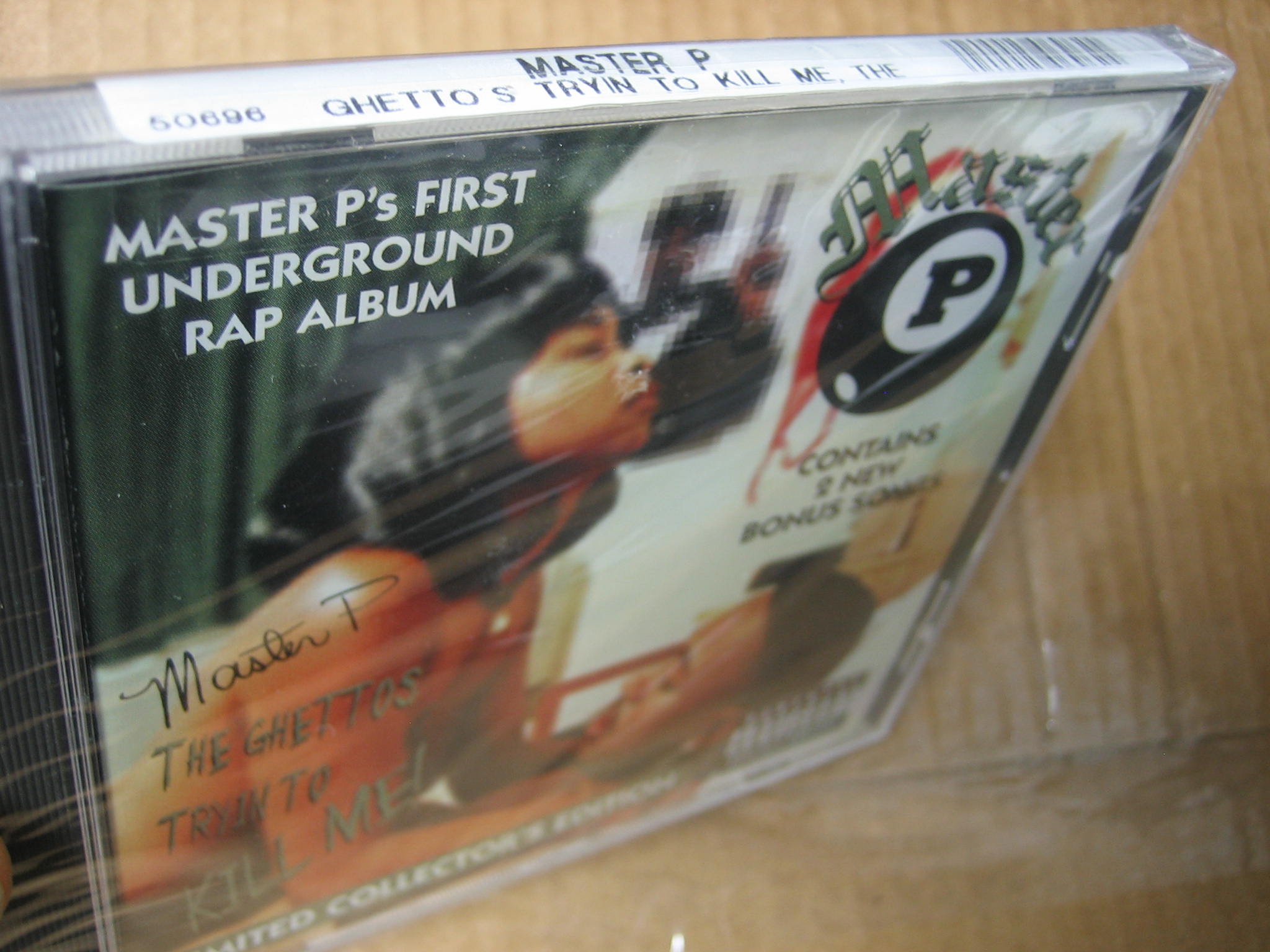
「The Ghetto’s Tryin’ to Kill Me」に収録されています。
No Limit Records が全米的な成功を収める以前の作品であり
ニューオーリンズ・ラップから 「No Limit帝国」 へと発展する
過渡期を記録した重要な一枚として知られています。
発売当初は全国的なヒットには至りませんでしたが
後年 Master P が成功を収めたことで
彼のキャリアを知るうえで重要な作品として再評価された作品です。
そんな中に収録された一曲ですが
曲が始まると
まず耳に飛び込んでくるのは重苦しいシンセパッド。
派手なメロディは存在せず
空間を広く使った不穏なコードが楽曲全体を支配しています。
この時点で
Dr. Dre の G-Funk とは全く違う世界観であることが分かります。
G-Funk が「夏のロサンゼルス」なら
この曲は 「夜のニューオーリンズ」 という表現がしっくりきます。
ドラムは非常にシンプル。
キックは低域を強調した808系。
スネアも派手ではなく
一定のリズムを淡々と刻み続ける。
ハイハットも細かく動かず
余白を意識した構成になっています。
この「引き算」のビートが
リリックを前面に押し出している。
ベースはファンク色を残しつつも
G-Funk のように歌うベースではない。
重心を下げる役割に徹しており
ストリートの重苦しさを演出しています。
後の No Limit 作品で聴ける808主体のベースワークの原型と言っても過言では無い。
Master P によるラップは
後年ほど豪快ではなく
若さも感じられ
ストーリーテリングを重視したフロウになっています。
韻を踏み倒すタイプというより
実体験を語るようなスタイルで
まるで映画のナレーションを聞いているような感覚になります。
音数が少ないため
各楽器が非常に聴き取りやすい。
ラウドなミックスとは違い
90年代前半らしいダイナミクスが残されている。
ローファイ感も強く
インディーズ作品ならではの空気感が魅力となっています。
この曲はフックで盛り上げるタイプではなく
最後まで同じテンションを保ちながら
Master Pがストリートの現実を語り続ける。
だからこそ
リスナーは自然と歌詞へ意識を向けることになります。
この曲の魅力は
派手な演出ではなくリアリティにあります。
後の No Limit 作品では壮大なサウンドが特徴となりますが
本作ではまだインディーズ時代ならではの粗削りな質感が残されています。
そのため
Master P のラップやストリートでの実体験がより直接的に伝わってくる。
G-Funk ファンの視点で
華やかなシンセやトークボックスを期待すると
物足りなさを感じるかもしれません。
しかし
西海岸サウンドの影響を受けながら
ニューオーリンズ独自の重苦しい空気感へと昇華させた点こそが
この楽曲の最大の価値であります。
No Limit サウンドの完成形を知る人ほど
この曲には
「帝国が築かれる以前の原点」が刻まれていることを実感できる一曲と言えるでしょう。
今回ご紹介の楽曲の購入はこちらからどうぞ
【G-Rap】Master P – Anything Goes
Today’s featured track is “Anything Goes” by Master P, the legendary rapper, entrepreneur, and producer from New Orleans, Louisiana.
Widely recognized as one of the most influential figures in bringing Southern hip-hop to a national audience during the 1990s, Master P achieved historic success not only as a rapper but also as the founder of No Limit Records. More importantly, he helped establish a new business model in which artists could own and control their own music careers, leaving a lasting impact on the music industry.
“Anything Goes” appears on his third studio album, The Ghetto’s Tryin’ to Kill Me, released in 1994 through No Limit Records.
This album predates No Limit’s rise to nationwide dominance and captures a pivotal moment in Master P’s career—a transitional period between the early New Orleans rap scene and the birth of what would eventually become the No Limit empire.
Although the album was not a major commercial success upon its initial release, it gained renewed recognition after Master P became one of hip-hop’s biggest independent success stories. Today, it is regarded as an essential recording for understanding the foundations of his career.
From the very beginning of “Anything Goes,” the listener is greeted by dark, brooding synth pads.
There are no flashy melodies. Instead, ominous chords fill the spacious production, creating a heavy atmosphere that dominates the entire track.
It’s immediately clear that this is a completely different world from Dr. Dre’s G-Funk.
If G-Funk represents the feeling of a sunny summer day in Los Angeles, “Anything Goes” feels like the streets of New Orleans after dark.
The drum programming is remarkably minimal.
The kick drum is built around a deep 808-style sound, while the snare remains restrained, steadily maintaining the rhythm without unnecessary embellishment. Even the hi-hats avoid excessive movement, allowing plenty of space within the beat.
This minimalist approach places the focus squarely on the lyrics.
The bass carries traces of funk but doesn’t perform the melodic role commonly associated with G-Funk. Instead, it serves to anchor the track with weight and depth, reinforcing the bleak atmosphere of the streets.
In many ways, this can be seen as an early blueprint for the heavy 808-driven basslines that would later become a signature element of the No Limit sound.
Master P’s vocal performance is also noticeably different from the commanding delivery he would later become known for.
His youthful energy is evident, but his flow is centered on storytelling rather than technical lyricism. Instead of emphasizing complex rhyme schemes, he delivers his verses as if recounting real-life experiences, giving the listener the feeling of hearing the narration of a crime drama.
Because the instrumental remains so sparse, every musical element is easy to distinguish.
Unlike modern loud, heavily compressed mixes, the track preserves the natural dynamics characteristic of early 1990s hip-hop. Its raw, lo-fi production further enhances the independent spirit that defines the recording.
This isn’t a song designed around a catchy hook or dramatic payoff.
Instead, Master P maintains the same steady intensity from beginning to end, continuously painting vivid pictures of life on the streets.
As a result, the listener naturally becomes more focused on the lyrics than on the production itself.
The true strength of “Anything Goes” lies not in flashy production or commercial appeal, but in its authenticity.
Later No Limit releases would become known for their larger-than-life sound and polished production, but this recording still retains the rough edges of the label’s independent beginnings.
That rawness allows Master P’s voice, perspective, and real-life experiences to come across with remarkable honesty.
From a G-Funk fan’s perspective, listeners expecting lush synthesizers, talk box melodies, and polished West Coast grooves may initially find the track somewhat understated.
However, its greatest achievement lies in the way it absorbs elements of West Coast rap while transforming them into something distinctly New Orleans—darker, heavier, and deeply rooted in the realities of its own streets.
For those already familiar with the fully developed No Limit sound, “Anything Goes” serves as a fascinating glimpse into where it all began.
It is a document of the era before the empire was built—a raw and uncompromising snapshot of Master P’s origins, capturing the foundation of one of hip-hop’s most influential independent movements.
コメント