イタリアのラッパーArdazが放つ「Sunny Days」は、タイトル通り晴れた日の開放感をそのままG-Funkへ落とし込んだような一曲だ。
実際の音源を聴くと、中心にあるのは約103 BPMで軽快に跳ねるビート、丸みを帯びたベース、明るく広がる鍵盤、そして耳に残る女性ヴォーカル。
さらにDJ AKによるトークボックスが要所から顔を出し、ヨーロッパ産でありながら、空気はWest CoastやChicano Rapへ自然につながっていく。
強烈なシンセで押し切るタイプではない。
晴れた午後、窓を開けて街を流したくなる。
そんな気持ち良さを最後まで崩さないItalian G-Funkだ。
アーティスト紹介
Ardazは、イタリア北東部ヴェネト州ロヴィーゴを拠点とするラッパーとして紹介されている。
「Sunny Days」で興味深いのは、Ardazだけで完結したイタリア産Hip-Hopではなく、フランスのG-Funkシーンとの結びつきが非常に強いこと。
プロデュースをSovanが担当し、Pass Passが客演。さらにDJ AKがトークボックスで参加している。
そのためサウンドにはItalian Hip-Hopという地域性以上に、2000年代European G-Funk特有の「アメリカ西海岸への憧憬をヨーロッパ独自の質感で再構築する」感覚が表れている。
作品背景
「Sunny Days」は、2006年にUnderworld 805 RecordsからリリースされたArdazのアルバム『Son Italiano』収録曲。
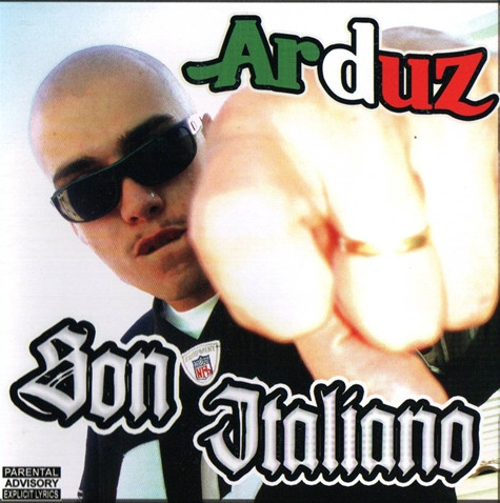
プロデュースはSovan、客演にPass Pass、トークボックスにDJ AKが参加している。
収録作品: 『Son Italiano』
リリース: 2006年
レーベル: Underworld 805 Records
プロデュース: Sovan
客演: Pass Pass
トークボックス: DJ AK
ジャンル: Italian G-Funk / European G-Funk / Hip-Hop
特にSovan、Pass Pass、DJ AKというフランス勢の存在は大きく、イタリアとフランスのG-Funkシーンが交差する作品として聴くことができる。
第一印象
イントロから漂うのは、とにかく明るさだ。
しかし、単純に陽気なだけではない。
柔らかな鍵盤のコード、低い位置で動くベース、細かく刻まれるパーカッションが重なることで、晴れた日の街をゆっくりクルージングするような余裕が生まれている。
そこへ女性ヴォーカルとトークボックスが加わる。
この組み合わせによって、曲の色が一気にG-Funkへ傾く。
特に印象的なのは、爽快なのに軽すぎないところ。
ベースにはしっかり重量があり、ドラムにも腰があるため、ポップなサマーチューンではなく、あくまでG-Funkの低重心を残した爽快感になっている。
サウンド分析
ドラム
実測ではテンポは約103 BPM。
90年代West CoastのスローなメロウG-Funkより少しテンポ感があり、曲全体に軽快な推進力を与えている。
キックは極端に重く潰すタイプではなく、ベースとの一体感を優先。
スネア/クラップは明確にバックビートを作り、そこへ細かなハイハットやパーカッションが入ることで、グルーヴが停滞しない。
特徴的なのは、
「ドン、パン」という骨格はHip-Hopなのに、その周囲がかなり軽やかに動いていること。
そのため約4分27秒という尺でも重たく感じにくい。
ベース
ベースはこの曲の隠れた主役だ。
極端に前へ出てくるサブベースではなく、丸く太い低音がドラムの下を滑っていく。
音数を増やして派手に動くというより、コード進行に沿いながら必要な場所で小さく動き、ファンクらしい弾力を作るタイプ。
この丸いベース+軽快なドラムの組み合わせが、「Sunny Days」のドライブ感を支えている。
シンセ・メロディ
この曲で面白いのは、典型的なG-Funkの甲高いシンセリードだけに頼っていない点。
むしろ中心に感じられるのは、明るいエレピ/ピアノ系のコードと柔らかなシンセのレイヤーだ。
コードの響きには爽やかさがあり、それが「Sunny Days」というタイトルのイメージを直接作っている。
さらにDJ AKのトークボックス。
常時前面に出るのではなく、フックや展開の切り替わりで現れ、楽曲へWest Coast的な色気を足していく。
この「出しすぎない」バランスが重要だ。
トークボックスを主役にするのではなく、曲の景色へ光を差し込むように使っている。
ミックス・グルーヴ
ミックスはかなり開放的。
ヴォーカル、鍵盤、ベース、パーカッションそれぞれにスペースがあり、音を壁のように詰め込んでいない。
低域にはベースがしっかり存在する一方、中高域には余白がある。
そのため晴天を思わせる「抜け」が生まれている。
そして約103 BPMというテンポ。
速すぎず遅すぎず、首を振るHip-Hopのノリと車で流したくなるクルージング感のちょうど中間に位置している。
ラップ/ボーカル分析
Ardazのラップは、このトラックに対して力で押し込むスタイルではない。
ビートの隙間を使いながら滑らかに進み、曲の明るい雰囲気を壊さない。
一方、客演のPass Passが入ることで声の質感が変化する。
Pass Pass側にはより押し出しの強い存在感があり、Ardazのスムースなパートとのコントラストが曲後半のアクセントになる。
さらに重要なのが女性ヴォーカル。
フックに柔らかな歌声が加わることで、Gangsta Rap的な硬さから距離を取り、曲全体をキャッチーにしている。
そしてDJ AKのトークボックス。
ラップ、女性ヴォーカル、トークボックス。
この3種類の声が入れ替わるため、長尺でも単調にならない。
歌詞・テーマ
音源から確実に感じ取れる中心テーマは、タイトルの「Sunny Days」が象徴する晴れた日、開放感、仲間と過ごす時間、日常を楽しむ感覚。
暗いストリート描写を中心に据えるタイプではなく、楽曲そのものがポジティブな時間を演出している。
ここでは細かな歌詞内容を推測で補うより、サウンドとヴォーカルが一貫して作っている「晴れた日の心地良さ」を中心に捉える方が自然だ。
陽射し、車、街、仲間。
そんな景色が似合う。
トリビア
「Sunny Days」は、イタリアのArdazを中心としながら、Sovan、Pass Pass、DJ AKというフランスG-Funk勢が参加した国境横断型の一曲になっている。
特にDJ AKのトークボックスは、曲のG-Funk色を決定づける重要な要素。
ただし全面に押し出すのではなく、ポイントを絞って使用されているため、トークボックス好きだけでなく、Chicano Rapやメロウ系G-Funkが好きなリスナーにも入りやすい。
制作メモ
実際の音源を通して聴いて感じる最大のポイントは、G-Funkを「危険」「妖しい」「夜」という方向ではなく、「晴天」「昼」「開放感」へ振り切っていること。
約103 BPMというテンポも絶妙だ。
スローなG-Funkの粘りを残しながら、少し速度を上げることで爽快感を作っている。
そして、
鍵盤 → 女性ヴォーカル → ラップ → トークボックス
という異なる音色が次々に重なることで、曲の景色を少しずつ変化させている。
ヨーロッパ産G-Funkだからこその洗練と、West Coastへの強い愛情。
その両方が聞こえてくるトラックだ。
総評
Ardaz「Sunny Days」は、陽射しをそのまま音にしたようなItalian G-Funkだ。
丸いベース。
約103 BPMで弾むドラム。
爽やかな鍵盤。
柔らかな女性ヴォーカル。
そしてDJ AKによるトークボックス。
どれか一つが突出するのではなく、それぞれが絶妙な距離を保ちながら「Sunny Days」という一つの景色を作っている。
特に面白いのは、イタリアとフランスのアーティストによって作られた楽曲でありながら、聴いた瞬間にWest Coastのクルージング感が浮かんでくること。
しかし単なる模倣ではない。
ヨーロッパらしい滑らかな質感とキャッチーさが加わることで、独自のEuropean G-Funkへ仕上がっている。
窓を開け、陽射しを浴びながら流したい。
タイトルに偽りなし。
「Sunny Days」は、そんな言葉が自然に浮かぶ一曲だ。
今回ご紹介の楽曲の購入はこちらからどうぞ

Kage – Um That Nigga | Slow-Rolling Mississippi G-Funk from the Streets of Jackson
A voice that sounds like the beginning of a robbery.
A scream.
Then the heavy beat slides in.
Kage’s “Um That Nigga” is 1994 Southern Gangsta Rap / G-Funk from Jackson, Mississippi.
Analysis of the recording puts its natural feel at approximately 81 BPM.
At that slow cruising speed, thick bass, dry drums, and shadowy synth and keyboard textures move underneath Kage’s low voice.
This is not quite the bright, polished G-Funk associated with California.
What you hear instead is:
G-Funk covered in Southern humidity and the rawness of a local Mississippi street record.
Artist Introduction
Kage was a Gangsta Rap artist based in Jackson, Mississippi.
“Um That Nigga” comes from the early part of his career in 1994, and even at this stage he was already strongly establishing his identity by spelling out his name:
K-A-G-E.
His rap style is not primarily about technical exhibition.
Instead, Kage relies on a low voice, controlled pacing, and an unhurried flow to establish his presence.
He does not need to chase the beat.
He lets the beat move underneath him.
That calm delivery becomes one of the defining characteristics of “Um That Nigga.”
Background
“Um That Nigga” appears on Kage’s 1994 cassette release Just Another Day Just Another Dollar.
The recording runs for approximately 3:42.
The lyrics contain local and street-oriented references such as “South Side” and “my hood,” alongside familiar 1990s Gangsta Rap imagery involving cars, money, marijuana, friends, enemies, and guns.
But the track is not simply built around threats.
Kage presents himself as:
“that nigga that you love to hate.”
That idea is essential.
He deliberately constructs himself as the villain—the man people may dislike but cannot ignore.
That antihero persona becomes one of the central ideas behind the record.
First Impression
The immediate feeling is:
slow, heavy, and strangely comfortable.
At approximately 81 BPM, the beat never seems to be in a hurry.
Neither is Kage.
Rather than chasing the rhythm, his flow seems to drag slightly behind it.
Almost like every line is sliding across the pavement.
That slow movement fits perfectly with the automotive imagery in the lyrics:
“rolling real slow,”
the high ride,
the Monte Carlo.
It feels like driving through Jackson late at night with the windows down.
But the atmosphere is never completely relaxed.
Something dangerous always seems to be waiting nearby.
That combination—comfort and threat—is one of the track’s greatest strengths.
Sound Analysis
Drums
The drums are extremely simple.
The kick is low and heavy.
The snare is dry.
Instead of relying on elaborate fills or dramatic breaks, the beat largely preserves the same basic skeleton:
boom — clap — boom — clap.
That repetition is important.
At approximately 81 BPM, every drum hit is given enough room to feel heavier.
This is less like conventional hip-hop head-nodding and more like the entire body of a car bouncing up and down.
The beat does not need to move quickly.
Its weight creates the movement.
Bass
The bass is one of the first elements that really grabs the ear.
A thick, rounded low end crawls underneath the entire track.
Kage himself refers to:
“the bumps of the G-Funk”
coming from the trunk.
That description fits the production remarkably well.
The low end sounds designed for music coming out of a car trunk.
But the bass does more than simply produce weight.
It shifts in pitch and moves subtly through the groove.
That movement adds a certain sensual funkiness underneath the harder Gangsta Rap atmosphere.
The bass makes the track threatening.
But it also makes it feel good.
Synths & Melody
The upper instrumental layers remain restrained.
This is not G-Funk dominated by a huge, high-pitched lead synth.
Instead, faint keyboard and synth textures drift through the background.
That leaves the center of the record to three main elements:
bass + drums + Kage’s voice.
By refusing to fill every available space, the production creates darkness between the sounds.
That is one of the major differences between this track and more polished California G-Funk.
The imagery is not sunshine and coastline.
It feels closer to:
residential streets at night,
streetlights,
and a car waiting at a red light.
The emptiness is part of the atmosphere.
Mix & Groove
The mix retains the roughness of a local 1994 Gangsta Rap recording.
The bass, kick, and vocals are not separated with modern precision.
They sit relatively close together.
But that roughness works in the track’s favor.
Tempo analysis can also detect the rhythm at around 161 BPM when counted in double time.
In practical listening terms, however, the natural pulse is much closer to half of that:
approximately 81 BPM.
That halftime feel is crucial.
It turns the idea of:
“slow rolling”
into something you can actually hear in the rhythm.
The lyrics describe slow movement through the streets.
The production moves exactly the same way.
Rap / Vocal Analysis
Kage’s delivery is low, thick, and almost completely unhurried.
He is not the kind of rapper who tries to overwhelm the listener with rapid-fire rhyme patterns.
Instead, he places individual words into the open spaces of the beat.
One of the strongest moments comes when he spells his name:
K-A-G-E.
The hook uses a call-and-response structure built around:
“I’m that nigga that you love to hate.”
“Who are you nigga?”
“The K-A-G-E.”
It is extremely effective.
Rather than functioning as a melodic chorus, it sounds almost like a chant designed to force the audience to remember his name.
By repeating the pattern several times, Kage makes sure that even a first-time listener leaves the track knowing exactly who he is.
K-A-G-E.
The hook is branding turned into rhythm.
Lyrics & Themes
The central subject of “Um That Nigga” is Kage himself.
Early in the track, he introduces the listener to:
“just another taste of the K-A-G-E.”
From there, he cruises through the streets, heads toward the South Side, and talks about women, money, friends, enemies, and his surroundings.
Cars appear constantly.
The lyrics reference images including a high ride, Cadillac, white Monte Carlo, stoplights, a six-four, and music coming from the trunk.
The car is not simply transportation.
It becomes a stage on which Kage performs his identity.
That becomes even more interesting when the second verse turns toward his past.
Kage reflects on being difficult to control when he was younger, connecting the cars and attitude of his past with the white Monte Carlo of his present.
The message is essentially:
I have always been this person.
In that sense, the track does more than brag.
It builds a personal mythology around Kage.
By the third verse, the atmosphere becomes more dangerous.
Enemies.
Guns.
Friends.
People who may be coming after him.
Yet even as the subject matter becomes more threatening, Kage continues moving through the city at the same slow pace.
That is the important point.
The dominant emotion is not fear.
It is composure.
The world around him may be dangerous.
Kage refuses to sound nervous.
And the approximately 81 BPM beat behaves exactly the same way.
Trivia
The track opens and closes with the voice:
“Okay, everybody, lie down on the floor and keep calm.”
A scream follows near the beginning before the beat enters.
The same voice returns during the outro, effectively framing the entire song with what sounds like a robbery scene.
Another particularly interesting detail is Kage’s explicit use of the term “G-Funk” in the lyrics.
That matters because the classification is not based only on listeners hearing certain bass or synth characteristics and applying the label afterward.
Kage himself invokes G-Funk inside the record.
For a 1994 underground rap recording from Jackson, Mississippi, that detail makes the track especially interesting within the wider regional spread of the sound.
Production Notes
The most distinctive feature of the recording is the way it brings G-Funk structure into local Jackson, Mississippi Gangsta Rap.
The ingredients are simple:
approximately 81 BPM,
thick bass,
dry drums,
minimal atmospheric instrumentation,
and low-register rapping.
Nothing is especially flashy.
But because the production leaves so much space, Kage’s voice becomes more powerful.
The hook applies the same principle.
There is no complicated melody.
Instead, it uses an extremely simple exchange:
“Who are you?”
followed by:
“K-A-G-E.”
That simplicity makes the chorus instantly memorable despite the underground nature of the recording.
The beat does not need to prove anything.
Neither does Kage.
Both simply move slowly and confidently.
Final Thoughts
Kage’s “Um That Nigga” captures the atmosphere of 1994 Jackson, Mississippi Southern Gangsta Rap / G-Funk.
Approximately 81 BPM.
Thick, crawling bass.
Dry drums.
Shadowy instrumentation.
And Kage repeatedly announcing himself in a low voice:
K-A-G-E.
If you approach the track expecting the glossy side of West Coast G-Funk, it may sound very different.
This is more local.
Rougher.
Darker.
And somehow more humid.
What makes the record especially effective is the connection between the lyrics and the production.
Kage repeatedly describes moving slowly through the streets.
And the beat itself really does feel like it is crawling through the city.
Jackson after midnight.
A white Monte Carlo.
G-Funk leaking from the trunk.
The production is strong enough to make that scene visible.
If your understanding of 1990s G-Funk begins and ends in California, records like this are easy to miss.
And that is exactly why “Um That Nigga” is so interesting.
It sounds like G-Funk traveling south, entering a local Mississippi scene, and coming out with an entirely different kind of humidity—a hidden piece of Jackson underground rap built for slow rolling after dark.
コメント