1990年代のギャングスタラップにおける「ファンク」と聞くと、滑らかなシンセサイザーや高音のリード、陽光を感じさせる西海岸のG-Funkを思い浮かべる人は多いだろう。
しかし、5th Ward Boyzの「Gangsta Funk」が鳴らすファンクは、それとは明らかに質感が異なる。
ここにあるのは、乾いた青空の下を走るローライダー向けの華やかなサウンドではない。地面を押し下げるような重いベース、荒々しく反復されるドラム、ざらついた声、そして複数のラッパーが入り乱れる集団的な迫力である。
約4分33秒にわたって展開される本曲は、ファンク由来の身体性を持ちながらも、明るさや開放感より、ヒューストンのストリートが持つ湿度、圧迫感、危険な緊張を前面に押し出している。
「Gangsta Funk」というタイトルは、単なるジャンル名ではない。
ギャングスタとして生きる者たちの態度、声、地域性、仲間意識を、ファンクの反復と重低音によって音楽化した一曲なのである。
アーティスト紹介
5th Ward Boyzは、テキサス州ヒューストンの5th Wardを背景に活動したラップグループである。
グループ名に含まれる5th Wardは単なる地名ではなく、彼らの音楽的アイデンティティそのものだ。5th Ward Boyzの作品では、自分たちがどこの街から来たのか、どのような環境を生きているのかという地域意識が強く表れる。
彼らはGeto BoysやScarfaceらを輩出したRap-A-Lot周辺で活動し、ヒューストン・ラップが全国的な存在感を強めていた時期に作品を発表した。
初期の5th Ward Boyzは007とE-Rockを中心とする編成だったが、『Gangsta Funk』期にはLo-Lifeが加わり、複数の異なる声とフロウが交差するグループとしての厚みが増している。
Geto Boysのような劇的なストーリーテリングとはまた異なり、5th Ward Boyzの魅力は、複数人のラップが連続的に押し寄せることで生まれる集団的な威圧感にある。
一人の主人公を中心に物語を作るというより、街の一角そのものが声を上げているようなラップ。それが彼らの大きな特徴だ。
作品背景
「Gangsta Funk」は、1994年に発表された同名作品『Gangsta Funk』のタイトル曲である。
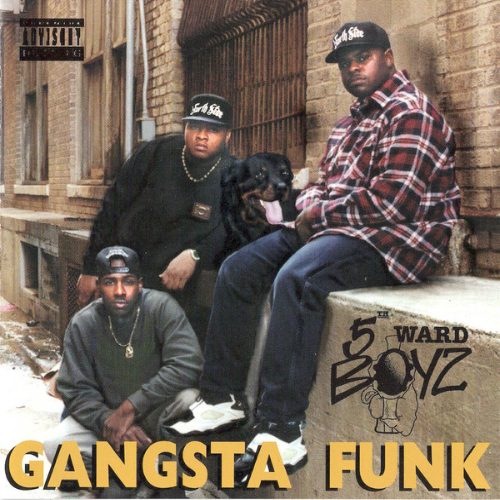
同作は5th Ward Boyzのセカンド作品にあたり、Underground Records/Rap-A-Lot Recordsからリリースされた。録音はヒューストンのDigital Servicesで行われ、アルバム全体の制作陣にはMike Dean、N.O. Joe、John Bido、O.G. Dewey、5th Ward Boyzらが名を連ねている。
アルバムは米Billboard 200で105位、当時のTop R&B Albums系チャートで13位を記録し、5th Ward Boyzの作品としては特に高いチャート成績を残した。
1994年は、Dr. Dre以降のG-Funkが全米規模で大きな影響力を持っていた時期である。一方、ヒューストンではRap-A-Lotを中心に、西海岸とは異なる重さと暗さを備えたファンク・サウンドが発達していた。
「Gangsta Funk」は、その違いを分かりやすく示す曲だ。
ファンクの語法を使いながら、音を滑らかに磨き上げるのではなく、あえて荒さ、重さ、粘りを残す。踊れるリズムでありながら、気軽なパーティー音楽には聞こえない。
タイトル曲として、アルバムの方向性と5th Ward Boyzの立ち位置を同時に提示する役割を担っている。
第一印象
最初に強く感じるのは、音の「重心の低さ」である。
テンポは聴感上およそ86BPM前後。速さで勢いを作るのではなく、一音ごとの重量と間によって圧力を生み出している。
キックとベースが下から押し上げ、その上を硬いスネアが区切る。ラッパーたちはビートに追い立てられるのではなく、ビートの上に腰を下ろし、余裕を保ったまま言葉を置いていく。
そのため、曲調は威勢が良いにもかかわらず、落ち着きがある。
これは洗練されたという意味での落ち着きではない。何かを誇示するために声を荒らげなくても、自分たちがどこから来たのかを理解している者の落ち着きだ。
同時に、全体には生々しいざらつきが残されている。
声もドラムも過度に整えられておらず、各要素が少しずつぶつかり合っている。その粗さが、グループの集団的な存在感やストリート感を強めている。
サウンド分析
ドラム
ドラムは本曲の骨格であり、最も重要な要素の一つだ。
キックは鋭く前へ飛び出すというより、低い場所で厚く鳴る。サブベースと重なった際には輪郭以上に重量が強調され、スピーカーそのものを揺らすような感覚を生む。
スネアは比較的乾いており、低域に集中したトラックの中で明確な区切りを作っている。
リズムパターン自体は複雑ではない。
むしろ、同じパターンを崩さず繰り返すことで、ラップの言葉と声色を前へ出している。細かなフィルや派手なブレイクで展開を作るのではなく、反復の強さで聴き手を曲の内部へ閉じ込めていくタイプのビートだ。
ハイハットや高域のパーカッションも、現代のトラップのように細かく刻まれない。必要な位置に置かれ、ビートを前へ進めながらも、全体の重さを損なわない。
その結果、リズムには急かされる感覚がなく、ゆっくりと歩きながら周囲を威圧するようなグルーヴが生まれている。
ベース
ベースはメロディを華やかに動かすというより、短いフレーズを繰り返しながら楽曲の地盤を固める。
この低音には、ファンク特有の身体を動かす力がある。
ただし、跳ねるような軽快さより、粘りと圧力が中心だ。一音が鳴ったあとに低域の余韻が残り、その上に次のキックやラップが重なるため、曲全体が常に低い雲に覆われているように感じられる。
西海岸G-Funkでは、ベースラインがシンセリードと会話するように動くことが多い。
一方、本曲ではベースが目立つ旋律を演奏するのではなく、街の地面のような役割を担う。ラッパーが交代しても、低音は揺るがず同じ場所に居続ける。
この安定した低域が、複数人によるラップを一つの集団的な声としてまとめている。
シンセ/メロディ
上物は、明確な美しい旋律を聴かせるというより、短いフレーズや音色の反復によって雰囲気を作っている。
ファンク由来の音使いは感じられるものの、華やかさは抑えられている。高音域のパーツも、爽快感を作るためではなく、低音の暗さに不穏な輪郭を加えるために使われている。
メロディの情報量が少ないため、声の存在感が自然に大きくなる。
ラッパーが言葉を詰めても伴奏が邪魔をせず、逆に声が途切れた場面では、反復される上物とベースが曲の緊張を保つ。
本曲のファンクネスは、印象的なシンセソロから生まれているわけではない。
ベース、ドラム、声、短い音型が同じ周期を回り続けることによって、徐々に身体へ入り込んでくる。派手な瞬間ではなく、反復そのものが快感になる構造だ。
ミックス
ミックスはローエンドを中心に組み立てられている。
キックとベースは大きく、声もトラックの上へきれいに浮かび上がるというより、伴奏と近い距離で鳴っている。
そのため、現代的なミックスに比べると各パーツの境界はやや粗い。しかし、この粗さは欠点ではない。
ラップ、ドラム、低音が一塊になって迫ってくることで、スタジオで作り込まれた音楽というより、狭い空間に複数人が集まり、その場の熱気を録音したような臨場感が生まれている。
高域を過度に明るくせず、中低域に密度を持たせているため、全体の色調も暗い。
長時間聴いても耳に刺さる派手さはないが、低音の圧力は最後まで消えない。小型スピーカーより、低域をしっかり再生できる環境で聴くほど魅力が伝わるタイプの曲である。
グルーヴ
本曲のグルーヴは「跳ねる」というより「引きずる」に近い。
ビートは前のめりにならず、ラッパーもわずかに後ろへ体重を残したままフロウする。音と音の間に余白があるため、言葉が一つずつ重く着地する。
この後ろ寄りのノリが、ヒューストンらしい鈍い迫力を生んでいる。
陽気なファンクであれば、反復は開放感や一体感へ向かう。しかし、「Gangsta Funk」の反復は、逃げ場のない閉塞感へ向かう。
同じリズムが続くほど安心するのではなく、同じ街角を何度も巡回しているような緊張が強まっていく。
それでも身体は自然に揺れる。
危険な空気と音楽的な気持ち良さが同時に成立している点が、本曲の大きな魅力だ。
ラップ/ボーカル分析
「Gangsta Funk」では、個々の技巧以上に、複数人の声が順番に現れることで生まれる厚みが重要である。
声質は全体的に低く、荒く、話し声に近い。
大げさな抑揚を付けてドラマを演出するのではなく、自分たちの生活や立場を当然の事実として言い切る。そのため、一つひとつのフレーズに無理な力みがない。
ラップはビートに対して比較的ゆったりと配置されている。
細かな韻を高速で畳みかける方向ではなく、短い言葉、区切り、声の強さを使って印象を残す。語尾を長く引っ張ったり、声を少し後ろへ置いたりすることで、重いビートとの一体感を作っている。
メンバーが交代すると、声の高さや滑舌、フロウの細かさが変化する。
しかし、曲全体のテンションは大きく変わらない。それぞれが自分だけを目立たせるのではなく、同じ地域、同じ集団を代表する声として機能しているからだ。
フック部分では、タイトルである「Gangsta Funk」という言葉が標語のように扱われる。
ここでのフックは、歌唱力や美しいメロディを聴かせるものではない。反復によって曲のコンセプトを刻み込み、聴き手にも同じ言葉を共有させるコール&レスポンス的な役割を持っている。
声の重なりや掛け声も重要だ。
メインのラップの背後から短い反応が入ることで、一人で録音した曲にはない集団感が生まれる。聴き手は一人の告白を聞いているのではなく、複数人が集まる場所へ足を踏み入れたような感覚になる。
歌詞・テーマ
歌詞の中心にあるのは、自分たちが定義する「ギャングスタ・ファンク」の提示である。
ここでいうファンクは単なる音楽ジャンルではなく、彼らの生活態度、地域、服装、話し方、仲間との結び付きまで含んだ文化的な言葉として使われている。
歌詞には、自分たちのタフさ、ストリートでの存在感、敵対者への警戒、仲間との連帯といったギャングスタラップの基本的なテーマが並ぶ。
ただし、本曲は一人の人物を追う具体的な物語ではない。
曲全体が宣言文に近く、「これが俺たちの音だ」「これが俺たちのやり方だ」と繰り返し示す。タイトル曲として、アルバムの世界観を説明する役割が強い。
また、単純な暴力の誇示だけではなく、地域に属する者としての誇りも感じられる。
5th Wardという名前を背負うグループにとって、自分たちの音を提示することは、自分たちの街が持つ価値を提示することでもある。
全国的にはニューヨークやロサンゼルスのラップが大きな注目を集めていた時代に、ヒューストンのストリートから独自のファンクを鳴らす。
「Gangsta Funk」という簡潔な言葉には、その地域的な自負も込められているように聞こえる。
これは歌詞の逐語的な翻訳ではなく、音源内で反復されるタイトル、ラップの語調、曲全体の構成から読み取れるテーマである。
楽曲の聴きどころ
本曲の最大の聴きどころは、派手な展開を用意せず、約4分半の緊張を維持している点だ。
現代の楽曲のように短い間隔でビートを切り替えたり、サビごとに音を大きく増やしたりはしない。基本的なドラム、ベース、上物の循環を保ち、ラッパーの交代と声の重なりによって変化を作っている。
そのため、初めて聴いた時には単調に感じる人もいるかもしれない。
しかし、繰り返し聴くと、声が入る位置、語尾の引き方、バックの掛け声、低音のわずかな揺れなど、反復の中にある小さな違いが見えてくる。
特に注目したいのは、ラッパーが声を荒らげすぎないことだ。
トラックは重く、内容も威圧的だが、フロウには余裕がある。その落ち着きによって、単なる騒がしいギャングスタラップではなく、経験に裏付けられた説得力が生まれている。
また、タイトルに「Funk」と付いていながら、気分を明るくする方向へ進まない点も面白い。
ファンクの反復性、低音、身体性だけを抽出し、それをヒューストンの暗いストリート感覚へ接続している。
この変換こそが、「Gangsta Funk」を単なるG-Funkの模倣ではない作品にしている。
トリビア/制作メモ
「Gangsta Funk」を収録した同名作品は1994年2月22日に発売され、5th Ward Boyzにとって2作目のスタジオ作品と位置付けられている。
アルバム全体のプロデューサーとしては、Mike Dean、N.O. Joe、John Bido、O.G. Dewey、5th Ward Boyzが記録されている。
ただし、今回確認できた公開情報だけでは、タイトル曲「Gangsta Funk」単体について、誰が主担当プロデューサーだったのかを確実に特定できなかった。そのため、特定の人物を本曲のプロデューサーとして断定することは避けたい。
Mike Deanは同時期、5th Ward Boyzだけでなく、Scarface、UGK、Big Mike、DMGなど数多くのテキサス/Rap-A-Lot系作品に制作・録音面で関与していた。1994年の制作歴には『Gangsta Funk』も記録されている。
本作はBillboard 200で105位、Top R&B/Hip-Hop Albumsで13位を記録し、5th Ward Boyzのキャリアの中でも商業的に重要な作品となった。
なお、今回の楽曲は約4分33秒で、アルバムのトラック5として登録されている。
総評/エディターズノート
5th Ward Boyzの「Gangsta Funk」は、1990年代のファンク系ギャングスタラップを語る際に、西海岸だけを基準にしてはいけないことを教えてくれる一曲だ。
滑らかなシンセ、爽快なメロディ、磨き上げられたクルージング感。
そうしたG-Funkの分かりやすい記号は、本曲の中心にはない。
代わりに存在するのは、低い場所で鳴り続けるベース、必要最小限のドラム、荒い声、短い掛け声、そして同じフレーズを執拗に反復することで生まれる圧力である。
この曲のファンクは、音を飾るものではない。
複数のラッパーを一つの集団としてまとめ、ストリートの空気を身体へ伝えるための土台だ。
5th Ward Boyzは、一人ひとりのラップ技術を派手に見せつけるより、グループ全体で巨大な一つの声を作る。その声は、ヒューストンの5th Wardという土地から切り離すことができない。
華やかなサウンドではない。
劇的な展開があるわけでもない。
それでも、低音が鳴り、ドラムが同じ場所を叩き続け、次々と異なる声が現れるうちに、聴き手は曲の持つ粘りから抜け出せなくなる。
「Gangsta Funk」は、派手さではなく反復、速度ではなく重量、個人のスター性ではなく集団の迫力によって成立したヒューストン・ファンクだ。
Rap-A-Lot全盛期のサザン・ギャングスタラップが持っていた、生々しさ、地域性、低音への執着を体感できる重要な一曲である。
今回ご紹介の楽曲の購入はこちらからどうぞ
5th Ward Boyz – “Gangsta Funk” | Houston’s Heavyweight Answer to G-Funk
When people think of 1990s gangsta rap infused with funk, the first image that usually comes to mind is the West Coast’s G-Funk movement—silky synthesizers, soaring lead melodies, and sun-soaked lowrider anthems.
But 5th Ward Boyz’s “Gangsta Funk” represents an entirely different interpretation of funk.
There are no bright California skies or polished cruising soundtracks here. Instead, the record is built upon crushing bass, relentlessly repetitive drums, gritty vocal performances, and the overwhelming force of multiple MCs trading verses.
Across its four-and-a-half-minute runtime, “Gangsta Funk” channels the physicality of funk without embracing its carefree atmosphere. Rather than warmth or optimism, it projects the humidity, pressure, and constant tension of Houston’s streets.
The title itself is more than a genre label.
Here, “Gangsta Funk” becomes a cultural statement—a way of transforming neighborhood identity, collective pride, and street mentality into music through repetition, weight, and rhythm.
Artist Overview
5th Ward Boyz emerged from Houston, Texas, taking their name directly from the city’s historic Fifth Ward—a neighborhood that shaped both their identity and their music.
For the group, “5th Ward” wasn’t simply a location; it was the foundation of everything they represented. Their records consistently reflected where they came from, the realities of their environment, and the pride attached to their community.
Associated with the Rap-A-Lot Records camp that also launched artists like Geto Boys and Scarface, 5th Ward Boyz developed during the period when Houston rap was beginning to establish itself as a major force within Southern hip-hop.
Originally centered around 007 and E-Rock, the group expanded during the Gangsta Funk era with the addition of Lo-Life, creating a lineup whose contrasting voices and flows strengthened their collective presence.
Unlike the cinematic storytelling often associated with Geto Boys, 5th Ward Boyz thrived on sheer group chemistry. Their greatest strength wasn’t telling one person’s story—it was sounding like an entire neighborhood speaking together.
Background
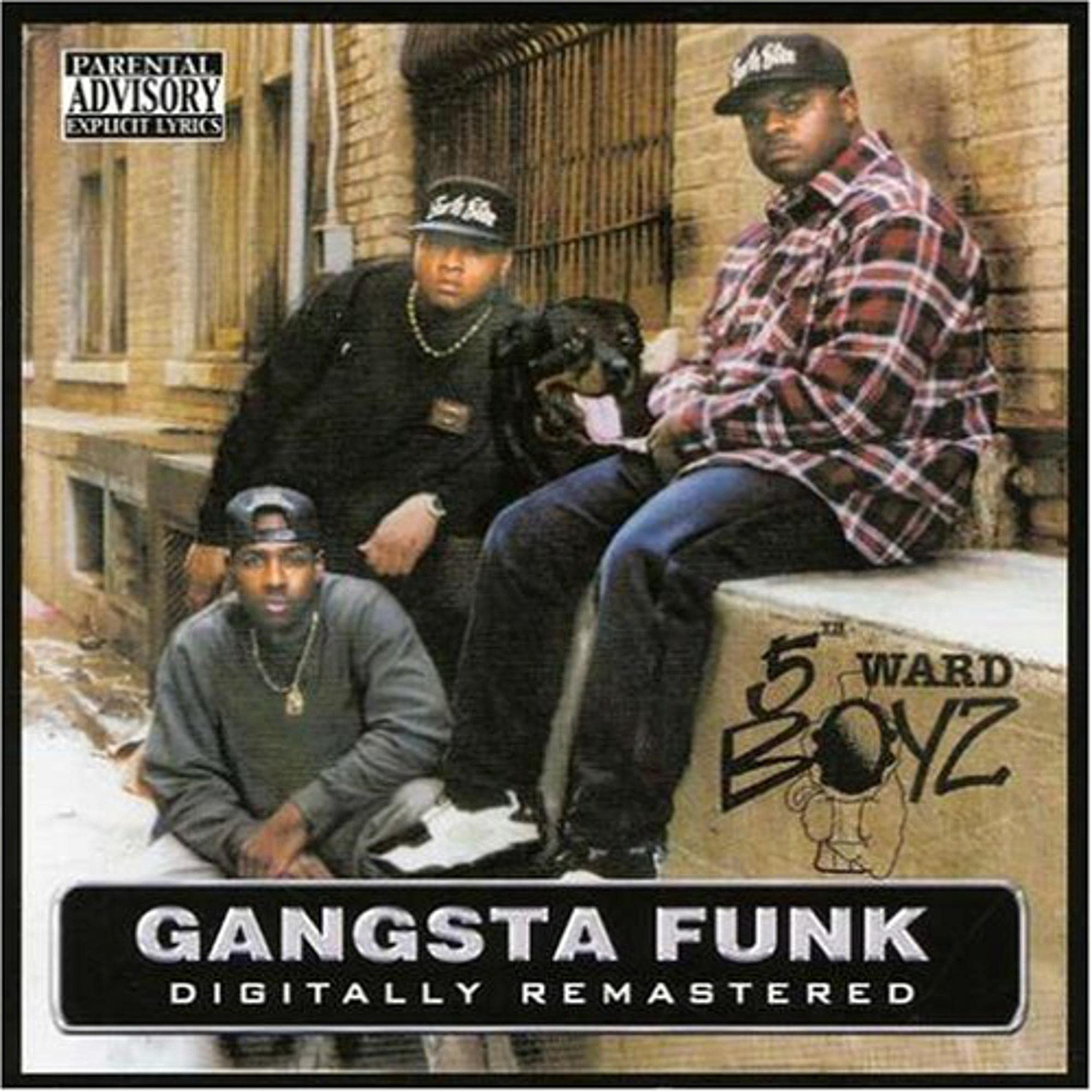
“Gangsta Funk” serves as the title track of the group’s 1994 sophomore album, also titled Gangsta Funk.
Released through Underground Records and Rap-A-Lot Records, the album was recorded at Digital Services in Houston. Production credits across the project include Mike Dean, N.O. Joe, John Bido, O.G. Dewey, and the members of 5th Ward Boyz themselves.
Commercially, the album became the group’s biggest success, peaking at No. 105 on the Billboard 200 and No. 13 on Billboard’s Top R&B/Hip-Hop Albums chart.
By 1994, Dr. Dre’s G-Funk had become one of the dominant sounds in American hip-hop.
Houston, however, was developing its own interpretation of funk through Rap-A-Lot—a version that emphasized darkness, density, and low-end power rather than polished melodies.
“Gangsta Funk” perfectly illustrates that distinction.
Instead of smoothing funk into something bright and accessible, the song preserves its grit, heaviness, and tension. The groove is undeniably funky, yet it never feels like party music.
As the album’s title track, it defines both the project’s overall aesthetic and the identity of 5th Ward Boyz.
First Impression
The first thing that stands out is the music’s low center of gravity.
The tempo sits around 86 BPM, but rather than relying on speed, the record creates momentum through weight and space.
The kick drum and bass push upward from below while a dry snare punctuates each phrase. Rather than chasing the beat, each rapper settles comfortably into it, delivering lines with confidence and restraint.
Despite its aggressive tone, the record never feels rushed.
This isn’t calmness born from polish—it’s the confidence of artists who don’t need to raise their voices to establish credibility.
There’s also an unmistakable rawness throughout the mix.
Neither the vocals nor the drums have been overly refined, allowing small imperfections to reinforce the group’s collective street presence.
Sound Analysis
Drums
The drums form the backbone of “Gangsta Funk.”
Instead of punching sharply through the mix, the kick drum lands with thick, low-frequency weight. Combined with the bass, it creates the sensation of the speakers physically moving beneath the listener.
The snare remains relatively dry, providing clear rhythmic definition without distracting from the heavy low end.
The drum programming itself is intentionally straightforward.
Rather than relying on elaborate fills or dramatic transitions, the beat gains strength through repetition. That consistency allows the rappers’ voices and personalities to remain the focal point.
Hi-hats and upper percussion are equally restrained.
Unlike modern trap production, they aren’t densely programmed. Every element serves the groove while preserving the song’s overwhelming sense of weight.
The result is a rhythm that doesn’t rush forward—it advances slowly, almost like someone walking confidently through the neighborhood with complete control of their surroundings.
Bass
The bass functions less as a melodic instrument and more as the song’s foundation.
Its repeating phrases lock the groove into place while supplying the physical impact traditionally associated with funk.
This isn’t a bouncy or playful bassline.
Instead, each note lingers, creating layers of low-frequency pressure beneath the next kick drum and vocal phrase. The entire track feels covered by a cloud of bass.
Where many West Coast G-Funk productions feature basslines interacting melodically with synthesizer leads, “Gangsta Funk” uses the bass almost like the streets themselves—stable, immovable, and always present.
Even as different MCs rotate through verses, the bass anchors everything into one unified voice.
Synths & Melody
The melodic elements are deliberately understated.
Rather than showcasing elaborate keyboard solos or memorable hooks, the production relies on short repeating phrases and subtle textures to establish atmosphere.
The funk influence is unmistakable, but it’s intentionally stripped of glamour.
Higher-register sounds don’t create excitement or sunshine; instead, they sharpen the darkness already established by the rhythm section.
Because the instrumental remains relatively sparse, the rappers naturally dominate the sonic landscape.
Whenever the vocals pause, those repeating musical fragments quietly maintain the song’s tension.
The funk in “Gangsta Funk” isn’t created by flashy synthesizer work.
It’s created through repetition—bass, drums, voices, and recurring motifs moving together until the groove becomes almost hypnotic.
Mixing
The mix is built almost entirely around the low end.
The kick and bass occupy enormous space, while the vocals remain embedded within the instrumental rather than floating cleanly above it.
Compared to contemporary hip-hop, the separation between elements feels rougher.
Yet that roughness becomes part of the record’s identity.
Instead of sounding like a meticulously polished studio production, “Gangsta Funk” feels like several people crowded into one room, recording the energy of the moment.
High frequencies are intentionally restrained, leaving the overall tonal balance dark and dense.
Nothing sounds excessively bright or fatiguing, but the pressure of the low frequencies never lets up.
The record rewards systems capable of reproducing deep bass far more than small speakers.
Groove
The groove doesn’t bounce.
It drags.
The beat resists urgency, while each rapper sits slightly behind the rhythm, giving every line additional weight.
That laid-back placement creates the slow-burning power often associated with Houston hip-hop.
In brighter forms of funk, repetition usually creates celebration.
Here, repetition creates tension.
The longer the loop continues, the less it feels like dancing at a party and the more it resembles circling the same neighborhood block over and over.
Yet the groove remains irresistible.
That balance between physical movement and psychological pressure is one of the song’s greatest achievements.
Rap & Vocal Performance
The defining feature of “Gangsta Funk” isn’t individual technical ability—it’s the collective impact of multiple voices working together.
Each rapper delivers verses in a low, rough, conversational tone.
Instead of theatrical performances, they rap with the confidence of people describing everyday reality.
The flows are spacious rather than rapid-fire.
Rather than overwhelming listeners with intricate rhyme schemes, the group emphasizes vocal tone, pauses, and rhythmic placement.
As each member enters, differences in pitch, articulation, and flow naturally create variety.
Yet the song’s emotional intensity never shifts dramatically because everyone functions as part of the same collective identity.
The hook reinforces this approach.
“Gangsta Funk” isn’t sung as a melodic chorus but repeated almost like a slogan, reinforcing the song’s central idea through repetition rather than melody.
Background ad-libs also play an important role.
Small vocal responses behind the main verses give the impression of a group conversation rather than isolated performances, strengthening the feeling that an entire neighborhood is speaking together.
Lyrics & Themes
The central idea behind “Gangsta Funk” is the group’s own definition of the phrase itself.
Here, “funk” extends beyond music.
It represents lifestyle, neighborhood identity, attitude, language, and loyalty.
The lyrics revolve around familiar gangsta rap themes—street credibility, toughness, vigilance, and brotherhood.
Rather than following a single narrative, however, the song functions more like a declaration.
It repeatedly communicates:
“This is who we are.”
“This is how we move.”
“This is our sound.”
As the album’s title track, it introduces listeners to the world that 5th Ward Boyz inhabit.
There’s also a deep sense of regional pride.
For a group carrying the name 5th Ward, presenting their music also means representing their neighborhood.
At a time when New York and Los Angeles dominated national attention, 5th Ward Boyz asserted that Houston possessed its own distinct version of funk.
This thematic reading is based on the recurring title phrase, vocal delivery, and overall structure of the song rather than a literal line-by-line interpretation of the lyrics.
Highlights
Perhaps the most impressive aspect of “Gangsta Funk” is its ability to sustain tension for over four minutes without relying on dramatic changes.
There are no beat switches.
No oversized choruses.
No explosive instrumental breakdowns.
Instead, the record evolves through subtle shifts in vocal performances while the rhythm section remains almost completely consistent.
Listeners accustomed to modern production may initially find the structure repetitive.
Repeated listening, however, reveals increasingly subtle details—the placement of voices, the timing of ad-libs, tiny variations in delivery, and the almost hypnotic consistency of the groove.
Equally impressive is the restraint shown by the rappers.
Although the instrumental is intimidating and the lyrical themes are confrontational, the performances never become overly theatrical.
That composure gives the record authenticity rather than spectacle.
Perhaps the song’s greatest accomplishment is its reinterpretation of funk itself.
Rather than borrowing G-Funk’s polished aesthetic, it extracts funk’s rhythmic repetition, physicality, and bass-driven power before reshaping those elements into something unmistakably Houston.
Trivia & Production Notes
Gangsta Funk was released on February 22, 1994, as 5th Ward Boyz’s second studio album.
Album production credits include Mike Dean, N.O. Joe, John Bido, O.G. Dewey, and 5th Ward Boyz.
However, currently available public documentation does not conclusively identify the primary producer of the title track itself. Because of that, attributing the song to a single producer would be speculative and should be avoided.
During this period, Mike Dean was heavily involved in numerous Rap-A-Lot and Texas rap projects, working with artists such as Scarface, UGK, Big Mike, and DMG. His production and engineering credits include work on the Gangsta Funk album.
Commercially, the album reached No. 105 on the Billboard 200 and No. 13 on Billboard’s Top R&B/Hip-Hop Albums chart, making it the most commercially successful release of the group’s career.
“Gangsta Funk” runs approximately 4 minutes and 33 seconds and appears as Track 5 on the album.
Final Thoughts / Editor’s Note
“Gangsta Funk” is an important reminder that 1990s funk-driven gangsta rap cannot be understood through the lens of West Coast G-Funk alone.
The polished synthesizers, smooth melodies, and effortless cruising atmosphere that define California classics are largely absent here.
Instead, 5th Ward Boyz build their music from crushing bass, stripped-down drums, raw vocal performances, and relentless repetition.
Their version of funk isn’t decorative.
It’s structural.
It exists to unify multiple rappers into one powerful collective voice and to communicate the atmosphere of Houston’s Fifth Ward through sound.
The group’s strength lies not in showcasing individual virtuosity but in creating the impression of an entire neighborhood speaking at once.
There are no flashy arrangements.
No cinematic climaxes.
Yet as the bass continues to rumble, the drums refuse to let up, and one voice follows another, the song gradually becomes impossible to escape.
“Gangsta Funk” succeeds through repetition rather than spectacle, weight rather than speed, and collective identity rather than individual stardom.
For anyone interested in Rap-A-Lot Records, Southern gangsta rap, or the evolution of Houston hip-hop, it remains an essential recording—one that demonstrates how funk could be reimagined far beyond the familiar sound of the West Coast.
コメント