512の「Thin Line」は、甘く切ない女性コーラスと、緊張感をはらんだストリート・ラップを組み合わせた一曲だ。
約86BPMのゆったりとしたビート、柔らかい鍵盤、深く沈むベース、そして何度も繰り返される“Love don’t love nobody”というフック。表面的にはメロウで聴きやすいが、その内側には、裏切り、貧困、警察への警戒、暴力、家族への責任、成功への執念といった重い現実が詰め込まれている。
タイトルの「Thin Line」は、単純な恋愛の比喩ではない。
愛と憎しみ、成功と破滅、仲間と敵、生存と死。そのすべての間に引かれた、わずかな境界線を指しているように聞こえる。
512はこの曲で、愛を信じられない人間の強がりだけを描いているのではない。むしろ、愛を必要としているにもかかわらず、それを素直に信じることのできない人々の矛盾を描いている。
アーティスト紹介
512は、アメリカ・テキサス州オースティンを拠点としたローカル・ラップ・グループとされる。
「Thin Line」は、1999年にPawnShop Recordsから発表されたアルバム『Tymes Runnin Out』の7曲目に収録されている。同作は全14曲構成で、スタイルはGangsta Rapとして分類され、Boyz Under Stressの参加も記録されている。
グループ名の「512」は、オースティン周辺で使用される市外局番を意識した名前である可能性が高い。ただし、メンバー構成や各ラッパーの正式なクレジットについては、現時点で確認できる公開資料が限られている。
音源では複数の男性ラッパーに加えて女性ラッパーも登場しており、512が一人のソロ名義ではなく、複数人によるクルーまたは集合体であることがうかがえる。
作品背景
『Tymes Runnin Out』には、「Texas Is The Spot」「Money Is The Rule」「Tymes Runnin Out」「Ballin」「Love Don’t Love Nobody」といった曲名が並んでいる。
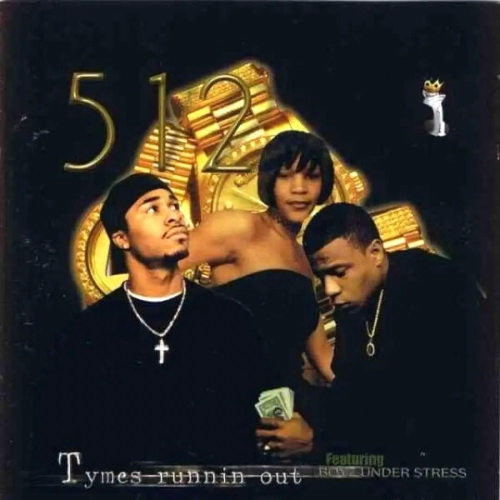
これらのタイトルからも、アルバム全体がテキサスへの地域意識、金銭、生存競争、成功願望、時間への焦りといったテーマで構成されていることがわかる。
「Thin Line」は、その中でもアルバムの精神的な中心に近い楽曲だ。
金や車を手に入れようとする欲望だけではなく、なぜそこまで成功を求めるのか、なぜ他人を信用できないのか、そしてなぜ暴力から離れられないのかが語られている。
歌詞では、物質的成功を誇示する場面がある一方で、「苦しい時代は終わらない」「自分の居場所を探している」といった不安も繰り返される。
そのため本作は、典型的な成功自慢のラップというよりも、成功を追わなければ生き残れない人間の焦燥を描いた曲と捉える方が正確だ。
第一印象
最初に耳へ入ってくるのは、女性ボーカルによる切ないアドリブだ。
“Oh, no, no, no”という声がゆっくりと広がり、その後に“Love don’t love nobody”という印象的なフレーズが重なる。
この導入には、恋愛曲のような甘さがある。
しかし、ラップが始まると空気は一変する。
語られるのは、金、車、銃、警察、裏切り、敵対関係、家族への責任である。柔らかなコーラスと硬い現実との落差が、曲全体に独特の緊張感を生んでいる。
サウンドは穏やかだが、語り手たちは決して安心していない。
むしろ、メロウなトラックの上であるからこそ、彼らの孤独や不信感が強く伝わってくる。
サウンド分析
ドラム
テンポは音源解析上、約86BPM前後。
リズムはミドルテンポで、1990年代後半のサザン・ラップやテキサス・ラップに多い、ゆったりと沈み込むようなグルーヴを持っている。
キックは極端に硬くなく、低域に丸みがある。スネアは乾いた音で、2拍目と4拍目を明確に打ちながら、ラッパーの声を邪魔しない位置に置かれている。
ハイハットも細かく刻みすぎず、全体的に余白を残している。
この余白が、複数のラッパーが長いヴァースを展開するためのスペースとして機能している。
現代的なTrapのようにリズム変化で引っ張るのではなく、一定のビートを保ちながら、声と歌詞の変化で展開を作るタイプだ。
ベース
ベースは低く太いが、攻撃的に前へ出る音ではない。
キックの下側を支えるようにゆっくりと動き、曲全体を暗く温かい質感で包んでいる。
低音の役割は、迫力を見せることよりも、重量感と安定感を作ることにある。
歌詞では精神的な不安定さが描かれているが、ベースライン自体は比較的落ち着いている。
この対比によって、表面上は冷静に振る舞いながら、内面では焦りや恐怖を抱えている人物像が浮かび上がる。
シンセ・メロディ
上物の中心には、淡く広がる鍵盤系のコードが置かれている。
音色は柔らかく、ソウルやR&Bのバラードを思わせる。高音域には短いシンセの装飾が入り、コーラス部分では女性ボーカルの重なりによって空間が広がる。
旋律は複雑ではない。
同じコード感とフレーズを繰り返すことで、曲全体に諦めにも似た循環感を与えている。
何度ラップが展開しても、フックに戻るたびに“Love don’t love nobody”という結論へ引き戻される。
つまり、このトラックは前へ進んでいるように聞こえながら、精神的には同じ場所を回り続ける構造になっている。
ミックス・グルーヴ
ミックスはボーカルを比較的前に置きつつ、コーラスとトラックを一体化させている。
男性ラップは中央に集められ、女性コーラスは左右と奥行きへ広がる。そのため、ヴァースでは現実を直視する近距離の語りになり、フックでは感情が空間全体へ解放される。
現在の音源と比べれば、中域に音が集まっており、低域と高域の分離もそれほど極端ではない。
しかし、その少し曇った質感が、1990年代末のローカル盤らしい生々しさを生んでいる。
洗練されすぎていないことが、むしろこの曲の切実さにつながっている。
ラップ/ボーカル分析
第1ヴァース
最初の男性ラッパーは、比較的低く落ち着いた声で、物質的成功への欲望を語る。
車、宝石、金、ポルシェ、ハイウェイといった言葉が並び、自分が南部の街で成功を目指していることを強調する。
ただし、単なる自慢話ではない。
彼は「自分の居場所を見つけようとしている」「今日の世界で生きている」といった意識を持ち、物質的成功を人生の防御手段として捉えている。
派手な所有物は、自信の証明であると同時に、貧困や無力感から抜け出したことを示す鎧でもある。
フロウはビートの後ろに少しもたれ、言葉を急がずに置いていく。語尾に力を入れながら、長いラインを滑らかにつなぐスタイルだ。
第2ヴァース
次の男性ラッパーは、より攻撃的で直接的な声を持っている。
冒頭の“Ain’t no love”という宣言から、曲のテーマを最も露骨な形で表現する。
敵対する者への不信、銃の携帯、警察への警戒、仲間との結束、テキサスの暑さとストリートの緊張感が一気に語られる。
特に重要なのは、「自分がこうなったのは環境によって強いられた」という感覚だ。
彼は暴力を好んで選んだのではなく、生き延びるために武装せざるを得なかったと主張している。
これはGangsta Rapで頻繁に描かれる防衛的な暴力観である。
先に攻撃しなければ自分がやられる。
金を守らなければ奪われる。
弱さを見せれば敵につけ込まれる。
その論理が、ヴァース全体を支配している。
第3ヴァース
3人目は女性ラッパーであり、曲の視点を大きく広げている。
彼女は祈り、母親、子ども、夢、家族への責任について語る。
男性ラッパーたちが車、金、武器、敵との緊張を中心に描いていたのに対し、女性ヴァースでは「自分が生き続けなければならない理由」がより具体的になる。
特に、子どもたちが自分を頼りにしているという言葉は重要だ。
ここでの成功は、自己満足のためだけではない。
家族を養い、自分たちの未来を守るための手段である。
一方で、彼女も決して穏やかな人物として描かれてはいない。
仲間への侮辱には報復し、敬意は自ら勝ち取らなければならないと断言する。
そのため、このヴァースには母性と攻撃性が同居している。
愛を知っているからこそ、守るべきもののためには激しく戦う。その矛盾が、この曲のテーマを最も人間的な形で表している。
コーラス
コーラスの中心となるのは、女性ボーカルによる“Love don’t love nobody”というフレーズだ。
直訳すれば、「愛は誰のことも愛してくれない」となる。
本来、愛は人間が誰かへ向ける感情であり、それ自体に意思があるわけではない。
しかし、この曲では愛が、人を救うどころか無関心に通り過ぎていく存在として擬人化されている。
さらに男性の低い声が、
“On my grind, trying to find my place in today’s world”
“Hard times won’t go away”
と応答する。
このコール&レスポンスによって、コーラスは単なるキャッチーな反復ではなく、楽曲全体の結論として機能している。
努力を続けても、苦しい時代は消えない。
居場所を探しても、愛は保証されない。
それでも動き続けなければならない。
この感覚こそが、「Thin Line」の中心にある。
歌詞・テーマ
愛と不信の境界線
タイトルの「Thin Line」は、愛と憎しみの間にある細い境界線を指していると考えられる。
この曲の登場人物たちは、「愛など存在しない」と繰り返す。
しかし、本当に愛を完全に否定しているわけではない。
母親から受け取った愛、子どもへの愛、仲間への忠誠は明確に語られている。
彼らが否定しているのは、無条件で与えられる安全な愛だ。
ストリートでは、愛は裏切りに変わる可能性がある。
仲間が敵になることもある。
好意の裏に嫉妬が隠れていることもある。
そのため、愛を信じること自体が危険になる。
成功と破滅
歌詞では、車、宝石、金、ブランド、成功が繰り返し描かれる。
しかし、これらは単なる華やかさの象徴ではない。
貧困や無力な立場から抜け出すための証明であり、自分が生き残ったことを周囲へ示す手段である。
一方で、成功を追う過程では、銃、警察、敵対関係、死の可能性が常につきまとう。
金を得れば安全になるように見えるが、実際には金が増えるほど敵も増える。
つまり、成功と破滅もまた、一本の細い線で隔てられている。
強さと弱さ
各ラッパーは強さを誇示する。
自分は武装している。
敵には屈しない。
敬意は力で勝ち取る。
しかし、その言葉の背後には、明確な弱さや不安が存在する。
居場所が見つからない。
苦しい時代が終わらない。
死を考える。
子どもの将来を心配する。
この曲で示される強さは、生まれつきの自信ではない。
弱さを隠し、生き延びるために身につけた外側の硬さである。
家族とストリート
女性ヴァースでは、母親から受け取った愛と、自分の子どもへの責任が強調される。
この描写によって、「愛は誰も愛さない」というフックが単純な真理ではないことがわかる。
社会やストリートは愛を与えない。
しかし、家庭や家族の中には、まだ愛が残っている。
曲の後半で語られる、
「ゲットーには愛がないが、母親は自分の心へ愛を植えつけてくれた」
という趣旨の言葉は、この曲にわずかな希望を与える。
完全な絶望ではない。
愛を信じられない環境の中でも、受け継がれた小さな愛だけは消えていない。
サンプリング&トラックメイキング
現時点で、この曲に使用されたサンプル元を裏付ける確実なクレジットや資料は確認できていない。
ソウル/R&B系のサンプルを思わせる女性コーラスとコード進行が使われているが、既存曲の直接的なサンプリングなのか、新録ボーカルと演奏によるものなのかは断定できない。
フックの“Love don’t love nobody”は、Spinnersが1974年に発表した同名曲を連想させるフレーズでもある。
ただし、本作がその楽曲を直接サンプリング、カバー、引用しているかどうかは、音源だけでは確定できない。
そのため、記事上では「Spinnersを思わせる言葉とソウル的な構成を持つ」とする程度に留めるのが安全だ。
トラックメイキングの特徴は、変化を抑えたループ構造にある。
コード、ベース、ドラムは大きく動かず、コーラスの重なりとラッパーの交代によって展開を作る。
この手法によって、楽曲は約4分37秒にわたって同じ感情を持続させる。
トリビア
「Thin Line」はアルバム『Tymes Runnin Out』の7曲目に収録され、その直後には「Ballin」、さらに次に「Love Don’t Love Nobody」が配置されている。
音源で強く繰り返される“Love don’t love nobody”というフレーズが、次曲のタイトルにもなっている点は興味深い。
曲順だけを見ると、「Thin Line」から「Ballin」、そして「Love Don’t Love Nobody」へと、心理的テーマが連続している可能性がある。
境界線の上で生きる。
成功を手に入れようとする。
しかし最後には、愛を信じられない現実へ戻る。
こうした流れを意識してアルバムが構成されていたとすれば、「Thin Line」は単独曲としてだけではなく、作品全体をつなぐ役割も果たしている。
制作メモ
確定情報
- 楽曲名:512「Thin Line」
- 収録作品:『Tymes Runnin Out』
- 収録位置:7曲目
- 発表年:1999年
- レーベル:PawnShop Records
- 地域:アメリカ・テキサス州オースティン
- 公開データ上のスタイル:Gangsta Rap
- 音源の長さ:約4分37秒
- 音源解析上のテンポ:約86BPM前後
- 複数の男性ラッパーと女性ラッパー、女性シンガーが参加している
アルバム情報については公開ディスコグラフィー資料に基づく。
聴感ベース
- ソウル/R&B色の強い女性コーラス
- 丸いキックと乾いたスネア
- 深く柔らかいベースライン
- 鍵盤主体のメロウなコード
- 3人前後の異なるラッパーによるヴァース構成
- 男性ラップと女性ラップを組み合わせたクルー形式
- 愛、裏切り、貧困、暴力、家族、成功を扱った歌詞
- 1990年代後半のテキサス・ラップらしい重くレイドバックした音像
未確認情報
- 各ラッパー、シンガーの正式名称
- プロデューサー
- 作詞・作曲者
- 使用サンプル
- 録音スタジオ
- ミックスおよびエンジニア
- 参加メンバーの正確な人数
総評
512の「Thin Line」は、メロウなサウンドと荒々しいストリートの言葉を重ねた、1990年代末テキサス・ラップの隠れた良曲だ。
“Love don’t love nobody”というフックは、一度聴けば強く記憶に残る。
しかし、この曲の魅力はフックの甘さだけではない。
男性ラッパーたちが描く金、車、銃、敵対関係。
女性ラッパーが語る母親、子ども、夢、祈り。
それぞれ異なる視点が集まり、「愛のない世界で、何を信じて生きるのか」という一つの問いへ向かっていく。
この曲で語られる人物たちは、愛を否定しているように見える。
だが実際には、誰よりも愛を必要としている。
裏切られることを恐れるから、先に愛を拒絶する。
家族を失いたくないから、強く振る舞う。
貧困へ戻りたくないから、成功を追い続ける。
「Thin Line」とは、その矛盾の上に引かれた線だ。
愛と憎しみ。
強さと弱さ。
成功と破滅。
生と死。
512はその細い境界線を、派手な演出ではなく、重いビートと生々しい言葉によって描いている。
エディターズノート
「Thin Line」を聴いて最も印象に残るのは、楽曲が持つ二重性だ。
コーラスだけを聴けば、哀愁のあるソウル・ラップとして心地よく流れていく。
しかし、ヴァースを追うと、その穏やかさの下に強い不安が流れていることがわかる。
この曲の登場人物たちは、誰も完全には安心していない。
成功しても敵がいる。
家族を愛していても、明日まで生きている保証はない。
仲間を信じたくても、裏切りを警戒しなければならない。
だからこそ、“Love don’t love nobody”というフレーズが重い。
それは愛そのものを否定する言葉というより、愛を信じる余裕を奪われた人々の言葉なのだ。
情報の少ないローカル作品ではあるが、「Thin Line」は単なる希少盤の一曲として片づけるには惜しい。
メロディ、声、歌詞、地域性が一つに結びついた、感情的なテキサス・ストリート・ソウルとして聴くべき作品である。
512 – Thin Line | A Mellow Texas Street-Rap Cut Walking the Fine Line Between Love and Survival
512’s “Thin Line” is a track that combines a sweet, bittersweet female chorus with street rap filled with tension.
Built around a laid-back beat of roughly 86 BPM, soft keyboards, deeply submerged bass, and the repeatedly sung hook “Love don’t love nobody,” the song sounds mellow and accessible on the surface. Beneath that softness, however, lies a much heavier reality: betrayal, poverty, distrust of the police, violence, responsibility toward family, and an intense determination to succeed.
The title “Thin Line” does not sound like a simple metaphor for romance.
It suggests the narrow boundaries between love and hate, success and destruction, friends and enemies, survival and death.
512 are not merely portraying people who act tough because they no longer believe in love. Rather, the song captures the contradiction of people who desperately need love while living in circumstances that make it almost impossible to trust it.
Artist Introduction
512 are regarded as a local rap group based in Austin, Texas.
“Thin Line” appears as the seventh track on their 1999 album Tymes Runnin Out, released through PawnShop Records. The album contains 14 tracks and is generally classified as Gangsta Rap, with Boyz Under Stress also documented as contributors.
The name “512” very likely references the area code associated with Austin and its surrounding region. However, publicly available information about the group’s exact membership and the individual credits for each rapper remains limited.
The recording itself features several male rappers as well as a female rapper, suggesting that 512 were not a single solo performer but rather a crew or collective involving multiple voices.
Background
The tracklist of Tymes Runnin Out includes titles such as “Texas Is The Spot,” “Money Is The Rule,” “Tymes Runnin Out,” “Ballin,” and “Love Don’t Love Nobody.”
Even from these titles alone, the album appears to revolve around regional Texas identity, money, survival, ambition, and the sense that time is running out.
“Thin Line” feels particularly close to the emotional center of that album.
Rather than focusing only on the desire to acquire money and cars, the song asks why success must be pursued so relentlessly, why people become unable to trust one another, and why violence seems impossible to escape.
There are moments in the lyrics where material success is displayed proudly, but those moments coexist with repeated feelings of uncertainty—ideas such as hard times never ending and trying to find one’s place in the world.
For that reason, “Thin Line” is better understood not as a conventional boastful success anthem, but as a song about the anxiety of people who feel they have no choice but to chase success in order to survive.
First Impression
The first thing that catches the ear is a mournful female vocal ad-lib.
A drawn-out “Oh, no, no, no” slowly spreads across the track before the memorable phrase “Love don’t love nobody” enters.
At first, the introduction carries the sweetness of an R&B love song.
Once the rapping begins, however, the atmosphere changes immediately.
Money, cars, guns, police, betrayal, enemies, and family responsibilities enter the picture. The contrast between the soft chorus and the harsh reality described in the verses creates the song’s distinctive tension.
The instrumental may sound calm, but the narrators never truly sound safe.
In fact, it is precisely because the track is so mellow that their loneliness, suspicion, and anxiety become more noticeable.
Sound Analysis
Drums
Audio analysis places the tempo at approximately 86 BPM.
The rhythm has a slow, sinking mid-tempo groove associated with much late-1990s Southern rap and Texas rap.
The kick is not excessively sharp or aggressive. Instead, it has a rounded low-end weight. The snare is comparatively dry, clearly marking the second and fourth beats without competing with the rappers’ voices.
The hi-hats are also restrained rather than constantly subdividing the rhythm.
That sense of open space is important because it gives the multiple rappers enough room to deliver extended verses.
Unlike modern Trap production, where frequent rhythmic variation often provides momentum, “Thin Line” maintains a relatively stable beat and relies on changes in voice, lyrics, and performer to create progression.
Bass
The bass is deep and heavy, but it does not aggressively push itself toward the front of the mix.
Instead, it moves slowly underneath the kick, surrounding the track with a dark yet warm weight.
Its purpose is less about impact than about establishing stability and gravity.
Interestingly, the lyrics describe considerable emotional instability, while the bassline itself remains relatively calm.
That contrast reinforces the image of people presenting a controlled exterior while carrying anxiety and fear underneath.
Synths and Melody
Soft keyboard chords form the core of the melodic layer.
The tone is gentle and reminiscent of Soul and R&B ballads. Brief synthesizer ornaments appear in the higher frequencies, while the stacked female vocals widen the soundstage during the chorus.
The melody is not especially complex.
Instead, the song repeatedly returns to the same harmonic atmosphere and phrases, creating an almost circular feeling of resignation.
No matter how far the verses seem to progress, every return to the hook brings the listener back to the same conclusion:
“Love don’t love nobody.”
In that sense, the track seems to move forward musically while remaining trapped emotionally in the same place.
Mix and Groove
The mix places the vocals relatively close to the front while blending the chorus into the instrumental.
The male rap vocals remain centered, while the female chorus spreads outward and backward through the stereo field.
As a result, the verses feel like close-range confrontations with reality, while the hooks open the emotion outward into the entire space of the track.
Compared with contemporary production, the mix is concentrated heavily in the midrange, without extreme separation between the lows and highs.
Yet that slightly cloudy texture contributes to the raw character associated with late-1990s independent and regional rap recordings.
Its lack of excessive polish actually strengthens the emotional urgency.
Rap / Vocal Analysis
Verse One
The first male rapper uses a relatively low, controlled voice while describing the desire for material success.
Cars, jewelry, money, a Porsche, and the highway all appear in his imagery, emphasizing the ambition to rise within a Southern urban environment.
Yet the verse is not simply a display of wealth.
He speaks from the perspective of someone trying to find his place in the world and survive in the present day. Material success is therefore treated as a form of protection.
Expensive possessions become both symbols of confidence and armor proving that he has escaped poverty and helplessness.
His flow sits slightly behind the beat, placing words patiently rather than rushing them. He emphasizes the ends of phrases while connecting longer lines smoothly.
Verse Two
The second male rapper sounds more aggressive and direct.
His opening declaration, “Ain’t no love,” presents the song’s central idea in its most explicit form.
Distrust of enemies, carrying weapons, suspicion of police, loyalty to his crew, Texas heat, and constant street tension all arrive rapidly.
Most importantly, he suggests that his mentality has been forced upon him by his environment.
The violence is not presented simply as something he enjoys choosing. Instead, he frames weapons and aggression as necessities for survival.
This is the defensive philosophy of violence frequently found in Gangsta Rap:
If you do not strike first, someone may strike you.
If you do not protect your money, someone may take it.
If you reveal weakness, someone may exploit it.
That logic dominates the entire verse.
Verse Three
The third major verse is delivered by a female rapper, significantly widening the song’s perspective.
She speaks about prayer, her mother, her children, dreams, and responsibility toward family.
Where the male rappers focus largely on cars, money, weapons, and confrontation with enemies, the female verse gives a more specific answer to the question of why survival matters in the first place.
Her reference to children depending on her is especially important.
Success is no longer simply personal gratification.
It becomes a means of providing for family and protecting the future.
At the same time, she is not presented as a purely gentle character.
She makes clear that disrespect toward her people will be answered and that respect must be earned.
The verse therefore combines motherhood with aggression.
Because she understands love, she is also prepared to fight fiercely for what she loves. That contradiction represents the song’s theme in perhaps its most human form.
Chorus
The centerpiece of the chorus is the female vocal phrase:
“Love don’t love nobody.”
Taken literally, it suggests that love itself does not love anyone.
Love is normally an emotion directed by one person toward another; it does not possess its own independent will.
Yet in “Thin Line,” love is personified as something indifferent—something that passes people by rather than saving them.
A lower male voice also responds with lines such as:
“On my grind, trying to find my place in today’s world”
and
“Hard times won’t go away.”
This call-and-response structure turns the chorus into more than a catchy repeated phrase.
It becomes the emotional conclusion of the entire song.
You can keep working, and hardship may still remain.
You can search for your place, and love is still not guaranteed.
Yet you have no choice but to keep moving.
That feeling lies at the center of “Thin Line.”
Lyrics and Themes
The Boundary Between Love and Distrust
The title “Thin Line” can be interpreted as the narrow boundary separating love from hate.
The characters repeatedly claim that love does not exist.
Yet they do not truly reject love entirely.
Love received from a mother, love toward children, and loyalty toward friends are all clearly present.
What they reject is the idea of unconditional, safe love.
In the streets, love can turn into betrayal.
Friends may become enemies.
Jealousy may hide beneath affection.
As a result, trusting love becomes dangerous in itself.
Success and Destruction
Cars, jewelry, money, brands, and success appear repeatedly throughout the lyrics.
But they are not simply symbols of glamour.
They serve as proof that someone has escaped poverty and powerlessness and managed to survive.
At the same time, the pursuit of success brings guns, police, enemies, and the possibility of death.
Money appears to offer security, yet the more money someone gains, the more enemies may appear.
Success and destruction are therefore also separated by only a thin line.
Strength and Weakness
Each rapper projects strength.
They are armed.
They refuse to bow to enemies.
Respect must be taken through force.
Yet behind these declarations lies obvious vulnerability.
They cannot find their place.
Hard times refuse to disappear.
Death remains present in their thoughts.
They worry about their children’s future.
The strength presented in “Thin Line” is therefore not natural confidence.
It is an outer hardness developed to conceal vulnerability and remain alive.
Family and the Streets
The female verse places special emphasis on the love received from a mother and the responsibility toward one’s own children.
This makes it clear that the hook “Love don’t love nobody” is not intended as a simple universal truth.
Society and the streets may not give love.
But love can still exist within the family.
Later in the track, the idea that there may be no love in the ghetto, while a mother still planted love inside one’s heart, introduces a small trace of hope.
This is not complete despair.
Even in an environment where trusting love feels impossible, some inherited form of love survives.
Sampling & Trackmaking
At present, no reliable credits or documentation have been confirmed that definitively identify a sample source used in “Thin Line.”
The female chorus and chord progression have a strong Soul/R&B character and may resemble sample-based production, but it cannot be determined from the audio alone whether they come directly from an existing recording or were newly recorded for the song.
The phrase “Love don’t love nobody” also naturally recalls The Spinners’ 1974 song of the same name.
However, there is not enough evidence to state that 512 directly sampled, covered, or quoted that recording.
For that reason, it is safer to describe “Thin Line” as using wording and a Soul-oriented arrangement reminiscent of The Spinners rather than claiming a confirmed sample connection.
The production itself is built around a deliberately restrained loop structure.
The chords, bass, and drums change relatively little, with the arrangement instead developing through layered chorus vocals and changes between rappers.
That method allows the song to maintain the same emotional atmosphere for approximately four minutes and thirty-seven seconds.
Trivia
“Thin Line” appears as track seven on Tymes Runnin Out. It is followed by “Ballin,” with “Love Don’t Love Nobody” appearing after that.
It is particularly interesting that the phrase repeatedly emphasized throughout “Thin Line”—“Love don’t love nobody”—also appears as the title of a later track on the album.
Judging only from the sequencing, there may be a psychological continuity between “Thin Line,” “Ballin,” and “Love Don’t Love Nobody.”
Living on the boundary.
Trying to achieve success.
Then returning again to a reality in which love cannot be fully trusted.
If the album was intentionally sequenced around that progression, “Thin Line” may function not only as an individual song but also as a bridge connecting the broader themes of the record.
Production Notes
Confirmed Information
Song: 512 – “Thin Line”
Album: Tymes Runnin Out
Track number: 7
Release year: 1999
Label: PawnShop Records
Region: Austin, Texas, USA
Style according to publicly available discography data: Gangsta Rap
Track length: approximately 4:37
Tempo based on audio analysis: approximately 86 BPM
The recording features multiple male rappers, a female rapper, and a female singer.
Album information is based on publicly available discography sources.
Listening-Based Observations
Soul/R&B-influenced female chorus
Rounded kick and dry snare
Deep, soft bassline
Mellow keyboard-centered chords
Verse structure featuring roughly three distinct rap voices
Crew-style arrangement combining male and female rappers
Lyrics dealing with love, betrayal, poverty, violence, family, and success
Heavy, laid-back sound associated with late-1990s Texas rap
Unconfirmed Information
Official names of the individual rappers and singer
Producer
Songwriters and composers
Samples used
Recording studio
Mixing and engineering personnel
Exact number of participating group members
Overall Review
512’s “Thin Line” is an overlooked late-1990s Texas rap cut that places harsh street narratives over a remarkably mellow instrumental.
The phrase “Love don’t love nobody” immediately sticks in the memory.
Yet the song’s appeal goes far beyond the sweetness of its hook.
The male rappers describe money, cars, weapons, and hostile relationships.
The female rapper speaks about motherhood, children, dreams, and prayer.
These different perspectives eventually converge around a single question:
What can you believe in when you live in a world without dependable love?
The people in this song appear to reject love.
In reality, they seem to need it more than anyone.
They reject love first because they fear betrayal.
They act strong because they are afraid of losing their families.
They continue chasing success because they are terrified of returning to poverty.
That contradiction is the true “Thin Line.”
Love and hate.
Strength and weakness.
Success and destruction.
Life and death.
512 portray those narrow boundaries not through extravagant production, but through a heavy beat, restrained melody, and painfully direct language.
Editor’s Note
What stands out most about “Thin Line” is its duality.
If you hear only the chorus, the song can easily pass as a melancholy piece of Soul-inflected rap.
Follow the verses closely, however, and you begin to hear the deep anxiety running underneath its calm surface.
None of the people inside this song ever feel completely secure.
Success does not eliminate enemies.
Loving your family does not guarantee that you will survive until tomorrow.
Wanting to trust your friends does not remove the possibility of betrayal.
That is why the phrase “Love don’t love nobody” carries so much weight.
It is not necessarily a rejection of love itself.
It sounds more like the voice of people who have been denied the privilege of feeling safe enough to believe in it.
Despite the limited information available about this regional release, “Thin Line” deserves more than to be treated as simply another obscure record.
Its melody, voices, lyrics, and regional identity come together as a compelling piece of emotional Texas street soul.
コメント