1990年代のウェストコースト・ヒップホップには、「夏」という季節を音そのものへ変換したような楽曲が数多く存在する。
L.O.L.(Lords of Lyrics)の「Summer Breeze」も、まさにその系譜に位置する一曲だ。
1996年にFranchise Recordsからシングルとしてリリースされた本曲は、そのタイトルが示す通り、強い日差しが少しずつ弱まり始める午後から夕方、窓を開けた車内へ流れ込む風、仲間と過ごす何気ない時間を思わせるような開放感を持っている。12インチにはRadio Edit、X Version、インストゥルメンタル、アカペラなど複数のヴァージョンが収録されていた。
今回確認した音源は約4分20秒。テンポは解析上およそ94BPMで、90年代ウェストコーストらしいミドルテンポのグルーヴを中心に展開する。
しかし、この曲の魅力は単純な「明るいサマーソング」だけではない。
柔らかなコード、丸みを帯びたベース、穏やかに跳ねるドラム、そしてラップと歌声が重なりながら作り出す少し切なげな温度感。
そこには真昼の強烈な陽光というより、夏の一日が終わりへ近づいていく時間帯の空気が流れている。
アーティスト紹介
L.O.L.は、Lords of Lyricsの略称で活動したロサンゼルスはサウスセントラルのヒップホップ・グループ。
初期にはJPとKoopを中心に結成され、その後TwinことDamon Rose、DJ Marqらが加わったとされる。ロサンゼルスのGood Life Cafe周辺のアンダーグラウンド・ヒップホップ・シーンでも活動し、1994年には『Do or Die』を発表している。
そして1996年、Franchise Recordsからアルバム『Heaven or Hell』をリリース。
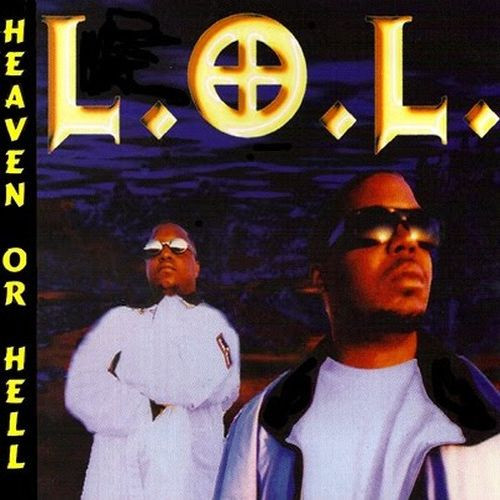
「Summer Breeze」はその時期を代表する楽曲となった。
L.O.L.の特徴は、単に攻撃的なギャングスタ・ラップへ傾くのではなく、ファンク、メロウネス、ストリート感、歌心を比較的自然に共存させていることにある。
JPの滑らかなフロウと、より力強い声を持つKoopという対照的なキャラクターも、グループの大きな個性だったと紹介されている。
作品背景
「Summer Breeze」は1996年にFranchise Recordsから12インチ・シングルとして発売された。
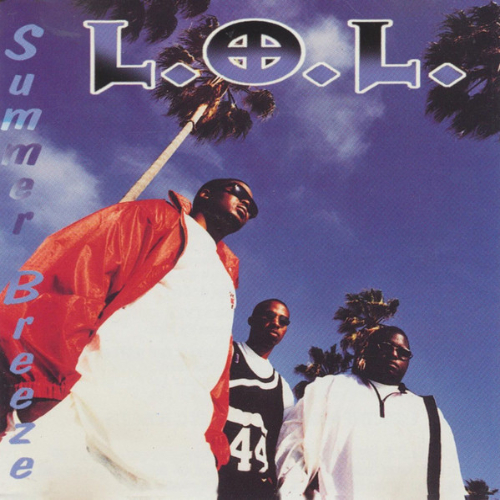
Rap Music Guideでは、L.O.L.をLos Angeles, Californiaのグループとして記録し、シングルには以下のヴァージョンが収録されたとしている。
Radio Edit、X Version、Instrumental with Hook、Instrumental、Acapellaに加え、「Eye 4 N Eye」「FUNeSTYLE」「Just Another Day」「Heaven Or Hell」のスニペットも収録されている。
つまり、この12インチは単なる「Summer Breeze」のシングルというだけではなく、当時のL.O.L.というグループや『Heaven or Hell』という作品全体をDJやリスナーへ紹介するプロモーション的な役割も持っていたと考えられる。
『Heaven or Hell』自体も1996年作品として確認されており、再発盤のトラックリストでは「Just Anotha Day」に続いて「Summer Breeze」が配置されている。
さらに、映画『The Last Days of Frankie the Fly』ではL.O.L.の「Summer Breeze」と「Boom Boom Crack」が使用されており、「Summer Breeze」の作曲者としてJason “Shawn” Jackson、Jerry “Swan” Polidore、Kenzo Williamsがクレジットされている。
90年代半ばというG-Funkの商業的ピークを少し越えた時期に登場しながら、それでもなおウェストコースト特有のファンク感と開放感を強く残していることが、この曲の興味深いところだ。
第一印象
冒頭から感じるのは、圧倒的な「軽さ」である。
ここで言う軽さとは、音が薄いという意味ではない。
むしろ低域はしっかり存在している。
それでも全体が重苦しくならないのは、ドラム、ベース、コード、ボーカルのすべてが必要以上に前へ出ず、互いに少しずつ空間を譲りながら配置されているからだ。
グルーヴはゆったりしている。
しかし眠くはない。
約94BPMというミドルテンポの上を、ドラムとベースが軽く跳ねながら前へ進んでいく。
そして上では、柔らかなコードや薄いシンセ、ボーカル・レイヤーが風景を作る。
タイトルが「Summer Breeze」でなかったとしても、夏の情景を連想する人は多いだろう。
ただし、真昼のビーチやパーティーというよりは、
夕方の住宅街、低い位置まで落ちた太陽、車窓から入る少しぬるい風。
そんな光景のほうが、このトラックには似合っている。
サウンド分析
ドラム
ドラムは典型的な90年代ウェストコーストのミドルテンポ型。
キックは極端に硬くなく、下方向へ丸く沈む。
そのため、現代のヒップホップのようにキック単体が強烈なパンチを作るのではなく、ベースと一緒になって低域全体を押し出している。
スネアは比較的乾いている。
深いリバーブで大きな空間を作るタイプではなく、短めのアタックによってビートへ輪郭を与える。
このスネアの乾き方が重要だ。
上物が柔らかく、メロウなだけに、スネアまで甘くしてしまえば曲全体がぼやけてしまう。
そこで中央に乾いた打点を置くことで、グルーヴを引き締めている。
ハイハットや細かなパーカッションも過剰ではない。
音数を増やして推進力を作るのではなく、キックとスネアの間を軽く補助しながら、約94BPMのテンポを自然に転がしている。
結果として、身体を強制的に動かすビートというより、首や肩が自然に揺れるタイプのリズムになっている。
ベース
低域は「Summer Breeze」の心地よさを支える最大の要素のひとつ。
ベースは極端なサブベースではなく、中低域にしっかり輪郭を残したファンキーな質感を持つ。
音程の動きも比較的わかりやすく、単にルート音を伸ばすだけではなく、コード進行やビートの隙間を縫うように揺れている。
ただし、プレイ自体を目立たせるような派手さはない。
ベースの役割はあくまで、
曲を前へ押すことより、トラック全体を下から包み込むこと。
キックとベースの境界も現代的なミックスほど明確に分離されておらず、両者が少し重なりながら太いひとつの低域を作っている。
このまとまり方が、90年代らしい温かさにつながっている。
シンセ・メロディ
「Summer Breeze」を単純なハードG-Funkから遠ざけているのが、上物の扱いだ。
いわゆるDr. Dre系G-Funkを象徴するような、甲高いリードシンセが主役ではない。
中心にあるのは、もっと柔らかいコード感である。
鍵盤系の響き、薄く広がるシンセ、バックで漂うボーカル的な質感などが何層にも重なり、トラックへ淡い光を加えている。
旋律そのものも強烈なフックを一本提示するタイプではない。
むしろ短いフレーズを反復しながら、コードと声とベースを組み合わせて「雰囲気」を作る。
だから、この曲はメロディを一度聴いて覚えるというより、
曲全体の空気を記憶するタイプの作品だ。
聴き終わった後に残るのは特定のシンセフレーズだけではなく、温度、夕方の光、車内の空気のような感覚である。
ミックス・グルーヴ
ミックスは現代の作品ほど各パーツが鋭く分離していない。
ラップ、コーラス、コード、ベースが中域付近で少しずつ重なっており、それが独特の一体感を作っている。
特に重要なのは、トラックが上下方向ではなく横方向へ流れているように感じられる点。
大きなブレイクや劇的な展開でリスナーを驚かせるのではなく、一定の速度で景色が流れていく。
これはドライブ・ミュージックとして非常に強い。
車内で聴いたとき、音楽そのものが主役として押し寄せるのではなく、窓の外の景色と一緒に機能する。
テンポは解析上約94BPM。
速すぎず遅すぎず、ローライダー系のグルーヴにも非常によく合う速度である。
「踊る」というより、
流す。
その感覚こそ、この曲のリズムを説明するうえで最も近い言葉かもしれない。
ラップ/ボーカル分析
L.O.L.のラップは、このトラックに合わせてかなり力が抜かれている。
声量で圧倒するのではなく、ビートの少し後ろへ身体を預けるようなデリバリー。
フロウも細かく畳み掛けるタイプではなく、言葉と言葉の間に空間を残している。
その結果、ラップがトラックの上へ乗るというより、楽器の一部として中へ溶け込んでいく。
L.O.L.には、滑らかな語り口と力強い語り口という異なる声質を持つMCが共存していたことが紹介されており、「Summer Breeze」でもその声のコントラストが楽曲へ変化を与えている。
特にメロウなトラックでは、声質の違いがそのままアレンジになる。
声の低さ、発音の硬さ、フレーズの長さが変わるだけで、同じループが違って聞こえてくるからだ。
そしてもうひとつ重要なのがフック部分。
ラップだけで最後まで押し切らず、歌唱的な要素を加えることで、曲に強い開放感を与えている。
このフックがあるからこそ、「Summer Breeze」は単なるアルバム中のメロウ曲ではなく、シングルとして成立するキャッチーさを持つ。
歌詞・テーマ
「Summer Breeze」というタイトルが示すように、中心にあるのは夏の時間と日常の楽しさである。
ただし、歌詞の世界は観光地的な「夏休み」ではない。
そこにあるのは、もっとローカルで生活感のある夏だ。
街を流すこと。
仲間と過ごすこと。
女性との時間。
音楽。
車。
ストリート。
日常の中にある小さな楽しみ。
そうした要素を積み重ねながら、L.O.L.は自分たちの生活圏にある夏を描いている。
そのため、この曲には過剰なドラマ性がない。
何か重大な事件が起こるわけでも、大きなメッセージを叫ぶわけでもない。
むしろ、
「今日はただ気分がいい」
という感覚そのものがテーマになっている。
この何気なさこそ、90年代のウェストコースト・ラップが持っていた重要な魅力のひとつだった。
ストリートを描く作品だからといって、常に緊張、暴力、貧困、対立だけを描く必要はない。
その場所で生きている人間には、当然、穏やかな午後や楽しい夏も存在する。
「Summer Breeze」は、その一瞬を切り取った曲として聴くことができる。
トリビア
「Summer Breeze」は1996年にFranchise Recordsから正式にシングル化され、12インチにはRadio Edit、X Version、Instrumental with Hook、Instrumental、Acapellaが用意されていた。
これは当時のヒップホップ・シングルとしては非常にDJユースを意識した構成である。
特にアカペラと完全インストの両方を収録している点は、クラブDJによるミックスや独自のエディットを想定した仕様と言える。
また、『Heaven or Hell』は1996年のL.O.L.を代表する作品となり、「Summer Breeze」もその代表曲として現在まで名前が残っている。
映画『The Last Days of Frankie the Fly』にも本曲が使用され、「Boom Boom Crack」とともにL.O.L.の楽曲がクレジットされている。
さらに、「Summer Breeze」の作曲クレジットとしてJason “Shawn” Jackson、Jerry “Swan” Polidore、Kenzo Williamsの名前が確認できる。
制作メモ
1996年当時の『Heaven or Hell』周辺では、TwinことDamon Roseがプロダクション面で重要な役割を担っていたことが確認されている。
L.O.L.自体も単一のスタイルへ閉じたグループではなく、ファンク、G-Funk、よりオーソドックスなヒップホップの要素を横断する存在だった。
「Summer Breeze」には、その中でも特にメロウな側面が強く現れている。
今回確認した約4分20秒の音源では、大幅なビートチェンジや派手な構成変更は行わず、基本となるループの魅力を維持したままラップとフックの交代によって展開していく。
この作りは一見シンプルだが、楽曲のテーマには非常に合っている。
タイトルが「Summer Breeze」である以上、音楽まで落ち着きなく変化してしまえば、「風が流れ続けている」という感覚は失われる。
総評
L.O.L.「Summer Breeze」は、90年代G-Funkの魅力を「強さ」ではなく「心地よさ」から捉えた一曲である。
ファンキーなベース。
軽く跳ねるドラム。
柔らかなコード。
力を抜いたラップ。
歌心のあるフック。
どの要素も突出して主張することなく、全体でひとつの風景を作っている。
そのため、一度聴いただけで衝撃を受けるタイプの楽曲ではない。
むしろ何度も聴くうちに、
「このベースの入り方が気持ちいい」
「このスネアの乾き方がちょうどいい」
「このフックが入ると急に景色が広がる」
といった細かな魅力が見えてくる。
90年代のローカルG-Funkには、派手なシンセや強烈なギャングスタ描写だけでは説明できない作品が数多くある。
「Summer Breeze」は、その典型だ。
ウェストコーストという土地の空気、夏という季節、仲間と過ごす時間。
そうした曖昧で形のないものを、約4分20秒のグルーヴへ閉じ込めた作品である。
エディターズノート
「Summer Breeze」を聴いていて特に印象に残るのは、音楽がこちらへ向かってくるのではなく、こちらの横を流れていくように感じられることだ。
キックもシンセもラップも、何かを強く主張するために鳴っているわけではない。
それぞれが一定の距離を保ちながら、同じ方向へ動いている。
だからこそ、この曲は車で聴くと強い。
夕方、少しだけ窓を開けて街を流す。
空はまだ明るいが、日差しは弱まり始めている。
信号で止まり、再び走り出す。
そんな何でもない時間に「Summer Breeze」が流れていたら、それだけで風景全体が90年代のウェストコースト映画の一場面のように変わってしまう。
派手ではない。
しかし忘れにくい。
L.O.L.「Summer Breeze」は、“夏の風”という言葉を、そのままG-Funkへ変換したような一曲だ。
L.O.L. – Summer Breeze | A Timeless West Coast Soundtrack to the End of Summer
The 1990s West Coast hip-hop scene produced countless songs that seemed to transform the feeling of summer itself into music.
L.O.L. (Lords of Lyrics) captured that atmosphere perfectly with “Summer Breeze.”
Released as a single through Franchise Records in 1996, the song lives up to its title. It evokes the late afternoon when the harsh sunlight begins to soften, the warm breeze drifting through an open car window, and the effortless joy of spending time with close friends. The 12-inch vinyl featured multiple versions, including the Radio Edit, X Version, Instrumental, and Acapella, making it an ideal release for both DJs and fans.
The version examined for this review runs approximately 4 minutes and 20 seconds, with an estimated tempo of 94 BPM, sitting comfortably within the classic mid-tempo groove that defined much of 1990s West Coast hip-hop.
Yet the appeal of “Summer Breeze” goes far beyond being simply another sunny summer anthem.
Its gentle chord progression, rounded bassline, relaxed drums, and the blend of melodic vocals with laid-back rap create an atmosphere filled with quiet nostalgia.
Rather than representing the blazing heat of midday, the track feels like the closing hours of a summer day—when the light begins to fade, the streets calm down, and the evening breeze finally arrives.
Artist Profile
L.O.L., short for Lords of Lyrics, was a hip-hop group from South Central Los Angeles.
Originally centered around JP and Koop, the group later expanded to include Twin (Damon Rose) and DJ Marq. They were also active within the influential underground scene surrounding The Good Life Cafe, a legendary Los Angeles venue that helped cultivate some of the city’s most respected lyricists. Their debut album “Do or Die” arrived in 1994.
Two years later, they released “Heaven or Hell” through Franchise Records, with “Summer Breeze” becoming one of the project’s signature songs.
Unlike many of their contemporaries, L.O.L. didn’t rely solely on aggressive gangsta rap aesthetics. Their music naturally combined elements of funk, melodic songwriting, street realism, and soulful hooks, giving them a distinctive identity within the Los Angeles scene.
JP’s smooth delivery contrasted beautifully with Koop’s stronger, more commanding voice, creating an engaging balance that became one of the group’s defining characteristics.
Background
“Summer Breeze” was released as a 12-inch single in 1996 through Franchise Records.
According to Rap Music Guide, the record included:
- Radio Edit
- X Version
- Instrumental with Hook
- Instrumental
- Acapella
The release also featured snippets of:
- “Eye 4 N Eye”
- “FUNeSTYLE”
- “Just Another Day”
- “Heaven Or Hell”
This suggests that the single functioned not only as a release for “Summer Breeze” itself, but also as a promotional showcase introducing both L.O.L. and their album “Heaven or Hell” to DJs and listeners.
The album has likewise been confirmed as a 1996 release, with “Summer Breeze” appearing immediately after “Just Anotha Day” in the track listing.
The song also appeared in the film The Last Days of Frankie the Fly, alongside another L.O.L. track, “Boom Boom Crack.” The songwriting credits list Jason “Shawn” Jackson, Jerry “Swan” Polidore, and Kenzo Williams.
Although it arrived after the commercial peak of G-Funk, “Summer Breeze” still carries the unmistakable sense of freedom and funk that defined the West Coast sound.
First Impression
The first thing that stands out is its remarkable lightness.
Not because the production lacks weight.
In fact, the low end is full and satisfying.
Instead, the music feels effortless because every element—the drums, bass, keyboards, vocals, and rap—occupies its own space without competing for attention.
The groove is relaxed.
Yet it never feels sleepy.
At approximately 94 BPM, the drums and bass bounce gently forward while soft keyboard chords, airy synthesizers, and vocal layers paint the surrounding atmosphere.
Even if the song had a completely different title, most listeners would probably picture summertime.
But rather than beaches or crowded parties, this track feels perfectly suited to quieter moments:
A residential neighborhood at sunset.
The sun hanging low on the horizon.
A warm breeze drifting through an open car window.
Those images fit this record beautifully.
Sound Analysis
Drums
The drum programming follows the classic mid-tempo West Coast blueprint.
The kick drum is rounded instead of sharply aggressive, providing weight without overwhelming the mix. Rather than punching through like many modern hip-hop productions, it works together with the bass to create a warm, unified low end.
The snare is relatively dry.
Instead of relying on large reverbs, it delivers a concise attack that gives the groove definition.
This balance is essential.
Since the melodic elements are already soft and smooth, an overly lush snare would blur the entire production. The dry snare anchors everything firmly in place.
The hi-hats and percussion remain subtle, serving the rhythm instead of dominating it.
The result is less of a club-oriented beat and more of a rhythm that naturally makes your head nod.
Bass
The bass is one of the song’s greatest strengths.
Rather than emphasizing ultra-deep sub frequencies, it focuses on a warm, melodic mid-low register with a distinctly funky character.
Its movement follows the chord progression instead of simply holding root notes, adding musicality without drawing unnecessary attention.
Its purpose is not to dominate.
It exists to support.
The relationship between kick and bass is also very much a product of the 1990s. Their frequencies overlap naturally, creating one thick, cohesive low end rather than being surgically separated as in modern mixes.
That warmth gives the track much of its timeless appeal.
Synths & Melody
What separates “Summer Breeze” from harder G-Funk productions is its approach to melody.
There are no piercing lead synthesizers in the style commonly associated with Dr. Dre.
Instead, soft keyboard chords form the emotional center of the arrangement.
Gentle synth pads, atmospheric textures, and subtle vocal layers overlap to create an understated sense of brightness.
Rather than delivering one unforgettable melodic hook, the instrumental builds its identity through repetition and atmosphere.
This isn’t a song remembered for one specific synth line.
It’s remembered for how it makes you feel.
After listening, what lingers isn’t merely a melody—but the sensation of warm evening air, fading sunlight, and an open road.
Mix & Groove
The mix doesn’t isolate every instrument with modern precision.
Rap vocals, harmonies, keyboards, and bass blend naturally through the midrange, creating an organic sense of unity.
Perhaps the most impressive aspect is the way the music seems to move horizontally rather than vertically.
Instead of relying on dramatic drops or sudden transitions, the song simply continues flowing forward.
This quality makes it exceptional driving music.
Inside a moving car, the music never overwhelms the scenery.
It becomes part of it.
At roughly 94 BPM, the groove feels perfectly suited to cruising.
This isn’t music that demands dancing.
It’s music that invites you to ride.
Rap & Vocal Performance
L.O.L.’s vocal delivery perfectly matches the instrumental.
Rather than attacking every bar with maximum intensity, the MCs lean comfortably behind the beat, allowing each line room to breathe.
The flows are relaxed, leaving natural pauses between phrases.
As a result, the vocals don’t simply sit on top of the instrumental—they become part of its texture.
L.O.L. featured MCs with distinctly different vocal styles, and those contrasts become particularly effective here.
One voice glides smoothly.
Another carries greater weight and authority.
On such a mellow instrumental, those tonal differences become an important part of the arrangement itself.
The hook also deserves special recognition.
By introducing melodic singing instead of relying solely on rap, the chorus dramatically expands the emotional space of the song.
That memorable hook transforms “Summer Breeze” from a pleasant album cut into a genuinely strong single.
Lyrics & Themes
As the title suggests, “Summer Breeze” celebrates the simple pleasures of summertime.
But this isn’t the glamorous version of summer found in tourist destinations.
It’s something far more local.
Cruising through the neighborhood.
Spending time with friends.
Being around women.
Listening to music.
Driving.
Living the street life.
These ordinary moments become the heart of the song.
There’s no dramatic storyline.
No grand political statement.
No life-changing event.
Instead, the central message is remarkably simple:
“Today just feels good.”
That everyday authenticity was one of the defining strengths of 1990s West Coast rap.
Street music didn’t always have to focus on violence, poverty, or conflict.
People living those lives also experienced peaceful afternoons and unforgettable summers.
“Summer Breeze” captures exactly one of those moments.
Trivia
“Summer Breeze” received an official 12-inch single release through Franchise Records in 1996.
Including both full instrumentals and an acapella reflected a DJ-oriented philosophy common during the era, encouraging club mixing, remixes, and custom edits.
“Heaven or Hell” remains one of L.O.L.’s defining albums, with “Summer Breeze” standing as one of its best-known tracks.
The song also appeared in the motion picture The Last Days of Frankie the Fly, together with “Boom Boom Crack.”
Songwriting credits list Jason “Shawn” Jackson, Jerry “Swan” Polidore, and Kenzo Williams.
Production Notes
Available information indicates that Twin (Damon Rose) played an important role in the production surrounding Heaven or Hell.
L.O.L. never confined themselves to a single style.
Their music freely blended classic hip-hop, funk, and G-Funk influences, and “Summer Breeze” represents perhaps the smoothest expression of that versatility.
The version analyzed here avoids major beat switches or dramatic structural changes.
Instead, it maintains the same inviting loop while alternating between rap verses and melodic hooks.
Although structurally simple, that decision perfectly suits the song’s concept.
After all, a breeze doesn’t constantly change direction.
It simply keeps flowing.
Final Thoughts
“Summer Breeze” showcases the beauty of 1990s G-Funk through comfort rather than intensity.
The funky bass.
The gently bouncing drums.
The warm keyboard chords.
The relaxed rap.
The melodic hook.
None of these elements demand attention individually.
Together, they create a complete landscape.
This isn’t the kind of song that overwhelms listeners on the first play.
Instead, its strengths reveal themselves gradually.
The bass starts feeling richer.
The snare becomes more satisfying.
The hook opens the entire sonic landscape.
Many local G-Funk releases from the 1990s cannot be defined solely by flashy synthesizers or gangsta imagery.
“Summer Breeze” is one of the finest examples.
It captures the atmosphere of the West Coast, the feeling of summer, and the quiet joy of spending time with friends—all within four unforgettable minutes.
Editor’s Note
Perhaps the most remarkable thing about “Summer Breeze” is that the music never feels like it’s rushing toward the listener.
Instead, it flows gently beside you.
The kick drum.
The synthesizers.
The rap.
Nothing struggles for attention.
Everything moves together in the same direction.
That’s why this song feels so perfect behind the wheel.
Imagine driving through the city at sunset.
The windows are slightly open.
The sky is still bright, but the day’s heat has begun to fade.
You stop at a traffic light.
Then you pull away again.
If “Summer Breeze” happens to be playing at that moment, the entire scene suddenly feels like a frame from a 1990s West Coast film.
It’s never flashy.
But it’s unforgettable.
L.O.L.’s “Summer Breeze” is, quite simply, the musical embodiment of a summer breeze itself.

コメント