1990年代後半から2000年前後にかけて生まれたローカル・ギャングスタラップには、強い威圧感や犯罪描写だけでは語れない作品が数多く存在する。
Mr. Mr. Rellの「Pretty Ladies」も、そうした一曲だ。
約5分14秒にわたって展開される本曲は、The Isley Brothersの名曲「Between the Sheets」を下敷きにした甘美なループ、柔らかく揺れるシンセサイザー、丸みを帯びたベース、そしてMr. Mr. Rellの力を抜いたラップを中心に構成されている。
タイトルのとおり題材となっているのは魅力的な女性たちだが、音楽そのものは単純に華やかでも陽気でもない。
むしろ、夕暮れから夜にかけての薄暗い空気、車内に残る香水の匂い、遠くに流れる街灯を思わせるような、わずかに陰影を含んだメロウさが支配している。
「Pretty Ladies」は、目立ったドラマを作ることで聴き手を引き込む曲ではない。ひとつのムードをゆっくり持続させ、ラップ、歌声、ベース、ギター、シンセサイザーをその内部に溶かしていく。
その変化の少なさこそが、この曲の最大の魅力である。
アーティスト紹介
Mr. Mr. Rellは、アメリカ南部ミシシッピ州ジャクソンを拠点としたローカルラッパーとして知られている。
公開されている情報は非常に限られているものの、アルバム『Playaphernalia』がLas Sac Recordsから発表されており、「Pretty Ladies」は同作の4曲目に収録されている。アルバムには全13曲が収録され、プロデューサーとしてFreddie YoungとMic Collins、エンジニアとしてFreddie YoungとSean Macke、エグゼクティブ・プロデューサーとしてMr. Mr. Rell本人の名前が記録されている。
Mr. Mr. Rellという特徴的な名前も含め、アーティスト本人に関する伝記的情報はほとんど残されていない。
しかし『Playaphernalia』を聴く限り、彼は単にストリートの現実を荒々しく語るタイプではなく、女性、恋愛、享楽、プレイヤーとしての美学を、ソウルやR&Bに接近した柔らかな音像の中で表現するラッパーだったと捉えられる。
ラップの技巧を前面に押し出すのではなく、声の質感、言葉の置き方、トラックとの距離感によって人物像を作る。
そのスタイルは、「Pretty Ladies」という楽曲に最も分かりやすく表れている。
作品背景
「Pretty Ladies」は、Mr. Mr. Rellのアルバム『Playaphernalia』に収録された楽曲である。
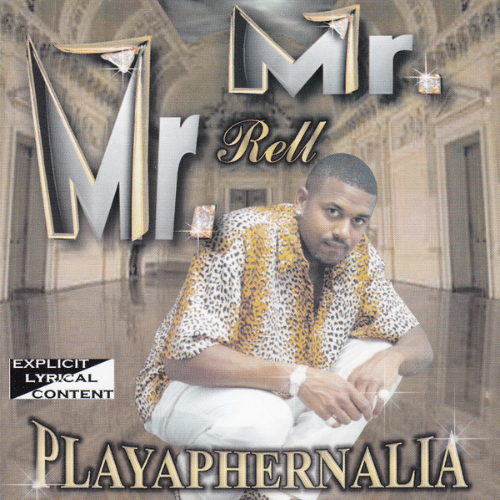
リリース年については資料間に食い違いがあり、The Good Oldayzでは1997年、Discogsでは2000年と記録されている。そのため、現時点では1990年代末から2000年頃に発表された作品として扱うのが妥当だろう。
アルバム名の「Playaphernalia」は、おそらく「player」と「paraphernalia」を組み合わせた造語であり、女性、恋愛、遊び、服装、車、金銭感覚などを含む、いわゆるプレイヤー的なライフスタイル全体を示す言葉として機能している。
これはあくまでタイトルから読み取れる解釈だが、収録曲には「Pretty Ladies」「Slow Down」「Mine」「Give Them Girls Somth’n」「U On Point Wit It」など、女性との関係性を思わせる題名が並ぶ。
その中でも「Pretty Ladies」は、アルバムのテーマを象徴する楽曲のひとつと考えられる。
女性をめぐる内容を扱いながらも、攻撃的な性描写や露骨なクラブ志向には向かわず、ソウルフルで落ち着いたトラックの上に、プレイヤーとしての余裕を漂わせている点が特徴だ。
ミシシッピ州ジャクソン産のローカル作品でありながら、音の組み立てには西海岸のメロウラップやG-Funk、さらに1980年代ソウルから受け継がれた艶やかさが混在している。
ただし、その空気はカリフォルニアの明るい日差しとは異なる。
湿度が高く、夜の気配が濃く、どこか閉じた空間で鳴っているような南部特有の重さが残されている。
第一印象
イントロから強く感じられるのは、柔らかさと暗さの同居である。
耳に入ってくる音色そのものは甘い。
滑らかなコード、ゆったりとしたベース、淡いギター、女性ボーカルを思わせる声のレイヤーが重なり、R&Bに近い親密な空間を作り出している。
一方で、音像全体には華やかな光沢よりも、少しくすんだ質感がある。
高域は鋭く磨かれすぎておらず、低域と中域が厚く残されているため、音楽が明るく外側へ広がるのではなく、内側へ沈み込んでいくように聞こえる。
テンポは実測上およそ86BPM前後。
一般的なメロウラップとしては遅すぎないが、ドラムの置き方とラップの間の取り方によって、実際の数字以上にゆったり感じられる。
すぐに印象的なサビへ向かうのではなく、同じ空気の中を長く漂い続ける構成も特徴的だ。
そのため、最初の数十秒だけで判断するより、曲全体を通して聴いたときに魅力が浮かび上がる。
一聴して派手な曲ではない。
しかし何度も繰り返すうちに、ベースの動き、背景の声、ギターの短いフレーズ、ラップの抑揚が少しずつ耳に残っていく。
サウンド分析
ドラム
ドラムは音数を抑えたシンプルな構成である。
キックは極端に硬くなく、低域のベースと一体化するような丸みを持つ。前へ突き出して曲を引っ張るのではなく、トラックの底に沈みながら一定の脈を作っている。
スネアも乾燥した強い打撃音ではない。
やや奥まった位置に置かれ、ソウルフルな上物の邪魔をしない程度の存在感に抑えられている。
ハイハットや細かなパーカッションも主張は控えめで、リズムの複雑さより、ラップが自然に乗れる余白を優先している。
この曲のグルーヴは、ドラム単体の強さから生まれるものではない。
キック、ベース、サンプル由来のリズム、ギターのアクセントが重なることで、ゆっくりと身体を揺らす感覚が生まれている。
ドラムが前面に出ないからこそ、Mr. Mr. Rellの声がトラックの中に自然に溶け込む。
ベース
ベースは「Pretty Ladies」の官能性を支える重要な要素である。
極端に低いサブベースではなく、中低域に輪郭を持つ丸い音色が使われている。一定の音を長く伸ばすだけでなく、コード進行に沿ってゆるやかに動き、ソウル由来のグルーヴを補強している。
このベースラインには、攻撃性よりも包容力がある。
ドラムのキックを押しのけるのではなく、その周囲を埋めるように鳴るため、リズム全体が柔らかく膨らんで聞こえる。
また、低域が完全に整理された現代的なミックスではなく、ベースとキックの境界がわずかに重なっている。
それがローカル作品らしい温かさと密度につながっている。
車内で鳴らした際には低音が強く響く一方、ヘッドフォンではベースの微妙なうねりがより分かりやすい。
単なる低音の補強ではなく、曲の感情を運ぶ旋律楽器として機能している。
シンセ・メロディ
楽曲の中心にあるのは、「Between the Sheets」を想起させる甘く滑らかなコード感である。
その上に、薄いシンセサイザー、短いギターのフレーズ、ボーカルの断片が配置されている。
シンセは鋭いG-Funkリードを前面に押し出すタイプではない。
高音域で長いメロディを奏でるのではなく、背景からコードの余韻を伸ばし、サンプルの隙間を埋める役割を果たしている。
ギターもソロ楽器として目立つのではなく、短いフレーズや軽い装飾として使用される。
音が入るたびにトラックへわずかな動きが加わり、長時間同じループを聴いても単調になりすぎない。
メロディは明確な起承転結を作らない。
むしろ、数小節単位のループが持つ心地よさを維持することに重点が置かれている。
その反復が、女性を眺め、言葉を交わし、夜を過ごす場面が延々と続いているような感覚を生み出している。
ミックス・グルーヴ
ミックスは現代の基準から見ると、やや中域に密度が集中している。
ボーカル、ギター、鍵盤、サンプルの一部が同じ帯域で重なり合っているため、個々の音を完全に分離して聞かせるタイプではない。
しかし、その曖昧な重なりこそが楽曲の魅力になっている。
音が整然と横一列に並ぶのではなく、狭い部屋の中で一緒に鳴っているような一体感がある。
Mr. Mr. Rellの声もトラックから大きく浮き出ることはなく、楽器の一部として混ざっている。
全体の音量変化は比較的小さく、曲の大部分がほぼ同じ密度で進行する。
イントロはやや抑えめだが、ラップと主要なリズムが入ると音像が厚くなり、その状態を中盤から終盤まで維持する。
終盤では再び密度が少し下がり、余韻を残しながら閉じていく。
大きなブレイクや劇的な展開を作らないため、グルーヴが途中で途切れない。
この連続性が、ドライブや夜のリスニングに適した滑らかな聴感を作り出している。
ラップ/ボーカル分析
Mr. Mr. Rellのラップは、激しい声量や細かな押韻を武器にするスタイルではない。
低めの声を使い、ビートへ話しかけるように言葉を置いていく。
フロウには大きな跳躍がなく、一定の高さとテンションを保ちながら進む。語尾を強く切る部分もあるが、基本的には力を抜いたままフレーズをつないでいる。
この抑制されたスタイルによって、彼は必死に女性へ訴えかける人物ではなく、状況に慣れたプレイヤーとして描かれる。
声には少しざらつきがあるものの、威圧的ではない。
むしろ、甘いトラックの中へ男性的な重さを加える役割を担っている。
フロウは拍の中央へ正確に言葉を詰めるというより、少し後ろへもたれかかる傾向がある。
ビートより前に出ず、わずかに遅れて聞こえることで、余裕とレイドバック感が生まれている。
ラップ部分と歌唱的なパートの境界も明確に切り分けられていない。
背景の女性ボーカルやコーラスが曲全体に断続的に現れ、Mr. Mr. Rellの声を包み込む。
女性の声は単なる装飾ではなく、タイトルの「Pretty Ladies」を音響的に可視化する役割を持つ。
男性の低いラップと女性の柔らかな歌声を対置することで、曲の会話的な雰囲気が強まっている。
サビは巨大なメロディで強く印象づけるタイプではない。
フレーズの反復、重ねられた声、トラックの甘さによって、気づかないうちに耳へ残る。
この控えめなフックも、ローカル・メロウラップらしい魅力のひとつである。
歌詞・テーマ
タイトルの「Pretty Ladies」が示すとおり、本曲の中心にあるのは女性への視線である。
Mr. Mr. Rellは、魅力的な女性たちについて語りながら、自分自身のプレイヤーとしての立場や振る舞いを提示していく。
ただし、曲全体の印象は単純な女性賛美だけではない。
ラップの口調には、女性への興味、性的な魅力、駆け引き、男性側の自信が混在している。
彼は感情を露骨にさらけ出すのではなく、常に一定の距離を保っている。
この距離感は、タイトルが複数形の「Ladies」になっている点とも関係している。
特定の一人に向けた深いラブソングというより、さまざまな女性を眺め、評価し、交流するプレイヤーの日常が描かれていると考えられる。
しかし、トラックが非常に甘くロマンティックであるため、ラップの内容以上に親密な印象を受ける。
ここに、歌詞とサウンドの興味深いずれがある。
Mr. Mr. Rell自身は冷静なプレイヤーとして振る舞っているが、背景のコードや女性ボーカルは、より深い感情や誘惑を示唆する。
そのため楽曲は、完全に冷たい遊び人の物語にも、純粋な恋愛曲にもならない。
欲望と親密さ、自信と警戒心、快楽と孤独が同時に漂う。
この曖昧さが、「Pretty Ladies」を単なる女性賛歌よりも味わい深い楽曲にしている。
サンプリング&トラックメイキング
「Pretty Ladies」では、The Isley Brothersが1983年に発表した「Between the Sheets」を使用したトラックが組まれていると複数の資料で紹介されている。
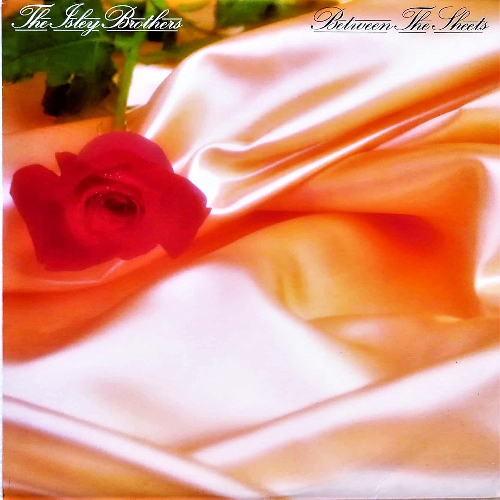
WhoSampledにも両曲の関連が登録され、日本のG-Rap専門店や紹介サイトでも同サンプルの使用が記載されている。
「Between the Sheets」は、柔らかなエレクトリックピアノ、官能的なコード、深いベース、親密なボーカルで知られる1980年代ソウルの代表的楽曲である。
ヒップホップではThe Notorious B.I.G.の「Big Poppa」をはじめ、多数の楽曲で引用されてきた。
「Pretty Ladies」も、その甘いコード感と夜の空気を受け継いでいる。
ただし、単に有名なフレーズをループしただけのトラックには聞こえない。
元ネタ由来の滑らかな質感へ、追加のギター、シンセサイザー、ベース、ボーカル・レイヤーを絡めることで、Mr. Mr. Rell独自の南部メロウへ変換している。
プロデューサーについては、楽曲単位の完全なクレジットを確認できる資料が限られているものの、紹介サイトではFreddie Youngが「Pretty Ladies」のプロデューサーとして記載されている。また、アルバム全体のプロデューサーとしてFreddie YoungとMic Collinsの名前が残されている。
トラックメイキングで特に優れているのは、元ネタの存在感を隠さず、それでもラップ用の空間を確保している点である。
サンプルを細かく切り刻んで再構築するより、元の曲が持つ流れと色気を尊重し、その上へ新たなリズムと声を重ねる。
この方法により、ソウルの温かさを失わず、ローカル・ギャングスタラップとして成立する重量感も保たれている。
トリビア
『Playaphernalia』は、Las Sac Recordsからリリースされた全13曲入りのアルバムで、「Pretty Ladies」は4曲目に配置されている。
アルバムのデザインはNDVisual Graphix、写真はLa Bassが担当したと記録されている。エンジニアにはFreddie YoungとSean Macke、客演者としてKageの名前が掲載されている。
オリジナル盤はバーコードが付いていない自主制作色の強いCDとして紹介され、日本のG-Rap市場では希少盤として取り扱われてきた。
一方で、オリジナル盤と後年の再発盤や流通音源が混在している可能性があり、オンライン上では曲の長さやアルバムのリリース年に異なる記録が見られる。
制作メモ
ここからは、音源を実際に確認したうえでの聴感ベースの記述である。
本曲のテンポは解析上およそ86BPM前後で、公開サイトの一部に掲載された84BPMという情報とも近い。
楽曲構成は、劇的にパートが切り替わるタイプではない。
イントロで主要なメロウ・ループを提示した後、ラップとフックを交互に配置しながら、基本となるコードとリズムを長く維持していく。
中盤以降も大幅な転調やドラムパターンの変更はなく、ギター、コーラス、シンセサイザーの入り方をわずかに変えることで変化を作っている。
冒頭約30秒は音量と密度がやや控えめで、その後ラップが本格的に入ると低域と中域が厚くなる。
1分以降はほぼ一定のエネルギーを維持し、終盤で少しずつ音を引きながら余韻へ移行する。
マスタリングは過度に音圧を高めておらず、ピークを強く潰した現代作品とは異なる。
そのため、キックやベースの立ち上がり、ボーカルの細かな強弱が比較的自然に残っている。
一方で、音源にはわずかな粗さや帯域の重なりもあり、それが自主制作盤らしい生々しさを生み出している。
音質の完成度だけで評価すれば、より洗練された同時代のメジャー作品には及ばない部分もある。
しかし、滑らかすぎない質感がMr. Mr. Rellの低い声や、ミシシッピのローカル感とよく合っている。
整えすぎていないからこそ、この曲には個人的な夜の記録を覗き込んでいるような親密さがある。
総評
「Pretty Ladies」は、The Isley Brothersの「Between the Sheets」が持つ官能性を、ミシシッピ州ジャクソンのローカル・ギャングスタラップへ移植したメロウナンバーである。
魅力の中心にあるのは、派手なラップスキルでも、強烈なドラムでもない。
甘く反復されるコード、丸いベース、控えめなギター、背景を漂う女性ボーカル、そしてMr. Mr. Rellの落ち着いた語り口。
それらすべてが同じ温度で鳴り続けることで、独特の夜の空気が形成されている。
Mr. Mr. Rellのラップには、大都市のスターが見せるような誇張されたカリスマ性はない。
しかし、トラックの上で無理に自分を大きく見せず、一定の余裕を保つ姿勢がある。
その自然さが、楽曲のプレイヤー的なテーマに説得力を与えている。
構成上の変化は少なく、5分を超える尺も現代の感覚では長く感じられるかもしれない。
だが、この曲は短時間で情報を詰め込むための作品ではない。
同じグルーヴへ長く身を預け、細かな声や音の重なりを味わうための曲である。
「Pretty Ladies」は、ローカル・ギャングスタラップにおけるメロウネスの豊かさを示す好例だ。
西海岸的な高音シンセや明るいローライダー感覚だけが、メロウラップのすべてではない。
南部の湿度、ソウルの甘さ、プレイヤーの距離感、わずかにくすんだ録音。
それらが重なった場所に、この曲だけの美しさがある。
エディターズノート
「Between the Sheets」を使用したラップというだけなら、「Pretty Ladies」より知名度の高い作品はいくつも存在する。
それでも、この曲が耳に残る理由は、元ネタの強さだけではない。
Mr. Mr. Rellは、有名なソウル・サンプルを借りて大きなヒットを狙うのではなく、自分が暮らしていたローカルな環境、自身の声、プレイヤーとしての美学に合わせて鳴らしている。
完成度の高いサンプルを過度に加工せず、その甘さをそのまま受け入れる判断も興味深い。
Mr. Mr. Rellのラップは決してトラックを支配しない。
むしろ、サンプルの流れに身を任せ、音楽の中へ自らの存在を溶かしている。
その控えめな佇まいが、何度も聴き返したくなる余白を作っている。
夕暮れから夜へ移り変わる時間、車の速度を落として走る場面、あるいは一人で昔の記憶を振り返る瞬間。
「Pretty Ladies」は、そうした時間に静かに寄り添う。
派手な名曲ではない。
しかし、甘いコードが鳴り始めた瞬間に空気を変える力を持った、忘れがたいローカル・メロウである。
Mr. Mr. Rell – Pretty Ladies | A Dusky Southern Mellow Cut Built on Soul, Restraint, and Player Elegance
Local gangsta rap from the late 1990s and around the turn of the millennium produced many records that cannot be fully understood through intimidation, violence, or criminal imagery alone.
Mr. Mr. Rell’s “Pretty Ladies” is one of them.
Running for approximately five minutes and fourteen seconds, the track is built around a lush loop derived from The Isley Brothers’ classic “Between the Sheets,” softly swaying synthesizers, a rounded bass line, and Mr. Mr. Rell’s relaxed delivery.
As the title suggests, the song centers on attractive women, yet the music itself is neither simply glamorous nor openly celebratory.
Instead, it is dominated by a slightly shadowed form of mellow soulfulness—something that evokes the dim transition from sunset into night, the trace of perfume left inside a car, and streetlights drifting past in the distance.
“Pretty Ladies” does not draw the listener in through obvious drama. It slowly sustains a single mood, allowing the rapping, vocals, bass, guitar, and synthesizers to dissolve into that atmosphere.
Its lack of dramatic change is precisely what gives the song its appeal.
Artist Introduction
Mr. Mr. Rell is known as a local rapper associated with Jackson, Mississippi.
Very little public information about him remains available, but his album Playaphernalia was released through Las Sac Records, with “Pretty Ladies” appearing as the fourth track. The album contains thirteen songs in total. Freddie Young and Mic Collins are credited as producers, Freddie Young and Sean Macke as engineers, and Mr. Mr. Rell himself as executive producer.
Beyond his distinctive stage name, almost no substantial biographical information about the artist has survived.
Judging from Playaphernalia, however, he was not simply the kind of rapper who delivered street reality through aggression. His music suggests an artist interested in expressing women, romance, pleasure, and player aesthetics through a softer sound closely connected to soul and R&B.
Rather than foregrounding technical virtuosity, he creates character through the texture of his voice, the placement of his words, and the distance he maintains from the instrumental.
That approach is especially clear on “Pretty Ladies.”
Background
“Pretty Ladies” appears on Mr. Mr. Rell’s album Playaphernalia.
Sources disagree about the album’s release year. The Good Oldayz lists it as a 1997 release, while Discogs dates it to 2000. For that reason, the safest conclusion is that the album emerged sometime between the late 1990s and approximately 2000.
The title Playaphernalia is likely a combination of the words “player” and “paraphernalia,” functioning as a term for the broader player lifestyle: women, romance, leisure, fashion, cars, money, and social presentation.
This interpretation is based on the title itself, but it is reinforced by song names such as “Pretty Ladies,” “Slow Down,” “Mine,” “Give Them Girls Somth’n,” and “U On Point Wit It,” all of which suggest some form of relationship with women.
Within that context, “Pretty Ladies” can be viewed as one of the album’s defining thematic statements.
Although the song focuses on women, it avoids aggressively explicit sexual content and overt club energy. Instead, it places Mr. Mr. Rell’s calm player persona over a restrained, soulful instrumental.
Despite being a local Jackson, Mississippi release, the track combines elements of West Coast mellow rap, G-Funk, and the sensuality inherited from 1980s soul.
Its atmosphere, however, differs from the bright California sunshine often associated with West Coast rap.
The music feels humid, nocturnal, and enclosed, preserving a distinctly Southern weight.
First Impression
The first thing that stands out in the introduction is the coexistence of softness and darkness.
The tones themselves are sweet.
Smooth chords, a relaxed bass line, faint guitar phrases, and layered voices resembling female R&B vocals combine to create an intimate space.
At the same time, the overall sound has a slightly faded texture rather than a polished shine.
The upper frequencies are not sharpened excessively, while the low and middle ranges remain thick. As a result, the music does not expand brightly outward. It seems to sink inward.
The tempo measures at approximately 86 BPM.
That is not exceptionally slow for mellow rap, but the drum placement and the amount of space in Mr. Mr. Rell’s flow make the track feel more unhurried than the tempo alone would suggest.
Another defining feature is the way the song remains suspended in the same atmosphere rather than rushing toward an immediately recognizable chorus.
Its appeal therefore becomes clearer when heard in full rather than judged by the opening seconds.
It is not a flashy song on first listen.
With repetition, however, the movement of the bass, the background vocals, the short guitar phrases, and the subtle inflections in the rapping gradually become more memorable.
Sound Analysis
Drums
The drums are simple and deliberately restrained.
The kick is not excessively hard. It has a rounded quality that allows it to merge with the bass rather than pushing sharply to the front. Instead of driving the track through force, it sits low in the mix and establishes a steady pulse.
The snare is similarly understated.
It is positioned slightly farther back and kept soft enough not to interfere with the soulful melodic layers.
The hi-hats and smaller percussion elements are also reserved. The production prioritizes space for the rapper rather than rhythmic complexity.
The groove does not come from the drums alone.
It emerges from the interaction between the kick, the bass, the rhythmic movement of the sample, and the guitar accents, producing a slow, body-rocking motion.
Because the drums never dominate, Mr. Mr. Rell’s voice blends naturally into the instrumental.
Bass
The bass is one of the most important elements supporting the song’s sensual character.
Rather than relying on extremely deep sub-bass, the production uses a rounded tone with clear presence in the low-mid range. The line does more than sustain long notes. It moves gently with the chord progression and strengthens the groove inherited from soul music.
There is comfort rather than aggression in the bass line.
It does not compete with the kick. It fills the space around it, giving the rhythm a soft, expanded quality.
The mix is also less clinically separated than a modern production. The kick and bass overlap slightly, contributing warmth and density associated with independent local recordings.
In a car, the low end carries substantial weight. On headphones, the subtle movement of the bass becomes easier to appreciate.
It functions not merely as low-frequency reinforcement, but as a melodic instrument carrying much of the track’s emotion.
Synths and Melody
At the center of the song is the smooth, sensual chord language associated with “Between the Sheets.”
Over that foundation, the track adds thin synthesizer layers, short guitar phrases, and fragments of vocals.
The synthesizers do not behave like the sharp, high-register leads commonly associated with G-Funk.
Rather than performing a dominant melody, they extend the decay of the chords from the background and fill the spaces within the sample.
The guitar is also used as an accent rather than as a featured solo instrument.
Each brief phrase adds a small amount of movement, helping prevent the extended loop from becoming completely static.
The melody does not follow a clear dramatic arc.
The production instead focuses on preserving the pleasure of a repeating phrase across several bars.
That repetition creates the sensation of an evening scene continuing indefinitely: watching women, exchanging words, and moving slowly through the night.
Mix and Groove
By contemporary standards, the mix is concentrated heavily in the midrange.
The vocals, guitar, keys, and parts of the sample overlap within similar frequencies, so the track does not attempt to isolate every element with precision.
That blurred overlap is part of its charm.
Rather than appearing as a clean row of separate sounds, the instruments feel as though they are being played together inside a small room.
Mr. Mr. Rell’s voice does not rise far above the instrumental. It becomes another component within it.
The song also maintains a relatively narrow dynamic range.
The introduction is slightly restrained, but once the main rhythm and rap enter, the arrangement becomes thicker and remains at roughly the same density through most of the track.
Toward the end, some of that density recedes, allowing the song to close with lingering space.
Because there are no major breaks or dramatic transitions, the groove is never interrupted.
That continuity gives the track its smooth suitability for nighttime listening and slow driving.
Rap and Vocal Analysis
Mr. Mr. Rell’s style does not depend on high volume or elaborate rhyme patterns.
He uses a low voice and places his words onto the beat as though speaking directly into the music.
His flow avoids dramatic leaps. It maintains a consistent pitch and level of tension. Although he occasionally cuts off line endings with emphasis, most phrases remain loose and connected.
Through that restraint, he presents himself not as a man desperately trying to impress women, but as an experienced player who is comfortable in the situation.
His voice has a slight roughness, but it is not threatening.
Instead, it adds masculine weight to the sweetness of the instrumental.
His timing also tends to lean slightly behind the beat rather than pressing forward.
That small delay produces a sense of ease and reinforces the laid-back mood.
The boundaries between rapping and more melodic vocal sections are not sharply defined.
Female background vocals and chorus layers appear throughout the track, surrounding Mr. Mr. Rell’s voice.
These female vocals are not merely decorative. They give sonic form to the “Pretty Ladies” of the title.
By placing the low male rap against softer female voices, the track develops a conversational atmosphere.
The hook is not built around an enormous, immediately dominant melody.
Instead, it becomes memorable through repeated phrases, stacked voices, and the sweetness of the instrumental.
That understated chorus is part of the song’s local mellow-rap appeal.
Lyrics and Themes
As the title suggests, the song centers on Mr. Mr. Rell’s attention toward women.
He speaks about attractive women while establishing his own behavior and identity as a player.
The song, however, does not feel like a simple celebration of women.
His delivery mixes interest, sexual attraction, social maneuvering, and masculine confidence.
He does not expose his emotions directly. He maintains a controlled distance.
That distance may also relate to the plural form of the title, “Ladies.”
Rather than functioning as an intimate love song addressed to one specific woman, the track appears to portray the everyday perspective of a player observing, evaluating, and interacting with different women.
Yet the instrumental is so sweet and romantic that it creates an intimacy deeper than the lyrics alone might suggest.
This produces an interesting tension between sound and content.
Mr. Mr. Rell presents himself as emotionally controlled, while the chords and female vocals imply temptation, closeness, and greater emotional depth.
The song therefore becomes neither the story of a completely detached womanizer nor a straightforward romantic confession.
Desire and intimacy, confidence and caution, pleasure and loneliness all seem to coexist within it.
That ambiguity gives “Pretty Ladies” more depth than a conventional song of female admiration.
Sampling and Trackmaking
Multiple sources identify “Pretty Ladies” as using The Isley Brothers’ 1983 classic “Between the Sheets.”
The connection is also listed on WhoSampled, while Japanese G-Rap specialty retailers and archival sites have described the track as using the same source.
“Between the Sheets” is a landmark 1980s soul recording known for its soft electric piano, sensual chord progression, deep bass, and intimate vocals.
It has been sampled extensively in hip-hop, most famously on The Notorious B.I.G.’s “Big Poppa.”
“Pretty Ladies” inherits the source track’s sweet chords and nighttime atmosphere.
However, it does not sound like a production built only around repeating a recognizable phrase.
Additional guitar, synthesizer, bass, and vocal layers are woven into the smoothness of the source material, transforming it into Mr. Mr. Rell’s own version of Southern mellow rap.
Complete track-by-track production credits are difficult to verify, but some archival listings credit Freddie Young as the producer of “Pretty Ladies.” Freddie Young and Mic Collins are both credited as producers on the album as a whole.
One of the production’s greatest strengths is that it does not hide the identity of the source material, yet still leaves enough space for rapping.
Rather than cutting the sample into small pieces and reconstructing it aggressively, the track respects the flow and sensuality of the original recording, adding new rhythm and vocals on top.
Through this approach, it preserves the warmth of soul while maintaining enough weight to function as local gangsta rap.
Trivia
Playaphernalia is a thirteen-track album released through Las Sac Records, with “Pretty Ladies” appearing as track four.
The album artwork is credited to NDVisual Graphix, while the photography is credited to La Bass. Freddie Young and Sean Macke are listed as engineers, and Kage appears among the featured performers.
The original edition has been described as a strongly independent CD release without a barcode, and it has long circulated as a rare title within the Japanese G-Rap collector market.
At the same time, original editions, later reissues, and redistributed digital versions may now coexist. This may help explain why online sources provide conflicting track lengths and release dates.
Production Notes
The following observations are based on direct listening to the recording.
The track measures at approximately 86 BPM, which is close to the 84 BPM listed by some online sources.
Its arrangement is not built around dramatic sectional shifts.
After presenting the primary mellow loop in the introduction, the song alternates between rap and hook sections while maintaining the same central chords and rhythm for an extended period.
Even in the second half, there are no major key changes or drastic drum variations. Instead, the arrangement creates movement through small changes in guitar, chorus, and synthesizer placement.
The first thirty seconds are slightly quieter and less dense. Once the rap enters fully, the low and middle frequencies become thicker.
After the first minute, the track maintains a mostly consistent level of energy before gradually removing elements near the end and moving into an extended afterglow.
The mastering does not push the overall loudness aggressively.
Unlike many modern recordings with heavily limited peaks, the attack of the kick and bass and the small dynamic differences in the vocals remain relatively natural.
The source also contains a slight roughness and overlap between frequencies, giving it the physical immediacy of an independent production.
Judged purely by technical polish, it may not equal the most refined major-label recordings of its era.
Yet its imperfect smoothness fits Mr. Mr. Rell’s low voice and the local character of Jackson, Mississippi.
Because it is not overly polished, the track has the intimacy of a private nighttime memory being overheard.
Overall Review
“Pretty Ladies” is a mellow rap track that transplants the sensuality of The Isley Brothers’ “Between the Sheets” into the local gangsta-rap environment of Jackson, Mississippi.
Its main attraction is not dazzling lyrical technique or overpowering drums.
It lies in the repeated sweetness of the chords, the rounded bass, the restrained guitar, the female vocals floating in the background, and Mr. Mr. Rell’s calm way of speaking through the beat.
Because every element continues at the same emotional temperature, the song creates a distinctive nighttime atmosphere.
Mr. Mr. Rell’s performance lacks the exaggerated charisma associated with major stars from larger cities.
Yet he never forces himself to appear larger than the instrumental.
He maintains a natural sense of ease, and that quality gives credibility to the song’s player-centered theme.
The arrangement changes very little, and a runtime of more than five minutes may feel long by modern standards.
But this is not a track designed to compress information into a short span.
It is meant to let the listener remain inside one groove, noticing small layers of voice and instrumentation over time.
“Pretty Ladies” is a strong example of the richness of mellow local gangsta rap.
High-pitched West Coast synthesizers and bright lowrider imagery are not the only forms that mellow rap can take.
Southern humidity, the sweetness of soul, the emotional distance of a player, and slightly faded recording textures come together here to create a beauty specific to this song.
Editor’s Note
There are many better-known rap songs built around “Between the Sheets.”
Even so, “Pretty Ladies” remains memorable for reasons that go beyond the strength of its sample.
Mr. Mr. Rell does not appear to use a famous soul source simply as a shortcut toward a major hit.
He reshapes it around his local surroundings, his own voice, and his particular understanding of player identity.
The decision not to over-process such a polished sample is equally notable.
Mr. Mr. Rell never attempts to dominate the instrumental.
Instead, he gives himself over to its flow and allows his presence to dissolve into the music.
That understated stance creates the space that makes the track rewarding to revisit.
It suits the transition from sunset into night, a slow drive through the city, or a solitary moment spent returning to old memories.
“Pretty Ladies” is not an obvious anthem.
It is, however, an unforgettable piece of local mellow rap with the power to change the atmosphere the moment its sweet chords begin.
コメント