今回のご紹介は
ネブラスカ州オマハの出身で
Doezha と L-Mac’N による
インディー・ギャングスタ・ラップ・デュオ
Doezha Mac-N による一曲
【Jealousy】
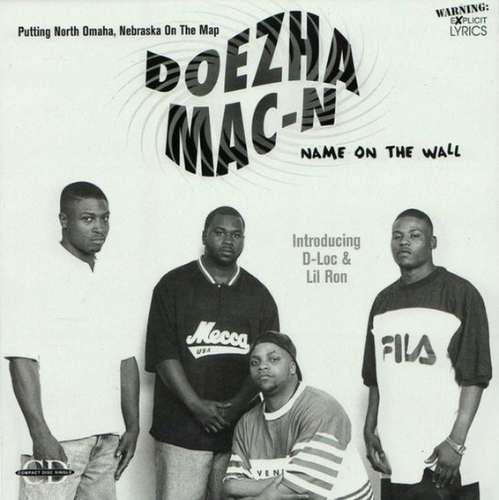
1996年に Mac-N Production からリリースされた
アルバム
「Name On The Wall」に収録されています。
大手流通ではなく自主制作だったため
現存数が少なく
90年代インディー・ラップのコレクター市場では
希少盤として扱われています。
特にオマハ周辺のローカル作品を集めるファンからの評価が高い作品。
そんな中からの一曲ですが
柔らかなエレクトリックピアノ系のコードと
シンセパッドで静かに幕を開けます。
いきなり強烈なシンセリードを鳴らすのではなく
空間を広く使ったミックスによって落ち着いた雰囲気を演出。
ベイエリア作品のような華やかさというより
夜の街をゆっくり走るようなメロウな世界観が印象的です。
テンポは体感で約86BPM前後。
ドラムは非常にシンプルで
余計な装飾を排除しています。
インディー作品らしく
打ち込み特有の無機質さを残しながらも
ビート全体には自然な揺れがあります。
量産型の G-Funk ではなく
DIY感のあるプロダクションが魅力のひとつです。
ベースは前に出過ぎず
あくまで土台として機能しています。
West Coast 作品のようにベースが主役になるタイプではなく
コード進行とドラムをしっかり支える役割に徹しているため
全体が非常に聴きやすいミックスになっています。
低域は深く
ヘッドホンで聴くと心地よい厚みを感じられます。
この曲最大の魅力はシンセワークです。
いわゆる Death Row 系のホイッスルシンセを全面に押し出すタイプではなく
メロディよりもコードワークで雰囲気を作るスタイル。
そのため G-Funk でありながらソウル色も感じられます。
Doezha は低音で落ち着いたラップを披露。
感情を爆発させるというより
一言一言を噛み締めるようなフロウで
曲のテーマである「嫉妬」や「裏切り」を淡々と語ります。
一方の L-Mac’N は少し勢いのある声質で
曲に適度な緊張感を与えています。
二人の対比によって単調さを感じさせず
ローカル作品としては完成度の高い掛け合いになっています。
フックはキャッチーさよりも雰囲気重視。
一度聴いただけで耳に残るタイプではありませんが
1990年代のインディー作品らしい
「派手さより空気感」という美学が感じられます。
オマハという西海岸から離れた土地でありながら
G-Funk のエッセンスを自分たちなりに消化し
地域性を感じさせるサウンドへと昇華している点が最大の魅力です。
派手なフックや技巧的なラップではなく
全体を包み込むようなメロウな雰囲気こそがこの曲の価値であり
90年代インディー G-Rap を掘り下げるリスナーなら
一度は聴いておきたい隠れた佳曲と言えるでしょう。
【G-Funk】 Doezha Mac-N – Jealousy
This time, we’re taking a look at “Jealousy” by Doezha Mac-N, an independent gangsta rap duo from Omaha, Nebraska, consisting of Doezha and L-Mac’N.
The track appears on their 1996 album “Name On The Wall,” released independently through Mac-N Production.
Because the album was self-released rather than distributed through a major label, only a limited number of copies were produced. As a result, it has become a highly sought-after release among collectors of 1990s independent rap. It is especially well regarded by enthusiasts who specialize in local hip-hop releases from the Omaha area.
“Jealousy” opens with smooth electric piano chords layered over soft synth pads, immediately establishing a calm and atmospheric mood. Instead of relying on loud lead synthesizers from the very beginning, the spacious mix creates an understated sense of depth and relaxation.
Rather than delivering the flashy energy often associated with Bay Area productions, the song evokes the feeling of cruising slowly through the city at night. Its mellow atmosphere is one of its strongest qualities.
The tempo sits at approximately 86 BPM, giving the track a laid-back groove. The drum programming is intentionally simple, avoiding unnecessary embellishments. Like many independent releases of the era, it retains the slightly mechanical feel of programmed drums while still carrying a natural sense of movement. Instead of sounding like another mass-produced G-Funk record, the production embraces a distinctive DIY character that adds to its charm.
The bass never dominates the mix, serving primarily as a solid foundation for the drums and chord progression. Unlike many West Coast records where the bassline takes center stage, everything here is carefully balanced, resulting in a smooth and highly listenable mix. The low end is deep and warm, offering an especially satisfying experience through headphones.
The song’s greatest strength lies in its synthesizer work. Rather than emphasizing the signature Death Row-style whistle synths, the production focuses on lush chord progressions that create atmosphere instead of memorable lead melodies. Because of this approach, the track blends G-Funk with a noticeable touch of soul, giving it a warmer and more emotional feel.
Doezha delivers his verses in a deep, composed voice. Instead of relying on explosive emotion, his measured flow allows every line to carry weight as he calmly reflects on the themes of jealousy and betrayal.
L-Mac’N, on the other hand, brings a more energetic vocal delivery, adding tension and contrast to the song. The chemistry between the two MCs keeps the performance engaging and demonstrates a level of polish that is impressive for an independent local release.
The hook favors atmosphere over immediate catchiness. It may not be the kind of chorus that stays in your head after a single listen, but it perfectly represents the philosophy found in many underground rap records of the 1990s—prioritizing mood and authenticity over commercial appeal.
Perhaps the most fascinating aspect of “Jealousy” is how Doezha Mac-N successfully adapted the essence of G-Funk despite being based in Omaha, far from the West Coast where the sound originated. Rather than simply imitating California artists, they transformed those influences into something that reflected their own local identity.
Instead of flashy hooks or technically complex lyricism, the true value of this track lies in its mellow atmosphere and understated production. For listeners interested in exploring the deeper corners of 1990s independent G-Rap, “Jealousy” stands as a hidden gem that deserves far more recognition.

コメント