Hitchaの「No One Has」は、滑らかなコーラスと不穏なストリート描写を同じビートの上に共存させた、1990年代シカゴ産ギャングスタラップの隠れた佳曲である。
耳に残るのは、男性シンガーが繰り返す「No one has sold more rocks than me」という誇示的なフック。しかし、その歌声を包むトラックは、勝利を祝うような明るいファンクではない。薄暗いコード、重く沈むベース、乾いたドラム、そして路上生活の緊張を背負った複数のラップが、成功と破滅の境界線を描いていく。
約4分05秒の楽曲は、派手な展開やソロを挟まず、ひとつのループを執拗に維持する。その反復性こそが、日々同じ危険を繰り返すストリートの閉塞感と結びついている。
アーティスト紹介
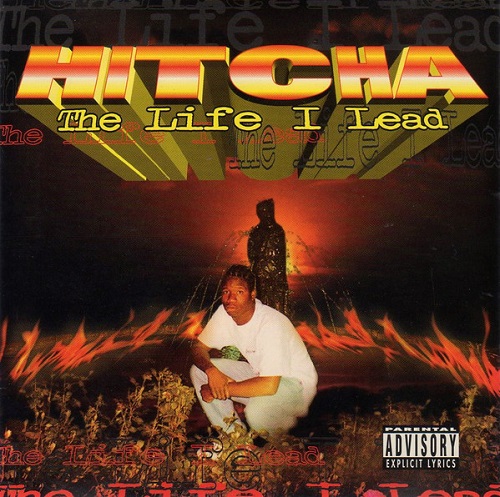
Hitchaは、アメリカ・イリノイ州シカゴ周辺のアンダーグラウンド・シーンで活動したラッパーである。The Hitcher、Hitcha Santanaといった表記も見られ、1996年にアルバム『The Life I Lead』を発表した。
同作はHi Jack Recordsからリリースされたシカゴ産のインディペンデント作品で、資料上ではGangsta Rap、G-Funkとして分類されている。オリジナルCDの収録情報では「No One Has」は約4分05秒の楽曲として掲載されている。
Hitchaの特徴は、西海岸G-Funkの音色を取り入れながらも、完全にレイドバックしたラップへは向かわない点にある。言葉数の多いフロウ、苛立ちを含んだ声、路上の具体的な描写を通して、シカゴ/Midwestらしい緊張感を残している。
作品背景
「No One Has」は、1996年発表のアルバム『The Life I Lead』に収録されている。
1990年代中盤は、Dr. DreやSnoop Doggy Dogg、Warren Gらによって広く知られるようになったG-Funkの音響が、カリフォルニア以外のローカル・シーンにも浸透していた時期である。しかし、それぞれの都市が同じサウンドをそのまま模倣したわけではない。
シカゴや中西部の作品では、ファンクの滑らかさに加えて、
- 冷えた空気感
- ハードコアラップの圧力
- 多音節を詰め込むフロウ
- インディペンデント録音特有の粗さ
が前面に出ることが多い。
「No One Has」も、明るく開放的なカリフォルニア型G-Funkというより、G-Funkの音色をシカゴの路上感覚へ置き換えたMidwest Funkとして捉えると理解しやすい。
アルバム『The Life I Lead』は、現在では90年代Midwest Gangsta Rapのコレクターズ作品として知られ、Discogsでも1996年のGangsta/G-Funk作品として登録されている。
第一印象
イントロで最初に耳へ入ってくるのは、男性ボーカルによる「No one has」という反復である。
声は大きく張り上げるのではなく、少し脱力した歌い方で長く伸ばされる。その背後では複数の男声が会話やアドリブを重ね、スタジオ内の雑然とした雰囲気をそのまま残している。
この冒頭だけを聴けば、メロウなファンク曲のようにも聞こえる。しかし、ラップが始まると空気はすぐに変わる。
語られるのは、車、ドラッグ販売、警察、銃、仲間、金、家族、そして路上で生き延びるための判断である。甘いコーラスと荒々しいヴァースの落差によって、楽曲全体に奇妙な二面性が生まれている。
ファンクの心地よさに身を委ねることはできるが、完全には安心できない。
その居心地の悪さこそが「No One Has」の最大の魅力である。
サウンド分析
ドラム
テンポは音源解析上、約99BPM前後。
体感としてはミドルテンポだが、ラッパーが細かく音節を刻むため、実際の数値以上に前へ進む印象がある。
キックは低く丸いというより、短く締まった質感で配置されている。長い余韻でトラックを満たすのではなく、ベースの動きを邪魔しないよう、必要な位置だけを強く押している。
スネアは硬く乾いており、バックビートを明確に区切る。派手なリバーブは控えめで、スタジオの狭い空間で直接鳴っているような近さがある。
ハイハットは一定の細かさで進みながら、ヴァースではラップの語尾と衝突しないよう控えめに配置されている。現代的なトラップのように細かなロールを連発するのではなく、グルーヴの骨格を維持する役割に徹している。
ドラム全体の特徴は、派手さよりも持続性である。
同じリズムを長く保つことで、路上の日常が繰り返される感覚を作り出している。
ベース
ベースは曲の中心にある。
低域を必要以上に膨らませず、中低域に太い輪郭を残した音色で、キックの隙間を埋めるように動いている。単音を長く伸ばす部分と、短く区切る部分が交互に現れ、ループに呼吸を与えている。
西海岸G-Funkのベースに近い滑らかさはあるが、より暗く、少し乾いている。
明るい太陽の下を車で流すようなベースではなく、夕方から夜へ変わるシカゴの街路を低速で巡回するような感触だ。
コード進行が大きく変わらないため、ベースのわずかな音程移動が曲の表情を決めている。反復の中で低音の位置が少し変わるたび、緊張が緩んだり、再び締まったりする。
シンセ・メロディ
上物の中心は、柔らかい鍵盤系のコードと、薄く伸びるシンセである。
音源解析ではF♯マイナー周辺の響きが強く、実際の聴感も明るいメジャー調というより、陰影を持ったマイナー寄りのトーナリティーに聞こえる。ただし、これは音源からの推定であり、公式な楽譜情報ではない。
コードは細かく展開せず、ほぼ一定の循環を保つ。シンセも前面で派手な旋律を弾くのではなく、ボーカルとラップの間を埋めるように配置されている。
G-Funk作品でよく聞かれる高音の鋭いシンセリードは控えめで、「No One Has」ではむしろコードの濁りや持続音が重要になっている。
そのため、楽曲はファンキーでありながら、どこか教会音楽やソウル・バラードのような哀感も帯びている。
ミックス・グルーヴ
ミックスは中域が厚い。
ラップ、コーラス、鍵盤、スネアが比較的近い周波数帯に集まり、それぞれを完全に分離するのではなく、ひとつの塊として聞かせている。
現代の音源のような広大なステレオ感や、極端に整理された低域はない。むしろ、複数の声が少し重なり合い、アドリブがラップへ食い込むことで、ローカル・スタジオらしい密度が生まれている。
この粗さは欠点ではない。
Hitchaたちが同じ部屋に集まり、マイクを順番に回しながら録音しているような集団性を感じさせる。特にアウトロでは、コーラス、会話、名前を呼ぶ声、アドリブが同時に鳴り、楽曲というより現場の記録に近づいていく。
ラップ/ボーカル分析
Hitchaのラップ
Hitchaと思われる第1ヴァースは、比較的高密度なフロウで始まる。
ビートの後方へゆっくり乗るだけではなく、1小節の中に複数の言葉を詰め込み、語尾を次の小節へまたがせる。声質にはざらつきがあり、感情を大きく誇張するより、早口で現実を列挙していく。
ヴァースでは、ドラッグを売って成り上がる若者、警察に監視される地域、銃を持つ仲間、家族への思いなどが交錯する。
特に印象的なのは、娘が成長する姿を見たいという趣旨の言葉と、路上で金を稼ぎ続ける現実が同じヴァースに置かれている点である。
ここには単純な成功自慢だけではなく、
この生活を続ければ家族を守れないかもしれない。
しかし、この生活をやめれば金を得られない。
という矛盾がある。
フロウは強気だが、内容には迷いが残る。そのためHitchaは、完全な悪役や無敵のギャングとしてではなく、選択肢の少ない環境で判断を迫られる人物として聞こえる。
第2ヴァース
第2ヴァースでは声質とリズムが変化する。
第1ヴァースよりも低く太い声で、音節をやや大きく区切りながら進む。スタジオ、仲間、銃、ドラッグ販売、金銭回収といった内容が中心となり、より直接的なストリート描写が増える。
「1996」という年が歌詞の中に登場する点も重要である。
この一言によって、楽曲が抽象的な犯罪物語ではなく、1996年当時のシカゴ周辺のローカルな現実を記録したものとして立ち上がる。
また、このヴァースでは仲間と行動する場面が多く、個人の成功よりもクルー単位の動きが強調される。
車に乗り、武器を持ち、金を回収し、決められた場所へ向かう。描写は映画的だが、華麗な犯罪計画ではなく、いつ暴力が起きても不思議ではない日常の延長として語られている。
女性MCのヴァース
後半には女性MCが登場する。
男性陣とは異なる鋭い声質と、ビートへ正面から突き刺すようなフロウが特徴である。歌詞では、自身を軽く見る相手への警告、銃器、金、ドラッグ、名声、家族のために稼ぐ姿勢などが語られる。
彼女のヴァースが入ることで、楽曲は男性ギャングスタの世界だけではなくなる。
女性MCは装飾的な客演ではなく、男性陣と同じ危険な環境に立つ当事者として描かれている。性的な魅力を武器として使う描写はあるものの、最終的な主導権は常に本人が握っている。
特に、
「名声のためではなく、家族や生活のためにやっている」
という趣旨の言葉は、この曲の主題を補強する。
「No One Has」はドラッグ販売量を競う曲に聞こえるが、その根底には、貧困から抜け出すための手段として違法な経済を選ばざるを得ない状況がある。
コーラス
コーラスは、
“Making my cash on the Chi-Town streets”
“No one has sold more rocks than me”
という内容を中心に繰り返される。
歌唱は滑らかで、ラップ部分よりも音程の動きが大きい。声を長く伸ばすことで、無骨なドラムにソウルフルな余白を加えている。
一方で、歌われている内容は非常に直接的だ。
「シカゴの路上で金を稼ぐ」「自分ほどドラッグを売った者はいない」という誇示が、美しいメロディーに乗せられている。
この矛盾が重要である。
耳には心地よいが、言葉の意味は重い。歌えるフックによって犯罪行為が日常的な標語へ変わってしまう構造そのものが、当時の環境の異常さを表している。
歌詞・テーマ
路上経済と成功
表面的なテーマは、ドラッグ販売による金銭的成功である。
登場人物たちは、現金、車、銃、仲間、販売量を語り、自分たちの影響力を誇示する。
しかし、この曲は豪華な生活だけを描いているわけではない。
警察の巡回、借金の取り立て、裏切り、逮捕、暴力、過剰摂取といった破滅の可能性が常に言葉の背後にある。
つまり「No One Has」で語られる成功は、安定した成功ではない。
今日金を持っていても、明日には逮捕されるか、撃たれるか、仲間に裏切られるかもしれない。その不確実性が、トラックの暗いコードと結びついている。
家族と生存
複数のヴァースに共通しているのが、家族や生活を維持するために稼ぐという論理である。
Hitchaは娘の成長に触れ、女性MCも名声ではなく家族や金のために動いていると語る。
犯罪を正当化するというより、合法的な選択肢が十分に機能しない地域で、人々がどのように自らの行動を説明するのかが示されている。
もちろん、その選択によって別の誰かが傷つく可能性もある。曲はそこを倫理的に整理しない。
善悪の答えを出さず、当事者たちの言葉をそのまま積み重ねる。この距離感が、説教的な社会派ラップとは異なるリアリティーを生んでいる。
誇示と不安
フックでは「自分ほど売った者はいない」と強く誇示する一方、ヴァースには不安や警戒があふれている。
常に武器を持ち、誰かを疑い、警察の動きを確認し、金を払わない相手へ警告する。
本当に安全で支配的な人物であれば、ここまで警戒する必要はない。
したがって、この曲における強さは、安心から生まれる強さではなく、恐怖を隠すための強さでもある。
サンプリング&トラックメイキング
「No One Has」のトラックには、1970年代後半から1980年代のソウル/ファンクを思わせるコード感やボーカル処理がある。
特に男性コーラスの長い音符、柔らかい鍵盤、丸いベースの組み合わせには、古いスロウ・ファンクやソウル・バラードの影響を感じる。
ただし、現時点で確認できる公開資料からは、具体的なサンプリング元を確定できない。
そのため、
- 元曲を直接サンプリングしている
- スタジオ・ミュージシャンが弾き直している
- 既存曲に似たコードやボーカルを新たに制作した
のいずれであるかは断定できない。
音の質感としては、短い断片を細かく切り刻んだサンプリングというより、比較的長いコード進行や演奏をループさせた構造に聞こえる。
ドラム、ベース、鍵盤、歌声が同じ周期で戻ってくるため、トラックメイキングの重点は展開ではなく反復にある。
この反復が、曲のテーマである路上生活の循環性を強めている。
トリビア
- 「No One Has」は1996年のアルバム『The Life I Lead』に収録されている。
- オリジナルCD資料では曲の長さは約4分05秒。
- 『The Life I Lead』は資料上、Gangsta RapおよびG-Funkに分類されている。
- 音源では「Chi-Town streets」という表現が繰り返され、シカゴの地域性が明確に打ち出されている。
- 歌詞内に「1996」という年が登場し、作品が制作された時代を直接記録している。
- 後半には女性MCが参加しており、男性MCとは異なる視点から同じストリート環境を描いている。
- アウトロでは複数の人物名やクルーへの呼びかけが重なり、アルバム制作現場の空気を残している。
- 現在確認できる範囲では、女性MCやコーラス歌手を含む曲単位の完全な参加者情報は明確になっていない。
制作メモ
確定情報
- アーティスト:Hitcha
- 曲名:No One Has
- 収録作品:『The Life I Lead』
- リリース年:1996年
- 地域:アメリカ・イリノイ州シカゴ周辺
- ジャンル表記:Gangsta Rap/G-Funk
- 収録時間:約4分05秒
音源から確認できる内容
- テンポ:約99BPM前後
- マイナー寄りの暗いコード感
- 男性シンガーによる反復コーラス
- 複数の男性MCと女性MCによる構成
- 中低域を中心とした太いベース
- 乾いたキックとスネア
- 大きな転調やビートチェンジを用いないループ主体の構成
- シカゴの路上、ドラッグ販売、金、銃、家族、生存を扱った歌詞
未確認情報
- コーラス歌手の氏名
- 各ヴァースの正式な客演者名
- 具体的なサンプリング元
- スタジオ、エンジニア、録音日などの曲別情報
総評
Hitchaの「No One Has」は、G-Funkの滑らかさとシカゴ・ギャングスタラップの緊張感を結びつけた一曲である。
ソウルフルなコーラス、太いベース、暗い鍵盤、約99BPMの安定したビートは、一聴すると気持ちのよいミッドテンポ・ファンクを形成している。
しかし、ラップに耳を向けると、その心地よさはすぐに揺らぐ。
語られるのは、ドラッグを売ることで得られる現金と、その生活に付きまとう警察、銃、暴力、裏切り、家族への不安である。登場人物たちは自分の強さを誇示するが、その言葉の裏には、いつ状況が崩れるか分からない恐怖がある。
また、複数のMCが参加することで、曲はHitcha個人の物語に限定されない。
男性MCの異なる声、女性MCの鋭いヴァース、男性シンガーのフック、アウトロの会話が重なり、ひとつの地域に生きる人々の集団的な記録へ変化していく。
西海岸G-Funkのような豪華さや明るさを期待すると、やや地味に感じるかもしれない。
だが、「No One Has」の価値は、ファンクを装飾ではなく、閉塞した日常を持続させるための音楽として使っている点にある。
気持ちよく流れるのに、内容は決して軽くない。
滑らかなのに、最後まで冷たい緊張が消えない。
「No One Has」は、そうした相反する感覚を約4分間のループへ封じ込めた、1996年シカゴ・アンダーグラウンドの重要な一曲である。
エディターズノート
「No One Has」の魅力は、フックの親しみやすさだけではない。
男性シンガーの声は、危険なストリート生活を肯定する祝歌のようにも、そこから抜け出せない人間の悲しい独白のようにも聞こえる。
“No one has sold more rocks than me”
この一節は強烈な自慢であると同時に、人生の価値を販売量でしか測れなくなった人物の告白でもある。
トラックが明るく突き抜けず、わずかな陰りを残しているからこそ、その二重性が伝わってくる。
Hitchaは説教をしない。犯罪生活を明確に反省するわけでも、全面的に美化するわけでもない。ただ、その場にいる人間の声を集め、シカゴの路上で金を作る日常を音へ変えている。
だからこの曲は、単なるレアG-Funkとしてだけでなく、1990年代中盤のローカル・コミュニティーが残した生活記録としても聴く価値がある。
Hitcha – No One Has | Dark Midwest Funk Caught Between Success and Destruction
The track surrounding “No One Has” is not the kind of bright funk that celebrates victory. Shadowy chords, a heavy sinking bassline, dry drums, and multiple rappers carrying the tension of street life combine to trace the thin line between success and destruction.
Running for approximately 4 minutes and 5 seconds, the song avoids dramatic changes, instrumental solos, or major shifts in arrangement. Instead, it stubbornly maintains a single looping foundation. That repetition becomes inseparable from the feeling of confinement created by a street life in which the same dangers return day after day.
Artist Introduction
Hitcha was a rapper associated with the underground scene around Chicago, Illinois. His name also appears in variations such as The Hitcher and Hitcha Santana, and in 1996 he released the album The Life I Lead.
The album was an independent Chicago release issued through Hi Jack Records and is generally categorized in available databases as Gangsta Rap and G-Funk. Original CD listings identify “No One Has” as a track lasting approximately 4 minutes and 5 seconds.
One of Hitcha’s defining characteristics is that, although he incorporates the sonic vocabulary of West Coast G-Funk, he never fully adopts the extremely relaxed delivery commonly associated with that style.
Dense flows, an irritated vocal tone, and concrete descriptions of street life preserve a sense of pressure that feels distinctly Chicagoan and Midwestern.
Background
“No One Has” appears on Hitcha’s 1996 album The Life I Lead.
The mid-1990s were a period when the sound of G-Funk—popularized internationally by artists such as Dr. Dre, Snoop Doggy Dogg, and Warren G—had spread far beyond California and entered numerous regional underground scenes.
However, those cities did not simply imitate the West Coast formula without modification.
Chicago and other Midwestern releases often emphasized elements such as:
- colder atmospheres,
- the pressure of hardcore rap,
- flows packed with multisyllabic phrases,
- and the roughness of independent studio production.
“No One Has” is therefore easier to understand not as sunny, open-air California G-Funk, but as a form of Midwest Funk that translates G-Funk textures into the atmosphere of Chicago street life.
Today, The Life I Lead is known among collectors of 1990s Midwest Gangsta Rap, and Discogs also lists the album as a 1996 Gangsta Rap/G-Funk release.
First Impression
The first thing that catches the ear during the intro is a male vocalist repeatedly singing the phrase:
“No one has.”
Rather than belting the words dramatically, he stretches them out with a slightly relaxed delivery. Behind him, several male voices overlap with conversation and ad-libs, preserving a loose, crowded studio atmosphere.
Judging only from the opening, the song could almost be mistaken for a mellow funk record.
Once the rapping begins, however, the atmosphere immediately changes.
The lyrics move through cars, drug dealing, police surveillance, firearms, friends, money, family, and the decisions required to survive in the streets.
The contrast between the sweet chorus and the rough verses creates a strange duality throughout the track.
You can surrender to the comfort of the funk, but you can never completely relax.
That underlying discomfort is one of the greatest strengths of “No One Has.”
Sound Analysis
Drums
Audio analysis places the tempo at approximately 99 BPM.
It feels like a mid-tempo track, but because the rappers frequently divide the beat into smaller rhythmic units and pack their bars with syllables, the song feels more propulsive than the BPM figure might suggest.
The kick is not especially long, rounded, or booming. Instead, it is short and tightly controlled, striking only where needed so that it does not interfere with the movement of the bassline.
The snare is hard and dry, clearly separating the backbeat. Heavy reverb is kept to a minimum, giving it the close, immediate quality of a drum sound recorded in a relatively compact studio environment.
The hi-hats maintain a steady pulse, but they remain restrained enough not to compete with the endings of the rappers’ phrases.
Rather than using the constant rolls associated with modern trap production, the hats primarily function as part of the structural skeleton of the groove.
The defining quality of the drums is therefore not spectacle, but endurance.
By maintaining nearly the same rhythmic framework for an extended period, they create the sensation of a street routine repeating over and over again.
Bass
The bass is at the center of the track.
Rather than excessively inflating the deepest frequencies, it retains a thick presence in the low-midrange and moves into the spaces left by the kick.
Longer sustained notes alternate with shorter, clipped phrases, giving the loop a subtle sense of breathing.
There is some of the smoothness associated with West Coast G-Funk bass playing, but the tone is darker and slightly drier.
This does not feel like a bassline made for cruising beneath bright California sunshine.
Instead, it feels more like slowly moving through Chicago streets as daylight fades into night.
Because the harmonic progression changes very little, even small shifts in the bass notes have a significant effect on the atmosphere.
Each slight movement in the low end either loosens the tension or pulls it tight again.
Synths and Melody
The upper layers are built primarily around soft keyboard chords and thin sustained synth textures.
Audio analysis suggests a tonal center around F-sharp minor, and the listening impression is certainly closer to a shadowed minor tonality than to a bright major key.
However, this remains an estimate based on the recording rather than officially published sheet music.
The chords do not develop through a complicated progression. Instead, they cycle repeatedly through an almost fixed pattern.
Likewise, the synths do not dominate the track with flashy melodic phrases. They sit between the vocals and the rapping, filling space rather than demanding attention.
The sharp, high-pitched synth leads often associated with classic G-Funk are relatively restrained here.
In “No One Has,” the murkiness of the chords and the sustained harmonic atmosphere are more important.
As a result, the track remains funky while also carrying a faint sadness reminiscent of gospel music or a soul ballad.
Mix and Groove
The mix is dense in the midrange.
The raps, chorus, keyboards, and snare occupy relatively close frequency areas, and instead of being separated with surgical precision, they are allowed to blend together into a single mass.
There is little of the extremely wide stereo field or carefully sculpted low end associated with modern recordings.
Instead, voices overlap slightly, ad-libs spill into the rapping, and the production develops the dense quality of a local independent studio session.
That roughness is not a weakness.
It creates the impression that Hitcha and the other performers were gathered in the same room, passing the microphone between them.
This quality becomes particularly noticeable during the outro, where the chorus, conversation, shout-outs, names, and ad-libs overlap until the track begins to sound less like a polished composition and more like a document of an actual moment.
Rap / Vocal Analysis
Hitcha’s Rap
The first verse, which appears to be performed by Hitcha, begins with a relatively dense flow.
Rather than simply sitting lazily behind the beat, he packs multiple phrases into each bar and frequently allows the end of one phrase to spill across the bar line into the next measure.
His voice has a rough edge.
Instead of dramatically emphasizing every emotion, he rapidly lists the details of the environment around him.
The verse moves between young men rising through drug sales, neighborhoods under police surveillance, armed associates, and thoughts about family.
One especially striking tension comes from references to wanting to live long enough to watch his daughter grow while continuing to make money through street activity.
The contradiction is obvious:
If he continues living this way, he may not be able to protect his family.
Yet if he leaves this life, he may lose access to the income that supports them.
The flow sounds confident, but uncertainty remains beneath the words.
Because of this, Hitcha does not come across simply as an invincible gangster or one-dimensional villain.
He sounds more like someone forced to make decisions within an environment where the available choices are severely limited.
Second Verse
The vocal tone and rhythmic approach change during the second verse.
The voice is lower and thicker than in the opening verse, with the syllables divided into slightly larger rhythmic units.
The subject matter becomes even more direct, focusing on the studio, associates, firearms, drug dealing, and collecting money.
The appearance of the year “1996” in the lyrics is particularly significant.
That single detail anchors the song in a specific moment and prevents it from feeling like an abstract crime narrative.
It becomes a localized document of the Chicago-area environment in 1996.
This verse also places greater emphasis on operating as part of a crew rather than pursuing purely individual success.
They ride together, carry weapons, collect money, and move toward specific locations.
The imagery is cinematic, but it is not presented as an elaborate criminal fantasy.
Instead, violence feels like a natural extension of an ordinary routine in which something could go wrong at any moment.
Female MC Verse
A female MC appears later in the song.
Her sharper vocal tone and direct, forward attack distinguish her immediately from the male performers.
Her lyrics address people who underestimate her while also referencing firearms, money, drugs, reputation, and the need to earn for herself and her family.
Her presence prevents the song from becoming exclusively a male gangster narrative.
She is not included merely as decoration.
Instead, she is presented as someone living inside the same dangerous environment and confronting the same economic pressures as the men.
Although she occasionally uses sexuality as part of her power, she retains control of the situation throughout the verse.
Most importantly, her lines suggest that she is not involved for fame but for family, money, and survival.
That idea reinforces one of the central themes of the song.
On the surface, “No One Has” can sound like a competition over who has sold the most drugs.
Underneath that boasting, however, is a broader economic reality in which illegal activity becomes one possible route out of poverty.
Chorus
The chorus repeatedly centers on lines such as:
“Making my cash on the Chi-Town streets”
and
“No one has sold more rocks than me.”
The singing is smoother and more melodic than the verses.
Long sustained notes create soulful breathing room around the harder drums.
Yet the actual content is extremely direct.
The singer boasts about making money on Chicago streets and claims that nobody has sold more drugs than he has.
That contradiction is essential to the song.
The melody is pleasant, but the meaning of the words is heavy.
By transforming criminal activity into an easily singable hook, the track turns something dangerous into an everyday slogan.
That structure itself reflects how normalized this lifestyle has become within the environment being described.
Lyrics and Themes
Street Economy and Success
On the surface, the primary theme is financial success through drug dealing.
The characters discuss cash, cars, guns, associates, distribution, and influence.
However, the song is not simply a celebration of luxury.
Police patrols, debt collection, betrayal, arrest, violence, and overdose remain constantly present behind the lyrics.
The success described in “No One Has” is therefore never stable.
Someone may have money today, only to be arrested, shot, or betrayed tomorrow.
That instability connects directly with the dark harmonic atmosphere of the track.
Family and Survival
A recurring theme across multiple verses is the idea of earning money in order to maintain family and everyday life.
Hitcha refers to watching his daughter grow, while the female MC similarly frames her actions in terms of money, survival, and family rather than fame.
The song does not necessarily attempt to morally justify crime.
Instead, it shows how people living in communities where legitimate opportunities may feel inadequate explain their own decisions.
Of course, those choices may also harm other people.
The song does not resolve that contradiction ethically.
It does not provide a simple answer about good and evil.
Instead, it stacks the voices of the participants on top of one another and allows them to speak for themselves.
That distance gives the track a different kind of realism from explicitly political or didactic conscious rap.
Boasting and Anxiety
The hook aggressively claims that nobody has sold more drugs than the narrator.
Yet the verses are filled with anxiety and vigilance.
The characters carry weapons, distrust other people, watch the police, and threaten those who fail to pay.
If these characters were genuinely secure and completely dominant, such constant alertness would not be necessary.
The strength displayed in “No One Has” is therefore not the strength that comes from safety.
It is also a performance of strength used to conceal fear.
Sampling & Track Production
The production on “No One Has” carries chord voicings and vocal textures reminiscent of late-1970s and 1980s soul and funk.
The combination of sustained male vocals, soft keyboard chords, and a rounded bassline in particular evokes older slow-funk and soul-ballad traditions.
However, no reliable publicly available source currently confirms a specific sample.
It is therefore impossible to say with confidence whether the track:
directly samples an older recording,
uses replayed instrumentation performed by studio musicians,
or creates new chords and vocals that simply resemble earlier soul and funk records.
From a purely sonic perspective, the track feels less like a production built from tiny chopped fragments and more like one constructed around a relatively long performance or harmonic passage that has been looped.
The drums, bass, keyboards, and vocals return together in the same cycle, meaning the production places greater emphasis on repetition than development.
That repetition strengthens the song’s thematic connection with the cyclical nature of street life.
Trivia
“No One Has” appears on Hitcha’s 1996 album The Life I Lead.
Original CD information lists the track at approximately 4 minutes and 5 seconds.
The Life I Lead is commonly categorized as Gangsta Rap and G-Funk.
The phrase “Chi-Town streets” is repeated in the recording, strongly emphasizing its Chicago identity.
The year “1996” appears directly in the lyrics, anchoring the narrative to the period in which the record was created.
A female MC appears during the second half of the track, offering another perspective on the same street environment.
The outro contains overlapping shout-outs to various individuals and crews, preserving the atmosphere of the album’s recording sessions.
Based on currently available information, complete track-specific credits—including the names of the female MC and chorus vocalist—remain unclear.
Production Notes
Confirmed Information
Artist: Hitcha
Track: “No One Has”
Album: The Life I Lead
Release year: 1996
Region: Chicago area, Illinois, USA
Genre classification: Gangsta Rap / G-Funk
Running time: approximately 4:05
Elements Identifiable from the Recording
Tempo: approximately 99 BPM
Dark, minor-leaning harmony
Repeated chorus performed by a male singer
Multiple male MCs and a female MC
Thick bass focused around the low-midrange
Dry kick and snare
Loop-based arrangement without major key changes or beat switches
Lyrics dealing with Chicago street life, drug dealing, money, guns, family, and survival
Unconfirmed Information
Identity of the chorus vocalist
Official names of every guest rapper
Specific sample source
Track-specific recording studio, engineer, and session date information
Final Thoughts
Hitcha’s “No One Has” is a track that combines the smoothness of G-Funk with the tension of Chicago gangsta rap.
Its soulful chorus, thick bass, dark keyboards, and steady beat at approximately 99 BPM initially create the impression of an enjoyable mid-tempo funk record.
Once attention shifts toward the lyrics, however, that comfort begins to collapse.
The song describes the cash generated through drug sales alongside the police, firearms, violence, betrayal, and family anxiety that accompany the lifestyle.
The characters constantly project strength, yet behind that confidence is the fear that everything could fall apart at any moment.
The presence of multiple MCs also prevents the song from becoming purely Hitcha’s individual story.
Different male voices, the sharp female verse, the sung hook, and the conversations in the outro overlap until the track begins to function as a collective document of people living within the same environment.
Listeners expecting the luxury and brightness of classic West Coast G-Funk may initially find the production somewhat understated.
But the value of “No One Has” lies precisely in the way it uses funk not as decoration, but as music capable of sustaining a closed and repetitive everyday reality.
The groove feels comfortable, but the subject matter never becomes light.
The track sounds smooth, yet its cold tension never completely disappears.
“No One Has” captures those contradictory feelings inside a roughly four-minute loop, making it a compelling document of Chicago’s 1996 underground rap landscape.
Editor’s Note
The appeal of “No One Has” extends far beyond the accessibility of its hook.
The male singer’s voice can be heard either as a celebratory anthem for dangerous street success or as the sad confession of someone who cannot escape that lifestyle.
“No one has sold more rocks than me.”
The line is an extreme boast, but it can also be heard as the confession of a person whose sense of personal worth has become measured entirely through the amount of drugs he has sold.
Because the instrumental never becomes completely bright or triumphant, that dual meaning remains visible.
Hitcha does not preach.
He does not clearly repent for the criminal lifestyle, nor does he fully romanticize it.
Instead, he gathers the voices of people inside that environment and transforms the everyday process of making money on Chicago streets into sound.
For that reason, “No One Has” deserves to be heard not only as a rare piece of G-Funk, but also as a document of life left behind by a local mid-1990s community.
コメント