90年代G-Funkといえばカリフォルニアを思い浮かべる人が多い。しかし、そのムーブメントは全米へ波及し、各地で独自の解釈による”G-Funk”が生まれていた。
オハイオ州トレドもその一つであり、その土地を象徴する一曲が That Nigga Winfree feat. Mad Wun, Catfish「Glass City」 である。
タイトルにもなっている「Glass City」は、ガラス産業で栄えたトレドの愛称。その街の空気、人々、そして誇りを約3分弱という短い尺へ凝縮した、知る人ぞ知るローカルクラシックだ。
アーティスト紹介
That Nigga Winfree(現在はWinfree名義)は、オハイオ州トレド出身のラッパー・Talkboxプレイヤー・プロデューサー。
90年代から現在まで一貫してTalkboxを武器に活動を続けており、西海岸G-Funkの影響を受けながらも、ミッドウェストならではの温かみを感じさせる作品を数多く制作している。
「Glass City」はその初期代表作の一つであり、トレドを象徴するアンセムとして現在でも評価されている。
作品背景
本作は1997年前後にリリースされた自主制作アルバム
『Something 2 Ride To』に収録された楽曲。
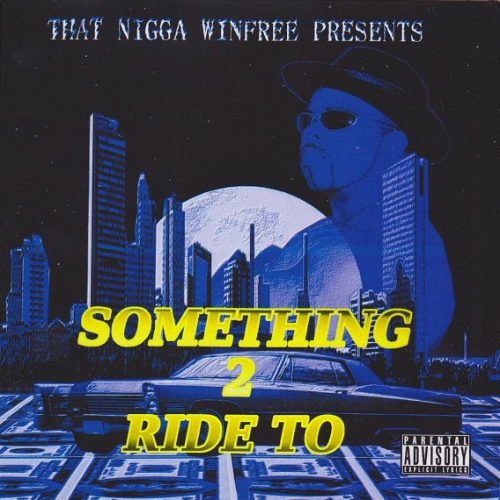
タイトルの”Glass City”はトレド市の愛称そのものであり、地元へのリスペクトを前面に押し出した楽曲となっている。
メジャー流通作品ではなくローカル盤だったことから流通量は少なく、現在ではG-Funkコレクターの間でも知られた一枚となっている。
第一印象
イントロから漂うのは、まさに90年代後半のローカルG-Funk。
派手さよりも”乗り心地”を重視したサウンドで、最初の数秒からクルージング向きの空気が完成している。
派手なシンセを前面へ出すというより、
「街を流しながら聴く音楽」
という空気作りが非常に上手い。
肩の力が抜けたグルーヴは、まさにタイトル通り”Something 2 Ride To”というアルバムコンセプトを体現している。
詳細サウンド分析
ドラム
ドラムはオーソドックスな90年代G-Funk。
キックは深く沈み込みながらも過度に重くなく、スネアは乾いた質感。
音数を増やさず、グルーヴだけで聴かせるタイプである。
テンポは約100BPM前後で、ゆったりと身体を揺らせる設定になっている。
ベース
ベースはこの曲最大の魅力の一つ。
派手に動き回るのではなく、
シンプルな反復
によって心地よい浮遊感を作り出している。
低域は十分に存在感がありながらも、他のパートを邪魔しない絶妙なバランスでミックスされている。
シンセ・メロディ
G-Funkらしい高音シンセとTalkboxが楽曲全体を彩る。
メロディ自体は決して複雑ではないが、
少ない音数だからこそ耳に残る。
Roger TroutmanやZappの流れを感じさせるフレージングでありながら、西海岸作品ほど派手には演出せず、ミッドウェストらしい素朴さが残されている。
Talkbox
この曲で最も印象的なのがTalkbox。
フックやバックグラウンドに自然と溶け込み、主役として前へ出過ぎない。
それでも楽曲全体へ強いG-Funk色を与えており、
Winfreeらしさが最も感じられるポイントになっている。
ミックス
現在の作品と比べるとローファイだが、
それがむしろ味になっている。
各パートは極端なコンプレッションを避け、自然な空気感を残したミックス。
自主制作盤らしい温度感が心地良い。
グルーヴ
この曲最大の魅力は
“流れるようなグルーヴ”
である。
派手な展開はほとんど無い。
しかし一定の心地良さが最後まで続くため、
何度でも流したくなる中毒性がある。
ラップ分析
Mad Wun、Catfishら複数MCによるマイクリレー形式。
全員が過度に技巧へ走らず、
ビートとの一体感を優先したラップを披露している。
声質もそれぞれ異なるため飽きが来ない。
WinfreeのTalkboxとの対比も非常に面白いポイントになっている。
歌詞・テーマ
テーマは非常に分かりやすい。
- Glass City(トレド)の紹介
- 地元への誇り
- 仲間との結束
- ストリートライフ
- クルージング
ローカルラップらしい等身大の視点で描かれており、大げさなセルフプロモーションではなく、自分たちの街を自然体で表現している点に魅力がある。
サンプリング & トラックメイク
サンプリング
現時点で確認できるサンプリング情報はありません。
リスニング上ではRoger Troutman/Zapp直系のシンセワークやTalkboxの影響を強く感じますが、使用サンプルが公開・検証されているわけではないため断定はできません。
トラックメイク
- 約100BPM前後のミドルテンポ
- Talkboxを活かしたフック
- シンプルなシンセリフ
- 太く安定したベースライン
- 必要最小限のドラム
余計な装飾を省くことで、「街を流すための音楽」というコンセプトが一貫しているのが特徴です。
トリビア / 制作背景
- 「Glass City」はトレド市の愛称。
- 自主制作盤『Something 2 Ride To』収録曲。
- Winfreeは現在もTalkboxアーティストとして活動を継続。
- 2020年には再録・再発版もリリースされ、当時のローカルクラシックが再評価されるきっかけとなった。
- ミッドウェスト産G-Funkの代表的ローカル作品としてコレクターから高い人気を集めている。
この曲の魅力
「Glass City」の魅力は、決して派手ではないことだ。
メジャー作品のような豪華さや緻密なサウンドデザインではなく、限られた機材と予算の中で「街の空気」を音に落とし込もうとしたリアリティがある。
だからこそ、約30年経った今でも色褪せない。
ローカル盤ならではの温度感や親密さは、大手作品にはない魅力であり、G-Funkを深く掘り下げるリスナーほど心をつかまれる一曲と言える。
総評
「Glass City」は、西海岸G-Funkのフォロワーという枠だけでは語れない作品だ。
トレドという土地への愛情をベースに、Talkbox、シンプルなグルーヴ、肩の力が抜けたラップを融合させたことで、この街ならではの個性を持つローカルアンセムへと仕上がっている。
派手なインパクトを求める人には物足りなく感じるかもしれない。しかし、何度も聴くほどにじわじわと魅力が伝わるタイプの楽曲であり、90年代アンダーグラウンドG-Funkの空気を知るうえで欠かせない一曲と言えるだろう。
That Nigga Winfree feat. Mad Wun & Catfish – Glass City | Toledo’s Hidden G-Funk Anthem
When people think of 1990s G-Funk, California is usually the first place that comes to mind. However, the movement spread far beyond the West Coast, inspiring artists across the United States to develop their own regional interpretations of the sound.
Toledo, Ohio, was one of those cities, and few songs represent its local scene better than That Nigga Winfree feat. Mad Wun & Catfish – “Glass City.”
Named after Toledo’s longtime nickname—earned through its historic glass manufacturing industry—the track captures the city’s atmosphere, pride, and street culture in less than three minutes. It’s an overlooked local classic that deserves far more recognition among G-Funk enthusiasts.
Artist Introduction
That Nigga Winfree, now performing simply as Winfree, is a rapper, producer, and Talkbox artist from Toledo, Ohio.
Since the 1990s, he has remained dedicated to incorporating the Talkbox into his music, creating a signature sound that blends classic West Coast G-Funk influences with the warmth and soul often associated with Midwestern hip-hop.
“Glass City” remains one of his earliest and most recognizable recordings, widely regarded by collectors as a hometown anthem representing Toledo’s underground rap scene.
Background
“Glass City” appeared on the independently released album Presents Something 2 Ride To, issued around 1997.
The song’s title directly references Toledo’s well-known nickname, making it an unapologetic tribute to the artist’s hometown.
Because the album was self-released with limited regional distribution, original copies have become increasingly difficult to find, earning the record a respected reputation among collectors of independent G-Funk releases.
First Impression
From the opening seconds, the song immediately establishes the unmistakable atmosphere of late-’90s underground G-Funk.
Rather than chasing flashy production or oversized synthesizers, the track focuses on creating an effortless cruising vibe.
It feels like music made specifically for driving through the city streets—a perfect reflection of the album title, Something 2 Ride To.
The relaxed groove never forces itself upon the listener; instead, it gradually pulls you into its laid-back rhythm.
Sound Analysis
Drums
The drum programming follows the classic G-Funk formula.
The kick drum is deep without becoming overpowering, while the snare delivers a dry, crisp texture typical of many independent West Coast-inspired productions from the era.
Instead of relying on busy programming, the rhythm section allows the groove itself to carry the song.
The tempo sits around 100 BPM, creating an easy, head-nodding pace ideal for cruising.
Bass
The bassline is one of the song’s strongest elements.
Rather than performing complex melodic runs, it relies on repetitive patterns that create a smooth sense of movement beneath the instrumental.
Its low-end presence is substantial but never overwhelms the rest of the mix, providing a solid foundation for every other element.
Synths & Melody
High-pitched synthesizers and tasteful Talkbox melodies define the overall sound.
The melodies themselves are relatively simple, but their restraint is precisely what makes them memorable.
The phrasing clearly recalls the musical legacy of Roger Troutman and Zapp, yet the production avoids the larger-than-life polish often associated with California releases.
Instead, it embraces a more modest, Midwestern character.
Talkbox
The Talkbox is arguably the song’s defining feature.
Rather than dominating the mix, it blends naturally into the hook and background harmonies.
Its subtle placement gives the record a distinctive G-Funk identity while allowing the rap performances to remain the focal point.
It’s also the clearest expression of Winfree’s musical personality.
Mix
Compared to modern productions, the mix is undeniably lo-fi.
Rather than being a weakness, however, that rawness enhances the song’s authenticity.
Heavy compression is largely avoided, allowing each instrument to breathe naturally while preserving the warmth that often characterizes independent releases from the era.
Groove
The greatest strength of “Glass City” lies in its effortless groove.
The arrangement remains relatively consistent throughout, with few dramatic changes or surprises.
Yet that consistency becomes addictive, making the track feel increasingly comfortable with each repeat listen.
Rap Performance
The song features a rotating lineup of MCs, including Mad Wun and Catfish.
Each rapper prioritizes chemistry with the beat over technical complexity, creating a relaxed and cohesive performance.
The differences in vocal tone keep the verses engaging, while Winfree’s Talkbox sections provide an effective contrast throughout the record.
Lyrics & Themes
The lyrical content revolves around themes that are central to many classic local rap records:
- Pride in Toledo (“Glass City”)
- Loyalty to hometown roots
- Brotherhood and community
- Everyday street life
- Cruising culture
Rather than relying on exaggerated self-promotion, the song presents Toledo through an honest, everyday perspective, making its sense of place feel genuine and relatable.
Sampling & Production
Sampling
At this time, no verified sampling information has been confirmed for “Glass City.”
Although the synthesizer work and Talkbox arrangements strongly evoke the influence of Roger Troutman and Zapp, there is currently no publicly verified evidence identifying any specific sampled recordings. Therefore, no definitive conclusions should be drawn.
Production
The production is built around several essential G-Funk elements:
- Mid-tempo groove (approximately 100 BPM)
- Talkbox-driven hooks
- Minimal yet memorable synthesizer melodies
- Thick, steady bassline
- Straightforward drum programming
By avoiding unnecessary embellishments, the production remains completely focused on one objective: creating music made for cruising through the city.
Trivia & Production Notes
- “Glass City” is the longtime nickname of Toledo, Ohio.
- The song appears on the independently released album Presents Something 2 Ride To.
- Winfree continues to perform and produce music as a Talkbox artist today.
- A re-recorded and reissued version of the track was released in 2020, helping introduce the song to a new generation of listeners.
- Today, the record is regarded by collectors as one of the defining local G-Funk releases from the American Midwest.
Why This Song Stands Out
The beauty of “Glass City” lies in what it doesn’t try to do.
It doesn’t chase commercial polish or blockbuster production.
Instead, it captures the feeling of a city through limited resources, genuine musicianship, and sincere hometown pride.
That authenticity is exactly why the song continues to resonate nearly three decades after its original release.
Its warmth, intimacy, and unmistakable local identity offer something that even many major-label releases cannot replicate.
For listeners interested in exploring G-Funk beyond California, “Glass City” remains an essential hidden gem.
Final Thoughts
“Glass City” deserves recognition as more than simply another West Coast-inspired G-Funk record.
By combining Talkbox melodies, smooth grooves, relaxed lyricism, and a deep love for Toledo, Winfree created a regional anthem with its own unmistakable identity.
Those looking for explosive hooks or high-budget production may initially overlook its charm.
But for listeners willing to spend time with it, the song gradually reveals itself as one of the Midwest’s most authentic underground G-Funk classics—and an essential listen for anyone exploring the deeper corners of 1990s independent hip-hop.
コメント