チカーノ・ラップの魅力は、必ずしも強烈なギャングスタ性や攻撃的なラップだけにあるわけではない。
低く沈むビート、夜の街を思わせるシンセサイザー、女性ラッパーの艶を帯びた声、そして男性MCたちの余裕あるフロウ。そうした要素を組み合わせ、恋愛や男女の駆け引きをローライダー向けのサウンドへ落とし込んだ楽曲にも、このジャンルならではの濃厚な魅力がある。
Doll-E GirlとMister Oneによる「Do It Daddy」は、まさにそのタイプの一曲だ。
約3分47秒というコンパクトな尺の中で、楽曲は重く落ち着いたビートを維持しながら、Doll-E Girlの挑発的なパフォーマンスと、複数の男性ボーカルによる掛け合いを展開していく。
派手な展開や複雑な構成で聴かせる曲ではない。むしろ、同じムードを崩さず、声の組み合わせとリズムの反復によって徐々に空気を濃くしていく作品である。
夜のクルージング、ローライダー・ショー、薄暗いクラブ。そんな情景が自然に浮かぶ、2000年代中盤のチカーノ・ラップらしい色気に満ちたナンバーだ。
アーティスト紹介
Doll-E Girlは、チカーノ・ラップやウェストコースト系のコンピレーション、客演作品などで活動してきた女性ラッパーである。
低音で威圧するタイプではなく、女性らしい声質、会話に近いラップ、歌うようなイントネーションを活かしたスタイルが特徴だ。強さを前面に押し出す場面でも、男性MCと同じ方法で競うのではなく、艶やかさや挑発的な表現によって独自の存在感を作り出している。
Mister Oneは、チカーノ・ラップのストリート感を保ちながら、比較的落ち着いたテンポの楽曲にも適応する男性ラッパーだ。
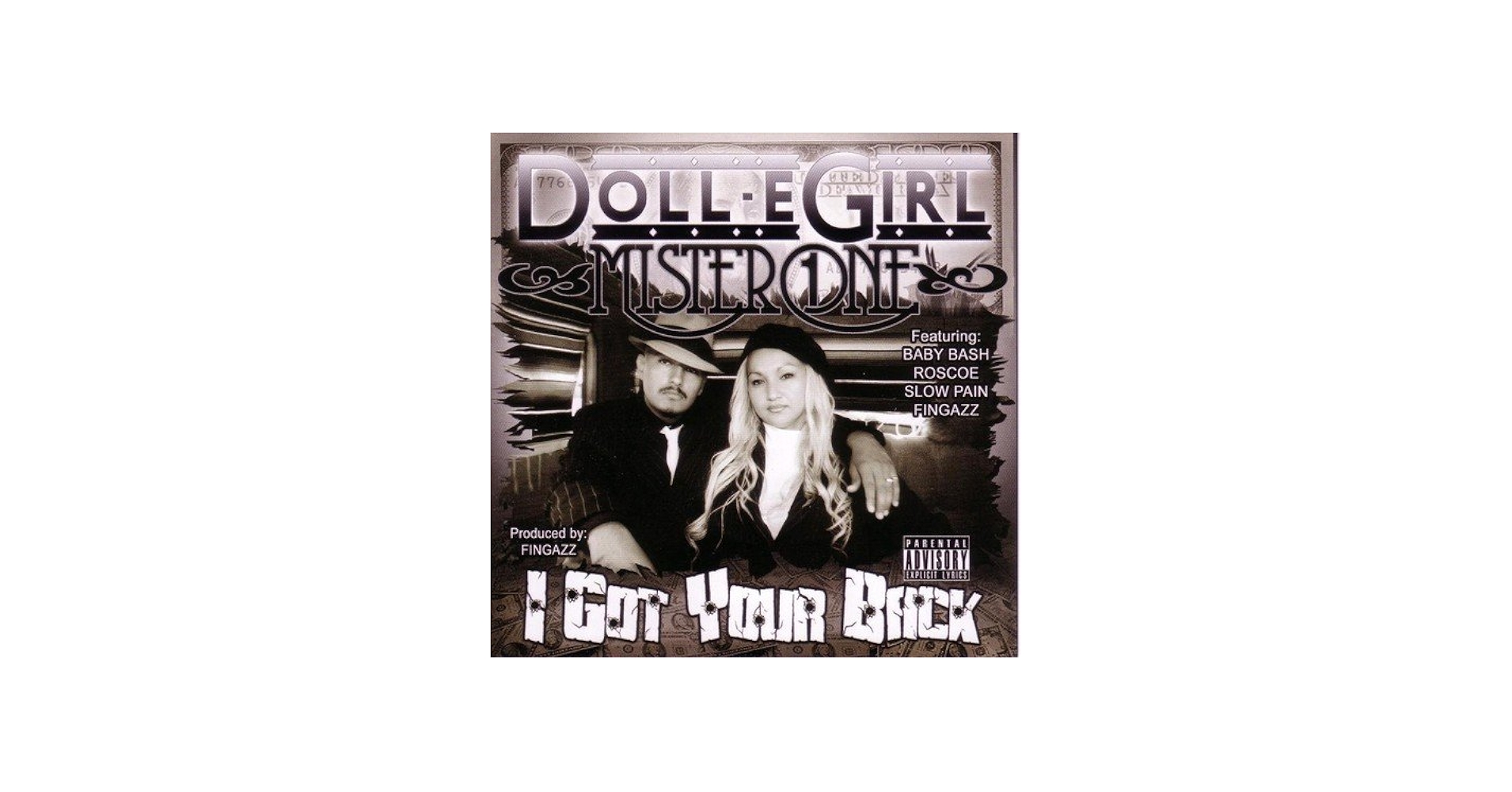
Doll-E GirlとMister Oneは、2006年に共同名義のアルバム『I Got Your Back』を発表している。同作はアメリカのTriple X Recordsからリリースされている。
両者は単なる客演関係というより、アルバム全体を通して男女のコンビネーションを打ち出している。作品紹介では、2人の関係性が現代版の“Bonnie and Clyde”になぞらえられており、男女の結束やストリートでの連帯感がアルバムの重要な軸となっている。
作品背景
「Do It Daddy」は、Doll-E GirlとMister Oneによるアルバム『I Got Your Back』の3曲目に収録されている。
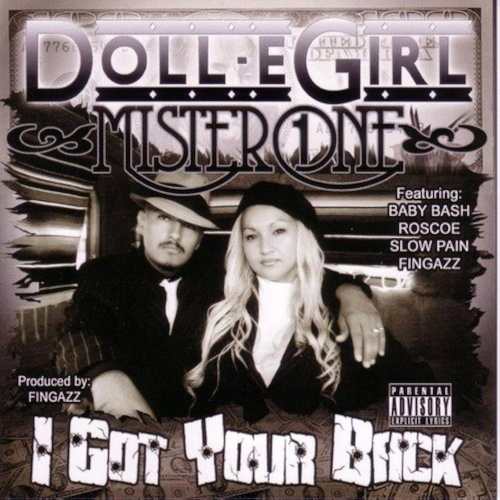
確認できるトラックリストでは、この曲にはBaby BashとDon Ciscoが参加している。つまり、表向きはDoll-E GirlとMister Oneの作品でありながら、実際の楽曲では複数の声が入り交じるマイクリレー型の構成になっている。
アルバムは2006年にリリースされ、全15曲を収録。Baby Bash、Slow Pain、Roscoe、Don Ciscoなど、ウェストコースト/ラテン・ヒップホップ周辺のアーティストが参加している。
アルバム全体のプロデュースにはFingazzがクレジットされている。Fingazzは、メロディアスなシンセ、トークボックス、滑らかなベースラインなどを活用したチカーノ・ラップ作品で知られるプロデューサーで、『I Got Your Back』でも両者のラップをよりラジオ向けで洗練された方向へ導いたと紹介されている。
第一印象
曲が始まって最初に感じるのは、明るさよりも“濃さ”である。
テンポは体感的にスローからミッドの範囲。ビートの刻みは急がず、一拍ごとに重さを持たせている。解析上もハーフタイム換算でおよそ65BPM前後に感じられる周期があり、倍で捉えれば約130BPM付近とも解釈できるが、実際の聴感は明らかにゆったりしている。
ドラム、ベース、シンセ、ボーカルのすべてが前へ走ろうとせず、同じ場所に腰を据えている。そのため、楽曲全体からはクラブの熱狂というより、夜の車内やプライベートな空間を思わせる密室的な雰囲気が漂う。
タイトルの「Do It Daddy」という言葉が示す通り、楽曲の中心にあるのは男女の親密なやり取りだ。
ただし、甘いR&Bバラードのように感情を広げるのではなく、あくまでヒップホップの反復と余白を保ったまま、色気を積み上げていく。そこに本作の特徴がある。
サウンド分析
ドラム
ドラムは楽曲全体の雰囲気を壊さないよう、シンプルに組まれている。
キックは低く太いが、激しく連打されるわけではない。一発ごとの存在感を重視し、空間を押し下げるように配置されている。スネアやクラップは輪郭がはっきりしており、ゆったりしたビートの中に一定の緊張感を与えている。
ハイハットも細かく暴れるタイプではない。必要な場所でリズムを補い、ボーカルの隙間を埋める程度に抑えられている。
この曲では、ドラムの複雑さよりも反復の気持ちよさが重要だ。
同じパターンを繰り返し聴かせることで、リスナーを楽曲のムードに深く沈み込ませていく。ビートが大きく変化しないからこそ、声の交代やアドリブの違いが目立つ構造になっている。
ベース
低域はかなり重要な役割を担っている。
ベースラインは技巧的に動き回るのではなく、キックと連動しながら曲の土台を作る。音の長さを残した低音が使われており、車内や大きなスピーカーで鳴らした際に、身体へゆっくり伝わるような設計だ。
典型的なファンク・ベースのような跳ね方よりも、一定の圧力を維持するタイプである。
そのため、楽曲には爽快なクルージング感より、深夜のローライドに近い粘りが生まれている。
シンセサイザー/メロディ
上物は音数を増やしすぎず、薄暗い雰囲気を維持している。
柔らかなコード系の音、控えめなシンセ、短い装飾音が重なり、ドラムとボーカルの背後に一定の色彩を与える。耳に強く突き刺さる高音ではなく、中域を中心とした滑らかな音色が多い。
Fingazz関連作品という背景から、派手なトークボックスやきらびやかなリード・シンセを想像するかもしれないが、「Do It Daddy」はそれらを前面に出すタイプではない。
むしろ、ボーカルを中心に据え、トラックは必要以上に自己主張しない。
メロディそのものを聴かせるというより、男女の会話が成立する舞台を作るためのプロダクションである。
ミックス
音源全体の平均音量は比較的高く、ピークも強く押し出されている。
特にボーカルと低域が近い距離で鳴っており、奥行きを大きく取るよりも、すべての要素を前方へ集めたミックスに感じられる。
Doll-E Girlの声は楽器の中へ埋もれず、トラックの中央付近に明確に配置される。男性ボーカルは声質の違いによって自然に区別され、それぞれが登場するたびに曲の表情が切り替わる。
一方で、現代的な高解像度ミックスと比べると、音の分離はやや粗く、低音と中域が密集している。
しかし、そのわずかな粗さが2000年代チカーノ・ラップのローカル感や、ストリート作品らしい生々しさにつながっている。
グルーヴ
この曲のグルーヴは、前進するというより“揺れる”感覚に近い。
キックとスネアの間には十分な余白があり、ボーカルはその空間を自由に使う。フロウを細かく刻むのではなく、言葉を引き延ばしたり、語尾を残したりすることで、リズムの中に色気を作り出している。
ローライダー向けの音楽に多い、身体を左右へゆっくり揺らすような感覚があり、激しいダンスよりもクルージングに向いている。
ラップ/ボーカル分析
Doll-E Girl
Doll-E Girlの最大の特徴は、ラップと会話と歌の境界を曖昧にする声の使い方にある。
強く言葉を叩きつけるのではなく、相手へ直接語りかけるような距離感でフレーズを置く。声には甘さがあるが、完全に受け身ではない。むしろ、自分が状況を主導していることを示すような自信と挑発性が感じられる。
語尾を伸ばす部分、息を含ませる部分、短く言葉を切る部分が使い分けられており、同じビートが続く中でも単調にならない。
また、女性ラッパーとして男性陣の中へ入る際も、声量や攻撃性で張り合っていない。
男性陣が低い声と落ち着いたフロウでストリート感を担う一方、Doll-E Girlは声の艶とリズムの柔らかさによって中心を奪う。この役割分担が曲の魅力を大きくしている。
男性ボーカル
男性パートは、低めの声を中心とした余裕あるラップで構成されている。
細かな韻や高速ラップを見せるのではなく、短いフレーズをビートへ確実に置いていくタイプだ。声を張り上げないため、Doll-E Girlのパートと自然な会話が成立している。
公開されているトラックリストではBaby BashとDon Ciscoの参加が確認できる。両者の参加によって、単純な男女デュエットではなく、複数の男性がそれぞれ異なる角度から女性側へ応じるような構造が生まれている。
Baby Bashは一般的に、メロディを含んだ柔らかなラップや、R&Bとの親和性が高いパフォーマンスを得意とする。そのため、Doll-E Girlの艶やかな声と相性がよく、曲全体を過度にハードな方向へ向かわせない。
一方で、Don Ciscoを含む低音の男性パートは、楽曲にウェストコーストらしい重さを加えている。
この柔らかさとストリート感の両立が、「Do It Daddy」を単なるセクシーソングではなく、チカーノ・ラップとして成立させている。
掛け合い
本作は、一人の長いヴァースを中心に聴かせる曲ではない。
短いパートの受け渡し、合いの手、フックの反復、語りかけるようなフレーズを重ねることで、複数人が同じ空間にいる感覚を作っている。
ボーカルが交代するたびにトラックの印象も少しずつ変わる。Doll-E Girlのパートでは官能的に、男性パートでは低く落ち着き、再びフックへ戻ると曲全体がまとまる。
こうした構造は、劇的な展開を作らずに最後まで聴かせるための重要な工夫である。
歌詞・テーマ
歌詞の中心にあるのは、男女の誘い、身体的な親密さ、駆け引き、そして相手を挑発するようなコミュニケーションである。
タイトルの「Daddy」は、文字通りの父親を意味するのではなく、恋愛関係や性的な文脈で男性へ呼びかける表現として使われている。
Doll-E Girlは、ただ男性から誘われる存在として描かれているわけではない。
彼女自身が言葉を投げかけ、相手の反応を促し、場の空気をコントロールしている。そこには、女性側が主導権を握る感覚がある。
そのため、曲の印象は甘いだけではなく、少し挑戦的だ。
男性陣も同じく、自信や余裕を見せながら応答する。両者のやり取りはロマンティックな愛情表現というより、欲望と自信を交換するゲームに近い。
また、トラックが暗く重いため、内容が軽いパーティーソングには聞こえない。
色気を扱いながらも、ウェストコースト/チカーノ・ラップらしいストリートの緊張感が残されている。ここが、一般的なクラブR&Bとの大きな違いである。
トリビア/制作メモ
『I Got Your Back』は、Doll-E GirlとMister Oneの共同アルバムとして2006年にTriple X Recordsから発売された。全15曲構成で、「Do It Daddy」は「Intro」「Reasons」に続く3曲目に配置されている。
アルバムのプロデューサーとしてFingazzがクレジットされている。作品紹介では、Fingazzのプロデュースによって、Doll-E GirlとMister Oneのラップがより洗練されたと説明されている。
「Do It Daddy」にはBaby BashとDon Ciscoがフィーチャリング参加している。音源ファイル上ではアーティスト名がDoll-E Girl and Mister Oneのみとなっているが、正式なアルバムのトラック情報では両名の参加が記載されている。
アルバムにはこのほか、Slow Pain、Roscoe、Big Chunks、Sal Caponeなども参加している。チカーノ・ラップ、ウェストコースト・ヒップホップ、ローライダー文化に関係する複数のアーティストを集めた作品である。
曲の正式なサンプル使用情報、シングル発売の有無、チャート成績、ミュージックビデオの存在については、信頼できる公開資料から確認できなかった。
総評/エディターズノート
「Do It Daddy」は、強烈なフックや大きな展開で印象を残す曲ではない。
しかし、重いビート、抑えたシンセ、低音の男性ラップ、Doll-E Girlの艶やかな声が一つのムードに統一されており、その空気を約3分47秒にわたって崩さない。
この一貫性こそが本作の最大の魅力である。
Doll-E Girlは、男性中心になりやすいチカーノ・ラップの中で、単なる客演女性ボーカルに収まっていない。自ら言葉を投げ、男性陣を引き寄せ、曲全体の温度を決めている。
一方、Mister Oneや客演陣は、彼女の存在感を押し潰そうとはしない。低い声と余裕あるラップで周囲を固め、男女の掛け合いが映える空間を作っている。
プロダクションも同様だ。
必要以上にメロディを足さず、ドラムと低域を一定の位置に固定することで、ボーカルの表情を主役にしている。派手なG-Funkのシンセや、トークボックスを全面に出す楽曲とは異なるが、Fingazz周辺の作品らしい滑らかさと聴きやすさは十分に感じられる。
恋愛、誘惑、クラブ、ローライダーという2000年代チカーノ・ラップの定番要素を扱いながら、女性側の視点と主導権を明確に打ち出した点も興味深い。
アルバムの代表曲として広く知られているとは言い難いものの、女性ラップとチカーノ・メロウの組み合わせを好むリスナーには、深く刺さる一曲だろう。
夜に音量を少し上げ、低音を効かせて聴くことで、この曲の持つ重さと色気はより鮮明になる。
今回ご紹介の楽曲の購入はこちらからどうぞ

Doll-E Girl & Mister One – “Do It Daddy” | A Seductive Slice of Mid-2000s Chicano Rap
The appeal of Chicano rap has never been limited to hard-hitting gangsta themes or aggressive lyricism.
Deep, slow-moving beats, synthesizers that evoke neon-lit streets at night, the sensual voice of a female rapper, and the laid-back confidence of male MCs can come together to create an entirely different kind of atmosphere. When these elements are blended with themes of romance, flirtation, and the push-and-pull between men and women, they produce a style of lowrider music that possesses its own unmistakable charm.
Doll-E Girl and Mister One’s “Do It Daddy” is a perfect example of that approach.
Running just 3 minutes and 47 seconds, the song maintains a heavy, relaxed groove from beginning to end while allowing Doll-E Girl’s provocative performance to interact naturally with multiple male vocalists.
Rather than relying on dramatic structural changes or flashy production tricks, the track gradually deepens its atmosphere through vocal interplay and hypnotic repetition.
It is the kind of record that instantly conjures images of nighttime cruising, lowrider shows, and dimly lit clubs—a smooth yet seductive piece of mid-2000s Chicano rap.
Artist Introduction
Doll-E Girl is a female rapper known for appearances on Chicano rap and West Coast hip-hop compilations as well as numerous guest features.
Instead of relying on intimidation or aggressive delivery, she builds her identity through a naturally feminine voice, conversational rap techniques, and melodic phrasing. Even when portraying confidence and strength, she distinguishes herself not by competing with male rappers on their terms, but by emphasizing sensuality, charisma, and playful provocation.
Mister One represents the street-oriented side of Chicano rap while remaining equally comfortable over slower, more melodic productions.
Together, Doll-E Girl and Mister One released the collaborative album I Got Your Back in 2006 through Triple X Records.
Rather than functioning as occasional collaborators, the pair present themselves throughout the album as a unified male-and-female partnership. Promotional materials even describe them as a modern-day “Bonnie and Clyde,” emphasizing loyalty, unity, and street companionship as central themes of the project.
Background
“Do It Daddy” appears as Track 3 on I Got Your Back.
Official track listings confirm guest appearances from Baby Bash and Don Cisco, making the song more than a simple duet. Instead, it unfolds as a rotating vocal exchange featuring multiple performers.
Released in 2006, the album contains 15 tracks and includes appearances from artists such as Baby Bash, Slow Pain, Roscoe, and Don Cisco, bringing together several recognizable names from the West Coast and Latin hip-hop scenes.
The album credits Fingazz as producer.
Widely respected for his melodic synthesizers, smooth basslines, and signature talkbox work within Chicano rap, Fingazz is credited with helping shape I Got Your Back into a polished, radio-friendly release while maintaining its street identity.
First Impression
The first thing that stands out is not brightness—it is density.
The tempo sits comfortably between slow and mid-tempo. The beat never rushes, allowing every kick drum to land with deliberate weight. From a listening perspective, the rhythmic pulse feels close to 65 BPM in halftime, or approximately 130 BPM when counted conventionally, although the overall impression remains unmistakably relaxed.
Nothing in the arrangement feels hurried.
The drums, bass, synthesizers, and vocals all remain firmly grounded, creating an intimate atmosphere that feels less like an energetic nightclub and more like the inside of a car during a late-night cruise.
As the title suggests, the song revolves around flirtation and intimate interaction.
Rather than expanding emotionally like a traditional R&B ballad, however, it preserves hip-hop’s repetitive structure and spacious production, allowing sensuality to emerge gradually through rhythm and performance.
That restraint defines the song’s character.
Sound Analysis
Drums
The drum programming is intentionally straightforward.
The kick drum is deep and powerful without becoming overly busy. Instead of rapid-fire patterns, each hit is given room to breathe, reinforcing the track’s heavy atmosphere.
The snare and claps remain crisp, adding enough definition to maintain rhythmic tension while preserving the laid-back feel.
The hi-hats are similarly restrained.
Rather than showcasing technical complexity, they simply reinforce the groove and fill the spaces surrounding the vocals.
Here, repetition matters far more than variation.
Because the drum pattern changes very little, subtle shifts in vocal performances and ad-libs become much more noticeable.
Bass
Low frequencies play a critical role throughout the song.
Instead of performing intricate melodic movements, the bass works closely with the kick drum to establish a solid foundation.
Long, sustained bass notes are designed to resonate through car speakers and larger sound systems, creating physical impact without overwhelming the mix.
Unlike the bouncing feel of classic funk basslines, this bass maintains steady pressure.
The result is less about carefree cruising and more about the slow, deliberate movement associated with late-night lowrider culture.
Synthesizers & Melody
The melodic elements remain intentionally understated.
Soft chord textures, restrained synthesizers, and subtle embellishments provide color behind the drums and vocals without demanding attention.
The emphasis stays within the midrange rather than bright, piercing high frequencies.
Considering Fingazz’s involvement, listeners might expect prominent talkbox melodies or flashy lead synthesizers.
Instead, “Do It Daddy” takes the opposite approach.
The instrumental exists primarily to support the vocal performances rather than compete with them.
Rather than presenting memorable melodic hooks, the production creates an environment where the conversation between male and female voices naturally unfolds.
Mix
Overall loudness is relatively high, with vocals and low-end positioned close to the listener.
Instead of emphasizing depth and spaciousness, the mix brings nearly every element toward the front.
Doll-E Girl’s voice remains clearly centered without being buried beneath the instrumentation, while the different male vocalists are naturally distinguished by their contrasting vocal tones.
Compared to contemporary high-definition productions, instrument separation feels somewhat dense, with low and mid frequencies overlapping more heavily.
Ironically, this slight roughness contributes to the authentic local character associated with mid-2000s Chicano rap.
Groove
The groove does not push forward aggressively.
Instead, it sways.
Generous space exists between kick and snare, allowing the vocalists to stretch words, linger on syllables, and inject sensuality into the rhythm.
Rather than encouraging energetic dancing, the song invites slow body movement—perfectly suited for cruising in a lowrider.
Rap & Vocal Analysis
Doll-E Girl
Doll-E Girl’s greatest strength lies in how she blurs the line between rapping, speaking, and singing.
Instead of forcefully attacking each lyric, she delivers phrases with the intimacy of direct conversation.
Her voice carries warmth and sweetness, yet never sounds passive.
Instead, she projects confidence and control, suggesting that she—not her male counterparts—is directing the interaction.
She skillfully alternates between extended syllables, breathy phrases, and clipped deliveries, preventing the repetitive beat from ever feeling monotonous.
Even surrounded by several male rappers, she never attempts to overpower them through volume or aggression.
While the men establish the song’s street credibility through deep voices and relaxed flows, Doll-E Girl commands attention through tone, elegance, and rhythmic finesse.
That contrast forms one of the track’s greatest strengths.
Male Vocalists
The male verses revolve around calm, low-pitched deliveries.
Rather than emphasizing technical rhyme schemes or rapid-fire performances, they prioritize clarity and rhythmic placement.
Because they avoid shouting or overperforming, natural dialogue develops between the male and female perspectives.
Official album credits confirm appearances by Baby Bash and Don Cisco.
Their contributions transform the song from a straightforward duet into a broader conversation in which multiple male personalities respond to Doll-E Girl from different perspectives.
Baby Bash’s melodic style naturally complements Doll-E Girl’s smooth voice, helping prevent the record from becoming unnecessarily aggressive.
Meanwhile, Don Cisco’s deeper vocal presence reinforces the heavier West Coast atmosphere.
Together, they balance softness with street authenticity.
Vocal Interaction
The song is not structured around lengthy solo verses.
Instead, short exchanges, ad-libs, repeated hooks, and conversational phrases create the impression that several people are occupying the same space.
Every vocal transition subtly shifts the emotional tone.
Doll-E Girl’s sections heighten sensuality, the male verses introduce calm confidence, and the returning hook ties everything together.
This constant interaction keeps the listener engaged without relying on dramatic production changes.
Lyrics & Themes
The lyrical focus centers on flirtation, physical attraction, romantic tension, and playful power dynamics.
Here, the word “Daddy” functions not as a literal family reference but as an affectionate and flirtatious expression commonly used in romantic and sexual contexts.
Importantly, Doll-E Girl is never portrayed as merely reacting to male attention.
She actively initiates dialogue, provokes responses, and shapes the emotional atmosphere.
Her perspective carries agency.
As a result, the song feels not only seductive but subtly confrontational.
The male rappers answer with equal confidence, turning the interaction into something closer to a game of mutual desire and self-assurance than a conventional love song.
The dark production further distinguishes the record from mainstream club-oriented R&B.
Despite its sensual themes, the underlying tension remains rooted in the atmosphere of West Coast and Chicano street culture.
That distinction gives the song its unique identity.
Production Notes & Trivia
- I Got Your Back was released by Triple X Records in 2006 as a collaborative album by Doll-E Girl and Mister One. “Do It Daddy” appears as the album’s third track following “Intro” and “Reasons.”
- Fingazz is credited as the album’s producer. Promotional materials describe his production as helping refine the duo’s sound while maintaining its street-oriented identity.
- Official track listings credit Baby Bash and Don Cisco as featured artists on “Do It Daddy.” Although some digital audio files list only Doll-E Girl and Mister One, the album credits include both guest performers.
- Additional guest appearances on the album include Slow Pain, Roscoe, Big Chunks, and Sal Capone, reflecting the project’s strong ties to Chicano rap, West Coast hip-hop, and lowrider culture.
- No reliable public sources currently confirm any official sample credits, standalone single release, chart performance, or music video for “Do It Daddy.”
Final Review / Editor’s Note
“Do It Daddy” is not a song built around explosive hooks or dramatic musical twists.
Its greatest strength lies in consistency.
The heavy beat, restrained synthesizers, deep male vocals, and Doll-E Girl’s silky performance remain locked into a single atmosphere from beginning to end.
That unwavering mood becomes the song’s defining achievement.
Within a genre often dominated by male voices, Doll-E Girl refuses to function as merely a featured female vocalist.
She drives the conversation, dictates the emotional temperature, and repeatedly pulls the male performers into her orbit.
Meanwhile, Mister One and the guest MCs never attempt to overshadow her.
Instead, their relaxed deliveries create the perfect framework for the male-and-female chemistry to flourish.
The production follows the same philosophy.
Rather than overwhelming listeners with flashy G-funk synthesizers or extended talkbox passages, the instrumental remains disciplined, allowing the vocal performances to carry the record.
Although it may not be remembered as the album’s signature hit, “Do It Daddy” stands as an excellent example of how sensuality, restraint, and street authenticity can coexist within Chicano rap.
Played at night, with the bass turned up and the windows down, its heavy groove and understated allure become even more compelling.
コメント