過去を振り返るヒップホップは、必ずしも劇的である必要はない。
失った仲間、戻れない時間、若い頃の選択、変化してしまった人間関係。そうした題材を大声で嘆くのではなく、落ち着いたビートと抑制された声で語ることで、かえって現実味を帯びる楽曲もある。
Realityの「Your Yesterday」は、まさにそのタイプの一曲だ。
約4分45秒にわたって流れるのは、派手な展開や鋭い攻撃性よりも、過ぎ去った時間をゆっくりと見つめるようなメロウ・サウンドである。柔らかな旋律、丸みを帯びた低音、一定の速度を保つドラム、そして複数の声による落ち着いたラップが、タイトルの持つ「昨日」という言葉に重みを与えている。
アルバムにはストリート色の強い曲名が並ぶが、その中で「Your Yesterday」は、外へ向けた威圧ではなく、内側へ向けた視線を感じさせる楽曲だ。
アーティスト紹介
Realityは、アメリカのインディペンデントなヒップホップ・グループである。
広く知られたメジャー・アーティストではなく、現在もメンバー構成、活動拠点、制作陣などの詳しい資料は限られている。そのため、確認できないプロフィールを推測で補うことは避けたい。
確認できる代表作は、2000年にS.D.E.G. Recordsから発表されたアルバム『Thugs National Anthem… I Got Yo’ Back』である。CDとカセットの双方が存在し、全14曲を収録。Apple Musicでも発売日は2000年2月15日と記載されている。
Realityという一般名詞に近いグループ名もあり、現在の検索環境では別のアーティストやサービスと混同されやすい。そのため、作品に関する情報が断片的になっている点も、このグループの実像を見えにくくしている要因だろう。
しかし、残された音源からは、当時のローカル・ラップが持っていた素朴さ、メロディへのこだわり、ストリートの経験を人生観へ置き換える感覚を確認できる。
作品背景
「Your Yesterday」は、Realityのアルバム『Thugs National Anthem… I Got Yo’ Back』の6曲目に収録されている。
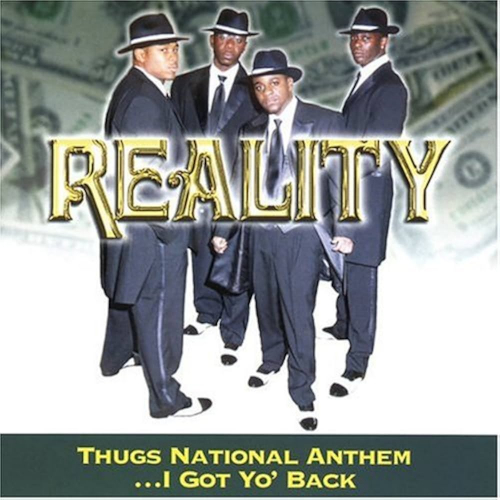
アルバムの前半には「I Got Yo’ Back」「Big Ballin’」「That’s Who I Am」「Just A Thug」「My Block」といった、自己紹介、仲間意識、生活圏、ストリートでの立場を示すタイトルが並ぶ。その流れを受けて登場するのが「Your Yesterday」である。
直前までの曲名が現在の自分や所属する場所を示しているのに対し、「Your Yesterday」は時間軸を過去へ向ける。この配置からも、アルバム前半における一つの内省的な転換点として機能していると考えられる。
現在流通しているデジタル版には2008年の著作権表記が見られるが、これは再配信時の権利表記であり、アルバムそのものの初出年とは区別する必要がある。
第一印象
最初に感じるのは、音の柔らかさと、わずかな寂しさである。
強烈なキックや派手なシンセリードで聴き手を引き込むのではなく、温度の低い旋律と一定のリズムによって、ゆっくりと空間を作っていく。夜の車内や、古い写真を眺めながら過去を思い出している場面が似合う音だ。
ただし、完全に沈み込むようなバラードではない。
ドラムは一定の推進力を保ち、ラップも感傷に溺れすぎない。過去を振り返りながらも、現在の地点から冷静に語っている。その距離感が、この曲を単なる悲しい楽曲ではなく、ストリートで生きてきた人物による回想として成立させている。
音源解析上、テンポは倍取りで約172BPM前後、通常のヒップホップとして数えるなら約86BPM前後と捉えられる。ゆったりしているが遅すぎず、言葉を明瞭に置けるミドルテンポである。
サウンド分析
ドラム
ドラムは強く前へ飛び出すというより、曲全体を安定させる役割を担っている。
キックは低く丸い。現在のトラップのように長く伸びるサブベースと一体化した808ではなく、比較的短く区切られ、拍の位置を静かに示している。音圧で押し切るというよりも、ベースやメロディを下から支える感覚が強い。
スネア、あるいはクラップに近い音は、一定の場所へ置かれている。鋭さは控えめで、曲の内省的な雰囲気を壊さない。ドラムだけを取り出せばシンプルだが、このシンプルさがラップの言葉と旋律を目立たせている。
ハイハットも細かな技巧を見せるものではなく、規則的な刻みによって時間の流れを維持する。過剰なフィルや急激な切り替えを避けたことで、「昨日」を振り返るというテーマにふさわしい落ち着きが生まれている。
この曲のドラムは、聴き手を興奮させるためのものではない。記憶を語るための一定の歩幅を作るドラムである。
ベース
低音は曲の重要な支柱になっている。
ただし、攻撃的な低音ではない。音の角が丸く、メロディの動きに沿うようにゆっくりと流れている。キックと完全に同じ位置だけをなぞるのではなく、コードやフレーズの変化を補うことで、トラックに奥行きを与えている。
ベースの存在感は十分にあるものの、ボーカル帯域を圧迫するほど前へ出てはいない。このため、低域に温かさがありながら、ラップの声も比較的聴き取りやすい。
こうした低音処理は、派手なG-Funk的ベースラインとは少し異なる。滑らかさはあるが、ファンキーに動き回るというより、感情の底に沈むように音を持続させている。
シンセ/メロディ
この曲の印象を決定づけているのは、メロディとコードの質感である。
背景には、柔らかな鍵盤系またはシンセパッド系の響きが配置されている。明るく開放的な和音ではなく、どこか影を含んだ響きであり、曲全体に懐かしさを与える。
主旋律は複雑ではない。短いフレーズが繰り返され、その反復によって「思い出から抜け出せない感覚」が生まれている。同じ記憶を何度も頭の中で再生するような構造だ。
高音域には、薄く伸びるシンセや装飾音が感じられる。これらは主役になるのではなく、言葉と言葉の隙間へ置かれ、空間に寂しさを残す。
曲の調性感は完全に明るいメジャーとも、全面的に暗いマイナーとも言い切りにくい。解析上もA周辺の調性感が強く出ているが、メジャーとマイナーの両方の要素が近接している。実際の聴感でも、悲しみだけではなく、過去を受け入れようとする穏やかさが同居している。
ミックス
ミックスは現代作品のように各音が極端に分離されているわけではない。
メロディ、低音、ドラム、声が比較的近い距離に配置され、全体で一つの霞んだ空間を作っている。このやや曇った質感が、古い記憶や時間の経過を連想させる。
ボーカルは十分に前へ出ているが、トラックから完全に切り離されてはいない。ラッパーの声がビートの中へ溶け込み、独白のように流れていく。
高域には多少のざらつきがあるものの、それがローカル作品特有の生々しさにつながっている。磨き上げられたメジャー作品というより、身近なスタジオで実体験をそのまま録音したような距離感がある。
グルーヴ
グルーヴは、ゆっくりと身体を揺らす程度の落ち着いたものだ。
約86BPM前後として感じられるテンポは、ラッパーが言葉を詰め込みすぎず、一つひとつのフレーズへ重みを与えるのに適している。
前のめりになるリズムではなく、やや後ろへ体重を残したような感触がある。この後ろ寄りのノリが、過去を回想する視線とよく合っている。
展開も急激ではない。基本となるループを維持しながら、ボーカルの交代、フック、細かな音の増減によって変化を作っている。そのため、聴き手は構成の派手さではなく、声と言葉の変化へ自然に意識を向けることになる。
ラップ/ボーカル分析
ラップは、感情を強く誇張しない落ち着いたスタイルである。
複数の声が登場し、それぞれに声質や言葉の置き方の違いがある。低く重い声、少し乾いた声、やや話し言葉に近い声が交代することで、一人の記憶ではなく、複数の人物がそれぞれの過去を振り返っているように聞こえる。
フロウは基本的にビートへ素直に沿っている。複雑な言葉遊びや急激な速度変化を見せるのではなく、内容を確実に届けることを優先している。
語尾を大きく跳ね上げたり、強いアドリブで曲を煽ったりする場面も少ない。声の温度を一定に保つことで、過去の出来事を感情的に再現するのではなく、経験として整理しようとする印象が生まれている。
フック部分では、ラップ・ヴァースよりもメロディを意識した声の配置が使われる。ここが曲の感情的な中心となり、タイトルの言葉を印象づける。
歌唱は技巧を前面に出すタイプではないが、わずかな揺れや粗さが曲の内容に合っている。整いすぎていないため、思い出を直接語りかけられているような近さがある。
歌詞・テーマ
歌詞全文を確認できる信頼性の高い公開資料は見つかっていないため、具体的な一節を引用した断定的な解説は避ける。
そのうえで、タイトル、声の表情、楽曲全体の空気から読み取れる中心的なテーマは、過去と現在の対比である。
「Your Yesterday」というタイトルは、直訳すれば「あなたの昨日」になる。
重要なのは、「My Yesterday」ではなく「Your Yesterday」とされている点だ。単なる自己回想ではなく、誰かの過去へ語りかける視点を含んでいる。
それは、過去に囚われている相手への言葉かもしれない。かつて親しかった人物への問いかけかもしれない。あるいは、過去の自分自身を別の人物のように見つめ、距離を置いて語っているとも解釈できる。
楽曲から感じられるのは、懐かしさだけではない。
過去の選択に対する後悔、変わってしまった関係、失われた時間、ストリートで経験した出来事。そして、それらを背負いながら現在を生きるしかないという現実感がある。
しかし、曲は絶望だけを鳴らしてはいない。
穏やかなコードと一定のビートには、過去を消すのではなく、受け入れようとする感覚もある。昨日は変えられない。だが、その昨日が現在の自分を作っている。そうした成熟した視線が、この曲の静かな強さにつながっている。
トリビア/制作メモ
『Thugs National Anthem… I Got Yo’ Back』は、2000年にS.D.E.G. RecordsからCDおよびカセットで発売された作品である。Apple Musicでは2000年2月15日発売とされている。
アルバムは全14曲、約1時間3分。「Your Yesterday」は6曲目に位置し、前半から中盤へ移る場所に配置されている。
2008年には、S.D.E.G./Essential Media Group名義のデジタル版が流通している。さらに2017年には、Essential Media Modからデジタル・リマスター版の受注生産CD-Rが発売された。
総評
Realityの「Your Yesterday」は、派手なサウンドや技巧的なラップではなく、空気と距離感によって感情を伝える楽曲だ。
ドラムは一定の歩幅を保ち、低音は穏やかに曲を支える。シンセと鍵盤系の旋律は、過去を振り返るような哀愁を作り、複数のラッパーによる落ち着いた声が、その空間へ人生の重みを加えている。
大きな音楽的転換や華やかな装飾は少ない。それでも約4分45秒を通して聴けるのは、ループの持つ感情が明確だからである。
この曲の魅力は、「悲しい」と直接叫ばないことにある。
感情を抑えたまま語るからこそ、後悔や喪失が現実的に感じられる。誰かに見せるための涙ではなく、長い時間を経たあとに一人で思い返す記憶のような音楽だ。
Realityというグループに関する情報は少ない。しかし、その匿名性に近い存在感も、この曲には不思議と合っている。
誰が、いつ、何を失ったのか。その細部が完全に分からなくても、過去を振り返る感覚そのものは伝わってくる。
「Your Yesterday」は、ローカル・ストリートラップの中にある静かな内省を捉えた一曲であり、華やかさの陰で見過ごされがちなメロウ・ラップの魅力を教えてくれる作品である。
エディターズノート
「Your Yesterday」を聴いて印象に残るのは、過去を美化しすぎていない点だ。
古い記憶を扱う曲では、失われた時代を必要以上に美しく描くことも多い。しかし、この曲の音には、懐かしさと同時に、簡単には整理できない苦さが残っている。
それでも、曲は完全に暗闇へ沈まない。
柔らかな低音と穏やかなメロディには、過去を抱えながら前へ進もうとする温度がある。昨日は戻ってこない。しかし、昨日を見つめ直すことで、今の自分がどこにいるのかを理解できる。
情報の少ないローカル作品だからこそ、音そのものと向き合う価値がある。
有名なプロデューサー名や大きな物語がなくても、数分間のビートと声だけで、人が背負ってきた時間を感じさせることはできる。「Your Yesterday」は、そのことを静かに証明している。
Reality – Your Yesterday | A Quiet Reflection on the Weight of the Past
Looking back on the past in hip-hop does not always require dramatic storytelling.
The loss of friends, time that can never be reclaimed, the choices made in youth, and relationships that have changed over the years—these themes do not have to be shouted over aggressive production to leave an impact. Sometimes they become even more convincing when delivered through restrained vocals and a calm, understated beat.
Reality’s “Your Yesterday” is exactly that kind of record.
Over the course of approximately four minutes and forty-five seconds, the song favors introspection over spectacle. Soft melodies, rounded low-end frequencies, steady drum patterns, and multiple composed vocal performances give genuine emotional weight to the word “Yesterday” in the title.
Although the album contains several tracks with unmistakably street-oriented titles, “Your Yesterday” stands apart. Rather than projecting intimidation or toughness outward, it turns its gaze inward, inviting the listener into a thoughtful examination of memory and time.
Artist Introduction
Reality is an independent American hip-hop group.
Unlike major-label artists whose histories are well documented, very little verified information remains regarding the group’s members, hometown, or production team. Rather than filling those gaps with speculation, it is more appropriate to acknowledge the limits of what can currently be confirmed.
Their best-documented release is Thugs National Anthem… I Got Yo’ Back, issued by S.D.E.G. Records in 2000. The album was released on both CD and cassette, containing fourteen tracks, and Apple Music lists its release date as February 15, 2000.
The group’s name—“Reality”—also makes modern research difficult, as it is easily confused with countless unrelated artists, albums, and services. As a result, reliable historical information about the group remains fragmented.
Even so, the surviving recordings clearly preserve many of the qualities that defined local independent rap at the turn of the millennium: sincerity, melodic production, and a tendency to transform street experiences into broader reflections on life.
Background
“Your Yesterday” appears as the sixth track on Thugs National Anthem… I Got Yo’ Back.
The opening half of the album features titles such as “I Got Yo’ Back,” “Big Ballin’,” “That’s Who I Am,” “Just A Thug,” and “My Block.” These songs establish identity, loyalty, neighborhood pride, and street credibility.
Against that backdrop, “Your Yesterday” shifts the album’s perspective away from the present and toward the past.
Where the previous tracks focus on who the artists are and where they belong, this song redirects attention toward memory, reflection, and personal history. Its placement suggests an intentional emotional turning point within the album’s first half.
Modern digital editions carry a 2008 copyright notice, but this refers to the later digital distribution rather than the album’s original release, and the two should not be confused.
First Impression
The first thing that stands out is the music’s softness—and its quiet sense of melancholy.
Rather than grabbing attention with explosive drums or flashy synthesizers, the track slowly creates its atmosphere through subdued melodies and a consistent rhythmic pulse. It feels perfectly suited for late-night drives or moments spent looking through old photographs.
Yet it never becomes a full-fledged ballad.
The drums continue to provide forward momentum, while the rappers avoid excessive sentimentality. Instead of becoming trapped in nostalgia, they speak about the past from the perspective of the present.
That emotional distance is what makes the song compelling. Rather than simply sounding sad, it feels like a mature reflection from people who have genuinely lived through the experiences they describe.
Audio analysis places the tempo at approximately 172 BPM in double-time, or around 86 BPM in conventional hip-hop counting—a comfortable mid-tempo pace that allows every lyric room to breathe.
Sound Analysis
Drums
The drums are designed to stabilize the record rather than dominate it.
The kick drum is warm and rounded, lacking the long-decaying sub-heavy character commonly associated with modern trap production. Instead, it quietly marks the pulse while supporting both the bass and melodic layers.
The snare—or clap-like hit—is equally restrained. Its relatively soft attack preserves the reflective mood instead of interrupting it.
The hi-hats remain straightforward throughout, maintaining a steady rhythmic framework without relying on flashy fills or rapid subdivisions. Their consistency reinforces the song’s central theme of looking backward through time.
These drums are not meant to excite the listener.
They establish a measured pace suitable for telling stories and revisiting memories.
Bass
The bass serves as one of the song’s emotional foundations.
Rather than sounding aggressive, it moves smoothly beneath the arrangement, following the harmonic progression instead of simply doubling the kick drum.
Its warmth gives the track considerable depth while leaving ample space for the vocals to remain intelligible.
This approach differs from the more animated basslines often associated with classic G-Funk. Although equally smooth, the bass here feels less playful and more contemplative, lingering beneath the surface instead of demanding attention.
Synths & Melody
The melodic texture defines the identity of the record.
Soft keyboard tones and synthesizer pads occupy the background, producing harmonies that are neither brightly optimistic nor overwhelmingly dark. Instead, they carry an understated sense of nostalgia.
The primary melodic motif is intentionally simple.
Short phrases repeat throughout the song, mirroring the way memories often replay themselves over and over in our minds.
Subtle high-frequency synth textures occasionally drift through the mix, filling empty spaces between vocal lines rather than competing with them.
Tonally, the piece resists an easy classification as either major or minor. Harmonic analysis suggests a center around A, yet elements of both tonalities coexist, creating an emotional balance between sadness and acceptance.
Mix
The mix favors cohesion over separation.
Unlike many modern productions where every instrument occupies sharply defined sonic space, the drums, bass, melodies, and vocals here feel closely interconnected, forming a slightly hazy overall atmosphere.
That softness contributes significantly to the song’s nostalgic character.
The vocals remain prominent enough to lead the listener through the narrative, yet they never detach completely from the instrumental. Instead, they blend naturally into the beat, making the verses feel almost conversational.
The upper frequencies retain a slight roughness typical of many independent local recordings from the era, giving the production an authenticity that polished major-label releases sometimes lack.
Groove
The groove encourages gentle movement rather than energetic excitement.
At roughly 86 BPM, every phrase has time to settle naturally into the rhythm.
Rather than pushing aggressively forward, the beat leans slightly behind the pulse, reinforcing the reflective atmosphere.
The arrangement also avoids dramatic structural changes. Instead, variation comes through alternating vocalists, hook sections, and subtle production adjustments, allowing the listener’s attention to remain focused on the voices and their stories.
Rap & Vocal Performance
The performances are remarkably restrained.
Multiple rappers appear throughout the track, each bringing a distinct vocal tone and delivery. Deep voices, drier timbres, and more conversational styles alternate naturally, creating the impression that several individuals are reflecting on their own past experiences.
The flows generally stay close to the beat.
Rather than emphasizing technical complexity or rapid-fire lyricism, the rappers prioritize clarity and emotional communication.
There are few exaggerated ad-libs or dramatic vocal inflections. By maintaining emotional control, the performances feel less like emotional outbursts and more like honest recollections.
The hook introduces a stronger melodic element than the verses, becoming the emotional centerpiece of the song and reinforcing the significance of its title.
While the singing itself is not technically elaborate, its slight imperfections enhance the song’s authenticity, making it feel personal rather than polished.
Lyrics & Themes
Because no reliable public transcription of the complete lyrics could be verified, it would be inappropriate to make definitive claims based on individual lines.
Even so, the title, vocal performances, and overall atmosphere clearly suggest that the song centers on the relationship between the past and the present.
The title, “Your Yesterday,” is especially significant.
Notably, it is not called “My Yesterday.”
That subtle distinction shifts the perspective away from pure autobiography. It suggests a dialogue—perhaps with another person, perhaps with someone trapped in their past, or perhaps even with a younger version of oneself viewed from a distance.
The emotions conveyed throughout the record extend beyond simple nostalgia.
Regret, changing relationships, lost time, and the realities of street life all seem to coexist beneath the surface.
Yet despite these themes, the song never becomes hopeless.
Its calm harmonies and steady rhythm suggest acceptance rather than surrender. Yesterday cannot be changed, but it can be understood—and that understanding shapes who we become today.
That quiet maturity is ultimately where the song derives its emotional strength.
Trivia / Production Notes
Thugs National Anthem… I Got Yo’ Back was released by S.D.E.G. Records in 2000 on both CD and cassette. Apple Music lists February 15, 2000 as the album’s release date.
The fourteen-track album runs for approximately one hour and three minutes, with “Your Yesterday” positioned as the sixth track.
A digital edition was later distributed in 2008 under S.D.E.G. / Essential Media Group, followed by a manufactured-on-demand remastered CD-R released by Essential Media Mod in 2017.
Overall Review
Reality’s “Your Yesterday” communicates emotion not through dramatic production or virtuosic lyricism, but through atmosphere and restraint.
The steady drums establish a measured pace, the warm bass provides emotional depth, and the keyboard-driven melodies create an unmistakable sense of reflection. Meanwhile, the multiple vocalists add layers of perspective that reinforce the song’s themes of memory and personal growth.
There are no major musical twists or extravagant arrangements.
Yet the track remains engaging throughout its nearly five-minute running time because its emotional focus never wavers.
Its greatest strength lies in what it refuses to do.
Rather than openly declaring its sadness, the song allows regret, loss, and reflection to emerge naturally through subtle performance and understated production.
Although relatively little historical information survives about Reality as a group, that very anonymity complements the music itself.
Even without knowing every detail of who these artists were or exactly what experiences inspired the song, listeners can still recognize the universal feeling of looking back at a life already lived.
“Your Yesterday” stands as a thoughtful example of introspective local street rap—one that quietly demonstrates how powerful mellow hip-hop can be when honesty takes precedence over spectacle.
Editor’s Note
One of the most striking qualities of “Your Yesterday” is its refusal to romanticize the past.
Many songs built around memory transform yesterday into something unrealistically beautiful. Reality instead acknowledges that nostalgia often carries unresolved pain alongside warmth.
Even so, the music never sinks entirely into darkness.
Its soft basslines and gentle melodies suggest that accepting the past is ultimately healthier than attempting to erase it.
Yesterday cannot return.
But by confronting yesterday honestly, we gain a clearer understanding of who we are today.
Perhaps that is why this understated local release continues to resonate.
It reminds us that famous producers and grand narratives are not prerequisites for meaningful music. Sometimes a few voices, a steady beat, and genuine life experience are enough to tell a story that still feels true decades later.
コメント