ニューヨークからカリフォルニアへ。
Mexica O.Gの「De New York a Cali」は、アメリカ大陸を横断するほど離れた二つの土地をタイトルに掲げながら、単なる旅行やクルージングの情景を描く曲ではない。
ここで示されているのは、地域が変わっても共有されるメキシカン/ラティーノとしての意識、ストリートで生きる者同士の結束、そして自分たちの文化を広い場所へ届けようとする意志である。
Mr Untouchを迎えた本曲は、約4分2秒にわたり、重心の低いビートと反復的なフックを軸に展開する。カリフォルニアの開放感だけを強調した陽気なウェストコースト・ラップではなく、どこか緊張感を残したまま、東海岸から西海岸へと勢力圏を広げていくような力強さを持っている。
2000年代後半のチカーノ・ラップらしい硬質さと、1990年代から続くG-Funk以降のメロウな感覚。その両方を、派手に誇張せず一本のストリート・アンセムへまとめた楽曲である。
アーティスト紹介
Mexica O.Gは、英語圏の主流ヒップホップとは異なる場所から、メキシカン/チカーノとしてのアイデンティティを前面に押し出したラッパーである。
公開されている経歴情報は非常に限られているが、楽曲タイトルやアルバム内の言葉遣いからは、メキシコ系文化、スペイン語、アメリカのストリート文化を結びつける姿勢が一貫して見える。
「Mexica」という名称自体も重要だ。
一般的な「Mexican」という英語表記ではなく、アステカ帝国の中心的集団を指す歴史的名称にも通じる「Mexica」を名乗ることで、単なる国籍や移民としての属性以上に、文化的なルーツや誇りを意識している可能性がある。
ただし、本人がこの名称に込めた正確な意図について、信頼できるインタビューや公式な説明は現時点では確認できない。そのため、ここはあくまでアーティスト名や作品世界から読み取れる範囲の解釈として捉える必要がある。
本曲に参加しているMr Untouchについても詳細なプロフィールは十分に公開されていないが、「De New York a Cali」では、Mexica O.Gの世界観を補強し、曲に複数地域を結ぶ共同体的な広がりを与える存在として機能している。
作品背景
「De New York a Cali」は、Mexica O.Gのアルバム『Mexica Town (Exitos)』に収録されている。
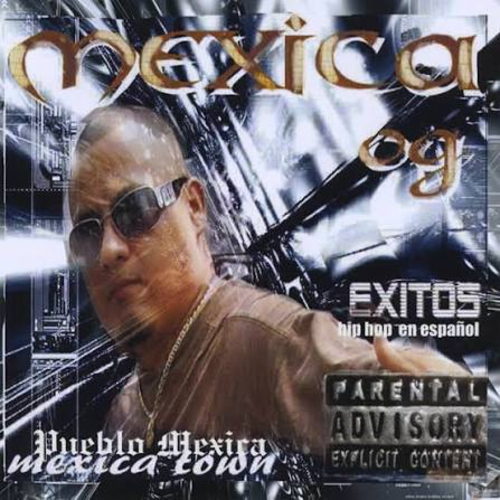
同作は2009年3月17日にMexica Recordからリリースされた全15曲のアルバムで、「De New York a Cali」は8曲目に配置されている。Apple Musicではアルバム全体がHip-Hop/Rapに分類され、Shazamでは本曲のソングライターとしてOscar Guevaraの名前が記載されている。
アルバムタイトルの『Mexica Town』は、実在する特定の都市名というより、Mexica O.Gが提示する文化的・精神的な領域を表した言葉として受け取ることができる。
収録曲には「My Estylo Mexicano」「Mexica Llego」「Barrios de Tenochtitlan」といった、メキシカンとしての文化、言語、歴史を直接連想させるタイトルが並ぶ。そのなかで「De New York a Cali」は、視点を一つの地区や都市からアメリカ全土へ広げる役割を担っている。
タイトルの「De New York a Cali」は、スペイン語で「ニューヨークからカリフォルニアへ」という意味である。
スペイン語の前置詞「de」と「a」を用いながら、地名には英語圏で一般的なNew Yorkと、Californiaの略称であるCaliを組み合わせている。この言語の混在そのものが、アメリカ社会のなかで生きるラティーノ/チカーノ文化の感覚を象徴している。
なお、以前の説明では本曲を単純に「チカーノ・ラップ」と断定したが、公開情報上の公式ジャンル表記はHip-Hop/Rapである。音楽的・文化的にはチカーノ・ラップの文脈で理解できる一方、アーティスト本人による詳細なジャンル定義は確認できていない。
第一印象
最初に感じるのは、明るいクルージング・ソングというよりも、低く身構えたストリート・アンセムとしての感触である。
曲名にはニューヨークとカリフォルニアという大きな地理的スケールがあるが、サウンドは過剰に壮大ではない。
むしろ、限られた音数を反復し、ラップの存在感を前に押し出すことで、都市から都市へメッセージを運んでいくような直線的な推進力を作っている。
全体のテンポは約86BPM。
音源解析では倍テンポとして約172BPMが検出されたが、実際の聴感はその半分にあたる86BPM前後で捉えるのが自然である。Shazamにも86BPMと記載されており、ゆったりしすぎず、かといって慌ただしくもない、ラップを明瞭に響かせやすいミドルテンポとなっている。
このテンポが生み出すのは、リラックスした開放感よりも、一定の速度で街を横切っていくような安定した運動感だ。
ビートに急激な展開や劇的な変化を求める曲ではない。反復されるリズムと声の配置によって、徐々に曲の世界へ引き込んでいくタイプである。
サウンド分析
ドラム
ドラムは本曲の骨格を担うが、過度に派手な打ち込みではない。
キックは低域にまとまりがあり、一発ごとの重量を強調する。現代的なトラップのようにサブベースと完全に一体化した巨大なキックではなく、2000年代のインディペンデントなウェストコースト/ラティーノ・ラップに見られる、輪郭を保った打撃音である。
スネアは乾いた質感を持ち、拍の中心を明確に示す。
残響を長く引くというより、ラップの言葉を邪魔しない位置で短く処理されている。この乾いたスネアが、トラックのメロウさを完全なリラックスへ向かわせず、ストリート・ラップとしての硬さを残している。
ハイハットや細かなパーカッションは、目立つフレーズを演奏するより、ビートの隙間を一定に埋める役割が大きい。
細密なロールや複雑な変化は少なく、基本的にはラッパーのフロウを支えるための安定したタイムキープに徹している。
そのため、リズムそのものよりも、声のアクセントや語尾の置き方によってグルーヴが変化して聞こえる。
ベース
ベースは低域を支えながらも、独立した派手なフレーズを前面に出すタイプではない。
キックの下側を補強し、曲全体の重心を下げることで、ニューヨークからカリフォルニアまでを結ぶというタイトルにふさわしい、安定した移動感を作っている。
音程変化は比較的抑えられ、反復性が強い。
この反復が、地域や場面を次々に変えるロードムービー的な展開ではなく、一つの姿勢を最後まで貫くストリート・アンセムとしての性格を強めている。
低域は極端に深く沈み込むわけではないが、中低域に十分な厚みがあるため、車内や低音の出るスピーカーでは曲の圧力がより明確になる。
1990年代のG-Funkに見られる、うねるようなファンク・ベースとは少し異なり、ここではベースライン自体の演奏感よりも、声を押し上げる土台としての役割が優先されている。
シンセ・メロディ
上物はシンセサイザーやキーボード系の音色を中心に組み立てられている。
ただし、典型的なG-Funkの高音シンセが曲全体を滑空するような派手さはない。
メロディは比較的短く、反復を基本としながら、ビートにわずかな哀愁と広がりを与える。明るいコード感だけではなく、少し影を含んだ響きがあるため、曲全体が単純な祝祭やパーティーへ向かわない。
音源解析上はDの音が中心的なピッチとして強く検出されたが、これは厳密な調性判定ではなく、楽曲内でD音周辺が相対的に目立つことを示す参考値である。
聴感として重要なのは、コード進行の複雑さではなく、短い旋律が繰り返されることで、ラップの言葉に一貫した背景を与えている点だ。
このシンセの反復は、高速道路の風景が一定の速度で流れていく感覚にもつながる。
風景そのものは変わっても、車内で鳴っているビートと、語り手の意識は変わらない。そのような持続性がある。
ミックス・グルーヴ
ミックスはボーカル中心である。
ラップはトラックのかなり前に置かれ、言葉の輪郭がはっきり聞こえる。バックトラックは横方向に大きく広げるというより、中央に集約された密度を保ち、声の存在感を支えている。
そのため、現代のメジャー作品のような巨大なステレオ感や、空間を埋め尽くす多層的なプロダクションはない。
一方で、このややコンパクトなミックスが、インディペンデントなストリート作品らしい直接性を生み出している。
楽器の細部を鑑賞するというより、ビートと声の塊を正面から受け取る感覚だ。
グルーヴは前へ突進するというより、重心を低く保ちながら一定速度で進む。
約86BPMのテンポ、簡潔なドラム、反復するベースとシンセが組み合わさり、ラッパーが言葉を詰め込んでもビートが崩れない余白を確保している。
この余白があるからこそ、英語とスペイン語が交差するフロウにも窮屈さが生まれない。
ラップ/ボーカル分析
Mexica O.Gのラップは、旋律的に歌い上げるというより、言葉を明確に刻みながら自分の存在を示すタイプである。
声には低めの重さがあり、過剰に感情を爆発させることなく、落ち着いた威圧感を保っている。
この冷静さが重要だ。
曲のテーマはニューヨークからカリフォルニアまでを結ぶ大きなものだが、語り口は大げさな演説調にはならない。あくまでストリートの内部から、同じ文化を共有する者たちへ語りかけるような距離感がある。
フロウはビートの拍に正確に合わせる部分と、語尾を少し後ろへ引く部分が混在する。
これにより、単調なループの上でも言葉の位置が微妙に揺れ、グルーヴに人間的な厚みが生まれる。
英語とスペイン語が交差する点も、本曲の大きな特徴である。
これは単に二つの言語を使って技巧を示しているのではない。
アメリカの都市文化のなかで英語を使いながら、ルーツや仲間へ向けてスペイン語を保持する。その言語の切り替え自体が、Mexica O.Gの文化的位置を示している。
Mr Untouchの参加によって、曲は一人の自己紹介から、複数の声による連帯の表明へと広がる。
両者は極端に異なるスタイルで対立するのではなく、同じビートの上でそれぞれの声質とアクセントを見せる。そのため、客演は曲の世界を分断せず、ニューヨークとカリフォルニアという複数地域をつなぐテーマを補強している。
フックは旋律を大きく歌い上げるタイプではなく、曲名や中心的な言葉を反復し、聴き手に地理的なスケールを記憶させる役割を担う。
この反復が、単なるサビというよりスローガンに近い力を持っている。
歌詞・テーマ
歌詞の全文や公式対訳は確認できていないため、具体的な各ラインの意味を断定することは避ける必要がある。
ただし、音源から聞き取れるフレーズ、タイトル、ラップのトーン、アルバム全体の曲名を総合すると、本曲の中心には以下のようなテーマがあると考えられる。
第一に、地域を越えた連帯である。
ニューヨークとカリフォルニアは、アメリカのヒップホップ史では東海岸と西海岸を代表する土地として扱われてきた。
しかし本曲は、両地域を対立させるのではなく、「de New York a Cali」と一本の線で結んでいる。
つまり、東西の違いを競うのではなく、離れた場所に存在する仲間、ラティーノ、メキシカン、ストリートの人々を同じ文化圏として捉えている。
第二に、移動と拡張である。
「ニューヨークからカリフォルニアへ」という言葉には、物理的な移動だけでなく、自分たちの名前や音楽が一つの地域を越えて広がっていくイメージがある。
ローカルな誇りを持ちながら、その誇りを閉じた地区の内側だけにとどめない。
アメリカ全土へ届かせようとする意識が、タイトルのスケールから感じられる。
第三に、メキシカンとしての自己定義である。
Mexica O.Gはアルバム全体を通して、メキシコ系の文化、歴史、言語を繰り返し示している。
そのため本曲も、単なる東西海岸ヒップホップの融合というより、東海岸にも西海岸にも存在するメキシカン/ラティーノの姿を可視化する曲として読むことができる。
重要なのは、ここで描かれる文化が観光的な装飾ではないことだ。
スペイン語や地名は雰囲気作りのために置かれているのではなく、ラッパー自身の立場と生活圏を示す言葉として機能している。
その意味で「De New York a Cali」は、地理を歌った曲であると同時に、アメリカ社会の複数都市に広がるディアスポラ的な意識を映した作品ともいえる。
トリビア
「De New York a Cali」は、『Mexica Town (Exitos)』の8曲目として収録されている。
アルバムは2009年3月17日にMexica Recordからリリースされ、全15曲、総収録時間は約55分。Apple Music、Spotify、Shazamなど複数の配信サービスで確認できる。
本曲の長さは、配信情報では約4分2秒。今回の音源の実測値は約4分2.1秒であり、配信情報と一致している。
ShazamではBPMが86、ソングライターがOscar Guevara、レーベルがMexica Recordと記載されている。
また、YouTube上にはMexica O.GとMr Untouchによる本曲のライブ映像として公開された動画が存在する。これにより、本曲がアルバム内だけの楽曲ではなく、実演されるレパートリーの一つだったことが確認できる。
一方、Mexica O.G本人やMr Untouchの詳細な経歴、録音場所、プロデューサー、使用機材などについては、信頼できる公開資料を確認できなかった。
制作メモ
本曲の制作面で印象的なのは、少ない要素で地域的な広がりを表現している点である。
タイトルはアメリカを横断するほど壮大だが、アレンジはむしろ抑制されている。
ドラム、ベース、短いシンセ・フレーズ、ラップ、反復されるフック。
基本的にはこの限られた要素を中心に進行し、途中で別のジャンルへ転換したり、大規模なブレイクを挿入したりはしない。
その結果、楽曲は「旅の途中で次々に景色が変わる作品」ではなく、「一つのメッセージを各都市へ運んでいく作品」になっている。
また、2009年というリリース時期も興味深い。
当時のアメリカの主流ヒップホップでは、シンセ主体の大規模なプロダクションや、南部ラップ由来のビートが強い影響力を持っていた。
しかし本曲は、そうした時代の流行へ全面的に寄せるのではなく、1990年代以降のウェストコースト・ラップ、チカーノ・ラップ、インディペンデント作品の簡潔なビート感を残している。
ただし、特定の楽曲やプロデューサーからの直接的影響について、確実な証拠は確認できない。
音質にはメジャー作品のような極端な高解像度感より、声とビートを一体化させたローカル作品らしいまとまりがある。
この質感を粗さと捉えることもできるが、本曲の場合はむしろ、過剰に磨き上げられていないことがストリートの直接性につながっている。
総評
「De New York a Cali」は、派手な展開や技巧的なビートで驚かせる曲ではない。
その魅力は、約86BPMの安定したリズム、低く構えたラップ、反復される短いメロディ、英語とスペイン語の交差を通して、地域を越えたメキシカン/ラティーノの連帯を一貫して描いている点にある。
ニューヨークとカリフォルニアという二つの土地は、ヒップホップの歴史ではしばしば異なるスタイルや対立の象徴として語られてきた。
しかしMexica O.Gは、その間に線を引くのではなく、一方からもう一方へ続く道を描く。
そこで中心となるのは、東海岸か西海岸かという選択ではない。
どの都市にいても、自分たちの文化、言語、仲間、ストリートでの経験を共有できるという感覚である。
音楽的にはG-Funkの遺伝子をわずかに感じさせながらも、華やかな高音シンセや強いファンク性に頼らず、より硬く簡潔な2000年代型のストリート・ラップへ落とし込んでいる。
メロウさはあるが甘すぎず、力強さはあるが攻撃一辺倒ではない。
その均衡こそが、本曲の聴きやすさと独自性を生んでいる。
エディターズノート
「De New York a Cali」というタイトルから、最初は東海岸と西海岸のスタイルを大胆に混ぜた曲を想像するかもしれない。
しかし実際に音源を聴くと、地域ごとの特徴を分かりやすく並べるような作品ではない。
むしろ、ニューヨークとカリフォルニアを同じ文化的な地図の上へ置き、その間にいる人々を一つのフックで結んでいく。
この控えめな作りが良い。
必要以上にドラマを作らず、一定のビートと声だけで自分たちの存在範囲を示していく。
派手なG-Funkやメロウなチカーノ・ラップを期待すると、第一印象はやや硬く感じるかもしれない。
しかし繰り返し聴くほど、低い重心、乾いたドラム、声の存在感、反復されるタイトルの言葉が一体となり、静かな説得力を持ちはじめる。
これはニューヨークの曲でも、カリフォルニアだけの曲でもない。
二つの土地の間を移動しながら、どこへ行っても失われないアイデンティティを鳴らした一曲である。
Mexica O.G – De New York a Cali | A Cross-Country Street Anthem Rooted in Mexican Identity
From New York to California.
Despite naming two places separated by the entire width of the United States, Mexica O.G’s “De New York a Cali” is not simply a song about travel, cruising, or changing scenery.
What it presents instead is a sense of Mexican and Latino identity shared across regional boundaries, solidarity among people shaped by street life, and a determination to carry their culture beyond the limits of any single neighborhood or city.
Featuring Mr Untouch, the track unfolds over approximately four minutes and two seconds, driven by a low-centered beat and a repetitive hook. Rather than emphasizing only the sunshine and openness commonly associated with California rap, it maintains a subtle tension throughout, creating the impression of a movement expanding from the East Coast to the West Coast.
The song combines the harder-edged character of late-2000s Chicano rap with the lingering melodic sensibility that developed in the wake of 1990s G-Funk.
Rather than exaggerating either element, it brings them together in the form of a focused and understated street anthem.
Artist Introduction
Mexica O.G is a rapper who foregrounds his Mexican and Chicano identity from a position outside the center of mainstream English-language hip-hop.
Very little reliable biographical information about him is publicly available. However, the titles of his songs, his use of language, and the overall presentation of his album consistently suggest an effort to connect Mexican culture, Spanish-language expression, and the realities of American street life.
The name “Mexica” itself is significant.
Instead of using the common English term “Mexican,” he adopts “Mexica,” a historical name associated with the central people of the Aztec Empire. The choice may suggest an awareness of cultural roots and ancestral pride that extends beyond nationality or immigrant identity alone.
However, no reliable interview or official statement has been found that explains precisely what Mexica O.G intended by choosing this name.
It should therefore be understood as an interpretation based on his artistic name and the cultural world presented through his music, rather than as a confirmed statement of personal intention.
Detailed background information about featured artist Mr Untouch is also limited.
On “De New York a Cali,” however, he functions as more than a conventional guest rapper. His presence reinforces Mexica O.G’s worldview and gives the song a broader communal dimension, supporting its theme of connection across multiple regions.
Background
“De New York a Cali” appears on Mexica O.G’s album Mexica Town (Exitos).
The 15-track album was released by Mexica Record on March 17, 2009, with “De New York a Cali” positioned as the eighth track. Apple Music classifies the album under Hip-Hop/Rap, while Shazam lists Oscar Guevara as the songwriter for this song.
The title Mexica Town can be interpreted less as the name of a specific real-world city and more as a cultural or spiritual territory constructed through Mexica O.G’s music.
The album includes titles such as “My Estylo Mexicano,” “Mexica Llego,” and “Barrios de Tenochtitlan,” all of which directly evoke Mexican identity, language, culture, and history.
Within that context, “De New York a Cali” expands the album’s perspective beyond a single neighborhood or city and toward the broader geography of the United States.
The title translates from Spanish as “From New York to California.”
It combines the Spanish prepositions “de” and “a” with the English-language place name New York and “Cali,” the widely used abbreviation for California. This linguistic mixture itself reflects the bilingual and bicultural reality of Latino and Chicano life in the United States.
The track has previously been described simply as Chicano rap.
The officially listed genre, however, is Hip-Hop/Rap. While the music and cultural framing can clearly be understood within the context of Chicano rap, no detailed genre definition directly provided by the artist has been confirmed.
First Impression
The immediate impression is not that of a bright cruising track, but of a street anthem maintaining a low, guarded stance.
The title creates an enormous geographic scale by connecting New York and California, yet the production itself is not excessively cinematic or grand.
Instead, a limited number of sounds are repeated throughout the track, pushing the rappers’ voices forward and creating a direct sense of motion, as though a message is being carried steadily from one city to another.
The track moves at approximately 86 BPM.
Audio analysis may detect a double-time reading of around 172 BPM, but the more natural listening interpretation is approximately 86 BPM. Shazam also lists the tempo as 86 BPM.
This middle tempo is neither overly slow nor rushed, giving the rappers enough space to deliver their words with clarity.
The resulting motion feels less like relaxed freedom and more like moving through a city at a consistent and deliberate speed.
This is not a song built around sudden transitions or dramatic structural changes. Its effect comes from repeated rhythms, vocal placement, and the gradual accumulation of atmosphere.
Sound Analysis
Drums
The drums provide the song’s structural foundation without relying on flashy programming.
The kick drum is concentrated in the lower frequencies and emphasizes the weight of each hit. It is not the enormous, sub-heavy kick commonly associated with modern trap production.
Instead, it has the defined and relatively contained impact often heard in independent West Coast and Latino rap from the 2000s.
The snare has a dry texture and clearly marks the center of the beat.
Rather than extending into long reverb tails, it is processed briefly and positioned so that it does not interfere with the clarity of the vocals. This dry snare prevents the melodic elements from becoming completely relaxed, preserving the harder edge of street rap.
The hi-hats and smaller percussive details are used primarily to maintain the beat’s internal spacing.
There are few intricate rolls or complex rhythmic changes. Their main purpose is to provide stable timekeeping beneath the rappers’ flows.
As a result, much of the rhythmic variation comes not from the drum programming itself, but from vocal accents and the placement of line endings.
Bass
The bass supports the lower register without presenting a highly independent or showy melodic phrase.
It reinforces the underside of the kick and lowers the overall center of gravity, creating the steady sense of movement suggested by a title connecting New York and California.
The amount of pitch movement appears relatively restrained, with repetition taking priority.
This repetition strengthens the track’s identity as a street anthem that maintains a single attitude from beginning to end, rather than as a road-movie-style composition constantly shifting between different scenes.
The bass does not sink into extremely deep sub frequencies, but it carries enough low-midrange thickness for the song’s pressure to become more apparent in a car or through speakers capable of reproducing strong bass.
It differs from the rolling funk basslines associated with classic 1990s G-Funk.
Here, the performance of the bassline itself is less important than its role as a platform pushing the vocals upward.
Synths and Melody
The upper layers of the production are built primarily around synthesizer and keyboard-like tones.
However, the track does not feature the kind of high-pitched lead synthesizer that glides prominently across many classic G-Funk recordings.
The melodic phrase is relatively short and repetitive, giving the beat a subtle sense of melancholy and openness. Its harmonic character is not purely bright; there is a slight shadow within the sound that prevents the track from turning into a straightforward celebration or party record.
Audio analysis identified D as a particularly prominent pitch.
This should not be treated as a definitive statement of key, but rather as a reference indicating that tones around D appear relatively prominent within the track.
What matters more from a listening perspective is not the complexity of the chord progression, but the way the short melodic phrase provides a consistent backdrop for the rappers’ words.
The repeated synth line also creates the sensation of scenery moving past at a constant speed on a highway.
The landscape may change, but the beat inside the vehicle—and the consciousness of the narrator—remains unchanged.
Mix and Groove
The mix is strongly vocal-centered.
The rapping is positioned far forward, making the outline of each phrase relatively clear. The instrumental is not dramatically widened across the stereo field.
Instead, it maintains a concentrated density near the center, supporting the presence of the voices.
The production therefore lacks the enormous stereo image and densely layered spatial design associated with many modern major-label releases.
At the same time, this compact presentation contributes to the directness of an independent street recording.
Rather than inviting the listener to examine every instrumental detail separately, the mix delivers the beat and the voices as one unified block of sound.
The groove does not charge aggressively forward.
It moves at a consistent pace while keeping its center of gravity low. The approximately 86 BPM tempo, concise drums, repeating bass, and short synth figure create enough open space for the rappers to add words without destabilizing the beat.
This space also allows English and Spanish phrases to intersect without making the flow feel overcrowded.
Rap and Vocal Analysis
Mexica O.G’s delivery is less about melodic singing and more about establishing presence through clearly articulated words.
His voice carries a low-register weight, maintaining a controlled sense of intimidation without excessive emotional explosion.
That restraint is important.
Although the track’s theme stretches from New York to California, his delivery never becomes a theatrical speech. It feels instead like a message spoken from within the street community to listeners who already share the same cultural references.
His flow combines lines placed directly on the beat with endings that fall slightly behind it.
This creates subtle movement within an otherwise repetitive loop, adding human depth to the groove.
The interaction between English and Spanish is also central to the song.
This bilingual movement is not simply a technical display.
It reflects the position of someone using English within American urban culture while retaining Spanish as a language of roots, community, and cultural belonging. The act of switching languages becomes part of Mexica O.G’s artistic identity.
Mr Untouch’s appearance expands the song beyond a single rapper’s self-presentation and toward a statement of collective solidarity.
The two performers do not clash through radically opposing styles.
Instead, they remain within the same beat and reveal differences through vocal tone, pronunciation, and accent. The guest verse therefore does not divide the track’s world; it strengthens the theme of connecting multiple regions.
The hook is not built around a large, highly melodic vocal performance.
Instead, it repeats the title and other central phrases, reinforcing the song’s geographic scale in the listener’s memory.
Through repetition, the hook begins to function less like a conventional chorus and more like a slogan.
Lyrics and Themes
Because no complete official lyrics or translation could be confirmed, it is important not to make definitive claims about the meaning of every individual line.
However, when the audible phrases, title, vocal tone, and track names across the album are considered together, several central themes emerge.
The first is solidarity across regions.
New York and California have historically represented the East Coast and West Coast within American hip-hop, often discussed as distinct scenes or even opposing territories.
“De New York a Cali,” however, does not frame them as rivals.
Instead, it connects them through a single line of movement.
The emphasis is not on proving the superiority of one coast over another, but on imagining distant communities—Latinos, Mexicans, and people shaped by street life—as belonging to a shared cultural network.
The second theme is movement and expansion.
The phrase “from New York to California” suggests not only physical travel, but the spread of a name, a message, and a musical identity beyond one local area.
The song expresses pride in a specific cultural foundation without limiting that pride to the boundaries of a single neighborhood.
The scale of the title implies a desire for the music and identity to travel throughout the United States.
The third theme is Mexican self-definition.
Across the album, Mexica O.G repeatedly references Mexican culture, history, and language.
“De New York a Cali” can therefore be understood not simply as a fusion of East Coast and West Coast hip-hop, but as an effort to make visible the Mexican and Latino presence that exists on both coasts.
Importantly, the culture presented here does not function as tourist decoration.
Spanish phrases and place names are not included merely to create atmosphere. They communicate the rapper’s social position, cultural background, and lived environment.
In that sense, “De New York a Cali” is both a song about geography and a reflection of a diasporic consciousness spread across multiple American cities.
Trivia
“De New York a Cali” appears as the eighth track on Mexica Town (Exitos).
The album was released by Mexica Record on March 17, 2009. It contains 15 tracks and has a total running time of approximately 55 minutes. It can be found across several streaming services, including Apple Music, Spotify, and Shazam.
Streaming information lists the song’s duration as approximately four minutes and two seconds.
The analyzed audio file measured approximately four minutes and 2.1 seconds, matching the listed duration.
Shazam lists the song at 86 BPM, credits Oscar Guevara as the songwriter, and identifies Mexica Record as the label.
A live video of Mexica O.G and Mr Untouch performing the song has also been made available on YouTube.
This confirms that the track was not limited to its role as an album cut, but was also part of the artists’ live performance repertoire.
Reliable public information concerning the detailed backgrounds of Mexica O.G and Mr Untouch, the recording location, the producer, and the equipment used could not be confirmed.
Production Notes
One of the most notable aspects of the production is how it expresses a wide geographic scale through a relatively small number of musical elements.
The title stretches across the United States, but the arrangement remains restrained.
Drums, bass, a short synthesizer phrase, rapped vocals, and a repeated hook form the track’s essential components.
The song does not shift into another genre, introduce a major breakdown, or dramatically transform its arrangement.
As a result, it does not feel like a journey in which the scenery constantly changes.
Instead, it feels like one message being transported from city to city.
The 2009 release date is also significant.
At the time, mainstream American hip-hop was strongly influenced by large-scale synthesizer production and beats associated with Southern rap.
“De New York a Cali,” however, does not fully adapt itself to those trends.
It retains the concise beat construction found in independent Chicano and West Coast rap developed from the 1990s onward.
No reliable evidence has been found linking the production directly to a specific song, producer, or documented musical influence.
The recording does not have the extremely polished high-definition character of a major-label production.
Instead, the vocals and beat are blended into a compact, local-sounding whole.
That texture may be heard as roughness, but in this case the lack of excessive polish strengthens the track’s street-level directness.
Overall Review
“De New York a Cali” is not designed to surprise the listener with dramatic beat changes or highly technical production.
Its appeal lies in the consistency with which it expresses Mexican and Latino solidarity across regional boundaries through a stable 86 BPM rhythm, low-centered vocal delivery, short repeated melodies, and the interaction between English and Spanish.
New York and California have often been treated in hip-hop history as symbols of different styles, scenes, and rivalries.
Mexica O.G does not draw a dividing line between them.
Instead, he imagines a road connecting one to the other.
The central question is not whether one belongs to the East Coast or the West Coast.
It is whether people in different cities can share culture, language, community, and the experience of surviving within the streets.
Musically, the song carries traces of G-Funk without depending on bright high-register synthesizers or pronounced funk instrumentation.
It translates that influence into a harder and more concise form of 2000s street rap.
The music is melodic without becoming overly sweet, and forceful without becoming one-dimensionally aggressive.
That balance gives the track both accessibility and a distinct identity.
Editor’s Note
The title “De New York a Cali” may initially suggest a bold fusion of East Coast and West Coast rap styles.
The actual recording is more restrained.
Rather than placing easily recognizable regional characteristics side by side, the song positions New York and California on the same cultural map and connects the people between them through one repeated hook.
That understatement is one of the track’s strengths.
It does not create unnecessary drama.
It uses a steady beat and the direct presence of the rappers’ voices to establish the range of their cultural identity.
Listeners expecting highly polished G-Funk or especially smooth Chicano rap may find the first impression somewhat hard-edged.
With repeated listening, however, the low center of gravity, dry drums, strong vocal presence, and recurring title phrase begin to work together with quiet persuasive force.
This is not exclusively a New York song, nor is it a song belonging only to California.
It is a track about moving between the two while carrying an identity that remains intact wherever the journey leads.
コメント