1990年代半ばのウェストコースト・ヒップホップには、Dr. Dre以降に定型化した華やかなG-Funkだけでは捉えきれない、もっと濁り、もっと重く、もっとローカルなファンクが存在する。
Duce Duceの「Twisting Dank」は、そうした西海岸アンダーグラウンドの感触を強烈に残した一曲だ。
音源は約4分07秒。解析では約136BPMという数値が検出されたものの、これは細かな拍を拾ったダブルタイム的な結果と考えるのが自然で、実際の体感テンポはその半分となる約68BPM前後。かなり低速で、身体を前へ急かすのではなく、重心を落としてゆっくり揺らすグルーヴを持っている。
そこに重なるのは、乾いた明るさではなく、煙が充満した室内や夜のストリートを思わせる曇った音像。
ベース、キック、キーボード、コーラス、ラップが互いに大きく主張しすぎず、ひとつの濃い空気として溶け合っていく。
「Twisting Dank」というタイトル通り、この曲の本質はスピードや派手な展開ではない。
同じ場所に留まりながら、ファンクのループの中へ深く沈んでいく感覚にある。
アーティスト紹介
Duce Duceは、Long Beach/Compton周辺にルーツを持つウェストコーストのギャングスタ・ラップ・グループとして記録されている。DiscogsではメンバーとしてV. HarrisonことPapa Dukeの名前が確認できる。
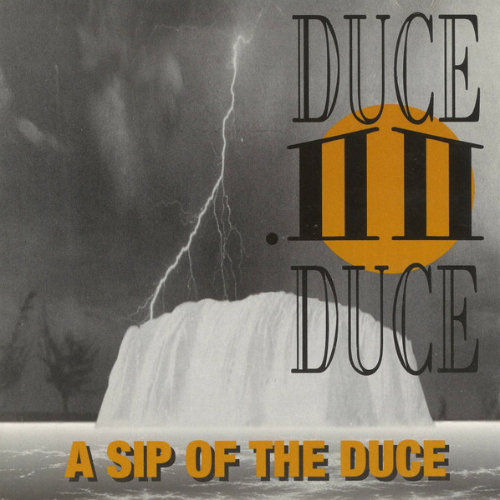
彼らの中心作品となったのがアルバム『A Sip Of The Duce』。
初期CD/カセット版については1994年とする資料があり、のちにRelativity経由のLPなどが1995年に流通しているため、作品そのものは1994〜1995年期のリリースとして整理するのが安全だろう。The Good Ol’Dayzでは1994年のTorcha Chamba Productions盤が確認でき、Discogsには1995年LPも登録されている。
アルバムには「I’m That Nigga」「Street Wayz」「Sip Of The Duce」「Funk Brigade」「Prodigy Of A Nigga」「It’s Only Right」「P Funk Pie」などが収録され、「Twisting Dank」はその中盤に配置されている。
派手な全国的ヒットを持つグループではないが、そのローカル色の濃さこそが現在までG-Rap/ウェストコースト・マニアの間で評価される理由のひとつだ。
作品背景
「Twisting Dank」はアルバム『A Sip Of The Duce』収録曲であり
1995年にはRelativityから単独12インチ・シングルとしてもリリースされている。
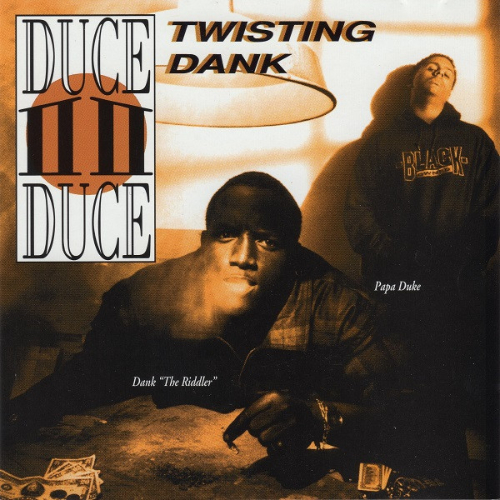
12インチのカタログ番号は88561-1248-1。
12インチには、
「Twisting Dank (Radio Edit)」
「Twisting Dank (LP Version)」
「Twisting Dank (Instrumental)」
が収録され、B面には「I’m That G/I’m That Nigga」の各バージョンが配置されている。
『A Sip Of The Duce』の制作クレジットには、Torcha Chamba、Anthony “Soup” Holmes、Eddie “Coze Tha Grinch” Goodman、Alex Gordonらの名前が確認できる。
そして「Twisting Dank」については、Ebony Jones、Dore Jonesがボーカル、Eric Gastonがキーボードを担当したことが資料上確認できる。
この情報は、今回の音源で聞こえる厚いコーラスとキーボード主体のファンク感ともよく符合する。
第一印象
最初に感じるのは、いわゆる「爽快なG-Funk」とはかなり違う空気だ。
高音のシンセが青空へ抜けていくタイプではない。
もっと低い。
もっと暗い。
そして、もっと煙たい。
曲全体がわずかに湿ったような中低域を中心に作られており、耳に入った瞬間から重量感がある。
体感約68BPMという遅いテンポも重要で、この速度だからこそ、一音一音の隙間が大きく感じられる。
その隙間を埋めるのが、ベースの余韻、キーボードのコード、コーラス、そしてDuce Duceのラップだ。
前へ押してくる曲ではない。
むしろこちらをその場に立ち止まらせ、
「このグルーヴの中にしばらく居ろ」
と言っているような音楽である。
夜。
駐車場。
車内。
開いた窓。
低く鳴るウーファー。
そして、空気の中にゆっくり広がる煙。
「Twisting Dank」には、そんな映像が自然と浮かんでくる。
サウンド分析
ドラム
ドラムは非常に重要だが、決して派手ではない。
今回の音源解析では細かな拍を含めると約136BPMが検出されるが、実際にヒップホップとして身体で取る場合は約68BPMのハーフタイムとして感じられる。
この「遅さ」が曲の性格を決定している。
キックは低く、丸い。
鋭くアタックするというより、床を下から押すように入ってくる。
スネアも極端に硬くはなく、やや奥まった位置から鳴るため、ドラムだけがミックスの表面へ飛び出さない。
ハイハットや細かなパーカッションもリズムを忙しくするためではなく、巨大な間を維持するために置かれている印象だ。
結果として、
ドン……パン……ドン……パン……
という基本骨格そのものが曲の快感になる。
現代的なビートのように数秒ごとにフィルを入れる必要がない。
反復すること自体がファンクになっている。
ベース
「Twisting Dank」を支えている最大の柱のひとつが低域だ。
ベースは速く動き回らない。
むしろ一音ごとの滞在時間を長く取り、ドラムとの間に濃い重量を作る。
今回の音源ではハーモニック成分に対してパーカッシブ成分が極端に前へ出ておらず、楽器の持続音が比較的大きな割合を占めている。
これが、単なるドラム主導のギャングスタ・ラップではなく、
低音とコードの“面”で身体を包むファンク
として聞こえる理由だろう。
キックが「点」なら、ベースは「帯」。
この二つが重なることで、ローライダー向きのゆっくりした揺れが生まれている。
ベースだけを追うとかなり無骨なのだが、上のコーラスやキーボードが柔らかいため、曲全体では不思議な色気が出る。
シンセ・メロディ
上物にはキーボードが重要な役割を果たしている。
アルバムのクレジットでも「Twisting Dank」にEric Gaston – Keyboardsと記録されている。
この曲の鍵盤は、華麗なソロを聴かせるためのものではない。
コードや短いモチーフを反復しながら、曲の温度を一定に保つ役割が強い。
音源解析上、単純なキー推定ではG周辺の調性感が比較的強く検出されたが、これはあくまで自動解析による参考値であり、正式なキー表記として断定するものではない。
聴感上重要なのはキーそのものよりも、
明るさと不穏さの中間に留まり続けるハーモニー
だ。
完全な悲哀ではない。
かといって陽気でもない。
この曖昧な色が非常に90年代ウェストコーストらしい。
さらにボーカル・レイヤーがメロディの一部として働くことで、鍵盤単体よりもはるかに厚い和声感が生まれている。
ミックス・グルーヴ
ミックスは現代のラップ作品ほど上下左右を明確に分離していない。
むしろ各要素が中域から低域で少し重なり合う。
そのため、ラップ、キーボード、コーラス、ベースがひとつの塊に近い状態で流れてくる。
これが非常に重要だ。
「Twisting Dank」の魅力は、各楽器を精密に聞き分けられることではない。
全部が混ざった結果として生まれる煙のような質感にある。
音圧も曲中で劇的に上下しない。
大きなブレイクや派手な展開で聴き手を驚かせるのではなく、ほぼ一定の温度と速度を維持する。
その結果、4分強という尺にもかかわらず、時間感覚が少し曖昧になる。
この「時間を止める」ような反復性こそ、本曲のファンクの核心だと思う。
ラップ/ボーカル分析
Duce Duceのラップは、この極端に遅いビートと非常に相性がいい。
必要以上に言葉を詰め込まない。
フレーズとフレーズの間に余裕があり、ドラムの後ろ側へ身体を預けるようなフロウになっている。
これは単純に「遅くラップしている」のとは違う。
ビートの中央へ正確に乗るのではなく、わずかに後ろへ引っ張ることでグルーヴを作っている。
そのためラッパーがビートを支配するというより、
ラップそのものもファンクの一部としてループへ溶け込んでいく。
声質もトラックの雰囲気を壊さない。
攻撃的に怒鳴り続けるタイプではなく、ある種の余裕を残したデリバリー。
この余裕が、タイトルに含まれる「Dank」のスモーキーなイメージと非常にうまく重なる。
一方で、フック側では女性ボーカルが重要な対比を作る。
資料上、「Twisting Dank」にはEbony JonesとDore Jonesがボーカル参加していることが確認できる。
ラップの低く乾いた質感に対して、女性声は柔らかく、少し浮遊する。
この組み合わせによって、
ストリートの硬さ
+
R&B的な甘さ
という90年代西海岸らしい二重構造が形成されている。
このコーラスがなければ、「Twisting Dank」はもっと無骨な曲になっていただろう。
逆に、この声があるからこそ、単純なハードコア・ギャングスタ・ラップではなく、夜に何度も流したくなるメロウさが生まれている。
歌詞・テーマ
タイトルの「Twisting Dank」は、文字通り上質なマリファナを巻く/ジョイントを作る行為を連想させるストリート・スラング的表現である。
そのため楽曲全体にも、スモーク、仲間、ストリート、日常的なライフスタイルと結びついたリラックス感が漂う。
ただし重要なのは、「大麻について歌った曲」という表面的な分類だけで終わらせないことだろう。
この曲では「dank」がひとつのムードそのものになっている。
ゆっくりしたビート。
重い低音。
霞んだキーボード。
気怠いラップ。
女性コーラス。
それらすべてが、「煙の中で時間の流れが遅くなる感覚」を音楽として作っている。
つまりタイトルとサウンドが非常に密接に結び付いている。
歌詞テーマをトラックが説明し、トラックの雰囲気をタイトルが補強している。
この一体感は「Twisting Dank」の大きな魅力だ。
トリビア/制作メモ
『A Sip Of The Duce』初期版の資料では、Torcha Chamba Productions/Torcha Chamba Recordsから1994年にリリースされたCDが確認されている。一方、Relativityから流通したLPや「Twisting Dank」の単独12インチは1995年として記録されている。したがって、現在流通する資料で1994年と1995年の両方が見られるのは、初期盤と後続流通盤の違いによる可能性が高い。
アルバム全体の制作陣にはAnthony “Soup” Holmes、Eddie “Coze Tha Grinch” Goodmanらが参加しており、エンジニアにはAlex Gordon、Jon Alexander Graves、ミックスにはAlex Gordon、マスタリングには“Big Bass Brian”の名前が記録されている。
「Twisting Dank」個別では、
Vocals:Ebony Jones / Dore Jones
Keyboards:Eric Gaston
というクレジットが確認できる。
またオリジナル・アルバムには「Twisting Dank Remix」も収録されており、同曲がアルバム内でも重要な位置づけにあったことがうかがえる。
1995年の12インチでは「Twisting Dank」だけでなく「I’m That G/I’m That Nigga」も収録され、Radio Edit、LP Version、InstrumentalというDJユースを意識した構成になっている。
総評
Duce Duceの「Twisting Dank」は、90年代ウェストコーストの魅力を「Gシンセの派手さ」だけで説明できないことを教えてくれる一曲だ。
今回の音源を聴いて特に印象に残ったのは、
約68BPMの極端に遅い体感テンポ。
この速度がすべての中心にある。
ドラムは焦らない。
ベースも焦らない。
ラップも焦らない。
キーボードも必要以上に展開しない。
女性ボーカルさえも、大きく歌い上げるのではなく、煙の向こう側から聞こえてくるように漂っている。
その結果生まれるのは、
「低速であること自体がファンクになる音楽」
だ。
一般的なG-Funkクラシックにある煌びやかなシンセ、キャッチーなフック、強烈なメロディを期待すると、最初は地味に感じるかもしれない。
しかし何度か聴いていると、その地味さこそが武器だと分かってくる。
音数を増やさない。
展開を増やさない。
感情を説明しすぎない。
ただ同じグルーヴを維持する。
その頑固なまでの反復によって、「Twisting Dank」は単なる一曲からひとつの空間へ変化していく。
Duce Duceが全国区の巨大な存在にならなかったからこそ、この曲には商業的に磨き上げられる前のローカル・ウェストコーストの匂いが濃く残っている。
1990年代半ばのLong Beach/Compton周辺で鳴っていた、スモーキーで重く、少し妖しいファンク。
その空気を今に伝える一曲として、「Twisting Dank」はかなり魅力的な存在だ。
エディターズノート
「Twisting Dank」を聴いていると、G-Funkという言葉がいかに広いものだったのかを改めて考えさせられる。
ウェストコーストと聞けば、高いシンセが伸びる明るいローライダー・サウンドを想像しやすい。
しかし、この曲が向いている方向は少し違う。
真昼ではなく深夜。
青空ではなく街灯。
乾いた道路ではなく、少し湿った車内。
そしてスピードではなく停滞。
約68BPMの巨大な空間の中で、キックとベースがゆっくり交互に身体を押し、キーボードと女性ボーカルが輪郭をぼかしていく。
そこへDuce Duceのラップが自然に入り込む。
この曲で一番好きなのは、何か特別な出来事が起こる瞬間ではない。
何も起こらない時間がずっと気持ちいいこと。
それこそが「Twisting Dank」の最大の強さだと思う。
90年代ローカルG-Rapを掘っていると、ときどきこういう曲に出会う。
ヒット曲のような派手なフックはない。
歴史を変えた革新的なビートでもない。
それでも針を落とした瞬間、その土地、その時代、その夜の温度が伝わってくる。
「Twisting Dank」は、まさにそんな一曲だ。
Duce Duce – Twisting Dank | A Smoky, Heavy Slice of Mid-’90s West Coast Funk
When people think of mid-1990s West Coast hip-hop, they often picture the polished G-Funk template popularized by Dr. Dre—bright synthesizers, melodic leads, and sun-soaked lowrider grooves.
But there was another side to the West Coast.
Darker.
Heavier.
More deeply rooted in local street culture.
Duce Duce’s “Twisting Dank” is one of those records that captures the underground character of West Coast rap before commercial refinement softened its edges.
The track runs approximately 4 minutes and 7 seconds. Audio analysis detects a tempo of roughly 136 BPM, but this is best understood as a double-time reading. In practical listening, the groove settles closer to 68 BPM, creating an exceptionally slow, deliberate pulse that encourages listeners to sink into the rhythm rather than move with urgency.
Instead of bright California sunshine, the production evokes smoke-filled rooms and deserted nighttime streets.
The bass, kick drum, keyboards, layered vocals, and rapping never compete for attention. Instead, they dissolve into one dense atmosphere.
True to its title, “Twisting Dank” isn’t about speed or dramatic musical shifts.
Its essence lies in staying in one place—allowing the listener to drift deeper into an endlessly looping pocket of funk.
Artist Overview
Duce Duce is documented as a West Coast gangsta rap group with roots in the Long Beach/Compton area. Discogs identifies V. Harrison (Papa Duke) as one of the group’s members.
Their defining release is the album A Sip Of The Duce.
Early CD and cassette editions are documented as being released in 1994, while LP editions distributed through Relativity Records appeared in 1995. Considering the available documentation, it’s safest to regard the project as a 1994–1995 release. The Good Ol’Dayz archives list the original Torcha Chamba Productions CD from 1994, while Discogs documents the 1995 LP edition.
The album includes tracks such as:
- I’m That Nigga
- Street Wayz
- Sip Of The Duce
- Funk Brigade
- Prodigy Of A Nigga
- It’s Only Right
- P Funk Pie
with “Twisting Dank” appearing near the middle of the album.
Although Duce Duce never achieved mainstream commercial success, the group’s uncompromising local identity has made them a respected name among collectors of West Coast G-Rap.
Background
“Twisting Dank” originally appeared on A Sip Of The Duce before receiving its own 12-inch single release through Relativity Records in 1995.
The single carries catalog number 88561-1248-1.
Its track listing includes:
- Twisting Dank (Radio Edit)
- Twisting Dank (LP Version)
- Twisting Dank (Instrumental)
The B-side features multiple versions of “I’m That G / I’m That Nigga.”
Album production credits include names such as:
- Torcha Chamba
- Anthony “Soup” Holmes
- Eddie “Coze Tha Grinch” Goodman
- Alex Gordon
Credits specific to “Twisting Dank” confirm:
- Vocals: Ebony Jones, Dore Jones
- Keyboards: Eric Gaston
These documented contributions align perfectly with the thick vocal harmonies and keyboard-driven funk that define the song.
First Impression
The first thing that stands out is how different this feels from stereotypical G-Funk.
There are no sparkling synthesizers stretching toward blue skies.
Everything sits lower.
Darker.
Smokier.
The production is built around rich low-mid frequencies, giving the track an immediate sense of weight.
The slow 68 BPM feel is equally important. At this speed, every space between drum hits becomes noticeable.
Those spaces are filled not by flashy instrumentation but by lingering bass notes, keyboard chords, layered vocals, and Duce Duce’s relaxed delivery.
This isn’t music that pushes forward.
Instead, it quietly asks the listener to stop moving.
To stay inside the groove.
The atmosphere naturally conjures images of:
- nighttime parking lots
- cars with windows down
- low-frequency subwoofers
- drifting smoke
- dim streetlights
“Twisting Dank” feels less like a song and more like a place.
Sound Analysis
Drums
The drums are essential but intentionally understated.
While waveform analysis may register approximately 136 BPM, the groove is unmistakably experienced as a 68 BPM half-time rhythm, and that slowness defines the entire record.
The kick drum is deep and rounded.
Rather than attacking sharply, it seems to push upward from beneath the listener.
The snare sits slightly behind the mix rather than dominating it.
Hi-hats and subtle percussion aren’t there to create excitement—they simply preserve the enormous amount of negative space.
As a result, the basic rhythmic framework itself becomes satisfying:
Boom… Crack… Boom… Crack…
Modern hip-hop often relies on frequent fills and constant variation.
“Twisting Dank” doesn’t.
Its repetition is the funk.
Bass
The low end is arguably the song’s strongest foundation.
The bass doesn’t move quickly.
Instead, each note is allowed to resonate, creating a thick wall of weight alongside the drums.
Audio analysis suggests that sustained harmonic content outweighs aggressive percussive attack, giving instruments far more room to breathe.
That is one reason this feels less like drum-driven gangsta rap and more like funk built from bass and harmony.
If the kick is a point,
the bass is a wide ribbon.
Together they create the slow rolling motion perfectly suited to lowriders.
Although the bass line itself is fairly rugged, the surrounding keyboards and vocal layers soften its edges, adding an unexpected sense of warmth and sensuality.
Keyboards & Melody
The keyboards play a central role.
Album credits specifically list Eric Gaston as the keyboard performer on “Twisting Dank.”
Rather than showcasing flashy solos, the keyboard repeats short motifs and sustained chord progressions that stabilize the song’s emotional temperature.
Automated key detection suggests a tonal center around G, although this should only be considered a technical reference rather than a confirmed musical key.
What matters far more is the harmonic mood.
The music never fully commits to melancholy.
Nor does it become cheerful.
It remains suspended somewhere in between—a distinctly mid-’90s West Coast emotional palette.
Layered female vocals further expand the harmonic depth, making the keyboard textures feel far richer than they would on their own.
Mix & Groove
The mix reflects its era.
Unlike modern rap productions with highly separated stereo images, the instruments here intentionally overlap.
Rap vocals.
Keyboards.
Bass.
Chorus.
Everything occupies similar frequency ranges, creating a unified wall of sound.
That cohesion is essential.
The appeal of “Twisting Dank” isn’t hearing every individual instrument clearly.
It’s hearing everything blend together into one smoky texture.
Dynamics remain remarkably consistent.
There are no explosive breakdowns or dramatic structural changes.
Instead, the track maintains nearly identical energy from beginning to end.
That consistency subtly distorts the listener’s sense of time.
This ability to suspend time through repetition is the heart of the song’s funk.
Rap & Vocal Performance
Duce Duce’s rapping perfectly complements the unusually slow beat.
The verses never feel overcrowded.
There is plenty of breathing room between phrases.
Rather than sitting directly on top of the beat, the flow often leans slightly behind it, reinforcing the relaxed groove.
The rappers don’t dominate the instrumental.
Instead, the vocals become another layer within the overall rhythm.
The vocal tone itself is equally restrained.
Aggression is present, but it never becomes excessive.
There is a noticeable sense of composure that fits the song’s smoky atmosphere suggested by the word “Dank.”
The female chorus provides an essential contrast.
Credits confirm performances by Ebony Jones and Dore Jones, whose soft, floating harmonies balance the dry, grounded rap verses.
Together they create a classic West Coast duality:
Street toughness
R&B warmth
Without these harmonies, “Twisting Dank” would likely feel much harsher.
Their presence transforms it into something listeners can return to repeatedly during late-night drives.
Lyrics & Themes
The phrase “Twisting Dank” naturally evokes the street slang associated with rolling high-quality marijuana.
Accordingly, the song carries an unmistakable atmosphere of smoking, friendship, neighborhood life, and relaxed street culture.
However, reducing the record to “a song about marijuana” would overlook its artistic achievement.
Here, “dank” functions as an emotional environment rather than simply a lyrical topic.
The slow beat.
The heavy bass.
The hazy keyboards.
The laid-back rapping.
The female harmonies.
Together they recreate the sensation of time slowing down inside a cloud of smoke.
In that sense, the title and the production reinforce one another perfectly.
The lyrics explain the atmosphere.
The music embodies it.
Trivia / Production Notes
Documentation indicates that the earliest CD edition of A Sip Of The Duce was released through Torcha Chamba Productions / Torcha Chamba Records in 1994, while Relativity distributed LP editions and the standalone “Twisting Dank” 12-inch in 1995. The coexistence of both release years likely reflects differences between the original independent release and its later commercial distribution.
Album production personnel include:
- Anthony “Soup” Holmes
- Eddie “Coze Tha Grinch” Goodman
Engineering credits include:
- Alex Gordon
- Jon Alexander Graves
Mixing was handled by Alex Gordon, while mastering is credited to “Big Bass Brian.”
Track-specific credits confirm:
- Vocals: Ebony Jones, Dore Jones
- Keyboards: Eric Gaston
The original album also contains a “Twisting Dank Remix,” suggesting that the song occupied a particularly important place within the project.
The 1995 twelve-inch release further highlights its significance by offering radio, LP, and instrumental versions aimed at DJs.
Final Thoughts
“Twisting Dank” demonstrates that the appeal of 1990s West Coast hip-hop cannot be reduced to shimmering synthesizers and polished G-Funk formulas.
The most memorable aspect of this recording is its extraordinarily slow 68 BPM feel.
Everything follows that pace.
The drums refuse to rush.
The bass refuses to rush.
The keyboards remain patient.
Even the female vocals drift gently rather than demanding attention.
The result is music where slowness itself becomes the funk.
Listeners expecting bright hooks and flashy melodies may initially find the song understated.
With repeated listening, however, that restraint becomes its greatest strength.
It adds nothing unnecessary.
It explains nothing.
It simply maintains one hypnotic groove.
Through that unwavering repetition, “Twisting Dank” gradually transforms from a song into an atmosphere.
Perhaps because Duce Duce never became a major commercial act, this recording preserves the raw scent of local mid-’90s West Coast rap before the genre became heavily polished.
Smoky.
Heavy.
Mysterious.
As a document of the Long Beach/Compton underground, “Twisting Dank” remains a fascinating and rewarding listen.
Editor’s Note
Listening to “Twisting Dank” is a reminder that G-Funk was never a single sound.
When people hear “West Coast,” they often imagine bright synthesizers soaring beneath blue skies.
This record heads somewhere entirely different.
Midnight instead of noon.
Streetlights instead of sunshine.
A humid car interior instead of an open highway.
Stillness instead of speed.
Within its enormous 68 BPM space, the kick and bass slowly alternate, while keyboards and female vocals blur the edges of the soundscape.
Duce Duce’s verses enter naturally, never forcing the music forward.
My favorite thing about this track isn’t a dramatic beat switch or an unforgettable hook.
It’s the feeling that nothing needs to happen.
The groove alone is enough.
That, more than anything else, is the true strength of “Twisting Dank.”
Digging through obscure ’90s G-Rap often leads to records like this.
They may lack chart success.
They may never have changed hip-hop history.
Yet the moment the needle drops, you can hear the place, the era, and the temperature of a particular night.
“Twisting Dank” is exactly that kind of record.
コメント