「金さえあれば、幸せになれるのか?」
幼い歌声を思わせる明るいコーラスと、軽快で親しみやすいビート。しかし、その中心でTow Downが描いているのは、愛情よりも高級品や金銭を優先する女性との破綻寸前の関係だ。
Tow Downの「Rich Girl」は、一聴すると陽気なポップ・ラップに聞こえる。
ところが歌詞を追うと、ブランド品、クレジットカード、家賃、高級車、宝石といった言葉が次々と登場し、曲が進むほど二人の価値観の違いが露わになっていく。
Hall & Oatesの有名曲を下敷きにした甘いフックと、苛立ちを隠さないTow Downのラップ。その落差によって、恋愛の失敗がどこかコミカルで、同時に苦々しく描かれている。
アーティスト紹介
Tow Downは、テキサス州ヒューストンを拠点に活動したラッパー。
ヒューストン周辺のラッパーたちと関係を築きながら、サザン・ラップ特有の重さだけに寄らない、ユーモアや親しみやすさを含んだ作品を残している。
「Rich Girl」が収録されたアルバム『Chicken Fried Steak』には、Slim Thug、H.A.W.K.、Bun B、Lil’ Kekeら、当時のテキサス・ラップを代表する名前が参加している。
その中でも「Rich Girl」は、重厚なストリート・ラップとは異なる、ポップでラジオ向きの方向性を前面に出した楽曲だ。
作品背景
「Rich Girl」は、2002年に発表されたTow Downのアルバム『Chicken Fried Steak』に収録されている。
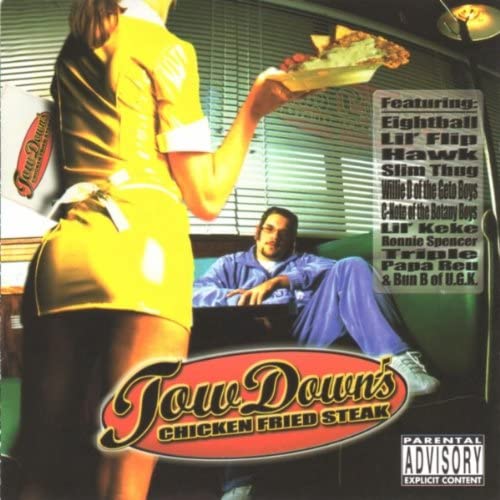
アルバムでは5曲目に配置され、客演としてRonnetta Spencer、プロデューサーとしてThe Highenasがクレジットされている。収録時間は約3分38秒。
速度としてはミドルテンポだが、ドラムの輪郭とコーラスの明るさによって、実際の数値以上に軽快に感じられる。
重く沈み込むヒューストン・サウンドというより、R&Bやポップスへ接近したクロスオーバー感の強い仕上がりだ。
第一印象
最初に耳へ飛び込んでくるのは、子供の歌声にも聞こえる、高く無邪気なコーラスだ。
“You’re a rich girl”という誰もが覚えやすい言葉が、弾むようなメロディで何度も繰り返される。
この時点では、明るい恋愛曲やコミカルなパーティー・ラップのようにも聞こえる。
ところがTow Downがラップを始めると、その印象は変わっていく。
彼が語るのは、豪華な家、高級車、ダイヤモンド、デザイナージーンズ、Jimmy Choo、DKNY、Chanelといったものばかりを求める女性との関係だ。
音は甘いのに、言葉は冷たい。
この極端なギャップが「Rich Girl」の最大の魅力になっている。
サウンド分析
ドラム
ドラムは約83BPMの安定したミドルテンポ。
キックは極端に重くなく、低域を短く区切りながら楽曲を前へ押し出している。スネアは乾いた音で、強く叩きつけるというより、一定の位置へ正確に置かれている。
細かいハイハットや装飾的なパーカッションを大量に加えるのではなく、シンプルな反復を維持する構成だ。
そのため、ビートそのものが主張しすぎず、コーラスとTow Downの言葉が前へ出る。
典型的なハードコア・サウスの威圧感ではなく、ラジオや車内でも自然に流せる軽さが意識されている。
ベース
ベースは太さを保ちながらも、地面を揺らすほど巨大ではない。
キックの隙間を埋めるように滑らかに動き、曲全体へ丸みを与えている。
低音を前面へ押し出すのではなく、コーラスの明るさを下から支える役割が強い。ベースラインの動きも比較的素直で、複雑なファンク感より、聴きやすさを優先している。
この控えめな低域によって、Tow Downの声が埋もれず、歌詞の一語一語が聴き取りやすくなっている。
シンセ・メロディ
メロディの中心は、Hall & Oatesの「Rich Girl」を再構成したコーラスだ。
高く幼い印象の歌声と、その背後で鳴る明るい鍵盤系の音が、曲全体をポップに見せている。
派手なG-Funkシンセや長く伸びる高音リードはほとんど目立たない。代わりに、フックの旋律を何度も聴かせることで、一度聴いただけでも記憶に残る構成を作っている。
メロディ自体は陽気だが、同じ言葉が何度も反復されることで、次第に女性への皮肉や警告のように聞こえてくる。
終盤では“Money won’t get you too far”という言葉が繰り返され、楽曲のテーマがより直接的に示される。
ミックス・グルーヴ
ミックスはボーカルを中心に組み立てられている。
コーラスは高音域で明るく広がり、Tow Downのラップは中央へ太く配置される。両者の音域が明確に分かれているため、フックからヴァースへ移った瞬間の変化が分かりやすい。
グルーヴはゆったりしているものの、重苦しさはない。
跳ねすぎず、沈みすぎず、一定の速度で進んでいく。Tow Downもビートへ細かく食い込むのではなく、言葉をはっきり発音しながら、落ち着いたリズムで物語を進める。
派手な展開は少ないが、コーラスとヴァースの交替が明確で、最後まで聴きやすい。
ラップ/ボーカル分析
Tow Downのラップは、感情を爆発させるタイプではない。
大声で怒鳴るのではなく、相手の行動を一つずつ並べながら、徐々に苛立ちを伝えていく。
第1ヴァースでは、二人の関係が最初は順調だったことが語られる。
一目惚れから始まり、喧嘩もなく、夜を一緒に過ごす。しかし彼女が望んでいたのは、大きな家、高級車、ダイヤモンド、高価な服といった“上質な生活”だったことが明らかになる。
Tow Downのフロウは会話に近く、物語を説明するナレーターのようだ。
第2ヴァースでは、女性の性格がさらに強調される。買い物、サロン、マニキュア、旅行などを好む彼女を描きながら、外見や生活水準だけでは本当の魅力にならないと批判する。
“この曲は自分のことだと思っているだろう。実際そうだ”と直接相手へ語りかける部分では、第三者への一般論だった歌詞が、具体的な一人の女性へのメッセージに変わる。
第3ヴァースでは、関係の破綻が決定的になる。
「ここへ連れて行って」「これを買って」と要求を繰り返し、クレジットカードを使い切る女性。Tow Downは、花やキャンディーを贈らなくなったと言われても、「最初からそんなことはしていなかった」と突き放す。
声色は最後まで大きく変わらない。
それでも言葉の内容は徐々に辛辣になり、最後には彼女を“gone too far”と断定する。
一方、コーラスのボーカルはTow Downの低く落ち着いた声と正反対だ。
無邪気で明るく、どこか童謡のようにさえ聞こえる。そのため、歌詞の批判性を直接的な怒りではなく、ブラックユーモアとして伝えている。
歌詞・テーマ
「Rich Girl」のテーマは、裕福な女性そのものへの単純な批判ではない。
中心にあるのは、愛情と金銭を混同した関係だ。
曲中の女性は、高級な生活を当然のものとして育ち、それを交際相手にも求める。Tow Downは彼女の価値観を理解できず、自分の金を当てにするなと突き放す。
第1ヴァースでは、二人の出会いと関係の始まりが描かれる。
最初は肉体的にも感情的にも惹かれ合っていたが、女性が望む生活水準が次第に問題になる。
彼女は大きな家、大きな車、ダイヤモンド、高級ブランドを求める。Tow Downは、裕福な家庭で育った“Daddy’s princess”と、Dirty South出身の自分との違いを強調する。
第2ヴァースでは、彼女の金銭感覚や人間関係が批判される。
美しさと裕福さによって男性を惹きつける一方、周囲の女性から反感を買い、買い物や美容へ多額の金を使う。
Tow Downはこの描写を通じて、外見やブランドだけで人間の価値は決まらないと主張している。
第3ヴァースでは、要求の多さによってTow Downの忍耐が限界へ達する。
女性は彼の収入や家賃について周囲へ話し、自分の権利であるかのように金を求める。Tow Downにとって、それは恋人ではなく、自分の財産を管理しようとする存在だ。
ただし、この曲は完全に客観的な男女関係の分析ではない。
物語はすべてTow Down側の視点から語られ、女性本人の考えや事情は示されない。そのため、これは“金目当ての女性についての事実”というより、価値観の合わない恋人に対するTow Downの不満と警告として読むべきだろう。
終盤に繰り返される“Money won’t get you too far”という言葉は、この曲の結論になっている。
金は生活を豊かにできても、それだけでは良好な人間関係を築けない。
明るいフックの裏には、金によって人間性や愛情が見えなくなることへの皮肉が込められている。
サンプリング&トラックメイキング
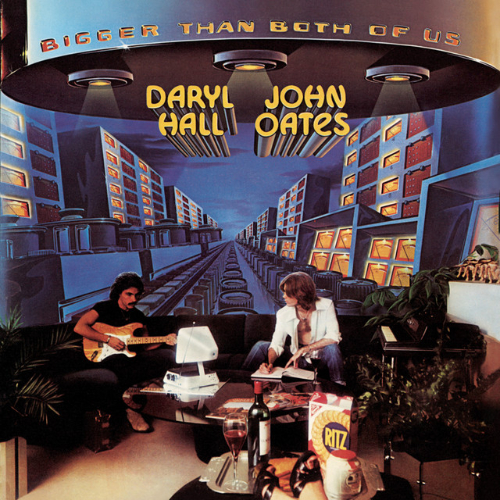
「Rich Girl」のフックは、Daryl Hall & John Oatesが1976年に発表した「Rich Girl」のメロディと歌詞を引用し、Tow Downの物語に合わせて再構成している。サンプリング情報サイトでも、Hall & Oatesの「Rich Girl」からボーカル/歌詞を使用した楽曲として整理されている。
原曲の有名な一節、
“You’re a rich girl, and you’ve gone too far”
を残しながら、続く言葉を、
“You can rely on the other man’s money / You can’t rely on Tow Down’s money”
へ変更。
原曲にある「父親の金を頼りにする女性」という主題を受け継ぎつつ、“Tow Downの金は当てにできない”という個人的なメッセージへ置き換えている。
単に有名曲のフックを借りただけではなく、原曲のテーマそのものをヒップホップ的な男女関係の物語へ移し替えた作りだ。
音源上では、原曲の録音をそのまま大きく切り取ったというより、歌声と伴奏を新たに組み直したカバー/インターポレーションに近い印象を受ける。
The Highenasによるトラックは、原曲のポップな認知度を活用しながら、約83BPMのシンプルなヒップホップ・ビートへ落とし込んでいる。
トリビア/制作メモ
「Rich Girl」は、2002年10月7日発売のアルバム『Chicken Fried Steak』に収録されている。配信上ではRonnetta Spencerをフィーチャーした楽曲として表記されている。
Discogs掲載のアルバム・クレジットでは、プロデューサーはThe Highenas、収録時間は3分38秒と記載されている。
アルバム全体にはSlim Thug、H.A.W.K.、Bun Bらが参加しているが、「Rich Girl」はそうしたテキサス・ラップの濃い人脈を持つ作品の中で、特にポップな位置を占める楽曲だ。
サウンドはG-Funkというより、ポップ・ラップ/サザン・ヒップホップ寄り。
高音のフックは親しみやすいが、内容は恋人の浪費と金銭依存を批判するものであり、音とテーマの対比が強く意識されている。
総評
Tow Downの「Rich Girl」は、耳に残るフックだけで終わらない。
Hall & Oatesの有名なメロディを使いながら、Tow Down自身の恋愛と金銭を巡るトラブルへ物語を作り変えている。
高級ブランド、クレジットカード、家賃、買い物、サロン。
歌詞の中には富を象徴する言葉が並ぶが、それらが増えるほど二人の間にあった愛情は薄れていく。
明るいコーラスは、最初は曲を親しみやすくするための仕掛けに聞こえる。しかし物語を理解したあとでは、女性を繰り返し責める、皮肉な警告の声へ変わって聞こえる。
重いベースや鋭いシンセで圧倒する曲ではない。
それでも、誰もが覚えられるフック、具体的なブランド名を交えたストーリー、穏やかな声で相手を突き放すTow Downのラップによって、独特の存在感を残している。
入口は甘く、内容は苦い。
「Rich Girl」は、ポップな表面の下に、金によって壊れていく恋愛を隠したヒューストン産の異色曲だ。
今回ご紹介の楽曲の購入はこちらから

Tow Down – Rich Girl | A Sweet Pop Hook Hiding a Bitter Story About Love and Money
Can money really make you happy?
A bright chorus that almost sounds like children singing.
A light, instantly accessible beat.
Yet at the center of Tow Down’s “Rich Girl” is a relationship on the verge of collapse, with a woman portrayed as valuing luxury and money more than affection.
On first listen, “Rich Girl” sounds like cheerful pop-rap.
Follow the lyrics, however, and designer brands, credit cards, rent, expensive cars, and jewelry begin appearing one after another.
The further the song goes, the clearer the difference between their values becomes.
A sweet hook built around the famous Hall & Oates song collides with Tow Down’s increasingly frustrated rap.
That contrast turns a failed relationship into something both funny and bitter.
Artist Introduction
Tow Down is a rapper associated with Houston, Texas.
While connected to artists throughout Houston’s rap scene, his music was not limited to the darker and heavier side of Southern hip-hop.
Humor and accessibility also played an important role in his work.
His album Chicken Fried Steak, which includes “Rich Girl,” features major Texas rap names such as Slim Thug, H.A.W.K., Bun B, and Lil’ Keke.
Within that context, “Rich Girl” stands apart.
Rather than emphasizing heavy street rap, it moves toward a more pop-oriented and radio-friendly sound.
Background
“Rich Girl” appears on Tow Down’s 2002 album Chicken Fried Steak.
It is positioned as the fifth track on the album.
Ronnetta Spencer is credited as a featured artist, while production is credited to The Highenas.
The track runs approximately 3 minutes and 38 seconds.
Although the tempo sits in the mid-tempo range, the clearly defined drums and brightness of the chorus make it feel lighter and more energetic than the raw BPM might suggest.
Rather than sinking into the heavy low-end atmosphere often associated with Houston rap, “Rich Girl” has a strong crossover quality that moves closer to R&B and pop.
First Impression
The first thing that catches the ear is the high, innocent-sounding chorus, almost reminiscent of children singing.
The instantly memorable phrase:
“You’re a rich girl”
is repeated over a bouncing melody.
At this point, the track could easily be mistaken for a cheerful love song or a humorous party record.
Then Tow Down begins rapping.
The mood changes.
He describes a woman who wants a large house, expensive cars, diamonds, designer jeans, Jimmy Choo, DKNY, Chanel, and the lifestyle that comes with those names.
The music is sweet.
The words are cold.
That extreme contrast becomes the defining feature of “Rich Girl.”
Sound Analysis
Drums
The drums move at approximately 83 BPM.
The kick is not excessively heavy.
Instead, it creates short low-end punches that keep the record moving forward.
The snare is dry and precisely placed rather than violently slammed into the mix.
There are no large amounts of complicated hi-hat programming or decorative percussion.
The beat maintains a simple, repetitive foundation.
As a result, the instrumental never competes with the chorus or Tow Down’s storytelling.
This is far removed from the intimidating weight of harder Southern street rap.
The production is deliberately light enough to work naturally on the radio or inside a car.
Bass
The bass retains enough thickness to support the record but never becomes overwhelmingly large.
It moves smoothly through the spaces around the kick and gives the track a rounded foundation.
Instead of forcing the low end to the front, the bass mainly supports the brightness of the chorus from underneath.
The line itself is relatively straightforward.
Accessibility is more important here than complicated funk movement.
Because the bass remains controlled, Tow Down’s voice never disappears inside the low frequencies.
Every part of the story stays easy to follow.
Synths & Melody
The melodic center of the track is the chorus reconstructed from Daryl Hall & John Oates’ “Rich Girl.”
The high, youthful-sounding vocal and bright keyboard textures behind it give the entire record its pop character.
There is little emphasis on dramatic G-Funk synthesizers or long, high-pitched lead lines.
Instead, the production repeatedly returns to the familiar hook.
That repetition makes the track memorable almost immediately.
The melody sounds cheerful.
But as the same words continue returning, the hook gradually begins to sound less affectionate and more like sarcasm or a warning directed at the woman.
Toward the end, the repeated idea that “money won’t get you too far” makes the song’s message increasingly explicit.
Mix & Groove
The mix is built around the vocals.
The chorus spreads brightly across the higher frequencies, while Tow Down’s lower rap vocal sits solidly in the center.
Because those voices occupy clearly different ranges, the transition from hook to verse is immediately noticeable.
The groove is relaxed without becoming heavy.
It neither bounces aggressively nor sinks deeply into the beat.
Instead, it moves at a consistent pace.
Tow Down similarly avoids attacking every rhythmic space.
He pronounces his words clearly and lets the story develop at an unhurried pace.
There are few dramatic arrangement changes.
But the clear alternation between verses and chorus makes the record easy to follow from beginning to end.
Rap / Vocal Analysis
Tow Down does not rap as though he is about to explode with anger.
Instead of shouting, he lists the woman’s behavior one detail at a time.
The frustration gradually becomes more obvious.
In the first verse, the relationship is presented as something that initially went well.
There is immediate attraction.
They spend nights together.
There is little conflict.
But it eventually becomes clear that she expects the “finer things” in life:
a large house,
an expensive car,
diamonds,
and designer clothing.
Tow Down’s flow is conversational.
He sounds less like an aggressive MC than a narrator explaining how the relationship went wrong.
The second verse pushes the woman’s personality further into focus.
Shopping.
The salon.
Manicures.
Travel.
Tow Down criticizes the idea that appearance and lifestyle alone make someone desirable.
At one point, he directly addresses her with the idea that she probably thinks the song is about her—and that she is right.
At that moment, what had sounded like a general complaint about a type of woman becomes a message aimed at one specific person.
By the third verse, the relationship has effectively reached its breaking point.
“Take me here.”
“Buy me this.”
The demands continue while the credit cards are pushed toward their limits.
When she complains that Tow Down no longer buys flowers or candy, his response is essentially that he never did that in the first place.
His vocal tone still does not change dramatically.
But the words become increasingly harsh.
By the end, he concludes that she has simply “gone too far.”
The chorus provides the exact opposite vocal character.
It is innocent, bright, and almost nursery-rhyme-like.
That contrast prevents the criticism from becoming pure anger.
Instead, it gives the song a layer of black humor.
Lyrics & Themes
The theme of “Rich Girl” is not simply that wealthy women are bad.
At its center is a relationship in which love and money have become confused.
The woman in Tow Down’s story has grown accustomed to an expensive lifestyle and expects her partner to maintain it.
Tow Down cannot accept that expectation.
His response is simple:
do not depend on his money.
The first verse establishes their attraction and the beginning of the relationship.
Initially, the physical and emotional connection seems strong.
Eventually, however, her desired standard of living becomes a source of conflict.
A large house.
A large car.
Diamonds.
Luxury brands.
Tow Down emphasizes the difference between someone he portrays as a wealthy “Daddy’s princess” and himself as a man from the Dirty South.
The second verse expands the criticism toward her spending habits and social relationships.
Her beauty and wealth attract men while creating resentment around her.
Shopping and beauty treatments consume money.
Through those details, Tow Down argues that brands and appearance alone cannot determine a person’s value.
The third verse brings his patience to an end.
The woman discusses his income and rent with other people and behaves as though she has a claim over his money.
From Tow Down’s perspective, she has stopped behaving like a partner and started acting like someone attempting to control his finances.
But there is an important limitation to the story.
Everything is told from Tow Down’s perspective.
The woman never gets to explain her expectations, circumstances, or version of the relationship.
For that reason, “Rich Girl” is better understood not as an objective account of a “gold-digging woman,” but as Tow Down’s frustrated version of a relationship destroyed by incompatible attitudes toward money.
The repeated idea that “money won’t get you too far” becomes the conclusion.
Money can provide comfort.
It can buy expensive possessions.
But it cannot guarantee a healthy relationship.
Behind the cheerful hook is a warning about what happens when money begins to obscure affection and personality.
Sampling & Trackmaking
The hook of “Rich Girl” draws directly from the melody and lyrics of Daryl Hall & John Oates’ 1976 hit “Rich Girl,” reworking them around Tow Down’s own story.
Sampling databases also document Tow Down’s track as using vocal and lyrical elements associated with Hall & Oates’ “Rich Girl.”
The famous original idea:
“You’re a rich girl, and you’ve gone too far”
is retained.
But the following lines are rewritten around Tow Down himself, shifting the idea toward:
“You can rely on the other man’s money / You can’t rely on Tow Down’s money.”
The original Hall & Oates song already centers on a woman relying on family wealth.
Tow Down preserves that basic theme but personalizes it.
Now the message is not simply about depending on money.
It is about a woman being told specifically that she cannot depend on Tow Down’s money.
That makes the connection more meaningful than simply borrowing a famous hook.
The theme of the original song itself is transferred into a Southern hip-hop relationship story.
From the recording, the familiar material sounds closer to a newly performed interpolation or cover-style reconstruction than an obvious large section of the original master recording being dropped directly into the beat.
The Highenas use the recognizable pop melody while rebuilding it around a simple hip-hop groove at approximately 83 BPM.
Trivia / Production Notes
“Rich Girl” appears on Chicken Fried Steak, released in 2002.
Digital listings credit Ronnetta Spencer as a featured performer on the track.
Album credits listed through Discogs identify The Highenas as producers and give the track a running time of approximately 3 minutes and 38 seconds.
The broader album includes Texas rap figures such as Slim Thug, H.A.W.K., and Bun B.
Within a project surrounded by that strong Texas rap presence, “Rich Girl” occupies a noticeably more pop-oriented position.
Musically, it is better described as pop-rap / Southern hip-hop than G-Funk.
The high hook is immediately accessible.
The subject matter, however, revolves around spending, financial dependence, and resentment inside a relationship.
That contrast between sound and subject is central to the track’s identity.
Final Thoughts
Tow Down’s “Rich Girl” has much more going on than its catchy hook initially suggests.
It takes one of Hall & Oates’ most recognizable melodies and rebuilds its theme around Tow Down’s own story of romance and money.
Designer brands.
Credit cards.
Rent.
Shopping.
Beauty salons.
The lyrics become increasingly filled with symbols of wealth.
And the more those symbols accumulate, the less affection seems to remain between the two people.
At first, the bright chorus sounds like a simple device designed to make the record catchy.
Once the story is understood, it begins to sound different.
The sweetness becomes sarcastic.
The hook starts to feel like a warning repeated directly at the woman.
“Rich Girl” does not rely on crushing bass or piercing synths to leave an impression.
Its strength comes from an instantly memorable chorus, storytelling filled with specific luxury references, and Tow Down calmly pushing his partner away instead of exploding with anger.
The entrance is sweet. The story underneath is bitter.
“Rich Girl” is an unusual Houston rap record that hides a relationship falling apart over money beneath the surface of an irresistible pop hook.

コメント