Ten Typ Mesの「..Widzę Szaleństwo」は、街に生きる人々の目に浮かぶ不安、衝動、危うさを観察しながら、自分自身もまた同じ狂気の中にいることを認める一曲だ。
タイトルの“Widzę szaleństwo”は、ポーランド語で「狂気が見える」という意味。
しかし、ここで描かれる狂気は、現実から切り離された異常な世界ではない。酒を飲み、煙草を吸い、夜の街を歩き、危険な人物に近づき、刺激を求め続ける日常の延長線上にある。
約92BPMで進むビートは、暗く沈み込むというより、柔らかく温かいソウルの余韻を残している。だからこそ、その上で語られる不安定な人生や自滅への誘惑が、より生々しく響く。
穏やかなサウンドの内側で、理性と衝動が静かにぶつかり続ける作品である。
アーティスト紹介
Ten Typ Mesは、本名Piotr Szmidtとして知られる、ポーランド・ワルシャワ出身のラッパー/プロデューサーだ。
言葉遊びや軽妙なフロウを得意とする一方、自身の酒、女性関係、孤独、都市生活、将来への不安といった題材を、距離を置いて観察するようなリリックでも知られている。
単純に「自分は強い」「自分は成功している」と誇示するのではなく、自分の弱さ、矛盾、格好悪さまで言葉にする点がTen Typ Mesの大きな特徴だ。
「..Widzę Szaleństwo」にも、その自己分析的な姿勢が強く表れている。
主人公は街の狂気を外から眺める安全な観察者ではない。狂気に引き寄せられる人々を理解できるからこそ、彼らの目に自分自身の姿を見てしまうのである。
作品背景
「..Widzę Szaleństwo」は、Ten Typ Mesのデビュー・ソロアルバム『Alkopoligamia: Zapiski Typa』に収録された楽曲である。
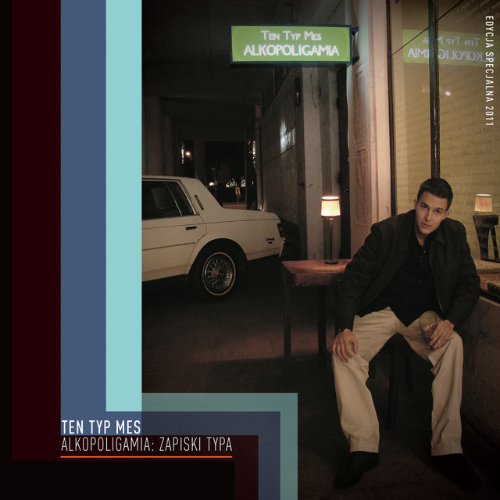
同アルバムは2005年10月29日にT1-Terazから発売され、本曲はアルバムの2曲目に配置された。楽曲のプロデュースはDżonsonが担当し、Jeeż A.K.A. EwingとFlowが参加。オリジナル表記での曲尺は約4分40秒となっている。
アルバムは、当時のTen Typ Mesが抱えていた享楽性、創作への執着、都市生活への違和感を記録した作品だ。
「Zapiski Typa」は「ある男の記録」「あるタイプのメモ」といった意味合いを持ち、その題名どおり、アルバム全体が彼自身の生活や思考を書き留めた私的なノートのように機能している。
「..Widzę Szaleństwo」は、そのノートを開く序盤の重要曲だ。
アルバムは2011年に追加ディスクを加えた特別版として再発売され、現在の配信サービスでも同再発版を基に掲載されている。
第一印象
最初に耳へ入ってくるのは、柔らかく加工されたソウル系のフレーズだ。
高音域には細く伸びるストリングスまたはヴォーカルに近い響きがあり、その下で丸いコードが一定間隔で繰り返される。
暗い題材を扱う曲だが、ビート自体は極端に重くない。
むしろ、煙草の煙が漂う部屋や、薄暗いバーの中で古いレコードが回っているような温かさがある。
そこへ太いキックと乾いたスネアが加わり、約92BPMのゆったりしたグルーヴを作る。
ラップが始まる前には短いアドリブが置かれるが、大げさなイントロや劇的な展開はない。ビートは早い段階で中心のループを提示し、そのままMesの長い思考を受け止めていく。
派手な仕掛けよりも、ラッパーの言葉を長時間聴かせることを優先した作りである。
サウンド分析
ドラム
ドラムは、2000年代中盤のポーランド・ヒップホップらしい、サンプル中心のシンプルな構成だ。
テンポは実測で約92BPM。
キックは低く沈みすぎず、中低域に芯を持った音で鳴っている。巨大なサブベースと一体化した現代的なキックではなく、短く区切られたヒップホップらしい打感が特徴だ。
スネアは2拍目と4拍目を明確に示し、乾いた音でラップのアクセントを支える。
鋭く前へ飛び出すというより、わずかに奥へ配置されているため、ビート全体に落ち着きが生まれている。
ハイハットも細かく刻みすぎない。
派手なロールや高速の変化を使わず、一定の間隔で時間を刻むことで、Mesの言葉へ意識を集中させている。
ドラムだけを聴けば非常にオーソドックスだが、その単純さが曲の長い語りを支えている。
ベース
低域には、太く連続するシンセベースよりも、サンプルの中に含まれた丸いベース成分が中心に置かれている。
ベースラインは大きく動き回らず、コードの土台を静かに補強する。
そのため、曲には重さがありながらも圧迫感がない。
キックと低域が必要以上に競合せず、ラップの中低音を残したままグルーヴを作っている点も特徴である。
現代のヒップホップのように低音で身体を揺らすというより、ソウル・レコードの温度を保ちながら、首をゆっくり振らせるベースだ。
この控えめな低域が、街の危険や孤独を語る歌詞に、過剰な悲壮感ではなく日常感を与えている。
シンセ・メロディ
中心となるのは、短く切り取られたソウル系サンプルの反復だ。
上部では、ストリングス、オルガン、コーラスが混ざったような淡い音が伸び、その下でコードの断片が揺れている。
メロディには明確な解決感が薄い。
同じ場所を何度も回るようにループするため、主人公の思考が出口を見つけられず、街と自分の内側を行き来しているように聞こえる。
旋律自体には柔らかさがあるものの、完全な幸福感には向かわない。
温かいコードと不安定な余韻が共存しており、それが「魅力的だが危険な都市生活」という歌詞の世界に合っている。
後半になっても大きなコードチェンジは起こらず、同じループが残り続ける。
この反復は単調さではなく、抜け出せない生活の循環を象徴する要素として機能している。
ミックス・グルーヴ
ミックスは、ヴォーカルを中央へ大きく置き、サンプルとドラムをその後方に配置した、ラップ重視のバランスになっている。
Mesの声は近く、子音や息遣いまで比較的はっきり聞こえる。
一方でサンプルは少しくすんでおり、古いレコードを通したような質感を残している。
高音域は現代的な作品ほど明るくなく、全体に軽い曇りがある。この曇りが、歌詞の中に登場する煙草、酒場、街路、薄暗い部屋といった情景を補強する。
グルーヴは前のめりにならず、やや後ろへ腰を置いた感覚だ。
ラッパーが拍の隙間へ言葉を詰めても、トラックは急がない。そのため、曲全体が「歩きながら考え続ける独白」のように進んでいく。
ラップ/ボーカル分析
Ten Typ Mesのラップは、会話に近い自然な口調と、細かい内部韻を組み合わせている。
冒頭から声を張り上げるのではなく、ノートに書いた歌詞を読み返しながら、自分の考えを整理するようにラップを始める。
フロウは基本的にビートへ素直に乗っているが、一小節の中へ多くの言葉を詰める場面では、語尾を短く切り、次の行へ勢いをつなげている。
Mesの魅力は、完全に整理された結論を提示しないことだ。
ひとつの話題から別の人物、場所、記憶へ移り、再び自分自身へ戻ってくる。その動きが、実際に頭の中で考えが連鎖しているような臨場感を生む。
声には強い怒りよりも、好奇心、皮肉、疲労、興奮が混ざっている。
街の危険な人物を語るときも、彼らを一方的に批判しない。むしろ彼らの人生へ近づき、話を聞き、その感情を理解しようとする。
フックでは、ヴァースよりも声の動きが抑えられる。
「目に狂気が見える人々」と自分が互いを理解していることを繰り返すことで、楽曲の中心テーマを定着させている。
終盤ではJeeżのヴァースが加わる。
Mesよりも低く、重い声質が使われることで、曲の空気がさらに現実的で荒々しくなる。
Jeeżは、酒を飲む公園のベンチ、刑務所、死によって奪われた身近な人々、安定した家庭への願望などを語る。
Mesが街を歩きながら多様な人物を観察するヴァースだとすれば、Jeeżのパートは、その街で実際に傷を抱えている当事者の証言に近い。
二人の声の違いが、曲に複数の視点を与えている。
歌詞・テーマ
この曲の中心にあるのは、狂気そのものではなく、狂気を抱えた人間への共感だ。
フックでは、Mesが「目に狂気を見つける人々は自分を理解し、自分も彼らを理解する」と語る。
つまり彼は、危険な人々を遠くから眺めているのではない。
同じ退屈、衝動、孤独、不安を自分の中にも感じている。
冒頭では、Mesがノートに書いた歌詞を見返し、レコードを聴き、煙草を吸い、コーヒーを飲む姿が描かれる。
一見すると穏やかな創作風景だ。
ところが考え続けるうちに、その思考は次第に重くなり、良心の痛みや「自分の悪い側」の声が現れる。
ここで描かれるのは、理性的な自分と、刺激を求める自分の対立である。
部屋で音楽を聴きながら考えることもできる。
しかし、同じ場所へ長く留まることに耐えられず、街へ出て危険や混乱に触れたくなる。
Mesは、貧しい酒場に集まる人物、ギャンブルですべてを失ったかもしれない男、死ぬまで酒を飲み続ける者、出口に立つ女性などを挙げる。
重要なのは、彼らの経歴を外見だけで決めつけないことだ。
立派な履歴書を持つ人物より、寂れた店にいる無名の人物の方が、語るべき人生を持っているかもしれない。
その人に近づき、話を聞く勇気が必要だとMesは考えている。
この視点には、危険な都市生活へのロマン化も含まれている。
Mesは穏やかで安全な生活より、問題を抱えた人物や場所の方に魅力を感じている。
薄い氷の上を歩いていることを理解しながら、それでも退屈より刺激を選ぼうとする。
その態度は勇敢にも見えるが、同時に自己破壊的でもある。
Jeeżのヴァースでは、テーマがより個人的になる。
彼は酒に逃げていると言われることを認めつつ、酔った状態ではなく、しらふの頭で野心的な歌詞を書いていると主張する。
普通の生活、刑務所や罰のない人生、愛する人を死で失わない人生、良い女性との穏やかな家庭を望んでいる。
しかし、その理想を思い描いた翌朝にも、街の人々の目には狂気が残っている。
この結末によって、狂気は一時的な感情ではなく、生活環境、過去の傷、本人の性格が複雑に絡み合ったものとして描かれる。
サンプリング&トラックメイキング
本曲では、Al Greenの「Something」を使用したサンプリングが資料上で確認されている。
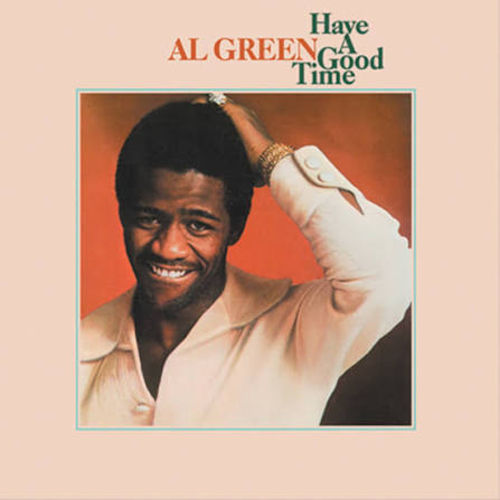
「Something」は、The BeatlesのGeorge Harrisonが作曲した楽曲をAl Greenがカバーしたものだ。
Dżonsonによるトラックでは、そのソウルフルで柔らかな響きが短く切り取られ、一定の長さで反復されている。
原曲が持つ愛情深く滑らかな雰囲気は、本曲では完全なラブソングとして使われていない。
音の温かさだけを残しながら、そこへ都市生活の不安、酒、危険、孤独を重ねることで、心地よさと不穏さを同居させている。
サンプルは細かく分解されて激しく再構築されるのではなく、元の空気を感じさせる長さで使用されている。
そのため、楽曲には1970年代ソウルの丸い質感が残っている。
そこへ乾いたドラムを加えることで、過去のソウルを2000年代ポーランド・ヒップホップの語り口へ置き換えている。
コードのループを大きく変化させない点も重要だ。
ビートが同じ場所を回り続けるからこそ、ヴァース内で次々と変化する人物や情景が目立つ。
トラックが物語を直接説明するのではなく、ラッパーが自由に思考を広げられる一定の空間を作っている。
トリビア/制作メモ
「..Widzę Szaleństwo」は、『Alkopoligamia: Zapiski Typa』の2曲目に収録され、プロデュースはDżonsonが担当している。ゲストとしてJeeż A.K.A. EwingとFlowがクレジットされている。
音源上では、Mesが主要ヴァースを担当し、曲の終盤でJeeżが異なる視点を持ち込む構成になっている。
曲尺は資料上約4分40秒。
収録アルバム『Alkopoligamia: Zapiski Typa』はTen Typ Mesのデビュー・ソロアルバムで、2005年にT1-Terazから発売された。制作陣にはDżonsonのほか、Demen、Emade、Stereotyp、Webber、L.A.、Ten Typ Mes本人らが名を連ねている。
2011年には追加音源を収録した特別版がAlkopoligamia.comから発売され、その後アナログ盤も制作された。
歌詞の冒頭では、MesがRoy Ayersによる映画『Coffy』関連の音楽をレコードで聴く姿を描いている。
これは実際のトラックで使われたサンプルを示す記述ではなく、Mes自身のレコード趣味と、ソウル/ジャズ・ファンクへの関心を表した一節として捉えるべきだろう。
本曲の確認済みサンプルはAl Greenの「Something」であり、Roy Ayersの名前は歌詞上の言及である。
総評
「..Widzę Szaleństwo」は、危険な街を外側から批判する曲ではない。
Ten Typ Mesは、酒、犯罪、孤独、衝動に引き寄せられる人々を観察しながら、その感覚が自分にも理解できてしまうことを告白している。
だからこの曲には、単純な善悪の境界がない。
安定した生活を望む気持ちがありながら、安定だけでは満足できない。
穏やかに音楽を聴き、歌詞を書く時間を愛しながら、同じ場所に長く留まることには耐えられない。
危険だと理解している場所へ、自分から近づこうとする。
その矛盾が「狂気」という言葉に集約されている。
Dżonsonが作った約92BPMのトラックは、暗く威圧的な音ではない。
Al Green由来の柔らかなソウル・サンプル、丸い低域、乾いたドラムが、温かく落ち着いた空間を作っている。
しかし、その温かさの内側では、MesとJeeżが酒、退屈、刑務所、死、危険な人間関係について語り続ける。
美しいサウンドと不安定な人生の対比が、この曲の最大の魅力だ。
「狂った人々」を特別な存在として描くのではなく、誰の中にも存在する退屈への恐怖、刺激への欲望、自己破壊への衝動として描いた作品。
「..Widzę Szaleństwo」は、Ten Typ Mesの観察力と自己分析、そして2000年代ポーランド・ヒップホップのソウルフルなサンプル感覚が結びついた、静かだが奥行きの深い一曲である。
今回ご紹介の楽曲の購入はこちらからどうぞ

Ten Typ Mes – ..Widzę Szaleństwo | Soulful Polish Hip-Hop Staring Into the Madness of City Life
Ten Typ Mes’s “..Widzę Szaleństwo” is a song about watching the anxiety, impulse, and danger in the eyes of people living in the city—and gradually admitting that he is part of the same madness himself.
The Polish title “Widzę szaleństwo” translates roughly as:
“I see madness.”
But the madness described here is not some abnormal world separated from everyday reality.
It exists directly inside ordinary life.
Drinking.
Smoking.
Walking through the city at night.
Approaching dangerous people.
Constantly searching for stimulation.
The beat moves at approximately 92 BPM and does not sink into complete darkness.
Instead, it preserves the warm afterglow of soul music.
That warmth makes the unstable lives and self-destructive impulses described over the track feel even more immediate.
Inside a calm musical surface, reason and impulse continue to collide.
Artist Introduction
Ten Typ Mes, born Piotr Szmidt, is a rapper and producer from Warsaw, Poland.
He is known for wordplay and a flexible, conversational flow, but also for lyrics that examine his own drinking, relationships with women, loneliness, urban life, and anxiety about the future with a surprising amount of distance and self-awareness.
Rather than constantly presenting himself as strong, successful, or untouchable, Mes frequently puts his own weakness, contradiction, and embarrassment into his lyrics.
That willingness to expose himself is one of the defining characteristics of his writing.
“..Widzę Szaleństwo” strongly reflects that self-analytical perspective.
The narrator is not a safe observer standing outside the madness of the city.
He understands the people attracted to danger because, when he looks into their eyes, he recognizes something of himself.
Background
“..Widzę Szaleństwo” appears on Ten Typ Mes’s debut solo album Alkopoligamia: Zapiski Typa.
The album was released by T1-Teraz on October 29, 2005, with “..Widzę Szaleństwo” placed as the second track.
The song was produced by Dżonson and features Jeeż A.K.A. Ewing and Flow.
Its original listed running time is approximately 4 minutes and 40 seconds.
The album documents the hedonism, creative obsession, and discomfort with urban life surrounding Ten Typ Mes during that period.
The phrase Zapiski Typa can be understood roughly as “Notes of a Guy” or “A Guy’s Notes.”
That title is appropriate because the album often functions like a private notebook filled with observations about Mes’s daily life and internal thoughts.
“..Widzę Szaleństwo” is an important early entry in that notebook.
The album was later reissued in 2011 as a special edition with additional material, and current streaming versions are generally based on that expanded release.
First Impression
The first thing that reaches the ear is a softly processed soul phrase.
In the upper range, there is a sustained texture that resembles strings, vocals, or a combination of both.
Underneath it, rounded chords repeat at regular intervals.
Although the song deals with dark subjects, the beat itself never becomes overwhelmingly heavy.
It has the warmth of an old record playing inside a dim bar or a smoke-filled room.
Then the thick kick and dry snare enter, establishing a relaxed groove at approximately 92 BPM.
A short ad-lib appears before the main rapping begins, but there is no exaggerated intro or dramatic buildup.
The beat presents its central loop almost immediately and then allows that loop to carry Mes’s long train of thought.
The priority is not spectacle.
It is giving the rapper enough space to think out loud.
Sound Analysis
Drums
The drums use a simple, sample-driven structure characteristic of mid-2000s Polish hip-hop.
The measured tempo is approximately 92 BPM.
The kick does not sink excessively deep into the sub-bass range.
Instead, it has a defined center in the low-mid frequencies.
This is not a modern kick designed to merge into a massive sub layer.
It is short, controlled, and recognizably rooted in traditional hip-hop drum programming.
The snare clearly marks the second and fourth beats with a dry attack.
Rather than jumping sharply to the front of the mix, it sits slightly farther back, helping the entire groove feel calm and settled.
The hi-hats are similarly restrained.
There are no flashy rolls or rapid rhythmic changes.
They mark time at steady intervals, keeping the listener focused on Mes’s lyrics.
Taken by itself, the drum pattern is highly conventional.
But that simplicity is exactly what allows the track to support such a long, reflective narrative.
Bass
The low end is driven less by a thick, continuous synth bassline than by the rounded bass frequencies contained within the sample itself.
The bass does not move through elaborate phrases.
Instead, it quietly reinforces the harmony underneath the track.
That gives the record weight without creating claustrophobia.
The kick and bass frequencies do not fight aggressively for space, leaving enough room for the lower frequencies of Mes’s voice to remain clear.
Rather than shaking the body through extreme sub-bass, this is the kind of low end that keeps the warmth of a soul record intact while encouraging a slow head nod.
That restrained bass response also prevents the lyrics about danger and loneliness from becoming excessively dramatic.
The problems being described feel less like extraordinary tragedy and more like ordinary life.
Synths & Melody
The melodic center is a repeated fragment of a soul sample.
In the upper range, a soft sound resembling a mixture of strings, organ, and background vocals stretches across the beat.
Underneath it, fragments of harmony continue to move gently.
There is very little sense of harmonic resolution.
The loop returns again and again to essentially the same place.
That repetition makes it feel as though the narrator’s thoughts are moving in circles, traveling between the city and his own mind without ever finding a clear exit.
The melody itself is warm.
But it never becomes completely happy.
Comfort and instability remain present at the same time.
That balance fits perfectly with lyrics about an urban lifestyle that is both attractive and dangerous.
Even later in the track, there is no dramatic chord change.
The same loop continues.
Rather than creating monotony, that repetition begins to represent the cycle of a life that is difficult to escape.
Mix & Groove
The mix places the vocals prominently in the center while the sample and drums sit slightly behind them.
Mes’s voice sounds close.
Consonants, breaths, and small changes in delivery remain relatively easy to hear.
The sample, by comparison, has a more muted texture, retaining something of the dusty character associated with an older record.
The high frequencies are not especially bright by modern standards.
There is a slight haze across the entire mix.
That haze reinforces the images appearing throughout the lyrics:
cigarette smoke, bars, streets, dark rooms, and late-night city spaces.
The groove never rushes forward.
It feels slightly laid-back.
Even when Mes packs additional words into the spaces between the beats, the instrumental refuses to accelerate with him.
That makes the song feel like an internal monologue unfolding while someone walks through the city and continues thinking.
Rap / Vocal Analysis
Ten Typ Mes combines a natural conversational tone with detailed internal rhymes.
He does not begin by raising his voice or making a dramatic entrance.
Instead, he sounds almost as if he is rereading something written in a notebook and organizing his thoughts as he speaks.
His flow generally follows the beat cleanly.
When he needs to fit more words inside a bar, however, he cuts the endings of phrases short and carries the momentum immediately into the next line.
One of Mes’s greatest strengths is his refusal to present a perfectly organized conclusion.
His thoughts move from one subject to another person, another place, another memory, and eventually back to himself.
That movement gives the verses the feeling of actual thought happening in real time.
His voice contains curiosity, irony, fatigue, and excitement more often than direct anger.
Even when he discusses dangerous people, he does not simply condemn them.
He moves closer.
He wants to listen.
He tries to understand what they are feeling.
During the hook, the vocal movement becomes more restrained.
By repeating the idea that people with madness in their eyes understand him—and that he understands them—the song reinforces its central theme.
Later, Jeeż enters with a verse of his own.
His voice is lower and heavier than Mes’s, making the atmosphere feel rougher and more grounded.
Jeeż talks about drinking on park benches, prison, people taken away by death, and the desire for a stable home.
If Mes’s verses resemble someone walking through the city and observing different lives, Jeeż sounds more like someone directly testifying about the damage those lives can contain.
The contrast between the two voices gives the track more than one perspective on the same madness.
Lyrics & Themes
The real subject of the song is not madness itself.
It is empathy toward people carrying madness inside them.
In the hook, Mes describes people with madness visible in their eyes as people who understand him—and people he understands in return.
That means he is not examining dangerous lives from a safe distance.
He recognizes the same boredom, impulse, loneliness, and anxiety within himself.
At the beginning of the track, Mes is shown looking through lyrics written in his notebook, listening to records, smoking cigarettes, and drinking coffee.
On the surface, it is a peaceful creative scene.
But as he continues thinking, the mood becomes heavier.
His conscience begins to hurt.
The voice of his “bad side” begins to emerge.
What appears is a conflict between the rational version of himself and the version constantly searching for stimulation.
He could remain in his room.
He could listen to music.
He could continue writing.
But remaining in one place for too long becomes unbearable.
He feels drawn toward the city, danger, and disorder.
Mes describes people gathered in run-down bars, a man who may have lost everything through gambling, someone prepared to drink until death, and a woman standing near the exit.
What matters is that he refuses to judge their entire lives based on appearance alone.
A person with an impressive résumé may have less to say than an anonymous figure sitting inside a decaying bar.
To discover that, Mes suggests, you have to be willing to approach the person and listen.
There is undeniably some romanticization of dangerous city life in this perspective.
Mes seems more attracted to difficult people and troubled places than to safety and predictability.
He knows he is walking on thin ice.
And yet, boredom sometimes seems more frightening to him than danger.
That attitude can look courageous.
It can also look deeply self-destructive.
Jeeż’s verse makes the theme more personal.
He acknowledges being accused of escaping into alcohol, while insisting that his ambitious lyrics are written with a sober mind rather than in a drunken state.
He wants an ordinary life.
A life without prison or punishment.
A life where the people he loves are not taken away by death.
A peaceful home with a good woman.
But even after imagining that future, morning arrives and the madness is still visible in the eyes of the people around him.
That ending turns madness into something larger than a temporary emotional state.
It becomes the result of environment, past trauma, personality, and desire all becoming tangled together.
Sampling & Trackmaking
The track has been documented as sampling Al Green’s “Something.”
“Something” itself is Al Green’s version of the song written by George Harrison for The Beatles.
In Dżonson’s production, the soulful and gentle character of that recording is cut into a short fragment and repeated throughout the track.
The warmth of the original source is not used here to create a conventional love song.
Instead, its softness remains in place while Mes layers anxiety, alcohol, danger, and loneliness over it.
That creates a constant tension between comfort and unease.
The sample does not appear to have been aggressively chopped into tiny fragments.
Enough of its original atmosphere remains for the listener to feel the rounded character of 1970s soul.
Dry drums are then placed underneath, translating the older soul texture into the language of mid-2000s Polish hip-hop.
The decision not to radically alter the harmonic loop is also important.
Because the beat keeps circling the same musical space, the constantly changing people, places, and thoughts inside the verses become more noticeable.
The instrumental does not tell the story for Mes.
It creates a stable emotional space in which his thoughts are free to move.
Trivia / Production Notes
“..Widzę Szaleństwo” appears as the second track on Alkopoligamia: Zapiski Typa and was produced by Dżonson.
Jeeż A.K.A. Ewing and Flow are credited as guests.
On the recording itself, Mes handles the primary verses, while Jeeż brings a different perspective into the later section of the track.
The listed running time is approximately 4 minutes and 40 seconds.
Alkopoligamia: Zapiski Typa was Ten Typ Mes’s debut solo album and was released through T1-Teraz in 2005.
The production credits across the album include Dżonson, Demen, Emade, Stereotyp, Webber, L.A., and Ten Typ Mes himself.
In 2011, an expanded special edition with additional recordings was released through Alkopoligamia.com.
Vinyl editions followed later.
At the beginning of the lyrics, Mes also describes listening to Roy Ayers’s music connected with the film Coffy on vinyl.
That reference should not be confused with a sample source used in the production.
It is better understood as a lyrical reference to Mes’s own record-listening habits and his interest in soul and jazz-funk.
The verified sample identified for “..Widzę Szaleństwo” is Al Green’s “Something.”
Roy Ayers is mentioned in the lyrics rather than documented here as a sampled source.
Final Thoughts
“..Widzę Szaleństwo” is not a song that stands outside the dangerous city and condemns it.
Ten Typ Mes observes people drawn toward alcohol, crime, loneliness, and impulse while admitting that he understands exactly why those forces can be attractive.
That is why the song refuses to offer a simple division between good and bad.
He wants stability, yet stability alone is not enough.
He enjoys sitting quietly with music and writing lyrics, yet he cannot tolerate remaining in the same place forever.
He understands that certain places are dangerous.
And still, he feels compelled to move closer.
That contradiction is what the word “madness” ultimately represents.
Dżonson’s track, moving at approximately 92 BPM, is not dark or threatening in an obvious way.
The soft Al Green sample, rounded low end, and dry drums create a warm, calm musical space.
Inside that warmth, however, Mes and Jeeż continue talking about alcohol, boredom, prison, death, and dangerous relationships.
That contrast between beautiful sound and unstable lives is the song’s greatest strength.
Rather than presenting “crazy people” as something distant or abnormal, “..Widzę Szaleństwo” treats madness as something much more familiar:
fear of boredom,
the need for stimulation,
the attraction of danger,
and the impulse toward self-destruction that can exist inside almost anyone.
It is a quiet but deeply layered example of Ten Typ Mes’s observational writing and self-analysis, shaped by the soulful sample-based production that defined an important part of mid-2000s Polish hip-hop.
コメント