「Get ‘em up, get ‘em up――」
開始直後から飛び込んでくる掛け声。その瞬間、「The G Spot」が目指している場所はほぼ決まる。
薄暗いクラブ、酒を片手にフロアを見渡す男たち、VIPエリア、着飾った女性たち。そして朝まで続くパーティー。
KompoZur「The G Spot」は、派手に爆発するタイプの曲ではない。
約99BPMの腰を落としたビート、丸く沈むベース、反復されるシンプルなフック、そして複数のラッパーが余裕を崩さずマイクを回していく。
90年代後半のクラブに漂っていた「大人のPlayer感」を、そのまま音にしたような一曲だ。
アーティスト紹介
KompoZurは、オハイオ州シンシナティ出身のラップ・デュオ。
メンバーはJoseph StaplesとMichael Stallingsの2人で、1990年代後半を中心に活動していた。
「The G Spot」では、ファンク/R&Bの滑らかな感触を取り込みながら、クラブで映える軽快なヒップホップ・サウンドを展開。
攻撃性を前面に押し出すGangsta Rapというより、酒、女性、ファッション、車、VIP、金、仲間といった90年代後半のPlayer文化を軸にしたスタイルが印象的だ。
特に「The G Spot」で聴ける、余裕を持たせたラップと丸みのあるファンク・グルーヴには、当時のシンシナティ産ヒップホップならではのローカルな魅力が感じられる。
作品背景
「The G Spot」は1998年前後のKompoZurを代表する楽曲のひとつ。
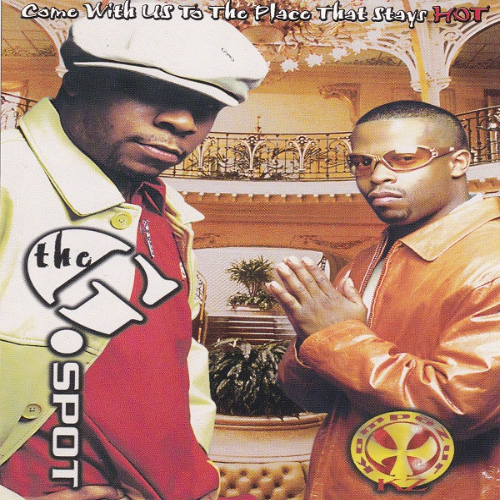
この時代は、90年代前半から中盤に大きな存在感を持ったG-Funkの要素が、そのまま消えるのではなく、R&Bやクラブ向けヒップホップと混ざりながら形を変えていた時期でもある。
「The G Spot」にも、その空気がある。
西海岸G-Funkのような巨大なシンセリードを前面に出すのではなく、ファンクの跳ね方や低音の気持ちよさだけを残し、より都会的なクラブ・サウンドへ寄せている。
そのためジャンルとしては、G-Funkと断定するより、
Late 90s Hip-Hop / Funk Rap / Club Rap
あたりで捉える方が、この曲の実際の音には近い。
第一印象
最初に感じるのは「派手なのに、意外と落ち着いている」ということ。
イントロから「Get ‘em up」という声が何度も繰り返されるため、構造自体は完全にクラブ仕様。
しかしトラックは必要以上に騒がしくない。
むしろ低い位置でビートを転がし、その上をラッパーたちが余裕たっぷりに歩いていく。
ここが面白い。
客を煽る曲なのに、ラッパー自身はほとんど焦っていない。
この「騒がせるトラック」と「落ち着いたラップ」の温度差が、The G-Spot独特のPlayer感を作っている。
サウンド分析
ドラム
テンポは音源解析上、約99BPM。
遅すぎず速すぎず、首を振るにも踊るにも使える絶妙な速度だ。
キックは極端に巨大ではないものの、低い位置からしっかりビートを支えている。
一方のスネアは輪郭が明確。
ドン――パン――ドン――パン
という基本的なヒップホップの骨格を崩さず、余計なフィルを大量に入れない。
そのためビートそのものよりも、MCのフロウやベースの動きが自然に前へ出てくる。
また、ハイハットや細かなパーカッションによって一定の推進力が保たれており、約5分近い曲でもビートが重くなりすぎない。
ベース
この曲でかなり重要なのがベース。
極端なサブベースで押し潰すのではなく、丸く弾むようなファンク系の低音がドラムの隙間を埋めている。
ベースが一直線に伸びるのではなく、小さく上下することでグルーヴを作っているため、曲全体に「歩いている」ような感覚が生まれる。
このベースと約99BPMのテンポの組み合わせが、「The G Spot」の腰のあるノリを決定づけている。
車で爆音にして押し切るタイプというより、クラブのフロアで身体を左右に揺らしたくなる低音だ。
シンセ・メロディ
上モノは意外なほどシンプル。
イントロから耳に入ってくる高域のフレーズや電子的な音色が反復され、その下にリズムとベースが敷かれている。
典型的なG-Funkで聴かれるような、長く伸びる派手な高音シンセが主役ではない。
ここではメロディを「聴かせる」というより、同じ短いモチーフを繰り返してクラブの空気を維持する役割が強い。
この反復性がフックとも噛み合っている。
ミックス・グルーヴ
ミックスはボーカルがかなり前。
その後ろでドラムとベースが一定の位置を保ち、上モノが空間を埋める構造になっている。
特に面白いのは、音数そのものを増やして盛り上げるのではなく、
ラップ → フック → 別のラップ → フック
という人間の声の入れ替わりによって曲を動かしているところ。
複数MCの声質の違いそのものがアレンジの一部になっている。
ラップ/ボーカル分析
「The G Spot」の大きな魅力は、複数のラップが次々と入れ替わっていく構成にある。
基本的には低めの声を中心とした、余裕のあるフロウ。
言葉を猛烈に詰め込むタイプではなく、ビートの隙間を残しながら一行ずつ置いていく。
たとえば冒頭のヴァースでは、バーへ向かい、酒を注文し、女性を眺め、フロアへ向かう。
つまりラップそのものが、
クラブへ入る → 酒を飲む → 女性と出会う → VIPで遊ぶ
という映像を進めていく役割を持っている。
さらにMCが変わることで視点も少しずつ変化する。
それでも全員が共有しているのは「俺たちはこの場所の遊び方を知っている」という余裕。
声を荒らげて威圧するGangsta Rapとは違い、自分のステータスを淡々と見せるPlayer Rap的な格好良さが中心だ。
歌詞・テーマ
タイトルの「G Spot」は当然性的なダブルミーニングを連想させる。
しかし歌詞全体を追うと、この曲での「G Spot」はそれだけではない。
フックでは、
「All the players in the G Spot」
「All the ladies in the G Spot」
と男女双方に呼びかけている。
つまり曲の中で「G Spot」は、Playerたちが集まるクラブ/パーティー空間そのものとして描かれている。
酒、VIP、女性、高級ブランド、車、仲間。
歌詞にはそうした90年代後半のクラブ・ラップを象徴するアイテムが次々と登場する。
Hennessy、Moët、Dom、Chanel、Gucci、Lexus、Range Rover……。
これらは単なるブランド自慢ではない。
「G Spot」という架空あるいは象徴的な空間を豪華に見せるための小道具になっている。
さらに、
“from coast to coast”
という発想も登場する。
つまりG Spotは特定の店だけを指すというより、全米の街に存在するPlayerたちの夜遊び空間をまとめた概念として読むこともできる。
だからこの曲にはストリートの緊張感がほとんどない。
描かれているのは「戦う夜」ではなく、
成功したPlayerたちが朝まで遊ぶ夜。
そこが「The G Spot」の世界観だ。
トリビア
曲中には90年代後半のヒップホップ/クラブ文化を感じさせる固有名詞が大量に登場する。
特に酒とファッション、車への言及が多い。
Hennessy、Moët、Dom Pérignonといった酒、高級ブランドのChanelやGucci、さらにLexusやRange Rover。
こうした単語を連続して配置することで、歌詞だけでもVIPルームの豪華さを想像できるようになっている。
また、フックが非常に長く反復されるアウトロも特徴。
終盤は新しい展開を作るより、
「All the players in the G Spot / All the ladies in the G Spot」
という曲の中心メッセージを何度も繰り返す。
現在の感覚では長く感じる部分だが、クラブでDJが使用することを考えると、この反復性はむしろ機能的だ。
制作メモ
この曲の最大のポイントは、派手なメロディではなくグルーヴの持続力にある。
約99BPMというテンポを最後までほぼ一定の温度で保ち、そこへ複数MCを順番に投入していく。
そしてフックに戻るたびに、
「players」
「ladies」
という二つの言葉で再びフロア全体を巻き込む。
だから約5分近い尺があっても、構造自体は非常に分かりやすい。
また、サウンド面にはファンク/G-Funk的な感触があるものの、典型的な西海岸G-Funkとは明確に違う。
G-Funk以降のファンク感を、90年代後半のクラブ・ラップへ移植したサウンド。
この表現が最も近い。
総評
KompoZur「The G Spot」は、90年代後半のクラブ・ラップが持っていた独特の「余裕」を味わえる一曲だ。
約99BPMのファンキーなビート。
丸く跳ねるベース。
シンプルに反復される上モノ。
そして次々とマイクを回していく複数のMC。
何か一つの音が強烈に主張するわけではない。
それでも全体が噛み合った瞬間、薄暗いクラブの景色が自然と浮かび上がってくる。
グラスを片手にVIPを行き来するPlayerたち。
フロアには女性たちが集まり、DJは同じグルーヴを止めない。
そして夜が深くなっても、
「All the players in the G Spot」
という声だけが繰り返される。
ギャングスタ・ラップの危険な夜ではない。
G-Funkの強烈なシンセが支配する夜でもない。
これは、酒とファンクとPlayer精神で朝まで揺れる、1998年のクラブの夜だ。
KompoZur – The G Spot | Late-’90s Cincinnati Player Funk Built for the Club
“Get ’em up, get ’em up—”
The call hits almost immediately.
And from that moment, you already know exactly where “The G Spot” wants to take you.
A dimly lit club.
Men watching the dance floor with drinks in their hands.
The VIP section.
Women dressed for the night.
And a party that keeps moving until morning.
KompoZur’s “The G Spot” is not the kind of track that tries to explode out of the speakers.
Instead, it settles into an approximately 99 BPM groove, driven by rounded bass, a simple repetitive hook, and multiple rappers passing the microphone without ever losing their cool.
It sounds like the late-1990s idea of grown-man player culture turned into music.
Artist Introduction
KompoZur was a rap duo from Cincinnati, Ohio, consisting of Joseph Staples and Michael Stallings.
The duo was active around the late 1990s.
On “The G Spot,” KompoZur blends the smoothness of Funk and R&B with a hip-hop groove designed naturally for the club.
This is not Gangsta Rap built primarily around aggression.
Instead, the song revolves around many of the symbols associated with late-1990s player culture:
liquor,
women,
fashion,
cars,
VIP sections,
money,
and the crew.
The relaxed deliveries and rounded funk groove give “The G Spot” a distinctly local character.
It is polished enough for the club, but it still carries the personality of regional Cincinnati hip-hop.
Background
“The G Spot” is one of the tracks associated with KompoZur’s late-1990s output, dating to around 1998.
This was a period when the G-Funk sound that had dominated parts of West Coast rap earlier in the decade was not simply disappearing.
Its influence was being absorbed into other forms of hip-hop.
Funk grooves, smooth low end, and R&B textures increasingly mixed with more urban, club-oriented production.
“The G Spot” reflects that transition.
Instead of placing a massive West Coast-style lead synth at the center of the track, the production retains the bounce of funk and the physical pleasure of the low end while reshaping those qualities into a smoother club record.
For that reason, the sound is better understood as something around:
Late-’90s Hip-Hop / Funk Rap / Club Rap
rather than straightforward G-Funk.
First Impression
The first impression is almost contradictory:
the track is designed to hype the room, yet it sounds surprisingly relaxed.
The repeated “Get ’em up” calls immediately establish a club setting.
But the instrumental never becomes excessively loud or chaotic.
Instead, the beat rolls along at a lower level while the rappers move across it with complete confidence.
That contrast is what makes the record interesting.
The track tells the crowd to get excited, but the rappers themselves never sound rushed.
They already seem comfortable in the room.
That difference between an energetic club concept and laid-back vocal performances creates the distinctive player atmosphere of “The G Spot.”
Sound Analysis
Drums
The tempo measures at approximately 99 BPM.
It sits in an effective middle ground—not too slow for the dance floor, but relaxed enough for a strong head-nodding groove.
The kick is not overwhelmingly huge, but it provides a solid foundation from the lower part of the mix.
The snare has a much clearer attack.
The rhythm largely maintains the fundamental hip-hop framework:
boom — clap — boom — clap.
There is no need for constant elaborate fills.
By keeping the drums relatively stable, the production naturally allows the MCs and bassline to become more noticeable.
Hi-hats and smaller percussion details provide enough forward motion to prevent the nearly five-minute track from becoming sluggish.
The drums do not dominate the party.
They simply make sure the party never stops moving.
Bass
The bass is one of the most important elements of the record.
Rather than overwhelming the mix with extreme sub-bass, the track uses a rounded, bouncing funk-oriented low end that moves through the spaces between the drums.
The bass does not simply hold one long note.
Its small movements create the groove.
That gives the track an almost walking sensation.
The combination of this bassline and the approximately 99 BPM tempo defines the physical character of “The G Spot.”
This is less about blasting the track from a car until everything shakes.
It feels more natural on a club floor, where the low end encourages the body to move from side to side.
Synths & Melody
The upper melodic elements are surprisingly simple.
Short high-register phrases and electronic textures repeat above the rhythm section.
Unlike stereotypical G-Funk, there is no long, screaming high-pitched synth lead taking over the song.
Here, melody serves a more functional purpose.
Short motifs repeat to maintain the atmosphere of the club.
That repetition also works naturally with the hook.
Nothing needs to become overly melodic because the entire record is built around maintaining one groove for as long as possible.
Mix & Groove
The vocals sit prominently in the mix.
Behind them, the drums and bass remain relatively stable while the upper textures fill the surrounding space.
What makes the arrangement especially effective is that it does not rely on constantly adding new instruments to create excitement.
Instead, the song moves through:
rap → hook → another rapper → hook.
The human voices provide the changes.
Different vocal tones and deliveries become part of the arrangement itself.
Rather than dramatically transforming the beat, “The G Spot” changes the person standing in front of it.
That approach keeps the groove consistent while still giving the track movement.
Rap / Vocal Analysis
One of the defining features of “The G Spot” is the way multiple rappers rotate through the track.
The deliveries are generally relaxed and centered around lower vocal registers.
Nobody seems interested in filling every possible space with words.
Instead, the MCs leave room between lines and allow the groove to breathe.
The opening verse, for example, gradually establishes the club setting.
Head to the bar.
Order a drink.
Watch the women.
Move toward the floor.
The rap itself pushes the visual narrative forward:
enter the club
→ get a drink
→ meet women
→ move into the VIP atmosphere.
As the microphone changes hands, the perspective changes slightly as well.
But every rapper seems to share the same basic attitude:
we know exactly how to move in this environment.
That is the source of the track’s player appeal.
This is not Gangsta Rap where status is established through constant intimidation.
It is closer to Player Rap, where status is demonstrated simply by looking comfortable.
Nobody needs to shout.
They already belong in the room.
Lyrics & Themes
The title “G Spot” obviously invites a sexual double meaning.
But within the song, the phrase appears to mean more than that.
The hook calls out:
“All the players in the G Spot”
and:
“All the ladies in the G Spot.”
Within the world of the track, the G Spot becomes a club or party environment where players and women gather.
Liquor.
VIP areas.
Women.
Designer fashion.
Cars.
Friends.
The lyrics repeatedly introduce objects associated with late-1990s club and player culture.
Hennessy.
Moët.
Dom Pérignon.
Chanel.
Gucci.
Lexus.
Range Rover.
These references are not merely random displays of luxury.
They function almost like set decoration.
Each name makes the imaginary world of the G Spot feel more expensive and exclusive.
The song also introduces the idea of:
“from coast to coast.”
That makes the concept even broader.
The G Spot does not necessarily need to represent one specific physical nightclub.
It can also be understood as a symbolic space representing player nightlife across different American cities.
That explains why the song contains relatively little street tension.
This is not a night about survival or confrontation.
It is:
a night where successful players drink, socialize, flirt, and party until morning.
That is the world of “The G Spot.”
Trivia
The lyrics contain numerous references that immediately evoke late-1990s hip-hop and club culture.
Liquor, fashion, and cars appear particularly often.
Hennessy, Moët, and Dom Pérignon establish the drinking culture.
Chanel and Gucci provide the fashion.
Lexus and Range Rover complete the luxury image.
Placed together, these names allow the listener to visualize the VIP environment without the song needing to describe every detail directly.
Another distinctive feature is the extended repetition of the hook toward the ending.
Rather than introducing a dramatic new section, the outro continues returning to:
“All the players in the G Spot / All the ladies in the G Spot.”
By modern standards, the repetition may seem unusually long.
But within a club-oriented track, it makes perfect sense.
The DJ does not need the story to develop.
The floor simply needs the groove to continue.
Production Notes
The most important quality of “The G Spot” is not melodic complexity.
It is the durability of the groove.
The approximately 99 BPM beat maintains nearly the same temperature throughout the record while different MCs rotate over it.
Whenever the hook returns, two simple groups are called back into the song:
the players
and:
the ladies.
The entire room becomes part of the chorus again.
That straightforward structure helps the track sustain its nearly five-minute running time.
There are clear Funk and G-Funk traces in the sound, but this is distinctly different from classic West Coast G-Funk.
A better description would be:
the funk sensibility that survived after G-Funk, transplanted into late-1990s club rap.
The low end remains important.
The groove remains important.
But the goal is no longer to recreate the sound of the West Coast streets.
The goal is to keep the club moving.
Final Thoughts
KompoZur’s “The G Spot” captures the particular sense of effortless cool that ran through certain late-1990s club-rap records.
An approximately 99 BPM funk groove.
Rounded, bouncing bass.
Simple repeating melodic textures.
And multiple MCs calmly passing the microphone.
No individual element desperately demands attention.
But once everything locks together, the scene becomes easy to imagine.
Players moving between the bar and the VIP section with glasses in their hands.
Women filling the dance floor.
The DJ refusing to let the groove stop.
And as the night gets deeper, one phrase continues to return:
“All the players in the G Spot.”
This is not the dangerous nighttime world of Gangsta Rap.
It is not a night dominated by screaming G-Funk synths either.
This is something smoother.
More relaxed.
More adult.
A 1998 club night powered by liquor, funk, luxury, and pure player mentality.
コメント